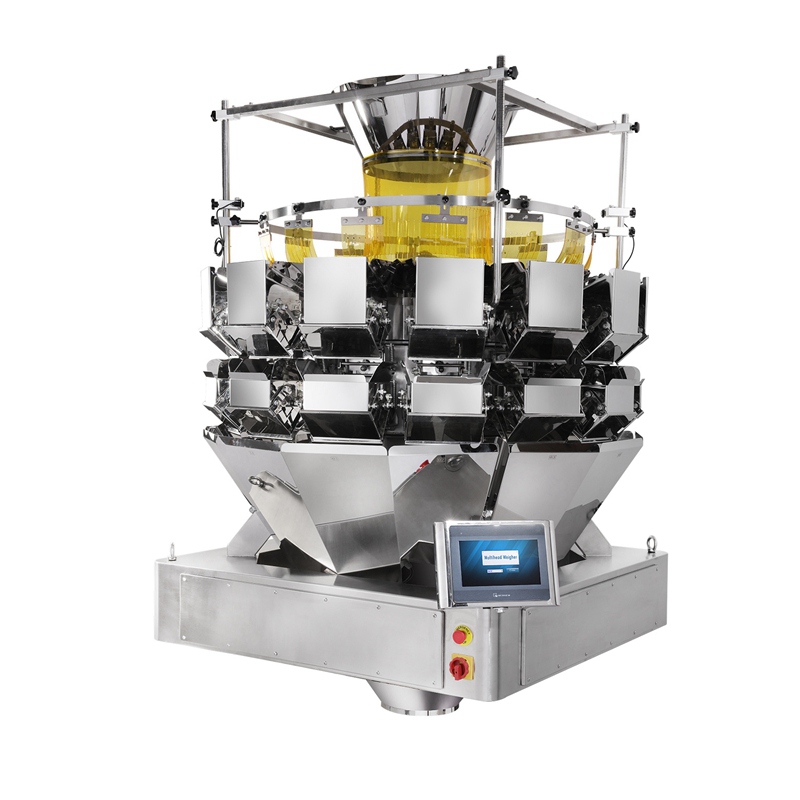
In today's fast-paced manufacturing landscape, staying ahead means maximizing production efficiency. UUPAC's Multihead Weigher is the ultimate solution for businesses aiming to streamline operations, cut costs, and increase output. With advanced features and versatile applications, it's designed to transform your production line.
Advanced Features of Our Multihead Weigher
1. High-Speed & Precision: Our weighers use high-precision digital sensors for rapid sampling and accurate weighing, ensuring reliable high-volume production.
2. Flexible Zero-Setting: With manual or automatic zeroing and dynamic tracking, calibration is easy and accuracy is consistent.
3. Optimized Algorithm: The latest sampling algorithm reduces errors and waste, enhancing weighing precision.
4. Anti-Block Design: Multiple discharge hoppers prevent material blockages, keeping your line running smoothly.
5. Smart Fault Detection: The built-in system quickly finds and fixes issues, minimizing downtime.
6. Dual Function: Combining weighing and counting boosts accuracy, fitting diverse production needs.
Wide Applications of Our Multihead Weigher
UUPAC's multihead weigher isn't just for snacks. It's engineered for quantitative weighing of granular, strip-shaped materials. In food processing, it handles items like chocolates, raisins, and coffee beans. The system also serves pharmaceutical tablets, hardware components, chemical granules, and plastic pellets – proving its adaptability across industries.
UUPAC's Multihead Weigher offers a perfect blend of speed, precision, and flexibility tailored to your unique business needs. Whether you're a small-scale manufacturer looking to optimize costs or a large enterprise aiming for higher throughput, our solution can deliver tangible results. Please contact us for more information if you are interested.
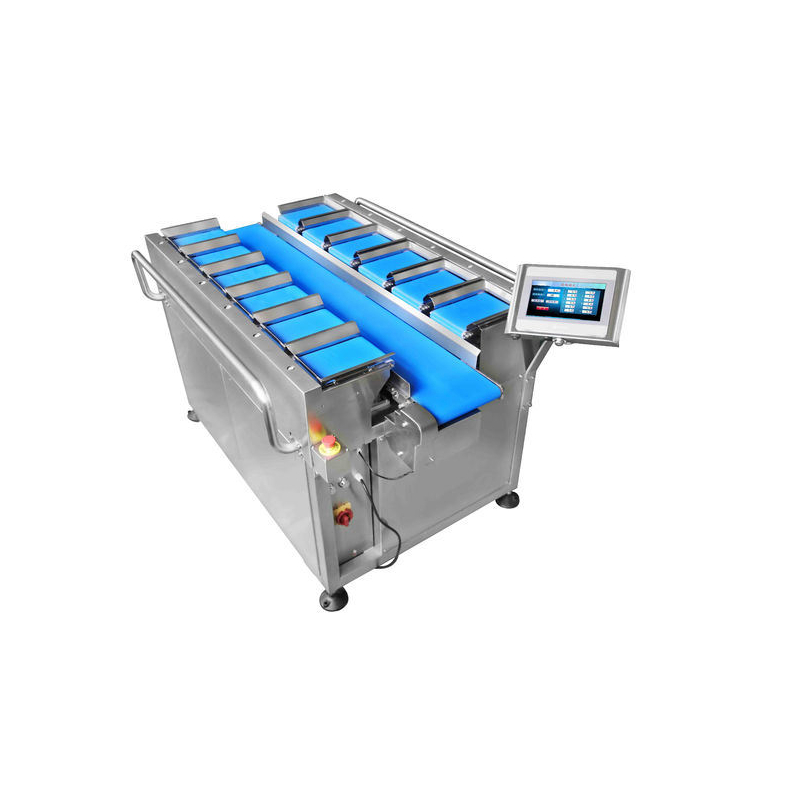
In today's fast-paced manufacturing environment, optimizing production efficiency is crucial for maintaining competitiveness. One of the key tools that can help achieve this goal is UUPAC's Belt Combination Weigher. This advanced weighing solution enhances accuracy, speed, and consistency in production lines, making it an indispensable asset for industries such as food processing, pharmaceuticals, and logistics.
What Is a Belt Combination Weigher?
A Belt Combination Weigher is a high-speed, multi-head weighing system that combines precision and automation to ensure accurate product measurement. Unlike traditional weighing methods, it uses multiple weigh buckets and an intelligent algorithm to select the optimal combination of weights, minimizing errors and maximizing throughput.
UUPAC's version stands out due to its durable construction, advanced software, and seamless integration with existing production lines.
Main Features of UUPAC's Belt Combination Weigher
1. Modular Belt Design——Detachable belt scale for easy cleaning.
4. Auto-Stop Function——Halts operation upon reaching preset production targets or weighing quantities.
5. Flexible Combination Modes——Supports weight-based or quantity-based combinations.
6. Priority Combination Control——Customizable belt prioritization and quantity limits.
7. Blending Weighing Optimization——Adjustable stagger discharge intervals and belt selection for mixed products.
How to Maximize Efficiency with UUPAC's Belt Combination Weigher
1. Optimize Product Flow
① Ensure proper alignment with upstream and downstream equipment.
② Adjust belt speed to match production requirements.
2. Regular Calibration & Maintenance
① Schedule routine checks to maintain accuracy.
② Clean belt and sensors to prevent buildup.
3. Use Smart Software Features
① Leverage real-time data tracking to monitor performance.
② Adjust combination algorithms for different product densities.
4. Train Operators Effectively
① Provide hands-on training for troubleshooting and adjustments.
② Encourage proactive monitoring of weight deviations.
Ready to boost your production efficiency? UUPAC's Belt Combination Weigher delivers faster throughput and pinpoint accuracy while reducing waste. Contact us today for a customized solution and discover how much more your production line could achieve!
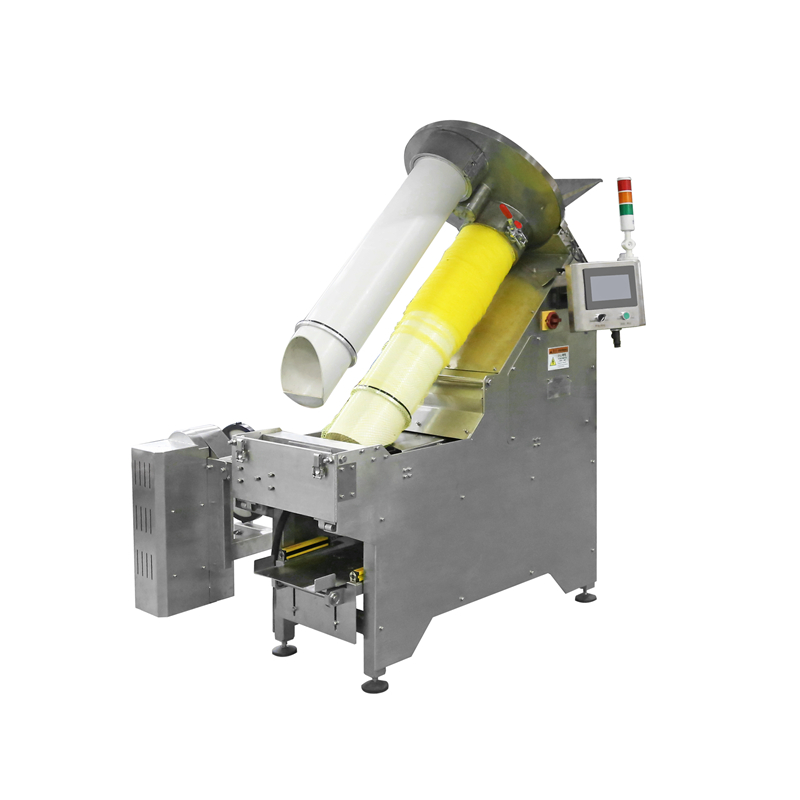
In today's competitive vegetable processing industry, inefficient packaging systems continue to hinder productivity and profitability for producers globally. UUPAC's Fully Automatic Net Bag Packing Machine delivers a better solution, combining precision engineering with smart technology to overcome three critical operational challenges. Below is an in-depth exploration of how UUPAC's Fully Automatic Net Bag Packing Machine solves vegetable packaging operational challenges.
1. Overcoming Manual Labor Limitation
Traditional packaging lines rely heavily on human operators for sorting, weighing, and bagging, leading to inconsistent output and high labor costs. UUPAC's machine addresses this with its AirTAC pneumatic components and Schneider PLC control system, delivering up to 25-40 bags per minute. The intuitive touch-screen interface simplifies operation, reducing reliance on skilled labor and enabling seamless workflow management. Additionally, the dual positioning gears and proximity switches ensure precise net bag placement, eliminating the need for manual adjustments and further enhancing efficiency.
2. Mitigating Product Damage During Packaging
Fragile vegetables such as leafy greens and berries often suffer bruising or wilting due to rough handling in conventional machines. UUPAC's solution incorporates a robust construction of hard carbon steel plates and stainless steel materials, ensuring hygienic operations while minimizing mechanical wear. The innovative tube design enables automatic net bag replacement after each use, reducing contact between the machine and produce to lower damage rates by 70%. This design, combined with the gentle conveying system, preserves vegetable freshness and quality, making it ideal for premium produce suppliers.
3. Enhancing Operational Flexibility
Adapting to diverse production needs is critical for modern vegetable processors, and UUPAC's machine excels in delivering operational agility. The packaging size of the equipment adheres to industry standards, ensuring compatibility with various distribution channels and minimizing integration hurdles. The quick and effortless packing tie change mechanism stands out as a key feature, allowing operators to switch between different product types in minutes——whether transitioning from leafy greens to root vegetables or adjusting bag sizes for varying batch quantities. This flexibility is further amplified by the high-reliability LS inverters and Schneider PLC control system, which enable real-time parameter adjustments to accommodate different packaging requirements without compromising speed or precision. The result is a production line that can rapidly respond to fluctuating market demands, reducing downtime and maximizing equipment utilization.
Conclusion——Why choose our Fully Automatic Net Bag Packing Machine?
1. Durable Construction: Hard carbon steel and stainless steel materials ensure corrosion resistance and long-term hygiene.
2. Automatic Net Bag Replacement: Tube design streamlines operations for continuous use.
4. Precision Positioning: Dual gears and proximity switches ensure accurate bag alignment.
5. Intelligent Controls: LS inverters and Schneider PLCs enable intuitive, high-precision operation
6. Standardized Sizing: Meets industry packaging norms for seamless integration.
7. Effortless Adjustments: Quick packing tie changes for versatile production runs.
8. User-Friendly Interface: Intuitive touch-screen controls reduce training time and operational errors.
By integrating these features, UUPAC's Fully Automatic Net Bag Packing Machine not only resolves long-standing inefficiencies but also sets new standards for productivity and quality in vegetable packaging. Please contact us for more information if you're interested.
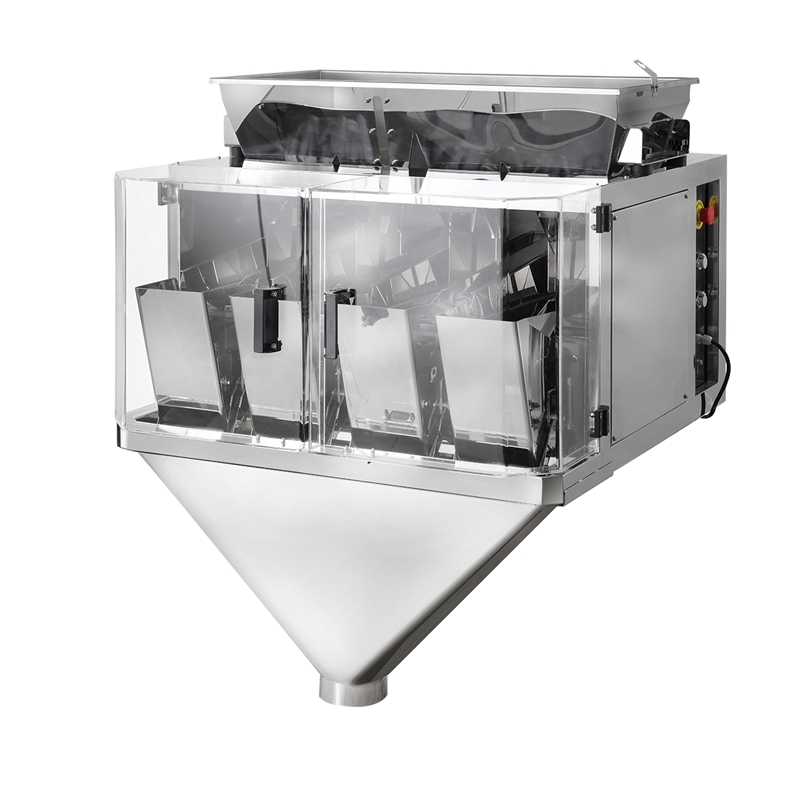
In the fast-paced and highly competitive food industry, precision is not just a preference—it's a necessity. This is where UUPAC's High Accuracy Linear Weigher steps in.
First and foremost, a high accuracy linear weigher plays a pivotal role in ensuring food safety and compliance. By accurately measuring the weight of each food item, it helps prevent underweight or overweight packaging, which could lead to regulatory issues and damage to a brand's reputation. For example, in the production of pre-packaged snacks or frozen foods, even the slightest weight discrepancy can violate consumer protection laws.
Efficiency is another area where this technology shines. High accuracy linear weighers are designed for high-speed operation without sacrificing precision. They can handle a large volume of products in a short time, significantly increasing production output. This means faster turnaround times and the ability to meet growing market demands.
Cost-effectiveness is also a key advantage. With accurate weighing, food manufacturers can reduce product waste. Over-filling packages with extra product is not only wasteful but also increases production costs. The high accuracy linear weigher ensures that the exact amount of product is used, optimizing resource utilization and cutting down on unnecessary expenses. In conclusion, the high accuracy linear weigher has become an indispensable asset in the food industry, offering a combination of safety, efficiency, and cost-savings that no modern food production line can afford to overlook.
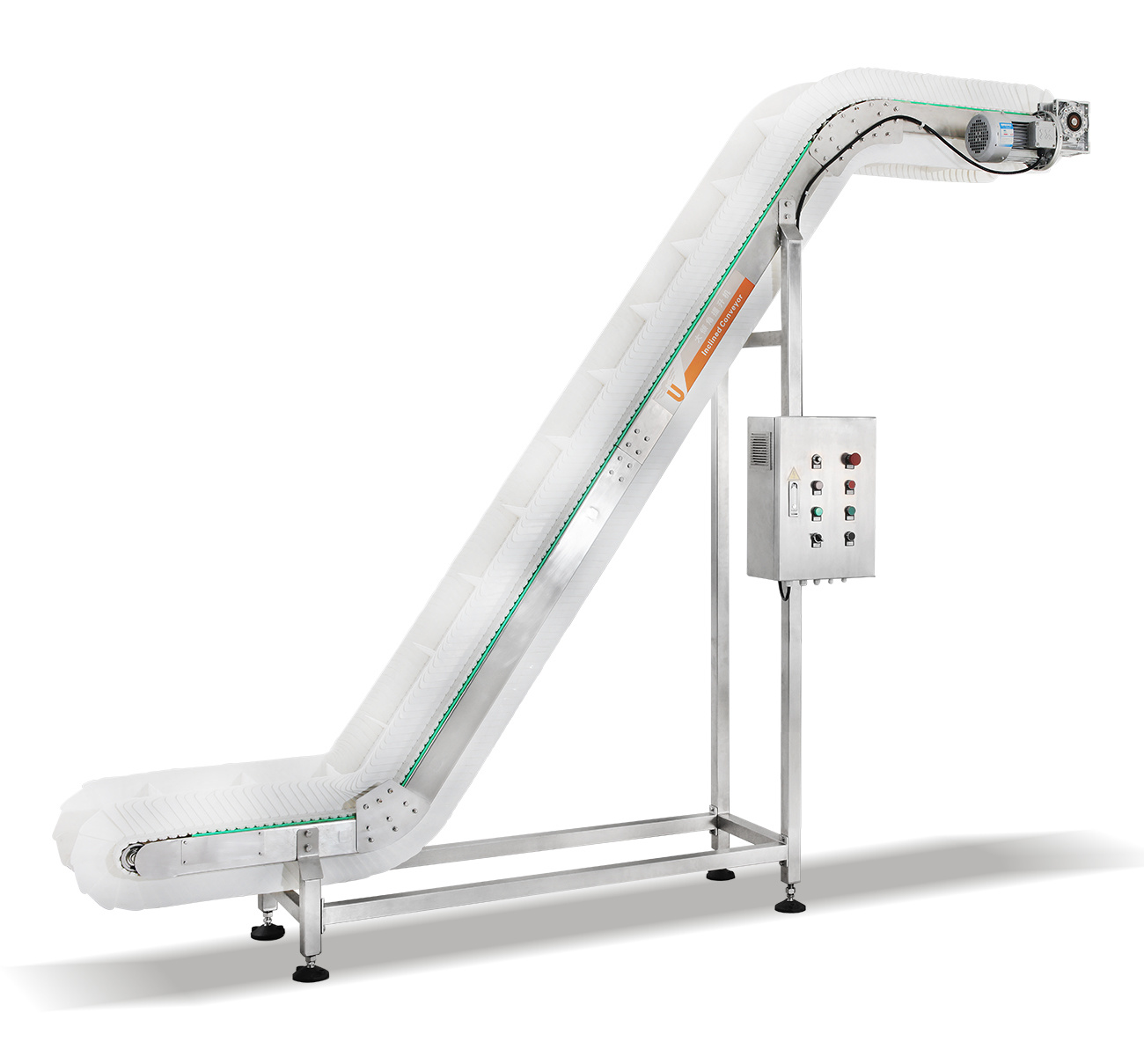
In the fast-paced food and beverage processing industry, the demand for material handling equipment that offers both stability and high efficiency is paramount. UUPAC's High Stability Inclined Belt Conveyor is engineered to meet these exacting standards, providing a reliable and efficient solution for a wide range of applications.
Unmatched Material Quality for Consistent Performance
The conveyor belt of UUPAC's inclined belt conveyor is crafted from food-grade polypropylene (PP) material. This choice of material is not only compliant with strict food safety regulations but also brings multiple advantages that contribute to high-efficiency performance. With the ability to freely adjust the belt length and width, it can be customized to fit various production line layouts, eliminating the need for complex reconfigurations. The belt's aesthetic appeal, coupled with its excellent resistance to deformation, ensures it maintains a professional look while withstanding the rigors of continuous operation. Its high and low-temperature resistance further enables seamless operation in diverse processing environments, whether it's the chilled storage areas for cold - processed foods or the high-heat zones in baking facilities. This durability reduces downtime due to belt replacement, keeping your production line running smoothly and efficiently.
Versatility and Adaptability for Diverse Applications
UUPAC's inclined belt conveyor stands out for its wide range of applications and long service life. The variety of patterns available on the belt surface, along with the option of sidewalls and skirts, allows for the secure transportation of different types of food and beverage products. Whether you're handling delicate pastries, heavy canned goods, or flowing liquids, there's a configuration that can be tailored to your specific needs. This adaptability minimizes the requirement for multiple conveyors, streamlining your production process and saving valuable space. The long - lasting nature of the conveyor also means lower overall costs over time, as you won't need to invest in frequent replacements, enhancing the efficiency of your operations from a financial perspective as well.
Seamless Integration for Automated Production
One of the key features that boosts the efficiency of UUPAC's inclined belt conveyor is its ability to combine with other equipment to form a complete production line for continuous or intermittent automatic weighing and packaging. In the food and beverage industry, where precision and speed are crucial, this seamless integration ensures a smooth flow of products from one process to the next. For example, it can be connected to automated weighing machines that accurately measure the quantity of ingredients or finished products, followed by packaging units that seal and label items with precision. This eliminates the need for manual intervention at multiple stages, reducing the risk of human error and significantly increasing production speed. The result is a highly efficient production line that can handle large volumes of products with ease, meeting the demands of modern food and beverage processing.
User-Friendly Design for Easy Operation and Maintenance
The variable frequency drive (VFD) feature of UUPAC's inclined belt conveyor allows for easy adjustment of the conveying speed, providing flexibility to match the pace of different production processes. Whether you need to slow down for delicate handling or speed up for high-volume production, the VFD gives you precise control.
Additionally, the conveyor's design enables easy disassembly, making maintenance and cleaning a breeze. In the food and beverage industry, where hygiene is of utmost importance, quick and efficient cleaning is essential to prevent cross-contamination and ensure product safety. With UUPAC's conveyor, you can minimize downtime for cleaning and maintenance, getting your production line back up and running in no time, thereby maintaining high levels of operational efficiency.
In conclusion, UUPAC's High Stability Inclined Belt Conveyor is a comprehensive solution that delivers high-efficiency performance in the food and beverage processing industry. Its combination of high-quality materials, versatility, seamless integration capabilities, specialized solutions, and user-friendly design makes it an ideal choice for businesses looking to optimize their production processes. If you're seeking a reliable and efficient conveyor system that can enhance your productivity and reduce costs, contact UUPAC today to learn more about how our inclined belt conveyor can meet your specific needs.
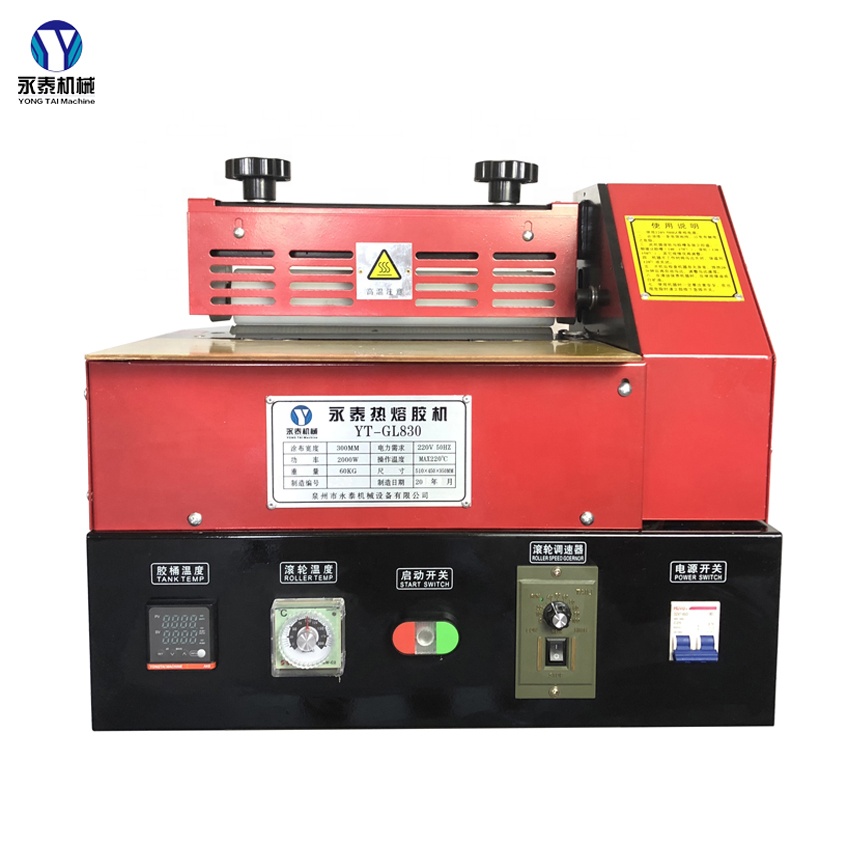
Improvement of shoemaking process: The use of hot melt glue machine makes the shoemaking process more efficient, precise and cost-saving. By using hot melt glue machine in the shoemaking process, the soles, uppers and other shoe parts can be glued, which improves the efficiency of shoemaking and reduces labor costs.
Quality control and product consistency: Hot melt glue machine ensures that the glue is evenly applied to parts such as soles and uppers, improves the quality control of shoemaking and ensures product consistency. This helps to produce high-quality shoes, enhance brand image and market competitiveness.
Environmental protection and health: Compared with traditional glue methods, the hot melt adhesives used by hot melt glue machines are usually more environmentally friendly, free of volatile hazardous substances, and meet environmental standards, which helps reduce the impact of the production process on the environment. In addition, the operation of hot melt glue machines is relatively clean, reducing the risk of workers being exposed to hazardous substances and protecting the health of employees.
Customization and innovative design: The flexibility and precision of hot melt glue machines enable shoe companies to better achieve customized production and innovative design. Manufacturers can more easily explore new design concepts and production methods to provide customers with personalized customized shoes to meet different needs and markets.
Supply chain efficiency: The use of hot melt glue machines can help shoemaking companies improve supply chain efficiency and reduce production time and production costs. The rapid curing and bonding effect of glue can speed up the production process, shorten the delivery cycle, and improve the competitiveness of enterprises.
In short, the application of hot melt glue machines in the field of shoemaking plays an important role in improving production efficiency, product quality and environmental awareness, and is of great significance to the development of the shoemaking industry.
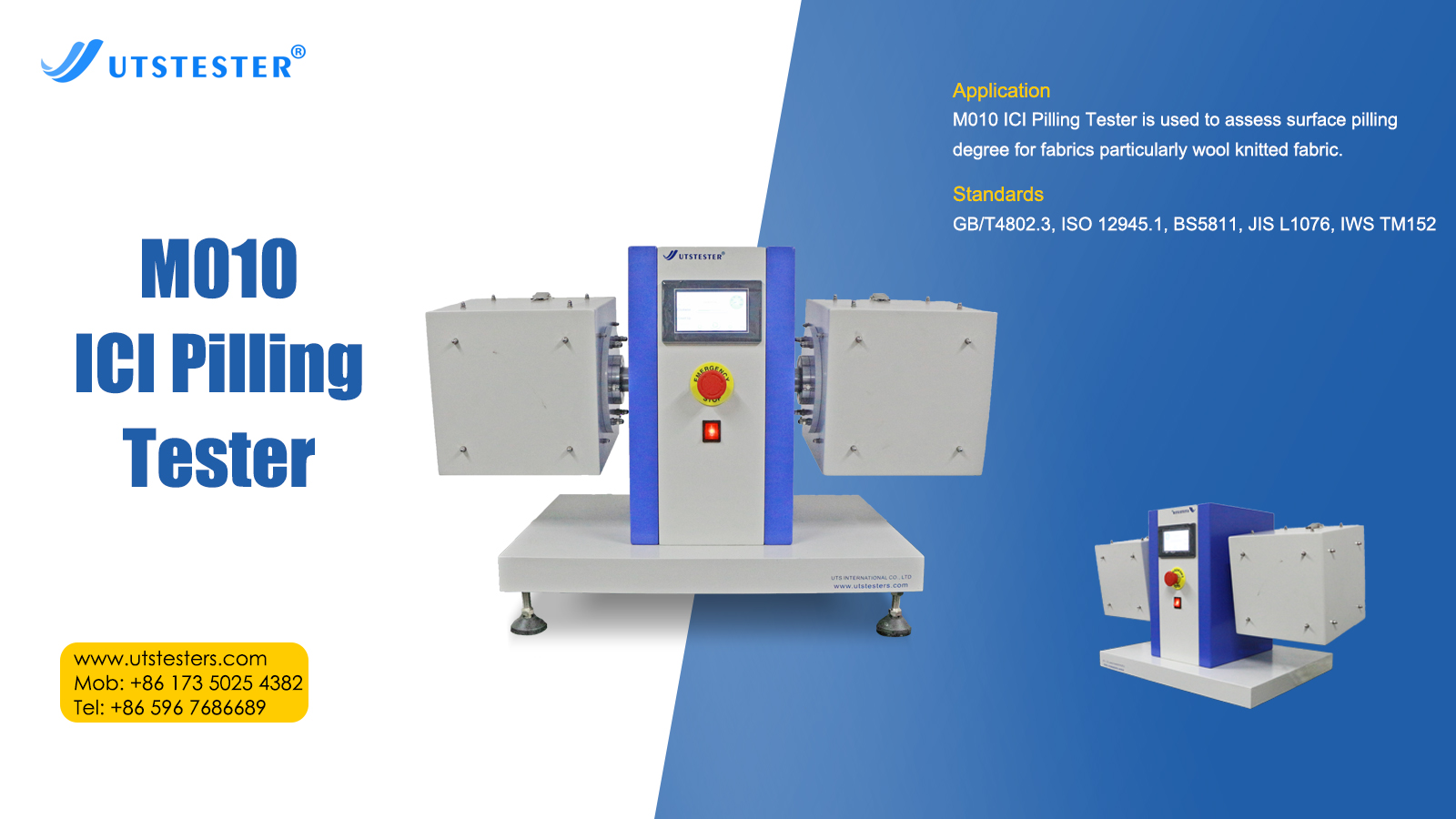
ICI pilling tester is a professional test equipment specially used to evaluate the anti-pilling performance of textile surface. The instrument provides objective data for textile quality control by simulating the friction effect of fabrics in daily use.
Main uses
1. Textile quality evaluation
(1) Used to determine the ability of various woven fabrics, knitted fabrics and non-woven fabrics to resist surface pilling during wearing and washing.
(2) Evaluate the anti-pilling performance of different fabrics (such as wool, cotton, chemical fiber and their blended fabrics).
(3) Provide objective basis for product quality control for textile manufacturers.
2. Product R&D support
(1) Help R&D personnel compare the anti-pilling properties of different fiber materials, yarn structures and fabric structures.
(2) Evaluate the effects of new textile materials or special finishing processes (such as anti-pilling treatment).
(3) Provide data support for product improvement and optimize production process parameters.
3. Standard compliance testing
(1) Implement pilling tests of international standards (such as ISO 12945), national standards (such as GB/T 4802.1) and industry standards.
(2) Provide compliance test reports for product certification.
(3) Ensure that exported textiles meet the quality requirements of the target market.
4. Consumer experience prediction
(1) Simulate the surface changes of fabrics under normal use conditions.
(2) Predict the appearance retention of products after actual wearing and washing.
(3) Provide consumers with product quality reference.
Application industries
(1) Garment manufacturing industry (especially high-end suits, sweaters and other products prone to pilling).
(2) Home textile industry (sheets, sofa fabrics, etc.).
(3) Industrial textiles.
(4) Quality inspection agencies and third-party testing laboratories.
(5) Textile colleges and research institutions.
ICI pilling tester provides the textile industry with an important tool for evaluating product durability and appearance retention through standardized testing methods, which plays an important role in improving product quality and consumer satisfaction.
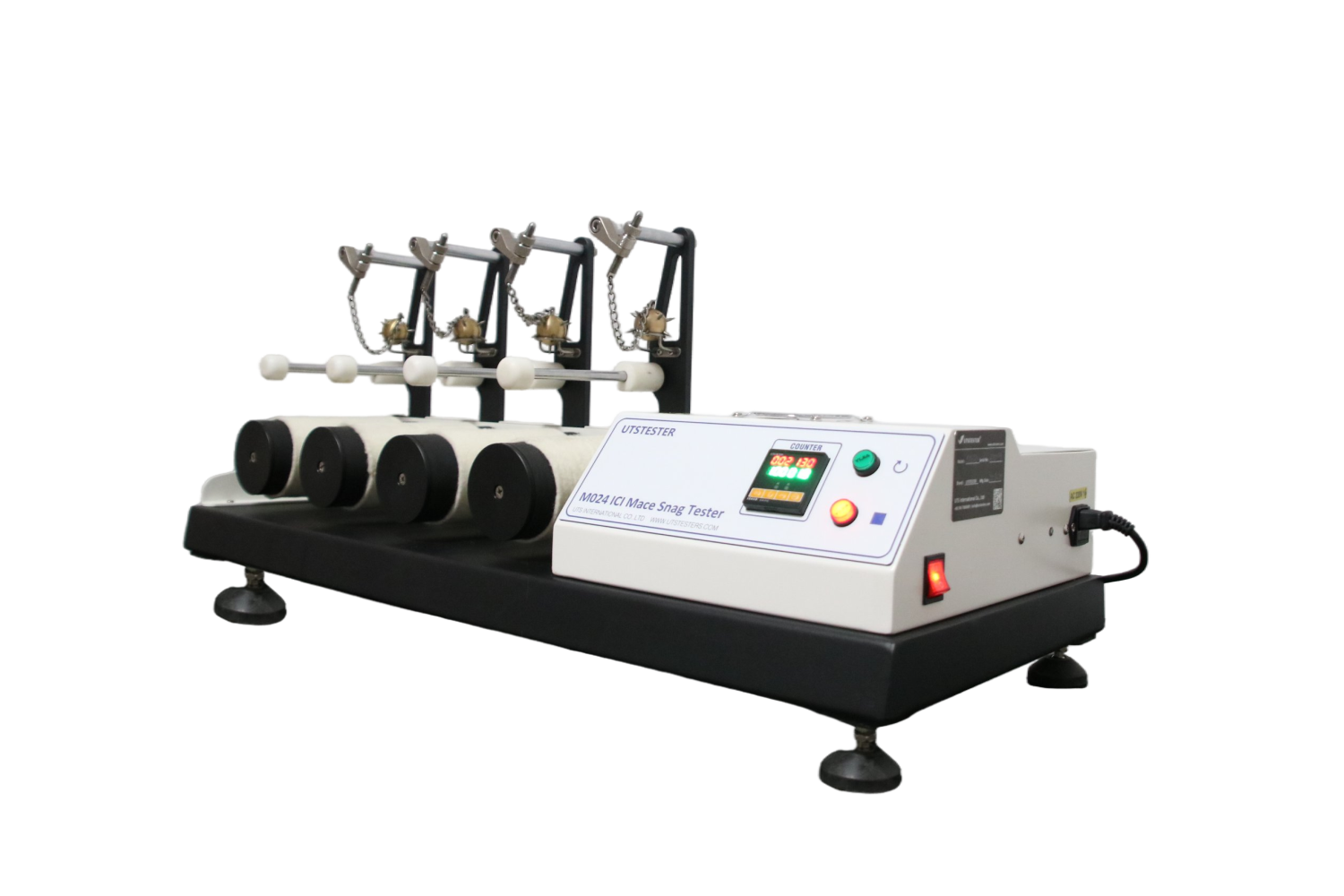
ICI Mace Snag Tester is a test device used to evaluate the snagging tendency of fabrics when subjected to sharp objects. The instrument is widely used in the anti-snagging performance test of textiles, knitwear, woven fabrics and other materials, and is suitable for quality control, product development and standard testing.
II. Test Standards
ICI Mace Snag Tester is usually tested according to the following standards:
(1)ASTM D3939 (Standard Test Method for Snagging Resistance of Fabrics (Mace Test Method))
(2)ISO 16547 (Textiles — Determination of fabric propensity to snagging — Mace test)
(3)BS 5811 (British Standard)
III. Preparation before testing
1. Instrument inspection
(1) Make sure the instrument is placed horizontally to avoid vibration interference.
(2) Check whether the rotating arm and test pin (mace) are intact and free of wear or deformation.
(3) Ensure that the inside of the test box is clean and free of residual fibers or impurities.
2. Sample preparation
(1) Sample size: at least 200mm × 200mm (it is recommended to cut into a circle to fit the test box).
(2) Number of samples: usually 3-5 samples are tested to improve data accuracy.
(3) Sample status: should be humidified for at least 24 hours under standard atmospheric conditions (20±2℃, 65±4% RH).
3. Calibration (if necessary)
Use standard calibration fabric to calibrate the instrument to ensure consistency of test results.
Check whether the rotation speed meets the standard (usually 60±2 rpm).
IV. Test steps
1. Install the sample
(1) Fix the sample flatly on the sample clamp in the test box to ensure that there are no wrinkles.
(2) Adjust the sample tension so that it is close to the inner wall of the test box but not overstretched.
2. Set test parameters
(1) Test time: usually 600 revolutions (about 10 minutes), or adjust according to standard requirements.
(2) Rotation speed: 60 rpm (default value).
3. Start the test
(1) Close the test box door and ensure that it is securely locked.
(2) Press the start button and the instrument starts running.
(3) Avoid opening the door or interfering with the instrument operation during the test.
4. End of the test
(1) After the instrument stops automatically, remove the sample.
Inspect the surface of the sample for any snagging and record the number, length and severity of snagging.
V. Result Evaluation
1. Rating Method
Usually, visual rating method is used to judge by comparing with standard sample photos or rating cards:
Grade 1: Severe snagging (many long snagging)
Grade 2: Moderate snagging (obvious snagging)
Grade 3: Slight snagging (a few short snagging)
Grade 4: Almost no snagging (very slight)
Grade 5: No snagging (perfect)
2. Data Recording
(1) Record the snagging level of each sample.
Calculate the average value as the final test result.
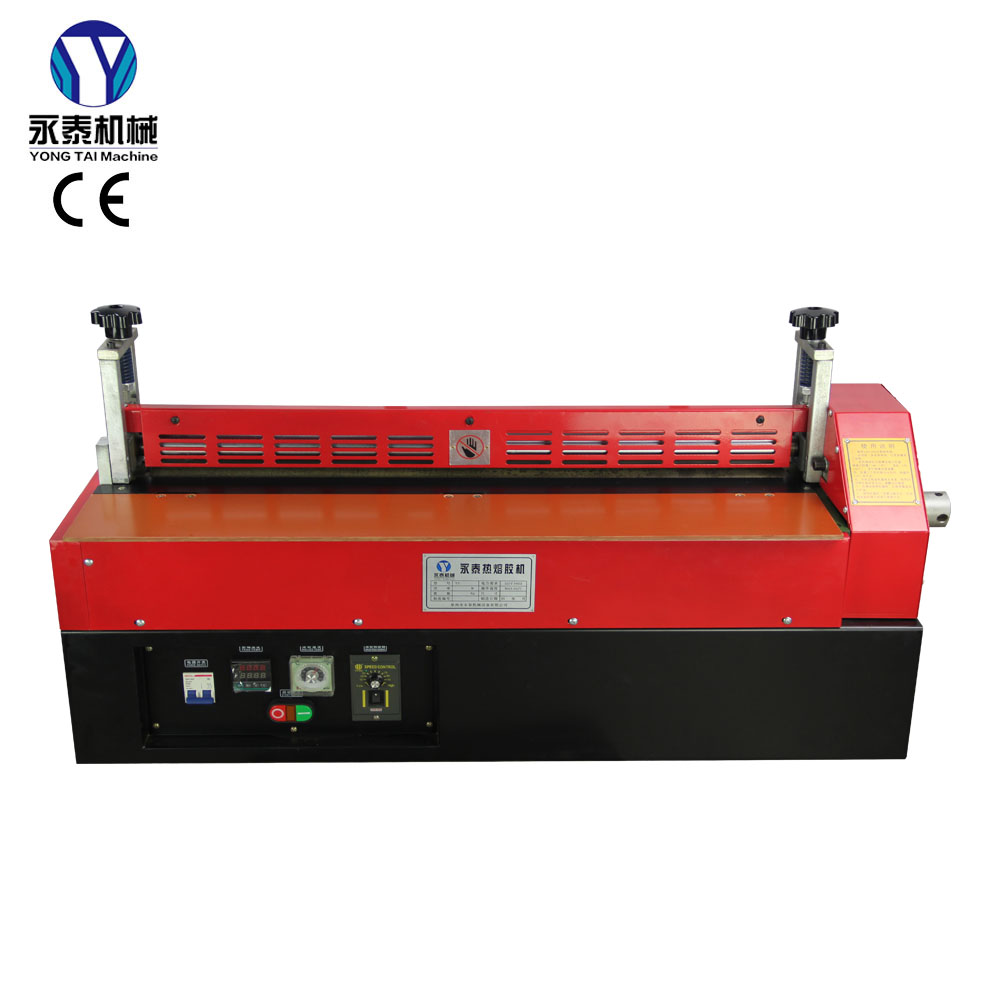
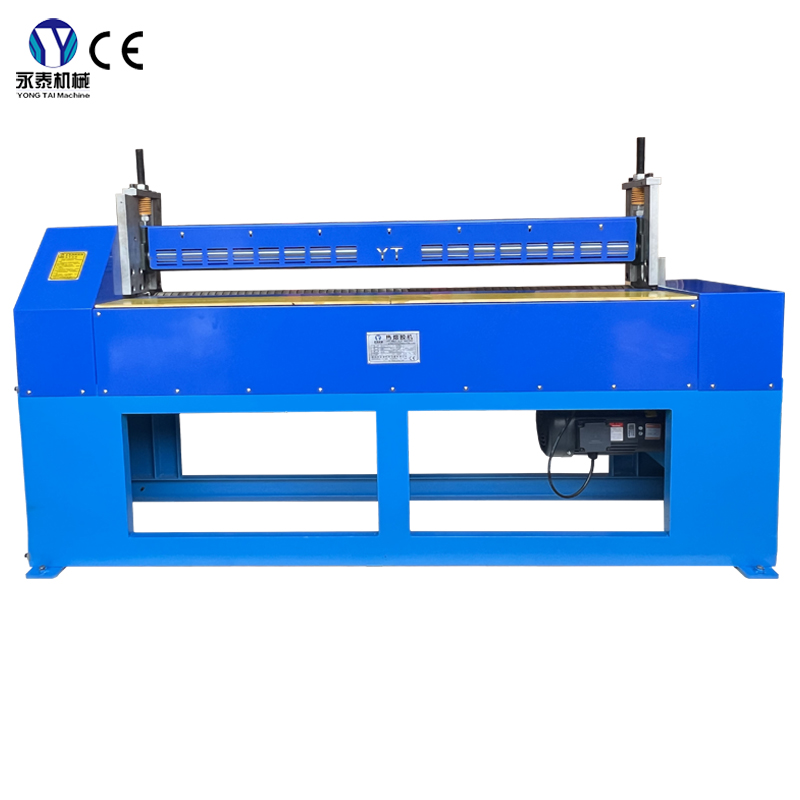
In modern manufacturing, hot melt adhesive is widely used in various industries, including packaging, woodworking, electronics, and automobiles. However, the traditional manual scraping gun method has some inconveniences in large-scale production, such as low production efficiency and high labor costs. In order to overcome these challenges, engineers have developed hot melt adhesive automatic scraping gun technology, providing companies with a tool to improve efficiency and reduce costs.
Limitations of traditional manual scraper guns
In traditional hot melt adhesive applications, workers need to manually bring the hot melt adhesive gun close to the target surface and manually control the spraying and scraping process of the hot melt adhesive. This method has several disadvantages. First, the manual scraper gun needs to be repeatedly positioned and controlled, and the errors caused by this are difficult to avoid, resulting in uneven coating and unstable quality. Second, long-term use of manual scrapers can easily cause worker fatigue and reduce worker work efficiency. In addition, manual scrapers also cause waste of hot melt adhesive because operators often find it difficult to accurately control the amount of hot melt adhesive used.
Advantages of hot melt adhesive automatic scraper
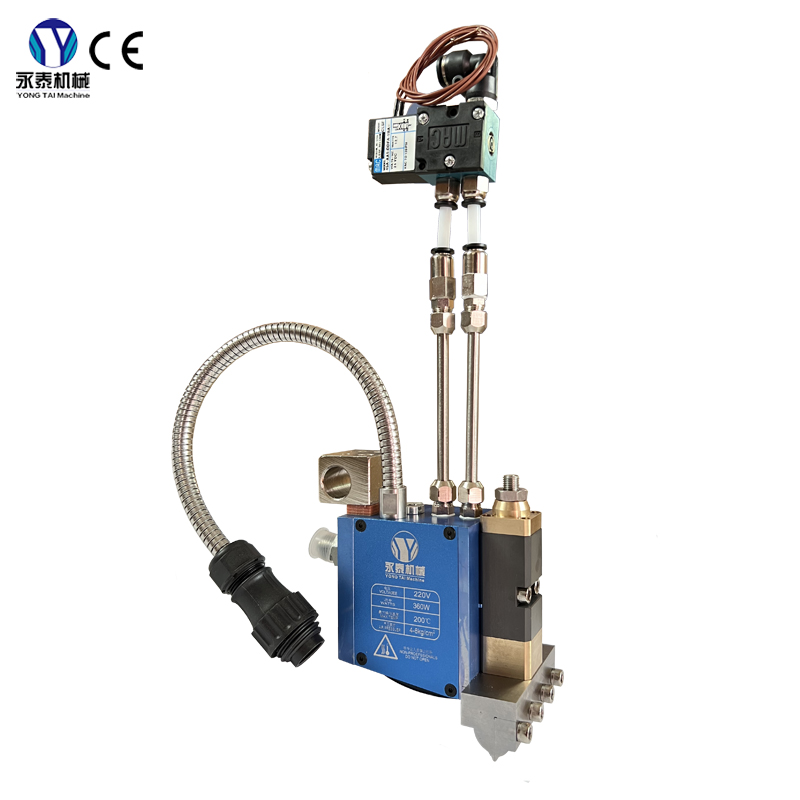
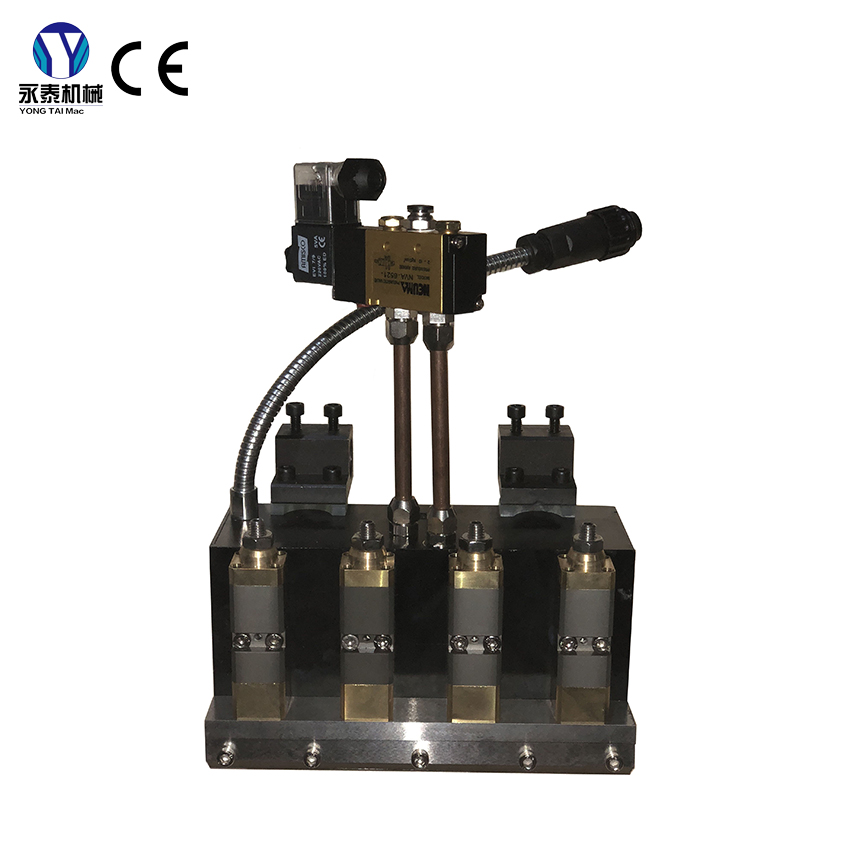
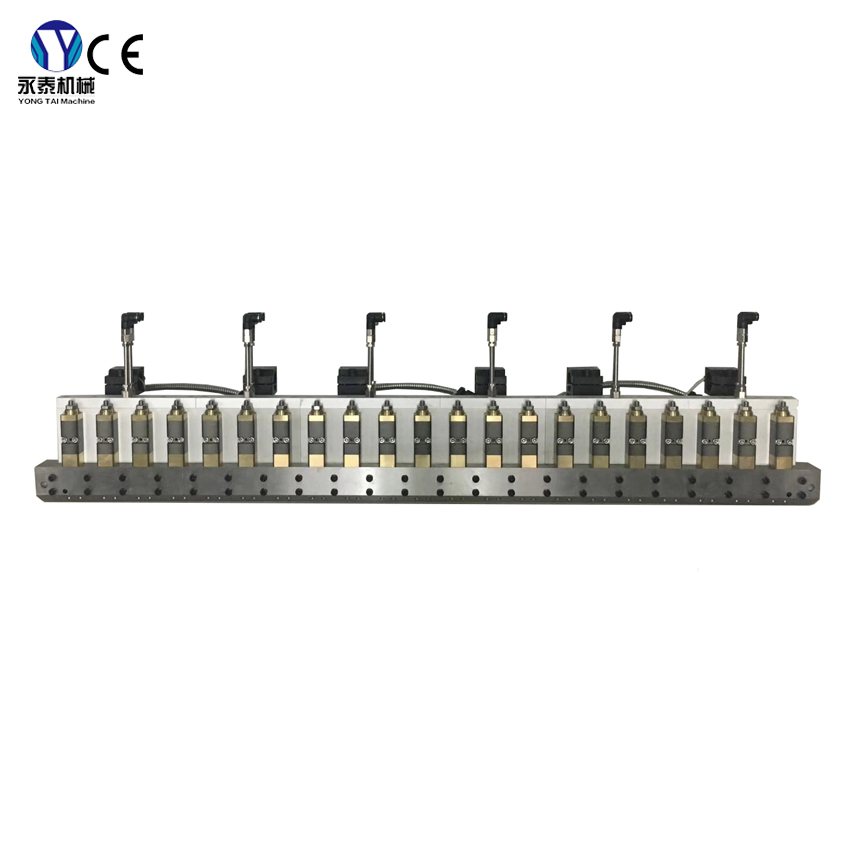
In order to solve the problems of traditional manual scraper, automation technology is gradually applied to the hot melt adhesive field. The hot melt adhesive automatic scraper system consists of a coater, a sensor and a control system. The coater can spray the hot melt adhesive evenly onto the target surface through precise control. At the same time, the sensor can monitor the shape and state of the target surface and automatically adjust the height and speed of the scraper to ensure the consistency and accuracy of the coating. The control system can realize the automated hot melt adhesive scraper process according to the preset parameters and process requirements.
Application fields of hot melt adhesive automatic scraper
Hot melt adhesive automatic scraper technology has been widely used in many industries. In the packaging field, it is used in carton sealing, bag sealing, tape bonding and other links to improve production speed and quality stability. In the woodworking industry, hot melt adhesive automatic scraper can be used in furniture manufacturing, board bonding and other processes to improve production efficiency and product quality. In the electronics industry, automatic scrapers can be used in circuit board assembly, component packaging and other processes to improve work efficiency and reliability. In the automotive manufacturing field, hot melt adhesive automatic scraper can be used in body sealing, interior bonding and other processes to improve bonding effect and product reliability.
The application of hot melt adhesive automatic scraper technology has brought great benefits to all walks of life. It can improve production efficiency, reduce labor costs, ensure the consistency of coating quality, and reduce the waste of hot melt adhesive. With the continuous development of automation technology, hot melt adhesive automatic scraper will be used in a wider range of fields and continue to create greater economic benefits and development opportunities for enterprises.
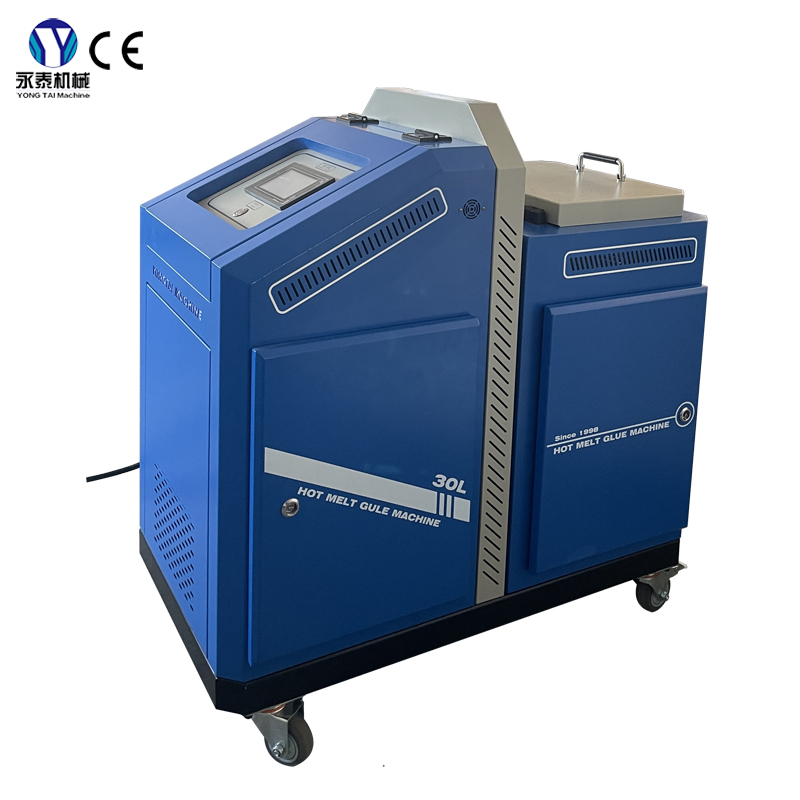
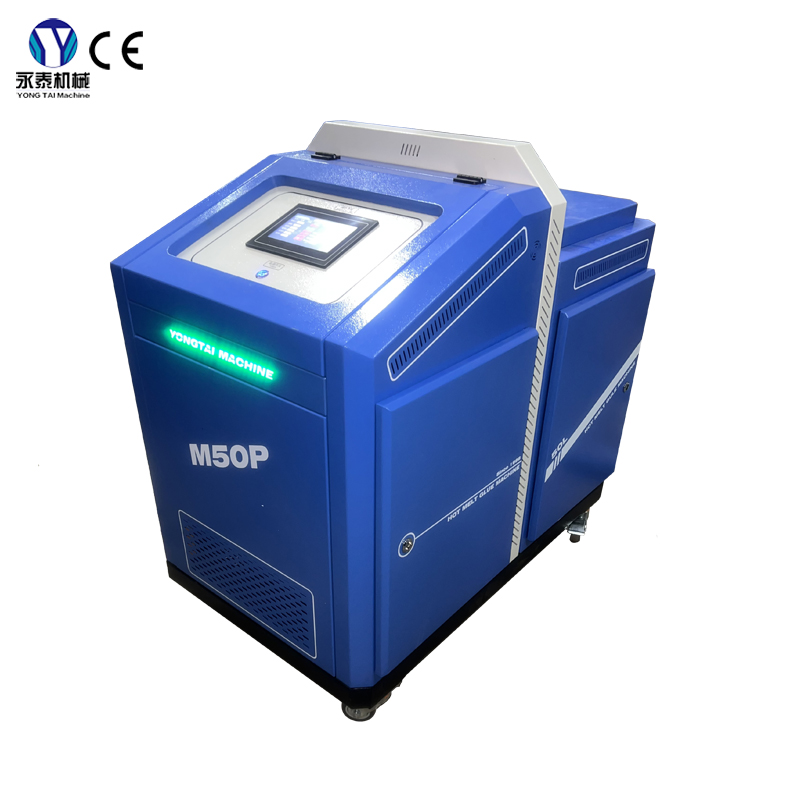
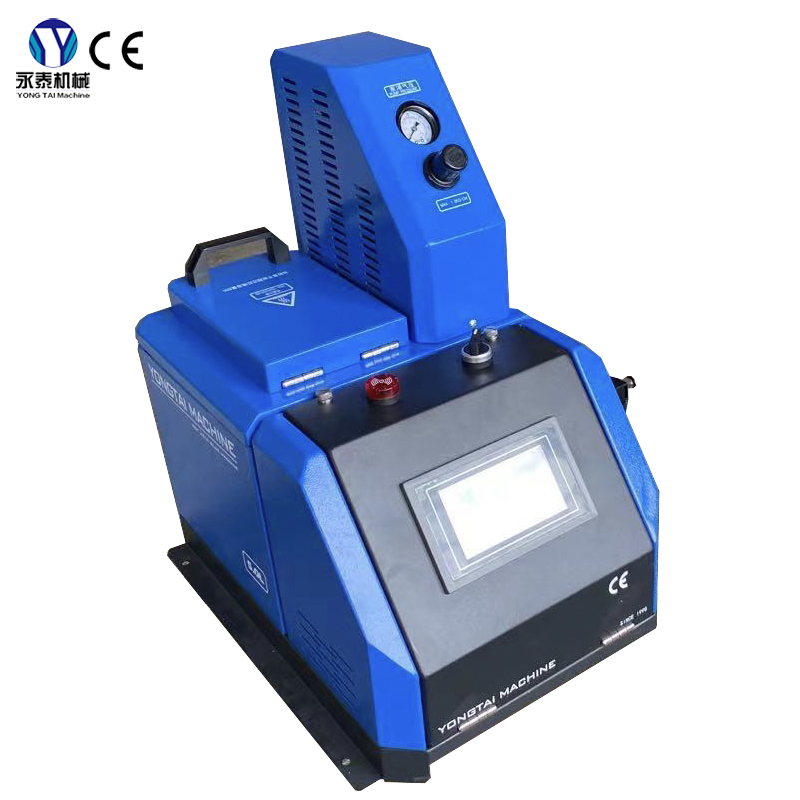
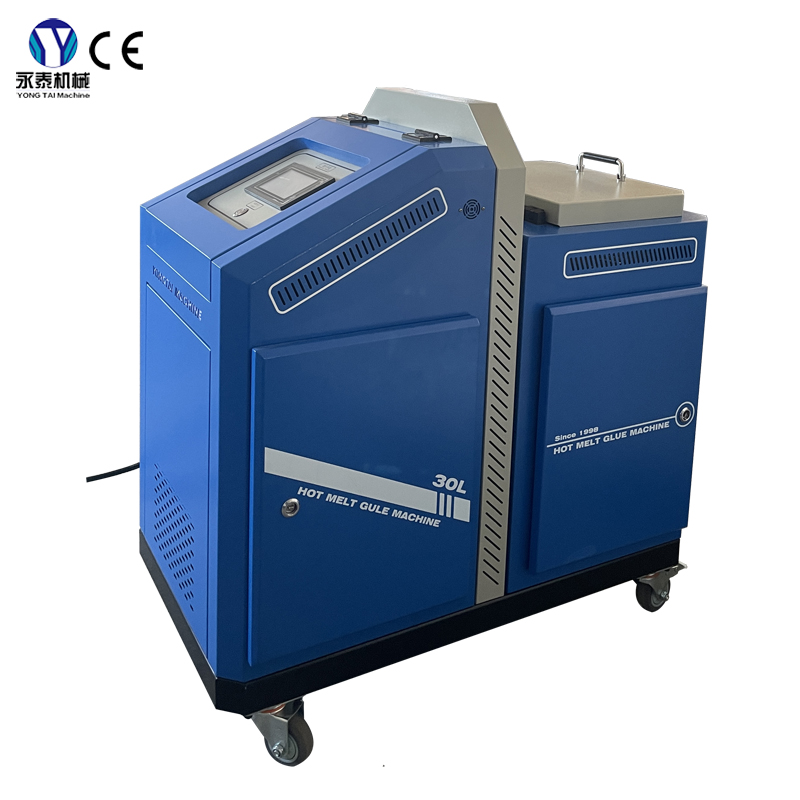
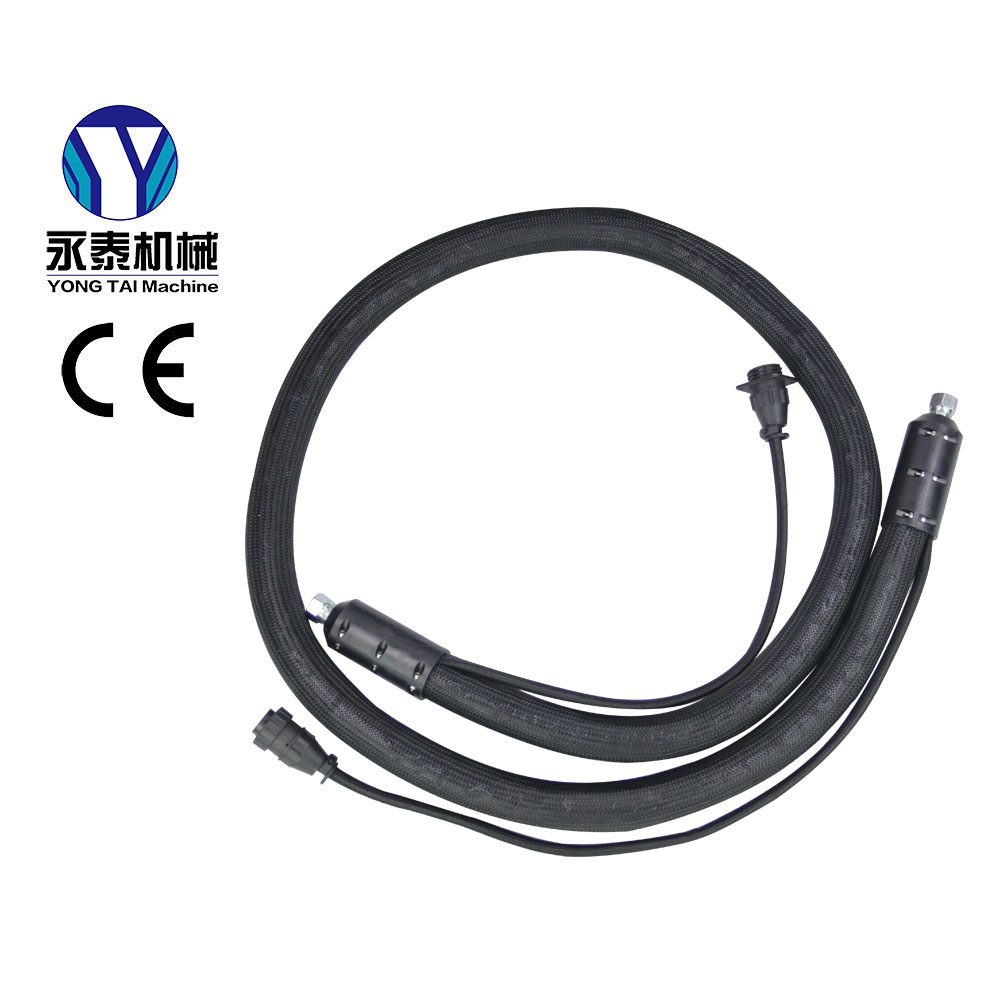
As an efficient and convenient bonding equipment, hot melt adhesive machine is widely used in packaging, textile, automobile manufacturing and other fields. However, in actual use, hot melt adhesive machine often encounters a thorny problem - carbonization. The generation of carbonization not only affects the normal operation of the equipment, but may also lead to product quality degradation or even equipment damage. Therefore, understanding how to effectively prevent carbonization, the impact of carbonization on use, and the correct treatment method after carbonization is crucial to ensure the stability of the hot melt adhesive machine and extend its service life.
Carbonization is mainly caused by the following factors:
· Too high temperature: Hot melt adhesive needs to melt at a certain temperature, but if the temperature is set too high or the equipment is in a high temperature state for a long time, it will cause the colloid to decompose.
· Too long residence time: The hot melt adhesive stays in the heating system for too long and fails to be discharged in time, which is prone to oxidation and decomposition.
· Air ingress: If the equipment is not well sealed, oxygen in the air enters the adhesive tank or pipe, which will accelerate the oxidation reaction of the colloid.
· Material problem: Some types of hot melt adhesives are sensitive to high temperatures and are more prone to carbonization.
· Equipment aging: Hot melt adhesive machines that have been used for a long time may have problems such as aging of heating elements and failure of temperature control systems, which may lead to abnormal temperature increases.
In order to reduce the occurrence of carbonization of hot melt adhesive machines, the following are some practical preventive measures:
1. Reasonable temperature control
· Set the appropriate heating temperature according to the type of hot melt adhesive used. It is generally recommended to control the temperature at the lower limit of the recommended range to reduce the risk of colloid decomposition.
· Regularly check whether the temperature control system is accurate to avoid abnormal temperature rise due to equipment failure.
2. Shorten the residence time of colloid
· During the production process, minimize the residence time of hot melt adhesive in the heating system. The production process can be optimized to speed up the flow rate of colloid and reduce the time the colloid is exposed to high temperature.
· If the equipment is out of use for a long time, the residual colloid in the glue tank and pipeline should be cleaned in time to avoid carbonization due to long-term standing.
3. Maintain the tightness of the equipment
· Ensure that the hot melt adhesive machine's adhesive tank, pipes, nozzles and other parts are well sealed to prevent air from entering and contacting the adhesive.
· For open-design equipment, consider installing a dust cover or using an inert gas (such as nitrogen) for protection to reduce the occurrence of oxidation reactions.
4. Regularly maintain the equipment
· Regularly check the heating elements, temperature control system and pipe connections of the hot melt adhesive machine to ensure that the equipment is operating normally.
· When cleaning the adhesive tank and pipes, the residual colloid should be thoroughly removed to avoid excessive accumulation and carbonization.
5. Choose high-quality hot melt adhesive
· Different types of hot melt adhesives have different tolerance to high temperatures. It is recommended to choose products with good stability and anti-aging properties.
· When changing the brand or model of hot melt adhesive, be sure to test it first to ensure that it is compatible with the existing equipment.
6. Pay attention to the frequency of adding glue
·During the production process, hot melt glue should be added in an appropriate amount according to actual needs to avoid adding too much glue at one time, which will cause some glue to be carbonized due to long-term non-use.
Once carbonization is found in the hot melt adhesive machine, the following steps should be taken in time to deal with it:
1. Stop the equipment immediately
·When carbonization is detected, the hot melt adhesive machine should be turned off immediately and the heating operation should be stopped to prevent further carbonization.
·Cut off the power supply and wait for the equipment to cool down completely before proceeding with the subsequent operation
2. Clean carbides
· Use special tools or chemical cleaning agents to remove carbides on the adhesive tank, pipes and nozzles.
Common cleaning methods include:
o Mechanical cleaning: Use scrapers, brushes and other tools to manually remove carbides, which is suitable for mild carbonization. o Chemical cleaning: Select a cleaning agent suitable for hot melt adhesive materials (such as professional adhesive remover), inject it into the equipment and soak it for a period of time, and rinse it with clean water after the carbides soften.
o High temperature burning: For stubborn carbides, high temperature burning can be used for cleaning, but it is necessary to control the temperature to avoid damaging equipment components.
3. Check the equipment condition
· After cleaning, carefully check whether there is wear or damage to the glue tank, pipes and nozzles. If necessary, replace damaged parts in time to ensure the normal operation of the equipment.
· Check the performance of the heating elements and temperature control system to ensure that they are working properly.
4. Recalibrate the temperature setting
· Before restarting the equipment, recalibrate the temperature setting to ensure that it meets the requirements for the use of hot melt adhesive.
· Perform a trial run to observe whether the equipment is operating normally and whether the glue flows out evenly.
5. Strengthen daily maintenance
· Analyze the causes of carbonization problems that have occurred and formulate improvement measures to avoid similar situations from happening again.
· Strengthen the daily maintenance of equipment, clean the rubber tank and pipelines regularly, and ensure that the equipment is always in good condition.