Operation Method of Clutch for ISUZU Concrete Mixer Truck

During normal driving, please avoid unnecessary clutch operation. Under typical driving conditions, the clutch of the ISUZU Concrete Mixer Truck should remain fully engaged and should not slip. Do not step on the clutch pedal or place your foot on it, except when starting the vehicle, shifting gears, or braking at low speeds. Long term placement of feet on the clutch pedal can cause the clutch to slip, friction plates to wear out, and in severe cases, even damage the pressure plate, flywheel, or cause the clutch spring to anneal. This type of operation not only increases the risk of mechanical failure, but also leads to increased fuel consumption and rising operating costs.

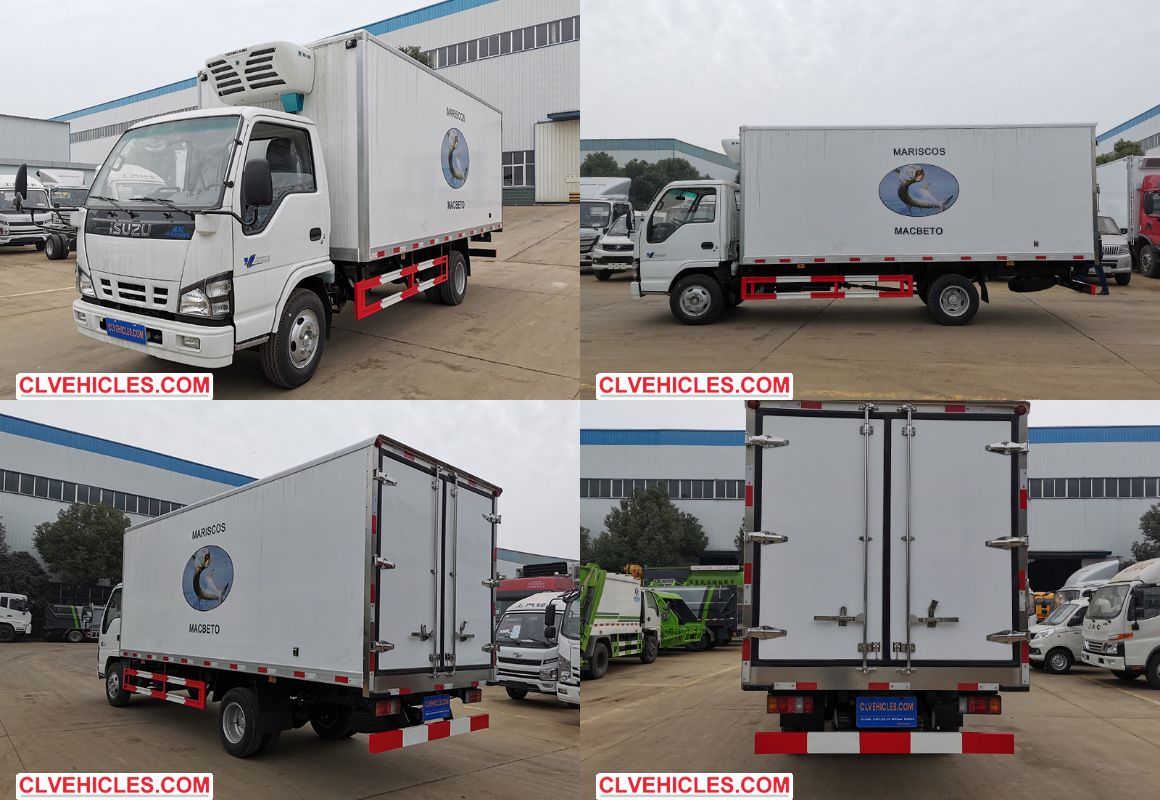
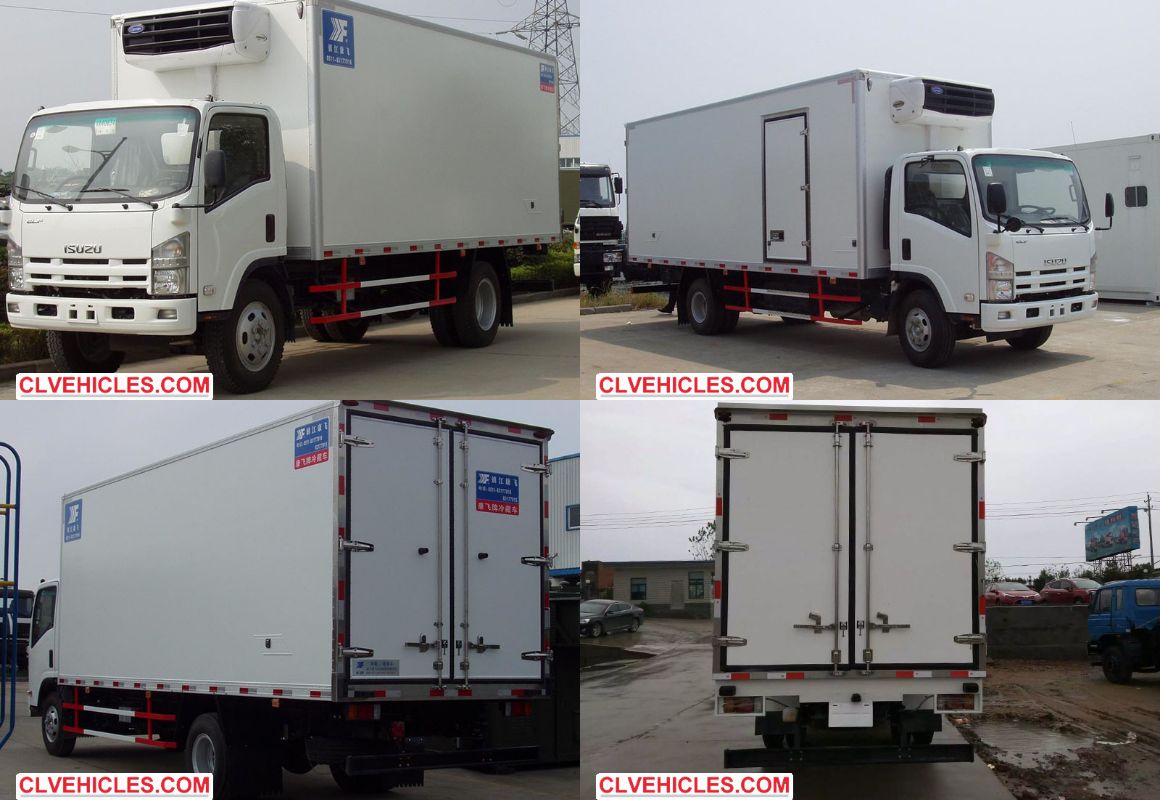
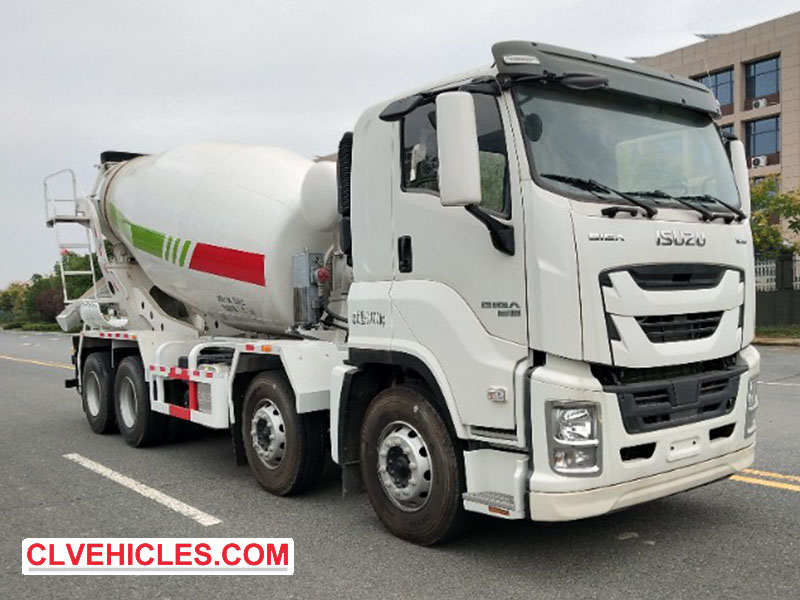
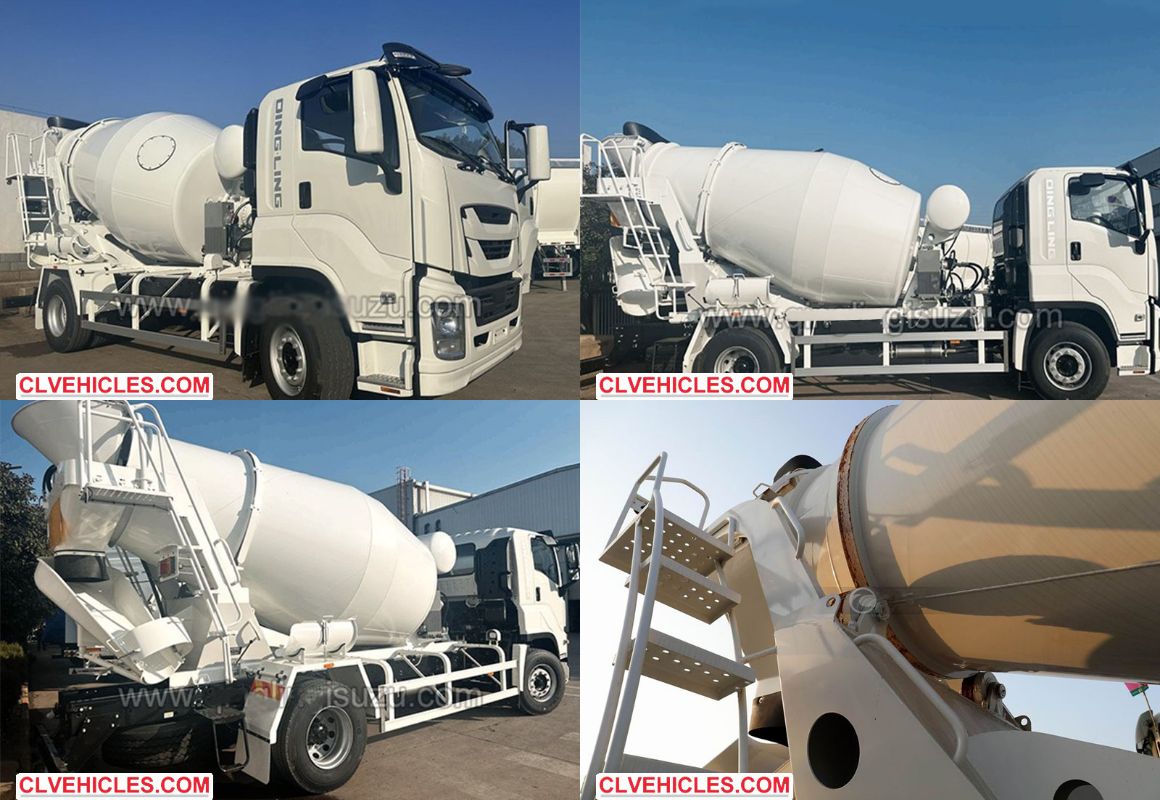
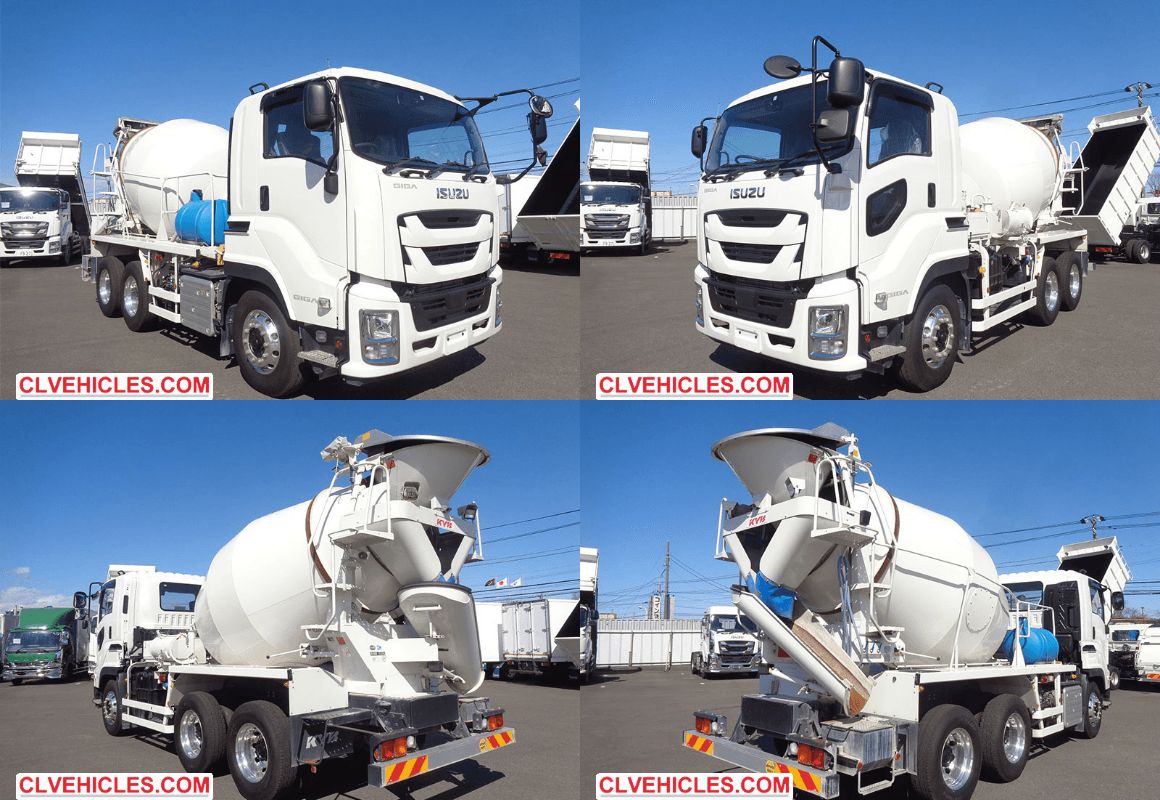
ISUZU concrete mixer truck

The correct starting technique should follow the principle of "quick lifting, slow engagement, and smooth connection". When lifting the clutch pedal, quickly lift it first. When the engine sound changes, indicating that the clutch is in a semi engaged state, the lifting speed should be slowed down. Then, gradually release the pedal completely, while smoothly controlling the throttle according to the engine load to ensure a smooth start.

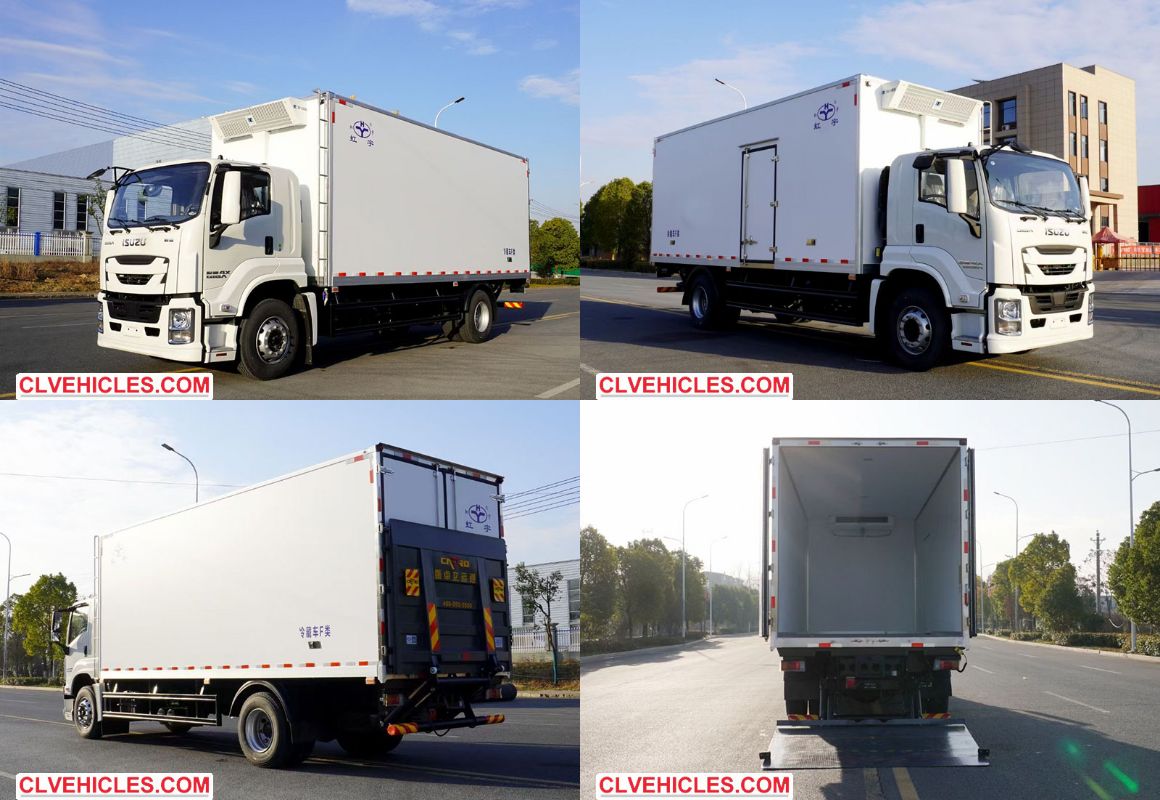
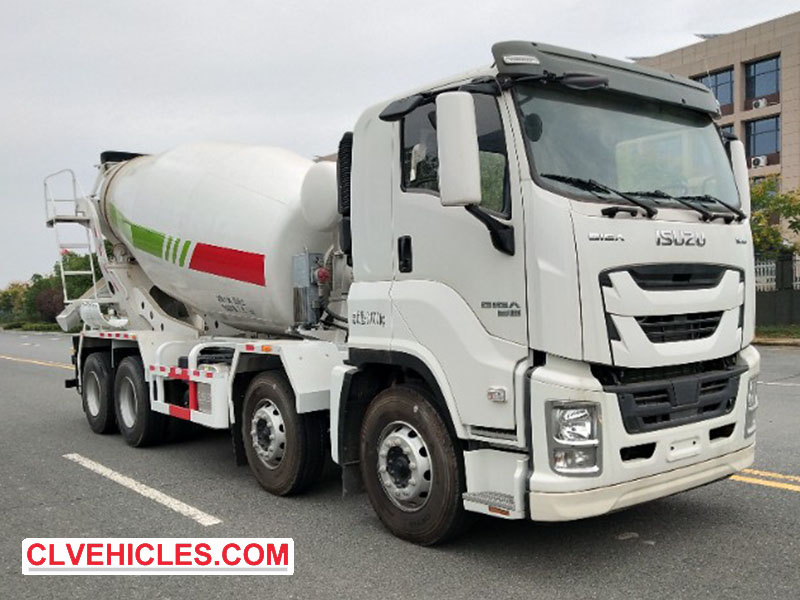
16CBM concrete mixer truck

When shifting gears, the clutch should be quickly and decisively pressed and released, and should not be in a semi engaged state for a long time, otherwise it will accelerate wear and tear. Coordination with the accelerator pedal is also crucial. To further ensure smooth gear shifting and minimize wear on the gearbox and clutch, it is recommended to use the "dual clutch shifting method". Although this technique requires more practice, it can improve fuel efficiency and reduce long-term maintenance costs, making it a worthwhile practice for economical and environmentally friendly driving.

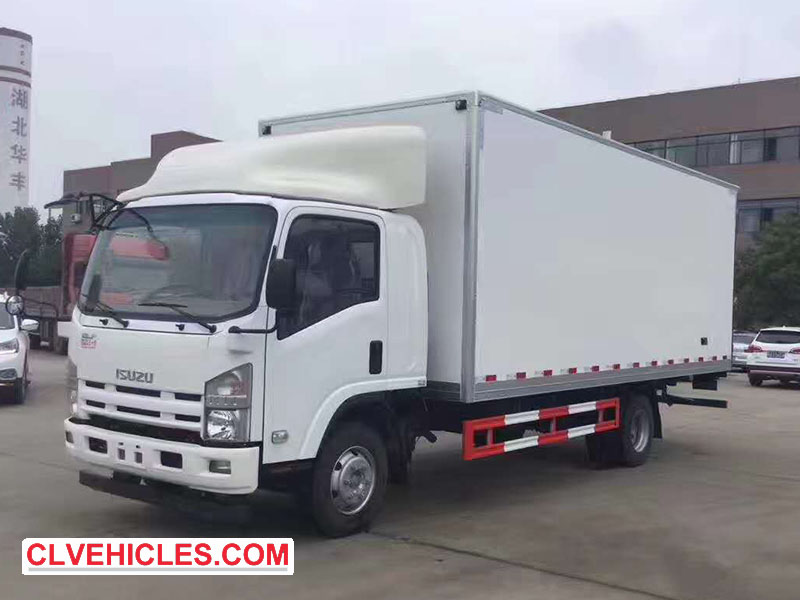
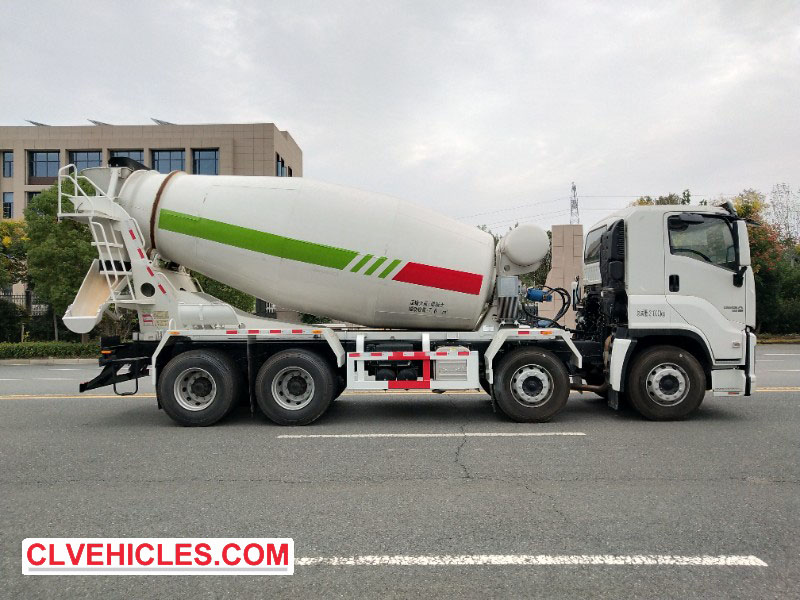
18CBM concrete mixer truck

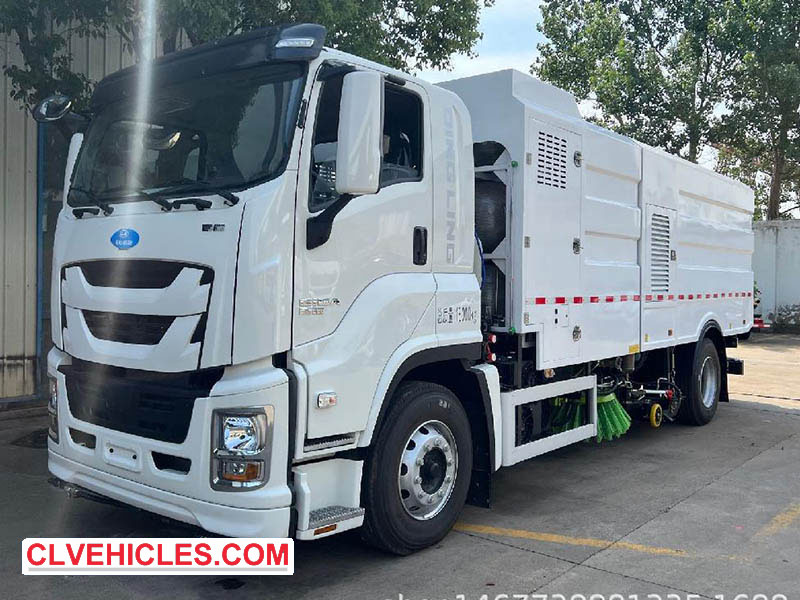
Product Series Introduction ISUZU Road Sweeper

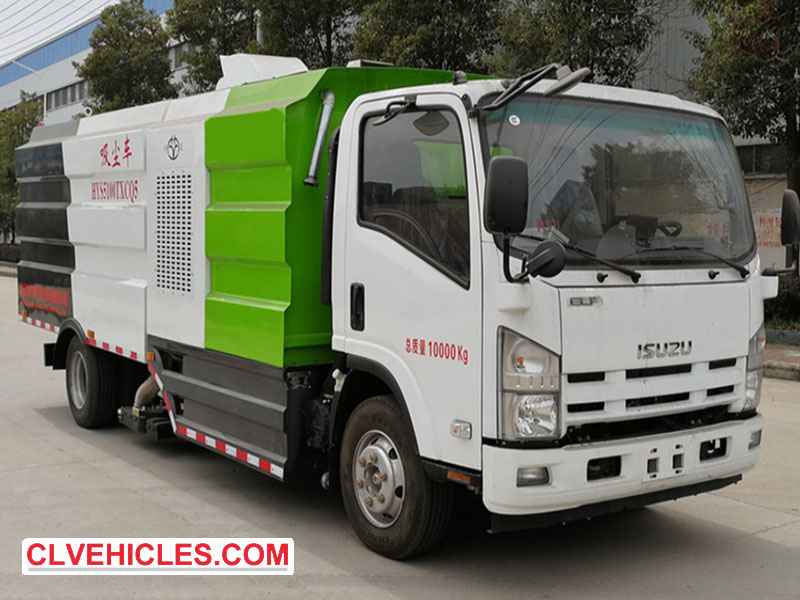
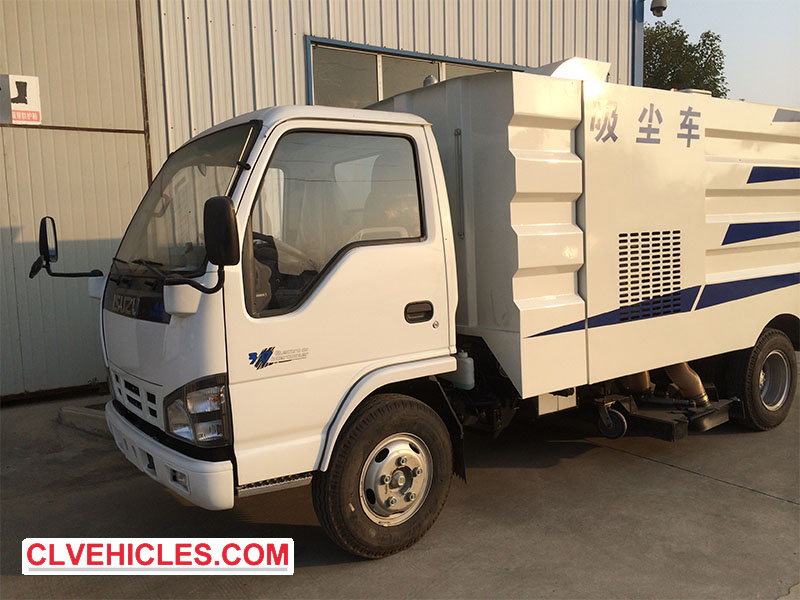
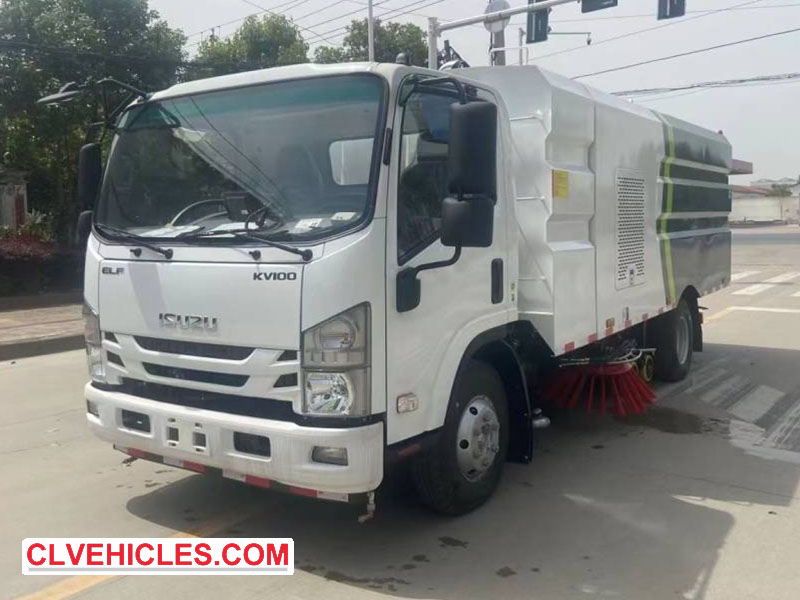
ISUZU Road Sweepers are highly suitable for environments with high dust concentrations, such as cement plants, coal mines, mining areas, steel plants, thermal power plants, and ports, due to their efficient dust collection and suppression capabilities. It is equipped with a wide vacuum nozzle and four filter elements in the garbage bin, which can minimize dust emissions to the greatest extent possible. In addition, a water spray nozzle is installed at the rear of the car to effectively spray and wet the road surface.

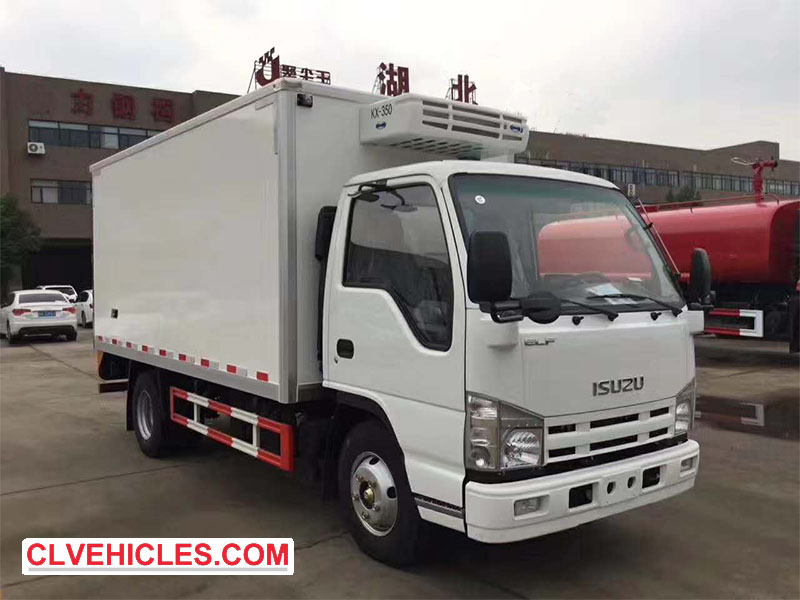
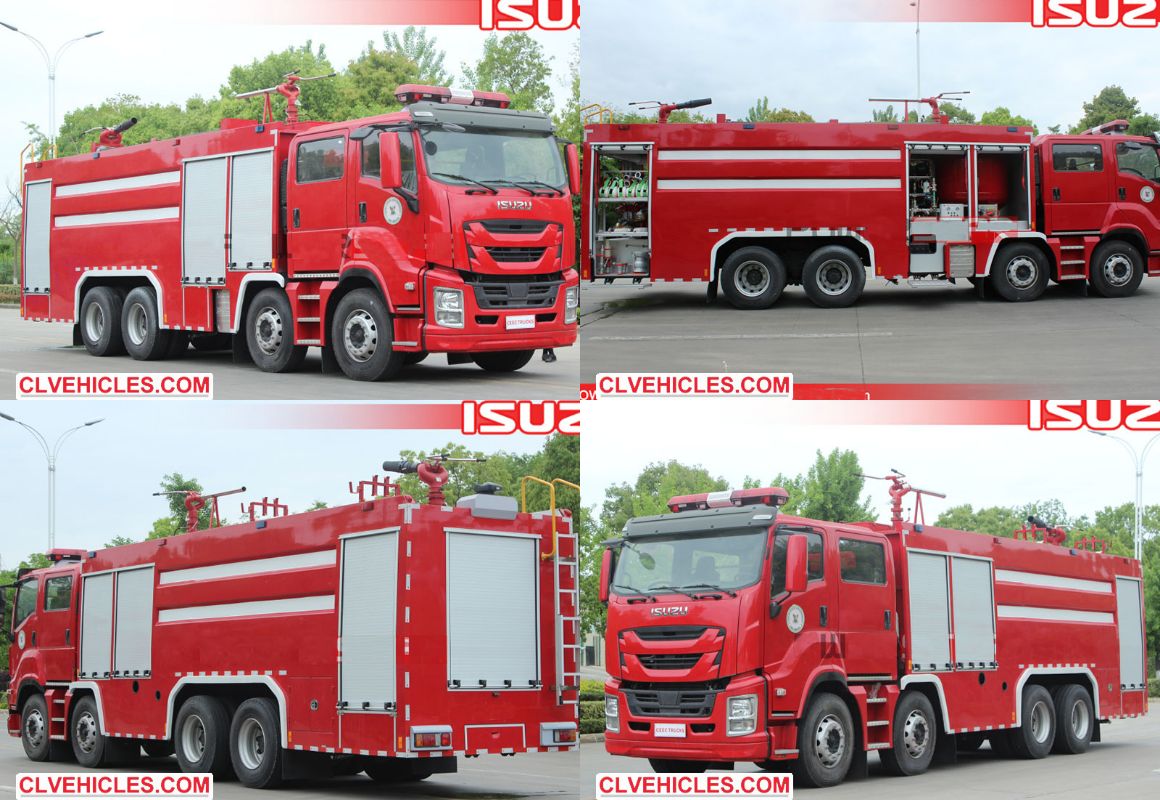
ISUZU road sweeper truck

The main advantage of Isuzu road sweepers lies in their humanized operation. All major functions, such as starting and stopping the auxiliary engine, adjusting fan speed, controlling the suction port, operating the rear door, lifting and lowering the garbage bin, and starting the spray nozzle, can be easily completed through the control panel in the cab. The truck adopts a pure vacuum mode, without the need for reverse blowing, and is equipped with a unique patented filtration system to prevent secondary dust leakage.

ISUZU road dust vacuum truck

Due to the scarcity of rubber vulnerable parts, operating costs can be maintained at a low level; Meanwhile, through multi-stage dust removal methods such as gravity and inertia, the dust removal performance is highly efficient. Its unique dry dust removal mechanism can achieve automatic online and offline cleaning without manual intervention, making it suitable for heavily polluted areas.

ISUZU Road sweeper

This device is designed for all-weather operation and can operate reliably day and night even in cold winter. In addition, the automatic pulse vibration system cleans the filter element every 20-30 seconds, effectively reducing the risk of clogging. The filter element is easy to disassemble and clean, ensuring the continuous and efficient operation of the equipment and convenient maintenance.

ISUZU road sweeper truck


What is the Reason for the Inability of the ISUZU Crane Truck to Lift?

The weak or slow lifting of a ISUZU Truck with Crane is usually caused by low or no pressure in the hydraulic system. In this situation, the operator should immediately stop the operation and continue only after troubleshooting. The following is a guide for diagnosing and resolving common causes of insufficient hydraulic pressure.

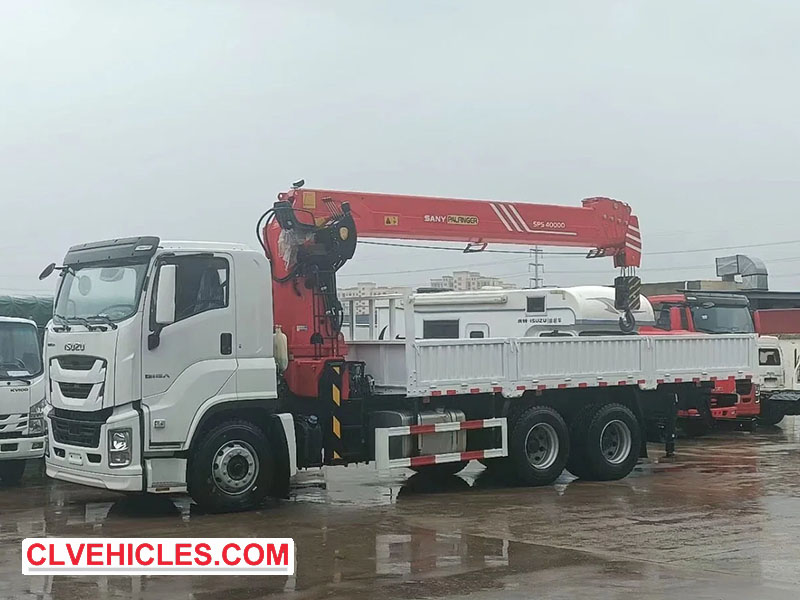
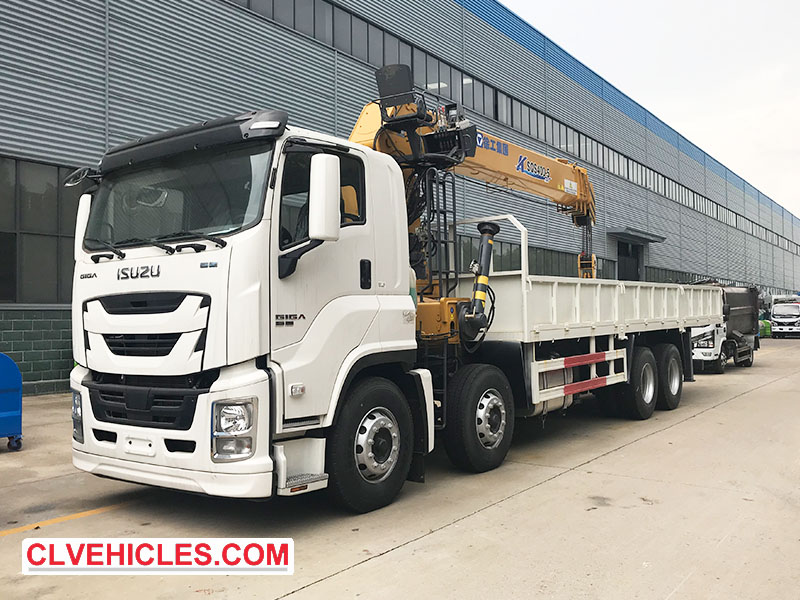
ISUZU Truck with Crane

Firstly, check if the hydraulic pump is supplying oil. If the pump does not supply oil, possible reasons include incorrect pump rotation direction, severe wear or damage to internal components, excessive suction resistance due to filter blockage or high oil viscosity, or air leakage in the suction pipeline. In this case, the overflow valve should be disassembled and cleaned, and the spring should be inspected or replaced to restore its normal operation.

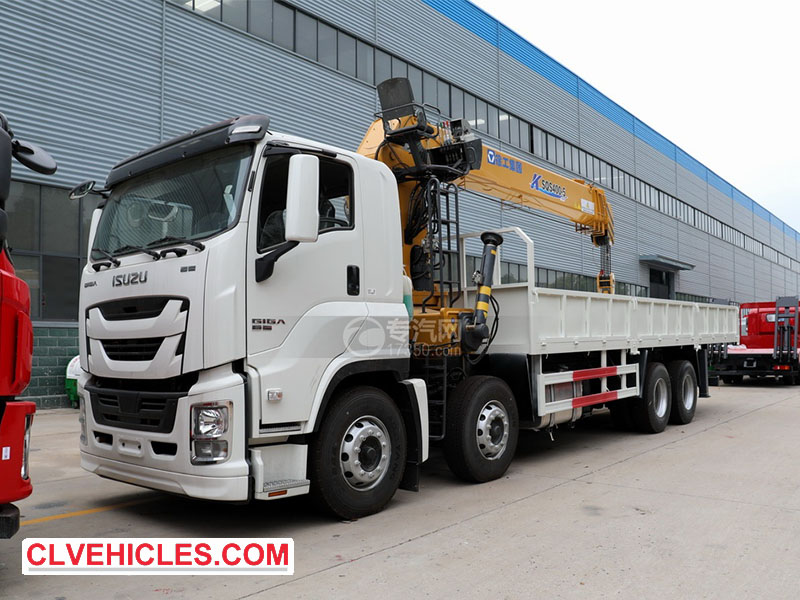
ISUZU truck mounted crane

Next, check if the entire hydraulic system can establish normal pressure. Insufficient pressure in specific pipelines or hydraulic cylinders may be caused by blockages in pipelines, throttle valves, or directional control valves. To identify the problem, each part should be checked step by step - simultaneously checking pressure and oil flow - to identify and remove any blockages.

ISUZU crane truck

In addition, it is necessary to check whether the pressure relief valve is working properly. If the valve in the pressure circuit gets stuck in the return position due to contamination, it may cause a malfunction, allowing the pressure oil to flow directly back to the tank. Other potential causes include loose pipeline connections, severe internal valve leaks, or damaged seals of hydraulic cylinders or motors. To solve these problems, please disassemble and clean the affected valves, check the sealing clearance, and replace any worn or damaged sealing components.


Winter Maintenance of the ISUZU Concrete Mixer Truck Chassis and Superstructure

To ensure reliable winter operation of ISUZU concrete mixer trucks, specialized maintenance of the chassis and superstructure is crucial.

ISUZU Concrete Mixer Truck

Chassis Maintenance

Proper chassis maintenance involves multiple systems. First, preheat the engine at standard idle speed to ensure all components are fully lubricated before operation. For the brake system, the air dryer should be inspected or replaced promptly, and condensation in the air tank should be drained regularly to prevent freezing. The cooling system should be filled with long-lasting antifreeze and anti-corrosion coolant, which typically remains ice-free at -20°C. In colder regions, the coolant concentration can be increased, but should not exceed 60% to prevent corrosion. Additionally, the battery electrolyte level should be regularly checked to ensure it is 10-15 mm above the plates and has a specific gravity of at least 1.24 g/cm³. Check the tightness and overall condition of the battery terminals and cable clamps every 500 km.

ISUZU Concrete Mixer Truck

Superstructure Maintenance

The superstructure also requires attention in cold weather. If the ambient temperature falls below the minimum specified temperature for the hydraulic oil (approximately 10°C), allow the engine to idle for 10-15 minutes with the mixer drum stationary to preheat the hydraulic system. H32 or L-HM32 (NAS Grade 9) hydraulic oil is recommended for use in northern winter conditions. Please note that mixing different brands or grades of hydraulic oil is strictly prohibited. When changing oil grades, thoroughly clean the oil tank and replace or clean the oil filter. Reducers should be maintained with GL-5 gear oil based on the operating environment. After each use in cold conditions, completely drain the oil tank and water supply system lines to prevent freezing damage. Installing an insulation jacket on the mixer drum is recommended during winter operation.

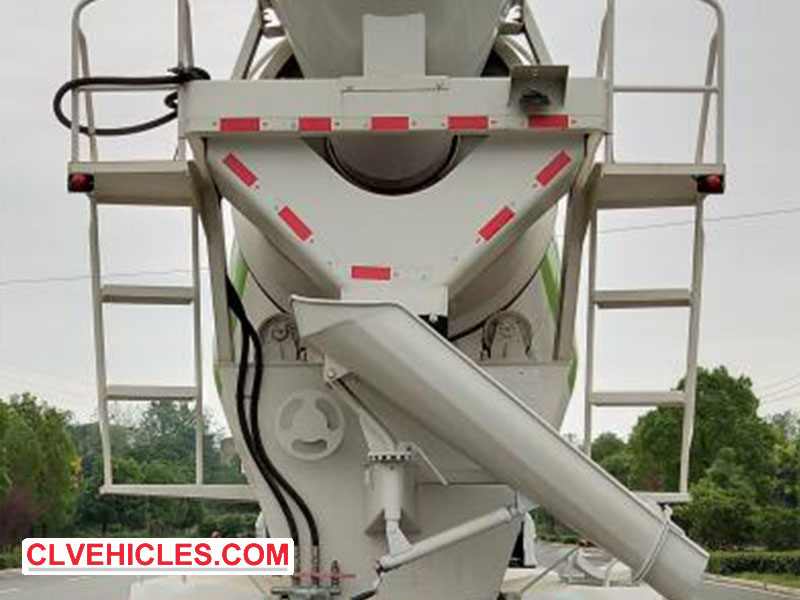
ISUZU 10CBM Mixer Truck

In summary, consistent and thorough maintenance of the chassis and superstructure is key to maintaining vehicle performance and extending service life throughout the winter.

To know more about our ISUZU concrete mixer truck from ISUZUVEHICLESCL.COM, please check below website:

ISUZU Concrete Mixer Truck,ISUZU Cement Mixer,ISUZU Transit Mixer

A Comprehensive Guide To GT-C94 Protective Clothing Against Molten Metal

A Comprehensive Guide To

GT-C94 Protective Clothing Against Molten Metal


In metallurgy, casting, welding, machining, and other industries involving high-temperature molten metal operations, personnel face a very high risk of being burned by splashing high-temperature metal liquids. Therefore, protective clothing and textile materials must undergo strict high-temperature molten metal droplet impact performance testing to ensure that they can still provide effective protection for workers under extreme conditions.

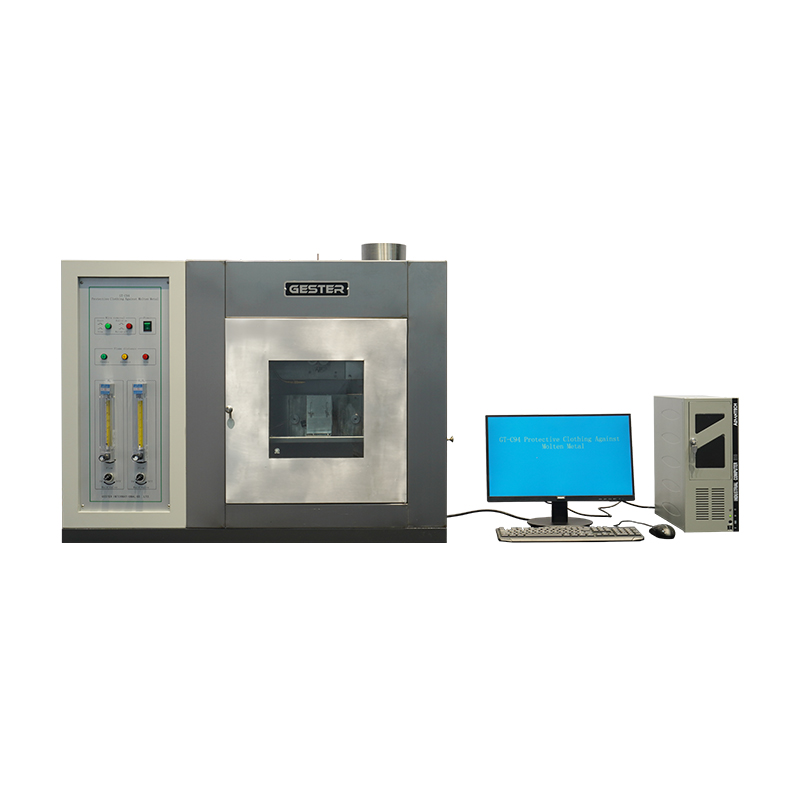
The GT-C94 Protective Clothing Against Molten Metal Tester is a professional device developed precisely for this need. It can simulate the real impact process when high-temperature molten metal droplets contact protective materials, thereby accurately evaluating their thermal protection performance.

I. Application of the Protective Clothing Molten Metal

When working in a high-temperature metal environment, the temperature of molten metal usually reaches above 1000°C. Once it splashes onto the surface of the clothing, even a very small droplet of metal may cause the clothing to be penetrated instantly and burn the skin. Therefore, both international and domestic organizations have formulated strict standards for protective clothing molten metal droplet testing, such as AQ 6103-2007, GB/T 17599, GB/T 8965.2-2009, ISO 9150, and EN 348.

The functions of the GT-C94 Protective Clothing Molten Metal are:

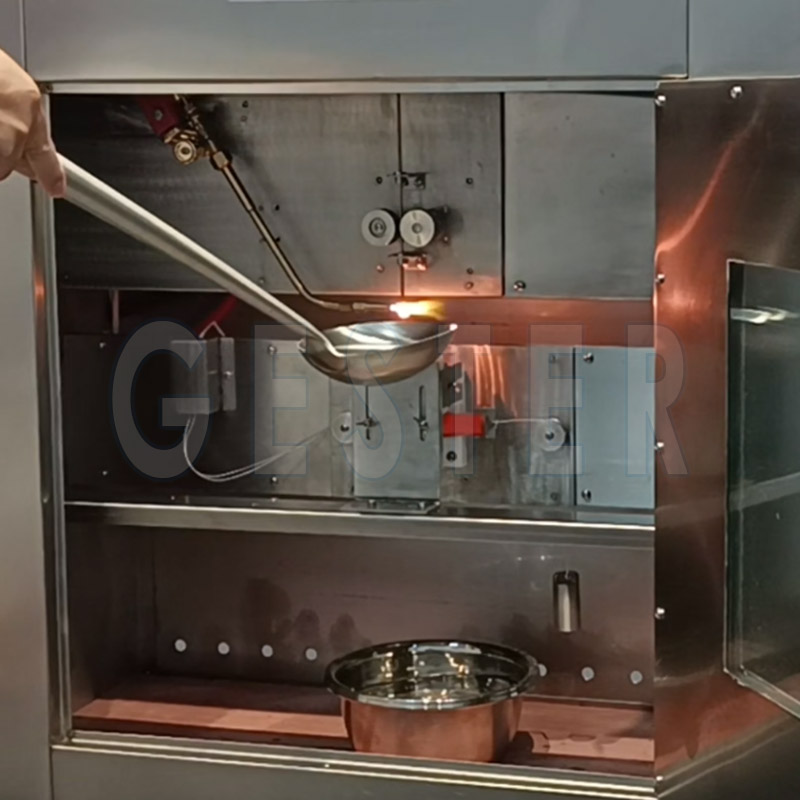
Generate high-temperature molten metal droplets through a controllable metal droplet system

Simulate droplets impacting the material surface with fixed frequency, weight, and drop location

Monitor the temperature rise on the back of the material

Evaluate the high-temperature protection level of the material under molten metal droplet impact

Its test results determine the safety rating of protective clothing and are an indispensable key link in the labor protection system of high-temperature industries.
II. Compliance with Multiple National and International Standards

The GT-C94 Splashes Impct Resistance Tester is developed and manufactured strictly in accordance with the following standards:

AQ 6103-2007
GB/T 17599
GB/T 8965.2-2009
ISO 9150
EN 348

These standards specify requirements for molten metal droplet generation method, droplet quantity, droplet weight, temperature measurement method, back temperature rise limitation, etc.

Through standardized structural design and program-controlled operation, the Splashes Impct Resistance Tester ensures consistency and high repeatability of the testing process, making it widely applicable to protective clothing manufacturers, third-party testing agencies, research institutions, and other units.

III. Generate Metal Drop Device

One of the core components of the GT-C94 molten metal splash tester is the molten metal droplet generation device. This system can steadily and continuously produce molten metal droplets that meet the requirements of the standards.

  • Oxyacetylene torch melting metal wire (stick) one end, welding tip caliber (1.2±0.1) mm;
  • The movement of metal wire (stick) controlled by wheel system motor speed regulation, motor wire feed rate (10±1) g/min;
  • Welding nozzle center vertical with wire (stick), the distance between welding tip and wire (stick) adjustable, usually it’s 12 mm;
  • Droplet weight (0.50±0.05) g;
  • Generate droplet frequency 20 drops/(min±3s);
  • Start distance from wire to welding burner;
  • Length of welding torch deep blue flame core;


IV. Droplet Guide Mechanism

  • Funnel guide: the angle between guidance axis and vertical adjustable, caliber can through diameter (8±0.2) mm metal strip, add lid on guide slot for it can cover when it not using.
  • Holder: bearing and funnel guide, its three-dimensional adjustable.

V. Temperature Sensing System

  • Sensor support: refractory insulation material, pyroconductivity is (0.125±0.015) W/(m·K), specific heat 1.15 J/(g·K), groove dimension of surface (13.5×11) mm while 40°C.
  • Temperature sensing system: armoured platinum resistor, coating high-temperature adhesive, resistance 100 Ω, clitheriform, dimension (12.5×10) mm, thermal response time ≤0.5 s while 0°C.
  • Record display: can display warming and its corresponding droplet no., time, frequency value on sample back; Guide slot test temperature >250°C, temperature rise on sample back ≥40 K will alert.
  • Precision: resolution ratio ≤±0.5 K, deviation between temperature display and alert function test ≤±0.4 K.
  • Structure and install: temperature sensor can contact by groove center nearby two hole’s guide line, four sides bolt can fix sensor support on sample frame.

VI. Sample Frame

  • Sample holder support can guarantee sample cling to sensor;
  • Put (175±5) g pre-tension on sample;
  • The location of sample on vertical and horizontal direction adjustable.


VII. Significance of GT-C94 Molten Metal Splash Tester

Helps enterprises evaluate whether protective clothing meets standards
Supports third-party agencies in conducting certification testing
Reduces occupational injury risks in metallurgy, casting, and other industries

With the continuous improvement of industrial production safety requirements, the testing demand for molten metal protective clothing will continue to grow, making the importance of GT-C94 molten metal splash tester increasingly prominent.

The GT-C94 Protective Clothing Against Molten Metal provides a professional, controllable, and highly reliable solution for high-temperature molten metal droplet protection testing through its precise metal droplet generation system, sensitive temperature monitoring device, scientific sample clamping structure, and intelligent software platform.

EU DWD Drinking Water Regulation

I. Implementation Timeline

◆Jan 1, 2027: New regulations take effect (subject to possible delay)

◆Dec 31, 2032: Transition period ends, with full implementation across all EU member states

II. Material Compliance Requirements

(1). Non-metallic materials

◆Formulation reviews must comply with the EU Positive List (EU2024/367)

◆Testing standards similar to German KTW-BWGL

New chlorine-containing water extraction test

(2). Metal Materials

◆Use metal grades and composition standards listed in the EU Positive List (EU2024/367)

◆Copper alloys such as CW617N/CW511L have been removed from the EU Positive List (EU2024/367)

◆German exception: Use of CW511L-DW low lead (lead <0.1%) is permitted, with future inclusion in the EU Positive List (EU2024/367) anticipated

III. Recommendations for Businesses

(1). Metal Materials

German Market:

◆After January 2028: Commonly used metal materials such as CW617N/CW511L (lead <0.2%) may no longer be included in products newly installed in water supply systems;

◆Updates and applications for DVGW and KTW-BWGL certificates should consider new alternative metal grades;

Other EU Countries: 

◆The 4MS metal grades will continue to be used; new European certification applications can be considered to gradually replace non-listed materials such as CW617N; 

◆Existing certificates can consider alternative metal grades, but the impact on product certification certificates such as DVGW/CSTB/KIWA must be evaluated; 

Recommended alternative materials: 

-1- European standard stainless steel (1.4301/1.4404)

-2- Brass (CW024A) 

-3- CW511L-DWlowlead (lead <0.1%) 

-4- Or other EU positive list component grades 

(2). Non-metallic materials 

◆DWD formulation review and testing can be conducted in advance 

◆Official DWD certification will be issued after 2027 (currently no authorized certification body)


8 Key Advantages of TOP AQUA PPSU Fittings

TOP AQUA PPSU PRESS Fittings: Engineered for Reliability and Value

TOP AQUA introduces its innovative PPSU PRESS Fittings, designed to deliver superior performance and intelligence in fluid handling systems. Combining advanced materials with our patented design, these fittings provide a compelling solution for various industrial applications.

8 Key Advantages of Our PPSU Fittings:

  1. Wide Compatibility, fits U/TH/RFz profile:
    Effortlessly integrate into your existing systems. Our fittings are engineered for use with U, TH, and RFz press profiles, offering exceptional versatility.

  2. AENOR Certified Quality:
    Trust in independently verified excellence. The AENOR certification confirms that our products meet stringent international standards for safety and performance.

  3. Enhanced Durability:
    Built from high-performance PPSU polymer, these fittings offer outstanding resistance to impact, corrosion, and chemical wear, ensuring a long service life.

  4. Leakage Indication Function:
    Proactively manage system integrity. Our unique leakage indication feature provides an early warning, helping to prevent potential issues and enhance operational safety.

  5. Proprietary Patented Design:
    Benefit from our in-house engineering expertise. This self-designed fitting is protected by patent, guaranteeing you a unique and optimized solution.

  6. High Hygiene Standards:
    Ideal for sensitive environments. The smooth, non-porous surface prevents bacterial growth and allows for easy cleaning, meeting the demands of hygienic industries.

  7. Cost-Effective Price:
    Achieve premium quality without the premium cost. We offer a reliable, high-specification product at a highly competitive price, delivering exceptional value.

  8. High-Temperature Resistance:
    Withstand demanding conditions. Our fittings are rated for a maximum operating temperature of 180°C, making them suitable for hot water and sterilizing processes.

The Smarter Choice for Your Systems

TOP AQUA's PPSU PRESS Fittings are more than just a component—they are a smart investment in efficiency, safety, and long-term value. They are the ideal choice for engineers and managers seeking to optimize their operations.

Upgrade your system with TOP AQUA. Contact us today for more information or to request a quote.

PPSU Fittings Gain Strong Popularity at This Year’s Spain Exhibition

PPSU fittings became one of the most talked-about products at this year’s Spain Exhibition, attracting significant attention from industry professionals, distributors, and system designers. Known for their outstanding durability, high-temperature resistance, and superior safety performance, PPSU fittings continue to stand out as a reliable solution for modern plumbing and heating systems.

During the exhibition, visitors showed great interest in the advanced engineering behind PPSU fittings. Many highlighted their exceptional resistance to corrosion and scaling, which ensures long-term system stability. Compared with traditional metal fittings, PPSU fittings offer a lighter, safer, and more efficient alternative—making them ideal for residential, commercial, and industrial applications.

Our booth welcomed a record number of inquiries, with customers praising the fittings’ precision manufacturing, leak-proof performance, and compatibility with a wide range of piping systems. The strong response at the event reinforces the growing global demand for high-quality PPSU solutions.


As we continue to expand our product range, PPSU fittings will remain a key focus of innovation and international market development. We look forward to bringing more reliable, high-performance PPSU products to customers worldwide.

TOP AQUA Shines at CR Spain, Showcasing AENOR-Certified PPSU Fittings

TOP AQUA recently concluded a highly successful participation at the CR exhibition in Spain, held from the 18th to the 20th of this month. Our booth attracted significant attention, with numerous clients expressing strong interest in our new AENOR-certified PPSU fittings.

The newly certified PPSU fittings were a standout highlight, drawing visitors to observe their advanced features and superior quality. Many industry professionals stopped by to learn more about this innovative product, which meets rigorous Spanish standards.

This positive response reinforces our commitment to delivering high-quality, certified solutions that meet market needs. We thank everyone who visited us and look forward to building on these promising connections.

What Are PPSU Fittings? The Complete Guide to a Superior Polymer

If you're specifying components for a demanding piping system, you've likely encountered the term PPSU fittings. But what exactly are they, and why are they becoming the material of choice for engineers and contractors worldwide?

In short, PPSU (Polyphenylsulfone) fittings are high-performance connectors made from an advanced, super-tough thermoplastic. They are designed for applications where ordinary plastics like PVC or CPVC would fail.

Key Properties of PPSU Fittings: Why They Stand Out

PPSU material is in a class of its own. Here are the critical properties that make PPSU fittings exceptional:

  • Extreme Heat Resistance: PPSU can continuously withstand temperatures up to 180°C (356°F), far exceeding the capabilities of most other thermoplastics. This makes them ideal for hot water lines, steam applications, and high-temperature fluid transfer.

  • Outstanding Strength and Durability: PPSU is renowned for its exceptional impact strength, even at high temperatures. It is a rigid and tough material that resists cracking and mechanical stress, ensuring long-term system integrity.

  • Superb Chemical Resistance: PPSU fittings excel in harsh chemical environments. They resist a wide range of acids, bases, and other aggressive chemicals, making them perfect for industrial and laboratory settings.

  • Hydrolytic Stability: Unlike some polymers, PPSU does not degrade in the presence of water or steam. This property is crucial for plumbing, medical, and food processing applications where long-term contact with water is guaranteed.

  • Safety and Compliance: PPSU is naturally BPA-free and meets stringent international standards for potable water (WRAS, NSF/ANSI 61) and ultra-pure water systems. It is also compliant with FDA regulations for food contact and is widely used in medical and dental devices due to its biocompatibility and ability to withstand repeated sterilization.