The Smart Revolution How Intelligent Pumps Are Redefining Plant Efficiency

For decades, the industrial pump has been a model of mechanical reliability. But in an era of digital transformation, what if we could ask more of it? What if a pump could not only move fluid but also provide data, predict its own maintenance needs, and integrate seamlessly into a smart factory ecosystem?

At Hefei Huasheng (CNHS), this is not a future concept—it's today's reality. We are at the forefront of the intelligent pump revolution, embedding technologies like AI, IoT, and Big Data into the heart of our industrial solutions.

From Mechanical Workhorse to Intelligent Asset

Our recent SINOPEC Science and Technology Progress Award for our "Intelligent Inspection Robot and Management Platform" is a perfect example of our vision. This isn't just about automation; it's about transforming a plant's entire maintenance philosophy from reactive to predictive.

Here’s how our smart technology creates value:

  • Predictive Maintenance: Our integrated sensors monitor vibration, temperature, and performance in real-time. Advanced algorithms analyze this data to predict potential failures before they happen, allowing you to schedule maintenance proactively, saving millions in potential downtime and repair costs.
  • Enhanced Safety: Intelligent monitoring and inspection robots can access hard-to-reach areas, reducing the need for manual inspections in hazardous environments and ensuring your team stays safe.
  • Optimized Performance: By collecting and analyzing operational data, our systems help you understand exactly how your pumps are performing. This allows for fine-tuning that can significantly reduce energy consumption and improve overall plant efficiency.

The future of industrial operations is intelligent. With over 100 patents and a relentless drive for innovation, we are building the smart solutions that will power the petrochemical plants of tomorrow.

What is the Application Differences between BB4 and BB5 pumps

BB4 Pump Applications

BB4 pumps find applications in various industries. In the oil and gas sector, they can be used for general fluid transfer within refineries. In the power generation industry, they are suitable for 210 °C - below boiler feed water in combined - cycle power plants, solar - energy - related applications, and as start - up boiler feed pumps in general - purpose thermal power plants. They are also used as high - pressure water pumps in general industries. For example, in a paper - pulp and paper mill, BB4 pumps can be used for pumping process water.


BB5 Pump Applications

BB5 pumps are mainly used in more demanding and high - risk applications. In the hydrocarbon and petrochemical industries, they are used for critical processes such as boiler feed water in large - scale refineries, seawater injection in offshore oil platforms, and in gas plants and pipelines. In the emerging field of carbon capture, utilization, and storage (CCUS), BB5 pumps play a vital role due to their ability to handle high - pressure and high - temperature fluids involved in the CO₂ capture and transportation processes.


In conclusion, while both BB4 and BB5 pumps are important in industrial pumping, their structural, performance, and application characteristics are distinct. When choosing between the two, factors such as the operating conditions (temperature, pressure, flow rate), the nature of the fluid being pumped, and the specific requirements of the industrial process must be carefully considered to ensure optimal performance and reliability.

What is the Performance Differences between BB4 and BB5 pumps

Flow and Head

BB4 pumps typically have a flow rate (Q) ranging from 15 to 1000 m³/h and can achieve a head (H) from 180 to 2600 m. They are designed to handle a relatively wide range of flow and head requirements, making them suitable for many general - purpose industrial applications.

BB5 pumps, in comparison, can handle even higher flow rates, with some models capable of exceeding 4400 USgpm (about 1000 m³/h), and they can reach heads beyond 12000 ft (around 3660 m). This makes BB5 pumps ideal for applications that demand extremely high - volume and high - head pumping, such as in large - scale oil and gas pipelines or high - pressure boiler feed systems.


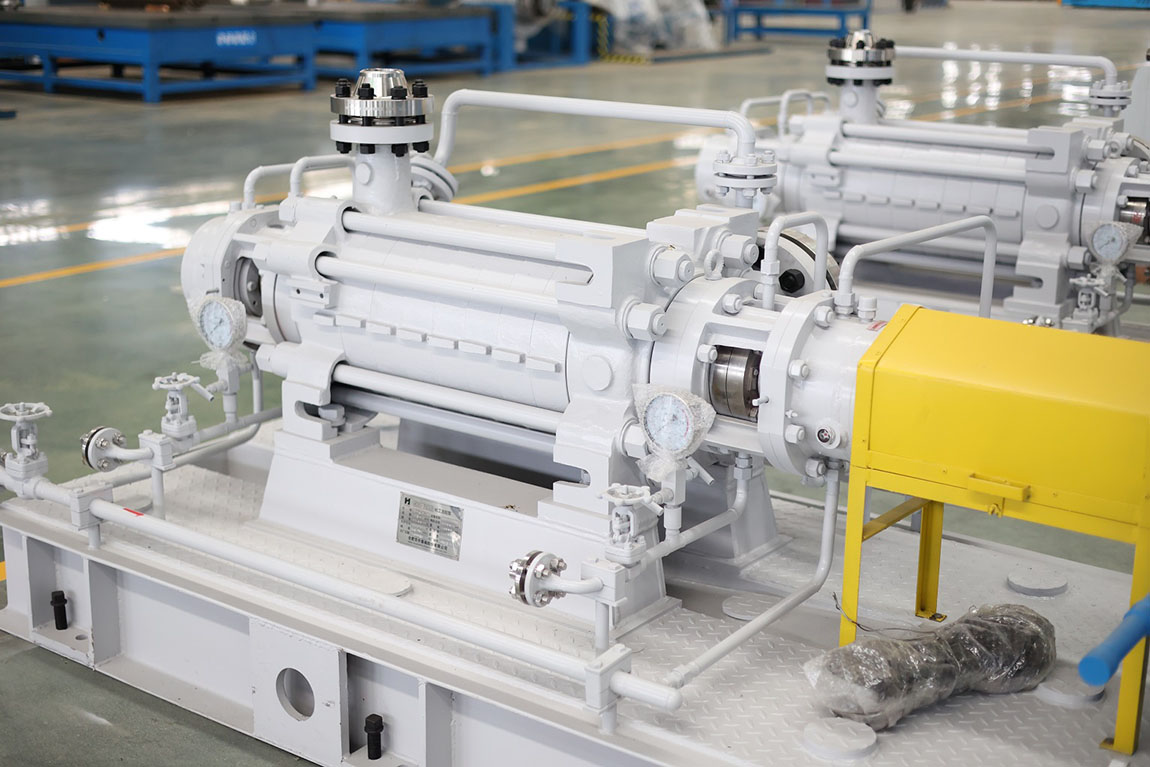
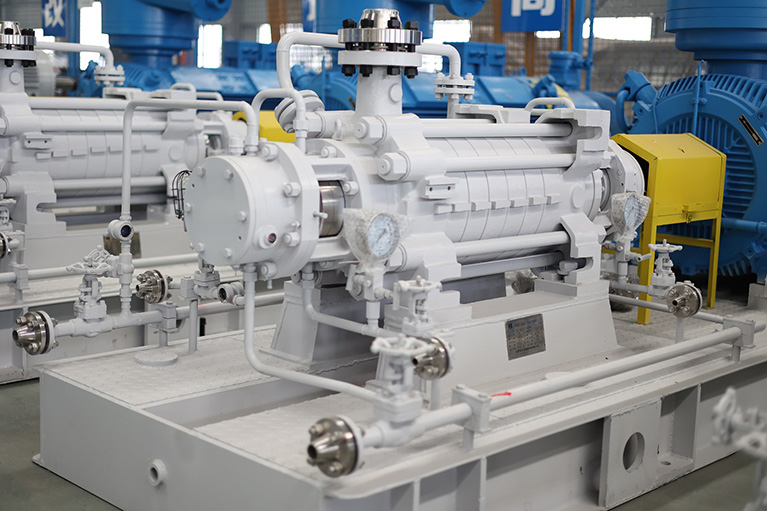
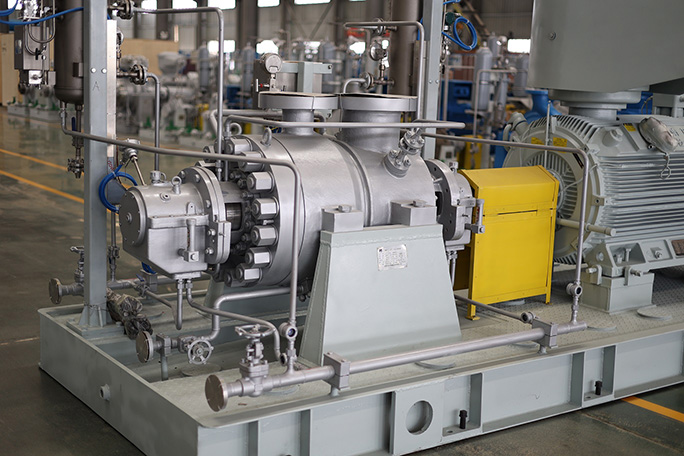
Hefei Huasheng API 610 BB4 Pump


Temperature and Pressure Resistance

BB4 pumps are generally suitable for temperatures ranging from - 80 °C to + 220 °C. They are designed to operate under normal to moderately high - temperature conditions in industrial processes.

BB5 pumps can handle much higher temperatures, up to 840 °F (450 °C), and have a standard design working pressure of 2250 psig (15000 kpag). Their robust double - casing construction enables them to endure these harsh temperature and pressure conditions, which are often found in applications like carbon capture, utilization, and storage (CCUS) and high - temperature hydrocarbon processing.


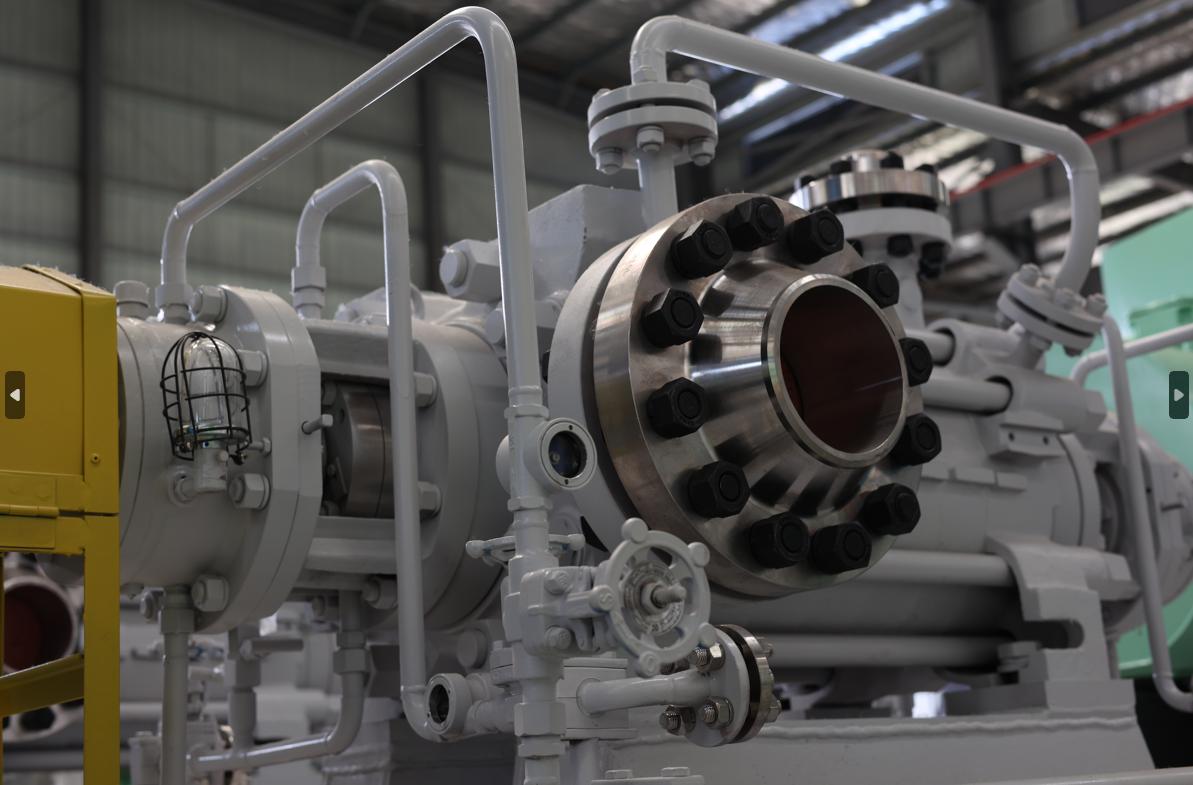
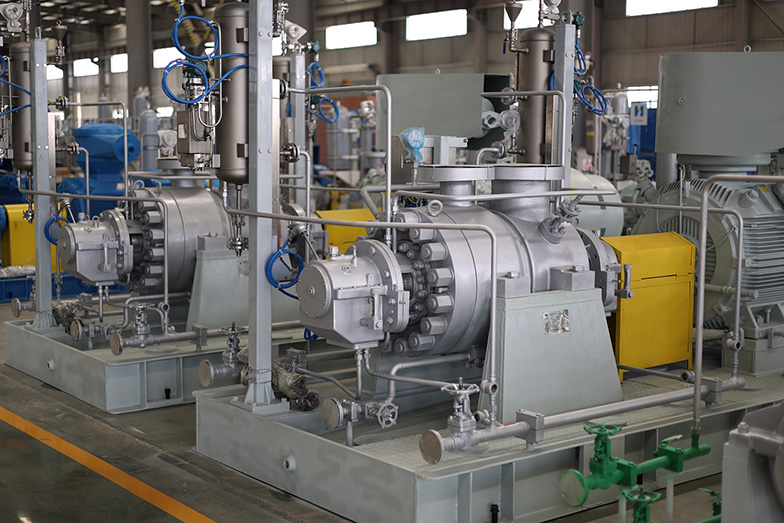
Hefei Huasheng API 610 BB5 Pump

What is the Structural Differences between BB4 and BB5 pumps

When it comes to pumps in industrial applications, understanding the differences between various types is crucial for making the right selection. In this blog post, we will explore the disparities between BB4 and BB5 pumps, two common types in the industry.


Hefei Huasheng BB4 Pumps


BB4 pumps are single - casing, segmented, and horizontally multi - stage centrifugal pumps with the impellers arranged in the same direction. They are designed according to the API610 standard for the oil, heavy chemical, and gas industries. The horizontal center - line support of BB4 pumps helps in better stability during operation. The casing of BB4 pumps is of a single - shell design. This design makes them relatively more straightforward in construction compared to some other models. For example, the flange of BB4 pumps complies with ANSI/DIN/ISO standards, and the mechanical seal cavity dimensions are in line with ISO21049 (API682).


Hefei Huasheng BB5 Pumps


BB5 pumps, on the other hand, are double - casing, specifically barrel - type pumps. They are also multi - stage and horizontally installed with a radial or axial split inner casing and two - end support. The double - casing design of BB5 pumps provides an extra layer of protection and is more suitable for applications where high - pressure and high - temperature conditions are prevalent. These pumps meet the stringent specifications of API Standard 610 latest edition. The outer barrel casing of BB5 pumps is heavy - duty, which can withstand high internal pressures.

HCTE invites you to attend the 2025 Bangkok Auto Parts Exhibition | Booth V25, empowering the future of automobile intelligent manufacturing with precision testing technology

Deeply cultivating the core links of automobile intelligent manufacturing, HCTE will appear at the Southeast Asian industry event with innovative testing equipment


Dear industry partners and customers:

As the global automotive industry accelerates towards intelligence and greening, HCTE, a pioneer brand of H&H Group focusing on automotive testing technology, is using innovation to protect the quality of every car. From April 3 to 5, 2025, we will explore the future code of automobile manufacturing with you at booth V25 of the Bangkok Auto Parts Exhibition (TAPA 2025).


Why choose HCTE?

Because we know that the precision of each screw is related to safety; the strength of each weld carries trust.


Highlights of HCTE booth: Using technology to interpret the "zero defect" commitment

Airtightness test equipment: Building an invisible barrier for safety


Showing the world's leading multi-station airtightness detection system, covering key components such as new energy battery packs, fuel systems, cooling systems, and headlights, with a detection accuracy of 0.1Pa, helping you achieve "watertight" quality control.


Four-station automotive compressor hydrogen and nitrogen leak detection equipment


Vacuum chamber helium leak detection equipment: Redefining precision manufacturing standards

The fully automatic helium mass spectrometry leak detection solution designed for high value-added parts is suitable for precision components such as motor housings and sensors. The leak rate detection sensitivity is increased to 10⁻¹² mbar·L/s, providing "microscope-level" quality assurance for automotive core components.


Battery housing vacuum chamber helium leak detection equipment


Motor performance test bench: The efficient heart that drives future travel


From torque, temperature rise to energy efficiency ratio, HCTE's integrated motor test platform can be customized to adapt to various new energy motors, and the data acquisition speed is increased by 30%, helping customers shorten the R&D cycle and reduce trial and error costs.


Performance test equipment for winch reducer


Intelligent detection of welding process: making every weld a work of art

Combining visual recognition and laser sensing technology, real-time monitoring of welding strength and deformation parameters, eliminating the hidden dangers of false welding and leaking welding, and injecting "smart genes" into safety.


Eight-station automatic brazing machine


Why TAPA 2025 should not be missed?


The largest stage in Southeast Asia: Thailand accounts for 33% of the ASEAN automotive market share. The TAPA exhibition attracts more than 20,000 professional buyers, covering vehicle manufacturers, first-tier suppliers and after-sales markets.


Green transformation outlet: The Thai government plans to increase the proportion of electric vehicle production to 30% by 2030, and the demand for testing equipment has surged. HCTE technology precisely meets the needs of industrial upgrading.


Efficient docking opportunities: Booth V25 is located in the core exhibition area of ​​BITEC, adjacent to the main forum area, making it convenient for you to participate in the concurrent technical summit and dialogue with industry leaders.


Exhibition information:

Time: April 3-5, 2025 | 9:00-18:00

Location: BITEC Exhibition and Convention Center, Bangkok, Thailand (88 Bangna-Trad Road)

Booth: V25

We are ready and look forward to your arrival!

Application of Gate Valves for Reliable Shutdown in Critical Systems

In industrial piping systems, the gate valve is one of the most widely used valves. Its key advantage lies in providing either a fully open flow path or a complete shutdown, ensuring excellent sealing performance with minimal pressure drop. Because of this, gate valves are regarded as the “gatekeepers” of safe system operation in critical industries such as power generation, petrochemicals, water treatment, marine, and natural gas.


A common question from customers is: Why must gate valves be used for shutdown in certain critical pipelines? What makes them stand out? Let’s break it down in simple terms.


1. How a Gate Valve Works: As Simple as Opening or Closing a Door


The disc of a gate valve functions much like a door. When lifted, the flow inside the pipeline remains unobstructed; when lowered, the flow is completely blocked.

Compared with ball valves, gate valves are better suited for large-diameter and high-pressure applications.

Compared with butterfly valves, gate valves provide stronger sealing when fully closed, often achieving “zero leakage” or close to it.


Think of it like your home’s front door. When shut, it keeps outside air and noise almost entirely out—that’s the reliable shutdown of a gate valve. A screen door, though lighter and easier to use, doesn’t seal nearly as well, similar to the characteristics of butterfly valves under certain conditions.


2. Why Are Gate Valves Essential in Critical Systems?


In systems where safety and sealing reliability are paramount, the role of gate valves becomes especially critical:

Oil Pipelines: During long-distance crude oil transportation, any leakage can lead to severe environmental damage and significant economic loss. Gate valves can provide rapid shutdown in emergencies, preventing further escalation.

Power Plant Cooling Systems: When a unit requires an emergency shutdown or maintenance, gate valves ensure a complete cutoff of cooling water, safeguarding equipment.

Natural Gas Transmission: The high pressure and flammability of natural gas demand valves with absolute sealing reliability. In these cases, gate valves serve as the critical safeguard.


These examples highlight the true value of gate valves: they are not just “flow control devices,” but essential barriers that protect the entire system’s safety.


3. Advantages of Gate Valves


Reliable Shutoff Performance: When fully closed, gate valves provide near-zero leakage, ensuring complete isolation of the medium.

Wide Applicability: Suitable for high-temperature, high-pressure, and large-diameter applications.

Low Flow Resistance: Once the gate is lifted, the passage is almost straight, allowing fluid to flow with minimal resistance.

Cost-Effective Maintenance: With proper selection and regular inspection, gate valves often have a longer service life compared to other valve types.


4. Understanding Gate Valves in Everyday Life


Although we rarely see industrial gate valves directly in daily life, we can relate to them through familiar examples.

Main Water Shutoff Valve: When building maintenance requires pipeline work, closing the main valve stops water supply to the entire building. This is very similar to a gate valve’s function—completely isolating the fluid to ensure the safety of subsequent operations.

Manual Gas Valve: The hand-operated valve before a gas meter is a small-scale shutoff device, designed to quickly stop gas flow in case of a safety hazard.


5. How to Ensure the Reliability of Gate Valves


Proper Selection: Choose materials suitable for the medium’s temperature, pressure, and corrosiveness (e.g., WCB, F304, F316).

Correct Installation: Ensure the valve body is concentric with the pipeline to avoid stress concentration.

Proper Operation: Avoid keeping the valve half-open; gate valves are designed primarily for fully open or fully closed positions.

Regular Inspection: Focus on the stem seal, packing, and valve seat wear.


Conclusion


With their reliable shutoff performance, gate valves play a vital role in critical systems such as oil and gas, power generation, and municipal infrastructure. They act as the system’s “gatekeeper,” ensuring safety and stability when it matters most. Proper selection and usage of gate valves not only improve operational reliability but also reduce maintenance costs and operational risks.


Frequently Asked Questions (Q&A)


Q1: Can gate valves be used to regulate flow?

A: Gate valves are mainly intended for fully open or fully closed operation and are not suitable for flow regulation. Long-term operation in a half-open position can cause disc erosion and damage the sealing surface.


Q2: Which is better, a gate valve or a ball valve?

A: There is no absolute “better” choice; it depends on the application. Ball valves operate quickly and are suitable for small-diameter, frequent operation; gate valves are preferred for large-diameter, high-pressure systems where reliable shutoff is required.


Q3: How long does a gate valve typically last?

A: With proper selection and maintenance, the service life of a gate valve is usually over 10 years. Some metal-seated models can even last up to 20 years.


Q4: What do customers often overlook when purchasing gate valves?

A: Many focus only on price and overlook material and sealing design. In reality, choosing the right materials and proper design are the key factors determining a gate valve’s longevity and reliability.

How do you know if a ball valve is open or closed

In industrial settings, quickly and accurately determining whether a ball valve is open or closed is a fundamental yet critical skill. Misjudgment can lead to production stoppages, fluid leaks, or even safety incidents. Fortunately, the design of ball valves provides several intuitive indicators.


1. The Most Direct Method: Observing the Handle Position


For the most commonly used handle-operated ball valves, the rule is straightforward:

Handle Parallel to the Pipeline Axis: The valve is open. In this position, the bore of the ball aligns with the pipeline, allowing fluid to flow freely.

Handle Perpendicular to the Pipeline Axis: The valve is closed. Here, the solid part of the ball blocks the flow path, stopping fluid movement.

This rule is very intuitive and can be considered the “universal language” of valve operation.


2. Auxiliary Indicators: Check Body Markings and Stem Position


Some ball valves include additional markings on the body or handle to remove ambiguity. You may see:

Cast letters such as "OPEN" and "SHUT" or "ON" and "OFF".


Handling Special Cases


Not all ball valves are equipped with standard handles. For ball valves operated by gearboxes, sprockets, or actuators (electric/pneumatic), directly observing the handle is no longer an option. In these cases, the position indicator on the actuator becomes crucial. Whether it’s a simple on/off actuator or a control actuator, it will typically feature a visual indicator window or pointer, clearly displaying the status as "Open," "Shut," or the specific percentage of opening. In automated control systems, the real-time status of the valve will be displayed directly on the central control room screens.


Remember this core principle: seeing is believing, but it’s important to understand the design logic. For any valve, double-checking should always be performed before operation, especially in systems dealing with hazardous media.


QA Section


Q: What should I do if the valve handle is missing?

A: This is a hazardous situation. Operation should never be based on guesswork. Immediately report the issue and lock the valve out. A technician should install a new handle or actuator, and only then should the status be verified and operation carried out according to standard procedures.


Q: Do all ball valves follow the “handle parallel means open” rule?

A: For the vast majority, yes, this is the industry standard. However, there are rare exceptions for designs made for specific safety considerations. Therefore, when operating an unfamiliar valve for the first time, always refer to the markings on the valve body or the equipment PID (Piping and Instrumentation Diagram) for final confirmation. This is a crucial safety practice.


Q: Why is confirming the valve status so important?

A: During maintenance, isolation, or process switching, incorrect valve status is one of the leading causes of accidental energy release (e.g., high-pressure steam, toxic chemicals). Accurate status determination is the first line of defense in locking out isolation and ensuring the safety of personnel and equipment.


Ball Valve vs Globe Valve Key Differences, Working Principles, and Industrial Applications


In industrial piping systems, ball valves and globe valves are two of the most commonly used control components. Both are capable of regulating and shutting off fluid flow, yet they differ significantly in structure, working principle, and application scope.


If you have ever hesitated between choosing a ball valve or a globe valve while designing or maintaining a fluid system, this article will help you make a clearer and more informed decision.


Structure and Working Principle


The core component of a ball valve is a spherical disc with a through hole. By rotating the ball 90 degrees, the flow can be quickly started or stopped. Its structure is relatively simple, and the straight-through flow path results in very low flow resistance.


A globe valve, on the other hand, uses a disc that moves up and down along the axis of the valve seat. By rotating the stem, the disc gradually presses against or lifts away from the seat, thereby controlling the flow rate.


In short:

A ball valve is a rotary-type valve that enables fast opening and closing.

A globe valve is a linear-motion valve that provides more precise flow regulation.


Flow Characteristics and Control Performance


When it comes to fluid control, the differences between the two valves are quite distinct.


A ball valve allows fluid to pass almost straight through without changing direction. The internal flow path is linear, resulting in very low flow resistance. This makes it ideal for applications that require quick opening and closing, such as emergency shut-off or systems with frequent operation.

However, because a ball valve opens and closes almost instantaneously, it is not suitable for precise flow regulation. Doing so may cause wear on the sealing surfaces or lead to vibration issues.


A globe valve, in contrast, excels at precise flow control. Its disc can be positioned at any degree of opening, allowing operators to fine-tune both flow rate and pressure. The drawback is its more complex structure and the fact that the fluid must change direction as it passes through the valve—resulting in higher pressure drop and flow resistance.


In summary:

Ball Valve: Low flow resistance, fast operation, not suitable for throttling.

Globe Valve: Precise flow control, higher flow resistance, slower operation.


Sealing Performance and Maintenance


A ball valve typically uses a soft-sealing structure, such as PTFE, which provides excellent tightness and allows for zero leakage. This makes it widely used in applications involving gas, steam, and liquids where a reliable seal is essential.

When equipped with a metal-seated design, the ball valve can also withstand high-temperature and high-pressure conditions.

In terms of maintenance, its compact structure and few components make disassembly and reassembly very convenient.


A globe valve, on the other hand, usually features metal-to-metal sealing surfaces, which can handle higher temperatures and pressures. However, with frequent operation, these sealing surfaces are prone to wear.

During routine maintenance, it is important to inspect the disc and seat regularly for signs of abrasion or damage.


Comparison of Application Scenarios


Ball valves are widely used in fluid transmission systems for the oil & gas, chemical, and pharmaceutical industries. They are particularly suitable for applications that require rapid on/off operation, low pressure drop, and tight sealing, such as emergency shut-off systems, gas lines, and liquid transfer pipelines.


Globe valves are more commonly used in steam systems, cooling-water systems, and other process lines that require precise flow control and pressure regulation, and they perform reliably in high-temperature, high-pressure environments.


In short:

If your system priorities are fast actuation and low flow resistance, choose a ball valve. 

If you prioritize control accuracy and high-temperature/high-pressure tolerance, a globe valve is the better option.


Service Life and Operating Torque


Ball valves require only a 90° turn to open or close, resulting in low operating torque and long service life. They are particularly well-suited for automated control systems.


Globe valves have a longer stroke and require greater operating force, but their robust structure allows them to withstand frequent flow regulation and control operations.


Conclusion


When choosing between a ball valve and a globe valve, it is essential to consider the specific operating conditions—such as fluid properties, temperature, pressure, and operation frequency.


Ball valves are renowned for their low flow resistance and quick on/off operation, while globe valves play a crucial role in industrial systems due to their precise flow control and high-pressure capability.


Making the right valve choice not only affects system efficiency but also has a significant impact on long-term maintenance costs and safety.


Q&A (Frequently Asked Questions)


Q1: Can a ball valve be used to regulate flow?

A: It is not recommended. Ball valves are primarily designed for on/off control. Keeping them partially open for extended periods may cause seal damage or vibration.


Q2: Can a globe valve completely shut off the fluid?

A: Yes. When closed, the globe valve disc presses tightly against the seat, providing good sealing. However, it does not achieve the zero-leakage level of a soft-seated ball valve.


Q3: Which valve is more suitable for high-temperature applications?

A: Globe valves are generally better for high-temperature and high-pressure conditions because they often use metal-to-metal seals. Ball valves with soft seals may degrade at elevated temperatures.


Q4: Which valve is recommended for automated systems?

A: Ball valves are recommended. Their 90° rotation design allows easy operation with low torque, making them well-suited for integration with electric or pneumatic actuators.

Is a Bent Valve Stem Still Safe to Use? Expert Insight on Globe Valve Damage

Globe valves are compact, reliable-sealing valves widely used in steam, oil, water, and chemical pipelines.

During long-term operation or frequent cycling, internal components can experience wear, corrosion, or deformation, with valve stem bending being one of the more common issues.

This article provides a professional overview of the main failure points in globe valves, the causes of valve stem bending, and recommended handling methods, helping users determine the appropriate time for repair or replacement.


1. Function and Importance of the Valve Stem


The valve stem is the “transmission core” of a globe valve, transferring the force from the handwheel or actuator to the valve disc to enable opening and closing.

It not only performs the mechanical transmission but also provides sealing guidance and positioning.

Therefore, any bending or damage to the valve stem can result in difficult operation at best, or sealing failure and valve jamming at worst.


2. Common Causes of Valve Stem Bending


Excessive Operation or Forced Opening/Closing

If the operator continues to turn the handwheel before the valve is fully open or closed, uneven stress may occur on the stem, causing slight bending or twisting.


Misalignment During Installation

When the valve is not installed coaxially with the pipeline, lateral forces act on the stem during operation. Over time, this can lead to bending.


High-Temperature Deformation

In high-temperature steam or hot oil systems, improper material selection or poor heat dissipation can cause the stem to bend due to excessive thermal expansion.


Blockage by Debris or Deposits

If particles or scale are present inside the valve body, the valve disc may be obstructed during operation, exerting reverse forces on the stem that lead to deformation.


Material Fatigue or Corrosion

Prolonged service can cause metal fatigue or corrosion, reducing stem strength and resulting in slight bending or even breakage.


3. Can a Bent Valve Stem Still Be Used?


In general, it is not recommended to continue using a bent valve stem. The main reasons are:


Misalignment of the valve disc and seat: Bending prevents the disc from properly aligning with the seat, reducing sealing performance and potentially causing internal or external leakage.


Uneven friction with the packing: This accelerates packing wear and can lead to seal leakage.


Heavier operation: A bent stem increases the load on the actuator or handwheel, reducing operational flexibility.


Further component damage: Continued use may damage the guide bush and valve disc, potentially leading to complete valve failure.


For slight bending, some manufacturers may perform mechanical straightening or replace the stem. However, this must be verified by professional inspection to ensure the stem axis is restored and its strength uncompromised before returning the valve to service.


4. Other Common Damage Points in Globe Valves


Valve Disc and Seat

Prolonged exposure to high pressure or erosion can cause wear or pitting.

Minor damage can be repaired by welding or grinding, but severe wear requires replacement.


Packing Chamber

Aging packing or insufficient compression can lead to leakage.

Regular adjustment or replacement restores proper sealing.


Bonnet-to-Body Connection

Gasket aging or loose bolts may cause leaks.

Periodic retightening or gasket replacement is recommended.


Stem Threads

Lack of lubrication or severe wear increases operating torque.

Regular application of grease prolongs service life.


5. How to Prevent Stem Bending


Proper Installation: Ensure the valve is aligned with the pipeline to avoid uneven loads.

Standard Operation: Avoid excessive force or over-travel when opening or closing.

Regular Maintenance: Periodically lubricate the stem threads and inspect guiding components.

Material Selection: Use stainless steel or alloy steel stems in high-temperature or corrosive environments.

Operational Monitoring: If the valve becomes hard to operate, stop immediately and inspect before continuing.


6. Conclusion


Although the stem is just one component of a globe valve, its straightness and strength directly affect the valve’s sealing performance and service life.

Using a bent stem can lead to leakage and further damage.

Proper installation, careful operation, and routine maintenance are essential for extending valve longevity.


Q&A


Q1: Can a slightly bent stem be corrected?

Yes, but it must be inspected and realigned by a professional using specialized equipment. Ensure there are no cracks or stress concentrations before reuse.


Q2: Can a bent stem be repaired?

If the bend is minor and the metal has not fatigued, repair is possible. Severe deformation or compromised sealing requires stem replacement.


Q3: Will a bent stem cause leakage?

Yes. The valve disc may not fully contact the seat, leading to internal leakage. Uneven friction at the packing can also cause external leakage.


Q4: How can stem bending be prevented in the future?

Proper valve alignment, regular stem lubrication, and avoiding excessive torque during operation are effective ways to prevent deformation.

What Design Details Should Be Considered for Globe Valves Handling Low-Temperature Media?

1. Long Bonnet Design

2. Selecting Low-Temperature-Resistant Metal Materials

3. Valve Stem Sealing Design Must Accommodate Thermal Contraction

4. Special Material Matching for Valve Seats and Discs

5. Structural Measures to Prevent External Frosting and Freezing

6. Stricter Requirements for Valve Stem Tensile Strength and Low-Temperature Toughness

7. Anti-Condensation and Freeze Protection Design for Actuators

Conclusion: Globe Valves Must Be “Designed for Low Temperature”

Q&A – Frequently Asked Questions