Metal Briquetting Machines Turning Scrap into Solid Value

In the bustling world of metalworking and recycling, mountains of loose scrap — tangled chips, shavings, turnings, and filings — pose logistical, economic, and environmental challenges. Enter the metal briquetting machine: an industrial powerhouse that transforms chaotic waste into dense, manageable briquettes, unlocking efficiency and sustainability.  


 What is a Metal Briquetting Machine?  

A metal briquetting machine uses extreme hydraulic or mechanical pressure to compact loose metal scraps into solid, high-density blocks or "briquettes." Think of it as a giant press that squeezes fistfuls of aluminum spaghetti or steel wool into neat, brick-like units. This process typically involves:  

1.  Feeding: Scrap is loaded into a hopper.  

2.  Compaction: A hydraulic ram exerts force (often 100–3,000+ tons), compressing metal against a rigid mold.  

3.  Ejection: The formed briquette is pushed out, ready for handling.  


 Materials Processed  

These machines handle diverse metals, including:  

- Ferrous: Steel, cast iron, stainless steel turnings.  

- Non-Ferrous: Aluminum, copper, brass, bronze chips.  

- Exotic Alloys: Titanium, nickel-based superalloys (common in aerospace).  

Note: Lubricants/coolants in chips are often expelled during compaction and can be filtered/recycled.  


 Key Benefits: Why Briquetting Matters  

1.  Volume Reduction:  Briquettes occupy up to 90% less space than loose scrap. This slashes storage and transport costs dramatically.  

2.  Value Recovery: Briquettes are "clean metal" with minimal oxidation. Mills and foundries pay 15–30% more for briquettes vs. loose scrap due to ease of melting, reduced slag, and higher yield.  

3.  Safety & Cleanliness: Eliminates slippery, hazardous piles of sharp chips. Reduces fire risks (especially with oily swarf) and improves workshop hygiene.  

4.  Environmental Compliance: Prevents toxic coolant runoff. Lowers carbon footprint via efficient transport and recycling.  

5.  Recycling Efficiency: Briquettes melt faster and more uniformly in furnaces, saving energy (20–30% less energy per ton in remelting).  


 Industries Served  

- Automotive: Machining plants generating tons of aluminum/steel chips.  

- Aerospace: Recycling high-value titanium and Inconel waste.  

- Metal Foundries: Handling returns, gates, and risers.  

- Recycling Centers: Processing mixed scrap streams efficiently.  


 Types of Briquetters  

- Vertical Hydraulic: High-pressure, ideal for tough materials (steel, stainless steel).  

- Horizontal Hydraulic: Easier integration into conveyor systems for high-volume chips.  

- Mechanical (Punch & Die): Faster cycle times for softer metals like aluminum.  


 The Bottom Line  

Metal briquetting machines are more than just compactors — they are profit centers and sustainability engines. By converting waste into a premium commodity, they deliver rapid ROI (often under 2 years) while supporting circular economy goals. In an era where resource efficiency and ESG metrics are paramount, briquetting technology proves that one industry’s trash is truly its own treasure.  


Investing in a briquetter isn't just about managing scrap; it's about reclaiming value, space, and responsibility — one solid briquette at a time.

Textile dyeing fastness testing methods and their importance

1. Basic Concepts of Color Fastness in Textiles


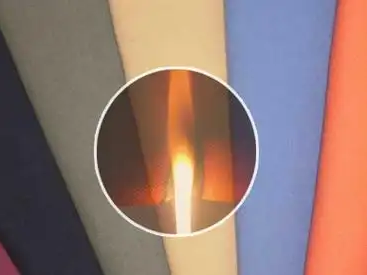
Color fastness, in simple terms, refers to the ability of textiles to maintain their color stability during use. It encompasses multiple aspects, including resistance to washing, friction, light, sweat, sweat stains, and sunlight exposure. Different color fastness indicators represent how textiles perform under various environmental conditions. For example, washing fastness refers to the degree of color change after repeated washing of garments; while lightfastness reflects the degree of color fading under sunlight.

The quality of colorfastness directly impacts the product's lifespan and aesthetic quality. If colorfastness is insufficient, issues such as color bleeding, discoloration, or fading may arise, which not only affect appearance but may also lead to customer dissatisfaction or returns. Conducting scientific and standardized colorfastness testing has become a standard practice within the industry.


2. The Process and Standards for Color Fastness Testing


Color fastness testing typically follows national or industry-established standards to ensure the scientific rigor and comparability of the testing process. The general process consists of four main steps: sample preparation, setting test conditions, actual testing, and evaluation of results.


(1) Sample Preparation: Representative samples are selected from a batch to ensure that test results reflect overall product quality. Samples should be cut and marked according to specifications to avoid contamination or damage.

(2) Test Condition Setup: Appropriate standards and methods are selected based on the test requirements. For example, water resistance testing may follow the washing procedures specified in national standards, while lightfastness testing uses specific light sources and exposure times.

(3) Actual Testing: Conduct tests on samples in a strictly controlled laboratory environment following standard procedures. For example, simulate real-life conditions such as washing, friction, and exposure to sunlight, and observe changes in sample color.

(4) Result Evaluation: Use professional color difference meters or visual comparison for assessment. Colorfastness grades are assigned according to standard classifications, where “Grade 1” indicates excellent colorfastness and “Grade 5” indicates poor colorfastness.


3. The Importance of Color Fastness Testing for Textiles


(1) Textiles with poor color fastness often experience dye shedding, and some low-quality dyes may enter the human body through skin contact or the respiratory tract, causing allergies, inflammation, or even long-term health risks. Testing can indirectly screen out products where dyes are firmly bonded to fibers, reducing the risk of harmful substance release.

(2) Colorfastness testing can precisely identify issues in production, such as improper dye selection during dyeing or incorrect fixation process parameters (e.g., poor temperature or pH control). Companies can adjust their processes based on test results to improve product stability and reduce batch defect rates.

(3) Outdoor clothing requires lightfastness, medical textiles require disinfectant resistance, and sportswear requires sweat-light composite colorfastness. These specialized testing requirements drive companies to develop targeted dyeing technologies, thereby enhancing product value and market competitiveness.

Textile colorfastness testing not only ensures basic quality and safety but also promotes industry upgrading and trade facilitation. Its importance spans the entire lifecycle of a product, from production to consumption, making it a crucial pillar for the high-quality development of the textile industry.

Email: hello@utstesters.com

Direct: + 86 152 6060 5085

Tel: +86-596-7686689

Web: www.utstesters.com

What Can a Universal Strength Tester Measure and Why Is It Essential for Lab Use?

Do you know what a tensile testing machine is? Let's uncover its mysteries together.


1. What is a tensile testing machine?

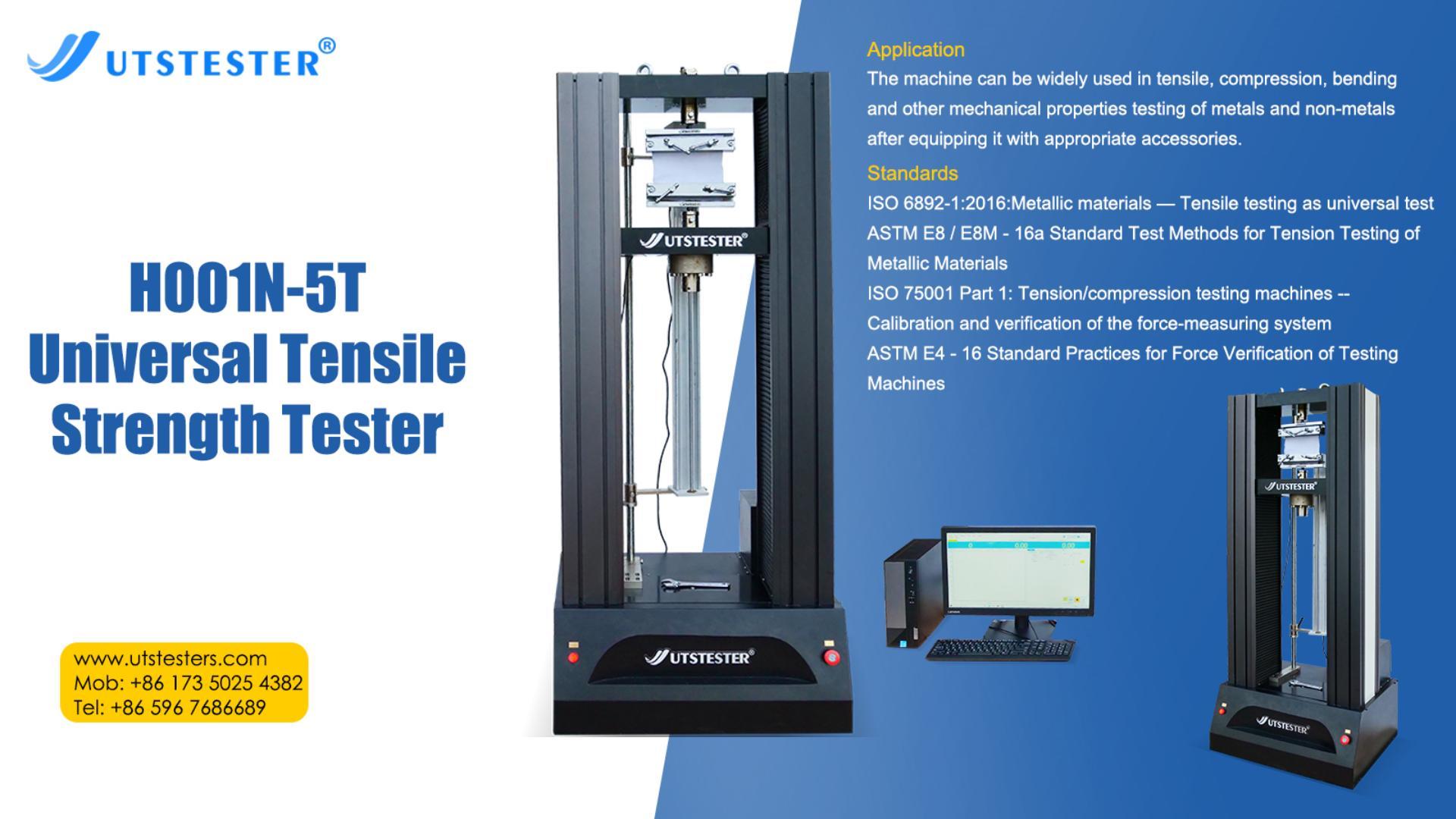
A tensile testing machine, also known as a universal testing machine, is like a doctor that gives materials a comprehensive “checkup.” It is mainly used to measure the mechanical properties of various materials, such as plastics, metals, rubber, and textiles. By applying forces such as tensile, compressive, bending, shear, peel, and tear forces to these materials, it can precisely measure important performance indicators such as strength, toughness, and elastic modulus.


In terms of working principle, a tensile testing machine primarily relies on Hooke’s Law and strain measurement principles. Hooke’s Law states that within the elastic range, the force applied to a material is directly proportional to the deformation it undergoes. The strain measurement principle involves calculating the material's various mechanical properties by measuring the minute deformation of the material under force. When a material sample is secured to the tensile testing machine and the force is gradually increased, the sensors on the machine precisely record the force applied to the material and the resulting deformation, thereby determining the material's performance parameters.

A tensile testing machine primarily consists of several key components. First is the drive system, which transmits the motor's power to the loading system. The loading system is responsible for applying force to the material and can precisely control the magnitude and direction of the force applied to the material according to different test requirements. The measurement system uses various sensors, such as force sensors and displacement sensors, to monitor the force applied to the material and the resulting deformation in real time. The control system can precisely control the entire testing process according to pre-set programs, ensuring the accuracy and reliability of the test results.


2I. Classification of Tensile Testing Machines

There are numerous types of tensile testing machines, which can be classified according to different standards.

Based on the level of automation, we can classify them into pointer-type tensile testing machines, digital display tensile testing machines, and computer system tensile testing machines.

Based on the type of control system, they can be categorized into variable frequency system tensile testing machines, servo system tensile testing machines, and other drive type tensile testing machines.

Based on industry and functional characteristics, they can be categorized into metal tensile testing machines, rubber tensile testing machines, plastic tensile testing machines, textile tensile testing machines, paper tensile testing machines, and leather tensile testing machines, among others.

Additionally, they can be categorized based on test materials, temperature, application, and degree of automation. For example, based on test materials, they can be divided into tensile testing machines with metal material fixtures and non-metal material fixtures; based on test temperature, they can be divided into tensile testing machines with room temperature, high-temperature, low-temperature, and high-low temperature fixtures; based on application, they can be divided into tensile fixtures, compression fixtures, bending fixtures, and other application-specific tensile testing machines; based on automation level, they can be divided into manual, pneumatic, electric, and hydraulic fixture tensile testing machines.


3. Application Areas of Tensile Testing Machines

Tensile testing machines have widespread applications across various fields.

In the industrial sector, industries such as manufacturing, metallurgy, petroleum, chemicals, and construction materials all rely on tensile testing machines.

For example, in mechanical manufacturing, tensile testing machines can be used to test the strength and toughness of various mechanical components, ensuring product quality and reliability. In the manufacturing industry, textile factories use tensile testing machines to test the elongation rate of fabrics, ensuring that finished garments do not deform easily when worn.

In the metallurgy industry, tensile testing machines can be used to test the performance of metallic materials such as steel, providing a basis for improving metallurgical processes.

In the petroleum and chemical industries, tensile testing machines can be used to test the material properties of various pipelines, containers, and other equipment, ensuring safe operation under harsh working conditions.

In the construction materials industry, tensile testing machines can be used to test the performance of construction materials such as cement, bricks, and steel, ensuring the quality of construction projects.

In the field of scientific research, tensile testing machines are indispensable tools. Researchers can use tensile testing machines to conduct performance tests and studies on various new materials, contributing to the development of materials science.

Tensile Strength Tester

Email: hello@utstesters.com

Direct: + 86 152 6060 5085

Tel: +86-596-7686689

Web: www.utstesters.com
GroTech Mineral Color Sorter Empowering Smart, Efficient Ore Processing

In today’s fast-evolving mining industry,smart ore processing is key to boosting quality, reducing costs, and minimizing environmental impact. TheGroTech Mineral Color Sorter series is designed specifically for the challenges ofore sorting, offering high-precision, AI-powered solutions for a wide range of applications—from fine quartz sand to large magnesium ore, including innovative wet sorting options.

Whether you're processing powdered, granular, or blocky materials, GroTech delivers anext-generation mineral sorting experience built for efficiency, flexibility, and purity.

What Is a Mineral Color Sorter?

A mineral color sorter uses high-resolution cameras and AI algorithms to detect color differences, impurities, and texture inconsistencies in ore materials. Once detected, unwanted materials are automatically removed by high-speed ejector valves.

GroTech Mineral Color Sorters are built with industry-leading technologies, offering key advantages:

Ultra-HD Imaging: Detects tiny color variations (≥0.01 mm) with industrial-grade CCD cameras.

AI Deep Learning Algorithms: Automatically adjust to material variations for highly accurate sorting.

Fast and Stable Ejector Valves: Capable of over 30,000 ejections per second for maximum throughput.

Versatile Material Compatibility: Works across powders, grains, and large ore blocks without manual adjustment.

Quartz Sand Sorting: Precision in Fine Powder Ore Processing

In high-purity applications such asglass, electronics, and photovoltaics, quartz sand must be meticulously sorted. GroTech’s mineral color sorters offer outstanding performance forfine ore sorting and classification:

Multi-size Adaptability: Sorts quartz sand from10 mesh to 325 mesh with precision.

Impurity Removal: Eliminates iron impurities, yellow spots, dark particles, and other color-based defects.

Integrated Grading: Performs size grading and impurity rejection in one pass.

Moisture-Compatible: Effectively handles slightly wet or clumped sand with consistent accuracy.

PQD:Quartz Sand Sorting

Large Ore Sorting: Efficient Screening for Magnesium and Other Blocky Ores

Sorting large mineral blocks such asmagnesium ore, limestone, or fluorite presents unique challenges. GroTech provides a powerful solution designed forlarge ore particle sorting:

Widebelt Design: Supports ore sizes ranging from 20 mm to 150 mm.

Deep Defect Detection: High-intensity LED lighting and AI vision detect structural issues like layering or dark spots.

High Throughput, Low Waste: Processes large volumes with low false rejection rates

Robust Construction: Designed for rugged industrial environments, with easy maintenance access.


Wet Sorting Breakthrough: GroTech’s Innovative Water-Washable Mineral Color Sorter


Traditional color sorters struggle with wet or muddy materials. GroTech solves this with a game-changing innovation: thewater-washable mineral color sorter, designed forreal-time wet sorting in mineral washing environments

Simultaneous Washing and Sorting: Sorts materials in real-time while being washed.

Fully Waterproof and Corrosion-Resistant: Suitable for long-term operation in humid or wet environments.

Ideal for Clay, Kaolin, Sea Sand, and Washed Quartz: Ensures cleaner output with fewer processing steps.

Reduces Manual Handling: Saves labor and improves environmental compliance.

Bedknife Sharpening Of Reel Mower

If replacing the bedknife it is important to use the following procedure:


1. Remove the bedbar from cutting unit.


2. Remove the screws from the bedbar using a socket wrench and a bedknife screw tool. Discard the screws.


3. Use a scraper to remove all rust, scale and corrosion from bedbar surface.


4. Lightly oil the bedbar surface before installing the bedknife.


5. Make sure that screw threads in the bedbar are clean.


IMPORTANT: Do not use an impact wrench to tighten the screws into the bedbar.


6. Use new screws to secure bedknife to bedbar. Apply antiseize lubricant to the threads of new screws. Do not apply antiseize lubricant to the taper of the screwheads.


7. Install all screws but do not tighten.


8. Using a torque wrench and bedknife screw tool, tighten the 2 outer screws to 10 in- lb (1 N-m).


9. Working fromthe center of the bedknife toward each end, tighten screws from 200 to 250 in- lb (23 to 28 N- m).


10. Grind the bedknife after installing it to the bedbar.


Since there can be variations in the mounting surface of the bedbar, it is necessary to grind the bedknife after installing it to the bedbar.


When grinding the bedknife, remove only enough material to make sure the top surface of the bedknife is true. Be careful not to overheat the bedknife. Remove small amounts of material with each pass of the grinder. Also, clean and dress grinding stone often during the grinding process.


Because the top grind angle on bedknives is critical for edge retention, and therefore after- cut appear ance,Using special service tools for accurately measuring the top grind angle on all bedknives.


IMPORTANT: Do Not grind the bedknife below it’s service limit. Operating the cutting unit with the bedknife below the service limit may result in poor after- cut appearance and reduce the structural integrity of the bedknife for impacts.


A lead-in chamfer provides a softened entry for the leading side of the reel blade helix as it approaches the bedknife. This helps eliminate rifling caused by heavy contact and vibration. A lead- in chamfer is ground into all new Reelmaster bedknives. The original chamfer should last for the first 40%of the bedknife service life. Check and re-grind the lead- in chamfer as necessary.


The idea is to get a grind in place without spending a lot of time making sure it is exact. Using a file to make the lead-in is a perfectly acceptable method. It is important not to make the lead-in too long or you will notice that there is a streak left behind at the edge of the cutting unit as the reel will not cut well in the area

of the grind or may adversely affect the overlap area.


The Edge Max bedknife includes a leading edge of harder steel.


The Edge Max bedknife Holds an edge twice as long as a standard bedknife, and reduces the need for adjustments, backlapping and grinding.


Set the bedknife to reel adjustment on an Edge Max bedknife as usual. Light contact while running on the ground.


There are no other special requirements.


A dull knife must be sharpened.


If backlapping is part of your maintenance practice, be prepared to backlap for two to three times the amount of time as compared to a standard bedknife. Front face grinding is acceptable in moderation.


Any facing or grinding must be done with exacting tolerances. Do not use a hand held grinder


Using a diamond grinding wheel is recommended to prevent overheating or damaging the bedknife edge while grinding.


Dress the stone more frequently. Before starting, and at least once during grinding. One pass to dress. Multiple passes will cause the stone to load up.


When grinding, remove smaller amounts of material

(a shallower cut).


Expect a different spark pattern.


Bedknife design must allow for maximum material to dissipate heat and yet allow the remaining uncut grass under the bedknife.


Unfortunately, there is no set rule for space left under the knife, nor can there be. This is due primarily to surface density and turf conditions. There is no measurable plane that works, other than, your mower, in your turf.


The only thing that is absolute is that while on the bench, the bedknife can not touch the height of cut adjusting tool. There must be a reasonable space between the bedknife and height of cut adjusting tool.


To look at that in a different manner, place the cutting unit on a table resting on the rollers so as you can look at the end of the cutting unit. The bedknife can not touch the table top. This is the absolute! Everything else depends on the agronomic conditions of the turf.


Listed here are popular Greens mower bedknives and their recommended operating range.


Due to the height of cut variations on a fairway and the requirements of cutting conditions there is another line of bedknives for the fairway or higher height of cut ranges.


Effective Strategies to Quickly Increase Green Speed

Green speed is an important indicator of green quality, and many golf courses face the challenge of not meeting the required speeds for different tournaments. Here are some short-term effective methods to enhance green speed:

Adjust Mower Bed Knife Angle: Increasing the front angle of the bed knife can improve post-mowing green speed and enhance the smoothness of the cut. A high-quality bed knife for mowers can make a significant difference in achieving better cutting results.

Temporary Cleansing: By raising the height of the grooming brush, you can avoid disturbing the soil while also increasing the gap between the reel and the bed knife to reduce equipment load and improve cut uniformity.

Change Cutting Direction: Utilizing a cross-cutting pattern and reverse mowing can enhance upright grass growth and ensure a level hitting surface, thus increasing speed.

Moisture Control: Reduce automatic irrigation and opt for manual watering to prevent localized wetness, helping to keep the greens dry and speedier.

Adjust Mowing Height: Properly lowering the mowing height according to the 1/3 cutting rule can avoid damaging the turf while enhancing speed.

Adjust Mowing Frequency: Increasing the frequency of mowing, especially by mowing twice a day during high-speed demands, improves grass density and smoothness.

Optimize Mowing Speed: Choosing the right mower and blade type, and ensuring the mowing speed matches the grass height, can enhance cutting quality. A precision bed knife for golf course greens is crucial in ensuring a clean and even cut for better results.

Maintain Sharp Blades: Keeping the bed knife and reel sharp, along with proper blade spacing, ensures a clean cut and improves green speed. Regular sharpening is essential for maintaining the effectiveness of a durable bed knife for golf course mowers.

Rolling: Rolling the greens is an effective and safe method for quickly improving speed; studies show significant differences in speed before and after rolling.

Implementing these strategies can effectively increase green speed to meet tournament requirements.

Contact Us

Whether you are a gardener, landscape designer, or lawn maintenance company, our aeration blades are your ideal choice. If you are interested in our products or have any questions, please feel free to reach out to us through the following:

· Website: https://www.dxlfgolf.com/

· Mobile: +86 13981920100

· Email: 2556034587@qq.com / lfgolf888@gmail.com

· Address: Bowang Town, Bowang District, Ma'anshan City, Anhui Province, China

Elevate Your Golf Experience with EZGO Golf Carts!

There's nothing quite like a perfect day on the golf course, and having a high-quality golf cart can significantly enhance your overall experience. That’s where EZGO Golf Carts come in! Established in 1954, EZGO has built a trusted reputation for delivering top-notch quality and innovative designs that cater to golfers' needs around the globe.

Why Choose EZGO Golf Carts?

  1. Exceptional Performance: With options for both electric and gas-powered models, EZGO carts are engineered for optimal performance. Experience smooth navigation on the varied terrain of any golf course, allowing you to focus on your game rather than your ride.

  2. Unmatched Comfort: Comfort is key when you're spending hours on the course. EZGO carts feature spacious seating with cushioned support, ensuring you can relax between holes and enjoy the journey as much as the game.

  3. Durability That Lasts: Constructed from high-quality materials, EZGO golf carts are built to withstand the rigors of outdoor use. Rain or shine, these carts maintain their performance and aesthetic appeal, promising years of reliable service.

  4. Eco-Friendly Options: With growing concern for our planet, EZGO’s electric models stand out. They operate quietly, produce zero emissions, and minimize their ecological footprint, allowing you to enjoy golf while caring for the environment.

  5. Customizable Features: EZGO carts are versatile and can be customized to fit your style and preferences. From different seating options to storage upgrades, you can tailor your cart to enhance your golfing experience further.

Your One-Stop Shop for EZGO Accessories

To complement your EZGO golf cart, we proudly offer a comprehensive selection of genuine EZGO parts and accessories. From routine maintenance items to performance upgrades, our inventory ensures your cart remains in peak condition. Our dedicated team is here to help you find exactly what you need, ensuring your time on the course is hassle-free.

Get in Touch with Us!

We invite you to explore the world of EZGO Golf Carts and the array of accessories we offer. Whether you're looking to purchase a new golf cart or need parts for your existing model, our knowledgeable team is ready to assist you.

We look forward to providing you with the finest golfing experience. Let’s make your next round of golf more enjoyable with EZGO!

Guide to Installing and Replacing Lawn Mower Blades

Lawn mowers are familiar to everyone, as they are widely used for gardening and trimming. However, the installation and replacement of lawn mower blades is also an important issue. Due to prolonged operation, lawn mower blades can easily experience wear and misalignment. Properly installing the blades ensures the machine operates smoothly and avoids problems such as vibrations and poor trimming quality during use.

How to Install Lawn Mower Blades

1. The lawn mower blade has a large nut used to secure it. When installing, place the blade onto the mower's deck and tighten the nut, using a torque of 30-40 N·m.

2. Once completed, place the lawn mower on a stable surface and pull the starter cord a few times to ensure there is no fuel in the cylinder before starting.

3. Clean the mower blade, blade holder, and the interior of the mower from dirt and debris, then install the blade holder, blade, and blade bolts.

4. Firmly hold the blade to ensure it makes contact with the blade's drive surface. Tighten the blade bolts with a torque of 50-60 N·m.

Note: The blade bolts are specially designed and should not be replaced with other types of bolts. When viewed from below, the blade rotates counterclockwise; ensure the cutting edge is facing this direction during installation.

How to Replace Lawn Mower Blades

1. When replacing the lawn mower blade, first take a positioning rod and align the small metal cover on the blade head with the positioning hole inside, then insert the positioning rod.

2. Below the blade, there is a large nut used to secure the blade. After securing the mower's blade head, use a wrench that matches the blade head nut to unscrew the fixed screw beneath the blade head.

3. Once the screw securing the blade head is removed, proceed to take off the metal cover underneath the screw.

4. After removing the metal cover, you will see a thicker metal washer underneath; remove this washer as well. Once all the above components are removed, you can successfully take off the lawn mower blade.

5. Next, place the new blade onto the spindle, then reinstall the components that were just removed in reverse order, and finally tighten the screws. This completes the blade replacement for the lawn mower.

Contact Us

Whether you are a gardener, landscape designer, or lawn maintenance company, our aeration blades are your ideal choice. If you are interested in our products or have any questions, please feel free to reach out to us through the following:

· Websitehttps://www.dxlfgolf.com/

· Mobile: +86 13981920100

· Email2556034587@qq.com / lfgolf888@gmail.com

· Address: Bowang Town, Bowang District, Ma'anshan City, Anhui Province, China


Choose our aeration pins to safeguard your aerator and make your lawn management more efficient and effortless!

High-Quality Aeration Blades – Premium Products From Anhui, China

In modern gardening and lawn management, the use of  aerators is becoming increasingly popular. As an essential consumable for these machines, the quality of aeration blades directly affects their performance and effectiveness. We are proud to come from a renowned town in Anhui Province, China, known for its exceptional knife manufacturing expertise, specializing in high-quality aeration blades, including Lawn Aerator Tines

Product Features

* Premium Material: Our aeration blades are crafted from high-strength alloy steel, offering excellent wear resistance and corrosion protection, ensuring outstanding performance in various soil conditions.

* Sharp Design: Each blade is precision-engineered to feature superior sharpness, allowing for effortless penetration into the ground, reducing operational resistance and increasing work efficiency.

* Variety of Specifications: We provide a range of sizes and dimensions, compatible with different aerator models, including Lawn Aerator Solid Side-Eject Tines, ensuring versatility and ease of use for all customers.

* Easy Installation: Designed for convenience, users can quickly replace the aeration blades with minimal downtime, enhancing overall operational efficiency.

Price Advantage

We are committed to offering our customers highly competitive pricing. By streamlining our production processes and utilizing effective supply chain management, we can keep costs in check. Furthermore, our aeration blades not only maintain exceptional quality but are priced 20% to 30% lower than similar products on the market. This price advantage makes it easier for more users to purchase and benefit from Durable Aerating Tines, optimizing their lawn care efforts.

Contact Us

Whether you are a gardener, landscape designer, or lawn maintenance company, our aeration blades are your ideal choice. If you are interested in our products or have any questions, please feel free to reach out to us through the following:

· Websitehttps://www.dxlfgolf.com/

· Mobile: +86 13981920100

· Email2556034587@qq.com / lfgolf888@gmail.com

· Address: Bowang Town, Bowang District, Ma'anshan City, Anhui Province, China

Choose our aeration pins to safeguard your aerator and make your lawn management more efficient and effortless!

High-Quality Lawn Mower Bed Blades to Enhance Your Mowing Experience!

High-Quality Lawn Mower Bed Blades to Enhance Your Mowing Experience! In the gardening industry, lawn mowers are essential tools for maintaining lawns, and the bed blade—being the core component of the mower—directly impacts cutting performance and overall efficiency.


As a manufacturer of lawn mower bottom blades, including Lawn Mower Rotary Blades and Turf Sod Cutter Blades, based in Bowang District, Ma'anshan City, Anhui Province, we are committed to providing you with high-quality and cost-effective blade accessories to help you achieve the perfect lawn care.


Outstanding Quality Advantages
Our bottom blades are made from high-quality alloy steel and undergo rigorous heat treatment processes to ensure exceptional hardness and wear resistance. Each blade is precisely machined and thoroughly inspected for quality, featuring sharp edges that effectively cut through various types of grass, thus enhancing mowing efficiency. Even in complex lawn environments, our blades maintain stable cutting performance. Additionally, our anti-rust treatment significantly extends the lifespan of the blades, reducing wear and tear caused by environmental factors.


Competitive Pricing Advantage
Not only do we offer outstanding quality in our lawn mower bed blades, but our prices are also highly competitive. By selling directly from our factory to customers, we efficiently eliminate middlemen, which allows us to pass significant savings on to you. Whether you are looking to make bulk purchases or trying out smaller quantities, we provide flexible pricing and discount policies to suit your budget.


Free Sample Trial—Choose with Confidence
To help you gain a better understanding of our product quality, we are happy to offer samples for trial use. By experiencing our blades firsthand, you can appreciate their superior performance and quality. (Please note that international shipping fees for the samples will need to be covered by you.) However, we will ensure that the samples are sent promptly and safely to allow for your evaluation and decision-making.


Contact Us
If you are interested in our lawn mower bed blades, please feel free to reach out. We look forward to providing you with high-quality products and services, working together to enhance your lawn care efforts!


· Website: https://www.dxlfgolf.com/

· Mobile: +86 13981920100

· Email: 2556034587@qq.com / lfgolf888@gmail.com

· Address: Bowang Town, Bowang District, Ma'anshan City, Anhui Province, China

Choose us for a more effortless and efficient lawn care experience!