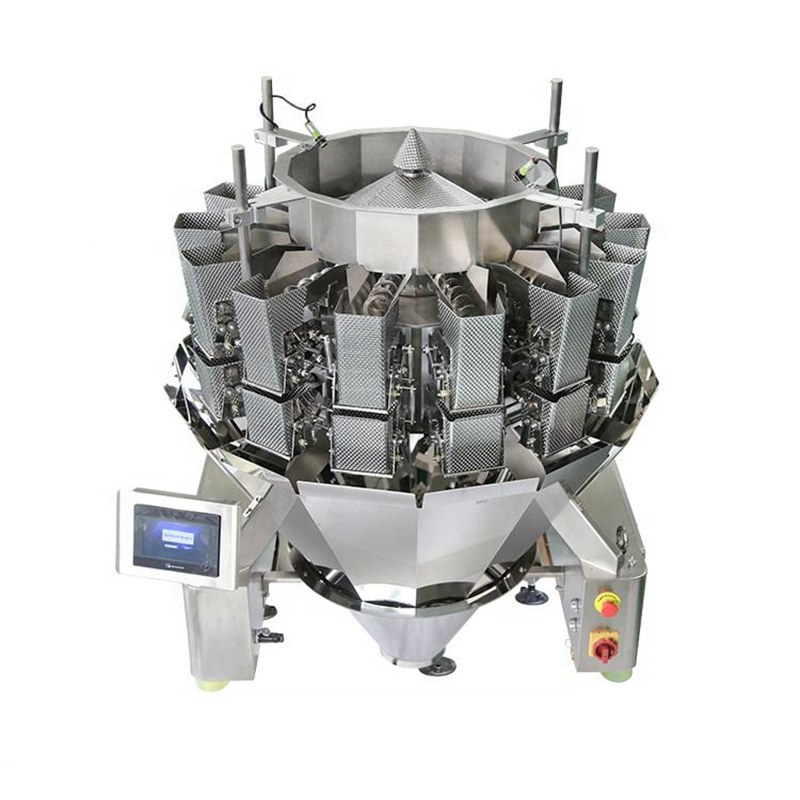
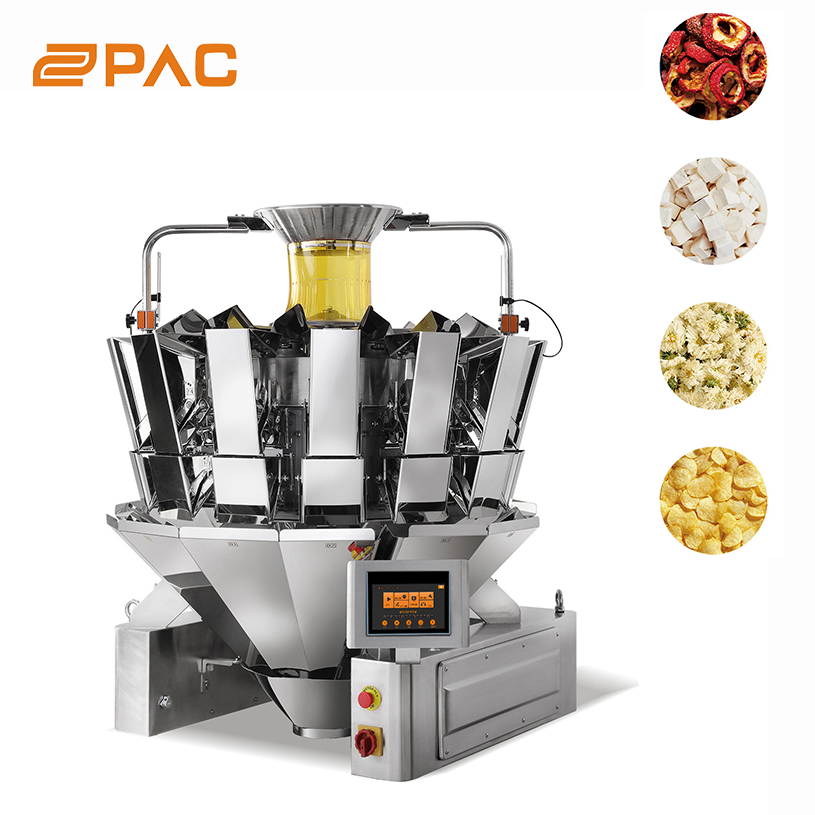
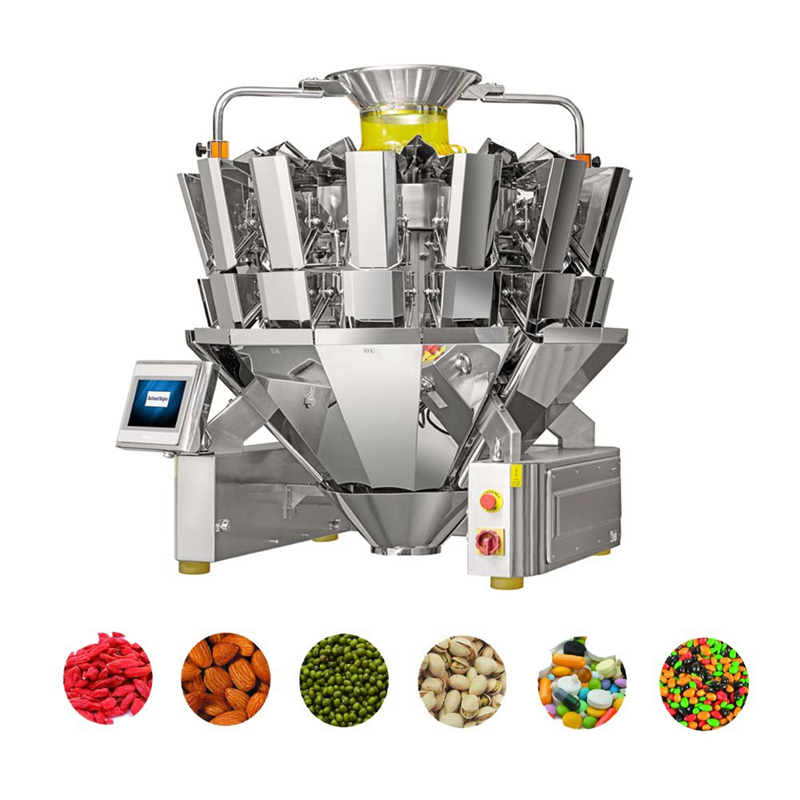
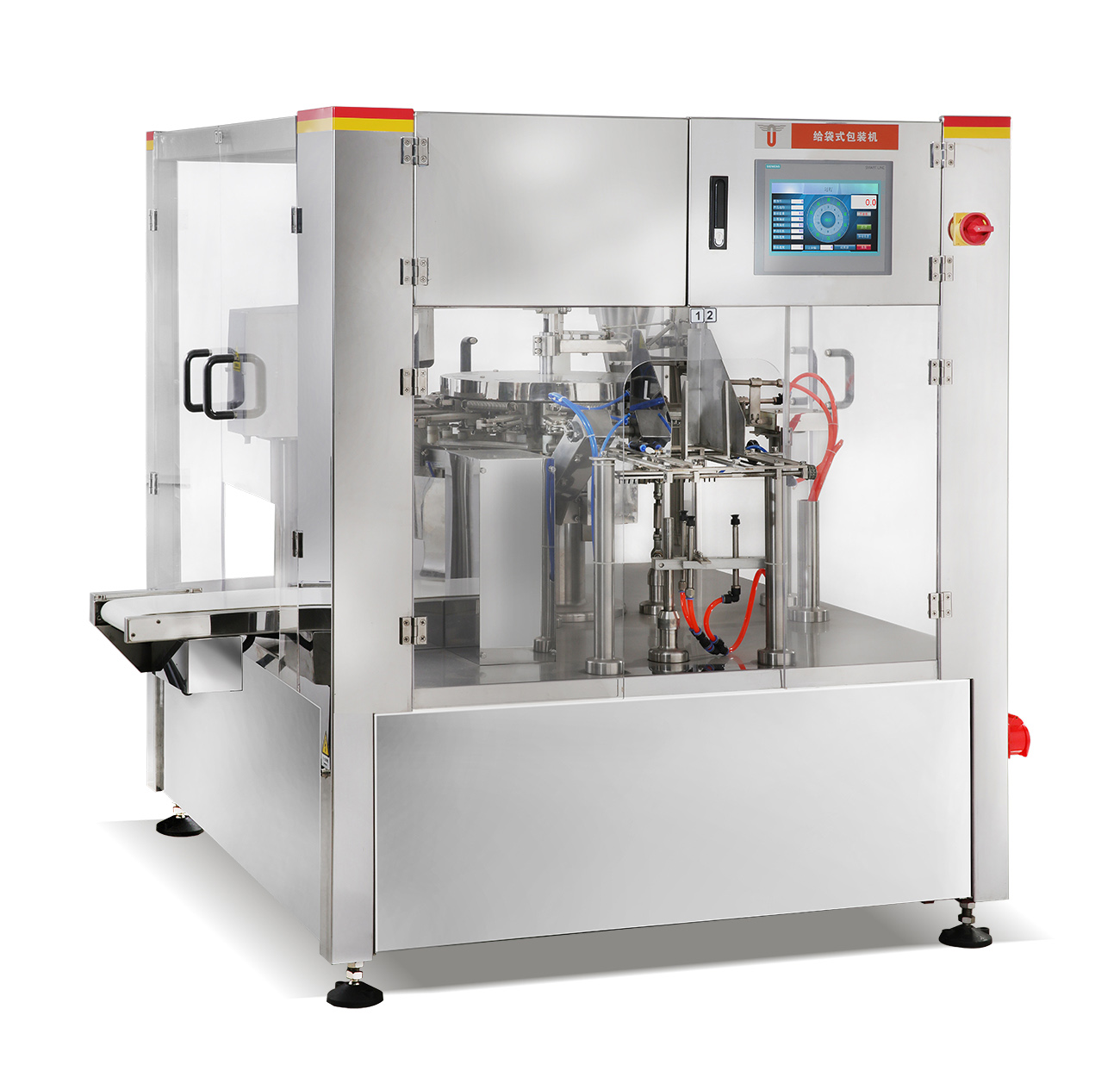
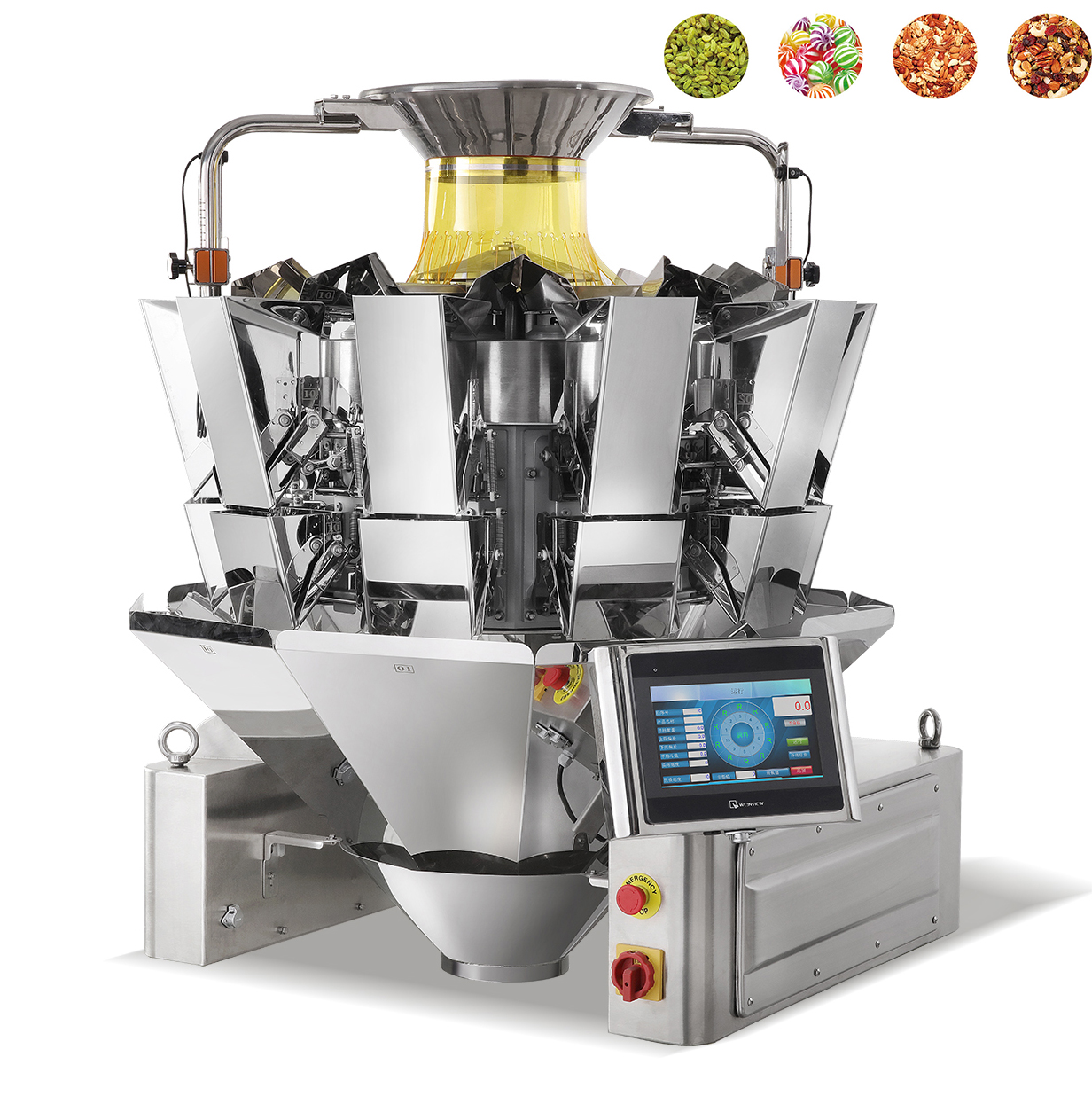
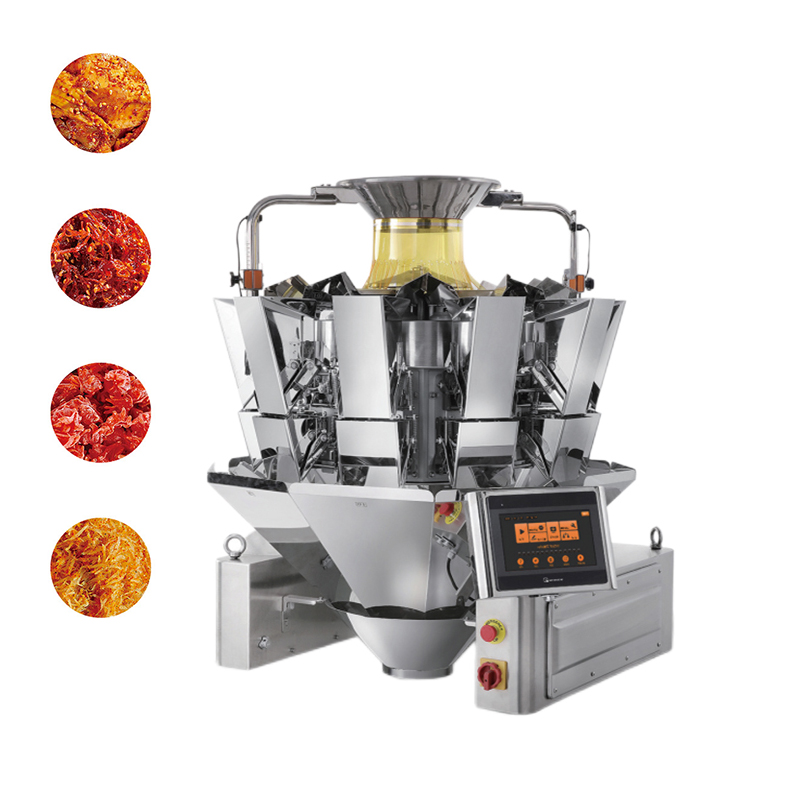
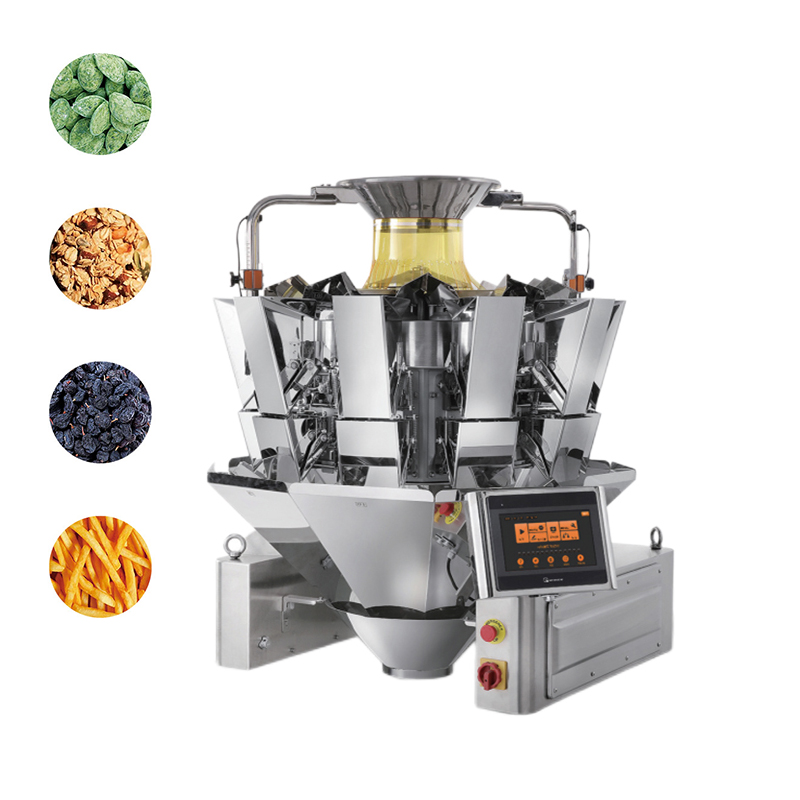
UUPAC 4-Head 0.5L High-Speed Linear Weigher Compact, Accurate Solution for Mid-Volume Production Lines

    In today's fast-paced manufacturing and packaging sectors, small to mid-sized production facilities face a unique challenge: balancing efficiency, precision, and cost-effectiveness. Oversized weighing equipment can waste floor space and stretch budgets, while low-capacity options struggle to keep up with daily output goals. For food processors, snack manufacturers, and small-batch producers, the right linear weigher needs to be space-saving, reliable, and adaptable—and that's exactly what the UUPAC 4-Head 0.5L High-Speed Linear Weigher delivers.

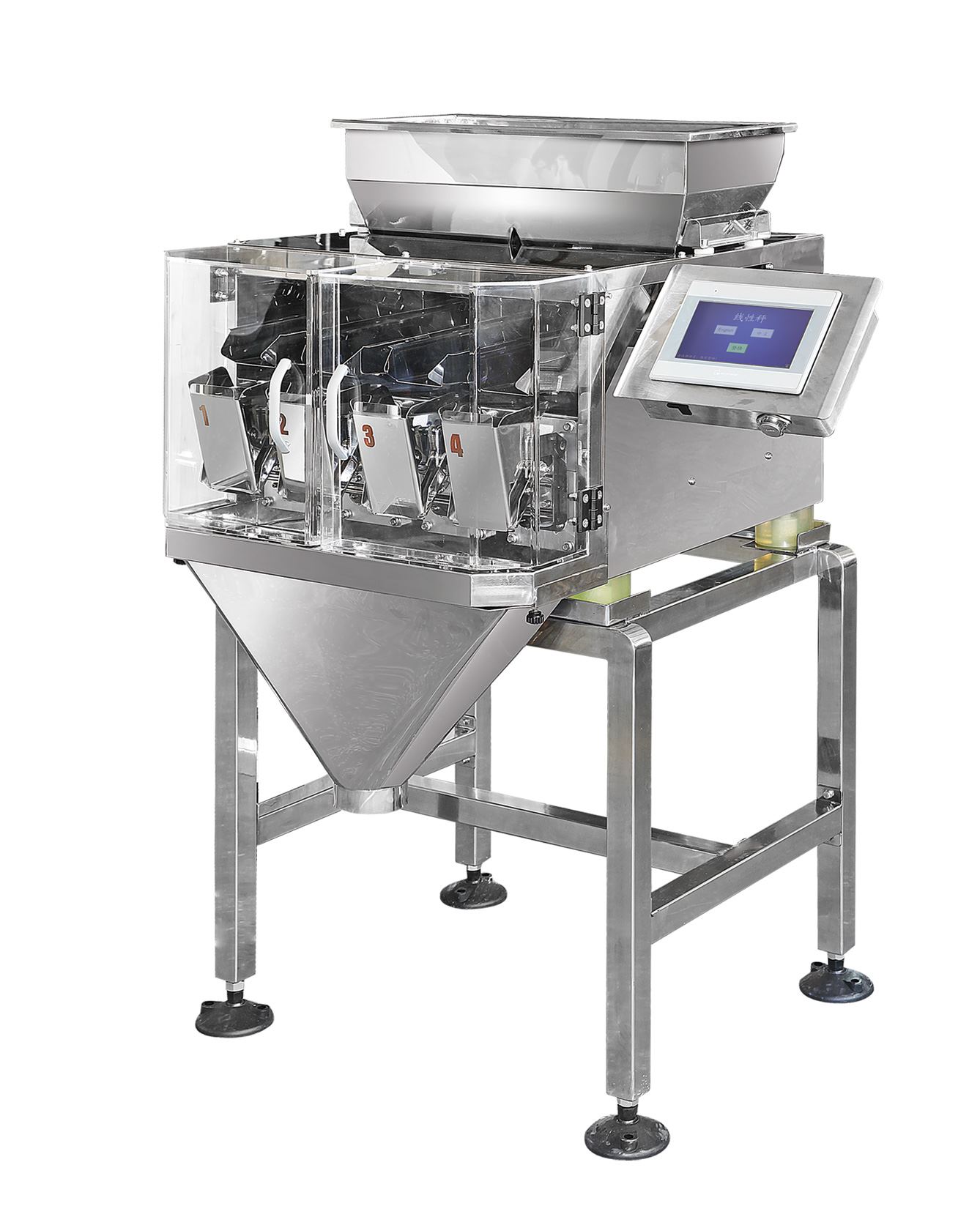
 4 head 0.5L Linear Weigher


Why Linear Weighers Stand Out for Mid-Volume Operations?

1. Operate in compact facilities (e.g., small-scale snack factories, local food processors) and need equipment that fits tight floor plans.

2. Handle diverse products (from granular items like nuts or spices to small pieces like candy or pet treats) and require quick recipe switches.

3. Seek cost-effective automation—linear weighers integrate seamlessly with existing equipment (VFFS machines, pouch fillers, jar fillers) without the investment of a full-scale production line overhaul.


    The UUPAC 4-Head 0.5L model takes these advantages further, addressing common pain points like inconsistent weight accuracy, slow changeovers, and difficult maintenance.


Key Features: Built for Practicality and Performance

     What makes this linear weigher a top choice for mid-volume producers? Its design prioritizes ease of use, durability, and flexibility—all critical for keeping production lines running smoothly.


1. Compact Design, Maximum Space Efficiency

    With a net weight of just 91kg and dimensions of 1,086(L)X710(W)X898(H)mm, this weigher fits into tight production spaces (e.g., small workshops or existing lines with limited room). The 0.5L small-volume hoppers don't just save space—they also boost precision by reducing product residue and ensuring consistent dosing for lightweight items (3–300g).


2. Reliable Accuracy for Compliance and Waste Reduction

    Equipped with a minimum scale interval of 0.1g and accuracy class X(0.5), this weigher eliminates the risk of underpacking (which risks regulatory fines) or overpacking (which wastes materials). For food processors selling pre-portioned snacks or powdered goods, this level of precision directly protects profit margins.


3. Blended Product Weighing: Versatility for Multi-SKU Lines

    One of its most valuable features is the ability to handle 4 types of blended products (e.g., mixed nuts, trail mix, or multi-flavor candy). Simply set up the recipe in the system, and the weigher automatically combines products to the required total weight—no manual mixing or separate weighing steps needed. This is a game-changer for brands offering custom or mixed SKUs.


4. User-Friendly Operation and Quick Changeovers

  • The 7 "color touch screen (with intuitive controls) lets workers switch between 99 preset product parameters in minutes—ideal for facilities running multiple SKUs.
  • Amplitude adjusts automatically, so there's no need for time-consuming manual tweaks when changing products (e.g., from fine sugar to larger cereal pieces).
  • Software can be upgraded via USB, ensuring the weigher stays compatible with future production needs without costly hardware replacements.


5. Durability and Easy Maintenance for Long-Term Value

  • Constructed with SUS 304/316 stainless steel (optional) and an IP65 waterproof design, it's easy to clean—critical for food, pharmaceutical, or cosmetic applications where hygiene compliance is mandatory.
  •  The modular control system simplifies repairs: if a component needs replacement, you won't have to shut down the entire machine. Factory parameter recovery also minimizes downtime if settings are accidentally changed.


6. Stable, High-Speed Performance

    Driven by a step motor with an open-close mode, the weigher operates at a maximum speed of 85 weighments per minute (WPM)—fast enough to keep up with mid-volume production goals (e.g., 5,000+ packages per hour) while maintaining stability. It integrates seamlessly with VFFS machines, pouch fillers, and inline jar fillers, making it a flexible add-on to your existing setup.


Ideal Applications: Where This Weigher Adds the Most Value

    The UUPAC 4-Head 0.5L Linear Weigher is designed to solve problems across multiple mid-volume industries:


  • Food & Beverage: Weighing snacks (chips, candy), grains (quinoa, rice), spices, or powdered drinks.
  • Pet Food: Portioning small-batch dry pet treats or mixed kibble blends.
  • Pharmaceuticals: Dosing small herbal tablets or powdered supplements (with SUS 316 stainless steel for compliance).
  • Hardware & Electronics: Weighing tiny components like screws, washers, or connectors for small-package sales.


Why Choose UUPAC for Your Linear Weigher?

    As a professional manufacturer specializing in intelligent weighing, packaging, conveying, and detection systems, UUPAC doesn't just sell equipment—we deliver solutions tailored to your production needs. When you choose our 4-Head 0.5L Linear Weigher, you get:


  • Ready-to-Ship Availability: Short lead times to minimize production downtime.
  • Global Support: From installation guidance to after-sales maintenance, our team helps you keep operations running.
  • Flexible Integration: We work with you to ensure the weigher fits seamlessly with your existing VFFS, fillers, or conveyors.


If you're a mid-volume producer looking to save space, reduce waste, and streamline product changeovers, the UUPAC 4-Head 0.5L High-Speed Linear Weigher is built for your needs. If you are interested, Please contact us today to learn how it can integrate into your production line—or request a demo video to see it in action.

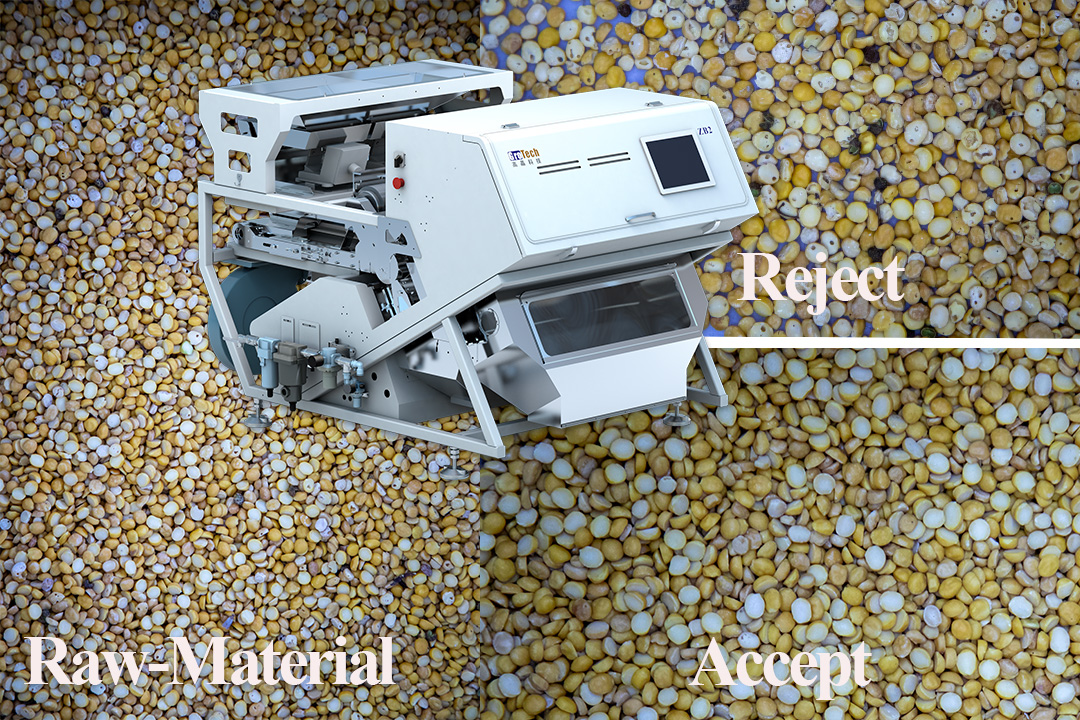
GroTech Beans color sorter High-Efficiency Removal of Insect-Damaged Beans

In the processing and sales of beans, insect-damaged beans have always been a “persistent problem” that affects quality and brand reputation. They not only damage the appearance and reduce consumer trust but may also compromise the storage safety of the entire batch. How can producers efficiently remove insect-damaged beans and enhance product quality? The answer is — Ai Bean Color Sorter.

Why Traditional Bean Color Sorters Fail to Remove Insect-Damaged Beans

Older generations of color sorters mainly rely on simple color differences to perform sorting.

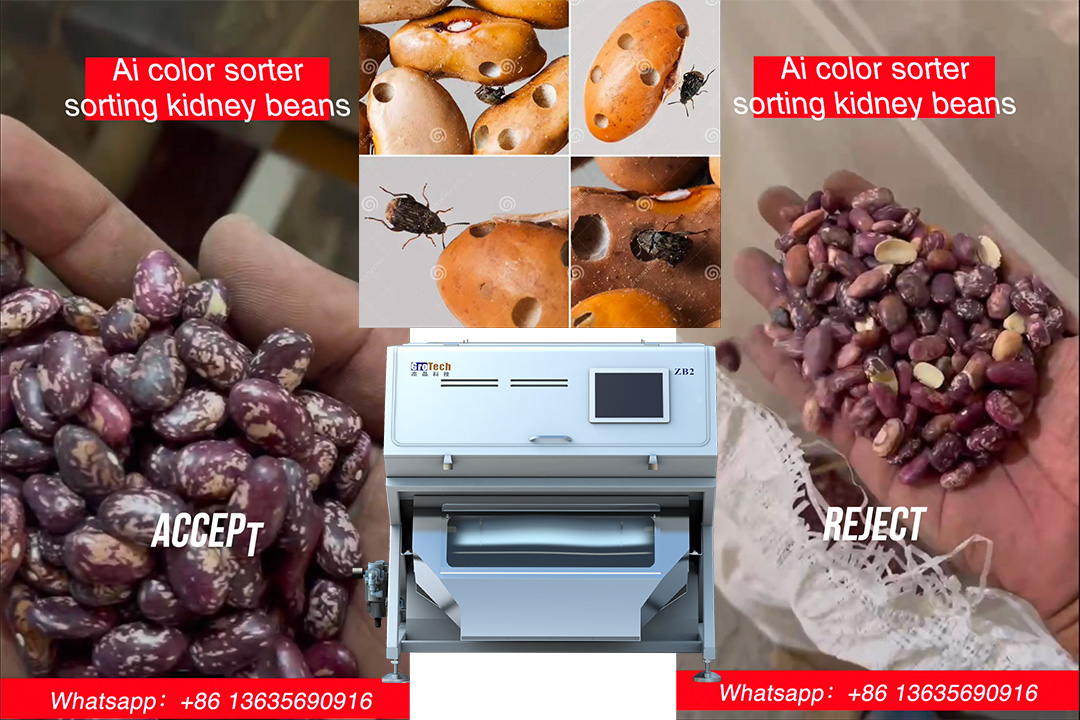
  • Minimal color difference: Many insect-damaged beans retain a normal appearance, with only small spots or tiny holes, which conventional machines struggle to detect.

  • Hidden damage: Some insect damage occurs inside the bean, causing only subtle surface changes that traditional sorters often miss.

  • Single recognition method: Early machines simulated the human eye with basic optical detection, lacking the ability to judge fine textures, dark spots, or surface defects.

This leads to a common issue: traditional color sorters can remove obviously defective beans, but fail to thoroughly eliminate insect-damaged beans.

Advantages of Smart Bean Color Sorter for Insect-Damaged Bean Removal

With advanced multi-spectral imaging and intelligent algorithms, the new generation of bean color sorters breaks through these limitations:

  • High-definition detection: Captures subtle dark spots, holes, and color variations on the bean’s surface.

  • Intelligent learning: Built-in AI continuously learns insect-damage patterns, improving accuracy.

  • Efficient rejection: High-speed precision air-jet separation removes defective beans instantly.

  • Better product quality: Sorted beans are fuller, more uniform in color, and meet the demands of premium markets.

Bean Sorting Machine for Multiple Types of Beans


Whether soybeans, mung beans, red beans, kidney beans, or cowpeas — the smart color sorter handles them all with ease.

  • One machine for multiple bean types

  • Simple, intuitive interface

  • Saves labor cost and boosts efficiency

FENGYU Stabilizer Links Reliable Sway Bar Solutions for Global Vehicles

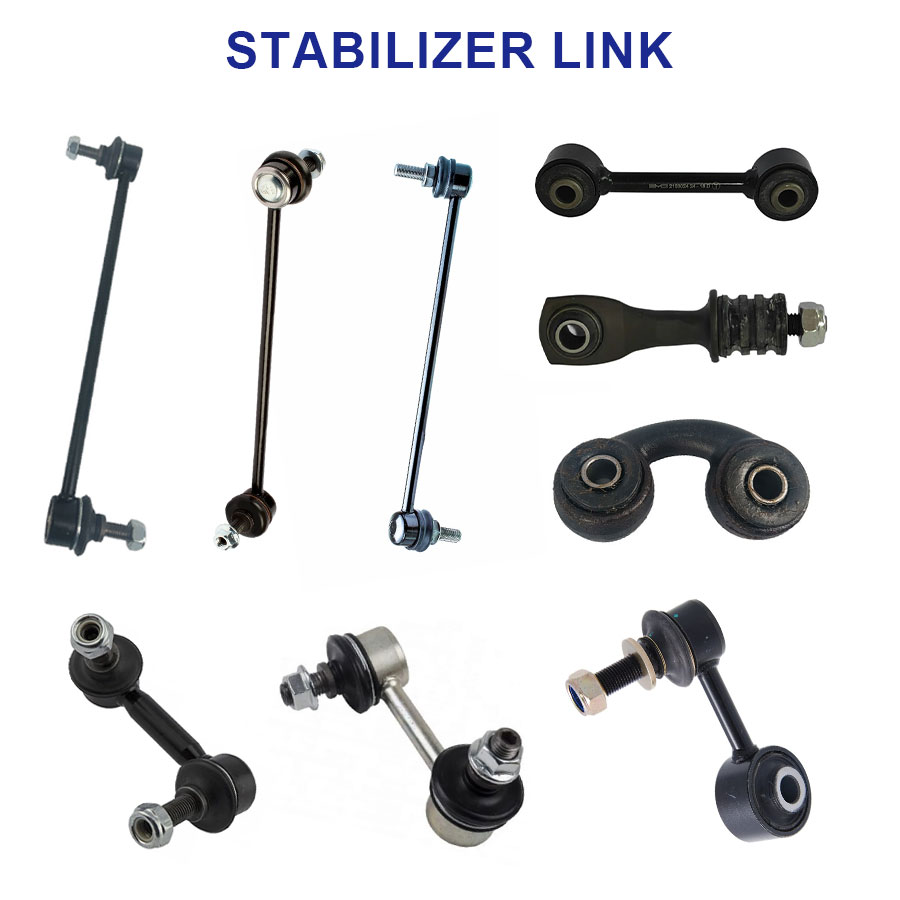
As a leading manufacturer with over 30 years of expertise in automotive parts, FENGYU has established itself as a trusted name in stabilizer link (sway bar link) production, serving the global aftermarket with precision and reliability. Specializing in suspension components, we offer a comprehensive range of stabilizer links designed to fit 90% of vehicle brands, including Japanese, Korean, American, and European models—making us the go-to choice for Honda Accord sway bar links, Ford stabilizer links, Chevrolet sway bar links, Nissan stabilizer links, and Dodge stabilizer links, among others.

Built for Durability: Quality Materials & Craftsmanship

At FENGYU, every stabilizer link is engineered to deliver long-lasting performance, starting with premium materials. Our sway bar links feature high-strength #45 steel rods, ensuring robustness to withstand the stresses of daily driving, off-road adventures, and heavy loads. The dust cover boot, crafted from CR anti-corrosion rubber, acts as a protective barrier, shielding internal components from dirt, moisture, and road debris—critical for extending part lifespan in harsh conditions.


We pay equal attention to hardware: stabilizer link bolt and nut assemblies are forged from high-tensile steel, guaranteeing secure, easy installation with no compromise on strength. For bolt-type and hybrid-style links, our precision-molded stabilizer bar link bushings provide essential cushioning, reducing noise, vibration, and wear between connecting components—enhancing ride comfort for drivers and passengers alike.
Mazda Stabilizer Link

Tailored Solutions: OEM/ODM Flexibility for Your Business

Understanding the diverse needs of the aftermarket, FENGYU offers flexible customization options to help build your brand. Whether you need silver or black finish for stabilizer links, laser marking with your logo or part numbers, or personalized packaging—from branded color boxes to custom polybags—our OEM/ODM services ensure your parts stand out. With a low MOQ of 100 pieces per model, we make it easy for distributors, wholesalers, and importers to access tailored solutions without large inventory commitments, backed by competitive factory-direct pricing.


Quality You Can Trust: Rigorous Testing & Certifications

Quality is non-negotiable at FENGYU. Every stabilizer link undergoes strict quality checks, from raw material inspections to in-process testing and pre-shipment audits. We validate dimensional accuracy, torque resistance, and corrosion resistance to meet or exceed OE standards—ensuring consistent performance across all our products. Our commitment to quality is further validated by IATF and ISO certifications, giving you confidence that every FENGYU sway bar link meets global quality benchmarks.


Supported by Expertise & Reliable After-Sales Support

We stand behind our products with a reliable warranty and responsive service. All FENGYU stabilizer links come with a warranty, and our after-sales team is ready to assist if issues arise—simply share photos or videos of concerns, and we’ll promptly offer solutions, whether through refunds or replacements in your next order. With 30+ years of export experience, we understand the importance of timely delivery: our ready stock of 100,000+ units ensures quick turnaround, while custom orders are fulfilled within 30–45 days.


Partner with FENGYU for Suspension Success

Whether you’re stocking up on Honda Accord sway bar links, Ford stabilizer links, or seeking solutions for other models, FENGYU combines quality, flexibility, and expertise to support your business. We don’t just supply parts—we build partnerships, offering professional support to help you stay competitive in the aftermarket.


Looking for a long-term stabilizer link supplier you can rely on? Contact the FENGYU team today to explore our range, discuss customization needs, and grow your business with parts built to perform.

FENGYU Tie Rod Ends Precision Steering Solutions for Global Vehicles

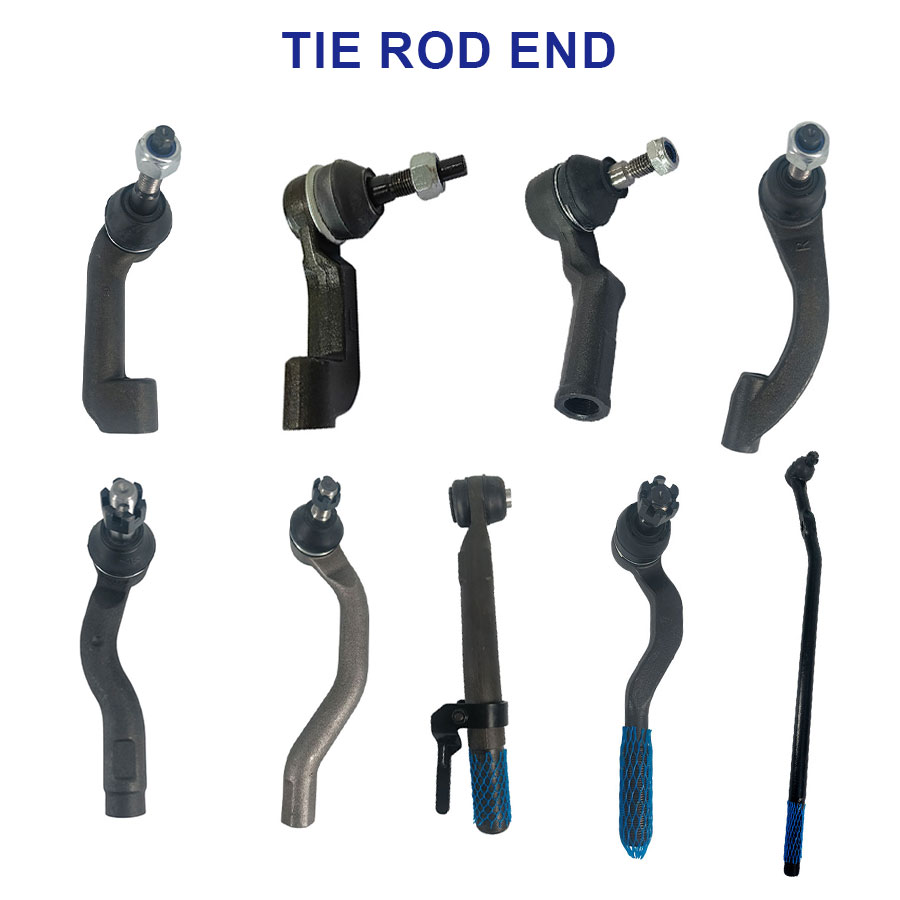
As a leading automotive parts manufacturer with over 30 years of expertise, FENGYU has earned trust in tie rod end production, delivering precision and reliability to the global aftermarket. Specializing in steering components, we offer a comprehensive range of tie rod ends designed to fit 90% of vehicle brands—including Japanese, Korean, American, and European models—making us the top choice for Honda tie rod ends, Ford steering tie rod ends, Chevrolet tie rod ends, Nissan tie rod ends, and Dodge tie rod ends, among others.

Honda tie rod end replacement


Built for Precision: Quality Materials & Engineering

At FENGYU, every tie rod end is engineered to ensure smooth, responsive steering, starting with premium materials. Our steering tie rod ends feature high-strength alloy steel bodies, forged for exceptional durability to withstand the rigors of daily driving, sharp turns, and rough terrains. The critical ball joint assembly, precision-machined for tight tolerances, ensures consistent rotation, eliminating steering play and enhancing control.


To protect internal components, our tie rod ends are equipped with EPDM rubber dust boots, resistant to oil, heat, and corrosion, shielding against dirt, moisture, and road debris—key to extending lifespan in harsh conditions. Hardware, including tie rod end studs and nuts, is forged from high-tensile steel, guaranteeing secure installation and long-term stability, even under heavy steering loads.
 

Tailored for Your Business: OEM/ODM Flexibility

Understanding the aftermarket’s diverse needs, FENGYU offers flexible customization to elevate your brand. Choose from finishes like silver or black oxide coating for tie rod ends, add laser-etched logos or part numbers for brand recognition, or opt for personalized packaging—from branded color boxes to custom polybags. With a low MOQ of 100 pieces per model, we make it easy for distributors, wholesalers, and importers to access tailored solutions without large inventory commitments, backed by competitive factory-direct pricing.


Quality You Can Depend On: Testing & Certifications

Quality is the cornerstone of FENGYU’s tie rod ends. Every unit undergoes rigorous testing, from raw material inspections to pre-shipment audits. We validate dimensional accuracy, ball joint rotation smoothness, torque resistance, and corrosion resistance to meet or exceed OE standards—ensuring consistent performance across all products. Our commitment is reinforced by IATF 16949 and ISO 9001 certifications, giving you confidence that every FENGYU tie rod end meets global quality benchmarks.


Supported by Expertise & Reliable Service

We stand behind our tie rod ends with a robust warranty and responsive support. All products come with a warranty, and our after-sales team is ready to assist—simply share photos or videos of concerns, and we’ll promptly resolve issues with refunds or replacements in your next order. With 30+ years of export experience, we ensure timely delivery: our ready stock of 100,000+ units enables quick turnaround, while custom orders are fulfilled within 30–45 days.


Partner with FENGYU for Steering Excellence

Whether you need Honda Civic tie rod ends, Ford F-150 steering tie rod ends, or solutions for other models, FENGYU combines quality, flexibility, and expertise to support your business. We don’t just supply parts—we build partnerships, helping you stay competitive in the aftermarket.


Looking for a trusted tie rod end supplier? Contact FENGYU today to explore our range, discuss customization, and grow with parts built for precision.

Why FENGYU Ball Joints Are the Trusted Choice for Global Automotive Aftermarkets

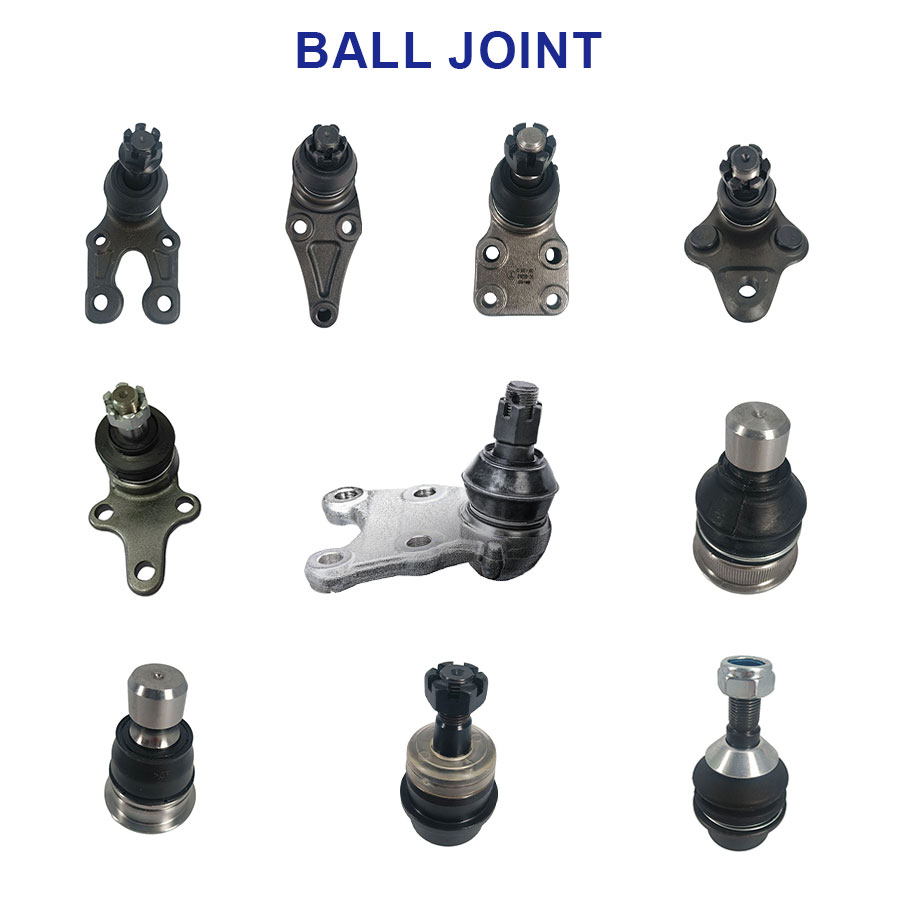
In the complex ecosystem of automotive components, few parts are as critical to safety and performance as the ball joint. Serving as the linchpin between a vehicle’s suspension and steering systems, a high-quality ball joint ensures smooth handling, stable control, and durability across diverse driving conditions. For over three decades, Xiamen Fengyu Autoparts Co., Ltd. has stood out as a leading manufacturer of premium ball joints, earning trust from clients worldwide. Let’s explore why FENGYU ball joints are the go-to choice for passenger cars, SUVs, and trucks across Japanese, Korean, European and American vehicle brands.

nissan ball joint


A Legacy of Excellence: 30+ Years of Manufacturing Expertise

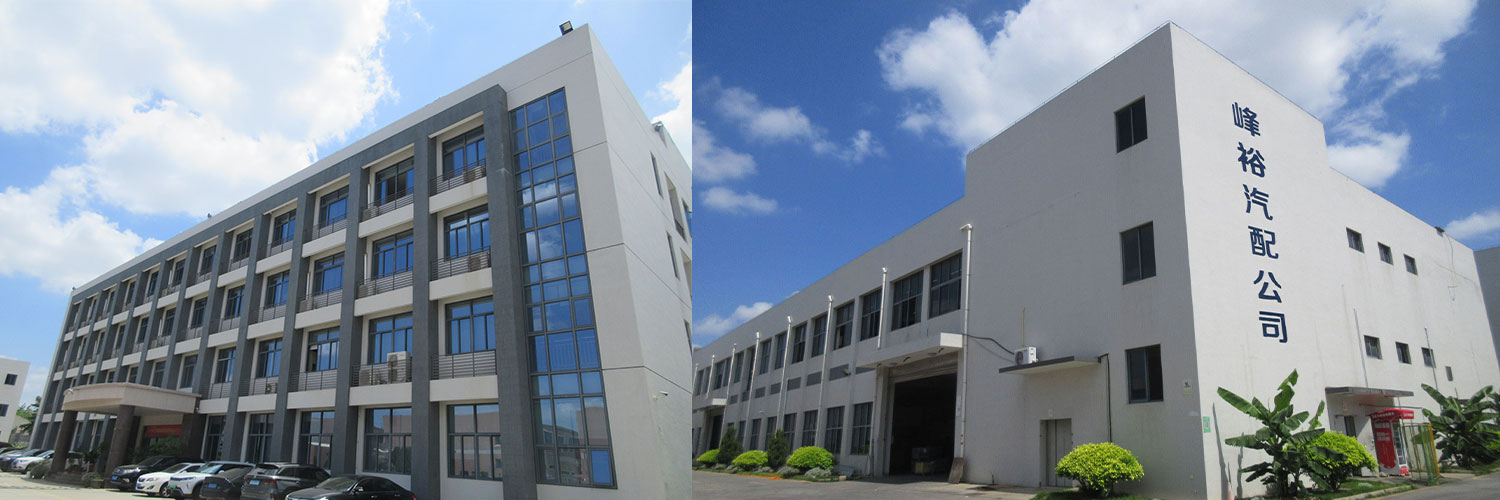
Founded in 1997, FENGYU has built a distinguished reputation in the automotive aftermarket (AM) sector, with over 30 years of focused experience in developing and producing steering, suspension, and brake components. What began as a regional manufacturer has evolved into a globally recognized supplier, thanks to an unwavering commitment to precision engineering and superior craftsmanship. Today, FENGYU operates a state-of-the-art facility equipped with over 200 sets of advanced manufacturing equipment, boasting an annual production capacity of 10,000,000 pieces and ready stock of over 100,000+ units—ensuring quick response to global demand.

Certifications are a testament to FENGYU’s dedication to quality. The company holds ISO9001 and IATF certifications, rigorous standards that validate its adherence to international quality management systems. These certifications, combined with decades of export experience spanning 30+ countries, make FENGYU a reliable partner for businesses seeking consistent, high-performance automotive parts.


Engineering Excellence: What Makes FENGYU Ball Joints Stand Out

At the core of FENGYU’s success lies its relentless focus on product quality. Every ball joint undergoes a battery of rigorous tests to ensure it meets or exceeds OE (Original Equipment) standards. These tests include dimensional accuracy checks to guarantee perfect fitment, durability trials to withstand millions of cycles of use, and corrosion resistance assessments using salt spray testing—critical for parts exposed to harsh weather and road conditions. Torque and impact tests further validate that FENGYU ball joints can handle the stresses of daily driving, from urban commutes to off-road adventures.


FENGYU ball joints are engineered to fit a wide range of vehicles, making them a versatile solution for aftermarket needs. Whether you’re servicing a Japanese Honda, a Korean Hyundai, a European BMW, an American Ford, or a Chinese domestic model, FENGYU offers ball joints tailored to 90% of automobile brands. This compatibility extends across passenger cars, rugged SUVs, and heavy-duty trucks, ensuring that no matter the vehicle type, FENGYU has a ball joint that delivers reliable performance.
honda ball joint

Flexibility for Every Business Need: Low MOQ, Competitive Pricing, and Custom Solutions

FENGYU understands that aftermarket businesses have diverse needs, which is why it prioritizes flexibility in its services. One of the key advantages of partnering with FENGYU is its low minimum order quantity (MOQ) of 100 pieces per model. This customer-friendly policy allows small to medium-sized businesses to access premium parts without the burden of large inventory commitments, making it easier to test new markets or meet niche demand.


Competitive pricing is another cornerstone of FENGYU’s offering. As a factory-direct supplier, FENGYU eliminates middleman costs, passing savings directly to clients. This factory-direct model also ensures transparency in pricing and faster communication, streamlining the ordering process for businesses worldwide.


For clients with unique requirements, FENGYU offers robust OEM/ODM customization services. Whether you need ball joints tailored to specific vehicle models, branded with your company logo, or designed to meet unique performance specifications, FENGYU’s R&D team works closely with clients to deliver bespoke solutions. The process is seamless: provide your design specifications or trademark authorization, and FENGYU handles the rest—from prototyping to production—ensuring your custom parts meet the same strict quality standards as its standard offerings.


Beyond the Product: Lifetime Warranty and Exceptional Support

FENGYU stands behind its ball joints with a lifetime warranty, a promise that speaks to the confidence in its product durability. This warranty ensures that clients can offer their customers peace of mind, knowing that FENGYU parts are built to last. In the rare event of an issue, FENGYU’s responsive after-sales service team is ready to assist, providing quick solutions to minimize downtime for businesses.


Delivery efficiency is another area where FENGYU excels. For ready stock items, delivery can be arranged within 1–3 days, ensuring urgent orders are met promptly. For custom or large-quantity orders, lead times are kept reasonable at 30–45 days, with clear communication throughout the production process. This reliability in delivery has made FENGYU a preferred supplier for time-sensitive projects.
 

Why Choose FENGYU Ball Joints for Your Business?

In a market flooded with automotive parts, FENGYU stands out as a partner that combines quality, flexibility, and service. Whether you’re a small auto repair shop, a regional distributor, or a global chain, FENGYU’s ball joints offer the perfect balance of performance and value. With OE-level quality, broad vehicle compatibility, low MOQ, competitive pricing, and custom solutions, FENGYU empowers businesses to meet customer needs effectively.


Backed by 30+ years of expertise, ISO9001/IATF certifications, and a track record of satisfied clients, FENGYU is more than a supplier—it’s a collaborator invested in your success. From standard replacements to bespoke designs, FENGYU’s ball joints are engineered to deliver reliability, mile after mile.


Ready to elevate your automotive parts inventory? Choose FENGYU ball joints for factory-direct quality, professional support, and the confidence that comes from partnering with a trusted industry leader. Contact the FENGYU team today to discuss your needs and experience the difference quality and service can make.

What Is Refrigeration Gas 404A Used For? A Guide to Its Core Applications

Refrigeration gas 404A is a blended HFC refrigerant known for its reliability and strong performance, especially in low and medium-temperature systems. For years, it has been a trusted choice across various sectors in the United States that require consistent and powerful cooling.

Its versatility makes it suitable for a wide range of demanding commercial and industrial environments. Here are the primary applications where refrigeration gas 404A is used:


1. Commercial Refrigeration


This is the most common sector for R-404A. It is engineered to perform exceptionally well in the daily grind of retail and food service environments. Key uses include:

  • Supermarket Display Cases: The open-air coolers and freezers lining grocery store aisles.

  • Walk-In Coolers & Freezers: Essential for restaurants, grocery stores, and food distributors to store perishable goods in bulk.

  • Ice Machines: Widely used in hospitality, food service, and healthcare to produce ice reliably.


2. Transport Refrigeration


The ability of refrigeration gas 404A to maintain a consistent temperature under varying conditions makes it ideal for mobile applications. It is frequently used in:

  • Refrigerated Trucks and Trailers: Keeping produce, frozen foods, and other temperature-sensitive items safe during transit.

  • Refrigerated Shipping Containers: Used for overseas and rail transport of perishable cargo.


3. Industrial Cooling


In more heavy-duty settings, refrigeration gas 404A provides the robust cooling capacity needed for large-scale operations. These applications include:

  • Cold Storage Warehouses: Large facilities that store frozen and refrigerated goods before distribution.

  • Food Processing Plants: Used in blast freezers and other cooling processes during food production.


In essence, refrigeration gas 404A is a versatile refrigerant designed for equipment that needs to achieve and maintain cold temperatures efficiently, from a local restaurant's walk-in freezer to a cross-country refrigerated truck.

Why is R-410A Being Banned?

R-410A, a popular refrigerant gas used in air conditioners and heat pumps, is often mentioned in discussions about refrigerant phase-outs. However, contrary to widespread belief, R-410A is not being banned globally. What’s happening is a gradual shift in refrigerant choices due to environmental concerns, regulatory changes, and industry trends.


Here’s why this confusion exists:

Environmental Impact

R-410A is a blend of hydrofluorocarbons (HFCs), which are potent greenhouse gases (GHGs). When released into the atmosphere, they contribute significantly to global warming. This has led to its inclusion in the Montreal Protocol and subsequent Kigali Amendment agreements aimed at reducing substances that harm the ozone layer and exacerbate climate change.

Although R-410A does not deplete the ozone layer (unlike its predecessor R-22), its high global warming potential (GWP) makes it a target for phasedown rather than an outright ban.


Regulations

Several countries, particularly in Europe and the U.S., are adopting stricter regulations on refrigerants with high GWP. In the U.S., the American Innovation and Manufacturing (AIM) Act aims to reduce the use of high-GWP refrigerants like R-410A by 85% over the next 15 years, replacing them with lower-GWP alternatives. Similarly, the EU’s F-Gas Regulation has set guidelines for reducing the use of HFCs.

However, R-410A is not banned outright. Instead, it's being phased out in favor of refrigerants with a lower GWP, such as R-32 or natural refrigerants like CO2.

Transitioning to Low-GWP Alternatives

While R-410A remains in use today, the industry is evolving. Manufacturers are increasingly shifting towards more eco-friendly options like R-32, which has a GWP of about one-third of R-410A. This transition is seen as a necessary step toward achieving global climate goals, but it's being implemented gradually, allowing existing systems using R-410A to remain operational.


Conclusion

R-410A is not being banned outright; instead, its use is being reduced as part of a broader push for more sustainable refrigerants. The shift is driven by climate policy, and while it might cause some confusion, it’s clear that the goal is to reduce the environmental impact of refrigerants, not to eliminate them entirely.

So, while R-410A may not have a permanent place in the future of HVAC systems, its gradual phase-out is part of an important environmental transition. The future of refrigerants is moving toward more sustainable options, and R-410A is just one step in the process.

What Is a Telescopic Belt Conveyor and How Does It Work?

In busy logistics hubs and warehouses, moving goods efficiently is a top priority. One tool that’s become increasingly important in this process is the telescopic belt conveyor. If you've ever seen a long conveyor sliding in and out of a truck like a giant mechanical arm, you've likely seen one in action. But what exactly is it, and how does it actually work?


Let’s break it down in a way that combines technical understanding with real-world application.


A Simple Definition

At its core, a 4 extension loading and unloading conveyor is a kind of conveyor system that can extend and retract, much like a telescope. This movement allows it to reach inside trucks or containers for easier loading and unloading. The design significantly reduces manual handling, improves safety, and speeds up operations.


In more technical terms, it's a multi-section conveyor where the nested sections slide out to extend the length. The belt moves continuously along these sections, even as the conveyor extends or contracts.


How Does It Work?

Now let’s get into the mechanics—without sounding like a textbook.


Imagine you’ve got a truck backed up to your dock. Instead of sending in workers to carry boxes one by one, you roll up the telescopic conveyor. At the press of a button (or using manual control in simpler models), the conveyor slides forward, reaching deep inside the truck.


The moving belt—usually made from durable rubber or PVC—carries boxes from the vehicle right into the warehouse or the other way around. Some models even let you adjust the height or tilt the conveyor to match different truck sizes or dock levels.


And when the job’s done? Just retract the conveyor back like a telescope and roll it away. Simple, right?


Key Features (from a Practical Viewpoint)

While tech specs matter, most warehouse managers care more about how it helps:

Adjustable length – So you can handle different truck sizes.

Height control – For aligning with containers or dock heights.

One-person operation – Reduces manpower costs.

Fast belt movement – Speeds up loading and unloading dramatically.

Safety mechanisms – Like emergency stop buttons and anti-slip belts.


Where Is It Used?

You’ll find mobile telescopic belt conveyors in a lot of places:

Logistics centers shipping thousands of parcels daily

Online retail fulfillment hubs (think e-commerce giants)

Courier and express parcel services

Airports, for baggage handling

Warehouses and storage facilities


Basically, if there are goods constantly coming in and going out, a telescopic conveyor makes the job smoother.


Why Are Telescopic Belt Conveyors So Popular?

Now, let’s get real. Time is money—and in logistics, wasted time equals wasted revenue. A conveyor that extends into a truck eliminates time-consuming, back-breaking labor. Not to mention, it cuts down the chance of workplace injuries.


From a formal point of view, telescopic conveyors are recognized as effective solutions for enhancing logistics productivity, operational safety, and space optimization.


And let’s not forget the long-term cost savings. Fewer injuries mean fewer insurance claims. Faster operations mean quicker turnaround. That’s good news for your bottom line.


Whether you’re running a small warehouse or managing a large distribution center, investing in a telescopic belt conveyor can seriously streamline your operations. It's not just a piece of equipment—it’s a way to modernize your entire loading process.


So next time you’re stuck waiting on slow, manual unloading? Just imagine how a telescopic conveyor could slide right in and change everything.
Telescopic Belt Conveyor

A Guide to Choosing A Suitable Tiger Shear

Selecting a suitable tiger shear is crucial for efficient metal recycling and processing. Here are some key factors to consider.


Clarify Your Needs

First, assess the type of materials you'll be shearing. Is it thin - gauge steel, thick metal plates, or various metal alloys? For instance, if you often deal with thick industrial - grade steel, you'll need a shear with high - tonnage capacity. Additionally, consider the volume of work. High - volume operations require a shear that can handle continuous use without frequent breakdowns.


Shearing Capacity

Tiger shears come in different tonnage ratings. The tonnage indicates the maximum force the shear can exert. To determine the right capacity, measure the thickness and hardness of the materials you'll be cutting. A general rule is that harder and thicker materials demand a higher - tonnage shear.


Blade Quality

The blades are the heart of the tiger shear. For regular use with common metals, high - carbon steel blades can be sufficient. However, if you're working with special alloys or very hard metals, invest in blades made of more durable materials, such as alloy steel or even imported blades, which can resist wear and maintain sharpness longer.


Optional Features

Some shears offer features like adjustable shear angles, which can be useful when you need to cut materials at specific angles. Others may have automated feeding systems, reducing labor and improving productivity. Consider whether these features align with your workflow and budget.

By carefully evaluating these aspects, you can choose a tiger shear that meets your needs, boosts productivity, and ensures long - term cost - effectiveness in your metal - processing operations.

The Compelling Advantages of Metal Baling Machines

In the demanding world of scrap metal recycling and industrial operations, efficiency, safety, and cost control are paramount. Metal baling machines emerge as indispensable tools, transforming loose, cumbersome scrap into dense, manageable packages. Their advantages significantly enhance operational workflows and profitability:


1.  Massive Volume Reduction & Space Savings: This is the most immediate and impactful benefit. Baling machines exert immense hydraulic pressure (often hundreds or thousands of tons) to crush and compress bulky scrap metal – think shredded cars, sheet metal offcuts, wire, cans, or turnings – into compact, rectangular bales. This drastically reduces the volume, sometimes by ratios of 10:1 or more. The result is vastly reduced storage footprint requirements, freeing up valuable factory or yard space for other activities and minimizing the sprawling, hazardous piles of loose scrap.


2.  Optimized Transportation & Logistics: Dense, uniform bales are exponentially easier and more cost-effective to handle, stack, and transport compared to loose scrap. They maximize payload capacity on trucks, railcars, and shipping containers, significantly reducing the number of trips required. This translates directly into substantial savings on freight costs, fuel consumption, and associated emissions. Bales are also stable and secure during transit, minimizing spillage and safety hazards.


3.  Enhanced Material Handling Efficiency: Bales are designed for mechanized handling. Forklifts and cranes can effortlessly move, stack, and load these uniform blocks. This eliminates the labor-intensive, slow, and often dangerous process of manually moving or shoveling loose, sharp, and heavy scrap metal. Loading and unloading times at processing facilities or mills are dramatically reduced, streamlining the entire supply chain.


4.  Improved Workplace Safety: Loose scrap metal presents significant hazards: sharp edges, protruding wires, instability causing collapses, and heavy lifting injuries. Baling mitigates these risks. The compact bales have fewer exposed sharp points, are stable when stacked, and can be handled mechanically, keeping workers at a safer distance from the material itself. This creates a significantly safer working environment.


5.  Increased Material Value & Marketability: Mills and foundries prefer dense, consistent bales. They are easier to feed into furnaces, melt more efficiently due to reduced surface oxidation, and often yield higher purity melt results. This consistency and ease of processing make baled scrap a more desirable commodity, potentially commanding better prices in the market compared to loose, mixed, or contaminated loads.


6.  Reduced Labor Costs: Automating the compaction process significantly reduces the manual labor required for gathering, moving, and loading scrap. While the machine requires operation, it replaces numerous laborers engaged in physically demanding and hazardous tasks, leading to long-term labor cost savings.


7.  Environmental & Site Benefits: By minimizing loose scrap piles, baling reduces the risk of environmental contamination from rust, fluids (trapped within appliances/vehicles), or wind-blown debris. It also presents a much tidier, more organized, and professional appearance for any scrap yard or industrial site.


In essence, metal baling machines are not just compactors; they are strategic assets that drive efficiency, safety, and profitability throughout the scrap metal lifecycle. By transforming chaotic waste into a valuable, dense commodity, they deliver tangible benefits in space utilization, transportation economics, labor costs, safety standards, and ultimately, the bottom line. For any operation handling significant volumes of scrap metal, a baler is an investment that pays for itself many times over.metal baling machines