Vibrating Screening size control

Size control is the process of separating bulk material into two or more products on basis of
their size. In mineral processing practices, two methods dominating size control processes
are: screening and classification. As shown in the following figure, while screening uses a
geometrical pattern for size control, classification uses behavior of particle’s (finer than 1
mm) motion in air or liquids (water) for size control.


Sizing is extensively used for size separations from 300 mm down to around 40 μm (micron),
although the efficiency decreases rapidly with fineness. Dry screening is generally limited to
material above about 5 mm in size, while wet screening down to around 250 μm is common.
Although there are screen types that are capable of efficient size separations down to 40
μm, sizing below 250 μm is also undertaken by classification. Selection between screening
and classification is influenced by the fact that finer separations demand large areas of
screening surface and therefore can be expensive compared with classification for high
throughput applications.

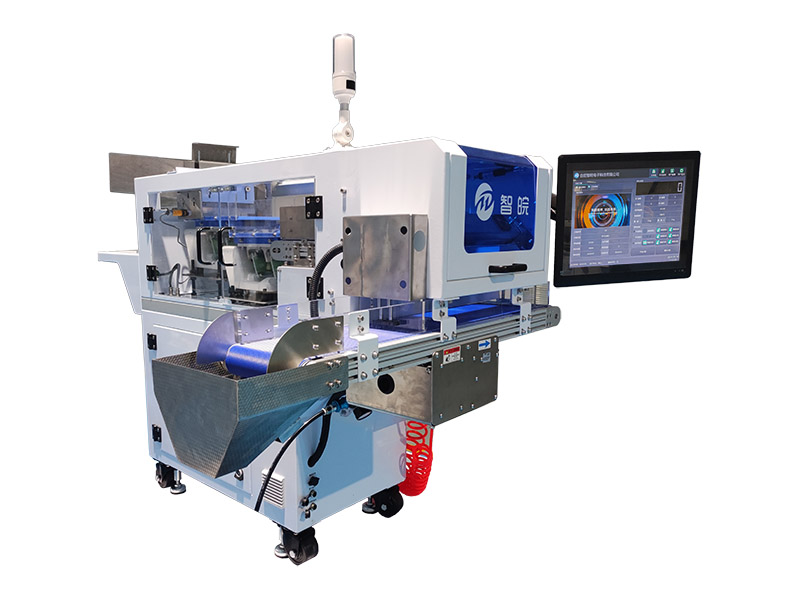
520 Vertical Filling Forming Sealing Packing Machine Your Smart Packaging Solution

  In today's increasingly competitive global manufacturing landscape, the efficiency and stability of the packaging process directly impact an enterprise's market competitiveness. Many businesses have encountered troubles such as downtime maintenance due to difficult equipment cleaning, production delays from complex operations, and frequent replacements caused by poor compatibility. Here, we introduce UUPAC's 520 Vertical Filling Forming Sealing Packing Machine, which delivers intelligent packaging solutions through its smart design and high-efficiency performance.

 520 vertical filling forming sealing packing machine

1. Intelligent Design

Arc-shaped glass door for seamless cleaning: The thickened arc glass door with 304 stainless steel frame eliminates cleaning dead corners. Combined with quick-release hinges, it reduces cleaning time by 50% compared to traditional models. The transparent window enables real-time process monitoring.

20° inclined touchscreen for effortless operation: The 10.1-inch HD touchscreen with 20° inclination and anti-glare coating adapts to standing operation, minimizing light interference. Its simplified 3-level menu logic allows new users to master operations within 10 minutes.


2. High-Efficiency Performance

Optimized film drive for stable output: Designed for 520mm film width with 400mm pull stroke, it supports 250×400mm bags with neat sealing. Servo-driven film pulling (±0.1mm accuracy) ensures stable 10-60 BMP speed, 20% faster than traditional models.

Safety-first design: Illuminated buttons ("Single Cycle" and "Run") prevent accidental activation. Pneumatic components in a soundproof box reduce noise (<65dB) and dust intrusion, extending maintenance to every 2000 hours.


3. Durability and Flexibility

Industrial-grade stainless steel body: Made of 304 stainless steel, the brushed surface resists scratches and corrosion.

Multi-format bag compatibility: Processes pillow bags, stand-up pouches, and perforated bags within 50-350(L)×50-250(W)mm, enabling efficient small-batch production.


4. Versatile Applications

Food Industry: Ideal for powders/granules (milk powder, nuts, etc.). The FDA-compliant arc glass door enables quick cleaning for product changes.

Chemical Industry: Corrosion-resistant design with optional explosion-proof components for fertilizers, detergents, and other corrosive materials.

Pharmaceutical Industry: Smooth, GMP-compliant surface for easy disinfection, perfect for sterile packaging of tablets and powders.


  For businesses looking to enhance their packaging capabilities, improve operational efficiency, and maintain a competitive edge in today's fast-paced market, the 520 machine offers a comprehensive solution that delivers measurable results. To explore how this advanced packaging system can be customized for your specific production requirements or to request a demonstration, our specialists are ready to assist you——contact us to start your journey toward smarter packaging solutions.


Boost Production Efficiency with Our Typical Weighing, Packing and Detecting System

    In modern production lines, accurate weighing, efficient packing, and precise detecting are essential components. Any inaccuracies or inefficiencies in these areas can lead to increased costs, product quality issues, and loss of customer satisfaction. Hence, UUPAC is proud to present our Typical Weighing, Packing and Detecting System, a revolutionary solution designed to optimize production processes.

 Typical Weighing, Packing and Detecting System

7 Key Components of Our Weighing, Packing and Detecting System

1. Bucket Elevator: It can smoothly lift materials to an appropriate height, ensuring a continuous supply of materials .

2. Multihead Weigher: Using advanced technology, it can weigh products of different weights with high precision in a short time, meeting diverse weighing requirements.

3. Supporting Platform: The sturdy supporting platform ensures the stability of the system structure, reducing weighing errors caused by vibration and ensuring the accuracy of operations.

4. Vertical Packing Machine: It is capable of quickly packaging products in various forms, such as bags, boxes or other containers, handling them efficiently and greatly improving packaging efficiency.

5. Finished Product Conveyor: It is responsible for smoothly conveying the packaged finished products, avoiding damage to the products during transportation and ensuring the smooth flow of the production process.

6. Check Weigher: It accurately detects the weight of the packaged products and promptly screens out products that do not meet the weight standards, ensuring the weight consistency of the shipped products.

7. Metal Detector: It can sensitively detect metal foreign matters in products, guaranteeing product quality and consumer safety.


Why Choose UUPAC's Weighing, Packing and Detecting System?

1. Intelligent Automated Control

The system coordinates product feeding via fully automated mechanisms, cutting labor costs by 40% and energy consumption by 25% compared to traditional setups.

2. Precision-Engineered Work Platform

Reasonable design and soild structure of working platform to ensure the weighing accuracy is not affected.

3. Versatile & Stable Operation

Simple and scientific design of the complete line with stable running and large weighing range and high weighing accuracy features.

4. Cross-Industry Adaptability

Suitable for snack foods, puffed goods, hardware, plastics, and rubber, the system features hygienic stainless steel for food sectors and anti-static modules for industrial use.


Three Core Benefits of Our Weighing-Packing-Detecting System

1. Cost-saving

By minimizing measurement errors, reducing packaging waste, and decreasing the need for manual inspection, our system helps customers save significant costs. Over time, these savings can have a substantial impact on the bottom line.

2. Quality Assurance

The system's precise weighing and detecting capabilities ensure that only high - quality products are packaged and shipped. This helps customers maintain their brand reputation and meet strict quality standards imposed by regulatory bodies.

3. Increased Productivity

With faster packing speeds and automated quality control, the production line can operate at higher efficiencies.


Conclusion

    The Typical Weighing, Packing and Detecting System is more than just a piece of equipment—it's a strategic investment for companies looking to enhance production efficiency, reduce costs, and ensure consistent product quality. We invite potential customers to contact us for more information, schedule a product demonstration, or discuss how our system can be tailored to your specific production needs. With our solution, you can elevate your production line to new levels of performance and competitiveness.

How to Ensure Food and Industrial Safety—The Role of Metal Detectors

In food, pharmaceutical, and chemical industries, metal contaminants pose a silent but critical threat. From tiny stainless steel shavings in processing equipment to accidental metal impurities in packaging, even a single undetected particle can lead to product recalls, brand damage, and regulatory penalties. UUPAC's High Precision Horizontal Conveyor Metal Detector will become an indispensable safeguard against these risks in your production line.

 High Precision Horizontal Conveyor Metal Detector

Our high precision horizontal conveyor metal detectors are ideal for packaged, loose, or fragile products that require gentle handling. The product has the following features:

1. Balanced Coil Principle: Utilizes a balanced electromagnetic field design for enhanced stability and detection reliability.

2. Advanced Phase Compensation Technology: Dynamically adapts to product characteristics to effectively eliminate product effect and minimize false rejects.

3. Dual-Core Processing Architecture: Employs a combination of Digital Signal Processing (DSP) and a dedicated Microprocessor for real-time signal analysis, significantly improving detection sensitivity and efficiency.

4. Intelligent Signal Processing & Calibration: Features automatic transmission error compensation and simplified one-touch parameter calibration for quick setup and minimal operational errors.

5. Multilingual HMI Interface: Equipped with a large LCD touchscreen supporting bilingual (Chinese/English) operation and customizable settings for user preference.

6. Automatic Product Learning: Incorporates self-learning algorithms to digitally capture, store, and optimize product-specific parameters without manual intervention.

7. Extensive Data Storage: Capable of storing over 100 unique product profiles and corresponding detection data for rapid recall and process analysis.

8. Automatic flap rejection system can improve production efficiency and save labor costs.


A high-precision horizontal conveyor metal detector is an essential investment for food manufacturers prioritizing safety and quality. By integrating advanced detection technology with hygienic design and reliable rejection systems, it minimizes contamination risks while maintaining production efficiency. For optimal performance, choose a model tailored to your product type and production speed, and follow strict testing and maintenance protocols. Your consumers' safety—and your brand's reputation—depend on it.


Need a metal detector for your production line? Contact us for more information!

Advantages of Gantry Shears

Here are the key benefits of a metal gantry shear, capturing its essential value in fabrication:


1.Unmatched Precision & Clean Cuts: Gantry shears deliver exceptionally straight, burr-minimized cuts with tight tolerances. The rigid frame and precise blade alignment ensure perpendicularity and dimensional accuracy critical for downstream processes like welding and assembly, eliminating rework and scrap.


2. High Efficiency & Throughput: Designed for heavy, long materials, they rapidly process large sheets, plates, or bars in a single stroke. CNC integration allows for automatic backgauge positioning and repetitive cutting sequences, dramatically outpacing manual methods or smaller shears, optimizing production flow.


3. Superior Material Handling: The integrated moving gantry (bridge) with powerful clamping holds material firmly *throughout* the cut. This prevents slippage, distortion, or marking on sensitive surfaces (like pre-painted sheets) and allows safe, controlled handling of large, heavy, or awkward workpieces.


4. Exceptional Versatility: Capable of cleanly shearing a vast range of materials (mild steel, stainless, aluminum) and thicknesses (from thin gauge up to several inches/dozens of mm), as well as various profiles (sheets, plates, flats, angles - with appropriate tooling). Adjustable blade gaps and rake angles enhance this adaptability.


5. Enhanced Operator Safety: Automation reduces direct handling near the cutting blade. Features like light curtains, two-hand controls, and guarded moving parts significantly lower risks compared to manual cutting or less sophisticated machinery, creating a safer workshop environment.


6. Material Savings & Reduced Waste: Precise programming and nesting optimization (often integrated with CNC) minimize offcuts and maximize material yield from expensive stock. Clean cuts reduce the need for secondary edge finishing.


7. Robust Durability & Low Maintenance: Built from heavy-duty steel for immense structural integrity, gantry shears are engineered for decades of demanding service. Their fundamental shearing mechanism is mechanically robust and generally requires less complex maintenance than high-energy beam processes like lasers or plasma.


8. Strong Return on Investment (ROI): While a significant capital investment, the combined benefits – reduced labor costs, minimized material waste, faster throughput, lower rework/scrap, improved safety, and extended lifespan – deliver a compelling ROI, making it a cornerstone machine for serious metal fabricators.


In essence: The metal gantry shear is the silent titan of the shop floor. It transforms raw stock into accurately sized blanks with speed, precision, and safety that manual methods or smaller equipment simply cannot match. Its strength, versatility, and efficiency directly translate into lower production costs, higher quality output, and a more competitive operation, solidifying its status as an indispensable asset for any high-volume or precision-focused metal fabrication facility.

Introducing Container Shearing Machines Powering Modern Recycling

Container shearing machines are robust industrial tools designed to dismantle and process large metal structures, such as shipping containers, vehicles, and scrap metal, into manageable pieces. These machines play a pivotal role in recycling and scrap handling industries, offering a blend of power, precision, and efficiency essential for modern waste management.  


Functionality and Design

Equipped with high-strength hydraulic systems, container shears apply immense force—often exceeding thousands of tons—to cut through thick steel. Their sharp, durable blades slice metal cleanly, minimizing dust and debris. Available as stationary units or mobile attachments for excavators, these machines adapt to diverse operational needs. Mobile shears, mounted on heavy machinery, offer flexibility for demolition sites or scrap yards, while stationary models suit high-volume recycling plants.  


Key Features

Modern container shears prioritize safety and automation. Features like overload protection, emergency stops, and reinforced guarding ensure operator safety. Advanced models integrate computerized controls for precise cutting angles and pressure adjustments, optimizing material recovery. Built to endure harsh conditions, they utilize wear-resistant materials, reducing downtime and maintenance costs.  


Applications and Benefits  

Widely used in recycling centers, shipbreaking, and automotive industries, these machines streamline the processing of bulky metal waste. By replacing labor-intensive methods like torch cutting, shearing machines enhance productivity, lower labor costs, and improve workplace safety. Their efficiency accelerates recycling workflows, ensuring faster turnaround and higher throughput.  


Environmental Impact  

Container shears support sustainability by enabling efficient metal recycling. Clean cuts produce uniform scrap, ideal for smelting and reuse, reducing reliance on raw ore extraction. This minimizes landfill waste and lowers carbon emissions, aligning with global circular economy goals.  


While the initial investment in container shearing machines may be significant, their long-term benefits—enhanced safety, operational efficiency, and environmental contributions—make them indispensable. As industries prioritize sustainable practices, these machines will remain central to transforming scrap into valuable resources, driving the future of recycling.

The Advantages of Metal Chips Briquetting Machines in Modern Manufacturing

In the bustling environment of manufacturing and metalworking facilities, the generation of metal chips and shavings is inevitable. These byproducts, often seen as mere waste, can pose significant challenges in terms of handling, cost, and environmental impact. Enter the metal chips briquetting machine—a transformative solution that compresses loose chips into dense, manageable briquettes. This article explores the multifaceted benefits of adopting this technology, underscoring its role in enhancing operational efficiency and sustainability.


Streamlined Waste Management

Metal chips, when loose, occupy substantial space, complicating storage and transportation. Briquetting machines compress these chips into compact blocks, reducing their volume by up to 90%. This drastic reduction allows facilities to store waste more efficiently, minimizing the need for frequent disposal and lowering the number of storage containers required. Transport costs plummet as more material can be shipped in fewer trips, optimizing logistics and reducing carbon footprints.


Significant Cost Savings

The financial implications of waste management are profound. By compacting metal chips, companies reduce disposal frequency and associated fees. Moreover, briquetted metal becomes a valuable commodity in recycling markets, often sold at higher prices than loose chips due to their purity and density. Recycling these briquettes in-house further curtails expenses by decreasing reliance on virgin raw materials, aligning with circular economy principles.


Environmental Stewardship

Metal briquetting supports eco-friendly practices by promoting recycling over landfill use. Recycling metal consumes far less energy than primary production—for instance, recycling aluminum saves approximately 95% of the energy required to produce it from ore. Additionally, compacting chips prevents residual oils or coolants from contaminating soil and waterways, mitigating environmental hazards. This process also reduces mining demand, preserving natural resources and lowering greenhouse gas emissions.


Enhanced Workplace Safety

Loose metal chips pose safety risks, including slip hazards and injuries from sharp edges. Their flammability, especially in fine forms like magnesium or aluminum, increases fire risks. Briquetting eliminates these dangers by transforming chips into stable, easy-to-handle blocks. A cleaner workspace reduces accidents and fosters a safer, more productive environment for employees.


Versatility Across Applications

Modern briquetting machines accommodate various metals—from aluminum and copper to steel—and can process chips mixed with oils or coolants. Adjustable pressure settings allow customization based on material type, ensuring optimal compression. Integration with existing systems, such as automated conveyors, enhances workflow efficiency without disrupting production lines.


Regulatory Compliance and Marketability

Adhering to environmental regulations is streamlined with briquetting, as it demonstrates proactive waste management. Companies may also leverage their sustainability efforts in marketing, appealing to eco-conscious clients and stakeholders. The higher quality of briquettes meets stringent recycling standards, ensuring compliance and fostering partnerships with recyclers.


Metal chips briquetting machines are a strategic investment for forward-thinking manufacturers. By transforming waste into a resource, they deliver cost savings, environmental benefits, and safer workplaces while enhancing operational efficiency. In an era where sustainability and efficiency are paramount, adopting this technology is not just an option—it’s a imperative for competitive, responsible manufacturing. Embrace briquetting to turn metal waste into a cornerstone of your sustainability strategy.

Applications of Extruder Mold Temperature Controllers in the Extrusion Industry

As a high-efficiency plastic processing equipment, extruders hold a vital position in industrial production due to their continuous production capabilities. This versatile machine can meet the molding needs of various materials, making it widely used in industries such as packaging films, construction pipes, automotive seals and parts, and cable sheaths. By accurately controlling temperature and pressure, extruders can flexibly produce diverse products, ranging from micron-level films to complex structural components. This not only ensures high-quality output but significantly enhances production efficiency. With the development of new materials and technologies, the application scope of extruders continues to expand.

Cold feed extruder


Common Applications of Extruder Mold Temperature Controllers in the Extrusion Industry:

1. Plastic Extrusion Field

* Pipe Extrusion: In the production of plastic pipes, mold temperature controllers regulate the temperature of the molds, ensuring that the molten plastic flows evenly and cools properly. This results in pipes with uniform wall thickness, stable dimensions, and smooth surfaces. The reduced ovality and wall thickness deviations improve the pipe's pressure resistance and aesthetic quality, making it suitable for applications in construction water supply and drainage, gas transmission, and electrical cable conduits.


* Profile Extrusion: In the production of plastic profiles for doors, windows, and decorative materials, mold temperature controllers ensure that the molds maintain an appropriate temperature. This allows the plastic to fill the mold cavities more effectively, achieving precise shapes and dimensions. The temperature control also enhances the profile's surface quality and physical properties, such as rigidity and flexibility.


* Sheet Extrusion: For plastic sheet extrusion, precise mold temperature control ensures even distribution of internal stress in the sheet, preventing warping or deformation. It also guarantees the flatness and smoothness of the sheet's surface. High-quality plastic sheets are produced for industries such as construction, furniture manufacturing, and advertising displays.


Film Extrusion: In plastic film production, mold temperature controllers help regulate cooling rates and crystallinity. This results in films with excellent transparency, tensile strength, and flexibility, as well as uniform thickness. The controlled temperature improves film quality, making it ideal for use in packaging, agriculture, and electronics industries.

Rubber Mold Temperature Controller


2. Rubber Extrusion Field

* Rubber Hose Extrusion: During the production of rubber hoses, mold temperature controllers create a suitable environment that ensures the rubber has excellent flowability and plasticity during extrusion. This results in hoses with precise dimensions and smooth surfaces, enhancing performance in terms of pressure resistance, abrasion resistance, and aging resistance. These hoses are widely used in industries such as automotive, machinery, and chemical engineering for oil, water, and gas transmission.


* Rubber Strip Extrusion: In the extrusion of rubber sealing strips, mold temperature controllers ensure stable extrusion processes, maintaining consistent cross-sectional shapes and stable dimensions. This improves the sealing performance and elasticity of rubber strips, which are crucial for automotive door seals and window seals in construction.


* Rubber Sole Extrusion: For rubber sole extrusion, mold temperature controllers ensure that rubber materials are extruded at optimal temperatures, achieving excellent forming effects and physical properties such as elasticity, abrasion resistance, and slip resistance. This leads to higher quality and comfort in rubber footwear soles.

Rubber Mold Temperature Controllers


A rubber products manufacturer that previously used a natural gas boiler for heating faced significant energy waste during equipment downtime. The primary production equipment was a flat vulcanizing machine with heating plates measuring 1.2 meters by 1 meter by 40 millimeters, with six plates in total. The process required that the temperature of each heating plate be precisely controlled at 160°C.


For this production demand, the company selected a rubber extruder mold temperature controller with the following technical specifications: heating power of 60KW, circulating flow rate of 16m³/h, and lift of 30 meters. After more than a year of practical operation, the temperature controller system proved stable and reliable, meeting the demand for continuous production, with each heating plate's temperature achieving the required precision.


With the implementation of mold temperature controller system, the company not only solved the energy waste issue during equipment downtime but also significantly improved product quality and reduced defective rates. This demonstrates the importance  of selecting compatible mold temperature control equipment in improving production efficiency and product quality in rubber manufacturing.


3. Cable Extrusion Field

In cable production, extruder mold temperature controllers regulate the extrusion temperatures of cable insulation and sheath materials. By precisely controlling temperature, these systems ensure that insulation and sheath materials exhibit good flowability and uniformity during extrusion, guaranteeing consistent thickness and smooth surfaces. This improves both the electrical and mechanical properties of the cable, ensuring high quality and safety. These systems are widely applied in the production of power cables, communication cables, and various other types of cables.


4. Other Extrusion Applications

* Food Industry: In the extrusion of food packaging films and food processing pipes, mold temperature controllers maintain the temperature within an ideal range. This ensures the safety and stability of food-contact materials, while also stabilizing product dimensions and surface smoothness, meeting food hygiene standards.


* Composite Material Extrusion: When producing fiber-reinforced composite materials, mold temperature controllers help regulate mold temperatures, allowing better integration of resin matrices with reinforcing materials. This improves the performance and quality of composite materials, ensuring that products meet mechanical and thermal requirements.


Nanjing Hengde Electrical Equipment Co., Ltd, a professional manufacturer specializing in mold temperature controllers, produces over 200 models tailored to different industries, including those for the extrusion sector. Hengde offers one-on-one customer service, available 24/7, to meet all your production needs. Hengde's efficient and durable mold temperature controllers can save your company significant maintenance and replacement costs, improving both production efficiency and product quality.


Choose Hengde,Choose Perfect Mold Temperature Controller

Rubber Mould Temperature Controllers

Advanced Solution for Packaging Durability Testing


Introduction

The integrity and durability of packaging materials are crucial in various industries, including food, pharmaceuticals, and consumer goods. The GBN200Z Compression Tester, developed by GBPI, is a high-precision instrument designed to evaluate the compression resistance and burst strength of packaging bags. This advanced equipment complies with GB standards and meets the market's rigorous demands for quality control and research applications.


Importance of Compression Resistance Testing

Packaging materials play a vital role in product protection, preventing contamination, maintaining shelf life, and ensuring consumer safety. One key property of packaging materials is their ability to withstand compression during storage, transportation, and handling. The GBN200Z Compression Tester provides an accurate and reliable method to assess packaging performance, helping manufacturers optimize material selection and improve production quality.


Key Features of GBN200Z

The GBN200Z incorporates state-of-the-art technology to deliver precise and consistent testing results. Some of its notable features include:

High-Precision Compression Control: The tester applies controlled compression to packaging materials, accurately measuring their resistance and burst strength.

Compliance with International Standards: Designed to meet GB standards, ensuring results are relevant and comparable across industries.

User-Friendly Interface: Equipped with an intuitive control panel and digital display for ease of operation.

Versatile Testing Capabilities: Suitable for various types of packaging, including plastic films, laminated materials, and flexible pouches.

Automatic Data Recording: Stores test results for detailed analysis and quality control.

Robust Construction: Built with durable materials to ensure longevity and consistent performance.


Applications Across Industries

The GBN200Z is widely used in multiple sectors where packaging integrity is critical. Below are some of the key industries that benefit from this advanced testing equipment:

Food Packaging: Ensures packaging materials can withstand transportation stress, preventing leaks and contamination.

Pharmaceuticals: Maintains the sterility and integrity of drug packaging, reducing risks associated with damaged containers.

Consumer Goods: Evaluates the strength of flexible pouches and plastic bags used in everyday products.

Quality Inspection & Research: Used in laboratories and testing institutions for material research and compliance testing.

Industrial Packaging: Assesses the durability of packaging materials used for bulk goods and logistics applications.

Medical Device Packaging: Ensures the safety and sterility of medical packaging used for instruments and supplies.


How the GBN200Z Works

The GBN200Z employs a precise testing methodology to measure the compression resistance of packaging materials. The general process includes the following steps:

Sample Preparation: A packaging bag or film sample is placed in the testing chamber.

Compression Application: The tester applies controlled compression to the sample, gradually increasing the force until the material reaches its breaking point.

Data Recording: The device records critical data such as maximum compression resistance and burst strength.

Result Analysis: Test results are displayed on the digital interface and can be exported for further analysis.


Benefits of Using the GBN200Z

The GBN200Z Compression Tester offers numerous advantages for manufacturers and quality control teams:

Enhanced Product Safety: Ensures packaging materials can withstand real-world conditions, reducing failure rates.

Improved Manufacturing Efficiency: Identifies weak points in materials, allowing for optimization and cost reduction.

Regulatory Compliance: Helps businesses meet industry standards and quality assurance requirements.

Data-Driven Quality Control: Provides accurate test data for making informed decisions in packaging development.


Conclusion

The GBN200Z Compression Tester is an essential tool for industries that rely on high-quality packaging materials. With its precise testing capabilities, compliance with GB standards, and user-friendly design, it provides manufacturers and researchers with a reliable solution for evaluating packaging strength. By investing in advanced testing equipment like the GBN200Z, businesses can enhance product safety, reduce defects, and maintain industry compliance, ultimately leading to improved customer satisfaction and brand reputation.


Why Melt Flow Rate Testing Matters

In the world of plastic manufacturing, precision matters. Whether you're producing packaging materials, automotive components, or consumer electronics, understanding how your raw materials behave under heat is essential. One of the most important indicators of a thermoplastic material’s processing performance is its Melt Flow Rate (MFR) or Melt Volume Rate (MVR). This is where the GBB-R Melt Flow Index Tester, developed by Guangzhou Biaoji’s expert R&D team, comes into play.

What Is Melt Flow Rate, and Why Should You Care?

The melt flow rate refers to how easily a thermoplastic polymer flows when melted under specific temperature and load conditions. It's measured by how much material extrudes through a standard die over a given period. This value—expressed as either mass (MFR, g/10min) or volume (MVR, cm³/10min)—can significantly impact the molding and extrusion behavior of the material.

Imagine producing a batch of polypropylene components. If the MFR is too high, the material might flow too quickly, leading to flash or overpacking. Too low, and the mold might not fill properly, causing structural defects. Knowing the exact melt flow rate helps technicians fine-tune their processing parameters, reduce waste, and ensure consistent product quality.


Meet the GBB-R: Precision Meets Reliability

The GBB-R Melt Flow Index Tester is designed in full compliance with standards such as GB/T 3682, ISO 1133, and JB/T 5456. It is suitable for testing a wide range of polymers, including:

Polyethylene (PE)

Polypropylene (PP)

Polystyrene (PS)

ABS resin

Polycarbonate (PC)

Nylon

Fluoroplastics

Acetal resins

The device operates by heating the plastic sample to a specified temperature and applying a standard load. The molten material then flows through a calibrated die, and the machine calculates the flow rate automatically. Both MFR and MVR values can be measured with high repeatability and accuracy.


Who Needs a Melt Flow Index Tester?

The GBB-R is essential for any industry that relies on thermoplastic materials. Its main users include:

Plastic raw material manufacturers: for quality classification and batch consistency

Injection molding factories: to optimize molding parameters and reduce defects

Extrusion and film producers: for continuous quality control during production

Petrochemical companies: for product development and R&D testing

Testing labs and research institutes: for comparative material analysis

In industries like food packaging, pharmaceutical packaging, automotive parts, and consumer goods, the flow behavior of polymers directly influences production speed, product stability, and overall cost efficiency. Having a reliable instrument like the GBB-R gives companies a clear advantage in process control and quality assurance.


Key Benefits at a Glance

Standards-compliant: Fully meets ISO 1133 and GB/T 3682

Wide material compatibility: Suitable for a variety of thermoplastics

Accurate and stable results: Ensures repeatability across different tests

Easy operation: User-friendly interface and automation options

Ideal for both lab and production line: Flexible for different testing scenarios


Final Thoughts

In modern plastic manufacturing, the smallest details make the biggest difference. The melt flow rate of your polymer can determine the success or failure of your production process. Investing in a high-quality, reliable melt flow index tester like the GBB-R not only ensures accurate testing results but also enhances your entire production workflow.

Whether you’re developing new plastic materials or ensuring consistency in daily operations, the GBB-R is the smart choice for manufacturers who value quality and control.