What Is a Water Cooled Screw Chiller and How It Works

If you’ve ever wondered how large-scale facilities like data centers, plastic factories, or food processing plants maintain stable low temperatures, the answer often lies in a water cooled screw chiller. This industrial cooling workhorse combines precision engineering with efficient heat transfer to deliver consistent refrigeration—let’s break down what it is and how it operates.
What Is a Water Cooled Screw Chiller?
At its core, a water cooled screw chiller is a refrigeration system designed to cool fluids (typically water or glycol solutions) by transferring heat away from the target space or process. Unlike air-cooled alternatives that use ambient air for heat dissipation, it relies on a water-based cooling loop paired with a cooling tower to expel heat more efficiently .​
Its defining feature is the screw compressor—often called the "heart" of the system . This component uses two intermeshing rotors (a male "Male rotor" and female "Female rotor") to compress refrigerant, replacing the piston mechanism found in older chillers. This design eliminates pulsation and noise, making the unit ideal for continuous, high-load operations.​
 
These chillers also boast impressive versatility: they can maintain temperatures ranging from -50℃ to 7℃ , supporting applications from deep-freeze storage to industrial process cooling. Modern models often include modular designs, allowing multiple compressors to run independently for enhanced reliability .​
 
How Does a Water Cooled Screw Chiller Work?
The system operates on the vapor compression cycle—a four-step process that uses refrigerant 相变 (phase changes) to move heat. Here’s a detailed walkthrough:​
1. Compression: The "Power Boost" Stage
The cycle starts with the screw compressor. Low-temperature, low-pressure refrigerant gas (often R134a or R407C ) is drawn into the gap between the rotating rotors. As the rotors mesh tighter, the gas is squeezed into a smaller volume, increasing its pressure to 1.5–2.5MPa and temperature to 70–90℃ .​
Lubricating oil plays a critical role here: it seals the gaps between rotors, cools the compressed gas, and reduces friction . An oil separator later recovers this oil (with efficiency up to 99.5% ) to keep the system clean and efficient.​
2. Condensation: Heat Excretion
The hot, high-pressure refrigerant gas then flows into the water-cooled condenser—a heat exchanger usually made of copper tubes . Here, cool water (30–35℃ ) from a cooling tower circulates around the tubes, absorbing heat from the refrigerant. This causes the refrigerant to condense into a high-pressure liquid, releasing about 60% of the system’s total heat .​
The now-warmed water is pumped back to the cooling tower, where it releases heat into the atmosphere before returning to the condenser . This closed-loop water system ensures efficient heat dissipation even in hot environments.​
3. Throttling: Pressure Reduction
Next, the high-pressure liquid refrigerant passes through a throttle device (typically a thermal or electronic expansion valve ). This component acts as a "gatekeeper," suddenly reducing the refrigerant’s pressure to 0.3–0.6MPa . The pressure drop causes some of the liquid to evaporate into a low-temperature, two-phase mixture (liquid + vapor) ready for cooling.​
4. Evaporation: The Cooling "Payoff"
The cold refrigerant mixture enters the evaporator—another heat exchanger—where it comes into contact with warm "chilled water" from the facility’s cooling loop. The refrigerant absorbs heat from this water, boiling into a gas and cooling the water to 7–12℃ . This cooled water is then pumped to servers, machinery, or air handlers to maintain desired temperatures.​
Finally, the low-pressure refrigerant gas returns to the screw compressor, and the cycle repeats .
Key Components That Make It Tick
Beyond the four core cycle stages, these parts ensure smooth operation:​
  • Microcomputer Control System: The "brain" that monitors 100+ parameters (pressure, temperature, current) and adjusts compressor load via slide valve for energy efficiency . It triggers alarms or shutdowns for safety.​
  • Lubrication System: Includes oil coolers, pumps, and filters to keep the compressor’s rotors and bearings protected .​
  • Safety Devices: High/low pressure protection, water flow sensors, and overload guards prevent system damage .​
Why Choose a Water Cooled Screw Chiller?
These units stand out for three key reasons:​
  1. Efficiency: Water transfers heat better than air, delivering higher cooling capacity with lower energy use .​
  1. Stability: Screw compressors have no moving parts prone to wear, offering 40,000+ hours of reliable operation .​
  1. Quiet Operation: Rotor meshing produces less noise than piston compressors, suitable for indoor or noise-sensitive areas .​
Wrapping Up


Water cooled screw chillers are the unsung heroes of industrial and commercial cooling. By leveraging the vapor compression cycle and precision screw technology, they move heat efficiently, reliably, and quietly—even under heavy loads. Whether you’re cooling a data center or a food production line, understanding how this system works helps appreciate the engineering that keeps our critical infrastructure running cool.​


Have you encountered other problems with water temperature controllers? Share your experiences in the comments below!

What Is a Water Temperature Controller and How Does It Work?

Industrial Chillers with Water Temperature Controllers: Principles, Components, and Applications

In modern manufacturing, industrial chillers are indispensable, and their core "brain"—the water temperature controller—ensures precise temperature control during production. This article will detail the working principle, key components, and industrial applications of industrial chillers integrated with water temperature controllers.
 

1. Core Working Principle of Industrial Chillers with Water Temperature Controllers

The water temperature controller coordinates the entire cooling cycle of the industrial chiller, maintaining the fluid temperature within a set range. The specific process is as follows:
  • Temperature Sensing: The system is equipped with built-in sensors (usually thermistors or thermocouples) that continuously detect the temperature of the circulating water (or coolant) in real time.
  • Signal Comparison: The controller compares the detected actual temperature with the preset target temperature.
  • Cycle Regulation: If the actual temperature is higher than the set value, the controller activates the refrigeration system; when the temperature drops to the target value, the controller pauses or adjusts the system to maintain temperature stability.
  • Refrigeration Cycle Coordination: The controller coordinates the operation of the compressor, condenser, and evaporator to absorb heat from the circulating fluid, cool it down, and then send the cooled fluid back to the production equipment.


2. Main Components of Industrial Chillers (Including Water Temperature Controllers)

Each component works in synergy with the water temperature controller to ensure efficient and stable operation of the equipment:
  • Water Temperature Controller: The core control unit, responsible for temperature sensing, signal comparison, and issuing operation commands. It supports manual parameter setting and automatic adjustment.
  • Compressor: The "heart" of the refrigeration system. Under the command of the controller, it compresses low-pressure refrigerant into high-pressure gas.
  • Condenser: Cools high-temperature refrigerant gas into liquid and releases heat to the external environment through air cooling or water cooling.
  • Evaporator: The refrigerant absorbs heat from the circulating water here, lowering the water temperature to the required level.
  • Circulation Pump: Delivers the cooled water to production equipment and simultaneously sends the water (which has absorbed heat and increased in temperature) back to the evaporator for re-cooling.
  • Water Tank and Filter: The water tank stores circulating water; the filter prevents impurities from clogging the system, avoiding impacts on temperature control accuracy.


3. Key Applications in Mold, Plastic, Chemical, and Other Industries

Industrial chillers equipped with precise water temperature controllers are widely used in various manufacturing fields, effectively solving critical temperature control challenges:

(1) Mold Industry

During injection molding, die casting, or blow molding processes, molds generate a large amount of heat. The chiller achieves uniform cooling of the mold surface through the water temperature controller.
  • Advantages: Shortens product cooling time and improves production efficiency; reduces mold deformation, ensuring consistent product dimensions and surface quality.

(2) Plastic Industry

In plastic processing (such as extrusion and injection molding), strict temperature control is required for raw material melting and molding.
  • The water temperature controller maintains stable temperatures of the machine barrel and mold by adjusting the output of the chiller, preventing defects such as bubbles, warping, and uneven thickness in plastic products.

(3) Chemical Industry

Chemical reactions (e.g., reactions in reactors or distillation towers) are often accompanied by significant heat absorption or release. Loss of temperature control not only affects reaction efficiency but may even cause safety hazards.
  • Industrial chillers cool the reaction system in real time, ensuring the reaction proceeds within the optimal temperature range, improving product purity, and reducing energy consumption.

(4) Other Industries

In addition, they are also used in the electronics industry (cooling circuit boards and components), food processing industry (refrigerating production lines), and pharmaceutical industry (controlling the temperature of drug crystallization), among others.


4. Conclusion

The water temperature controller is the core of the industrial chiller, enabling precise, efficient, and stable temperature control—an element that directly affects production quality and efficiency. Whether in the mold, plastic, or chemical industry, selecting an industrial chiller equipped with a reliable water temperature controller is key to optimizing manufacturing processes.  
Would you like me to customize an industrial chiller selection list based on specific industry needs (such as mold size or plastic processing capacity)? Njlvmachines is a professional water temperature controller manufacturer. This list will help you quickly determine the appropriate equipment parameters.

What Is an Oil Temperature Controller and Its Industrial Uses

If you’ve ever wondered how manufacturers achieve consistent quality in high-heat processes—from perfectly molded plastic parts to precisely distilled chemicals—chances are an oil temperature controller (OTC) is behind the scenes. These unsung heroes of industrial thermal management play a critical role in keeping temperatures stable, safe, and efficient across countless sectors. Let’s break down what they are, how they work, and where they shine.
What Exactly Is an Oil Temperature Controller?​
 
An oil temperature controller—often called an oil TCU (temperature control unit)—is a closed-loop industrial system designed to precisely regulate the temperature of heat transfer oils for high-temperature processes . Unlike water-based systems limited by water’s 100°C boiling point, OTUs use specialized thermal oils (mineral or synthetic) to reach and maintain temperatures from 50°C up to 350°C (and even higher in custom setups) .​
The magic lies in their ability to deliver stable, uniform heat transfer—a make-or-break factor for processes where temperature fluctuations cause defects, safety risks, or wasted materials . Modern OTUs boast precision as tight as ±1°C (or even ±0.1°C in advanced models) thanks to PID (Proportional-Integral-Derivative) control algorithms .​
 
How Does an Oil Temperature Controller Work?​
 
OTUs operate on a simple but effective closed-loop cycle, powered by five core components :​
  1. Heater: An electric heater raises the thermal oil to the target temperature.​
  1. High-Temperature Pump: Circulates oil between the TCU and process equipment (e.g., molds, reactors) for even heat distribution.​
  1. Expansion Tank: Accommodates oil’s thermal expansion to prevent dangerous pressure buildup.​
  1. Temperature Sensor & Controller: A precision sensor measures real-time temperature, while the PID controller adjusts heating (or optional cooling) to maintain setpoints.​
  1. Optional Cooling System: Rapidly lowers temperature for processes requiring thermal cycling, using air or water heat exchangers .​
This closed-loop design minimizes oil oxidation, evaporation, and contamination—cutting maintenance costs while boosting safety .​
 
Key Industrial Uses: Where OTUs Are Indispensable​
 
OTUs thrive in applications demanding high heat, stability, and precision. Here are their most critical roles across industries:​
1. Plastics & Rubber Processing​
Injection molding, extrusion, and vulcanization rely on OTUs to keep molds and barrels at consistent temperatures . For example, a 3-zone portable TCU with 36kW heaters maintains 260°C temperatures for automotive plastic components, reducing defects like warping or incomplete filling . High-temperature models (up to 350°C) handle engineering plastics like nylon, where precise heat ensures proper molecular bonding .​
 
2. Chemical & Pharmaceutical Manufacturing​
OTUs control jacketed reactors and distillation columns in processes like polymerization, esterification, and drug synthesis . A custom HTF oil system with 192kW heating capacity keeps chemical reactions at 260°C, while Ethernet-connected controls allow remote monitoring for regulatory compliance . In pharmaceuticals, stainless steel OTUs with NEMA 4X enclosures prevent contamination in sterile production .​
 
3. Metal Forming & Die Casting​
Aluminum and magnesium die casting require OTUs to regulate mold temperatures, ensuring smooth part ejection and reducing scrap . Mokon’s 2-zone TCU heats and cools motor oil for engine test stands, simulating real-world operating conditions for automotive components .​
 
4. Composite Materials Production​
Carbon fiber and SMC/BMC composites depend on OTUs for uniform curing. A 500kW oil recirculating system maintains precise temperatures during composite layup, critical for military gear like bulletproof panels .​
 
5. Food & Textile Industries​
In food processing, OTUs handle oil heating for frying and vacuum deodorization of fats . Textile manufacturers use them for heat setting fabrics and dyeing, where stable temperatures ensure color consistency .​
 
Why Choose an Oil TCU Over Water-Based Systems?​
Water controllers work for low-heat tasks, but OTUs excel in high-temperature scenarios for three key reasons :​
  • Higher Temperature Range: Reach 350°C without pressurization (vs. 100°C for unpressurized water).​
  • Better Thermal Stability: Heat transfer oils resist breakdown at high temps, minimizing hotspots .​
  • Lower Equipment Stress: Operate at 5MPa pressure, reducing the need for heavy-duty, high-pressure hardware .​
Plus, modern OTUs offer energy-saving features like insulated tanks, programmable ramps, and auto-shutdown—cutting utility costs by up to 30% .​
 
Tips for Selecting & Maintaining an Oil TCU​
 
To get the most out of your OTC:​
  • Match Capacity to Your Process: Calculate heating/cooling loads and flow rates (e.g., 375 GPM for calendering rolls ).​
  • Use Approved Oils: Low-quality oils cause carbon buildup and component damage .​
  • Schedule Routine Maintenance: Clean filters, inspect for leaks, and calibrate sensors quarterly .​
  • Prioritize Safety: Look for over-temperature protection, leak detection, and emergency stops .​
Final Thoughts​
Oil temperature controllers are the backbone of high-heat industrial processes, turning variable conditions into consistent results. From plastic parts to life-saving pharmaceuticals, their precision and reliability directly impact product quality, safety, and profitability. Whether you’re scaling production or upgrading existing equipment, understanding OTUs’ capabilities is key to unlocking efficiency in your operations.

Have you encountered other problems with water temperature controllers? Share your experiences in the comments below!

Benefits of Using a Water Temperature Controller in Industrial Production

Benefits of Using a Water Temperature Controller in Industrial Production​
In industrial production, temperature is a critical factor that directly impacts product quality, operational efficiency, and safety. Among the various temperature control solutions, water temperature controllers have emerged as a reliable and efficient choice for countless manufacturing processes. From chemical reactions to plastic molding, food processing to electronics manufacturing, these devices offer a range of benefits that streamline operations and drive business success. Let’s explore the key advantages of integrating a water temperature controller into your industrial setup.​
1. Enhanced Product Quality and Consistency​
Many industrial processes require precise temperature control to ensure product uniformity and meet quality standards. For example, in injection molding, inconsistent water temperature can lead to defects like warping, shrinkage, or uneven surface finish. A water temperature controller maintains a stable temperature within ±0.1℃, eliminating fluctuations that compromise product integrity. In chemical manufacturing, precise temperature regulation ensures reactions proceed at the optimal rate, reducing byproducts and ensuring batch-to-batch consistency. By minimizing human error and environmental interference, these controllers help businesses deliver high-quality products consistently, boosting customer satisfaction and brand reputation.​
2. Significant Energy Savings​
Energy costs are a major expense for industrial facilities, and inefficient temperature control can lead to excessive energy consumption. Water temperature controllers are designed with energy efficiency in mind. Unlike traditional heating or cooling systems that operate at full capacity continuously, these devices use proportional-integral-derivative (PID) control algorithms to adjust output based on real-time temperature data. This means they only consume energy when necessary, avoiding wasteful overheating or overcooling. For instance, in textile dyeing processes, a water temperature controller can reduce energy usage by 20-30% compared to manual control methods. Over time, these savings translate into lower operational costs and improved profitability.​
3. Extended Equipment Lifespan​
Extreme temperature fluctuations and improper thermal management can cause significant wear and tear on industrial equipment. For example, boilers, heat exchangers, and reaction vessels are prone to corrosion, scaling, and mechanical failure when exposed to inconsistent temperatures. A water temperature controller prevents these issues by maintaining a stable operating temperature, reducing thermal stress on equipment components. By minimizing scaling and corrosion, the controller extends the lifespan of critical machinery, reducing the need for frequent repairs and replacements. This not only lowers maintenance costs but also minimizes downtime, ensuring continuous production flow.​
4. Improved Process Efficiency and Automation​
Modern water temperature controllers are equipped with advanced automation features that integrate seamlessly with industrial control systems (ICS) and programmable logic controllers (PLCs). This allows for real-time monitoring, remote operation, and data logging, enabling plant managers to optimize processes efficiently. For example, in food and beverage production, a controller can automatically adjust water temperature during pasteurization, ensuring compliance with safety regulations while maximizing throughput. Automation also reduces the need for manual intervention, freeing up workers to focus on higher-value tasks. Additionally, data collected by the controller can be analyzed to identify process bottlenecks and implement continuous improvements, further enhancing operational efficiency.​
5. Enhanced Operational Safety​
Safety is a top priority in industrial environments, and temperature-related hazards such as overheating, fires, or chemical spills can have catastrophic consequences. Water temperature controllers include built-in safety features like over-temperature alarms, emergency shutoff valves, and pressure relief mechanisms. These features detect abnormal temperature changes and trigger immediate responses to prevent accidents. For instance, in pharmaceutical manufacturing, where precise temperature control is critical for drug stability, a controller can shut down the process if temperatures exceed safe limits, protecting workers, equipment, and valuable materials. By mitigating risks, water temperature controllers create a safer work environment and help businesses comply with industry safety standards.​
Conclusion​
In today’s competitive industrial landscape, optimizing production processes is essential for staying ahead. A water temperature controller offers a cost-effective, reliable solution to address temperature-related challenges, delivering benefits ranging from improved product quality and energy savings to enhanced safety and equipment longevity. Whether you’re operating in chemicals, plastics, food processing, or any other industry that relies on precise temperature control, integrating a water temperature controller can drive operational excellence and sustainable growth. Invest in this essential tool today and unlock the full potential of your industrial production line.​
Have you used a water temperature controller in your facility? Share your experience or questions in the comments below!​


What Features Should You Look for in a High-Quality Electric Mobile Telescopic Belt Conveyor?

You've made the strategic decision to automate your loading dock. You know that an electric mobile telescopic belt conveyor can revolutionize your workflow by slashing loading times, reducing labor costs, and improving safety. But with several models on the market, how do you ensure you're investing in a truly high-quality solution that will deliver lasting value?


Not all conveyors are created equal. The key lies in the features. Here is a essential checklist of the features you should prioritize when selecting an electric mobile telescopic belt conveyor for your operation.

1. Robust Telescoping Range and Stability

The core function of the conveyor is to reach inside a trailer, eliminating the need for manual carrying.

Look for: A generous extension range that can comfortably service your most common trailer and container sizes. A high-quality conveyor will extend deep into a 45-foot trailer or more without compromising stability.

Why it matters: Maximum reach minimizes manual labor inside the trailer and maximizes efficiency. More importantly, ensure the unit remains perfectly stable and vibration-free even at full extension. A wobbly conveyor is a safety hazard and can damage goods.


2. Advanced, User-Friendly Control System

The control system is the brain of the operation. It should empower your operators, not confuse them.

Look for:

Ergonomic Remote Control: A wireless, industrial-grade remote allows the operator to control all functions—extension/retraction, belt speed, and steering—from the safest and most optimal vantage point.

Precise Control: Features like variable speed control and a soft start/stop function are crucial for handling fragile goods and preventing load shifts.

Intuitive Interface: Buttons should be logically placed and easy to understand, minimizing training time and operator error.

Why it matters: A smart control system enhances safety, improves efficiency, and reduces the learning curve for new employees.


3. Superior Mobility and Maneuverability

A "mobile" conveyor isn't useful if it's difficult to move.

Look for:

Powerful Electric Drive System: The self-propelled drive should be strong enough to move the loaded conveyor smoothly across your dock floor, even with slight inclines.

Excellent Maneuverability: Features like multi-directional steering modes (e.g., front-wheel, crab, and zero-turn) are invaluable for navigating tight spaces on a busy dock and positioning the conveyor with pinpoint accuracy.

Durable Wheels & Brakes: Heavy-duty, non-marking wheels protect your floor, and reliable parking brakes are essential for safety.

Why it matters: Easy mobility allows a single operator to quickly deploy the conveyor from one dock door to another, maximizing its utilization across multiple shifts and trucks.


4. Heavy-Duty Construction and Reliable Power

The loading dock is a harsh environment. Your equipment must be built to last.

Look for:

Rugged Materials: A frame constructed from high-strength steel or aluminum, offering a perfect balance of durability and weight.

High-Capacity Belt: The belt should be abrasion-resistant, have a high grip surface to prevent slippage, and be rated for the weight of your typical loads.

Long-Lasting Battery: A industrial-grade battery that provides enough power for a full shift (or more) on a single charge. Quick-charging capabilities are a significant advantage.

Why it matters: Durability directly translates to lower total cost of ownership by minimizing downtime and repair costs. A reliable battery ensures uninterrupted operations.


5. Integrated Safety Features

Safety should never be an afterthought. It must be engineered into the design.

Look for:

Emergency Stop Buttons: Multiple, easily accessible E-stop buttons on the machine and the remote control.

Safety Sensors: Non-contact safety scanners or bumpers that automatically stop the conveyor if an obstacle is detected during extension or movement, protecting both people and property.

Stable Outriggers: Automatic or manual outriggers that deploy to create a wide, stable base during operation.

Why it matters: Proactive safety features protect your employees, your products, and your equipment, making your entire operation more resilient and reducing the risk of costly accidents.


6. Modularity and Add-Ons

Your needs may evolve, so your conveyor should be able to adapt.

Look for: A conveyor system that can be customized with useful accessories.

Side Guides: Prevent items from falling off the sides.

Belt Reversers: Allow for quick switching between loading and unloading modes.

Integration Capabilities: The ability to connect with other conveyor lines or sortation systems for a fully automated dock solution.

Why it matters: This future-proofs your investment, allowing you to scale and adapt the equipment as your business and processes change.


Conclusion: Look Beyond the Price Tag

When evaluating an electric mobile telescopic conveyor, it's tempting to focus solely on the initial price. However, the true cost is measured over the equipment's entire lifespan. Investing in a high-quality conveyor with these critical features will pay dividends for years to come through:

Higher Uptime & Productivity

Lower Maintenance & Repair Costs

Enhanced Operator Safety & Satisfaction

Greater Flexibility for Future Needs


Choose a partner that doesn't just sell you a machine, but provides a robust, reliable, and intelligent solution tailored to your operational challenges. Do your research, ask for demonstrations, and prioritize these essential features to make an investment that your bottom line—and your team—will thank you for.

When You Encounter These 4 Situations, It's Time to Consider a Telescopic Belt Conveyor

In today's fast-paced logistics and manufacturing environment, efficiency isn't just a goal—it's a necessity for survival. While manual loading and unloading have been the norm for decades, they are increasingly becoming a source of cost, complexity, and risk.

If your operation is facing any of the following four challenges, it's a clear signal that it's time to upgrade your workflow with a telescopic belt conveyor.


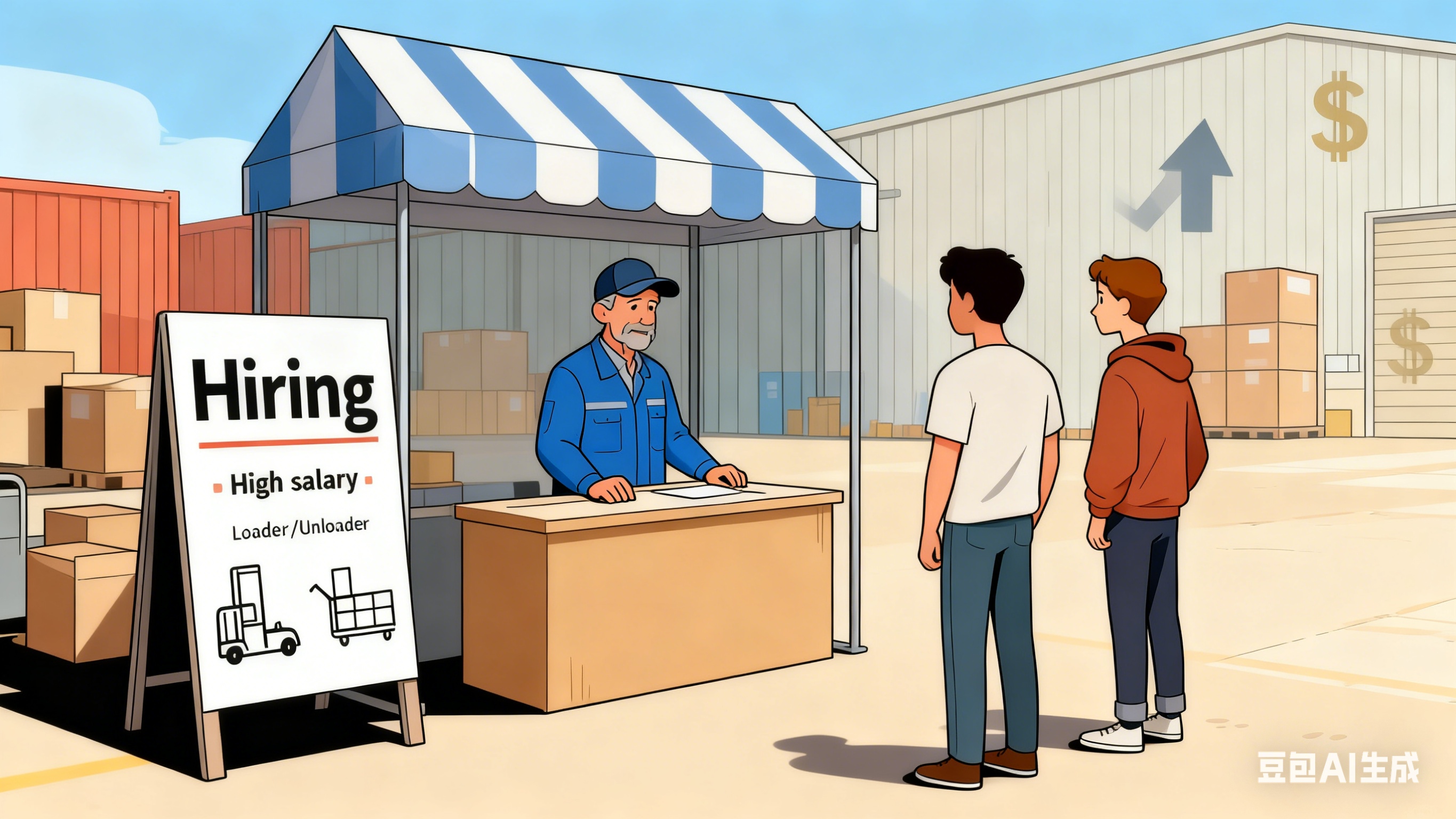
1. Soaring Labor Costs and the Shrinking Labor Pool

The Problem: You've seen it firsthand: labor costs are consistently rising year after year. More critically, finding reliable workers for physically demanding roles has become a monumental challenge. The traditional model of relying on a large team of manual laborers is no longer sustainable or cost-effective.

The Solution: A telescopic conveyor is a force multiplier. A single operator can manage the entire loading/unloading process of a truck, directing the conveyor in and out and controlling the flow of goods. This dramatically reduces your dependence on a large manual workforce, transforming variable and rising labor costs into a fixed, manageable capital investment. It's not about replacing people, but about empowering your existing team to achieve more with less physical strain.


2. Crippling Inefficiency and Mounting Detention Fees

The Problem: Slow, manual loading and unloading mean trucks sit idle at your dock for hours. In the world of logistics, time is literally money. These delays directly lead to detention fees—costly penalties charged by carriers for exceeding allotted loading/unloading times. These are unpredictable expenses that can destroy your budget and strain relationships with your transport partners.

The Solution: Speed and consistency are the core strengths of a telescopic conveyor. It allows goods to move from the dock to the far end of the trailer (and vice-versa) in a continuous, rapid flow. By cutting loading/unloading times by up to 50-70%, you can get trucks in and out faster, eliminate detention fees, and significantly increase your dock throughput. A faster dock means a more predictable and profitable supply chain.


3. Increasing Product Variety and Operational Complexity

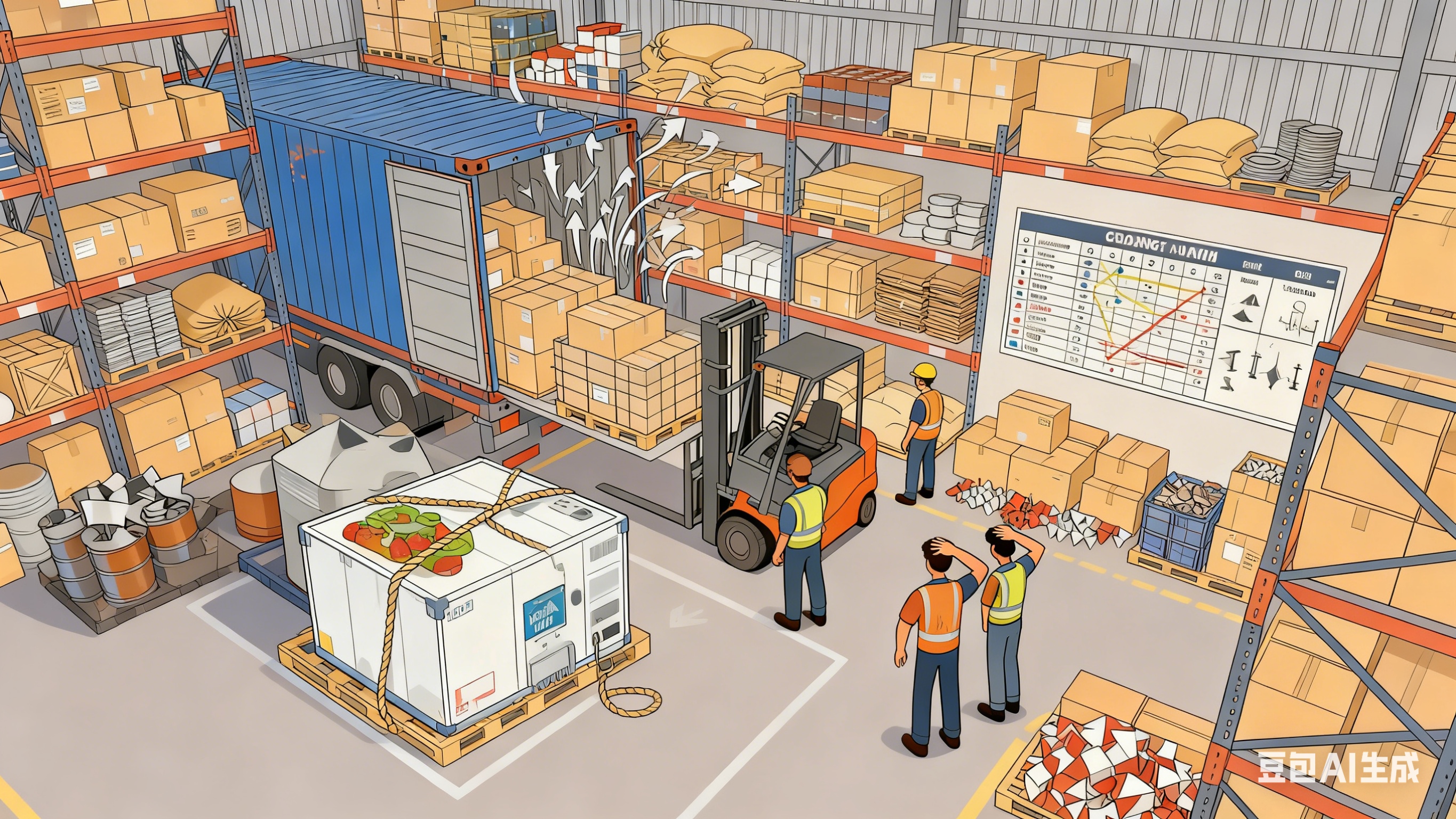
The Problem: As your business grows and evolves, so does your product mix. You might be handling everything from small parcels and boxes to heavy drums or irregularly shaped items. A one-size-fits-all manual approach can't efficiently handle this complexity. It leads to confusion, slower handling times, and a higher risk of errors and damage.

The Solution: Telescopic belt conveyors offer unparalleled flexibility and gentle handling. They can be equipped with different belt types (e.g., roller beds for stability) and can seamlessly integrate with sorting systems. Whether you're moving lightweight e-commerce parcels or stable unit loads, the conveyor provides a consistent and adaptable solution. It simplifies complex logistics, allowing you to handle a diverse range of products on a single, efficient system.


4. High Physical Strain and Workplace Injuries

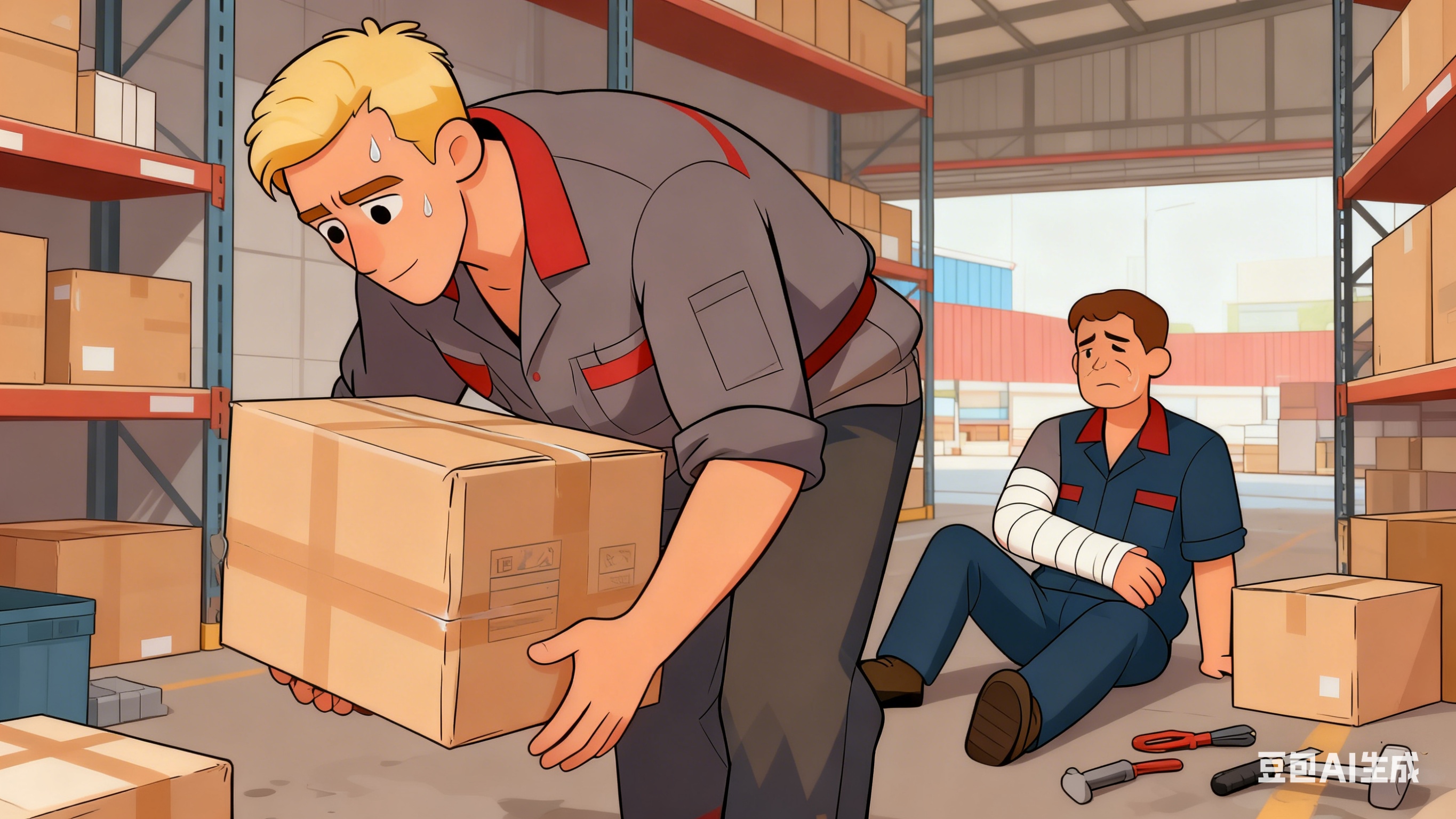
The Problem: Manual loading/unloading is one of the most phy sically taxing jobs in any warehouse. The constant lifting, bending, and walking in and out of trailers lead to extreme fatigue and a high risk of musculoskeletal disorders (MSDs). This not only results in painful injuries for your employees but also leads to increased absenteeism, high staff turnover, and rising insurance premiums

The Solution: Implementing a telescopic conveyor is a powerful investment in workplace safety and employee well-being. It does the heavy lifting, carrying the load directly to and from the operator. Employees no longer need to climb in and out of trucks or carry heavy items over long distances. This creates an ergonomic working environment, drastically reduces the potential for accidents and strains, and shows your team that you value their health and safety. A safer workplace is a more productive and positive one.


Conclusion: It's Time to Make the Strategic Move

If any of these four scenarios sound familiar, the question is no longer if you should automate your loading dock, but when. A telescopic belt conveyor is not merely a piece of equipment; it's a strategic solution that directly addresses the most pressing challenges in modern material handling.

It's an investment that pays for itself by reducing costs, boosting efficiency, enhancing flexibility, and safeguarding your most valuable asset—your people.

Ready to transform your loading dock? Contact us today for a free consultation and see how a telescopic conveyor can be tailored to solve your specific operational challenges.

Alligator Shear A Versatile Tool for Metal Processing

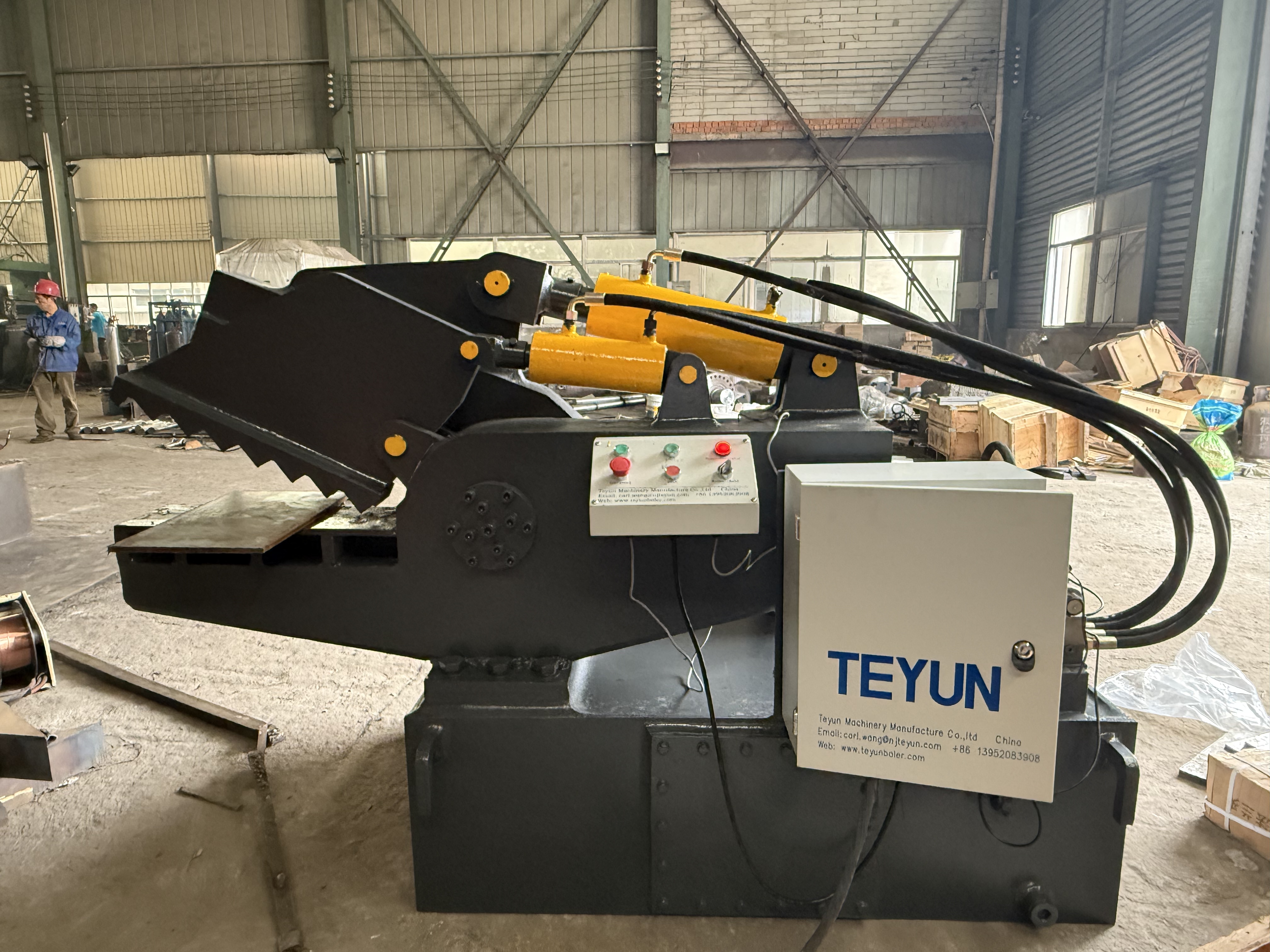
The alligator shear, named for its resemblance to the jaws of an alligator, is a heavy-duty mechanical tool widely used in the metal recycling and fabrication industries. This robust equipment is designed to cut through various ferrous and non-ferrous metals with high efficiency and precision, making it indispensable in scrap metal handling and production line operations.

The core structure of an alligator shear consists of a fixed lower jaw and a movable upper jaw, powered by either hydraulic or mechanical systems. The hydraulic model, more common in modern applications, delivers a powerful cutting force—ranging from several tons to hundreds of tons—enabling it to shear thick metal plates, rods, pipes, and even bulky scrap components. Unlike other cutting tools, its jaw design allows for gradual and controlled cutting, which reduces material deformation and ensures clean, uniform cuts.

In metal recycling yards, alligator shears play a crucial role in reducing the size of scrap metal, facilitating transportation and melting processes. They efficiently process end-of-life machinery parts, automotive components, and construction debris, transforming waste into reusable raw materials. In manufacturing plants, these shears are used for precision cutting of metal blanks, preparing materials for further shaping, welding, or assembly.

Safety is a key priority when operating alligator shears. Operators must adhere to strict guidelines, including wearing protective gear and ensuring the work area is clear of obstacles. Modern models are equipped with safety features such as emergency stop buttons and interlock systems to prevent accidents.

With their durability, versatility, and high performance, alligator shears remain a cornerstone tool in metal processing. They not only enhance work efficiency but also promote sustainable waste management, contributing to the circular economy within the metal industry.

The Tiger Shearing Machine Precision and Power in Metal Fabrication

In the demanding world of metal fabrication, efficiency, precision, and safety are paramount. The Tiger Shearing Machine stands as a formidable piece of equipment designed to meet these exacting standards. This powerful machine is engineered for the clean, straight-line cutting of sheet metal, plates, and other metal forms, serving as a cornerstone technology in workshops, manufacturing plants, and steel service centers globally.


At its core, the Tiger Shearing Machine operates on a simple yet highly effective principle. The metal workpiece is securely clamped onto a robust table. A moving upper blade, driven by a powerful mechanical or hydraulic system, then descends with immense force against a fixed lower blade. This scissor-like action shears the metal along a straight line, producing a clean edge with minimal deformation. The "gap" between these two precisely ground blades is adjustable, allowing operators to tailor the machine for different material thicknesses and types, from thin mild steel to thicker stainless plates.


What sets the Tiger Shearing Machine apart are its advanced features that enhance performance and usability. Modern models are often equipped with CNC (Computer Numerical Control) systems. This allows operators to program the back gauge—a critical fence that positions the metal—for repetitive cuts with microscopic accuracy. This automation drastically reduces human error, material waste, and setup time. Furthermore, built-in safety mechanisms are integral. These include two-handed operation controls, light curtains, and physical guards that ensure the operator's hands are clear before a cut is initiated, creating a secure working environment.


The applications of this machine are extensive. It is indispensable for creating precise blanks for subsequent processes like punching, bending, or welding. Whether preparing components for machinery, architectural frameworks, automotive parts, or household appliances, the shearing machine provides the first, critical cut. Its ability to handle various metals makes it exceptionally versatile.


The primary advantages of utilizing a Tiger Shearing Machine are clear. It delivers unmatched productivity through rapid, consistent cutting cycles. The superior cut quality minimizes the need for secondary edge finishing. Enhanced operator safety is a fundamental design priority. Finally, the remarkable versatility in handling different dimensions and grades of metal makes it a highly cost-effective, long-term investment for any serious metalworking operation.


In conclusion, the Tiger Shearing Machine is far more than a simple cutter; it is a symbol of controlled power and technological refinement in industrial manufacturing. By seamlessly blending raw force with digital precision and rigorous safety standards, it empowers industries to shape the modern world, one precise cut at a time.

Carton Compression Tester Unlocking the Secret of Packaging Strength

In logistics, transportation, and warehousing, cartons serve as the first line of defense for merchandise protection, and their performance directly impacts product safety and customer satisfaction. A carton compression tester is a crucial tool for evaluating this protective capability. This article will delve into the working principles, importance, and application of a carton compression tester in improving packaging efficiency, helping you better understand the role of this equipment in the modern supply chain.


1. Working Principle of a Carton Compression Tester

The carton compression tester simulates the pressure environments cartons may encounter during actual transportation and storage to test the load-bearing capacity of cartons. During the test, the machine applies uniform and gradually increasing pressure to the top of the carton until the carton deforms or ruptures. The maximum pressure value recorded is the carton's compressive strength. This process not only considers the strength of the carton material, but also examines factors such as structural design, bonding quality, and stacking stability.


2.Why Carton Compression Testing is Crucial


Optimizing Packaging Design: Through compression testing, designers can precisely adjust the size, material, and internal structure of cartons to ensure they meet protection requirements while reducing costs and resource consumption.


Improving Logistics Efficiency: Understanding the true compression performance of cartons helps optimize stacking layers and transportation methods, reducing returns and compensation due to packaging damage, and improving overall logistics efficiency.


Enhancing the Customer Experience: Ensuring that products are intact at every step from factory to consumer is key to enhancing brand image and customer satisfaction. Compression testing provides the scientific basis for this.


3.Technological Innovations in Carton Compression Testing Machines

With the advancement of technology, modern carton compression testing machines have incorporated more intelligent features, such as automated loading systems and real-time data collection and analysis software. These innovations not only improve testing accuracy and efficiency, but also make test results more intuitive and easy to understand, facilitating quick decision-making for businesses.


In short, carton compression testing machines are not only a technical support for ensuring packaging quality but also a crucial tool for promoting green packaging and improving supply chain efficiency. In an era focused on sustainable development and user experience, mastering the core knowledge of carton compression testing will undoubtedly lay a solid foundation for a company's long-term development.

carton compression tester


Email: hello@utstesters.com

Direct: + 86 152 6060 5085

Tel: +86-596-7686689

Web: www.utstesters.com

ENDNA/INDA Nonwoven Fabric NWSP Standards and Test Methods

Wipes, masks, diapers, and flushable wipes used daily in life may all originate from one material—nonwoven fabric. Nonwoven fabric is a textile that does not require weaving; it is formed by directly bonding fibers together, resulting in a material that is both soft and strong. However, behind this convenience lie issues: low-quality wipes are prone to tearing, certain “flushable” products can clog pipes, and some even contain harmful substances.


To address this, EDANA (European and Asian Nonwovens Association) and INDA (Industrial and Decorative Nonwovens Association) established stringent quality standards—the NWSP (Nonwoven Standard Performance) specifications. These standards specifically target various nonwoven fabrics, evaluating properties such as strength, flushability, and harmful substances. They safeguard our selection of safe and reliable products, ensuring technology truly serves a better life.



NWSP Nonwoven Standard Test Methods Compendium

NWSP 10.1 Three Standard Test Methods for Nonwoven Absorption

Three Standard Test Methods for Nonwoven Absorption Performance

NWSP 10.1 evaluates nonwoven fabrics' liquid absorption rate, liquid absorption capacity, and liquid wicking rate.


NWSP 10.2 Absorption, Rate-Water

Absorption Performance Test - Water Absorption Rate

NWSP 10.2 Absorption Rate Test Method is a standardized technique for quantifying the water absorption rate of wiping materials.

During testing, a set of wiping materials with known mass and dimensions is laid flat on a thermostatically controlled water surface. The time required for complete wetting by the liquid is observed.

Combined with the weight change of the wiping material after wetting, the absorption rate per unit time is calculated by determining the liquid absorption through the material surface.

This method effectively evaluates the rapid water absorption capability of wiping materials in practical applications.


NWSP 10.4 Absorption, Capacity-Oil

Absorption Performance Test - Oil Absorption Capacity

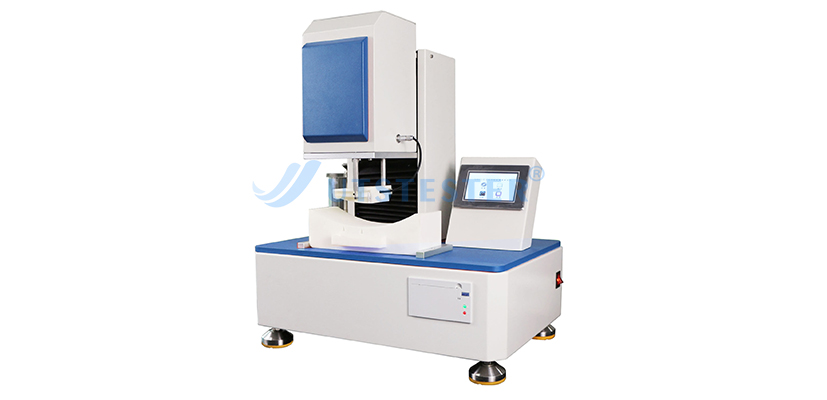
NWSP 10.4 assesses the performance of nonwoven materials in absorbing oils and other fatty liquids. It primarily focuses on two metrics: liquid absorption time and liquid absorption capacity.


NWSP 20.5 Abrasion Resistance, Martindale

Abrasion Resistance Test - Martindale Method

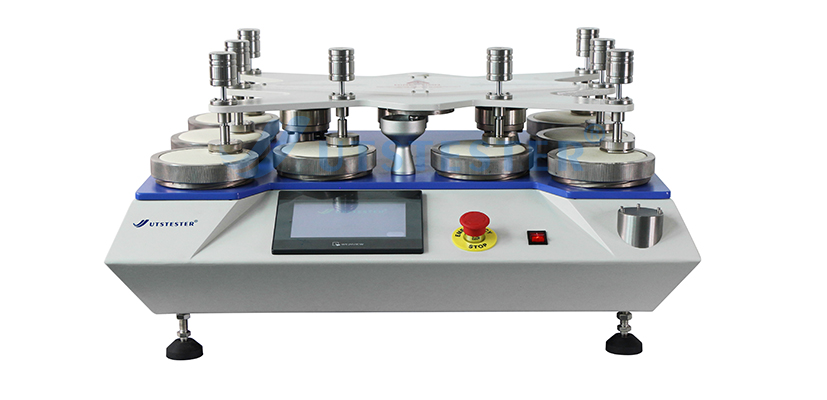
The NWSP 20.5 abrasion resistance test method evaluates the wear resistance of nonwoven materials during friction. Testing is conducted using a Martindale abrasion tester. This method is applicable to various types of nonwoven materials and can be widely used to compare the durability performance of different materials under long-term use or repeated friction conditions.


NWSP 40.2 Electrostatic Decay

Electrostatic Decay Test

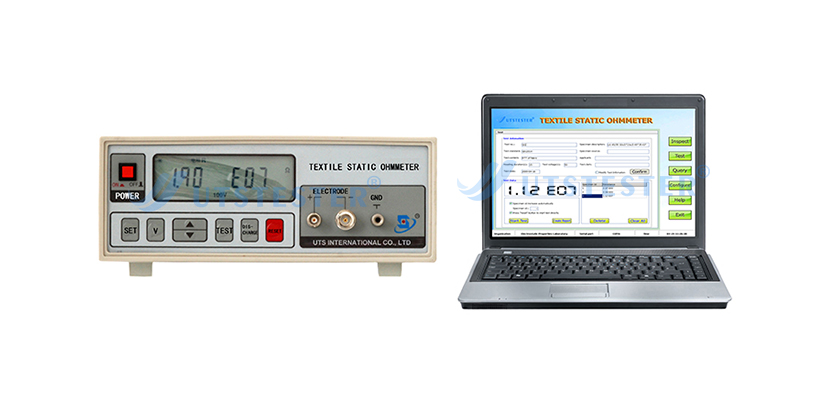
The NWSP 40.2 Electrostatic Decay Test evaluates a material's electrostatic dissipation properties. This method determines the electrostatic characteristics of films or sheet-like nonwovens by measuring the time required for charge to dissipate from the material's surface. This test aids in understanding the material's safety and suitability for electrostatic-sensitive environments.


NWSP 70.1 Air Permeability

Air Permeability Test

The NWSP 70.1 air permeability test method measures the air permeability of nonwoven materials, serving as a key means to evaluate a fabric's airflow capacity. This method applies to various fabric types, including nonwovens, woven fabrics, knits, airbag materials, blankets, brushed fabrics, layered structures, and pile fabrics.


NWSP 70.3 Liquid Strike-Through

Liquid Penetration Test

The NWSP 70.3 liquid penetration test method measures the time required for liquid to penetrate nonwoven cover materials. A specified volume of simulated urine is applied to the sample surface, and the time taken for penetration to the underlying absorbent pad is recorded.


NWSP 70.8 Liquid Strike-Through, Wetback with Repeated Strike-Through

Liquid Penetration and Wetback Test (Multiple Penetration)

The NWSP 70.8 liquid penetration test method evaluates a diaper's top layer's ability to prevent liquid wetback to the skin. Primarily used for quality control, it compares wetback performance among different nonwoven top layer materials or processing techniques.


NWSP 70.9 Rate of Acquisition and Re-Wet

Absorption Rate and Re-Wet Test

The NWSP 70.9 test method evaluates the absorption and retention of 0.9% saline solution by incontinence products under simulated load and pressure conditions. The time required to saturate a fixed volume of saline solution reflects the absorption rate.


WSP 70.10 Centrifugal Liquid Retention Capacity

Centrifugal Liquid Retention Capacity Test

The WSP 70.10 centrifugal liquid retention capacity test evaluates how much liquid incontinence products can retain after undergoing centrifugal force. This method is typically performed after the absorption capacity test to further assess the product's liquid retention performance.


NWSP 80.3 Water Penetration, Spray Impact

Water Penetration Test Under Spray Impact

NWSP 80.3 water penetration testing applies to fabrics expected to exhibit waterproof or water-repellent properties. It is not recommended for testing highly porous fabrics susceptible to significant water penetration.


NWSP 80.6 Water Resistance, Hydrostatic Pressure

Water Resistance Test - Hydrostatic Pressure Method

NWSP 80.6 water resistance testing applies to all nonwoven materials intended as liquid penetration barriers. This method evaluates a nonwoven's resistance to water penetration under varying hydrostatic pressures.


NWSP 80.10 Liquid Strike-Through, Wetback

Liquid Penetration and Wetback Test

NWSP 80.10 Outer Layer Wetback Test evaluates the ability of diaper outer layers to prevent moisture from wicking back to the skin surface after liquid penetration. Primarily used for quality control, this method compares differences in wetback performance among various nonwoven outer layer materials and their treatments. Note: This test does not simulate actual product usage conditions.


NWSP 90.1 Stiffness, Cantilever

Stiffness Test - Cantilever Beam Method

NWSP 90.1 Stiffness Test Method is based on the cantilever bending principle under the fabric's own weight, used to evaluate the stiffness properties of nonwoven fabrics. This method measures the bending length and calculates the bending stiffness accordingly. The test is applicable to most types of nonwoven fabrics, whether treated or untreated, including materials that have undergone sizing, coating, or resin treatment.


NWSP 90.3 Softness, Handle-0-Meter

Softness Test - Handle-0-Meter Method

The NWSP 90.3 hardness test method evaluates the hardness or “hand feel” characteristics of nonwoven fabrics. This test posits that “hand feel” results from the combined effect of surface friction resistance and flexural stiffness of the material.


NWSP 100.1 Tearing Strength, Elmendorf

Tear Strength Test - Elmendorf Method

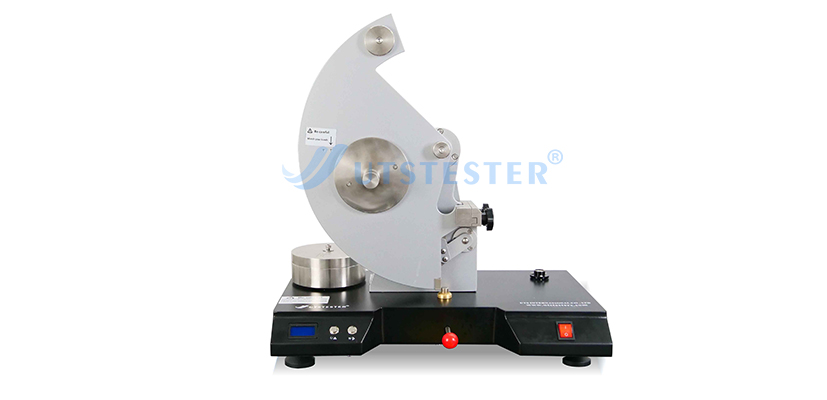
The NWSP 100.1 tear strength test method utilizes an Elmendorf pendulum apparatus to measure the average force required to tear a nonwoven fabric from a pre-cut notch, thereby evaluating the material's resistance to tearing.


NWSP 100.2 Tensile, Trapezoidal Tear

Tear Strength Test - Trapezoidal Method

NWSP 100.2 Tensile Properties Test Method employs a Constant Rate of Extension (CRE) tester to determine the tear strength of nonwoven fabrics using the trapezoidal method.


NWSP 110.1 Tensile, Grab Strength

Tensile Strength Test - Grab Method

NWSP110.1 Tensile Properties Test Method employs a grab strength test procedure to determine the breaking strength and elongation of most nonwoven materials. This method includes dry and wet test procedures and is applicable to nonwovens and felt fabrics. This test method is not recommended for highly stretchable materials.


NWSP 110.4 Tensile, Strip Method - Dry

Tensile Strength Test - Strip Method (Dry)

NWSP 110.4 Strip Tensile Performance Test Method employs a cut strip testing procedure to determine the breaking strength and elongation of most nonwoven materials. This method includes operational procedures for both dry and wet testing.


NWSP 110.4 Tensile, Strip Method - Wet

Tensile Strength Test - Strip Method (Wet)

NWSP 110.4 Strip Tensile Properties Test Method employs a strip cutting procedure to determine the breaking force and elongation of most nonwoven materials, providing specific protocols for both dry and wet testing.


NWSP 110.5 Resistance to Penetration - Ball Burst

Penetration Resistance Test - Ball Burst Method

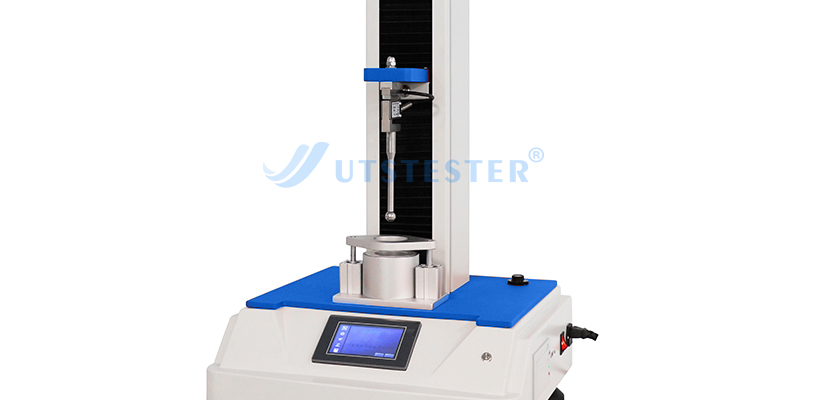
NWSP 110.5 Ball Burst Test Method is used to determine the puncture resistance of nonwoven fabrics.


NWSP 130.1 Basis Weight

Basis Weight Test

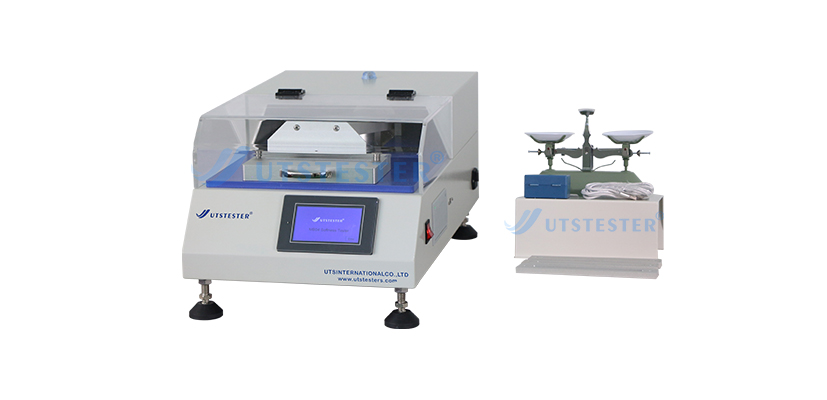
NWSP 130.1 Basis Weight Test Method measures the mass per unit area of nonwoven material samples.


NWSP 160.1 Lint (Gelbo)

Fiber Shedding Test (Gelbo Method)

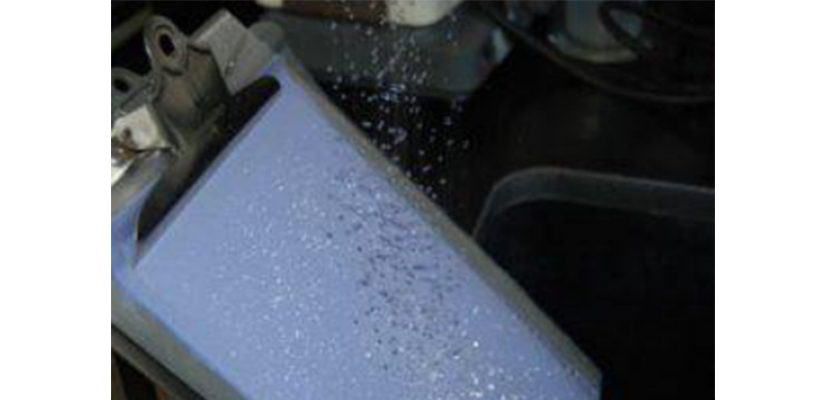
NWSP 160.1 Lint Test Method evaluates the relative tendency of fabrics to shed particles when subjected to bending and twisting by a particle generator. During testing, a particle counter measures the quantity and particle size of released particles.


WSP 241.2 Absorption, Retention Capacity - Tea Bag Test

Absorption Retention Capacity Test - Tea Bag Method

WSP 241.2 Liquid retention testing evaluates the liquid retention capacity of polyacrylate (PA) superabsorbent powders after centrifugation in salt solutions.


WSP 242.2 Superabsorbent Materials - Absorption Under Pressure

Superabsorbent Materials - Pressure Absorption Test

WSP 242.2 Pressure Absorption Test Method measures the absorption capacity of polyacrylate (PA) superabsorbent powder under specified pressure conditions, where permeability is a critical parameter requiring strict control during testing.


NWSP 350.1 Menstrual Tampons Absorbency - Syngina Method

Menstrual Tampon Absorbency Test - Syngina Method

NWSP 350.1 Menstrual Tampon Absorbency Test Method employs the Syngina apparatus, specifying the test procedure for determining the absorbency performance of menstrual tampons under in vitro conditions.


NWSP 402.0 Softness, Cup Crush

Softness Test - Cup Crush Method

NWSP 402.0 Cup Crush testing is an effective method for evaluating material properties during simultaneous multidirectional deformation. This test measures the softness of materials less than 1 mm thick, quantifying flexibility through peak load and energy data.


WSP 511.3 Dispersability, Vortex Method without Screening

Dispersibility Test - Vortex Method without Screening

The WSP 511.3 dispersibility vortex test method evaluates the dispersibility or physical degradability of flushable products during passage through household sewage pumps (e.g., jet pumps and macerator pumps) and municipal sewage conveyance systems (including sewer pipes and lift stations).


Email: hello@utstesters.com

Direct: + 86 152 6060 5085

Tel: +86-596-7686689

Web: www.utstesters.com