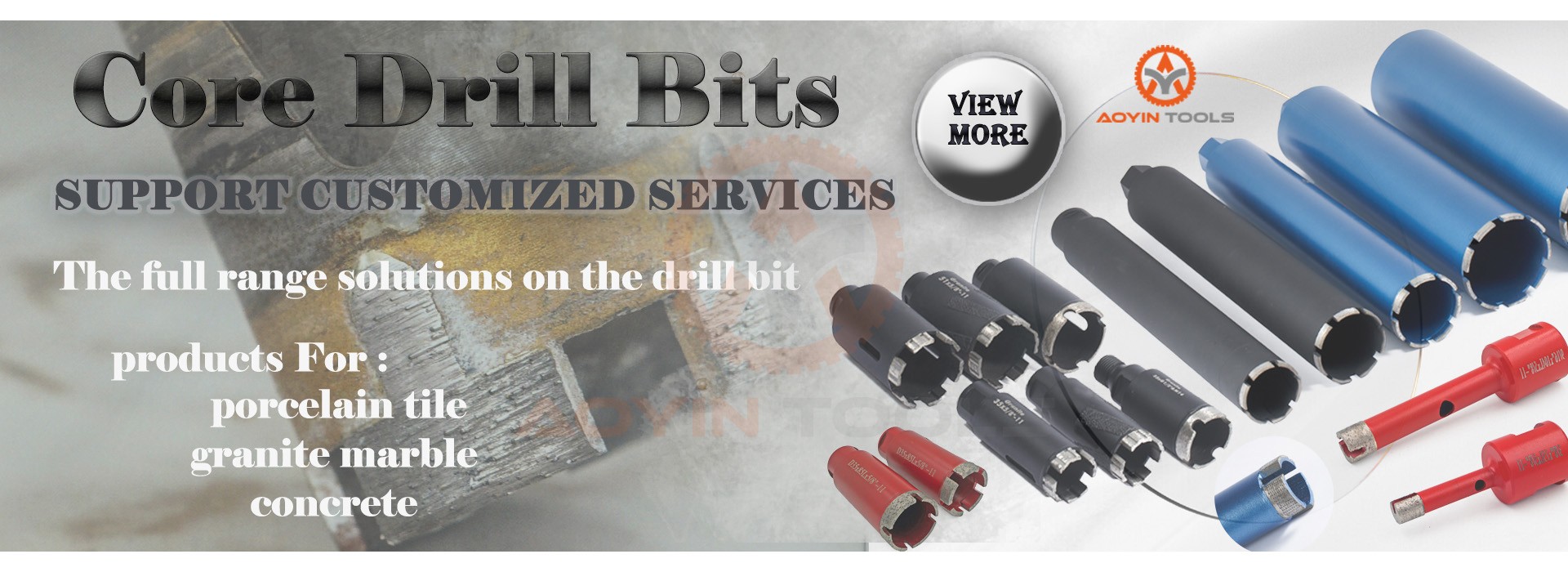
What Is A Diamond Core Drill Bit Used For?​

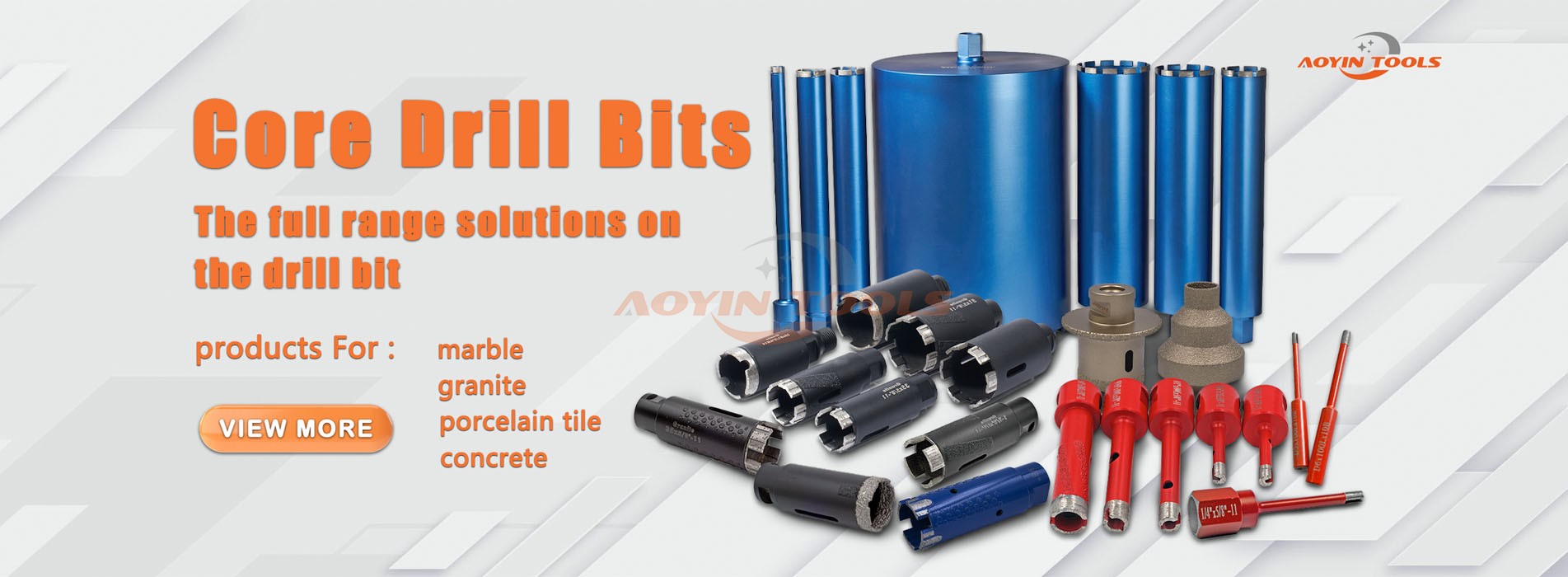
Ever faced a reinforced concrete wall, dense granite countertop, or delicate tile surface that made ordinary drill bits blunt, snap, or simply fail? When conventional tools meet their match, ‌diamond core drill bits‌ emerge as the professional’s indispensable secret weapon. This seemingly simple tool harnesses cutting-edge material science to tackle jobs where others falter.

‌The Secret Weapon: Industrial Diamond Power‌
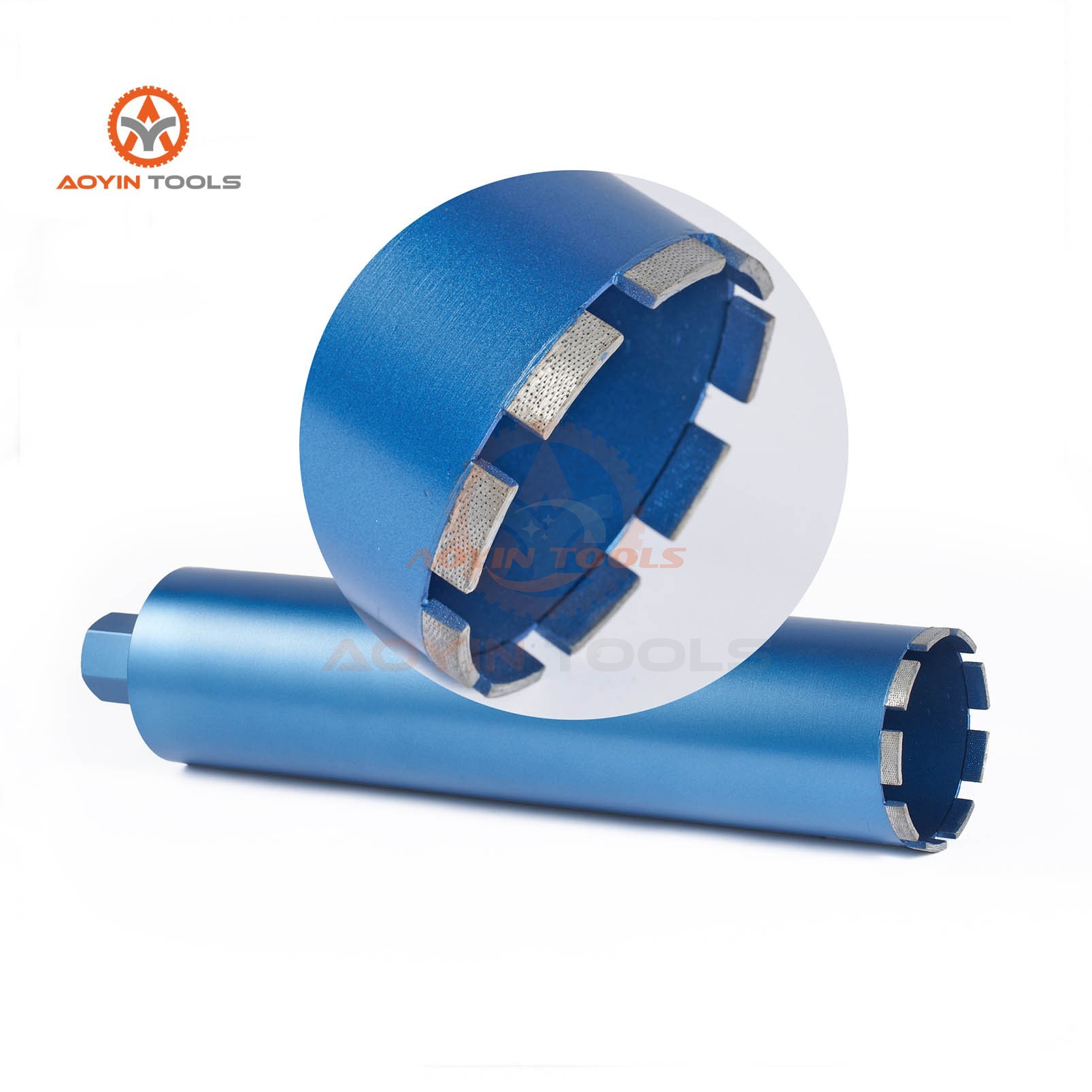
The ‌core advantage‌ of diamond core bits lies in their cutting edge: industrial-grade diamond particles—nature’s hardest material—embedded via sintering or electroplating into a robust steel body. This ‌diamond cutting technology‌ delivers unmatched hardness and wear resistance.

As the bit rotates, these diamond grits act as microscopic, indestructible chisels, grinding through the toughest substrates. The result?

  • ‌Blazing Speed:‌ Rapid penetration into concrete, stone, and tile.
  • ‌Legendary Longevity:‌ Outlasts conventional bits exponentially.
  • ‌Surgical Precision:‌ Creates clean, accurate holes with smooth walls.

Where Diamond Core Bits Dominate (Key Applications)‌
This unique design makes diamond core bits irreplaceable for:

1‌.Construction & Renovation: Mastering Concrete‌

  • ‌Utility Penetrations:‌ Precision holes for pipes (plumbing, gas), electrical conduits, and HVAC ducts (‌concrete drilling‌).
  • ‌Slab Penetrations:‌ Creating vertical chases for stairs, elevators, or utility risers (‌slab penetration drilling‌).
  • ‌Anchor Holes:‌ Drilling deep holes for structural anchors securing heavy machinery or steel frames.
  • ‌Structural Analysis:‌ Extracting pristine ‌concrete core samples‌ for strength testing and quality control.

2‌.Stone Fabrication: Precision in Granite, Marble, Engineered Stone‌

  • ‌Fixture Cutouts:‌ Perfect faucet, soap dispenser, or sink holes in countertops (‌countertop sink cutout‌).
  • ‌Pipe/Outlet Openings:‌ Creating clean openings in stone walls or floors.
  • ‌Artistic Work:‌ Crafting intricate designs or inlays.
  • ‌Quality Verification:‌ Obtaining ‌stone core samples‌ for geological or durability assessment.

3.Tile, Porcelain & Glass: Drilling Without Disaster‌

  • ‌Bathroom & Kitchen Installations:‌ Chip-free holes for shower fixtures, towel bars, and outlets in fragile tile (‌precise tile hole cutting‌).
  • ‌Glass Processing:‌ Safe drilling for tabletops, shower doors, or facades (‌safety glass drilling‌), requiring specialized technique and cooling.

4.Other Challenging Materials‌

  • ‌Brick/Block:‌ Fast, clean holes.
  • ‌Refractory Materials:‌ Furnace linings and high-heat insulation.
  • ‌Pavement:‌ ‌Asphalt coring‌ for roadway testing.
  • ‌High-Strength Composites.‌

‌Choosing the Right Diamond Core Bit: Critical Factors‌
Not all diamond core bits are equal. Match the bit to your task by considering:

  • ‌Segment Bond Hardness:‌
    • ‌Soft Bond:‌ Best for abrasive materials (e.g., reinforced concrete, sandstone). Allows diamonds to "expose" faster, maintaining sharpness.
    • ‌Hard Bond:‌ Ideal for hard, non-abrasive materials (e.g., granite, glass, porcelain). Offers maximum segment support and durability.
  • ‌Diamond Grit Size & Concentration:‌ Fine grit/high concentration for hard, brittle materials; coarse grit/lower concentration for soft, abrasive substrates.
  • ‌Arbor/Shank Type:‌ Must fit your drill machine (handheld, stand drill, magnetic drill). Common options: 1-1/4" UNC, SDS-Plus, SDS-Max, ARROW, Hex.
  • ‌Hole Diameter & Depth:‌ Select size based on project requirements.
  • ‌Wet Drilling vs. Dry Drilling:‌
    • ‌Wet Drilling (Highly Recommended):‌ Water cooling drastically extends bit life, boosts speed, and suppresses dust. Essential for ‌concrete drilling‌ and large jobs.
    • ‌Dry Drilling:‌ Suitable only for limited, small-diameter work (e.g., a few ‌tile holes‌). Requires specifically designed dry bits and strict heat management (short bursts, cooling breaks).

‌Pro Tips for Safe & Efficient Diamond Core Drilling‌

  • ‌Lock Down Your Rig:‌ Stability is non-negotiable. Use magnetic drill bases, drill stands, or vacuum mounts. Handheld drills are only for very small diameters.
  • ‌Cooling is King:‌
    • ‌Wet Drilling:‌ Ensure constant water flow to the cutting face. Dedicated core drill rigs feature integrated water pumps.
    • ‌Dry Drilling:‌ Drill in short bursts (3-5 seconds), allow ample cooling time between bursts, and use bits with deep laser-cut heat-dissipation slots.
  • ‌Optimize RPM:‌ Larger diameters require lower RPM. Consult manufacturer specs. Overspeeding causes overheating and premature diamond loss.
  • ‌Apply Steady, Moderate Pressure:‌ Let the diamonds do the cutting. Excessive force wears bits rapidly or damages the material.
  • ‌Keep Bits Sharp:‌ Slow progress, increased pressure, or smoke/sparks signal a dull bit. For wet bits, "redressing" on abrasive concrete or brick can sometimes restore sharpness. Severely worn segments require replacement.
  • ‌PPE is Mandatory:‌ Always wear safety glasses/goggles, a NIOSH-approved respirator (N95+), gloves, and hearing protection.

‌The Cost of Using the Wrong Bit‌
Imagine ruining an expensive granite countertop with a chipped edge from a standard bit. Or drilling off-mark in a load-bearing concrete beam, causing delays and safety risks. Choosing the correct ‌diamond core drill bit‌ and proper technique safeguards your project’s efficiency, accuracy, and budget.

‌Conclusion‌
Leveraging ‌diamond cutting technology‌, diamond core bits deliver unmatched performance in concrete, stone, tile, and glass. Understanding their ‌core applications‌, selection criteria, and operating protocols is crucial for contractors, stonemasons, and serious DIYers. When clean, precise, and robust holes in hard materials are essential, a diamond core bit is the definitive solution.

‌Need the Right Diamond Core Bit for Your Tough Job?‌
Contact our engineering team for expert product selection advice and technical support. Get the precision and performance professionals trust.
Core Drill Diamond

What is the Best Saw Blade to Cut into Stone?

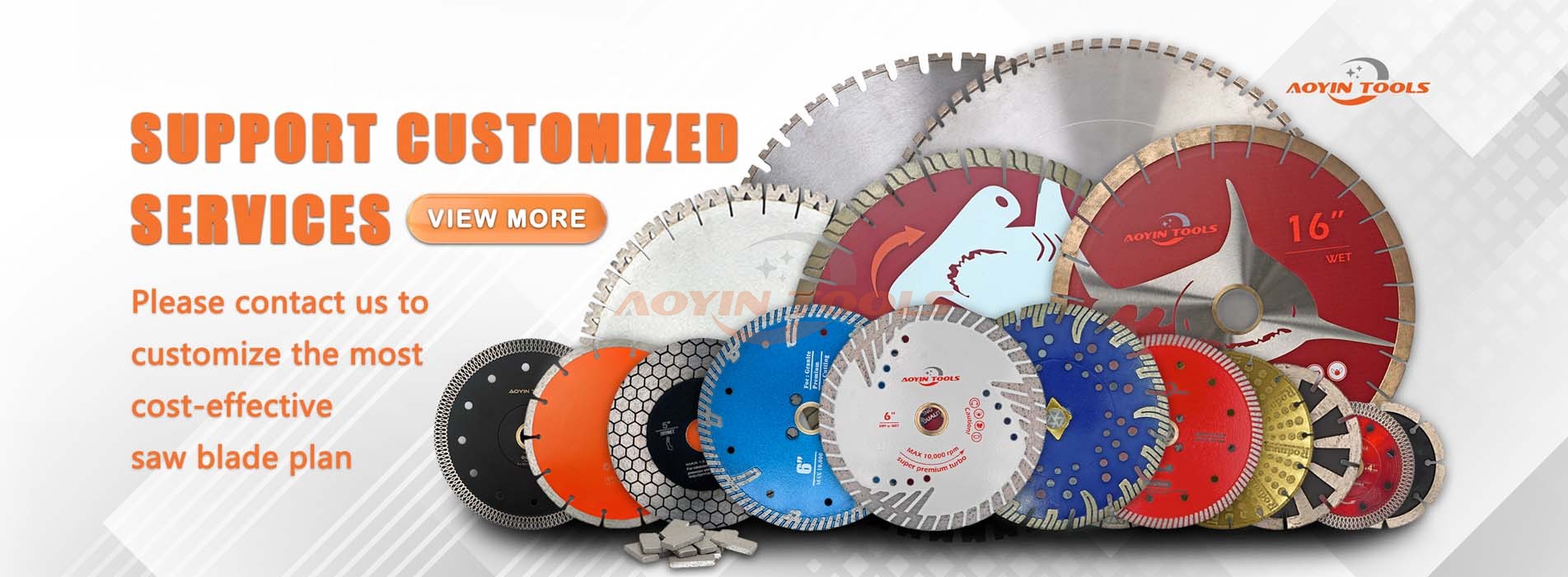
For professionals tackling stone projects, choosing the right saw blade is critical for efficiency, precision, and safety. Diamond saw blades are universally recognized as the best solution for cutting stone—whether granite, marble, quartzite, or engineered materials like sintered stone slabs. Here’s why:  

Why Diamond Blades Dominate Stone Cutting

Diamond blades leverage synthetic diamond crystals embedded in their cutting edge to grind through stone’s dense structure. Unlike conventional abrasive blades, diamonds—the hardest material on earth—outlast other abrasives, delivering:  

  • Unmatched durability against stone’s abrasive nature  
  • Faster, cleaner cuts with reduced chipping  
  • Versatility across wet or dry applications  
  • Long-term cost savings due to extended lifespan  

Key Diamond Blade Types for Stone

Selecting the optimal blade type depends on your material and desired finish:  

1. Continuous Rim Blades

  • Design: Smooth, uninterrupted edge.  
  • Best for: Delicate materials like marble, ceramic tile, or glass. Delivers chip-free cuts ideal for visible surfaces.  
  • Use: Wet cutting only to prevent overheating.  

2. Turbo Rim Blades

  • Design: Serrated or notched edge for improved debris removal and cooling.  
  • Best for: Granite, marble, concrete, and engineered stone. Balances speed and a polished finish.  
  • Use: Wet or dry; ideal for handheld angle grinders or tile saws.  

3. Segmented Blades

  • Design: Gullets between segments for aggressive material removal.  
  • Best for: Hard, abrasive stone (e.g., granite, reinforced concrete). Prioritizes speed over finish.  
  • Use: Dry cutting or wet; common in construction.  

Stone-Specific Blade Recommendations

  • Marble: Use soft-bonded, continuous-rim blades to prevent edge chipping. Example: Blades with high-purity diamond matrices ensure smooth cuts.  
  • Granite & Quartzite: Opt for turbo or segmented turbo blades with hard bonds. Example: Alpha Q-Cut blades designed specifically for quartzite and hard granite.  
  • Engineered Stone (e.g., Rock Slabs): Requires dedicated sintered blades (e.g., 350mm diameter, 2mm thickness) to handle extreme hardness.  

Critical Selection Factors

1. Bond Hardness:  

  • Soft bonds (for hard stone like granite) expose diamonds faster to maintain sharpness.  
  • Hard bonds (for soft stone like marble) prolong diamond retention.  

1. Wet vs. Dry Cutting:  

  • Wet blades use water to cool the cut, extend blade life, and reduce dust.  
  • Dry blades (e.g., segmented designs) suit quick cuts but require cooling breaks.  

3. Blade Specifications:  

  • Match diameter, arbor size, and segment height to your saw and material thickness (e.g., 4"–9" blades for tile saws; 10"–14" for slabs).  

Maximizing Blade Performance

  • Lubrication: Always use water with wet blades to prevent overheating.  
  • Break-in Period: Run new blades at half-speed for 1–2 minutes to condition segments.  
  • Pressure: Let the blade grind naturally—forcing it causes overheating and warping.  

Top Industry Blades

  • Alpha Q-Cut Series: Engineered for quartzite and granite; wet-use variants available for tile saws.  
  • Sintered Turbo Blades: Feature deep segments for undercut protection and vented cores for cooling (e.g., 230mm × 2.6mm blades).  

In Summary: The best blade for cutting stone is a diamond blade tailored to your stone type and tools. Prioritize turbo blades for granite/marble, continuous rims for delicate finishes, and specialized sintered designs for engineered stone. Pair your blade with proper lubrication and break-in practices to achieve precise, efficient cuts every time.  

Pro Tip: Always verify blade specs (RPM, arbor size, wet/dry rating) against your saw’s capabilities to ensure safety and performance.

What Kinds of Work Are Diamond Grinding Wheels Used For?

Introduction

Diamond grinding wheels are indispensable tools in modern stone processing, offering unparalleled efficiency in material removal and surface finishing. As a leading manufacturer of stone processing tools, we'll explore how these precision instruments revolutionize workflows across industries.


Core Applications in Stone Processing

  • Surface Preparation Mastery
  1. Material Leveling: Efficiently removes uneven surfaces on granite/marble slabs (3-5mm depth per pass)
  2. Coating Removal: Strips epoxy/paint from stone surfaces without substrate damage
  3. Adhesive Cleanup: Eliminates thinset mortar residues with 95% effectiveness
  • Precision Shaping Solutions
  1. Edge Profiling: Creates 45° bevels on countertops with ±0.2mm tolerance
  2. Contour Crafting: Produces complex curves on architectural stone elements
  3. Surface Refinement: Achieves 80-3000 grit finishes for varied aesthetics

Material-Specific Performance

Material Type

Recommended Wheel

Optimal Grit Range

Granite

Turbo Cup

30-400

Marble

Segmented

60-800

Engineered Stone

Double Row

70-500


Technical Selection Guide

  • Wheel Types Comparison
  1. Single Row: 15% faster coating removal vs. conventional wheels
  2. Turbo Cup: 40% better cooling for continuous marble polishing
  3. Hybrid Segments: Combine 3-5mm diamond clusters for mixed-material jobs
  • Operational Parameters
  1. RPM Range: 4,500-11,000 (varies by material hardness)
  2. Recommended Feed Rate: 0.5-1.2m/min for optimal diamond utilization
  3. Average Lifespan: 35-80 working hours (proper maintenance)


Pro Tips for Stone Professionals

  • Always match bond hardness to material abrasiveness
  • Implement dry grinding only with heat-dissipating wheel designs
  • For mirror finishes, progress through 4-6 grit stages systematically


Conclusion

Modern diamond grinding cup wheels deliver surgical precision in stone fabrication. Our premium-grade solutions feature:

  • Vacuum brazed diamond clusters (30% longer life)
  • Laser-welded segments (zero detachment risk)
  • Customizable segment patterns for specialty applications


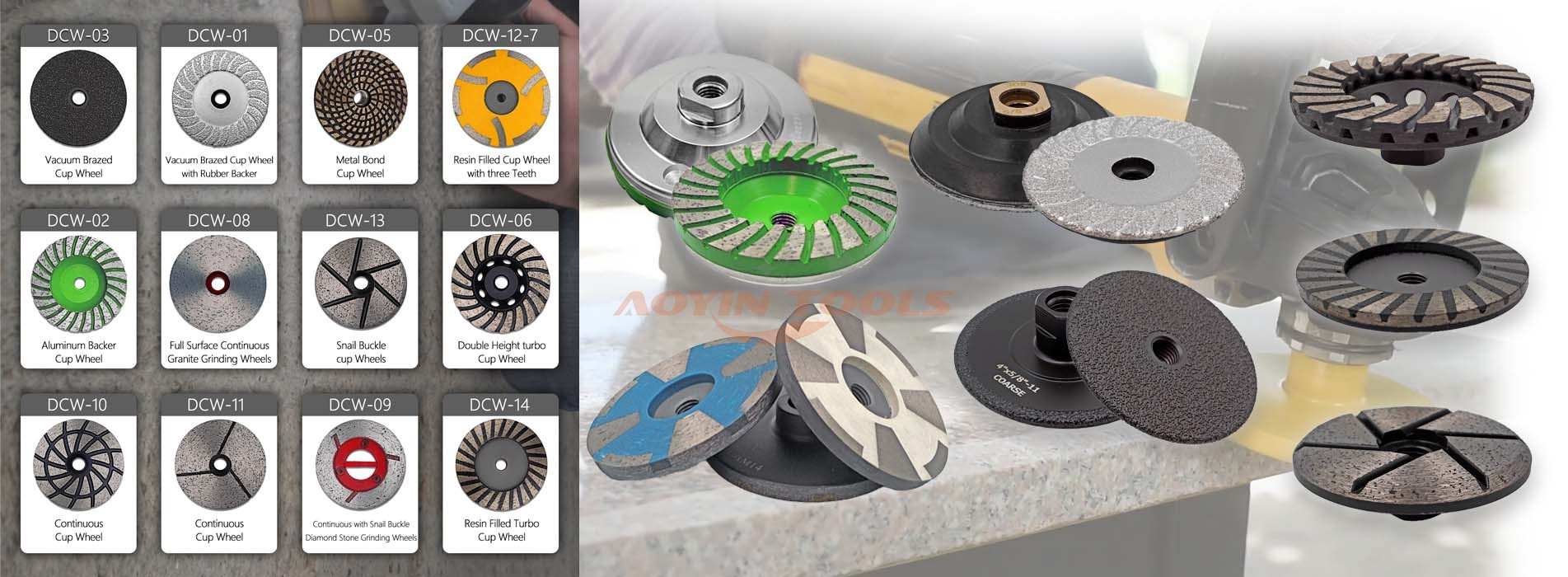
Diamond Grinding Cup Wheels

What Material Cannot Be Cut By a Diamond Cutting Tool?

5 Surprising Materials Diamond Blades Can’t Cut (And What to Use Instead)

Diamond blades are renowned for slicing through concrete, tile, and stone with ease. But even the hardest tool on Earth has its limits. Certain materials can render these blades useless—or even damage them. Discover five materials that defy diamond blades and smarter alternatives for your projects.


1.High-Carbon Steel & Iron-Based Alloys

‌Why They Fail‌: Extreme heat (over 700°C) from friction triggers a reaction where carbon in diamonds bonds with iron, forming brittle iron carbide.
‌Real-World Case‌: A construction team reported sparks, smoke, and a warped blade within minutes of cutting rebar.
‌Fix‌: Use carbide-tipped blades or oxygen-acetylene torches.

2.Soft Metals: Aluminum, Copper, Lead

The Clogging Hazard‌: Melted metal gums up blade gaps, causing overheating and kickback.
‌Data Insight‌
 In an experiment, a diamond blade cutting aluminum caused the temperature to spike by 200°C in just 30 seconds.
‌Alternative‌: Teflon-coated blades or cold-cutting saws.

3. Rubber & High-Ductility Plastics

‌Elasticity vs. Abrasion‌: Rubber flexes instead of fracturing under diamond grinding.

‌Industry Practice‌: Tire makers use waterjets for clean cuts without blade slippage.

4. Titanium & Nickel Superalloys

‌Thermal Fatigue‌: Titanium’s heat resistance (>1000°C) degrades diamond blades. NASA data shows 3x faster wear than silicon carbide.

‌Pro Tip‌: Ceramic blades or EDM are preferred for aerospace components.

5. Fiberglass Composites (GFRP/CFRP)

Hidden Damage‌: Diamond blades can tear the resin matrix of fiberglass composites, causing fiber delamination. This compromises the material’s structural integrity.

Industry Practice‌: In shipbuilding, sanding or grinding is often used instead of direct cutting to avoid damaging fiberglass composites.
Alternative‌: Abrasive grinding wheels are safer and more effective for fiberglass.

 diamond blades

Why Diamond Blades Excel in Stone & Concrete Cutting

While diamond blades struggle with the materials listed above, they remain the top choice for cutting stone, reinforced concrete, and other hard, brittle materials. Their ability to maintain sharpness and precision in these applications makes them indispensable in construction, masonry, and stone fabrication.

Choose the Right Tool for the Job

Understanding the limitations of diamond blades ensures safer, more efficient operations and extends the life of your tools. For materials like steel, aluminum, rubber, titanium, and fiberglass, explore the alternatives mentioned above to achieve the best results.


When it comes to cutting stone, concrete, and similar materials, diamond blades are unmatched. Visit our store to explore our premium diamond blade collection designed for your toughest cutting challenges.


Will a diamond core bit go through rebar? ---Drilling Through Reinforced Concrete Overcoming Rebar Challenges

Drilling through reinforced concrete presents unique challengesnot only due to the concrete itself, but also because of embedded steel bars (rebar). Rebar adds structural integrity to concrete but can hinder most standard drill bits. So, can a diamond coring drill bit successfully drill through steel bars?  The answer is yes, with the right diamond segmented core bit. Diamond Segmented Core Bits with Ordered Arrangement for Reinforced Concrete are designed specifically for this purpose, making them ideal for construction and demolition projects that require effective drilling through both concrete and rebar.


Diamond Segmented Core Bits with Ordered Arrangement

About Diamond Segmented Core Bits

Diamond segmented core bits are robust drilling tools with high-quality industrial-grade diamonds embedded in segments along the cutting edges. This segmented design uses the strength and wear resistance of diamonds to cut through dense materials like reinforced concrete and steel rebar. Unlike traditional core bits, these specialized diamond bits can withstand the wear challenges that reinforced concrete presents.

The cutting segments are arranged in a precise pattern to ensure even wear distribution and optimal cutting speed. This configuration efficiently dissipates heat and minimizes friction, enabling smooth penetration of concrete and steel without overheating, which is critical for long-duration drilling tasks.


Advantages of Using Diamond Segmented Core Bits with Ordered Arrangement

1. Enhanced Durability and Longevity 

Reinforced concrete can quickly degrade standard bits; however, diamond segmented core bits are designed for extended service life. Their organized segment layout distributes wear evenly, enabling them to work on abrasive materials like concrete and rebar over longer periods.

2. Efficient Rebar Penetration 

The embedded diamond segments are durable enough to cut through rebar, whereas traditional drill bits may overheat or break when encountering metal. The precise arrangement of segments ensures these core bits remain efficient even when cutting through steel reinforcement.

3. Smooth, Precise Cuts 

Standard tools often leave rough edges when drilling through rebar, while diamond segmented core bits provide smooth, clean cuts in reinforced concrete. This precision is crucial for construction or renovation tasks that require exact hole dimensions.

4. Reduced Heat Buildup 

The ordered segment arrangement reduces friction and promotes airflow, keeping the temperature lower during operation. Excessive heat can cause premature wear on drill bits, so this feature extends tool life while ensuring efficient drilling.


Applications for Diamond Segmented Core Bits with Ordered Arrangement

Diamond Segmented Core Bits with Ordered Arrangement for Reinforced Concrete are widely used in construction, renovation, and demolition sectors, especially in projects requiring drilling through reinforced structures:

  • Bridge and Road Construction: Essential for drilling into reinforced concrete structures such as bridges or highways.
  • Utility and Infrastructure Projects: Ideal for installing pipes or electrical conduits within solid walls or floors.
  • Building Renovations: Useful when modifications require precise drilling through structural elements without affecting surrounding areas.


Selecting the Right Diamond Segmented Core Bit

When choosing a diamond segmented core bit for reinforced concrete, consider the following factors:

  • Segment Height: Higher segment heights usually mean greater durability. For reinforced concrete, segments around 10mm to 12mm are typical.
  • Diamond Quality: High-grade industrial diamonds offer superior cutting performance and durability.
  • Connection Type: Ensure compatibility with your equipment; core bits come with different connection types (e.g., 1-1/4 UNC or SDS).
  • Cooling Method: Water cooling helps prevent overheating. Determine whether the bit is suitable for wet or dry use, depending on your specific requirements.


Tips for Drilling Through Reinforced Concrete with Diamond Core Bits

  • Start Slowly: Begin at a lower speed to prevent overheating and ensure accuracy.
  • Apply Steady Pressure: Avoid excessive force; let the diamond segments do the work.
  • Use Water Cooling: Continuous water flow aids in temperature control and debris removal, enhancing performance.
  • Anticipate Resistance Changes: Expect resistance to increase when encountering rebar; reduce speed slightly to maintain a consistent cut.


Conclusion

Yes, a diamond core bit can go through rebarbut using the right bit is essential. Diamond Segmented Core Bits with Ordered Arrangement for Reinforced Concrete are engineered specifically to tackle the challenges of drilling through both concrete and steel. Their durability, precision, and efficiency make them an ideal choice for professionals in construction, infrastructure, or building renovation, enabling them to handle even the toughest jobs with confidence.

Investing in a high-quality diamond core bit for reinforced concrete can save time, money, and effort, delivering cleaner, faster, and more efficient drilling results.

Core Bit for Concrete

How Much Does 1 Pound of R134A Cost?

R134A refrigerant (also called hydrofluorocarbon‑134a) is one of the widely used refrigerant gases. It’s not perfect environmentally, but compared to older refrigerants it causes less ozone depletion. Because of that, many systems still use eco‑friendly refrigerant R134A or are being designed for it.

 Here’s what you need to know about its cost — actual price, what affects it, what “installed vs wholesale” means, and tips for buying.


Typical Cost of R134A Refrigerant

Wholesale / material‑only cost of refrigerant gas R134A is usually about $4 to $10 per pound in the U.S.

If you include installation, service fees, leak detection, labor, etc., the cost per pound of R134A refrigerant for charging an AC system can rise to $50 to $110 per pound depending on how much service is involved.

So simply buying a pound of the gas is cheap, but putting it into a system (especially if there are leaks or it must be evacuated, etc.) makes it much more expensive.


What Drives the Cost

Several factors cause this wide range, whether you talk about high efficiency refrigerant R134A or just regular R134A refrigerant gas:


Quantity / Bulk Discounts

Buying large cylinders or bulk tanks tends to lower the price per pound. Small cans cost more per pound.


Supplier & Packaging

Whether the refrigerant comes in a disposable cylinder, refillable cylinder, or bulk vat matters. Handling, certification, transport all add cost.


Regulatory & Environmental Costs

Refrigerants including R134A are subject to environmental regulations (phase‑downs, taxes, or special handling rules). Sometimes these raise cost (or availability issues) of eco‑friendly refrigerant R134A.


Labor / Installation Complexity

If you're paying someone to evacuate the existing gas, fix leaks, test, recharge, etc., that adds a large part of the cost. That’s why “installed cost” per pound is much higher than “gas only.”


Market & Seasonal Demand

In hot seasons, demand for AC servicing peaks; transportation and supply chain costs fluctuate. That can push up the price of refrigerant gas R134A temporarily.


Comparison & Trends

As new, more efficient and lower global‑warming‑potential refrigerants are developed, R134A is under pressure; some vehicles / systems are switching to alternatives. But R134A remains in use for many automotive ACs, refrigerators, freezers, etc.


“High efficiency refrigerant R134A” is a term sometimes used to denote systems optimized for low leaks and better heat transfer so that less refrigerant is needed, which lowers effective cost over time.


Suppose your car’s AC needs 2 pounds of R134A to refill. If you buy gas only, at $5 / lb, that’s $10. But:

 Add labor: maybe $50‑$100 or more depending on shop.

If there's a leak or you need diagnostic work, add more.

Total cost could end up $60‑$150 or more.


If instead it’s a more complex system (commercial refrigeration, large AC unit), installed cost per pound might be toward the high end ($100+ per pound) because more work and safety regulations.


Bottom Line

Raw cost of R134A refrigerant gas: $4‑$10 per pound (U.S., material only)

Installed cost in many service jobs: $50‑$110 per pound or more depending on labor, location, etc.

If you’re buying eco‑friendly refrigerant R134A or paying for high efficiency refrigerant R134A systems, focus on reducing leaks, using certified suppliers, and comparing quotes. That’s how actual cost—including long term efficiency—gets controlled.

Is R22 Banned in the USA? What You Need to Know

If you're wondering about the current status of R22 refrigerant for air conditioners in the United States, you're not alone. Many homeowners and professionals are navigating the regulations surrounding this common refrigerant gas R22. This post breaks down the key information in simple terms.


The Short Answer: Yes, with Important Nuances

Yes, the production and import of new R22 refrigerant for sale for use in new or "renovated" home air conditioning systems has been banned in the U.S. since January 1, 2017. This ban was part of the Environmental Protection Agency's (EPA) phase-out plan under the Montreal Protocol, an international agreement aimed at protecting the ozone layer.


However, this doesn't mean all uses of R22 are illegal. Existing stocks of reclaimed or recycled refrigerant gas R22 can still be used to service older systems. But finding it is becoming harder and more expensive.


Why Was R22 Phased Out?

R22 refrigerant for air conditioners, also known as freon for home ac, is a hydrochlorofluorocarbon (HCFC). While it's less damaging than older refrigerants, it still contributes to ozone depletion and has a high global warming potential (GWP). The search for more Eco-friendly refrigerant R22 alternatives was driven by these environmental concerns.


It's worth noting that some claims market High efficiency refrigerant R22 or Eco-friendly refrigerant R22. However, due to its inherent chemical properties, R22 itself is not considered environmentally friendly.


What Does This Mean for Your Home AC?

If you have an older air conditioning system that uses freon for home ac (R22), you have a few options:


Continue Servicing (For Now): You can still use reclaimed R22 refrigerant for air conditioners for repairs, but the cost is high and availability will continue to decrease. Prices for R22 refrigerant for sale can be significant, often ranging from hundreds of dollars per cylinder.


Retrofit: In some cases, it might be possible to retrofit your system to use a newer, approved refrigerant. This is a complex decision that requires a professional assessment.


Replace: The most long-term solution is to replace your old AC unit with a new one designed for a more modern, environmentally friendly refrigerant. This avoids the rising cost and scarcity of refrigerant gas R22.


The Bottom Line

The production and import of new R22 refrigerant for air conditioners have been banned in the U.S. since 2017 for use in new or renovated residential and light commercial systems. While you can still maintain an older system with existing stocks, the future for freon for home ac (R22) is one of limited supply and high cost.


When considering R22 refrigerant for sale, it's crucial to understand these regulations and plan accordingly. Investing in a modern system not only ensures compliance but also often provides better efficiency and lower environmental impact.

Keep Your Cool How EZ Flush Gives Your AC a Fresh Start

Ever wonder what keeps your air conditioner humming along, pumping out cool, refreshing air on a scorching summer day? It's a complex system, and at its heart is a substance you might know as Freon. But just like any hardworking machine, your AC system can get clogged with gunk—old oils, tiny metal shavings, and even acid. When that happens, its efficiency drops, and you could be heading for a costly breakdown.


That's where a system flush comes in. Think of it as a deep cleaning for your air conditioner's circulatory system. And one of the go-to products for HVAC professionals is EZ Flush.


What is EZ Flush and How Does It Work?

EZ Flush is a powerful cleaning agent designed to remove all the nasty stuff that can build up inside your AC lines. It's not a refrigerant itself, but a solvent that prepares the system for a fresh charge of refrigerant. When a technician uses EZ Flush refrigerant for air conditioners, they are essentially scrubbing the inside of the system's copper tubing.


The process is straightforward but requires professional tools. The technician will circulate EZ Flush through the system, usually propelled by nitrogen gas. As it moves through the lines, EZ Flush dissolves and dislodges contaminants like:


Old refrigerant oil: Different refrigerants use different types of oils. If you're upgrading your system, it's crucial to remove all the old oil.


Acid and moisture: These can form corrosive sludge that can destroy your compressor from the inside out.


Carbon and metal particles: These are often the result of a "compressor burnout," a catastrophic failure that spreads debris throughout the system.


By the end of the flush, the solvent, along with all the captured grime, is purged from the system, leaving it clean and ready for a new lease on life.


When is an AC System Flush Necessary?

You might be wondering if your home AC needs this kind of treatment. Here are a few common scenarios where a flush is not just recommended, but essential:


1. After a Compressor Burnout

If your AC's compressor fails, it's like a tiny engine blowing up. It sends a shower of acidic, sooty contaminants through the entire system. Simply replacing the compressor isn't enough. Without a thorough flush, that leftover debris will quickly destroy the new one. Using EZ Flush freon for home AC ensures a clean environment for the new compressor to operate in.


2. Upgrading Your Refrigerant

The HVAC industry is constantly evolving, with a focus on more environmentally friendly and efficient refrigerants. For instance, many older systems use refrigerant gas R134A. If you're upgrading to a newer, more efficient system that uses a product like the high efficiency refrigerant R410a, or even the latest generation R32 refrigerant for sale, a flush is critical. The oils used with these refrigerants are often incompatible. Mixing them can lead to poor performance and system failure.


3. Retrofitting Commercial Systems

The same principles apply to larger commercial systems. Whether it's a walk-in freezer using an eco-friendly refrigerant R507 or a large rooftop unit, ensuring the system is clean before introducing a new refrigerant is key to its longevity and efficiency.


The Benefits of a Clean System

Using a product like EZ Flush provides several key benefits:


Restores Efficiency: A clean system allows the refrigerant and oil to flow freely, helping your air conditioner run at peak performance and potentially lowering your energy bills.


Prevents Future Breakdowns: By removing corrosive acids and damaging debris, a flush can prevent the premature failure of expensive components like the compressor.


Ensures Warranty Compliance: Many manufacturers require a system flush after a compressor burnout to honor the warranty on the new part.


In short, while you may not see it working, EZ Flush performs a vital role in maintaining the health and efficiency of your air conditioning system. It's a fresh start that ensures you'll keep your cool for years to come.

Meet R-513A The Smarter, Greener Refrigerant for Your Cooling Needs

When you think about what cools your building or chills your food at the grocery store, the word "refrigerant" might come to mind. For decades, substances like Freon were the standard. But as we've learned more about their impact on the environment, the industry has shifted towards smarter, more sustainable solutions. Enter refrigerant gas R513A.


If you're hearing more about R-513A, there's a good reason. It represents a significant step forward in cooling technology. But what exactly is it?


R-513A: A Tale of Two Refrigerants

First things first, R-513A isn't one single substance. It's what's known in the HVAC world as a "zeotropic blend." That sounds complicated, but it simply means it's a carefully measured mixture of two different refrigerants:


R-1234yf (56%): This is a newer generation refrigerant known as a hydrofluoroolefin (HFO). The key thing to know about HFOs is that they have a very low Global Warming Potential (GWP).

R-134a (44%): This is a hydrofluorocarbon (HFC) that has been a reliable workhorse in the industry for years, known for its excellent thermodynamic properties.


By combining these two, manufacturers created a high efficiency refrigerant R513A that offers the best of both worlds: strong cooling performance and a significantly reduced environmental impact.


Why is R-513A Considered an Eco-Friendly Choice?

The main reason R-513A is celebrated as an eco-friendly refrigerant R513A comes down to one crucial number: its GWP. GWP measures how much heat a greenhouse gas traps in the atmosphere. The old refrigerant R-134a has a GWP of 1,430.

R-513A, by comparison, has a GWP of around 631.


That's a reduction of over 55%. This makes it a much more responsible choice in the global effort to combat climate change. Additionally, R-513A has an Ozone Depletion Potential (ODP) of zero, meaning it does not harm the Earth's protective ozone layer. It also boasts a top safety rating of A1 from ASHRAE, meaning it's non-toxic and non-flammable.


Where is R-513A Used?

While you may not be searching for R513A freon for home ac systems just yet—as it's more common in commercial applications—its versatility is one of its biggest strengths. It was designed as a direct replacement, or "drop-in," for systems that use R-134a. This is a huge benefit for businesses, as it allows them to upgrade their existing equipment to be more eco-friendly without the massive cost of a full system replacement.


You'll find R513A refrigerant for air conditioners and refrigeration systems in a variety of places:

Commercial Chillers: Large buildings, data centers, and industrial processes rely on chillers to provide cooling, and R-513A is an ideal, efficient choice.

Supermarket Refrigeration: Display cases and walk-in coolers can be made more sustainable by using R-513A.


Transport Refrigeration: Keeping food cold on trucks and in shipping containers is another application.

As regulations continue to phase out higher-GWP refrigerants, the availability of R513A refrigerant for sale has become crucial for technicians and facility managers looking to make a responsible and efficient upgrade.


In summary, R-513A is a smart, safe, and sustainable refrigerant blend. It delivers the cooling power we rely on every day but with a much smaller environmental footprint, making it a key player in the future of cooling technology.

A Complete Guide to Choosing the Right Mining Conveyor System

Belt Conveyor

Choosing the best mining conveyor system means you need to look at your mining needs. You will face problems like material falling off, belts slipping, rough wear, bad transfer spots, and matching issues. These problems can make machines stop working and cost more money. When picking a conveyor system, match its features to the material, how much you move, the site, the distance, and how much is automated. Picking the right conveyor helps it work better, saves money, and makes things run smoother. This guide helps you use mining conveyor equipment in the best way for your mine.

  • Common conveyor problems:
    • Material falling off costs money and needs cleaning.
    • Belt slipping uses more energy and costs more.
    • Rough wear makes the conveyor work worse.
    • Bad transfer spots make machines stop more.
    • Matching issues make conveyor belts work less well.

Operational Needs

Picking the right mining conveyor system starts with knowing what your mine needs. You should check the ore type, how much you need to move, the site’s weather, and the land the conveyor will cross. Each thing changes how the conveyor works and how it is built. This guide helps you choose the best system for your goals.

Material Type

You must know what ore or bulk material you will move. The material’s features change which mining conveyor belt and system you pick. Different ores and bulk materials need special things:

  • Abrasive ores need belts that do not wear out fast.
  • Heavy ores need belts that are strong and do not break.
  • Hot ores need belts that can stand high heat.
  • Oily ores need belts that do not get ruined by oil.
  • Hazardous ores need belts that do not catch fire and stop static.

If you match the belt system to the ore, you make it work better and fix it less. You also stop your work from stopping by surprise.

Throughput

Throughput means how much ore or bulk material you move in a set time. You need to know your goals and how much ore you want to move. Mining conveyor systems must move the right amount to keep work going.

  • You can use throughput checks to split your conveyor into smaller parts.
  • This lets you see if each part can move enough ore.
  • Studies show this way is right over 90% when nothing blocks the system.

If you size your conveyor belt system for your needs, you stop slowdowns and keep ore moving. This helps you save money and make things better.

Site Environment

The weather at your mine changes which mining conveyor systems you pick. Heat and wetness can change how your conveyor belt system works. Look at the table below to see how different weather changes things:

Environmental Factor Impact on Conveyor Systems
High Temperatures Belts wear out faster, more friction, belts break early, less grip, more energy used.
Low Temperatures Materials break, belts tear, less bend, thick grease.
High Humidity Metal rusts, mold grows on belts, wires fail.

If your site is hot, you need belts that do not get ruined by heat and friction. Cold sites need belts that bend and do not tear. Wet sites need metal that does not rust and dry wires. If you match your conveyor belt system to your site, you keep work going and fix things less.

Distance & Terrain

You need to think about how far and what kind of ground you must move ore over. For long trips and rough land, overland mining conveyor systems are best. These systems move lots of ore and bulk material over hills, valleys, and bumpy ground. If your site has steep hills or goes up and down, you need a system made for that.

  • Overland conveyors help move ore far away.
  • They keep work going even when the land is hard.
  • You move bulk material better and use fewer trucks or loaders.

If you match your conveyor system to the trip and land, you make it work better and spend less on moving ore. You also make your mine safer and easier to run.

Tip: Always check your site’s ore type, goals, weather, and land before you pick. This makes sure your mining conveyor system fits your needs now and helps you grow later.

Mining Conveyor System Types

Belt Conveyor

Picking the right mining conveyor system helps you work faster. It also helps you move ore and bulk materials better. There are many types of conveyor systems for mining jobs. Each system has special features for moving ore and bulk materials. They also help make production easier.

Belt Conveyor Systems

Belt conveyor systems are used most often in mining. They move ore and bulk materials over long distances. These systems can handle lots of material. They are simple and do not need much fixing. You can see their good and bad points in the table below:

Chain Conveyor Systems

Chain conveyor systems use metal chains linked together. They are strong and can carry heavy things. These systems are good for moving rough or heavy ore and bulk materials. Chain conveyors need oil and checks often. They work well with steel or wood pallets. They last longer than belt conveyors but need more care.

  • Chain conveyors are strong and good for heavy loads.
  • They need oil and checks to keep working.
  • Belt conveyors are easier to fix but do not last as long with heavy use.

Screw Conveyor Systems

Screw conveyor systems use a turning screw to move ore and bulk materials. They work well on steep paths and help stop material from rolling back. These systems keep things from getting stuck. They are good for moving sand, cement, and other bulk solids.

Pipe Conveyor Systems

Pipe conveyor systems use closed pipes to move ore and bulk materials. They are good for fine powders and dusty solids. These systems keep dust and noise low. They also stop spills and make work safer. Pipe conveyor systems help keep work going and save money.

  • The closed pipes keep dust and noise down.
  • Stops spills, so work is faster and less waste.
  • Can move fine powders and bulk solids.

Overland & Underground Systems

Overland conveyor systems move ore and bulk materials over hills and rough ground. They are good for moving things far away. Underground conveyor systems cost more to put in. They need special materials that do not catch fire and protect from dust. Underground systems can save money later because they use less energy and need less fixing.

  • Underground conveyor systems cost more than overland ones.
  • Overland conveyor systems move bulk materials over different land.

Tip: Pick your mining conveyor system based on what you need, the ore type, and your site’s weather and land. This helps you work better and get more done.

Key Selection Criteria

Safety & Compliance

Safety protection is the most important thing to check first. You need to keep workers safe and follow OSHA rules. Use guarding, emergency shut-off buttons, and warning systems. These things help stop accidents and keep ore moving. You also need regular maintenance and personal protective equipment. Sensors and alarms help you find problems fast. Stickers and warning labels remind workers about safety every day.

Here is a table that shows the main safety protection features and the OSHA rules:

You must check these safety protection features before using your mining conveyor belt. If you follow these rules, your site stays safe and you avoid fines.

Tip: Always train your team on safety and emergency steps. This keeps everyone ready and helps you meet the rules.

Maintenance Needs

You need to plan for maintenance when picking a mining conveyor system. Regular checks help you find problems early. Clean the conveyor belt system and look for wear. Oil moving parts and replace broken pieces. If you do maintenance, you stop breakdowns and keep ore moving. This saves money and keeps production on track.

Set a schedule for checking the conveyor belt system. Look at the belt, chains, screws, and pipes. Check sensors and alarms for safety. Fix small problems fast to avoid big repairs later. This keeps bulk material handling smooth and helps with optimization.

Note: Good maintenance keeps production high and stops delays in moving ore.

Budget & Cost-Effectiveness

You need to look at both the price to buy and the cost to run your mining conveyor system. The first cost is buying and installing the conveyor. The long-term cost is fixing, energy, and keeping it working. Balance these costs to get the best value.

If you spend more at first, you may save money later. A strong conveyor belt system needs less fixing and uses less energy. This keeps production high and makes moving ore cheaper. Check cost-effectiveness before you buy. This helps you plan for the future and keep your mine running.

Tip: Always compare the total cost of ownership, not just the price. This helps you make smart choices for your mining site.

Conveyor Belt System Features

Look at the features of each conveyor belt system before you choose. Some features help you move ore and bulk better. Others help you keep production high and stop breakdowns. Pick features that fit your needs and your site.

Here is a table that shows the top features for mining conveyor systems:

You can use sidewall cleated belt conveyors to keep bulk and ore from falling off. Advanced sensors give you real-time data to help with optimization. High-performance belt trackers help you avoid downtime and keep production moving. These features help you get the most from your mining conveyor system.

Tip: Pick features that help with bulk material handling, safety, and automation. This keeps production high and makes moving ore easy.

Technical & Custom Options

When you pick technical and custom options, you can make your mining conveyor system fit your needs. This helps you move more ore and bulk material. Custom choices can help your site work better and save money.

Drive Systems

Drive systems give power to your conveyor belt system. They are important for saving energy and keeping production steady. You can pick from different drive types for your mine. Gearless drives do not use gears, so they last longer and save energy. For example, the ABB drive at Bílina used 6–10% less energy than old drives. Gearless drives also need fewer motors, which saves more energy and money. If you pick the right drive, your conveyor system moves ore and bulk with fewer problems.

  • Gearless drives last longer and use less energy.
  • Fewer motors mean you save more energy.
  • New drives help keep production steady and costs low.

Automation & Controls

Automation and controls help you run your mining conveyor system with less work. AI can find problems before they stop your conveyor. Digital twins let you watch your conveyor belt system as it works. Middleware connects your controllers, so you can move ore and bulk better. High-efficiency motors and VFDs help you control speed and save energy. Smart control systems find problems fast, so you keep moving ore and bulk.

Tip: Automation makes your conveyor belt system smarter and helps you stop delays.

Durability Upgrades

You can make your mining conveyor belt stronger for tough mining jobs. Different belts work best for different ore and bulk. Fabric belts bend easily and last a long time. Steel-cord belts are strong and good for long trips with heavy ore. Heat-resistant belts work with hot ore. Oil-resistant belts do not get ruined by oil. Fire-resistant belts are important for coal mining and keep things safe. Special belts can find rips and save energy, which helps move ore and bulk better.

If you pick the right upgrades, your conveyor belt system lasts longer. You keep production high and move ore and bulk without problems.