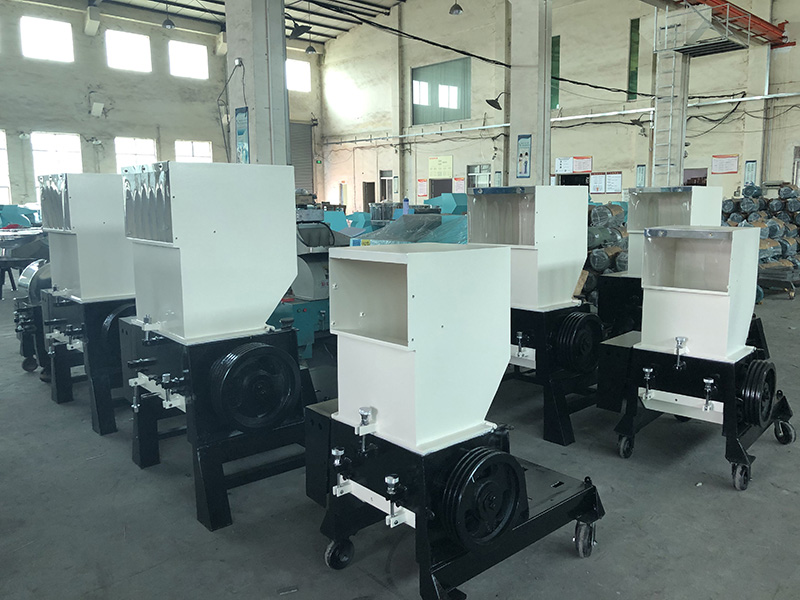
Against the backdrop of escalating global plastic pollution, plastic crusher machines, as core equipment in the plastic recycling industry chain, are playing an increasingly important role. They break down and refine waste plastics into reusable raw materials, boosting the circular economy. This article deeply analyzes the functions, advantages, and purchasing key points of plastic crushers to help businesses and investors make informed decisions.
Section 1: What is a Plastic Crusher Machine?
A plastic crusher is a mechanical device that uses motor-driven blades to break down various waste plastics (such as PET bottles, HDPE pipes, plastic films, etc.) into granules or fragments. Divided into small household crushers (capacity ≤100kg/h) and industrial-grade large equipment (capacity ≥500kg/h), they are widely used in plastic recycling plants, waste disposal stations, manufacturing industries, and other scenarios.
Section 2: Core Advantages of Plastic Crusher Machines
1. High Efficiency & Energy Saving, Reducing Recycling Costs
Modern plastic crushers feature optimized blade designs and power systems, capable of processing large volumes of waste plastics in a short time, with energy consumption reduced by over 30% compared to traditional equipment. For example, a 1000kg/h large crusher can handle 8-10 tons of waste daily, significantly improving recycling efficiency.
2. Multi-Functional Processing, Suitable for Various Materials
From soft PE films to hard PVC sheets, plastic crushers can flexibly process plastic waste of different hardnesses and shapes by changing blade types and adjusting rotation speeds, achieving "one machine for multiple uses."
Standard dust collection devices and noise reduction systems effectively control dust and noise generated during the crushing process, complying with environmental standards such as EU CE and US EPA, making them ideal for developed markets with high environmental requirements.
Section 3: Application Scenarios of Plastic Crusher Machines
Plastic Recycling Plants: Crush PET bottles and beverage bottles to produce recycled polyester granules.
Manufacturing Industries: Shred obsolete plastic parts to achieve in-plant waste recycling.
Waste Recycling Stations: Process mixed plastic waste to improve sorting and transportation efficiency.
Agriculture: Crush agricultural films to reduce white pollution in farmland.
Section 4: How to Choose the Right Plastic Crusher Machine?
Clarify Processing Needs: Select models based on plastic type (soft/hard) and daily processing capacity (kg/h).
Blade Material & Wear Resistance: Opt for alloy steel or tungsten carbide blades for longer service life.
Certifications & After-Sales Service: Export models require CE, ISO, etc. certifications. Also, pay attention to suppliers' installation, debugging, and spare parts supply capabilities.
Energy Efficiency & Intelligence: Choose equipment with variable frequency speed regulation and automatic lubrication systems to reduce long-term operation costs.
Section 5: Future Trends: Intelligence and Sustainable Development
With the advancement of Industry 4.0, plastic crushers are upgrading toward intelligence. For example, IoT-integrated devices can monitor operating status in real time and predict failures, while solar-powered crushers further reduce carbon emissions. These innovations will drive the plastic recycling industry toward efficient and green transformation.
Conclusion: Invest in Plastic Crushers and Embrace Circular Economy Opportunities
Plastic crusher machines are not only key tools to solve plastic pollution but also keys to unlocking the circular economy market. Whether for small and medium recycling enterprises or large manufacturing groups, choosing an efficient and durable crusher can both reduce waste treatment costs and respond to global environmental initiatives, achieving a win-win situation of economic and environmental benefits.
Contact Us Now for Customized Plastic Crusher Solutions!
SEO Optimization Highlights
Core keyword: "plastic crusher machine" in title and headers
Natural integration of : plastic recycling machine, industrial plastic crusher, PET bottle crusher
In today's fast-paced industrial landscape, maintaining optimal temperature control is crucial for the smooth operation of various manufacturing processes, data centers, and commercial facilities. Screw chillers have emerged as a leading solution for reliable and energy-efficient cooling, offering robust performance and adaptability to diverse cooling demands. This article explores the working principles, key advantages, applications, and selection criteria of screw chillers, helping businesses make informed decisions for their cooling systems.
What Are Screw Chillers?
A screw chiller is a type of industrial refrigeration system that uses a screw compressor to cool and circulate refrigerant, providing chilled water or air to maintain the desired temperature in a facility. The core component is the twin-screw compressor, which consists of two intermeshing helical rotors (a male rotor with convex threads and a female rotor with concave threads). These rotors compress the refrigerant vapor, raising its pressure and temperature, which is then condensed into a liquid in the condenser. The liquid refrigerant is expanded through an expansion valve, cooling it down before entering the evaporator, where it absorbs heat from the environment, completing the refrigeration cycle.
Key Components
Screw Compressor: The heart of the chiller, responsible for compressing the refrigerant.
Condenser: Converts high-pressure, high-temperature refrigerant vapor into a liquid by releasing heat.
Evaporator: Absorbs heat from the process or environment, vaporizing the liquid refrigerant.
Expansion Valve: Reduces the pressure of the liquid refrigerant, enabling it to evaporate at a lower temperature.
Control System: Monitors and regulates the chiller's operation, ensuring optimal performance and energy efficiency.
Advantages of Screw Chillers
1. High Energy Efficiency
Screw chillers are renowned for their energy-saving capabilities, especially in partial-load conditions. The twin-screw compressors feature variable capacity control, allowing the chiller to adjust its output according to the actual cooling demand. This reduces energy consumption significantly compared to older reciprocating compressors. Many modern screw chillers come with advanced technologies like variable frequency drives (VFDs), which further optimize energy use by adjusting the compressor speed to match the load, leading to lower electricity bills and a reduced carbon footprint.
2. Reliable and Durable Performance
The simple design of screw compressors, with fewer moving parts compared to reciprocating compressors, minimizes wear and tear, resulting in a longer operational life. The robust construction and high-quality materials used in manufacturing ensure that screw chillers can withstand harsh industrial environments, including high temperatures, dust, and vibrations. Additionally, their modular design allows for easy maintenance and repair, reducing downtime and operational costs.
3. High Cooling Capacity
Screw chillers are available in a wide range of cooling capacities, typically ranging from 50 to 2000 tons or more, making them suitable for both small-scale commercial applications and large industrial plants. Their ability to handle high cooling loads efficiently makes them an ideal choice for industries requiring consistent and reliable temperature control, such as chemical processing, food and beverage production, and metalworking.
4. Quiet Operation
The smooth operation of twin-screw compressors generates less noise compared to reciprocating or centrifugal compressors. This is particularly important in commercial settings or residential areas where noise pollution is a concern, ensuring that the chiller can operate without disturbing the surrounding environment.
5. Adaptability to Various Refrigerants
Screw chillers can be designed to work with different types of refrigerants, including traditional ones like R-134a and newer, more environmentally friendly options such as R-32 and R-410A. This flexibility allows businesses to comply with international refrigerant regulations and choose the most suitable option based on their specific needs and environmental goals.
Applications of Screw Chillers
Industrial Cooling
Manufacturing Plants: Screw chillers are used to cool machinery, tools, and processes in industries such as plastics, textiles, and electronics. For example, in plastic injection molding, precise temperature control is essential to ensure the quality of the final product, and screw chillers provide the consistent cooling required.
Chemical and Petrochemical Industries: These industries require cooling for reactors, distillation columns, and other process equipment to maintain safe and efficient operations. Screw chillers can handle the high heat loads generated in these processes and operate reliably in corrosive environments when equipped with appropriate materials.
Food and Beverage Production: From cooling storage facilities to pasteurization and bottling processes, screw chillers help maintain the freshness and quality of food products by providing stable temperature control.
Commercial and Institutional Settings
Data Centers: Data centers generate a significant amount of heat from servers and IT equipment, which needs to be efficiently removed to prevent overheating and ensure uninterrupted operation. Screw chillers, with their high cooling capacity and energy efficiency, are an excellent choice for large-scale data centers.
HVAC Systems in Buildings: Screw chillers are used in central air conditioning systems for commercial buildings, shopping malls, and hospitals to provide chilled water for air handling units, ensuring comfortable indoor temperatures for occupants.
Hotels and Resorts: These establishments rely on screw chillers to cool their swimming pools, spas, and large indoor spaces, providing a pleasant environment for guests.
How to Choose the Right Screw Chiller
1. Cooling Capacity Requirements
Determine the required cooling capacity (measured in tons or kW) by assessing the heat load of your facility, including heat generated by equipment, processes, and the environment. It's important to choose a chiller that can meet both the peak load and typical partial-load conditions efficiently.
2. Energy Efficiency Ratings
Look for chillers with high energy efficiency ratios (EER) and integrated part-load values (IPLV), as these metrics indicate better energy performance, especially in partial-load scenarios, which are common in many applications. Chillers with VFDs and advanced control systems often have higher IPLV ratings.
3. Refrigerant Type
Consider the available refrigerant options and choose one that complies with local and international regulations, such as the Montreal Protocol and EU F-Gas regulations. Also, consider the environmental impact, energy efficiency, and safety of the refrigerant.
4. Space and Installation Requirements
Evaluate the available space for installing the chiller, including the footprint, height, and access for maintenance. Some screw chillers are designed for outdoor installation, while others are suitable for indoor use. Additionally, consider the noise level if the chiller will be installed near occupied areas.
5. Maintenance and Serviceability
Choose a chiller from a reputable manufacturer that offers good after-sales service and has a network of trained technicians. Look for chillers with easy-to-access components and modular designs that facilitate routine maintenance and repairs.
6. Cost Considerations
While the initial cost of a screw chiller is an important factor, it's essential to consider the total cost of ownership, including energy consumption, maintenance, and potential repair costs over the chiller's lifespan. A more energy-efficient chiller may have a higher upfront cost but can save significant amounts on electricity bills in the long run.
Conclusion
Screw chillers are a versatile and efficient cooling solution for a wide range of industrial, commercial, and institutional applications. Their high energy efficiency, reliable performance, and adaptability make them an excellent investment for businesses looking to maintain optimal temperature control while reducing operational costs and environmental impact. By understanding the working principles, advantages, and selection criteria of screw chillers, businesses can make informed decisions to choose the right system that meets their specific cooling needs.
For more information on selecting and maintaining screw chillers, or to explore our range of high-quality industrial cooling solutions, contact us today. Our team of experts is ready to help you find the perfect cooling system for your business.
Milling requires a choice between control and craftsmanship. Both CNC and manual machines cut, but only different. Which one is up to you, based on the project’s needs?
CNC milling provides speed, accuracy, and repeatability. You click a button, and the code dictates each step. It can’t be beaten for big runs and tight specs.
Hands-on milling allows you to feel, control, and be flexible. You are manual and react in real time. For prototypes or repairs, it’s still a shop necessity.
Both machines have the same purpose of shaping metal, but your goals determine the choice. In this guide, we will discuss how they are different and what they are best at.
What is CNC Milling?
CNC milling is a computer-controlled procedure. A rotating tool cuts material from a workpiece. The computer has a set of instructions for each cut.
Three to five axes can be worked on by CNC milling. This allows the machine to make intricate shapes and perfect cuts. It is applied by industries including aerospace, automotive, and electronics.
Different materials, like metals and plastics, can be processed through CNC milling. It is a rapid, accurate, and reproducible process. It is perfect for manufacturing complex parts with exact specifications.
Benefits of CNC Milling
High Precision and Accuracy
CNC milling provides tight tolerances and accurate cuts. The machine does what it has been taught to the letter. This minimizes errors and makes each part fit to specifications.
You get consistent, high-quality results. There are no variations of parts, all parts being equal. Such precision is imperative for aerospace components and medical devices.
Increased Productivity and Efficiency
CNC milling minimizes labor and increases production. The machine operates automatically, continuously, and consistently. This enhances output at reduced labor cost.
It is possible to operate several machines at a time, hence productivity is enhanced. Downtime is also minimized, which translates to more parts in less time through CNC milling.
Complex Shapes Made Easy
CNC milling is good at building complex shapes. It is easy to achieve high-resolution cuts, holes, and contours. It does not struggle with either elementary or complex designs.
Unlike manual milling, CNC machines can handle 3D geometries. This makes CNC milling perfect for intricate, unique parts.
Reduced Human Error
Manual milling requires a lot of human manipulation. Human error can cause errors and waste of materials. CNC milling takes the risk out of this process by automating it.
The machine obeys the programmed instructions accurately all the time. This consistency translates to fewer defects and better product quality, we spend less time and money.
Works with Many Materials
CNC milling can process numerous materials. Regardless of whether it is metal, plastic or composite, the machine can adjust with ease. For each type of material, settings can be altered in various settings.
This makes CNC milling flexible for many industries. You can make parts from materials that have different hardness or complexity. CNC milling is flexible to almost any project that you require.
When To Choose CNC Milling Operation
1. If precision and accuracy are important for your parts, choose CNC milling.
2. Use CNC milling if you have complex shapes or designs that cannot be handled by manual machines.
3. CNC milling is applicable when you find yourself in a situation where you ought to produce parts in large quantities, where quality is the same.
4. If you need to avoid human error and materials wastage, then CNC milling is the best choice.
5. Such industries as aerospace, automotive, and medical are where CNC milling is perfect due to very close tolerances.
6. CNC milling is a process that enters into its own if you need to use lots of materials, from metals, plastics to composites.
7. Choose CNC milling if you do not want to sacrifice quality in a bid to speed up production.
8. It is also appropriate where you need to be flexible in your designs, in which one can adjust or change during the production process.
What Is Manual Milling?
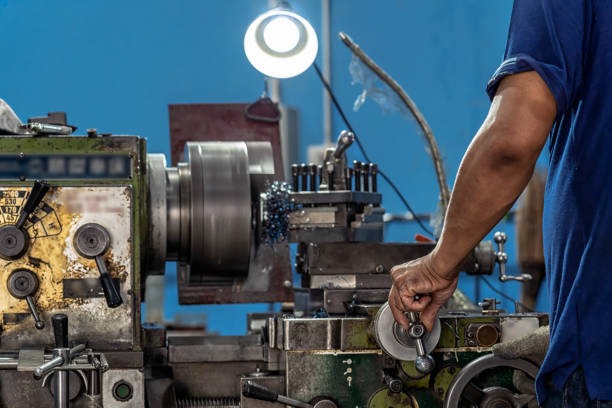
Milling is a machining process that is made in a manual operation where the movement of the cutting device and the workpiece is controlled manually by the hand. In contrast to the CNC milling which is automated, manual milling requires skills of the operator to set the machine and the guide the tool.
In the case of manual milling, the operator moves the work piece over the bed of the machine while the cutting tool rotates to remove the material. The operator has manual control over the feed rate, cutting depth, and tool changes which allows for accuracy of cuts without attention from the operator.
Manual milling is a representative method for small series, repair work, or special components that do not benefit from the automation of CNC machines. It’s effective for ordinary tasks, and flexibility begins to play its part, but with an expert operator for the best outcome.
Pros of Manual Milling
1. Cost-Effective for Small Runs: Manual milling machines are also cheaper to purchase as compared to CNC machines. Therefore, it is good for small production runs or one-off parts.
2. Flexibility: You are in total control of the process. This makes it easy for you to make adjustments and customizations during production.
3. No Need for Programming: Unlike CNC Milling, there is no need to use complex programming. So, it is easier to initiate a project without software.
4. Skill Development: Working on a manual mill improves machining abilities and understanding of the machining process, which is beneficial for hands-on engineers.
Cons of Manual Milling
1. Slower Production Speed: Manual milling is more operator-dependent. Thus, it is slower compared to automated CNC milling, particularly for large quantities.
2. Higher Risk of Human Error: Since the operator inadvertently adjusts the machine leaves room for mistakes like wrong measurements or feed rates.
3. Limited Precision: Although manual mills can do it with precision, they are less accurate and are not as repeatable compared to CNC mills, especially for complex parts.
4. Labor-Intensive: Manual milling is a labor-intensive process. It requires constant monitoring and exertion on the part of the operator. It often leads to high labor costs and operator fatigue on production runs that are extensive in their duration.
When To Choose Manual Milling?
● Use manual milling for low-volume production runs or individual custom parts that are not worth the price of a CNC machine.
● Go for manual milling when using simple designs that do not require complex shapes and high precision.
● Use manual milling if you need quick adjustments or tweaks during production because it lets you have direct control.
● If you have fewer resources or budgetary restrictions, manual milling can be a cheaper alternative to basic machining functions.
● Select manual milling for repairs or small projects that do not require massive amounts of incredibly detailed parts.
● Manual milling is suitable for when you want to build or enhance hands-on machining skills or know more about the process.
● If the project is flexible and involves adjustment of settings or tools on the fly, manual milling provides more hand-on control as compared to automated systems.
Major Distinctions Between Manual Milling and CNC Milling
CNC milling and manual milling may appear the same, but the differences are enormous. They affect your efficiency, part quality, as well as your shop’s flow.
Let us look at these differences in simple terms. The machine that you select is dependent on your needs and speed of results required.
Automation vs. Manual Control
CNC mills are controlled by pre-programmed code, which means that the tool can work perfectly without a single mistake. The speed, feed, and depth are controlled automatically by the machine. After setting, you load parts and monitor.
Automation enables you to work more machines or longer production cycles. CNC offers precision and repeatability, which translates to close tolerances on all parts produced.
Manual milling is hands-on. With your hands, you regulate the speed, feed rate and depth of cut of the tool. Every adjustment requires your attention. It's slower but offers flexibility.
When being on manual control, you act immediately upon wear of tools and changes in the material. This gives the manual mills a viable use in custom work or parts that are produced only once. However, it’s labor-intensive.
Complexity of Operations
CNC milling performs well in intricate and elaborate components. Without complex contours to 3D shapes, CNC machines do it all. The machine can also switch tools automatically and perform complex movements.
You do not need to work on the workpiece physically. Rather, it is programmed in advance for a number of operations and, thus, is suitable for a high degree of precision.
It is better to use Manual mills for easier single step operations. You can provide corrections for more complex tasks but not so easy to lead to the same level of consistency as you would with the CNC.
Every movement must be thoughtfully positioned by the operator, and it becomes easier to introduce human error into the equation. Nonetheless, for standard components and prototypes, manual milling provides flexibility and low-set-up time.
Speed and Efficiency
When the machine is set up, it runs unsupervised, a faster turnaround time with minimal downtime. Multi-tasking operations provide higher production rates, hence, CNC is more appropriate for large batches.
Since the machine operates along pre-designed paths, materials wastage is low, and you save time too. When it comes to high-volume projects, CNC is the most productive technique.
Hand mills need scrutiny and operational skills. A single operation can be done, and this makes the process slow. It also has a longer time to set up each part.
However, depending on small volumes, hand milling is convenient for prototyping or repair work. You also make the cost of CNC programming for trivial tasks less expensive.
Cost of Operation
CNC machines are costly both to buy and to maintain. They need competent technicians for installation and programming. However, the cost per part is much lower with larger runs.
These long-term savings are achieved due to mass production, repetition, and waste reduction. The cost of operation reduces as efficiency increases, with fewer human errors.
Manual mills are cheaper up front and do not require complicated software or programming. However, the operator’s labor is more costly per part, and even more so for larger production volumes.
Manual mills are also economical for low-volume jobs, but not convenient for high-demand production jobs. For high precision or speed project, the cost associated with the overall project increases as there is slower output and a lot of human involvement.
Skill Level Required
Running a CNC mill presupposes knowledge of G-code programming and the setup of a machine. Although the machine is automated, the operator is required to know the system and the means of troubleshooting.
CNC operators should possess a good knowledge of CAD/CAM software, toolpath creation, and machine diagnostics in order to ensure they do not make mistakes. The skill set to acquire is very niche.
A lower level of technical training is needed for manual milling than CNC. Operators should know how to use tools, change feeds, speeds, and how to measure the work piece. It is experience and not programming knowledge that makes a manual mill operator efficient.
For new machinists or a small shop, manual mills are easier to train on. They are an excellent beginning to any machining skills, with a transition to more automated systems.
Table Summary: CNC Milling vs Manual Milling
Factors
CNC Milling
Manual Milling
Control
Computer-operated
Hand-operated
Precision
Very high
Depends on operator
Speed
Fast and consistent
Slower, needs attention
Complexity
Handles complex shapes easily
Best for simple shapes
Setup
Needs programming
Quick and simple
Labor
Less manual effort
Fully hands-on
Cost
High upfront, low per-part
Low setup cost
Best Use
Large runs, precise parts
Small jobs, custom fixes
Final Verdict
CNC and manual milling are vital operations in machining. Each technique has its strengths, which are unique depending on your needs. Automation, precision, and speed are brought by CNC milling. The manual milling is flexible, convenient, and hands-on.
If you are considering working with big batches or complex shapes, then CNC is the obvious choice. It eliminates human errors, boosts output, and can be replicated. In cases where the job entails less complexity, repairs, or for a short run, manual milling is still viable.
It all depends on a project, funds available and your skill level when it comes to the selection of the approach. Think about the volume, accuracy, and complexity that you need. Then match the most suitable milling process.
Taber Tester (Taber Abrasion Tester) is a key testing equipment widely used in the textile industry, mainly used to evaluate the abrasion resistance, pilling resistance and surface durability of fabrics. Its precise quantitative testing capability provides an important basis for textile quality control, product development and industry standard certification. The following are the main uses of Taber Tester in the textile industry:
1. Evaluate the wear resistance of fabrics
(1) Simulate real wear environment
The Taber tester simulates the wear of fabrics in daily wear, washing, friction and other environments by rotating friction.
It is suitable for all kinds of textiles, such as clothing fabrics (cotton, polyester, wool, etc.), home textiles (sheets, sofa covers), industrial fabrics (tents, canvas), etc.
(2) Quantifying the wear resistance level
The wear resistance level of the fabric is determined by calculating the mass loss (unit: mg) after a certain number of friction cycles or observing the degree of surface wear.
For example:
Highly wear-resistant fabrics (such as work clothes and military uniforms) need to withstand a higher number of cycles (such as 10,000 times) without obvious wear.
Low wear-resistant fabrics (such as silk and lace) may be significantly damaged after 1,000 friction cycles.
2. Test the anti-pilling performance
(1) Evaluate the changes in the fabric surface
During the friction process, the fabric surface may form pilling due to fiber breakage and entanglement, affecting the appearance and feel.
The Taber tester can be combined with standard ratings (such as ISO 12945-2, ASTM D4970) for anti-pilling testing.
(2) Optimize the textile process
Optimize product design by comparing the test results of different fiber compositions, weaving methods or finishing processes (such as anti-pilling additive treatment).
3. Testing the durability of special textiles
(1) Automotive interior materials
Seat fabrics, seat belts, car roofs, etc. need to withstand long-term friction. Taber testers can simulate the wear and tear after long-term use.
(2) Protective clothing and functional textiles
Fire suits, medical protective clothing, etc. need to maintain durability in extreme environments. Testing their wear resistance can ensure their service life.
(3) Carpets and decorative fabrics
Evaluate the degree of wear of carpets after long-term trampling and optimize fiber selection (such as nylon vs. polypropylene).
4. Comply with international testing standards
Taber testers are widely used in textile testing laboratories around the world and comply with many international standards, such as:
Material screening: Select the most cost-effective raw materials by comparing the wear resistance data of different fabrics.
Process improvement: such as adjusting yarn density and finishing process (such as resin treatment) to improve wear resistance.
Reduce return rate: Ensure that products meet industry standards and reduce customer complaints caused by quality problems.
Conclusion
The application of Taber tester in the textile industry covers abrasion resistance testing, anti-pilling evaluation, durability analysis of special textiles and other aspects, providing a scientific basis for product quality control, R&D optimization and industry certification. Its precise testing methods and wide standard applicability make it an indispensable equipment for textile enterprises, testing institutions and R&D centers.
With the data support of Taber tester, textile enterprises can improve product competitiveness, reduce quality risks and meet the needs of different markets.
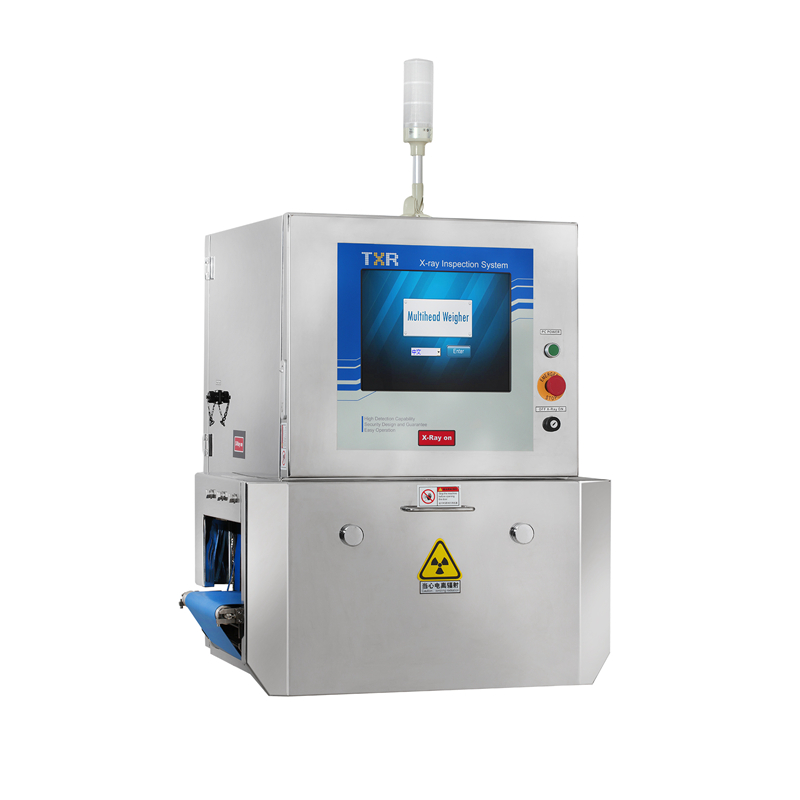
In today's global manufacturing landscape, ensuring product safety and quality is non-negotiable—especially for industries like food, pharmaceuticals, and chemicals. Foreign object contamination not only damages brand reputation but also poses severe risks to consumer health and compliance with international standards. Now, we'll introduce UUPAC's High-Precision X-Ray Detector, which is designed to solve these kinds of troubles for you.
Why X-Ray Detection Matters for Your Industry?
From food processing plants to pharmaceutical factories, the threat of foreign contaminants is omnipresent. Metal fragments, glass shards, stones, bones, or hard plastics can inadvertently enter products during manufacturing, leading to costly recalls, legal liabilities, and loss of customer trust.
UUPAC's High-Precision X-Ray Detectors are engineered to address these challenges head-on. Originally developed for medical safety, X-ray inspection technology has evolved into a cornerstone of industrial non-destructive testing, with applications spanning:
1. Food industry: Detecting contaminants in packaged foods, canned goods, and even delicate items like ham (where aluminum clamps and desiccants can be filtered out).
2. Pharmaceuticals: Ensuring drug purity by identifying foreign particles in tablets, capsules, or packaging.
3. Chemicals & materials: Inspecting raw materials and finished products for hidden defects.
4. General manufacturing: Supporting quality checks in footwear, wood processing, and more.
Key Features of UUPAC High-Precision X-Ray Detectors
1. Superior Image Processing: With up to 8 grades of image processing, the system adapts to diverse products, ensuring stable and accurate detection across varying shapes, sizes, and packaging types. Whether inspecting bulk items or small, intricate products, you’ll get consistent results.
2. Advanced Contamination Filtering: The detector intelligently shields non-threatening elements like edges, desiccants, canned food lids, and even aluminum clamps on sausages—eliminating false alarms and focusing on real threats.
3. Global Safety Compliance: X-ray leakage levels meet strict US FDA and European CE standards, ensuring operator safety and compliance with international trade regulations—a critical factor for cross-border manufacturers.
4. Durable Design: Equipped with air conditioning for stable operation and an IP66 rating, the detector withstands harsh industrial environments, including dust, moisture, and temperature fluctuations.
5. Easy Maintenance: Designed for hassle-free dismantling and cleaning, minimizing downtime and keeping your production line running efficiently.
Technical Specifications: Choose the Right Model for Your Needs
UUPAC offers a range of models to suit different production requirements, from compact setups to high-capacity lines. All models feature SUS304 food-grade stainless steel construction, a reject device with flash alarm, wired/USB data interfaces, and compliance with global safety standards.
At UUPAC, we specialize in intelligent manufacturing solutions—from combination weighing and packaging to conveying and detection. UUPAC's X-Ray Detectors are designed to integrate seamlessly with our existing equipment, creating a fully automated workflow:
Pair with our multihead weighers for precise portioning followed by contaminant checks.
Connect to smart packaging lines to ensure sealed products are free of defects.
Sync with conveyor systems for continuous, high-speed inspection without bottlenecks.
This integration not only enhances efficiency but also reduces manual intervention, lowering the risk of human error and ensuring consistent quality across your production chain.
Why Choose UUPAC for Your X-Ray Detection Needs?
For equipment buyers, reliability, compliance, and after-sales support are paramount. UUPAC's High-Precision X-Ray Detectors deliver on all fronts:
1. Global Compliance: Meets FDA and CE standards, simplifying market access in North America, Europe, and beyond.
2. Proven Performance: Trusted by manufacturers in food, pharmaceuticals, and chemicals for its accuracy and durability.
3. Easy Maintenance: IP66 rating and detachable components make cleaning and upkeep straightforward, even in demanding environments.
4. Customizable Solutions: With a range of models, we can tailor the detector to your specific production line size and throughput.
Don't let foreign object contamination compromise your products or brand. UUPAC's High-Precision X-Ray Detector offers the precision, safety, and integration capabilities modern manufacturers need to stay ahead. Ready to elevate your quality control? Please contact us for more information.
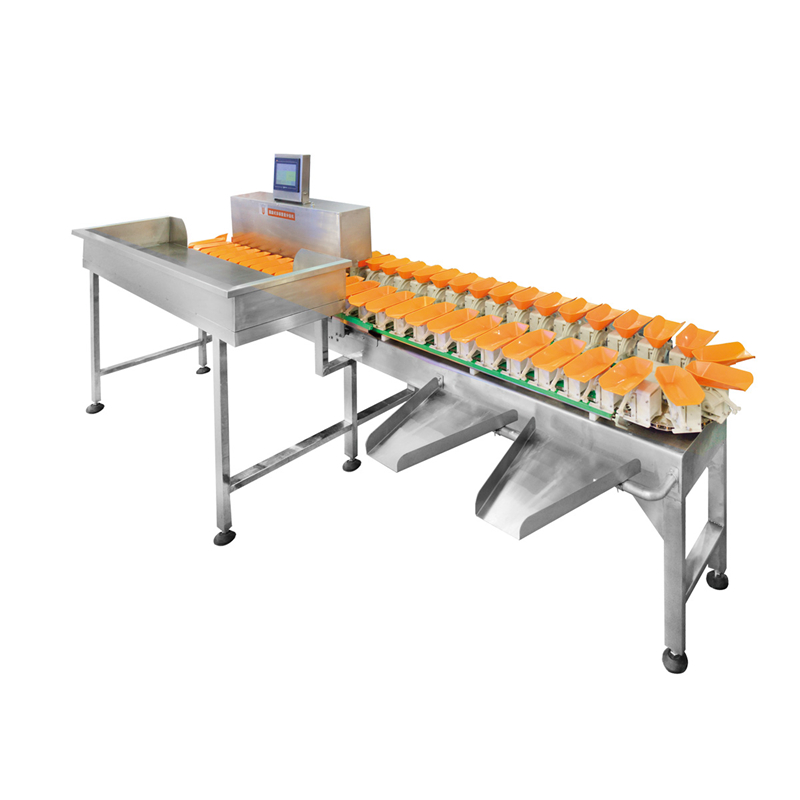
In the realms of food processing, seafood handling, and agricultural product distribution, precise weight grading of products is a cornerstone of quality control, pricing accuracy, and customer satisfaction. Whether you’re sorting chicken wings for consistent packaging, grading lobsters by size for restaurant suppliers, or categorizing fruits to meet market standards, having a reliable, efficient sorting solution is non-negotiable. The UUPAC's Carousel Multi-Weight Sorting Machine is designed to streamline weight-based classification for a wide range of products, delivering speed, accuracy, and versatility to your production line.
What Is the UUPAC Carousel Multi-Weight Sorting Machine?
The UUPAC Carousel Multi-Weight Sorting Machine is a high-performance automated system engineered to sort products of varying weights into predefined categories. Built to handle diverse items regardless of shape, it caters to industries such as poultry processing, seafood, agriculture, and even herbal medicine. With a weight capacity of up to 500g and the ability to sort into 1-14 grades (customizable), this machine is ideal for products with dimensions up to 12×18 cm, making it a versatile workhorse for small to medium-sized items.
What sets this sorting machine apart is its blend of advanced technology and user-centric design. Here are its standout features, tailored to meet the demands of modern production lines:
1. High Efficiency & Cost Savings
Equipped with a high-speed motor and precision digital load cell, the machine sorts up to 300 items per minute with accuracy ranging from ±0.3g to ±3g. This automation eliminates manual sorting, slashing labor costs while boosting production efficiency.
2. Robust Data Management & Reporting
Real-Time Insights: Generate live Excel reports to track single or total weights of discharged products, giving you full visibility of production status.
Long-Term Storage: A USB port stores over a year of data for compliance, audits, or performance analysis.
Seamless Integration: Standard interfaces allow connection to PCs or smart devices, enabling centralized control of multiple machines via a single PC/HMI.
3. Durable & Low-Maintenance Design
Waterproof Construction: Resists corrosion from seawater and cleaning agents, making it ideal for seafood processing environments.
Engineering Plastic Net Chain: Extends conveyor lifespan and eliminates the need for frequent maintenance, reducing downtime.
4. User-Friendly Operation
Intuitive Interface: A 7-inch color touchscreen with smart, humanized design simplifies setup and monitoring.
Quick Product Switching: Store multiple sorting formulas to instantly adapt to different product specifications—no time-consuming reconfiguration needed.
Speed Control: Adjust conveyor speed via frequency conversion to match your production needs.
5. Versatility & Customization
The machine handles an impressive range of products, including:
Poultry (chicken legs, wings, meat)
Seafood (crabs, lobsters, abalone, small fish, shrimp)
Fruits (apples, mangoes)
Chinese medicinal herbs
Need more sorting grades? UUPAC offers customization to match your unique requirements (1-14 grades available).
Who Can Benefit from UUPAC's Multi-Weight Sorting Machine?
If you operate in any of the following sectors, the UUPAC Carousel Multi-Weight Sorting Machine is a must-have investment:
Poultry processors seeking consistent portioning for retail or foodservice.
Seafood distributors needing to grade lobsters, crabs, or abalone by size for premium pricing.
Fruit and vegetable growers/packers aiming to standardize produce quality for market.
Herbal medicine manufacturers requiring precise weight sorting for formulation accuracy.
The UUPAC High-Speed Carousel Multi-Weight Sorting Machine isn't just a piece of equipment—it's a solution to streamline operations, reduce costs, and ensure product consistency. With flexible shipping from Shanghai, Ningbo, or Guangzhou, and support for custom configurations, it's designed to adapt to your business needs. Contact us today to learn how this machine can improve your sorting process efficiency and drive your business forward.
For manufacturers handling powders—whether protein supplements, pharmaceutical blends, or industrial additives—one packaging misstep can lead to bigger problems: dosing inaccuracies, wasted raw materials, or production bottlenecks.
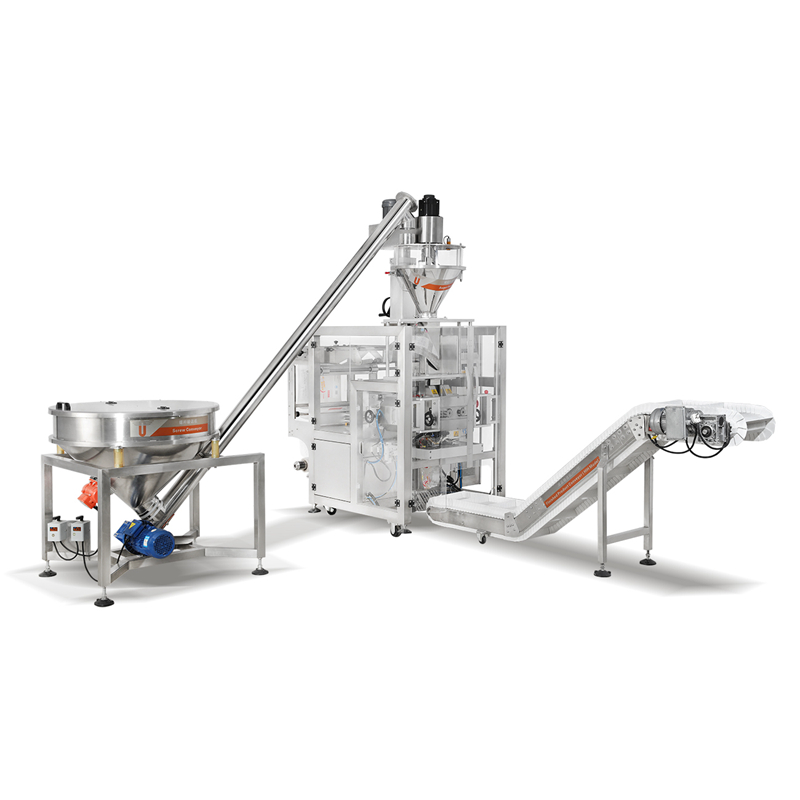
Engineered to overcome these challenges, UUPAC's Fully Automatic Intelligent Powder Weighing & Packing Machine delivers smart, adaptive automation. It precisely tailors its operation to your powder type and production goals, ensuring streamlined efficiency and unwavering precision. Discover how it works.
Powdered products present unique challenges in the packaging process: uneven flow, dust formation, and the need for precise dosage control, to name a few. Manual or semi-automatic systems often struggle with these issues, leading to:
1. Inconsistent fill weights that risk non-compliance with industry standards.
2. Wasted materials due to overfilling or spillage.
3. Slow production speeds that bottleneck your entire line.
4. High labor costs and increased risk of human error.
UUPAC's Fully Automatic Intelligent Powder Weighing & Packing Machine addresses these pain points head-on. By integrating cutting-edge automation technology, it delivers a seamless, high-performance solution that adapts to diverse powder types and production demands—making it an essential investment for modern manufacturers.
Versatile Applications: Covering Your Powder Packaging Needs
Whether you're handling fine food powders or industrial-grade chemicals, this system ensures reliable results:
1. Food & Beverage: Ideal for flour, milk powder, cocoa powder, sugar, solid beverages, and seasoning spices—meeting strict food safety standards with hygienic design.
2. Pharmaceuticals & Veterinary Products: Precise weighing and packaging of powdered medicines, veterinary drugs, and nutritional supplements, where accuracy is critical for dosage control.
3. Industrial & Chemicals: Handles toner powder, pesticides, dyes, and chemical additives, with robust construction to withstand harsh materials.
4. Construction Materials: Efficiently packages powdered construction materials, ensuring consistent fill weights for bulk shipments.
5. Beyond Powders: The system isn’t limited to powders alone. It also excels at packaging granular, flaky, stick-shaped, or irregular products such as snacks, pet food, hardware, and plastics—adding even more value to your production line.
Key Features: Precision, Efficiency, and Reliability
UUPAC's Fully Automatic Intelligent Powder Weighing & Packing Machine is engineered with industrial needs in mind, boasting features that set it apart from conventional equipment:
1. Advanced Automation System: The entire system integrates a fully-automatic Vertical Form Fill Seal (VFFS) machine, screw conveyor, and auger filter. Powered by a servomotor-driven screw, it ensures accurate positioning, high precision, and adjustable speed—adapting to different powder densities with ease.
2. Superior Design & Build: From its sleek, durable silver exterior to its optimized sealing and film conveying mechanisms, every detail is crafted for performance. The electrical components are carefully selected for reliability, ensuring stable operation even in high-volume production.
3. Smart Waste Reduction: Equipped with an automatic checking function, the machine detects if a bag is unopened or partially opened—and stops feeding or heat-sealing immediately. This minimizes material waste and reduces production costs.
4. Easy Maintenance & Hygiene: The screw is precision-machined for accurate measurement, while the storage silo is designed for easy cleaning—critical for industries like food and pharmaceuticals where hygiene is paramount. Low failure rates mean less downtime and more productivity.
5. International Technological Standards: Built to meet advanced global technology levels, the machine delivers consistent performance that aligns with international manufacturing norms—giving you confidence in cross-border operations.
For foreign equipment buyers, choosing the right packaging solution means prioritizing reliability, compliance, and long-term value. UUPAC's machine checks all these boxes:
1. Global Compatibility: With a ready-in-stock inventory and shipping from major ports (Shanghai, Ningbo, Guangzhou), it ensures quick delivery to international markets.
2. Cost-Effective: MOQ of 1 unit makes it accessible for small to large-scale operations, while its efficiency reduces long-term labor and material costs.
3. Trusted Performance: Designed by a high-tech manufacturer specializing in intelligent weighing, packaging, and automation systems, UUPAC’s machine is backed by expertise in industrial integration.
Contact our team today to discuss your specific powder types, production volume, and packaging requirements. Let’s tailor a solution that fits your line perfectly.
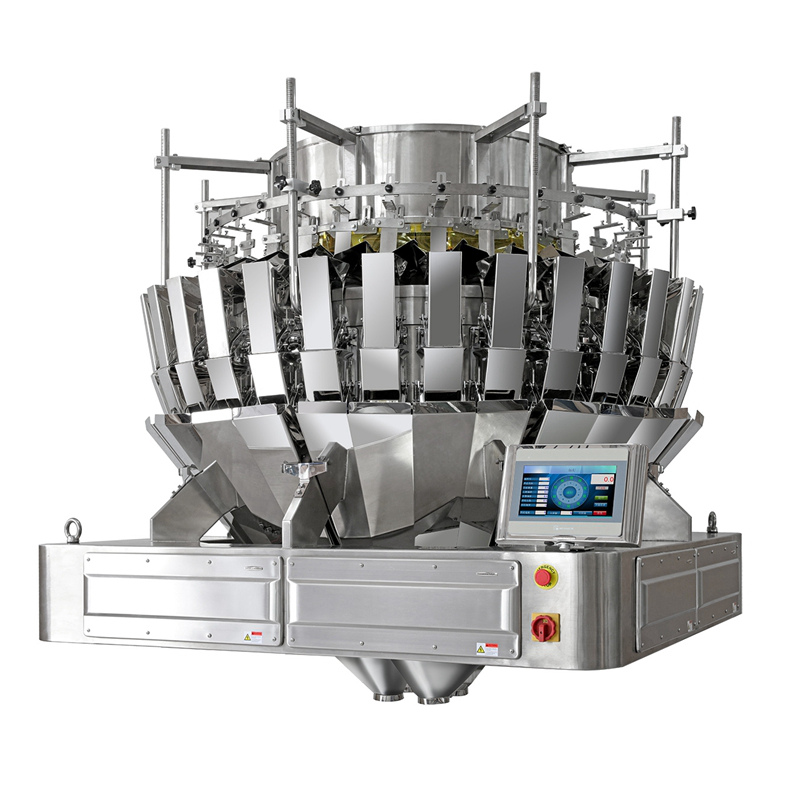
In the fast-paced world of food and consumer goods production, the demand for efficient, accurate, and versatile weighing solutions has never been higher. Especially when it comes to mixed products—from trail mixes and breakfast cereals to confectionery assortments—manufacturers face the unique challenge of handling multiple ingredients while maintaining precision and speed. That's where UUPAC's High-Speed Mixing 32-Head Combination Weigher comes into play. It's designed to elevate your mixed product packaging line.
Why Choose a 32-Head Combination Weigher for Mixed Products?
Mixed products, such as oatmeal blends, mixed nuts, or snack assortments, require a weighing system that can handle multiple ingredients simultaneously without compromising on accuracy or throughput. Traditional single-head weighers or manual weighing methods fall short in this scenario, often leading to inconsistent portioning, slower production rates, and increased product waste.
UUPAC's 32-Head Combination Weigher is engineered specifically to solve these challenges. It’s the ideal solution for businesses looking to streamline their mixed product packaging process. Whether you’re handling 2-in-1, 3-in-1, 4-in-1, or even 5-in-1 ingredient blends, this weigher delivers unmatched performance.
Key Features of UUPAC's 32-Head Weigher for Mixed Ingredient Blends
1. Multi-Product Mixing Capability: Supports up to 5-in-1 product mixing, making it perfect for a wide range of blended products. Whether you're combining different nuts, grains, or candies, this weigher handles it all with ease.
2. High-Precision Load Cells: Equipped with special high-precision load cells that deliver accuracy within ±0.1g, even when handling small doses (5-250g per hopper for the TY-A-M/P32-5 model). This level of precision is critical for maintaining product quality and meeting regulatory standards.
3. High-Speed Stagger Dump Function: Boosts throughput with its efficient dumping mechanism, ensuring that your production line keeps up with high-demand schedules. The max weighing speed for mixed products reaches an impressive 60 packs per minute, significantly increasing your overall productivity.
4. Modular & CAN Bus Technology: Enhances operational efficiency and stability. The modular design simplifies maintenance and upgrades, while CAN bus technology ensures seamless communication between components, reducing downtime and improving reliability.
5. Dual-Product Upper Storage Funnel: The upper storage funnel is divided to handle two different products simultaneously, streamlining the mixing process and reducing the need for additional equipment.
6. Independent Main Vibrator: Allows precise control over the thickness of product flow, ensuring that each ingredient is fed into the weighing hoppers at the optimal rate—critical for preventing jams and maintaining consistency.
7. Sturdy & Stable Construction: The integral machine frame and cabinet provide exceptional stability, minimizing mechanical vibration and further enhancing weighing accuracy.
Ideal Applications for UUPAC's 32-Head Combination Weigher
This 32-head combination weigher is a versatile workhorse, perfect for a range of mixed products across industries:
2. Confectionery: Mixed candies, chocolate assortments, and gummy combinations.
3. Pet Food: Small-batch mixed pet treats with precise ingredient portions.
Its ability to handle products with good fluidity makes it a go-to solution for manufacturers looking to expand their mixed product offerings without sacrificing efficiency.
Why choose UUPAC's 32-Head Combination Weigher?
UUPAC has a reputation for delivering innovative, reliable automation solutions for the packaging industry. Our 32-Head Combination Weigher is the result of years of research and development, designed to address the unique challenges of mixed product weighing. With features that prioritize accuracy, speed, and flexibility, it's more than just a machine—it's an investment in your production line's efficiency and profitability.
Ready to take your mixed product packaging to the next level? Contact us today to learn how UUPAC's 32-Head Combination Weigher can integrate seamlessly into your existing setup and help you meet your production goals.
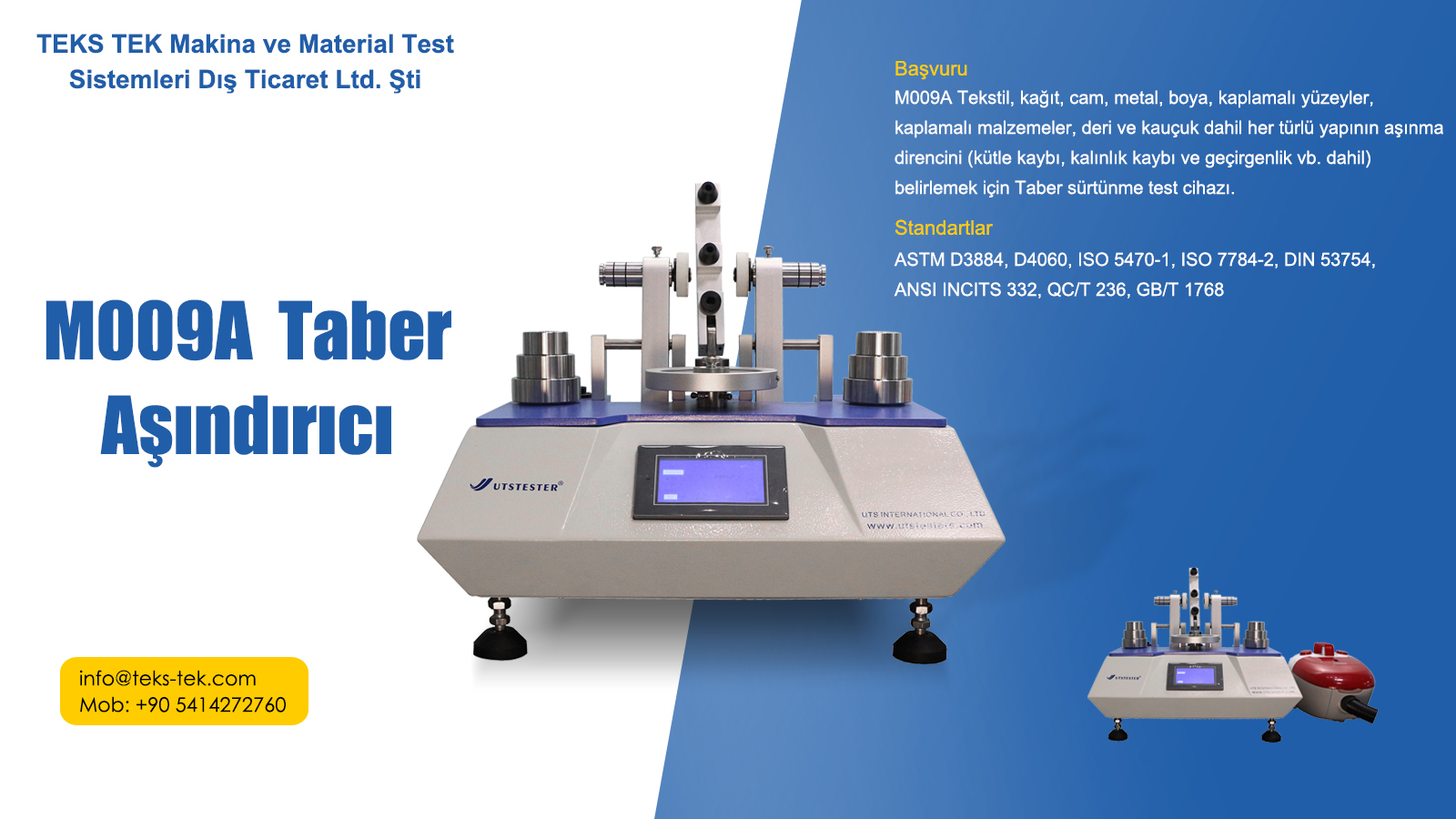
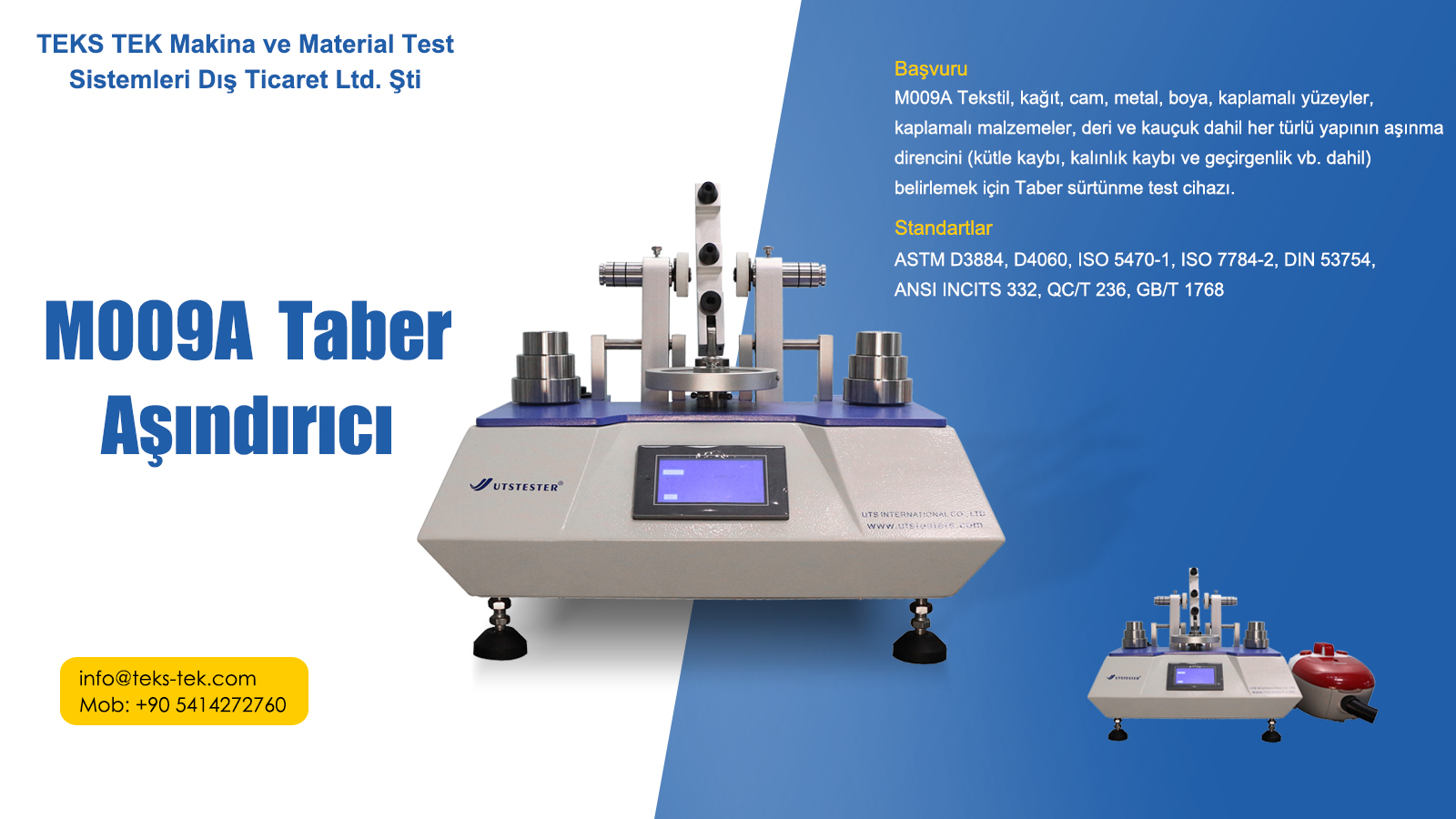
Taber Abraser is an instrument widely used to test the wear resistance of material surfaces. It evaluates the durability of materials by simulating the friction and wear in actual use. Its main application areas include:
1. Paint and coating industry
Test purpose: evaluate the wear resistance of coatings such as paint, varnish, and electroplating.
Application scenarios: automotive coatings, furniture surface treatment, industrial anti-corrosion coatings, etc., to ensure that the product is not easy to wear or fall off during long-term use.
2. Plastic and rubber products
Test purpose: determine the scratch resistance and wear resistance of materials such as plastic films and rubber parts.
Application scenarios: packaging materials, tires, seals, etc., to optimize material formulations to increase service life.
3. Textiles and leather
Test purpose: Test the wear resistance of fabrics and leather, and simulate the friction loss in daily use.
Application scenarios: Clothing, footwear, furniture fabrics, etc., to ensure that the products are durable.
4. Paper and printing industry
Test purpose: Evaluate the wear resistance of printed materials (such as labels, wrapping paper) to prevent ink from falling off.
Application scenarios: Product packaging, book covers, etc., to ensure the long-lasting printing quality.
5. Electronic equipment
Test purpose: Test the scratch resistance of the surface of electronic components such as mobile phone screens and keyboards.
Application scenarios: Quality control of consumer electronic products and improve user experience.
6. Building materials and flooring materials
Test purpose: Evaluate the wear resistance of materials such as tiles, wood floors, carpets, etc.
Application scenarios: Material selection in the construction industry to ensure that the materials are suitable for use in high-traffic areas.
7. Automotive industry
Test purpose: Test the wear resistance of interior materials (such as dashboards and seat fabrics).
Application scenarios: Improve vehicle durability and aesthetics.
8. Research and development
Test purpose: Provide wear resistance data support for the research and development of new materials.
Application scenarios: Colleges and universities, laboratories and corporate R&D departments to optimize material performance.
Test Principle
The Taber friction tester rotates the specimen into contact with a friction wheel (such as a rubber wheel or a grinding wheel) and applies a specific load. After a certain number of frictions, the wear resistance is quantified by observing the degree of wear on the specimen surface (such as mass loss, gloss change, or scratch depth).
Advantages
Standardization: Complies with international standards such as ASTM D4060 and ISO 9352.
Repeatability: Provides consistent test conditions for easy comparison of results.
Versatility: Can be adapted to different friction wheels and loads to simulate a variety of wear scenarios.
Notes
(1) Choose the appropriate friction wheel and test parameters according to the material type.
(2) The instrument needs to be calibrated before testing to ensure data accuracy.
The application of Taber friction tester helps various industries to predict the wear resistance of materials in advance during product design and quality control, thereby reducing the failure rate in actual use and improving product reliability.
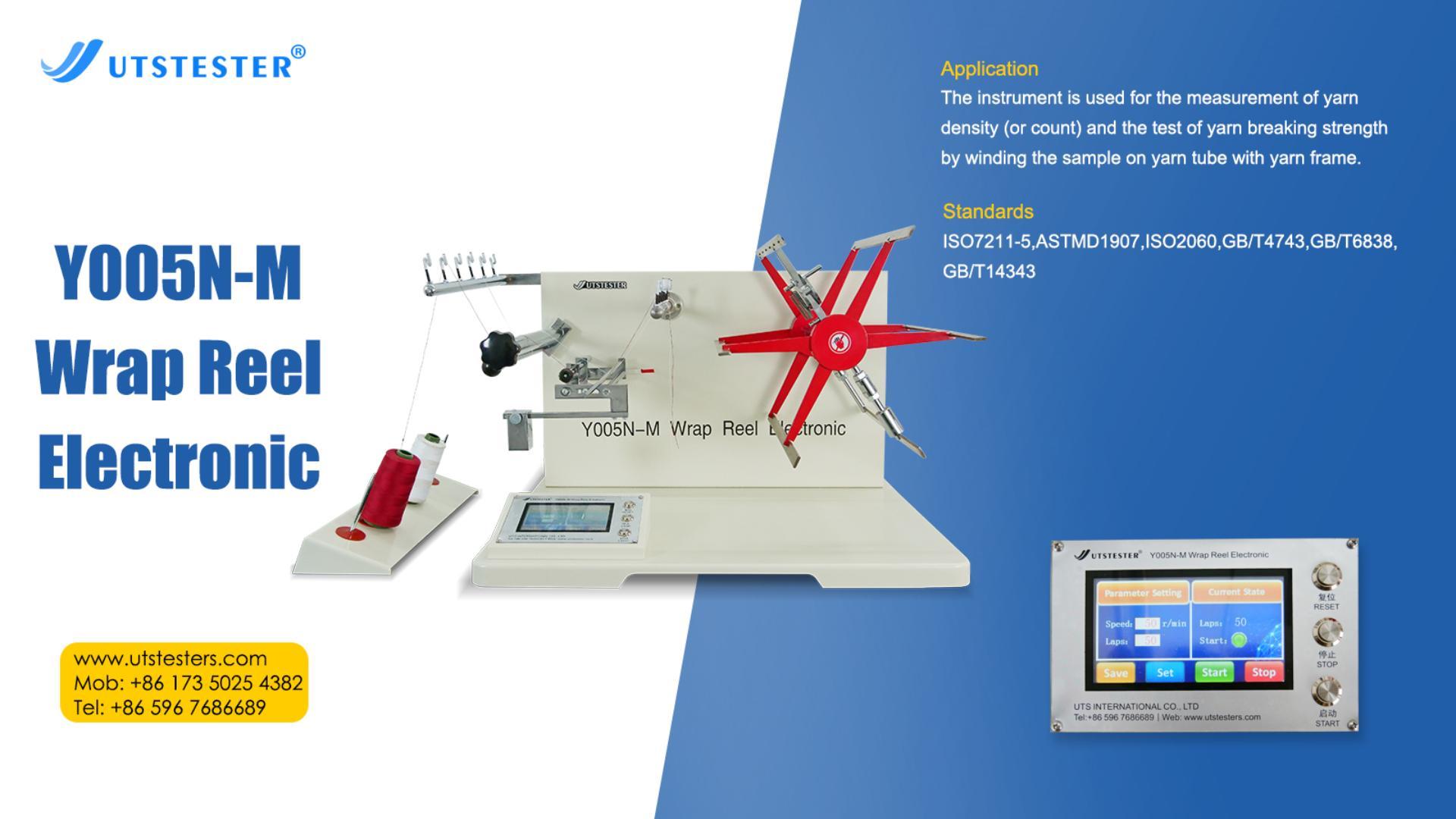
The yarn length measuring instrument is a key device used in the textile industry to accurately measure the length of yarn. It is widely used in yarn production, quality inspection and research and development. The following is its standard operating procedures and precautions:
I. Preparation
1. Equipment inspection
(1) Confirm that the instrument is placed horizontally to avoid vibration or tilt affecting the accuracy.
(2) Check whether the yarn guide wheel, tension device, counter and other components are clean and free of wear.
(3) Calibrate the instrument (refer to the manufacturer's manual) to ensure that the measurement error is within the allowable range (usually ≤±0.5%).
2. Environmental requirements
Temperature: 20±2℃, humidity: 65±5% (avoid moisture absorption or drying of the yarn causing length changes).
3. Yarn sample
The sampling must comply with the standard (such as GB/T 4743), remove the surface hairiness or knots, and avoid affecting the tension.
II. Operation steps
1. Sample loading
(1) Fix the yarn tube on the unwinding frame, and lead the yarn through the yarn guide hook and tensioner in turn (set the tension according to the yarn type, such as 0.5±0.1cN/tex for cotton yarn).
(2) Make sure that the yarn is not entangled or twisted, and the end is fixed on the clamp of the winding arm.
2. Parameter setting
Preset length: Enter the target measurement length (such as 100 meters). Some instruments need to set the number of winding turns (circumference × number of turns = target length).
Speed adjustment: Select a low speed (such as 30m/min) to reduce tension fluctuations. High-count yarn or fragile yarn needs to be further reduced.
3. Start the measurement
(1) Press the start button, the instrument will automatically wind the yarn and count.
(2) Observe whether the yarn tension is stable. If the yarn breaks or slips, pause and adjust immediately.
4. Data recording
After reaching the set length, the instrument automatically stops and records the actual length on the display (such as 100.2 meters).
Repeat the measurement 3-5 times to get the average value to improve accuracy.
5. End the operation
Cut the yarn, remove the sample, and clean the residual fiber in the instrument.
III. Notes
1. Tension control
Too much tension will cause the yarn to stretch, and too little tension will cause the yarn to be loose. It needs to be adjusted according to the yarn material (such as chemical fiber/natural fiber).
2. Abnormal handling
(1) If the length deviation is greater than 1%, check the calibration of the tensioner or whether the yarn is slipping.
(2) Regularly verify the accuracy of the instrument with a standard yarn sample (e.g. calibrate after every 50 measurements).
3. Maintenance
Clean the yarn guide parts daily, lubricate the moving joints monthly, and have a comprehensive inspection by professionals every year.
IV. Application examples
Quality control: Measure the difference between the actual length of the yarn and the nominal length, and calculate the weight deviation per 100 meters.
Process adjustment: Evaluate the winding uniformity of the winder through multiple measurements.