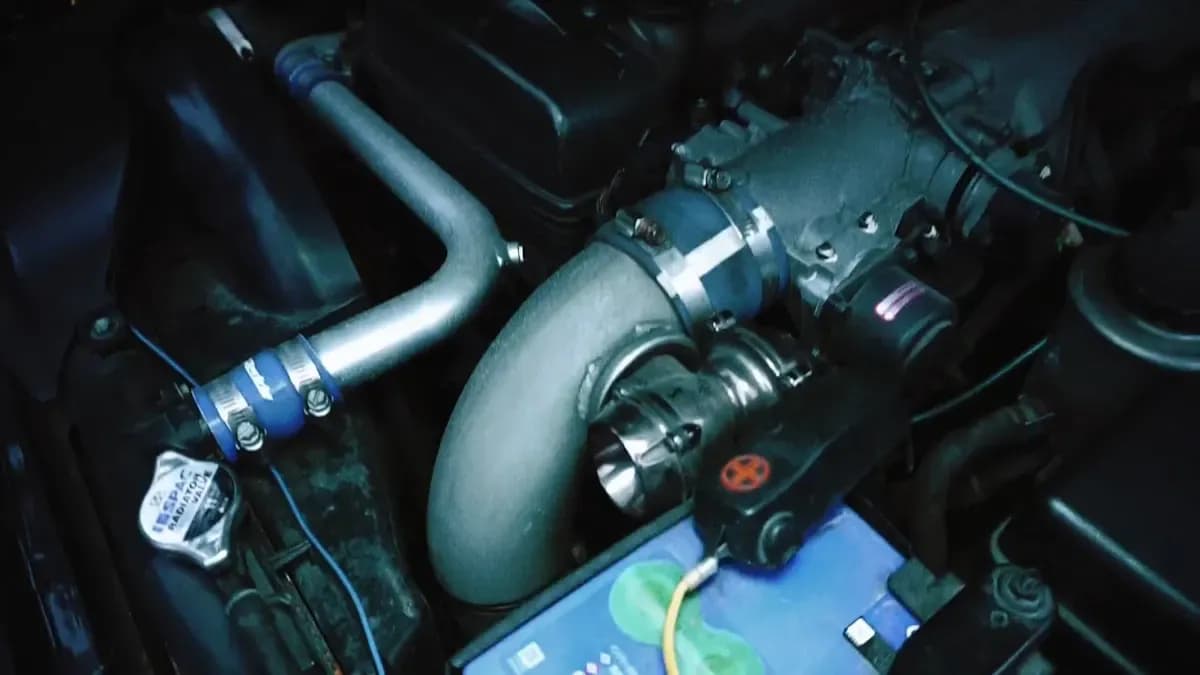
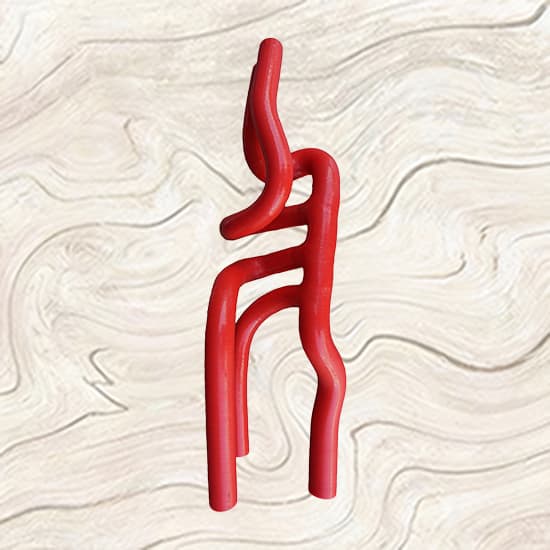
2026 Guide to Automotive Silicone Hose vs Rubber Hose

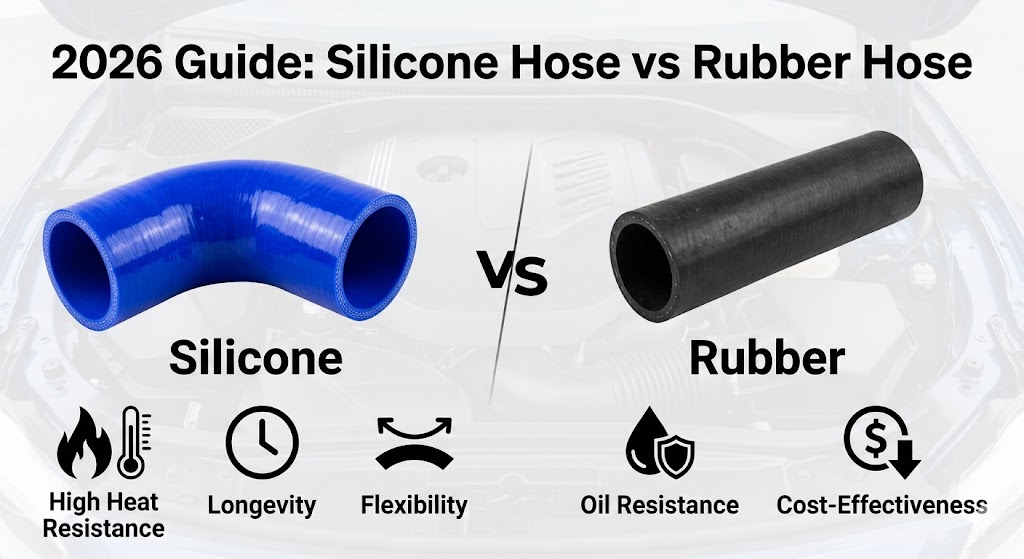
Quick Comparison: Silicone vs Rubber Hoses

Silicone vs Rubber Hoses


Durability

You want a hose that lasts. Silicone hoses, especially those from Rainbow, deliver exceptional durability. They resist cracking, hardening, and environmental damage. Rubber hoses wear out faster and often require replacement within five years. Rainbow silicone hoses maintain their integrity for over a decade, making them a smart investment.


Temperature and Oil Resistance

Silicone hoses handle extreme temperatures and oil exposure with ease. Rainbow’s silicone hoses withstand up to 180°C and down to -60°C. Rubber hoses struggle above 120°C and degrade when exposed to oil. You gain peace of mind with Rainbow, knowing your hoses perform reliably in harsh conditions.


Flexibility

Silicone hoses offer superior flexibility. You can bend and route Rainbow silicone hoses without kinking or collapsing. Rubber hoses provide moderate flexibility but lose shape over time. This flexibility makes installation easier and ensures consistent performance.


Cost

Rubber hoses cost less upfront. Silicone hoses, including Rainbow, require a higher initial investment. You save money in the long run because Rainbow hoses last longer and reduce replacement frequency.

Maintenance

You spend less time maintaining silicone hoses. Rainbow hoses resist aging, UV damage, and chemical breakdown. Rubber hoses need frequent inspections and replacements. Choosing Rainbow means fewer maintenance headaches and more time enjoying your vehicle.


Pros and Cons: Silicone vs Rubber Hoses

Silicone Hose Advantages

You gain significant benefits when you choose silicone hoses for your vehicle. Silicone hoses deliver improved performance in demanding environments. You experience enhanced durability, which means a reduced need for replacements over the life of your vehicle. Rainbow automotive silicone hoses set the standard for reliability and temperature resistance, making them ideal for performance enthusiasts. You notice that silicone hoses maintain flexibility and strength even after years of use. Their resistance to cracking, swelling, and chemical exposure ensures consistent performance. You also benefit from the vibrant color options that help with quick inspections and custom builds.

Tip: Rainbow silicone hoses offer unmatched performance for both daily drivers and high-performance vehicles.


Silicone Hose Disadvantages

You should consider the higher upfront cost of silicone hoses. Silicone hoses may not always fit perfectly in every application, especially if your vehicle uses custom or rare fittings. Some silicone hoses can absorb certain oils over time, which may affect performance in specific systems. You might also find that silicone hoses require special clamps to prevent leaks. For some vehicle owners, the initial investment in silicone hoses may seem steep, but the long-term benefits often outweigh the drawbacks.


Rubber Hose Advantages

You benefit from the lower initial cost of rubber hoses. Rubber hoses are widely available and easy to replace. Many vehicle owners appreciate the straightforward installation process. Rubber hoses work well for standard applications where extreme performance is not required. You can rely on rubber hoses for basic repairs and short-term solutions.


Rubber Hose Disadvantages

You face limited performance and a shorter lifespan with rubber hoses. Rubber hoses degrade quickly under high temperatures and exposure to engine fluids. You may encounter frequent replacements, which increases maintenance costs. Rubber hoses lack the flexibility and reliability of silicone hoses, especially in performance or high-stress environments. For performance enthusiasts, rubber hoses rarely deliver the improved performance or durability needed for demanding applications.


You get the best results with Rainbow silicone hoses.

  • You enjoy superior durability, temperature resistance, and long-term value.

  • You reduce maintenance and replacement costs.

    For most drivers, Rainbow silicone hoses outperform rubber. Choose rubber only if you need a quick, low-cost fix.


FAQ

How do Rainbow silicone hoses compare to rubber hoses for daily driving?

You get longer lifespan and fewer maintenance issues with Rainbow silicone hoses. Rubber hoses require frequent checks and replacements.


Can you use Rainbow silicone hoses in high-performance engines?

Rainbow silicone hoses handle extreme heat and pressure. You gain reliable performance for turbocharged and racing applications.


Are Rainbow silicone hoses worth the higher upfront cost?

Hose Type

Upfront Cost

Long-Term Value

Rainbow Silicone

Higher

Excellent

Rubber

Lower

Moderate

You save money over time with Rainbow silicone hoses due to fewer replacements.

Fuel Cell Silicone Hose Pros and Cons Explained Simply

Fuel Cell Silicone Hose Pros and Cons Explained Simply

I often get asked if a Fuel Cell Silicone Hose is a smart investment. I appreciate its heat resistance, flexibility, and durability. However, I know fuel permeability and cost can be drawbacks. I trust Rainbow for reliable quality, but I always consider my specific application before deciding.


Key Takeaways

  • Fuel Cell Silicone Hoses offer excellent heat resistance, making them ideal for environments with extreme temperature changes. This prevents unexpected failures in fuel cell systems.

  • Flexibility is a key advantage of silicone hoses. They bend easily, allowing for easier installation in tight spaces without kinking or collapsing.

  • While silicone hoses are durable, they can be more expensive than standard hoses. Always consider your budget and the specific needs of your application before making a choice.


Fuel Cell Silicone Hose Benefits

Fuel Cell Silicone Hose Benefits


Heat Resistance

I have seen how a Fuel Cell Silicone Hose stands up to extreme temperatures. When I work with fuel cell systems, I notice that heat can quickly damage standard rubber hoses. Silicone hoses, on the other hand, handle both high and low temperatures without losing their shape or strength. I often recommend them because they can withstand repeated heating and cooling cycles. This makes them ideal for environments where temperature changes happen often. I trust Rainbow hoses for their consistent performance in these demanding conditions.

Tip: If your fuel cell setup faces frequent temperature swings, silicone hoses can help prevent unexpected failures.


Flexibility

I value flexibility when I install hoses in tight engine bays or compact fuel cell systems. A Fuel Cell Silicone Hose bends easily without kinking or collapsing. This flexibility allows me to route hoses around obstacles and fit them into small spaces. I find installation much easier compared to rigid or stiff alternatives. Rainbow hoses, in particular, offer a smooth and pliable feel that speeds up my work and reduces frustration.

  • Easy to route in confined spaces

  • Maintains shape even when bent

  • Reduces installation time


Durability

Durability matters to me because I want components that last. I have used Fuel Cell Silicone Hoses that remain reliable after years of service. Silicone resists cracking, splitting, and hardening, even when exposed to harsh chemicals or UV light. I notice that Rainbow hoses keep their integrity longer than many generic brands. This durability means fewer replacements and less downtime for maintenance.


Impact Protection

I have seen hoses get bumped or knocked during routine checks or repairs. A Fuel Cell Silicone Hose absorbs impacts better than many other materials. The thick silicone walls cushion against accidental hits, which helps prevent leaks or ruptures. I appreciate this extra layer of protection, especially in busy workshops or mobile applications.

Note: While no hose is indestructible, silicone offers a good balance between flexibility and impact resistance.

I rely on Rainbow for hoses that combine all these benefits. Their products help me build safer and more reliable fuel cell systems.


Fuel Cell Silicone Hose Drawbacks

Fuel Permeability

I have noticed that a Fuel Cell Silicone Hose sometimes allows fuel molecules to seep through its walls. This permeability can lead to vapor loss or even fuel odors in the workspace. When I work with sensitive fuel cell systems, I pay close attention to this issue. Some fuels, especially those with aggressive chemicals, can pass through silicone more easily than through other materials. I always check the specifications and test the hose before installation. If I need to minimize fuel loss, I consider using a liner or selecting a hose with lower permeability.

Note: Careful selection is essential. Not every silicone hose suits every fuel type.


Brittleness Over Time

I have seen silicone hoses become brittle after years of exposure to heat, chemicals, and UV light. This brittleness can cause cracks or leaks, especially in older fuel cell systems. I inspect hoses regularly and replace them when I see signs of hardening or surface damage. Although silicone resists many environmental factors, it does not last forever. I recommend storing spare hoses away from direct sunlight and extreme temperatures to extend their lifespan.

  • Inspect hoses for stiffness or cracks

  • Replace hoses showing signs of brittleness

  • Store hoses in cool, dry places


Compatibility Issues

I always check compatibility before installing a Fuel Cell Silicone Hose. Some fuels and additives react with silicone, causing swelling, degradation, or leaks. I consult manufacturer charts and test samples when I work with new fuel blends. Compatibility issues can lead to system failures or safety hazards. I never assume that a silicone hose will work with every fuel. I rely on trusted brands and clear documentation to guide my choices.

Fuel Type

Silicone Hose Compatibility

Gasoline

Limited

Ethanol

Limited

Diesel

Moderate

Hydrogen

Good

Methanol

Limited

Tip: Always verify compatibility with your specific fuel before installation.


Cost

I have found that Fuel Cell Silicone Hose costs more than standard rubber or plastic hoses. The higher price reflects its advanced properties, but it can strain a project budget. I weigh the benefits against the expense when I plan a fuel cell system. Sometimes, I choose silicone for critical areas and use less expensive materials elsewhere. Mechanical strength can also be a concern. Silicone hoses may not handle high-pressure applications as well as reinforced alternatives. I balance cost, performance, and safety for each project.

  • Higher upfront cost

  • May require reinforcement for high-pressure use

  • Consider budget and application needs

Alert: Evaluate both cost and mechanical strength before making a final decision.

Choosing the Right Hose for Fuel Cells

Choosing the Right Hose for Fuel Cells

Application Needs

I always start by looking at the specific requirements of my project. I ask myself what type of fuel the system uses, what temperature range the hose must handle, and how much pressure it will face. I consider the space available for installation and whether the hose needs to bend around tight corners. When I choose a Fuel Cell Silicone Hose, I check if it matches the chemical compatibility and mechanical strength needed for the application. I never skip this step because the wrong hose can lead to leaks or system failures.

Tip: Write down your system’s fuel type, temperature range, and pressure before shopping for hoses.


Alternatives

I know that silicone is not the only option. Sometimes, I use fluorocarbon, PTFE, or reinforced rubber hoses. Each material has its own strengths and weaknesses. For example, PTFE hoses resist fuel permeability better than silicone, but they can be less flexible. Reinforced rubber works well for high-pressure systems, but it may not last as long in extreme heat. I compare these alternatives based on cost, durability, and compatibility with the fuel.

Hose Material

Flexibility

Heat Resistance

Fuel Permeability

Cost

Silicone

High

High

Moderate

Higher

PTFE

Moderate

High

Low

High

Reinforced Rubber

Moderate

Moderate

Low

Lower


Maintenance Tips

I make regular inspection a habit. I check hoses for cracks, stiffness, or discoloration every few months. I replace any hose that shows signs of wear. I also keep hoses clean and free from oil or debris. Proper storage extends hose life, so I store spares in a cool, dry place away from sunlight. These steps help me avoid unexpected failures and keep my fuel cell system running safely.

Alert: Regular maintenance prevents costly breakdowns and extends the life of your hoses.


I see clear benefits in using Fuel Cell Silicone Hoses: heat resistance, flexibility, and durability. Drawbacks include fuel permeability and higher cost. I choose Rainbow hoses for reliable performance. For most fuel cell projects, I recommend Rainbow silicone hoses if you need quality and long-term value.


FAQ

What makes Rainbow silicone hoses different from other brands?

I trust Rainbow hoses for their consistent quality. I notice they last longer and resist heat better than many generic options.

Can I use a silicone hose for all fuel types?

I always check compatibility charts. Some fuels, like gasoline or ethanol, can damage silicone. I recommend testing before installation.

How often should I replace my fuel cell silicone hose?

I inspect hoses every few months. If I see cracks, stiffness, or leaks, I replace them right away to avoid system failures.

Rainbow Manufacturing – Your Reliable Silicone Hose Partner

Rainbow Manufacturing is an IATF 16949 and ISO 9001 certified silicone hose manufacturer with over 15 years of experience in performance silicone hoses and molded components. We supply a wide range of products including silicone tubing, fuel cell hoses, and custom-molded parts for automotive, railway, healthcare, electronics, and agricultural machinery. Our commitment to quality and precision has made us a trusted name in the industry.

All our FDA-grade silicone hoses and braided versions are fully compliant with RoHS, REACH, LFGB, FDA 21 CFR 177.2600, and EC 1935/2004 standards. They are BPA-free, non-toxic, and safe for food contact applications. Additionally, our vehicle hoses — such as turbocharger, air intake, CAC, heater, and vacuum hoses — meet SAE J20, J30, and J2006 specifications, while our fire-rated options comply with EN45545 and UL94-V0 for railway use.

We also manufacture fuel cell silicone hoses and FKM-lined versions for fuel cell power systems, meeting FDA, REACH, and RoHS requirements. Whether you need fuel-resistant, high-temperature, wire-reinforced, or complex-shaped hoses, Rainbow Manufacturing welcomes custom silicone hose designs for any challenge. Visit www.rainbow-manufacturing.com to learn more or request a quote today.

Silicone Radiator Hose Secrets for Hot Motorcycles

You ride your motorcycle in tough conditions. Heat builds up fast, and you need parts that stand up to the challenge. A silicone radiator hose gives you strong heat resistance, lasting durability, and reliable performance. You can choose custom colors and shapes to match your bike and show your style. The right hose helps your engine stay cool and keeps your ride looking sharp.

Key Takeaways

  • Silicone radiator hoses withstand extreme temperatures up to 356°F, ensuring your engine stays cool even in tough conditions.
  • These hoses last significantly longer than rubber hoses, with a lifespan of 5 to 15 years, saving you money on replacements.
  • Custom-fit silicone hoses improve cooling efficiency and prevent leaks, enhancing your motorcycle's performance and reliability.
  • Regular maintenance, including inspections every few months, helps extend the life of your silicone hoses and keeps your cooling system in top shape.
  • Investing in high-quality silicone hoses from trusted brands ensures durability and performance, giving you peace of mind on every ride.

Silicone Radiator Hose Features

High Temperature Resistance

You need a radiator hose that can handle extreme heat. Silicone radiator hose stands out because it resists temperatures much higher than standard rubber hoses. You can see the difference in the table below:


Hose Material Max Temperature Best For Common Uses
Silicone 180°C (356°F) Extreme heat, performance, longevity Turbo/intercooler, coolant, heater, industrial steam
EPDM Rubber 120°C (248°F) Most automotive cooling/heating needs Radiator, heater, coolant hoses


Laboratory tests show that silicone radiator hose can withstand temperatures up to 356°F for long periods. You do not have to worry about softening or bursting. The hose keeps its shape and strength under pressures up to 174 PSI. After 1,000 hours of testing with coolant at high pressure, the hose showed no leaks or cracks. You can trust it to protect your engine from overheating.

RAINBOW’s hoses meet strict quality standards. The company holds ISO 9001 certification and complies with SAE J20 R4 Class A specifications. You get a product that passes tough industry tests.

Flexibility & Durability

You want a hose that bends easily and lasts for years. Silicone radiator hose uses 3-ply or 4-ply polyester reinforcement. This design gives you flexibility without kinking or splitting. Flexibility tests prove that the hose can bend over 100 times and still work perfectly.

You can expect a long lifespan. Most silicone radiator hoses last between 5 to 8 years under continuous high-temperature conditions. High-quality hoses, like those from RAINBOW, may last even longer. You save money and avoid frequent replacements.

RAINBOW offers custom fit options. You can choose hoses that match your motorcycle’s unique shape and size. You also get vibrant color choices, such as black, red, or blue. Your bike looks great and performs even better.

Chemical Compatibility

You need a hose that resists chemicals found in motorcycle cooling systems. Silicone radiator hose handles water, air, coolant, and small amounts of oil mist. Premium materials make the hose resistant to heat, pressure, and chemicals. These features help the hose deliver reliable performance.

You do not have to worry about leaks or damage from common fluids. The hose stays strong and keeps your engine safe. RAINBOW’s hoses are not recommended for oil, fuel, or power steering fluid, but they work perfectly for cooling applications.

Benefits for Hot Motorcycles

Preventing Overheating

You want your motorcycle to stay cool, even when you push it hard. A silicone radiator hose helps your engine avoid overheating in extreme conditions. The special silicone material keeps its shape and strength from -60°C to +230°C. It does not deform, even when your cooling system faces high pressure. This means your coolant flows smoothly, and your engine stays at the right temperature.

Here is a table that shows how silicone hoses protect your engine:

Feature Description
Extreme Temperature Performance Specially formulated silicone withstands continuous temperatures from -60°C to +230°C. Maintains flexibility and integrity in extreme riding conditions. Prevents hose deformation under high-pressure cooling systems.
Cooling System Advantages Superior heat dissipation properties. Reduced risk of coolant boiling and vapor lock. Maintains optimal engine temperature under heavy load. Prevents coolant loss and overheating issues.
Durability & Maintenance 5x longer service life compared to OEM rubber hoses. Resists ozone cracking and UV degradation. No more periodic hose replacements. Easy to clean and maintain.


Field tests prove the value of silicone hoses. For example, a 1968 Mustang GT/CS used silicone hoses during racing. The car kept its coolant and held safe temperatures for four hours, even with pressure spikes. Diesel generators with silicone hoses survived continuous exposure to 320°C and short bursts up to 350°C. The hoses did not swell or leak.

Longevity Under Stress

You need parts that last. Silicone radiator hoses resist cracking, swelling, and hardening, even after years of use. They do not break down from ozone, UV light, or chemicals. Riders who switch to silicone hoses often find that these hoses outlast the bike itself. One rider reported that after five years of heavy use, his hoses showed no cracks. In contrast, rubber hoses on his old bike failed every two years.

  • Silicone hoses resist thermal degradation and stay flexible over time.
  • They last much longer than rubber hoses, which often crack or harden.
  • Silicone hoses keep their shape and strength, even in high heat or under heavy engine stress.
  • You do not need to replace them as often, which saves you time and money.

In tough tests, silicone hoses handled temperatures from -65°F to 500°F. Rubber hoses softened and cracked, but silicone hoses stayed strong. They passed pressure tests up to 20 bar without bursting. This means you can trust your cooling system, even on long rides or in extreme heat.

Performance Boost

You want your motorcycle to run at its best. Silicone radiator hoses improve coolant flow and help your engine perform better. Their smooth inner surface reduces friction, so coolant moves quickly and evenly. This keeps your engine at the right temperature and protects it from damage.

  • Silicone hoses are flexible and durable, which helps your cooling system work efficiently.
  • They resist high temperatures, so they do not swell or block coolant flow.
  • Premium silicone hoses keep your engine safe by preventing leaks and maintaining steady coolant movement.

When you use a silicone radiator hose, you get better cooling, fewer breakdowns, and more reliable performance. Your engine stays cool, even when you ride hard or in hot weather. You spend less time on repairs and more time enjoying your motorcycle.

Silicone Radiator Hose vs. Other Materials

Silicone vs. Rubber

You want your motorcycle to perform well in every condition. Choosing the right hose makes a big difference. Silicone radiator hose stands out when compared to traditional rubber hoses. Look at the table below to see how these materials differ:

Property Silicone Hose EPDM Rubber Hose
Max Continuous Temp 350°F (177°C) 257°F (125°C)
Min Temperature -65°F (-54°C) -40°F (-40°C)
Typical Service Life 8–15+ years 3–7 years
UV / Ozone Resistance Excellent Moderate
Pressure Resistance High Moderate
Oil / Fuel Resistance Poor Good
Flexibility at Low Temp Remains flexible Stiffens / can crack
Typical Price (per foot) $5–$20 $1–$6
Color Options Wide Mostly black


You see that silicone hoses handle higher temperatures and last longer. They resist UV and ozone damage, so you do not need to worry about cracks or fading. Rubber hoses cost less at first, but you replace them more often. Over five years, silicone hoses save you money because you avoid frequent replacements and emergency repairs.

  • Silicone hoses last 10–15 years.
  • Rubber hoses need replacement every 3–5 years.
  • Fewer replacements mean lower maintenance costs.
  • You spend less on materials and labor.
  • Silicone vs. Reinforced Hoses

    You may wonder how silicone hoses compare to reinforced hoses made from EPDM rubber. Silicone hoses offer several advantages:

    • They withstand temperatures from -50°C to +220°C, while EPDM hoses only handle -40°C to +125°C.
    • Silicone resists wear, oil, grease, and chemicals better than EPDM.
    • You get excellent resistance to weather and UV light, so your hose stays strong in harsh environments.
    • Silicone hoses remain flexible and do not kink or collapse, even when your motorcycle vibrates or moves.

    You choose silicone hoses for durability and performance. They keep your cooling system reliable and efficient, even during tough rides. If you want a hose that lasts and looks great, silicone is the best choice.

    Choosing Silicone Radiator Hose

    Construction Quality

    You want a hose that lasts and performs well. Construction quality matters most. Look for hoses with strong reinforcement. Most high-quality hoses use 3-ply or 4-ply layers. These layers help the hose stay flexible and strong under pressure. Polyester is the most common reinforcement. Some hoses use fiberglass or meta-aramid for special needs.

    Fabric Reinforcement Characteristics
    Polyester Most common and affordable
    Fiberglass Higher temperature resistance
    Nomex® Specialized applications
    Meta-Aramid High-performance applications


    You should check for ISO 9001 certification and SAE J20 Class A compliance. These standards show that the hose meets strict quality and safety rules. Hoses with these certifications give you peace of mind.

    • 3-ply and 4-ply hoses are common.
    • Both types meet SAE J20 standards.
    • Extra plies may be needed for special uses.

      Fit & Compatibility

      You need a hose that fits your motorcycle perfectly. A good fit keeps your cooling system working well. Custom options help you match the hose to your bike’s shape and size. RAINBOW offers custom solutions. You can send your drawings or samples. Their team will make hoses that fit your exact needs.

      • Custom hoses improve cooling efficiency.
      • You can choose colors to match your bike.
      • A perfect fit prevents leaks and overheating.

        Brand Reputation

        You want to buy from a trusted brand. Brands like Samco Sport and Mishimoto have strong reputations for quality. RAINBOW stands out with ISO 9001 certification and custom solutions. You can trust these brands to deliver reliable hoses for your motorcycle.

        • Samco Sport is known for racing and performance.
        • Mishimoto specializes in cooling systems.
        • RAINBOW offers certified, custom-fit hoses.
  • Installation & Maintenance

    Installation Steps

    Installing a silicone radiator hose on your motorcycle helps you get the best cooling performance. You can follow these steps to make sure you do it right:

    1. Drain the Coolant: Place a drain pan under the radiator. Open the drain valve and let the coolant flow out. Remove the old hose completely. Check that no rubber pieces stay in the radiator necks.
    2. Inspect the Radiator Necks: Clean the surfaces where the hose connects. Use a clean rag to wipe away dirt or debris. A clean surface prevents leaks.
    3. Position the Silicone Hose: Slide the new silicone hose onto the radiator neck. Make sure the hose sits evenly and does not twist.
    4. Install the Clamps: Put stainless steel clamps over the hose ends. Do not tighten them yet.
    5. Connect the Cylinder Side: Move the hose to the cylinder head port. Gently wiggle the hose if needed to line up the ports.
    6. Final Clamp Tightening: Once both ends fit well, tighten the clamps. Use a torque wrench if you have one. Aim for 5-7 Nm. The hose should feel snug, not crushed.
    7. Refill and Bleed: Pour in fresh coolant. Start the engine and let it warm up. Check for leaks while the engine runs.
  • Maintenance Tips

    You want your silicone radiator hoses to last as long as possible. Regular checks help you spot problems early and keep your cooling system working well.

    • Inspect your hoses every few months for signs of wear, swelling, or cracks.
    • Replace silicone coolant hoses every 4 to 6 years, even if they look fine. High heat and pressure can weaken hoses over time.
    • Clean the hose surfaces with a damp cloth to remove dirt and oil.
    • Check clamps for tightness. Loose clamps can cause leaks.
    • Watch for coolant leaks around hose connections after long rides.

You want your motorcycle to stay cool and look great. Silicone radiator hoses give you strong heat resistance, long-lasting durability, and better performance. When you choose certified, custom-fit hoses like those from RAINBOW, you get:

  • Heat-resistant fibers that handle high temperatures and pressure
  • High-strength silicone that lasts longer than rubber hoses
  • Direct-fit designs for better fitment and style

Upgrade your cooling system for more reliability and a bold look on every ride.

FAQ

What makes silicone radiator hoses better than rubber hoses?

You get higher heat resistance and longer lifespan with silicone hoses. They resist cracking and fading from sunlight. Silicone hoses also come in many colors, so you can match your bike’s style.

Can I use silicone radiator hoses for all motorcycle fluids?

You should use silicone hoses for coolant, water, and air. They handle small amounts of oil mist. Do not use them for fuel, oil, or power steering fluid.

How do I know if a silicone hose fits my motorcycle?

Check your motorcycle’s model and measurements. Custom-fit options from brands like RAINBOW let you send drawings or samples. You get a hose that matches your bike perfectly.

How often should I replace silicone radiator hoses?

Inspect your hoses every few months. Replace them every 4 to 6 years, even if they look good. High heat and pressure can weaken hoses over time.

Do silicone radiator hoses improve engine performance?

You get smoother coolant flow and better heat management. This helps your engine stay cool and run more efficiently. Silicone hoses also reduce the risk of overheating.

If you want to get more details about us, plz click www.rainbow-manufacturing.com.

The Advantages of Custom Silicone Coolant Hoses

Need a hose that fits tight bends, handles vacuum pressure, and withstands tough working conditions? Custom silicone coolant hoses are the answer. They perform reliably in environments involving water-air coolant, boost pressure, and light oil mist, making them ideal for automotive engine compartments, large diesel trucks, off-road heavy equipment, and power generators. Plus, they meet the requirements of SAE J20 R4 specification.

What makes silicone the superior choice? Unlike traditional rubber coolant hoses, silicone coolant hose offers a much higher temperature rating, operating smoothly from -55°C up to 200°C. It retains flexibility over time and resists cracking, ozone attack, sunlight, and many chemicals. To add extra strength, these hoses are often built with 3-ply or 4-ply polyester reinforcement, with wall thickness options of 4.5mm and 5.0mm.

Best of all, every aspect of the silicone coolant hose can be tailored to your needs—diameter, shape, length, and color are all customizable. Whether you have a simple sketch or a physical sample, simply send it to us and we will create a custom coolant hose that fits your application perfectly. High-temperature rated options are also available upon request.

How Can an Automatic Profiling Machine Reduce Your Labor Costs?

In today’s stone processing industry, rising labor costs and increasing competition are forcing factories to rethink how they produce stone borders, countertop edges, tombstone profiles, stair noses, and decorative moldings. Traditional manual profiling methods are no longer enough for companies that want consistent quality, faster delivery, and scalable production.


This is where an automatic stone profiling machine becomes a game changer.

Whether you are producing granite countertop edges, marble decorative lines, cemetery stones, or customized architectural profiles, an automatic profiling machine can significantly reduce labor dependence while improving productivity and product consistency.


This article explains in detail how automatic profiling machines help stone factories lower operating costs, improve efficiency, and increase profitability.


What Is an Automatic Profiling Machine?

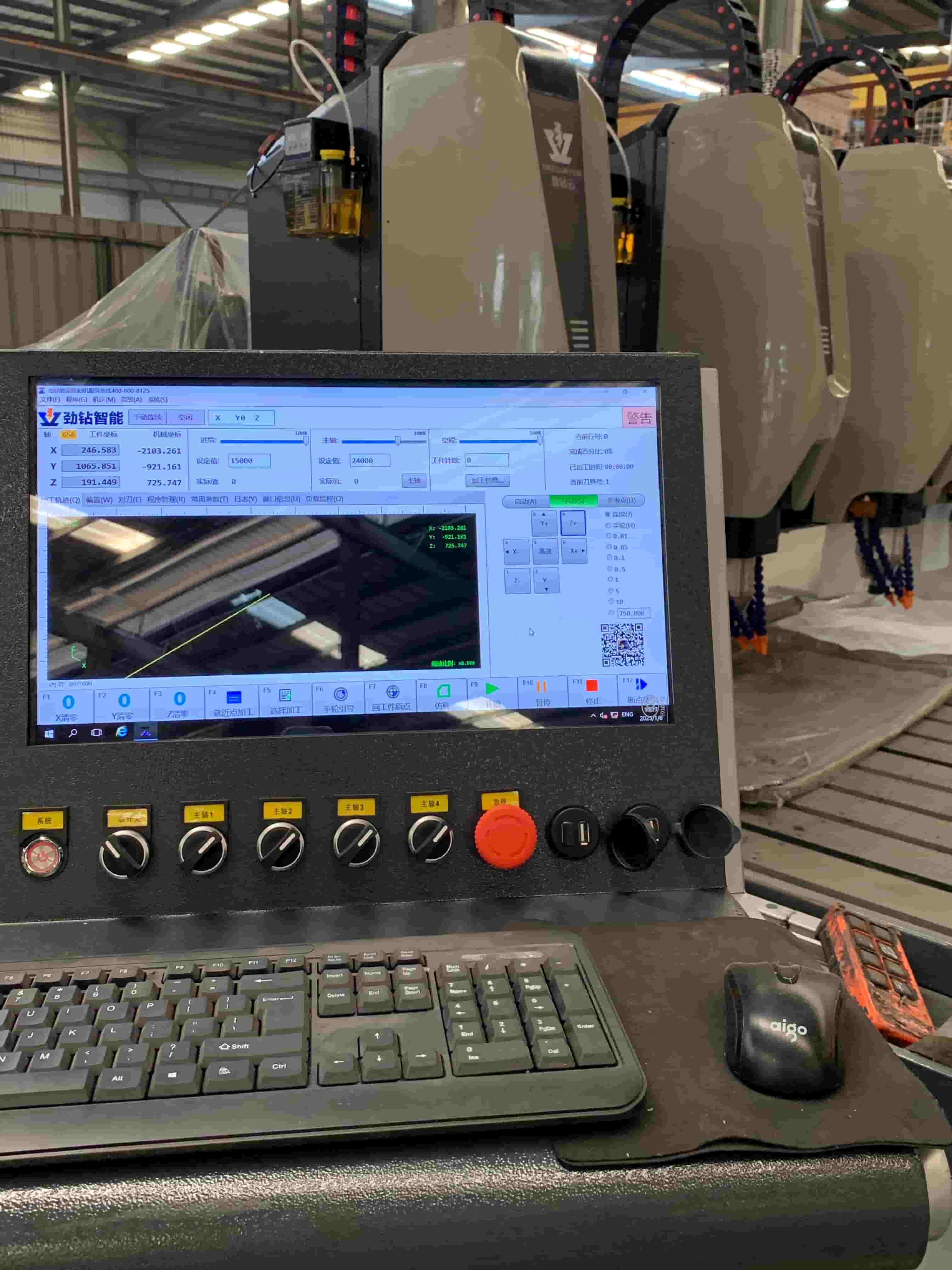
An Automatic CNC Profiling Machine is a stone processing machine designed to automatically shape, grind, and polish stone edges or surfaces according to preset templates or programmed paths.

These machines are widely used for:

  • Granite countertop edge profiling
  • Marble decorative molding production
  • Tombstone edge shaping
  • Stair edge processing
  • Sink edge fabrication
  • Curved stone line processing
  • Window sill and border production
  • Architectural stone decoration

Compared with manual edge grinding, automatic profiling machines use CNC control systems, precision guide rails, and stable spindle motors to perform continuous and repeatable processing with minimal operator intervention.
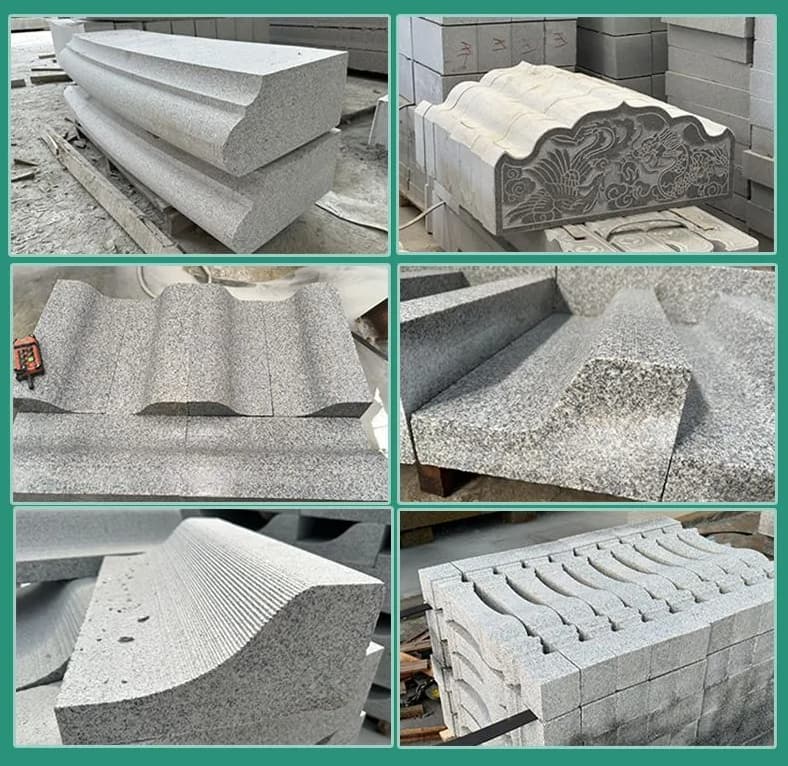
Automatic Stone Profiling Machine


Why Labor Costs Are Increasing in Stone Factories

Many stone factories still rely heavily on manual labor for profiling work. However, several industry challenges are making this increasingly expensive:

1. Skilled Workers Are Harder to Find

Experienced stone polishing and profiling workers require years of training. In many countries, younger workers are unwilling to enter dusty and physically demanding stone workshops.

Factories often face:

  • Labor shortages
  • High recruitment costs
  • Long training periods
  • Worker turnover problems


2. Manual Processing Is Slow

Traditional profiling usually involves:

  • Manual measurement
  • Repeated grinding
  • Multiple polishing steps
  • Frequent quality inspections

A skilled worker may complete only a limited number of profiles per day, especially for complex shapes.


3. Human Error Causes Material Waste

Inconsistent hand polishing can lead to:

  • Uneven edge shapes
  • Surface burn marks
  • Dimension deviations
  • Stone cracking

For expensive marble or quartz slabs, even a small mistake can result in significant losses.


How an Automatic Profiling Machine Reduces Labor Costs

1. One Operator Can Manage Multiple Machines

One of the biggest advantages of automation is labor reduction.

With a traditional manual setup: One worker often handles one processing station.

With an automatic profiling machine: One trained operator can supervise 2–4 machines simultaneously.

This directly reduces:

  • Worker salaries
  • Overtime expenses
  • Shift management pressure

For example, a medium-sized countertop factory processing 200 linear meters per day may reduce its profiling workforce from 6 workers to 2 workers after upgrading to automatic equipment.


2. Continuous Automatic Processing Reduces Downtime

Manual profiling work usually stops because of:

  • Worker fatigue
  • Break times
  • Inconsistent operating speed
  • Tool adjustment delays

Automatic profiling machines can run continuously for long periods with stable performance.

In real production environments, High-quality Profiling Machines can maintain stable profiling precision even during continuous multi-shift operation.

This helps factories:

  • Increase daily production output
  • Shorten delivery times
  • Accept larger orders without hiring more workers


3. Faster Processing Speed Improves Production Efficiency

  • Automatic profiling machines use:
  • High-speed spindle motors
  • Automatic feeding systems
  • Multi-head processing structures
  • Programmable tool paths

Compared with manual grinding, processing speed can increase significantly.

Example Comparison

Processing Method Average Daily Output Workers Required
Manual Profiling 80–120 meters 4–6 workers
Automatic Profiling Machine 250–400 meters 1–2 workers

For factories handling large export orders, this productivity improvement can dramatically reduce per-unit labor costs.
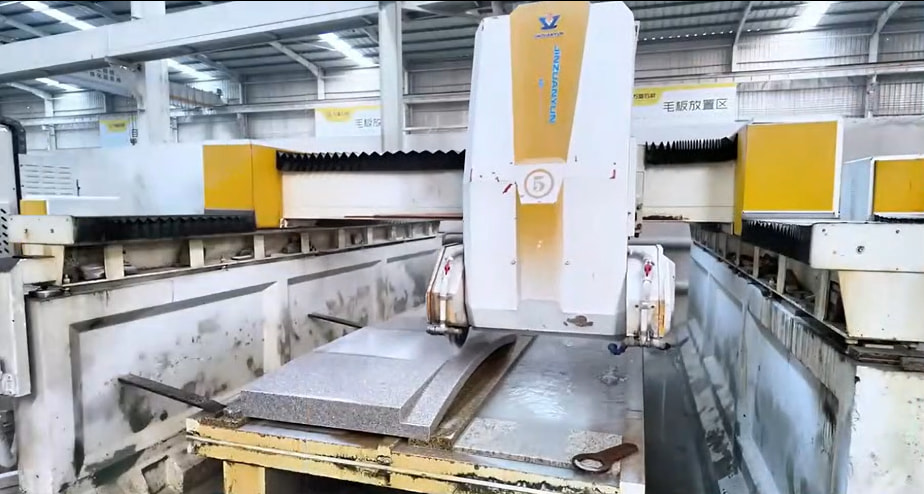
Countertop Edge Profiling Machine


4. Reduced Rework Saves Hidden Labor Expenses

Rework is one of the most overlooked labor costs in stone processing.

Manual profiling often creates:

  • Inconsistent curves
  • Uneven polishing gloss
  • Edge asymmetry
  • Size variation

Automatic profiling machines use template tracking or CNC programming to maintain consistent shapes across every stone piece.

This reduces:

  • Secondary polishing
  • Product rejection rates
  • Customer complaints
  • Return processing costs

For export-oriented factories, consistency is especially important because overseas buyers usually require batch uniformity.


5. Lower Training Costs for New Workers

Training an experienced manual stone profiling worker may take several months or even years.

By contrast, modern automatic profiling machines are designed with:

  • User-friendly control systems
  • Touchscreen interfaces
  • Automatic parameter settings
  • Preset processing programs

New operators can often learn basic machine operation within a much shorter time.

This helps factories:

  • Reduce training investments
  • Quickly expand production capacity
  • Maintain stable production during worker turnover


6. Automatic Tool Compensation Improves Accuracy

Advanced profiling machines can automatically compensate for tool wear.

This feature helps maintain:

  • Stable profile dimensions
  • Consistent polishing quality
  • Uniform edge depth

Without automatic compensation, manual operators must frequently stop production to manually adjust tools.

This not only wastes labor time but also increases the risk of processing errors.
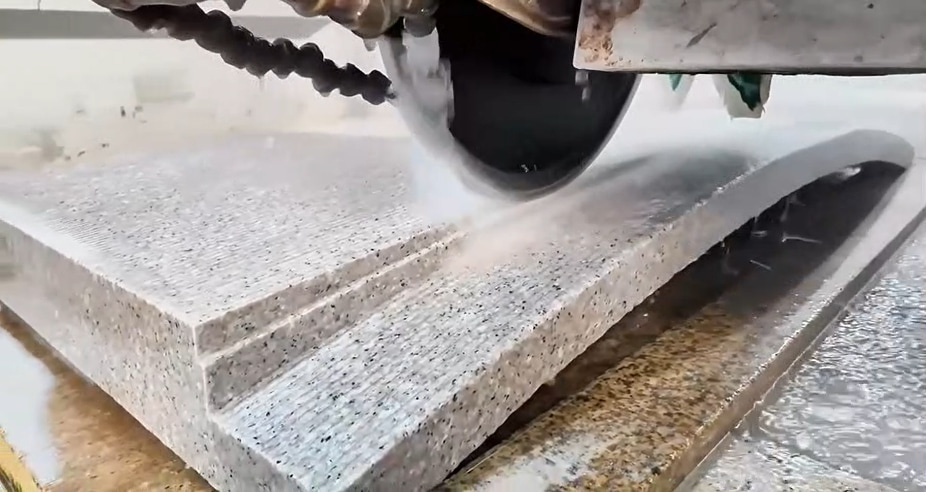
Continuous Stone Profiling Machine


7. Lower Dependence on Highly Skilled Craftsmen

Traditional stone profiling relies heavily on experienced craftsmen.

However, factories that depend too much on individual workers face operational risks:

  • Workers resign unexpectedly
  • Skilled labor costs continue rising
  • Production quality varies between operators

Automation converts manual experience into standardized machine processing.

This creates:

  • Stable product quality
  • Easier factory management
  • Predictable production efficiency


Automatic Profiling Machine vs Manual Processing

Factor Manual Processing Automatic Profiling Machine
Labor Requirement High Low
Production Speed Slow Fast
Product Consistency Depends on worker skill Highly consistent
Material Waste Higher Lower
Training Difficulty High Moderate
Long-Term Operating Cost Increasing More controllable
Suitable for Mass Production Limited Excellent


Real Application Scenarios

1. Granite Countertop Factories

Automatic profiling machines are widely used for:

  • Bullnose edges
  • Ogee edges
  • Beveled countertop profiles

Factories producing kitchen countertops for North American markets often require large-volume consistent edge processing.

Automation helps them:

  • Meet tight delivery schedules
  • Reduce manual polishing teams
  • Improve export competitiveness


2. Tombstone Manufacturing Workshops

Cemetery stone production requires:

  • Symmetrical decorative lines
  • Smooth curved surfaces
  • Consistent polishing quality

Automatic profiling equipment improves repeatability while reducing dependence on experienced craftsmen.

This is especially valuable during peak production seasons.


3. Architectural Stone Decoration Projects

Large hotel, villa, and commercial building projects often involve:

  • Decorative stone borders
  • Roman columns
  • Window frames
  • Stair edges

Automatic profiling machines help factories efficiently process large quantities of identical decorative components.
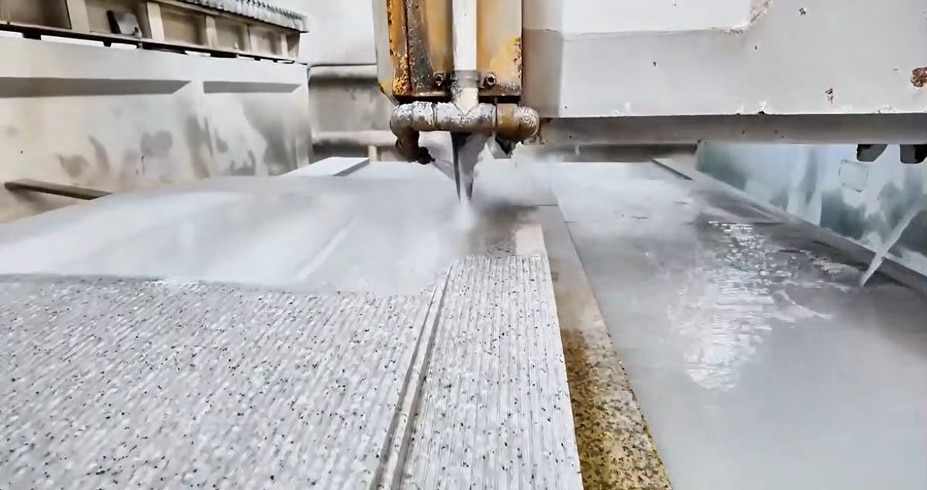
Industrial Stone Profiling Machine


Frequently Asked Questions (FAQ)

Q1: Can automatic profiling machines process both marble and granite?

Yes. Most modern profiling machines can process: Marble, Granite, Quartz, Artificial stone, Limestone. Different tools and processing parameters are used depending on material hardness.


Q2: Is CNC programming difficult for profiling machines?

Not necessarily. Many machines now use:

  • Template-based operation
  • Visual touchscreen interfaces
  • Preset profile libraries

Basic operation can usually be learned quickly.


Q3: How much labor can a factory realistically save?

This depends on production scale and product type.

However, many factories reduce profiling-related labor costs by 40%–70% after introducing automatic equipment.


Q4: What maintenance is required?

Routine maintenance usually includes:

  • Guide rail cleaning
  • Lubrication
  • Cooling system inspection
  • Tool replacement
  • Electrical system checks

Proper maintenance helps ensure long-term stable operation.


How to Choose the Right Automatic Profiling Machine

When selecting a profiling machine, buyers should evaluate:

Processing Requirements

  • Straight edges or curved profiles?
  • Granite or marble?
  • Mass production or customized processing?

Machine Structure

A heavy-duty machine frame provides:

  • Better vibration resistance
  • Higher precision
  • Longer service life

Automation Level

Look for features such as:

  • Automatic feeding
  • CNC control
  • Multi-head polishing
  • Automatic tool compensation

Supplier Experience

Choose suppliers with:

  • Stone industry experience
  • Export experience
  • Technical support capability
  • Spare parts availability


Final Thoughts

As labor costs continue rising worldwide, stone processing factories must improve efficiency to remain competitive.

An Multi-Function Stone Profiling Machine is no longer just a production upgrade — it is a long-term cost control solution.

By reducing manual dependence, improving processing consistency, increasing production speed, and minimizing material waste, automatic profiling machines help factories achieve:

  • Lower labor costs
  • Higher output
  • Better product quality
  • Faster order delivery
  • Stronger market competitiveness

For stone manufacturers aiming to expand production while controlling operational expenses, investing in automatic profiling technology is becoming an increasingly practical and profitable choice.


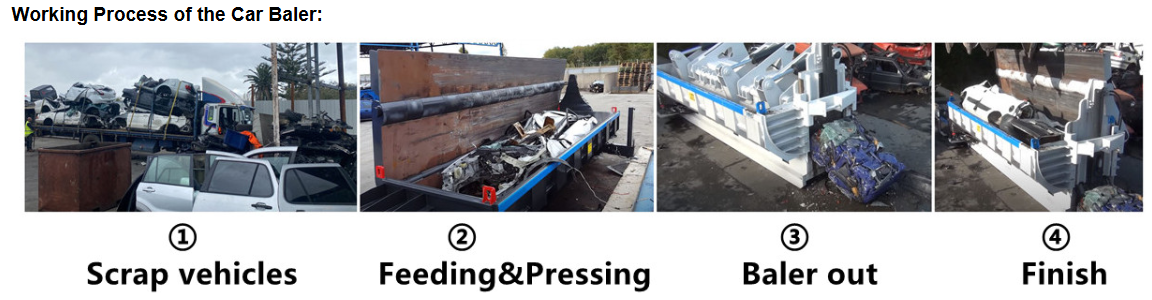
Maximizing Machine Uptime Preventative Maintenance for Heavy-Duty Balers and Shears

To maximize the lifespan and ROI of heavy-duty metal recycling machinery, facilities must implement a strict preventative maintenance schedule focusing on hydraulic fluid purity, daily cylinder seal inspections, and regular replacement of wear plates. Consistent maintenance prevents catastrophic hydraulic failures, reduces unplanned downtime, and ensures continuous high-volume throughput.

The True Cost of Unplanned Downtime In the highly competitive metal recycling industry, equipment downtime is the silent killer of profitability. When a heavy-duty processing machine suddenly breaks down, the financial impact extends far beyond the cost of replacement parts. It causes massive bottlenecks in the yard, delays outbound shipping contracts, and leaves expensive labor forces standing idle. For procurement managers and facility operators, protecting your capital investment means shifting from a reactive "fix-it-when-it-breaks" mentality to a proactive preventative maintenance strategy.

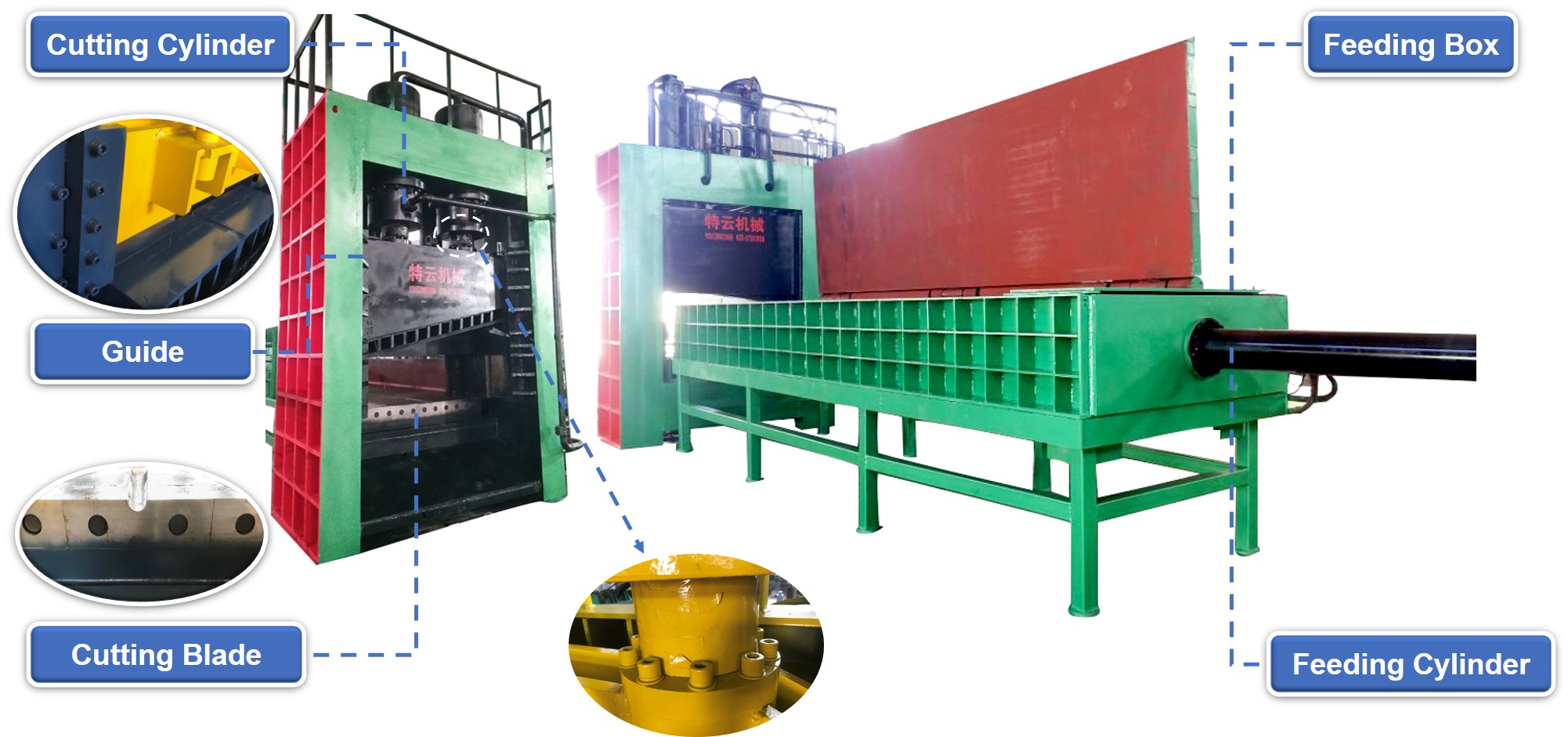
Protecting the Hydraulic Lifeblood The core of any modern compaction or cutting machinery is its hydraulic system. Whether you are operating a heavy-duty scrap metal baler or a massive gantry shear, hydraulic fluid acts as the lifeblood of the machine. The most common cause of catastrophic failure is fluid contamination.

Microscopic metal shavings, dust, and water condensation can bypass worn seals and enter the hydraulic reservoir. Over time, these contaminants act like liquid sandpaper, destroying expensive pumps and scoring hydraulic cylinders from the inside out. To prevent this, operators must strictly adhere to OEM guidelines regarding oil filter replacements and fluid sampling. Additionally, monitoring the hydraulic oil temperature is critical; running a machine with overheated oil rapidly degrades the fluid's viscosity and destroys internal O-rings.

Inspecting Structural Integrity and Wear Parts Heavy machinery is subjected to immense, repetitive stress. Daily visual inspections are critical for catching small issues before they escalate. Operators should regularly check the structural integrity of the press chamber for micro-fractures along the weld lines.

Furthermore, wear parts such as inner liner plates and cutting blades must be monitored. If you are utilizing an industrial scrap metal shear, operating with dulled blades forces the hydraulic system to work significantly harder to achieve the same cut. This spikes electrical energy consumption and places unnecessary strain on the motors. Regularly rotating or replacing hardened alloy blades ensures clean, efficient cuts and protects the machine's primary drive systems.

Partnering for Long-Term Success Ultimately, the longevity of your recycling equipment depends on a combination of rigorous daily maintenance and rapid access to high-quality spare parts. When sourcing machinery, partnering with a manufacturer that provides comprehensive maintenance training, intuitive PLC diagnostic systems, and a reliable global supply chain for replacement parts is essential for keeping your yard running at peak capacity year after year.

Why Stone CNC Machines Produce Too Much Dust

Stone CNC machines are essential equipment in the modern stone fabrication industry. They are widely used for cutting, engraving, polishing, profiling, and shaping materials such as granite, marble, quartz, sandstone, and artificial stone. However, one of the most common problems faced by workshop owners and machine operators is excessive dust during production.


Too much dust does not only create an unpleasant working environment—it can also shorten machine lifespan, reduce product quality, increase maintenance costs, and create serious health risks for workers. If your stone CNC machine is producing more dust than expected, it is usually a sign that something in the cutting system, tooling setup, or dust control process needs attention.


This article explains the real reasons why Industrial Stone CNC Machines generate too much dust, how to diagnose the issue, and what practical solutions can improve your production environment.


Why Dust Control Matters in Stone Processing

Stone dust is not ordinary dust. During cutting or engraving, machines grind hard mineral materials into fine particles. These particles often contain silica, calcium carbonate, and other abrasive minerals.


Excessive dust can cause:

  • Reduced visibility during operation
  • Poor engraving or cutting accuracy
  • Faster wear of guide rails, bearings, and screws
  • Clogged electrical cabinets and cooling fans
  • Increased cleaning labor costs
  • Worker respiratory risks
  • Lower workshop efficiency

For factories running 8–12 hours daily, poor dust control can lead to frequent machine downtime and unstable production quality.


Main Reasons Why Stone CNC Machines Produce Too Much Dust

1. Dry Cutting Instead of Wet Cutting

The most common reason is operating the machine without sufficient water cooling.

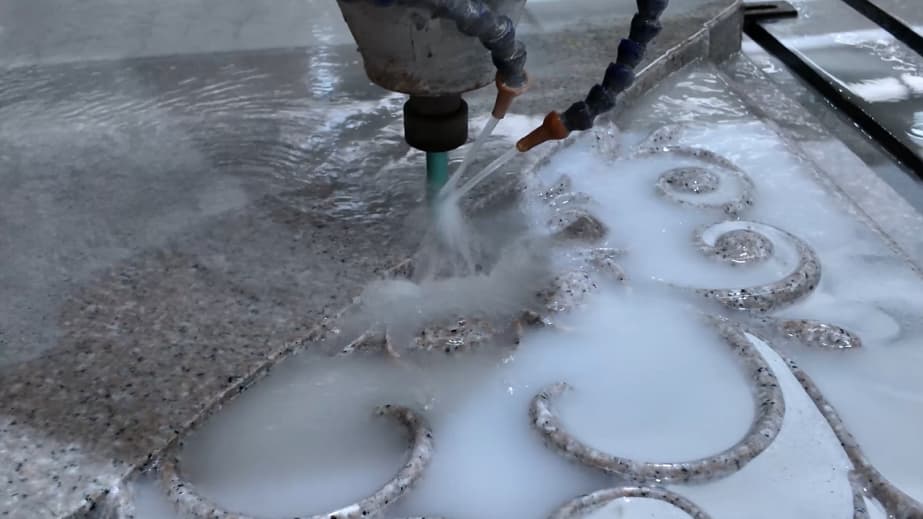
When cutting stone dry, friction between the tool and stone surface instantly releases fine powder into the air. Water helps suppress dust, cool the cutting tool, and wash debris away from the cutting zone.

Example:

A bridge saw cutting 30mm granite slab without water can create several times more airborne dust than the same machine with a properly adjusted water spray system.

Solution:

  • Check water pump pressure
  • Ensure nozzles are aimed directly at the cutting point
  • Clean blocked pipes regularly
  • Maintain continuous water flow during cutting

Efficient Stone Engraving Machine

2. Worn or Low-Quality Diamond Tools

Old or poor-quality blades and bits grind stone inefficiently. Instead of clean cutting, they crush material aggressively, producing more powder and chipping.

Signs of tool wear:

  • Slower cutting speed
  • Burning marks on stone
  • Rough edges
  • Excessive vibration
  • More dust than normal

Comparison:

Sharp premium diamond blade: smooth cut, less dust, faster production

Worn cheap blade: rough cut, heavy dust, slower speed

Solution:

  • Replace dull tools on time
  • Use tools matched to granite, marble, quartz, or engineered stone
  • Buy from reliable suppliers

Monument Stone Engraving Machine

3. Wrong Feed Speed or Spindle Speed

Machine parameters directly affect dust generation.

If feed speed is too slow, the tool rubs instead of cutting efficiently. If spindle speed is too high, material can over-fragment into fine particles.

Example:

For marble engraving, excessive RPM with shallow feed often creates powder clouds instead of clean chips.

Best Practice: Adjust according to

  • Stone hardness
  • Tool diameter
  • Cutting depth
  • Material thickness
  • Cooling condition

Professional CNC suppliers usually provide recommended parameter charts.

Lettering Stone Carving Machine

4. Poor Dust Collection System

Many workshops install CNC machines but ignore industrial dust extraction systems.

Without suction hoods, vacuum pipes, or cyclone collectors, dust remains airborne and spreads across the factory.

Common Problems:

  • Weak vacuum motor
  • Leaking pipes
  • Full dust bags
  • Small hose diameter
  • Wrong hood position

Solution:

Install a proper dust collection system designed for stone processing, not woodwork only.


5. Incorrect Tool Path Programming

Bad CAM programming can increase dust unnecessarily.

For example:

  • Too many shallow repeated passes
  • Excessive idle grinding movement
  • Recutting the same path
  • Wrong entry angle

These actions multiply friction and generate unnecessary powder.

Better Method:

Use optimized tool paths with:

  • Correct step-down depth
  • Efficient roughing passes
  • Smart finishing strategy
  • Reduced air cutting time

High Performance Stone CNC Machine

6. Processing Very Dry or Brittle Stone

Some natural stones naturally break into powder more easily than others.

Material Dust Tendency
Marble Medium
Granite Medium
Limestone High
Sandstone High
Quartz Stone Fine Dust High

If you frequently process sandstone or limestone, dust levels will naturally rise.


7. Poor Workshop Ventilation

Even if the machine itself is working normally, weak airflow inside the workshop traps dust.

Dust then circulates around operators, settles on machines, and re-enters the air.

Recommended Setup:

  • Exhaust fans
  • Cross ventilation
  • Air filtration units
  • Zoned machine layout
  • Daily floor washing


How to Reduce Dust from Stone CNC Machines

1. Check Water Supply Daily

Inspect:

  • Pump pressure
  • Pipe blockage
  • Nozzle angle
  • Water tank cleanliness


2. Replace Tools Before Failure

Do not wait until cutting quality drops badly.


3. Optimize CNC Parameters

Test spindle speed and feed rate combinations for each material.


4. Install Industrial Dust Extraction

Especially important for dry engraving, edge profiling, and lettering work.


5. Train Operators

Many dust issues come from operator habits rather than machine defects.


Does Excessive Dust Mean the Machine Is Poor Quality?

Not always.

Even a High-end Stone CNC Machine can create too much dust if:

  • Wrong tooling is used
  • Parameters are incorrect
  • Water system is blocked
  • Dust collector is undersized
  • Maintenance is neglected

Likewise, a properly maintained mid-range machine can run very cleanly.

The key is total system management.


Buyer Questions Before Purchasing a Stone CNC Machine

If you plan to import a machine, ask suppliers these questions:

  • Does the machine support wet and dry processing?
  • Is dust hood or vacuum system included?
  • What water cooling system is installed?
  • What tooling recommendations are provided?
  • Can you share parameter settings for granite and marble?
  • How is electrical cabinet dust protection designed?
  • What maintenance schedule is recommended?

These questions help identify professional suppliers.


Final Thoughts

If your stone CNC machine produces too much dust, the problem is usually not just the machine itself. It is often a combination of tooling quality, water supply, programming, speed settings, material type, and workshop dust management.

By solving these areas systematically, factories can achieve:

  • Cleaner production
  • Better cutting quality
  • Longer machine life
  • Lower maintenance cost
  • Safer working conditions
  • Higher output efficiency

For growing stone fabrication businesses, controlling dust is not optional—it is a key part of profitable production.


Choosing a Professional Scrap Metal Shear Manufacturer Engineering for Performance

Selecting a professional scrap metal shear manufacturer requires a deep evaluation of hydraulic stability, blade alloy quality, and the machine's ability to process diverse metal grades. Leading manufacturers now offer specialized alligator shears for agile, manual cutting of non-ferrous materials and heavy-duty gantry shears for automated, high-volume processing of structural steel and heavy iron.

The Strategic Importance of Precision Shearing

In the global metal recycling landscape, the "first cut" is often the most critical. Processing bulky, oversized scrap into furnace-ready dimensions is a prerequisite for high-value sales to smelters. For scrap yard operators, the challenge lies in finding a manufacturer that balances raw cutting force with operational reliability. Whether you are dealing with thin-walled aluminum profiles or massive I-beams, the quality of your scrap metal shear dictates your daily tonnage and the overall wear and tear on your processing line.

Material Versatility: From Alligators to Gantry Powerhouses

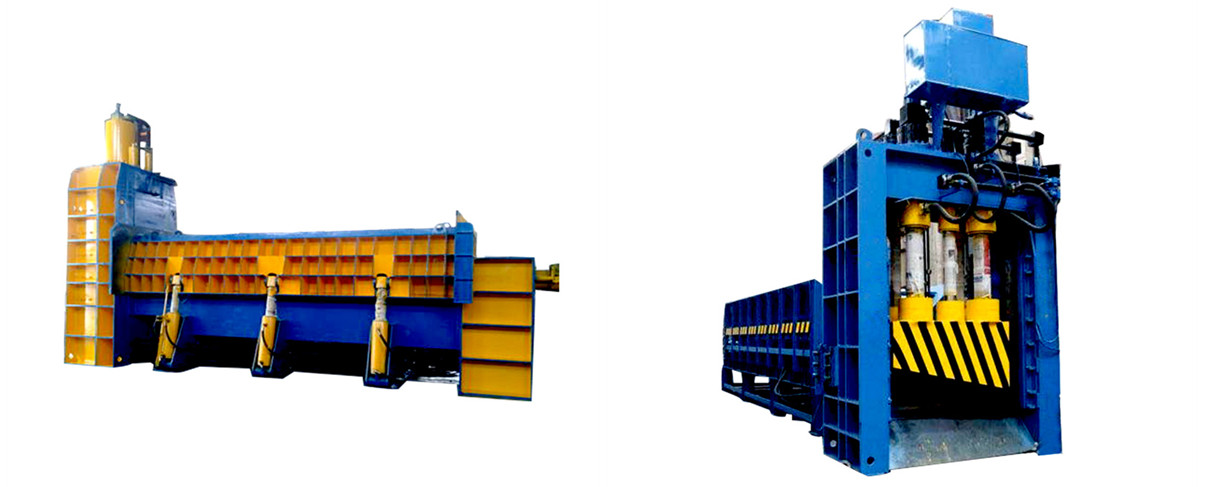
A professional manufacturer must provide a diverse portfolio of machinery to match the varied scrap mix of modern industrial zones. For non-ferrous specialists processing copper cables, aluminum extrusions, and smaller steel pipes, a high-speed alligator shear machine is the gold standard. These units are prized for their hinged-jaw agility and lower energy consumption, making them perfect for manual sorting and rapid-fire cutting tasks.


However, as the industry moves toward processing heavier structural steel and demolition scrap, the demand for brute hydraulic power increases. This is where heavy-duty gantry shears and container shears excel. These machines utilize advanced PLC systems to automate the feeding and shearing process, allowing for continuous operation that drastically reduces labor costs. By investing in a high-quality hydraulic scrap metal shear, facilities can transition from manual, low-volume processing to industrial-scale throughput.

Engineering Excellence: The Teyun Advantage

What distinguishes a top-tier manufacturer is the engineering behind the hydraulic system and the metallurgical quality of the blades. Modern shearing equipment must withstand extreme friction and repetitive stress. Teyun’s machinery utilizes hardened alloy steel blades that maintain their edge significantly longer than standard carbon steel alternatives, reducing maintenance downtime. Furthermore, our hydraulic architectures are designed with integrated cooling systems, ensuring that even in high-temperature environments—common in the Middle East and Southeast Asia—the machine maintains stable pressure without overheating.

Final Thoughts for Global Buyers

Upgrading your shearing infrastructure is a decade-long investment. When choosing a manufacturer, prioritize those who offer comprehensive turnkey solutions, from installation support to rapid spare parts availability. A robust shearing line not only prepares your scrap for the highest market value but also eliminates the operational bottlenecks that hinder growth in a competitive recycling market.

How Do I Choose the Right Diamond Bits for 3D Stone Carving?

Choosing the right diamond bits for 3D stone carving is one of the most important decisions in CNC stone processing. Even the most advanced stone carving machine cannot deliver clean details, smooth curves, or efficient production if the tooling is incorrect. Whether you are carving marble statues, granite memorials, relief panels, sink basins, columns, or custom architectural decorations, selecting the proper diamond bit directly affects cutting speed, tool life, surface finish, and final profitability.


In this guide, we will explain how to choose the right diamond bits for 3D stone carving based on stone type, carving depth, design complexity, machine spindle power, and production goals.


Why Diamond Bits Matter in 3D Stone Carving

Natural stone is hard, abrasive, and expensive. Unlike wood or plastic, stone requires tooling that can withstand high friction and maintain precision over long working hours.

High-quality diamond bits help you achieve:

  1. Faster material removal
  2. Cleaner edge finishing
  3. Better 3D contour accuracy
  4. Lower risk of stone cracking
  5. Longer tool lifespan
  6. Reduced machine downtime
  7. Lower cost per finished product

For example, when carving a marble statue for 10 continuous hours, a premium sintered diamond bit can maintain stable cutting performance, while a low-grade electroplated bit may lose sharpness quickly and create burn marks or uneven surfaces.


Main Types of Diamond Bits for 3D Stone Carving

Different carving stages require different tools. Professional workshops usually use multiple bit types in one project.

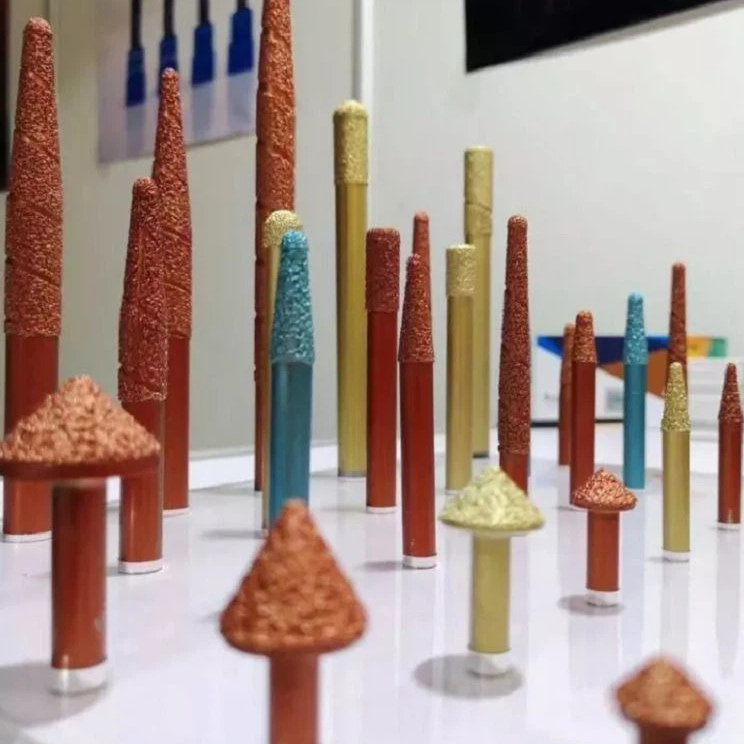
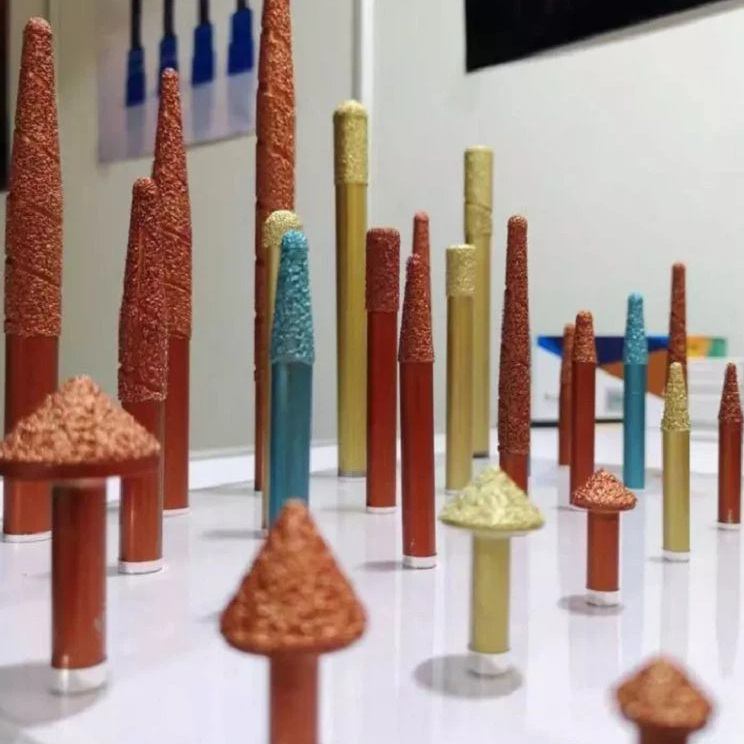
1. Flat End Diamond Bits

Best for:

  1. Rough cutting
  2. Pocketing
  3. Removing large stone volume
  4. Creating flat surfaces

These bits are commonly used in the first machining stage when shaping blocks into basic forms.


2. Ball Nose Diamond Bits

Best for:

  1. 3D contour carving
  2. Sculptures
  3. Curved surfaces
  4. Human faces and statues

Ball nose bits are essential for detailed 3D carving because they create smooth tool paths and natural curves.


3. V Shape Diamond Bits

Best for:

  1. Letter engraving
  2. Decorative lines
  3. Fine grooves
  4. Border patterns

Often used for tombstone lettering and ornamental stone signs.


4. Tapered Diamond Bits

Best for:

  1. Deep narrow carving
  2. Fine detail work
  3. Relief art
  4. Intricate corners

Tapered bits provide strength while reaching small areas.


5. Finger Bits

Best for:

  1. Internal hole enlargement
  2. Sink cutouts
  3. Edge shaping
  4. Aggressive stock removal

Frequently used in countertop fabrication.

Diamond Stone Carving Bits


How to Choose Based on Stone Material

Different stones require different bond hardness and tool structure.

For Marble: Marble is softer than granite and easier to carve.

Recommended bits:

  1. Electroplated bits for detail carving
  2. Ball nose bits for sculpture work
  3. Medium grit polishing tools

Advantages:

  1. Faster carving speed
  2. Better fine detail reproduction


For Granite: Granite is harder and more abrasive.

Recommended bits:

  1. Sintered diamond bits
  2. Reinforced core structure
  3. Lower feed speed with stable coolant

Granite carving requires stronger tooling because low-quality bits wear quickly.


For Quartz / Engineered Stone: Quartz contains resin and hard minerals.

Recommended bits:

  1. Heat-resistant diamond tools
  2. Anti-loading design
  3. Continuous water cooling


How to Choose Based on Carving Stage

Stage 1: Roughing

Goal: Remove maximum material quickly.

Choose:

  1. Large diameter flat end bits
  2. Coarse grit
  3. Strong shank design

Example: 12mm to 20mm diamond roughing tools for statue blank shaping.


Stage 2: Semi-Finishing

Goal: Refine shape before final details.

Choose:

  1. Ball nose bits
  2. Medium grit
  3. Moderate diameter


Stage 3: Finishing

Goal: Final texture and precision.

Choose:

  1. Small ball nose bits
  2. Tapered detail bits
  3. Fine grit tools

Example: 3mm to 6mm bits for facial features or floral carving.

CNC Stone Carving Bits


How Bit Size Affects Results

Large Diameter Bits

Advantages:

  1. Faster roughing
  2. Stronger structure
  3. Longer life under heavy load

Disadvantages: Cannot produce fine detail


Small Diameter Bits

Advantages:

  1. High precision
  2. Better detail resolution
  3. Suitable for lettering and sculpture finishing

Disadvantages:

  1. Slower removal rate
  2. Easier to break if feed rate is too aggressive

Best practice: Use larger tools first, then smaller finishing bits later.


Bond Type: Electroplated vs Sintered Diamond Bits

Electroplated Diamond Bits

Pros:

  1. Sharper cutting feel
  2. Good for marble and soft stone
  3. Lower initial cost

Cons: Shorter lifespan

Best for short runs or detailed carving.


Sintered Diamond Bits

Pros:

  1. Much longer life
  2. Better for granite
  3. Suitable for industrial production

Cons: Higher purchase price

Best for factories running machines daily.


Common Buyer Mistakes When Choosing Diamond Bits

1. Using One Tool for Every Job

A single bit cannot rough cut granite and also finish a marble portrait efficiently.


2. Choosing Cheapest Tools Only

Low-price tools often increase total cost through breakage, poor finish, and lost production time.


3. Ignoring Machine Power

A small spindle machine may struggle with oversized bits.


4. Wrong Feed Speed

Even premium bits fail if feed rate is too fast or spindle RPM is incorrect.


5. No Cooling System

Water cooling greatly extends tool life and improves surface quality.


Practical Example: Tombstone Relief Carving

If producing granite memorial relief panels:

Recommended Tool Set

  1. 16mm flat bit for roughing background
  2. 8mm ball nose for shaping portrait contours
  3. 4mm tapered ball nose for facial details
  4. V bit for lettering
  5. Polishing tools for final shine

This multi-tool workflow improves speed and quality compared with using only one bit.


How to Evaluate a Good Diamond Bit Supplier

Before ordering, ask:

  1. What stone materials is the bit designed for?
  2. Is it electroplated or sintered?
  3. Recommended RPM and feed rate?
  4. Expected lifespan in granite or marble?
  5. Can custom sizes be supplied?
  6. Is balancing tested for CNC spindle use?
  7. Do they provide after-sales support?

Reliable suppliers usually offer technical parameters instead of only saying “high quality”.

Premium Stone Carving Bits


Maintenance Tips to Extend Tool Life

  1. Use stable water cooling
  2. Avoid sudden impact into stone
  3. Keep spindle concentric and balanced
  4. Clean tool after use
  5. Store dry and organized
  6. Replace worn tools before catastrophic failure

A properly maintained diamond bit can reduce tooling cost significantly over one production season.


FAQ

1. What is the best diamond bit for 3D stone statues?

Ball nose sintered diamond bits are usually the best choice for smooth contours and detailed sculpture work.


2. Can I use wood CNC bits on stone?

No. Wood tools are not designed for stone hardness and will fail quickly.


3. How long do diamond bits last?

It depends on material, cooling, machine settings, and quality. Marble tools last longer than granite tools in most cases.


4. Should I buy cheap bits for testing?

Testing is acceptable, but production work should use stable professional-grade tools.


Final Thoughts

Choosing the right diamond bits for 3D stone carving is not only about price—it is about matching the tool to the stone, machine, and final design. Smart tool selection improves carving speed, surface finish, precision, and overall profit.


For professional stone factories, the best strategy is to build a complete tool system: roughing bits, contour bits, detail bits, lettering bits, and polishing tools. This creates consistent quality and faster production across statues, countertops, memorials, and decorative stone projects.


If you are investing in a CNC stone carving machine, choosing the right diamond tooling is just as important as choosing the machine itself.