Julong Cutter Suction Dredger Modular Design for Seamless Dredging & Sand Mining

The Julong cutter suction dredger is an important product series in the field of water environmental engineering equipment in China, produced by Julong company. This series of dredgers adopts a split structure design, which is easy to disassemble and transport, and has the characteristics of reasonable design, simple operation, strong durability, and strong work continuity. ‌

1. Dredger Overview and Working Principle

The cutter suction dredger /sand dredger is an underwater excavation machinery widely used in port, waterway dredging, and reclamation projects. Its working principle is to use a cutter installed at the front end of the cutter holder to crush the mud and stones at the bottom of the water, forming a mixture of mud and water (slurry). Subsequently, the mud is sucked in from the suction head at the front end of the cutter holder through a centrifugal mud pump, transported through the dredger's suction pipe, mud pump, and mud discharge pipe, and discharged to the designated mud discharge location. The work processes of dredging, transporting and unloading mud or sand can be completed continuously in one time, making it an efficient and low-cost dredging equipment. ‌

2. Application Fields

The JuLong cutter suction dredger is suitable for various operational scenarios, including maintenance dredging, infrastructure dredging, environmental dredging, and sand mining. ‌

The specific adaptation conditions cover dredging and sand excavation operations in water bodies such as ports, lakes, inland rivers, and reservoirs. ‌

If you have dredging project, please feel free to consult us, then we will help you choose suitable dredger machine

Who We Are?

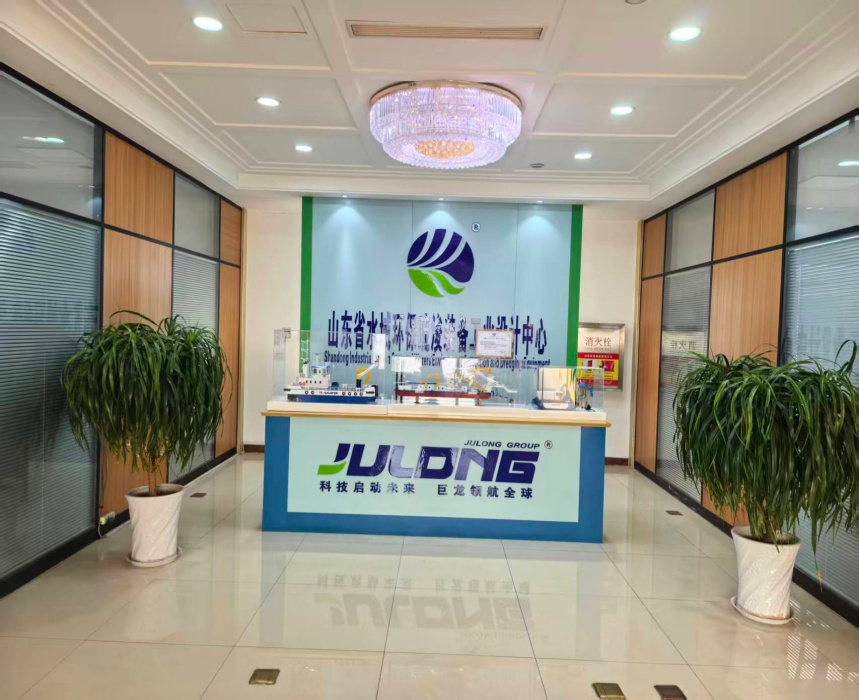
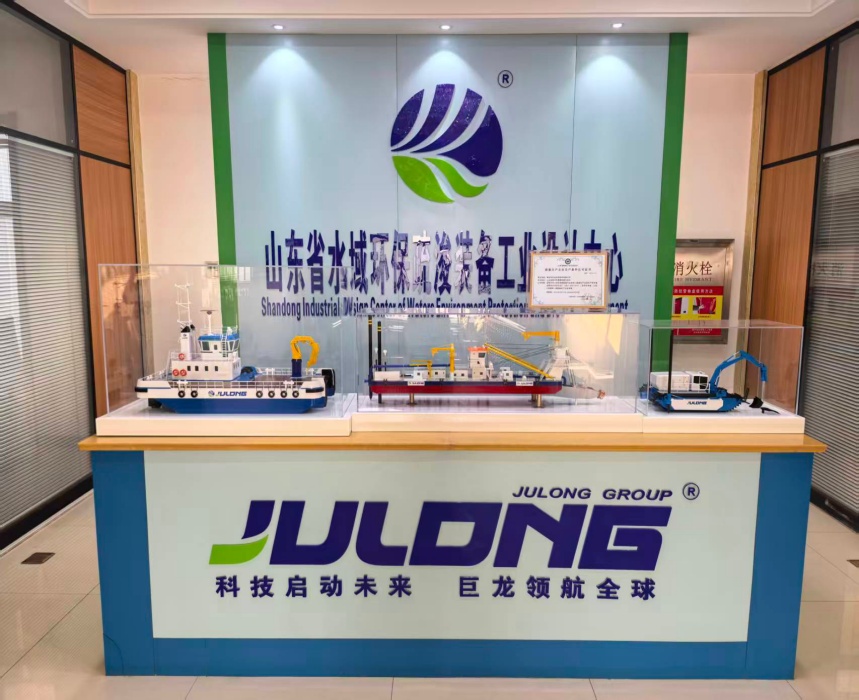
Qingzhou Golden JuLong Equipment Manufacturing Co., Ltd. specializes in advanced dredgers, amphibious excavator, water cleaning boat, working platform, etc with 38 years of experience in design, production, supply, and maintenance. We hold China ISO certifications, international certifications including BV, RINA, RS, and EU CE.

Julong offers one-stop, customized solutions for different dredging conditions, backed by professional design, skilled welding, field service, and reliable after-sales support.

Our products are exported to over 90 countries across Asia, South America, Oceania, Africa, and Eastern Europe, earning global recognition for advanced technology, high-quality equipment, and trustworthy management. 

Custom Stone Art with CNC Machines Transforming Creativity into Precision Manufacturing

Introduction: The New Era of Custom Stone Art

The global stone industry is rapidly shifting from mass production to customized, high-value stone art. Architects, designers, and monument manufacturers increasingly demand unique shapes, artistic sculptures, and personalized stone elements rather than standard slabs or tiles.


Traditional hand carving, although artistic, faces clear limitations:

  • Long production cycles
  • High labor dependency
  • Inconsistent accuracy
  • Difficult replication of complex designs

Today, High Quality Stone CNC Machines are redefining how custom stone art is created — combining artistic creativity with industrial precision.


This article explains how CNC technology enables modern stone artistry, supported by real applications, technical comparisons, and frequently asked questions from international buyers.


What Is Custom Stone Art in Modern Manufacturing?

Custom stone art refers to non-standard, design-driven stone products manufactured according to specific project requirements.

Typical applications include:

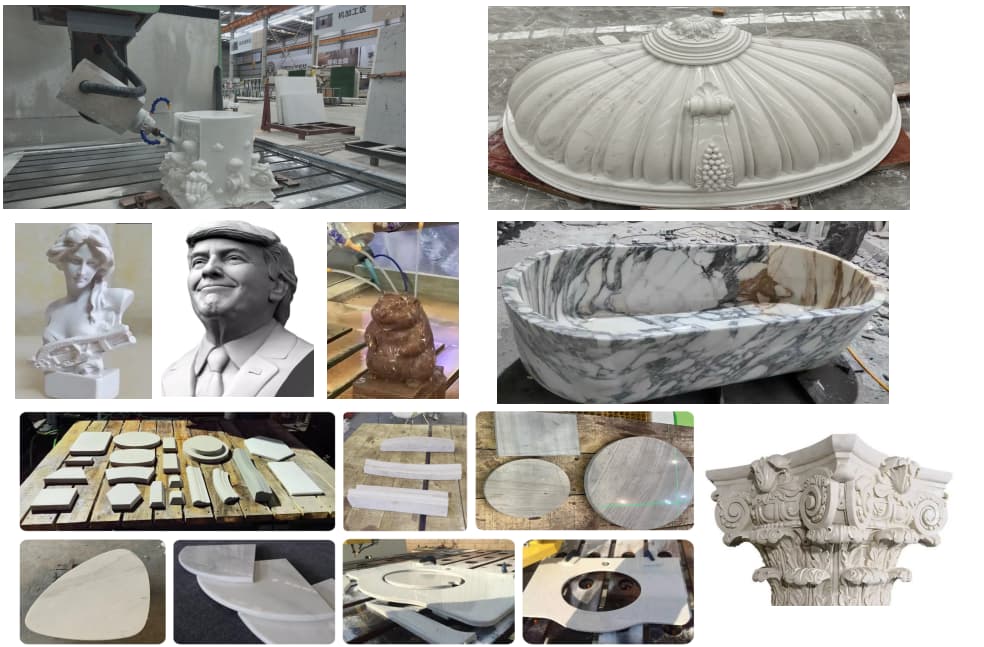
  • Architectural Decoration
  • 3D wall relief panels
  • Roman columns and capitals
  • Decorative façade carvings
  • Luxury hotel lobby sculptures

Example scenario:


A hotel project requires 120 identical marble relief panels. Using a High Precision 5-axis CNC stone machine, each panel can be reproduced with ±0.02mm repeatability, ensuring visual consistency across the entire building.

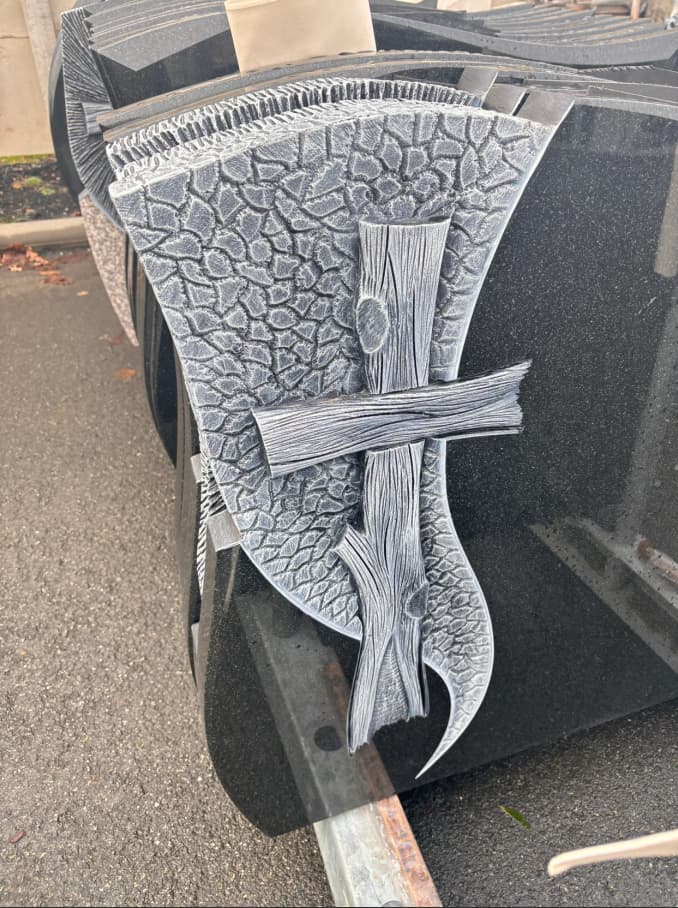
Custom Stone Art

Monument & Memorial Industry

  • Tombstones and memorial engravings
  • Religious sculptures
  • Angel statues and customized portraits

In cemetery production environments where machines operate continuously, modern CNC systems can maintain stable cutting performance even after 48–72 hours of uninterrupted operation, reducing manual corrections.


Landscape & Public Art

  • Outdoor sculptures
  • Garden ornaments
  • Fountain structures
  • Urban landmark artworks

Complex curved surfaces that previously required master craftsmen for weeks can now be completed in hours.


Why CNC Machines Are Ideal for Custom Stone Art

1. Multi-Axis Machining Enables True Artistic Freedom

Modern stone art production is no longer limited to traditional machining structures. The evolution from 3-axis systems to 5-axis CNC machines and 7-axis robotic arms has dramatically expanded creative possibilities in stone processing.

Machine Type Capability Typical Applications Limitation
3-Axis CNC Flat engraving & cutting Letters, panels, simple reliefs Limited angles
4-Axis CNC Rotary carving Columns, cylindrical designs Restricted geometry
5-Axis CNC Full 3D machining Sculptures, complex reliefs Fixed machine structure
7-Axis Robotic Arm Free spatial movement Artistic sculpture, large-scale custom stone art Higher programming requirement


A 5-axis stone CNC machine allows the spindle to rotate and tilt simultaneously, making it possible to machine:

  • Human statues
  • Animal sculptures
  • Complex relief carvings
  • Irregular artistic components

This significantly reduces manual finishing work.


2. Precision That Manual Carving Cannot Achieve

Professional stone CNC machines typically deliver:

  • Positioning accuracy: ±0.01–0.03mm
  • Continuous heavy-duty operation capability
  • Stable cutting even in high-hardness materials such as granite

Real production example:

When carving a marble statue with detailed facial expressions, CNC machining ensures symmetrical geometry that remains consistent across multiple copies — something extremely difficult with hand carving.


3. Digital Workflow Improves Production Efficiency

Custom stone art production now follows a digital chain:

  • 3D design (CAD / scanning)
  • Toolpath generation
  • Automated machining
  • Minimal polishing

Design files can be stored permanently, allowing customers to reorder identical products years later.

This is especially valuable for international distributors and monument companies.

Industrial Grade Stone CNC Machine

CNC Stone Art vs Traditional Hand Carving: A Practical Comparison

Factor CNC Stone Machine Manual Carving
Production Speed High Slow
Design Complexity Unlimited Skill-dependent
Repeatability Excellent Difficult
Labor Cost Lower long-term High
Artistic Detail High precision Depends on artisan


Many factories today adopt a hybrid model:

CNC machining for rough and medium processing + manual polishing for artistic finishing.

This combination delivers both efficiency and craftsmanship.


How to Choose a Reliable CNC Machine Supplier

Buyers often compare multiple suppliers before making decisions. Based on real export experience, here are key evaluation factors:

Machine Structure Stability

Look for:

  • Heavy welded steel frame
  • Stress-relieved structure
  • Vibration reduction design

A stable machine directly impacts carving surface quality.


Spindle Cooling System

For stone processing:

  • Water-cooled spindle → better for long continuous work
  • Lower temperature rise during granite cutting

Example:

During summer production environments above 35°C, water cooling helps maintain consistent spindle performance without thermal deformation.


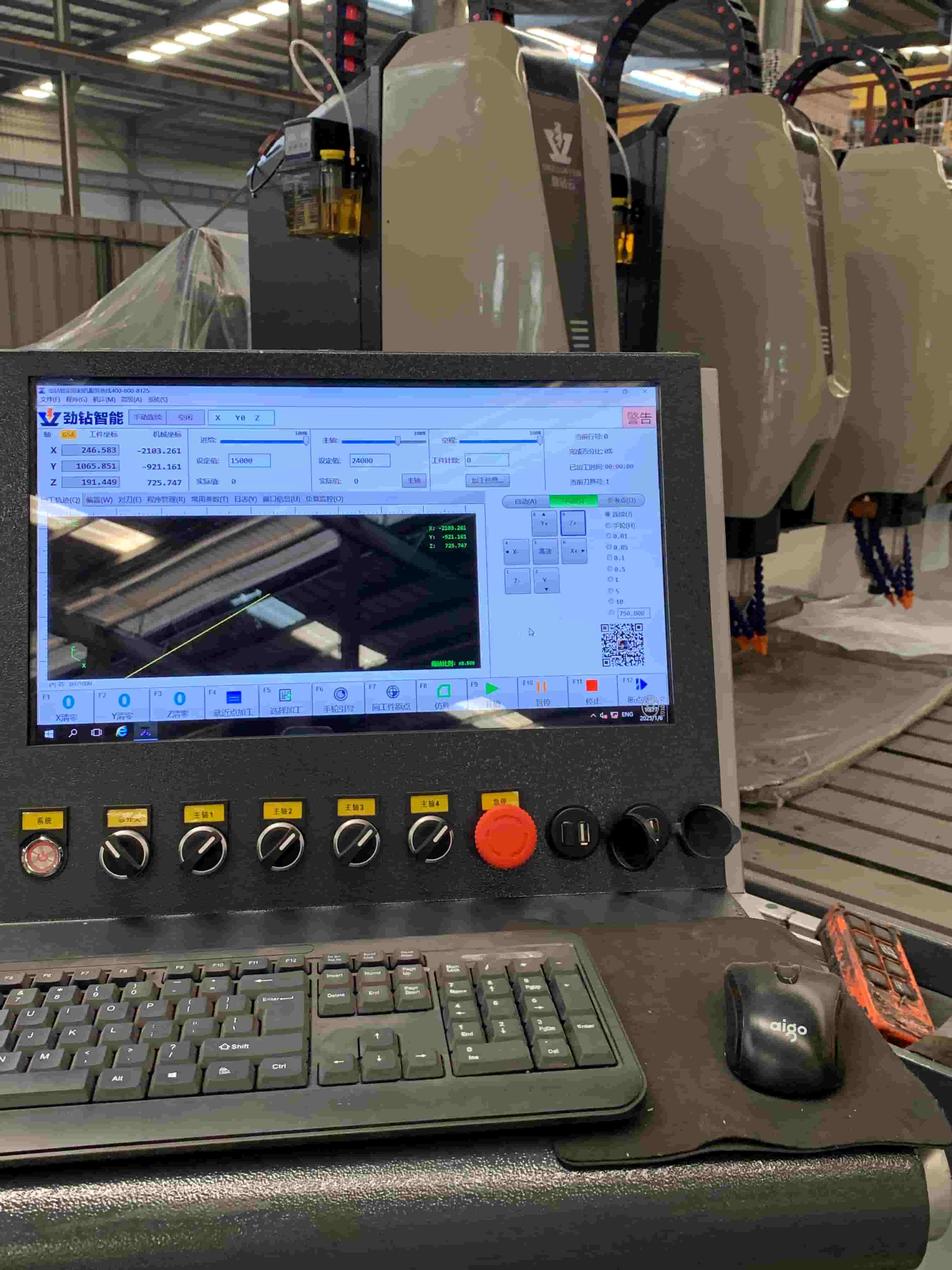
Software Compatibility

A professional supplier should support:

  • CAD/CAM integration
  • 3D modeling software
  • Remote technical support

Software flexibility determines how easily designers can convert ideas into finished stone art.

Intelligent Stone Manufacturing Machine


Real Industry Applications Around the World

Stone CNC machines are widely used in:

  • European monument manufacturing workshops
  • Middle East architectural decoration factories
  • North American custom stone studios
  • Southeast Asian sculpture production centers

Many workshops upgrade from manual carving to CNC systems after realizing they can increase productivity by 3–5 times while maintaining artistic quality.


Frequently Asked Questions About Custom Stone CNC Art

Q1: Can CNC machines really replace stone artists?

No. CNC machines assist artists, not replace them.

They handle:

  • Rough shaping
  • Repetitive carving
  • Precision geometry

Artists still perform final polishing and creative adjustments.


Q2: What stones can be processed?

Common materials include:

  • Marble
  • Granite
  • Limestone
  • Sandstone
  • Artificial stone

Tool selection and spindle power determine machining performance.


Q3: Is CNC suitable for small custom orders?

Yes. CNC technology is especially suitable for small-batch customization because programs can be reused without additional tooling costs.


Q4: How long does it take to learn operation?

Most operators can master basic machine operation within 7–10 days with proper training and technical guidance.


Q5: What affects carving surface quality most?

Key factors include:

  • Machine rigidity
  • Tool quality
  • Correct cutting parameters
  • Cooling system stability

Surface quality is rarely determined by a single factor.


Q6: Why do some CNC machines lose accuracy over time?

Common reasons:

  • Weak machine frame structure
  • Poor guide rail quality
  • Insufficient maintenance

Choosing an experienced manufacturer significantly reduces long-term risk.


The Future of Custom Stone Art Manufacturing

The next generation of stone production is driven by:

  • AI-assisted design
  • 3D scanning replication
  • Multi-axis automation
  • Smart manufacturing integration

CNC technology allows stone companies to shift from material suppliers to creative solution providers.


Businesses that adopt digital stone carving today gain a major competitive advantage in high-value custom markets.


Conclusion

Custom stone art represents the perfect fusion of tradition and technology.

CNC stone machines empower manufacturers to:

  • Produce complex artistic designs efficiently
  • Maintain consistent precision
  • Reduce labor dependency
  • Expand into premium customized projects

In the modern stone industry, success no longer depends only on craftsmanship — it depends on how effectively creativity is transformed into precise, repeatable manufacturing.


And CNC technology is the bridge connecting imagination with reality.

How CNC Machines Are Used in Tombstone Production

In today’s stone processing industry, CNC technology has become a core driver of efficiency, precision, and customization—especially in tombstone (headstone) production. From raw block cutting to intricate engraving, CNC machines enable manufacturers to deliver consistent quality while meeting highly personalized customer demands.


This article provides a practical, experience-based overview of how CNC machines are actually used in tombstone production, with real application scenarios, comparisons, and frequently asked questions.


1. Overview: Why CNC Machines Matter in Tombstone Manufacturing

Traditional tombstone production relied heavily on manual carving and basic cutting tools. While craftsmanship was valuable, it came with limitations:

  • Inconsistent quality
  • Low production efficiency
  • Limited design complexity

CNC (Computer Numerical Control) machines solve these issues by offering:

  • High precision (±0.01–0.05 mm depending on machine type)
  • 24/7 continuous operation capability
  • Repeatable results for batch production
  • Flexible design execution (text, portraits, 3D reliefs)


2. Step-by-Step CNC Applications in Tombstone Production

2.1 Block Cutting and Shaping

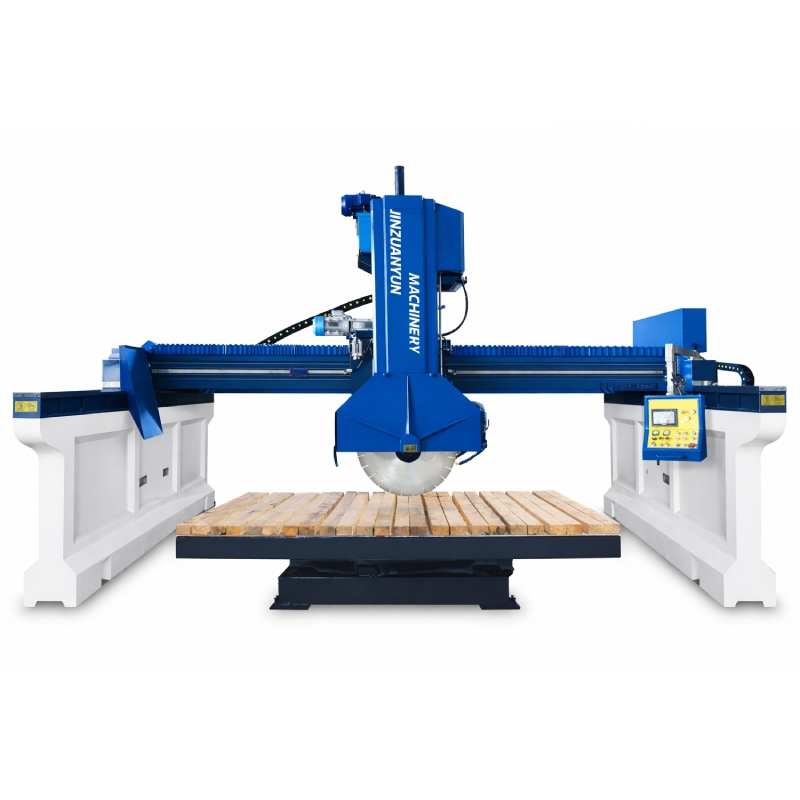
Machine Used: CNC Bridge Saw / CNC Cutting Machine

Application Scenario:

A granite block is first cut into slabs or basic tombstone shapes. For example, when processing a 2000×1000×300 mm granite block, a Automatic CNC Bridge Saw can maintain cutting deviation within ±0.5 mm even after 10 hours of continuous operation.

Key Advantages:

  • Straight, clean edges with minimal material waste
  • Automated cutting paths reduce labor dependency
  • Suitable for high-volume cemetery projects

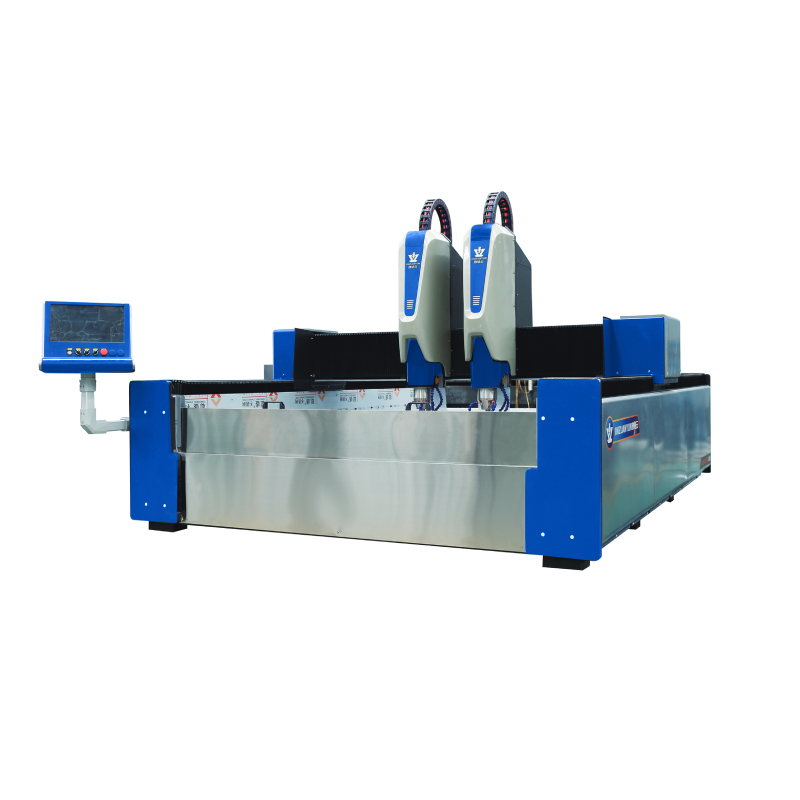
High Precision CNC Bridge Saw

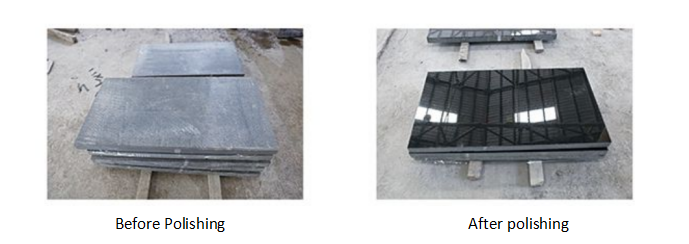
2.2 Surface Profiling and Polishing Preparation

Machine Used: CNC Milling Machine / 3-Axis Stone CNC Machine

Application Scenario:

Before engraving, the tombstone surface must be leveled and shaped. High Precision CNC Milling Machine ensures a perfectly flat or slightly curved surface, which is critical for later engraving accuracy.

Technical Detail:

  • Surface flatness can be controlled within ±0.02 mm
  • Consistent results even on hard stones like granite


2.3 Engraving Text, Patterns, and Portraits

Machine Used: 3-Axis or 5-Axis CNC Stone Engraving Machine

Application Scenario:

Engraving names, dates, religious symbols, and even high-resolution portraits directly onto the tombstone.

For example:

  • A 3-axis CNC machine can engrave standard text and 2D patterns at speeds of 3–6 m/min
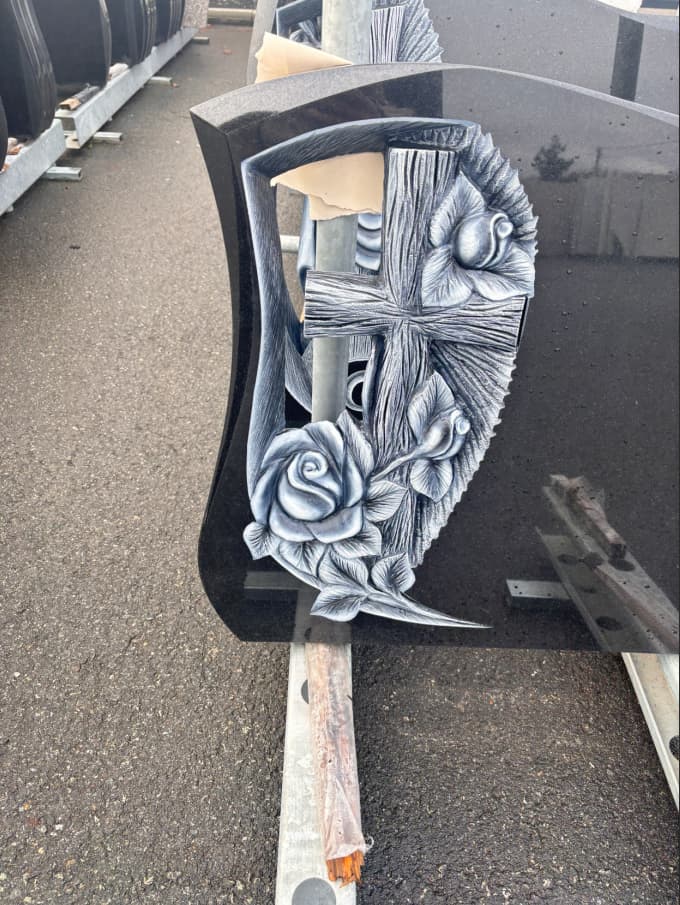
  • A 5-axis CNC machine can produce complex 3D relief carvings, such as angels or sculptures, with depth precision up to ±0.03 mm

Real Use Case:

In a cemetery project requiring 500 identical headstones, CNC engraving ensures every letter and symbol is perfectly aligned and consistent—something nearly impossible with manual methods.

Flat Surface Stone Engraving Machine

2.4 Edge Shaping and Decorative Finishing

Machine Used: CNC Profiling Machine / Edge Polishing Machine

Application Scenario:

Creating decorative edges such as beveled, rounded, or ogee profiles.

Benefits:

  • Uniform edge design across large batches
  • Reduced polishing time
  • Enhanced aesthetic value

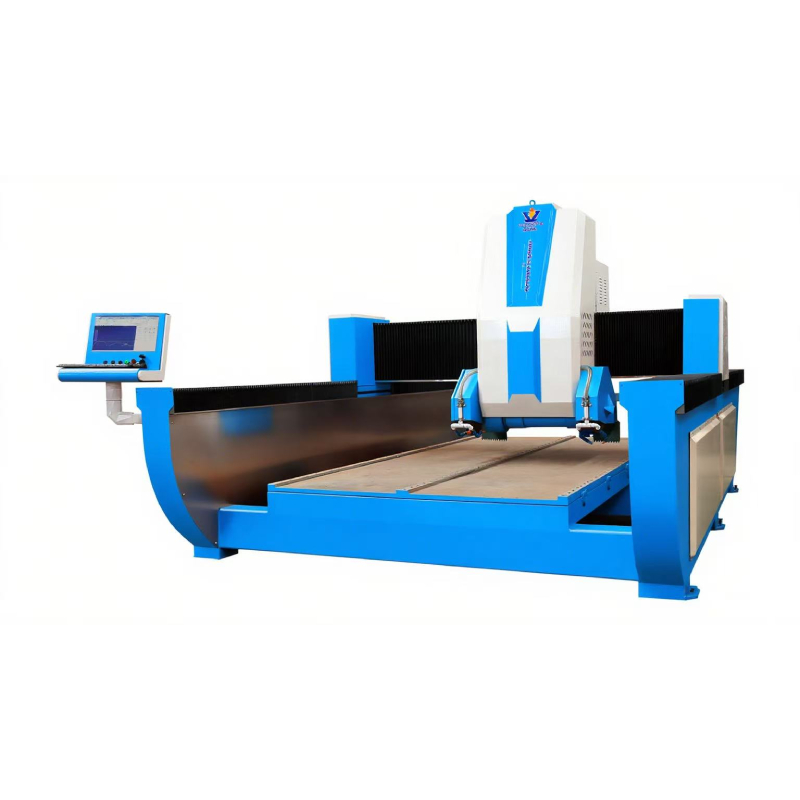
Multi Function Stone Profiling Machine

2.5 3D Sculptural Elements (High-End Tombstones)

Machine Used: 5-Axis CNC Machine or 7-Axis Robotic Arm

Application Scenario:

High-end tombstones often include statues, religious figures, or custom sculptures.

Technical Capability:

  • Multi-angle carving without repositioning the stone
  • Ability to process complex geometries in a single setup
  • Continuous operation for 48–72 hours without precision loss

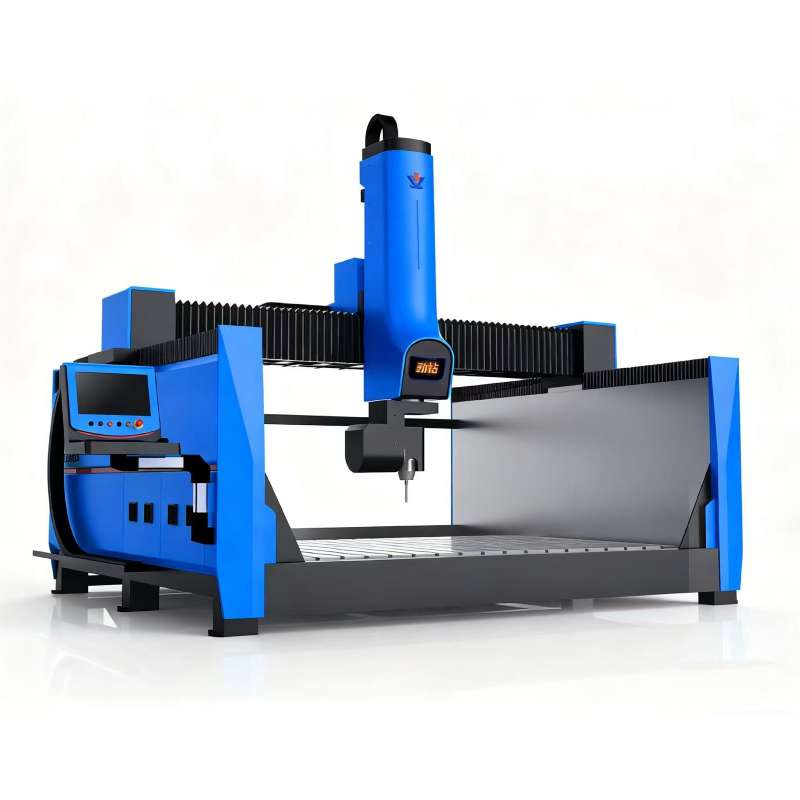
3D Stone CNC Engraving Machine

3. CNC vs Traditional Methods: A Practical Comparison

Aspect CNC Machines Traditional Manual Methods
Precision ±0.01–0.05 mm Highly operator-dependent
Efficiency 24/7 automated production Limited working hours
Design Complexity Supports 2D & 3D designs Mostly simple patterns
Consistency Perfect for batch orders Variations unavoidable
Labor Cost Lower in long term Higher due to skilled labor


Conclusion:

For modern tombstone manufacturers targeting export markets (USA, Europe, Middle East), CNC machines are no longer optional—they are essential for competitiveness.


4. How to Choose the Right CNC Machine for Tombstone Production

Scenario-Based Recommendations:

  • Small workshops (custom orders):→ 3-Axis CNC Engraving Machine 
  • Medium factories (batch production):→ CNC Bridge Saw + 3-Axis Engraver
  • High-end projects (sculptures & monuments):→ 5-Axis CNC or Robotic Arm System


5. Frequently Asked Questions (FAQ)

Q1: What is the most suitable CNC machine for tombstone engraving?

  • For standard text and patterns, a 3-axis CNC machine is sufficient.
  • For portraits or 3D carvings, a 5-axis CNC machine is recommended.


Q2: Can CNC machines handle hard stones like granite?

Yes. High-quality CNC machines can process granite continuously for 48–72 hours while maintaining stable accuracy and tool performance.


Q3: What file formats are required for engraving?

Common formats include:

  • DXF (2D designs)
  • STL (3D models)
  • BMP (for portrait engraving via software conversion)


Q4: How to ensure engraving quality?

Key factors include:

  • Machine rigidity and spindle quality
  • Proper tool selection (diamond tools for granite)
  • Stable software (e.g., CAD/CAM systems)


Q5: What are common mistakes buyers make?

  • Choosing low-cost machines with unstable frames
  • Ignoring after-sales support and training
  • Not matching machine type with production needs


6. Expert Insights: What Buyers Often Overlook

Based on real export experience, many buyers focus only on price, but overlook:

  • Machine structure stability: affects long-term precision
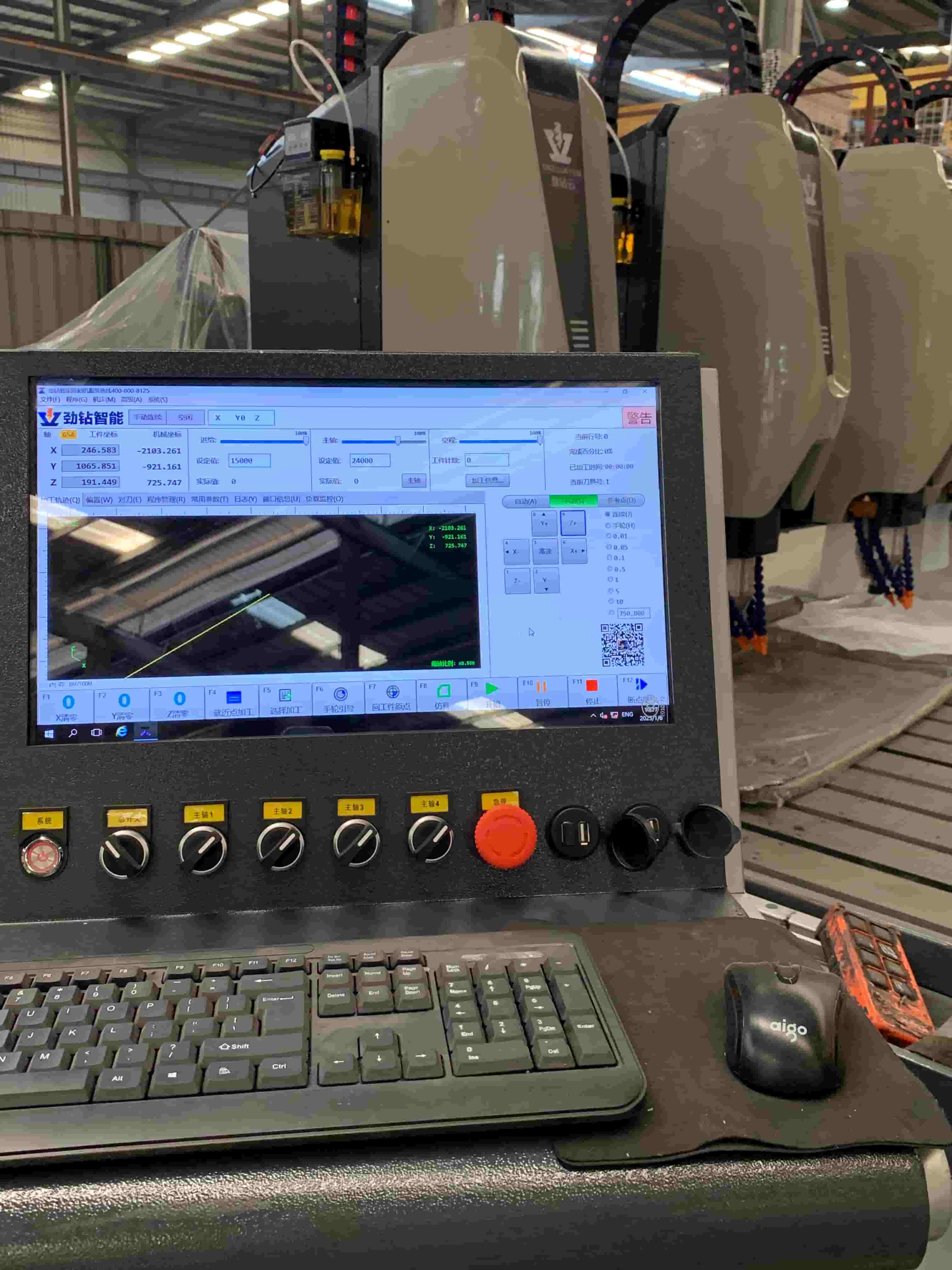
  • Control system compatibility: impacts ease of operation
  • After-sales service: critical for overseas installation and training

For example, during overseas installation projects, machines with poor calibration systems often require repeated adjustments, delaying production schedules by 3–7 days.


7. Final Thoughts

CNC machines have transformed tombstone production from labor-intensive craftsmanship into a precise, scalable, and highly customizable manufacturing process.

For buyers and manufacturers aiming to expand into international markets, investing in the right CNC solution means:

  • Higher efficiency
  • Better product consistency
  • Stronger competitiveness

If you are planning to upgrade your tombstone production line, understanding real application scenarios and making informed comparisons will help you choose the most suitable CNC solution—not just the cheapest one.


Tombstone Engraving Machine Monument CNC Router

Water Cooling vs Air Cooling Spindles for Stone CNC Machines

A Practical Guide for Stone Fabricators and CNC Buyers

When choosing a spindle for a high precision stone CNC machine, one of the most critical decisions is water cooling vs air cooling. This choice directly affects cutting performance, machine lifespan, maintenance cost, and suitability for different working environments.


In this guide, we go beyond general descriptions and provide real-world comparisons, application scenarios, and answers to common buyer questions—helping both engineers and buyers make confident decisions.


What Is a CNC Spindle and Why Cooling Matters?

The spindle is the core component of any stone CNC machine. It drives the cutting tool at high speed, often operating under:

  1. Heavy load (granite, quartz, marble)
  2. Continuous working hours (8–24 hours/day)
  3. Dusty and high-temperature environments


Without proper cooling, spindle temperature can exceed 70–100°C, leading to:

  1. Reduced machining accuracy
  2. Faster bearing wear
  3. Unexpected downtime

That’s why cooling method = performance stability.

High Accuracy Stone CNC Machine

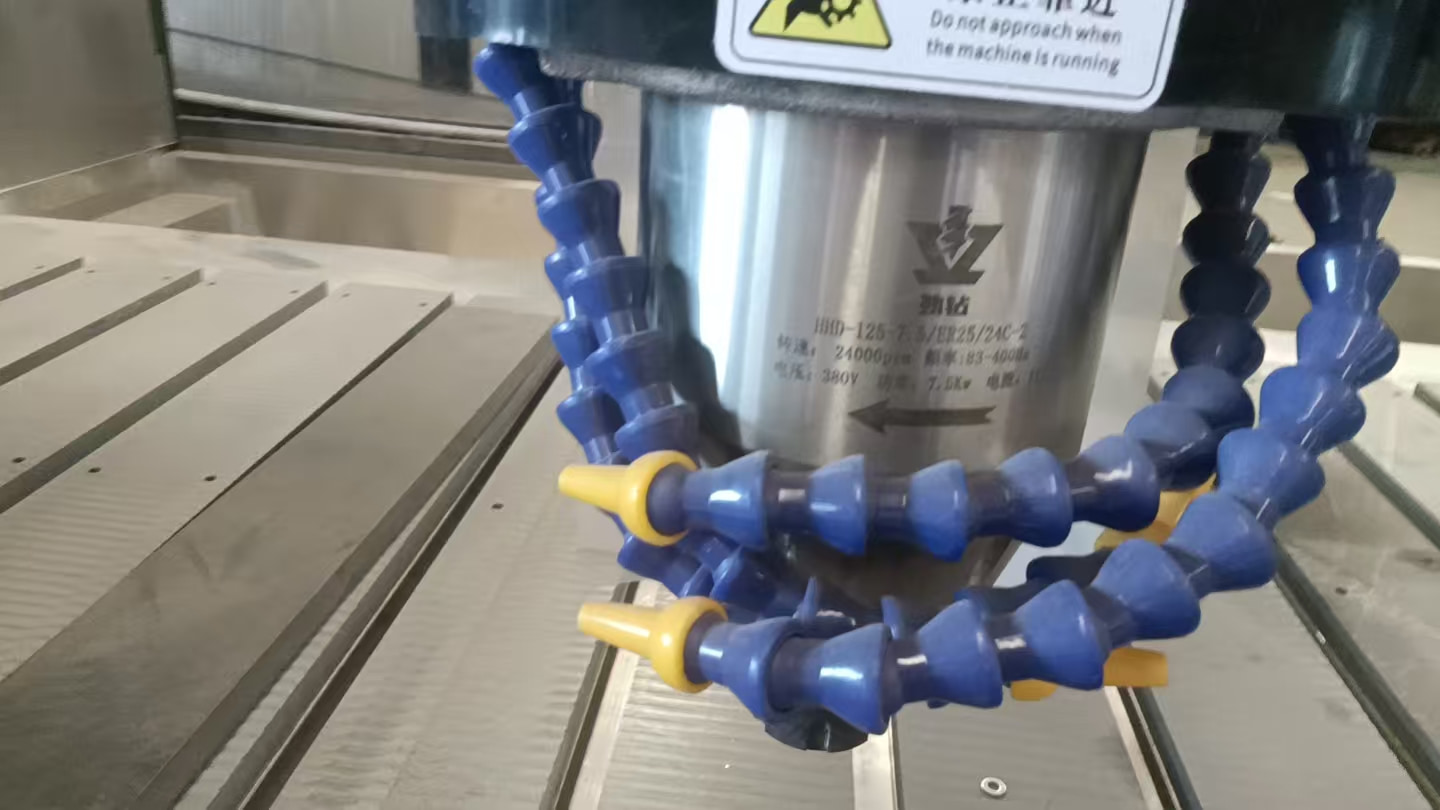
Water Cooling Spindles: Stable Performance for Precision Work

How It Works:

Water cooling spindles use a closed-loop water circulation system (water pump + tank or industrial chiller) to dissipate heat.


Real Application Scenario:

In a quartz countertop factory running 12-hour continuous polishing and engraving, a water cooling spindle can:

  1. Maintain spindle temperature at 25–35°C
  2. Keep machining accuracy within ±0.01–0.02 mm
  3. Run continuously for 72 hours without overheating shutdown

This makes it ideal for high-precision, long-duration operations.


Advantages:

  1. Superior cooling efficiency → stable under heavy loads
  2. Lower noise → ideal for indoor workshops
  3. Higher precision consistency
  4. Longer spindle lifespan (bearings wear slower)


Limitations:

  1. Requires water pump or chiller system
  2. Slightly more complex installation
  3. Risk of freezing in cold environments (if not protected)


Air Cooling Spindles: Simplicity and Durability

How It Works:

Air cooling spindles rely on built-in fans to dissipate heat directly into the air.


Real Application Scenario:

In an outdoor stone processing site with high dust and unstable water supply, an air cooling spindle:

  1. Operates reliably without external cooling devices
  2. Handles rough cutting of granite slabs (thickness 30–80mm)
  3. Requires minimal setup and maintenance


Advantages:

  1. Simple structure → no external cooling system
  2. Easy installation and maintenance
  3. Better suited for dusty or outdoor environments
  4. No risk of water leakage


Limitations:

  1. Cooling efficiency is lower than water cooling
  2. Generates more noise
  3. Temperature can reach 50–70°C under heavy load, affecting long-term precision


Water Cooling vs Air Cooling: Direct Comparison

Feature Water Cooling Spindle Air Cooling Spindle
Cooling Efficiency Excellent (liquid cooling) Moderate (air flow)
Noise Level Low Higher
Precision Stability Very high Medium
Maintenance Moderate (water system) Very easy
Working Environment Indoor, controlled Outdoor, dusty
Continuous Operation 24/7 stable Better for intermittent
Cost Slightly higher More economical


How to Choose the Right Spindle for Your Application

Choose Water Cooling If:

  1. You process quartz, marble, or artificial stone with high precision
  2. Your machine runs more than 8 hours/day
  3. You require fine engraving, polishing, or 3D carving
  4. Your workshop is indoor with stable infrastructure


Choose Air Cooling If:

  1. You mainly do rough cutting or shaping
  2. Your environment is dusty or outdoor
  3. You prefer low maintenance and quick installation
  4. Budget is a key concern


How to Identify a High-Quality Spindle Supplier

Before purchasing, buyers often ask: “How do I know if this spindle is reliable?”

Here are practical evaluation criteria:

  1. Bearing brand and grade (e.g., ceramic vs standard bearings)
  2. Actual test data (temperature, noise, vibration under load)
  3. Continuous operation proof (e.g., 48–72h testing reports)
  4. After-sales support (remote guidance, spare parts availability)

A reliable supplier will provide real test videos, factory inspection support, and clear technical parameters—not just generic claims.


Frequently Asked Questions (FAQ)

1. Which spindle lasts longer?

Water cooling spindles generally have a longer lifespan, because stable temperature reduces bearing wear.


2. Is water cooling difficult to maintain?

Not really. With a proper system:

  1. Replace water every 1–2 months
  2. Ensure clean circulation

Industrial chillers can further reduce maintenance effort.


3. Can air cooling handle granite cutting?

Yes, especially for rough cutting and profiling. However, for fine engraving, water cooling performs better.


4. Which is better for hot climates?

Water cooling is more stable, especially when ambient temperature exceeds 30°C.


5. What about cost difference?

Air cooling spindles are typically 10–20% cheaper, but water cooling may reduce long-term maintenance and replacement costs.


Final Thoughts

There is no “one-size-fits-all” answer. The best spindle depends on your:

  1. Material type
  2. Working hours
  3. Precision requirements
  4. Factory environment

Water cooling = precision + long-term stability

Air cooling = simplicity + flexibility


About Us

As a professional manufacturer of stone CNC machines, we have delivered equipment to customers in over 40 countries. Our machines are tested under real production conditions, including:

  1. Continuous operation testing
  2. High-load stone cutting
  3. On-site installation and training

If you're unsure which spindle fits your project, we can provide customized recommendations based on your materials, drawings, and production goals.


How Long Does It Take to Get ROI on a 1000-Ton Hydraulic Scrap Metal Baler?

 On average, a high-volume recycling facility can achieve full Return on Investment (ROI) on a 1000-ton hydraulic scrap metal baler within 14 to 24 months. This timeline is driven by three main factors: an immediate 50-60% reduction in outbound freight costs, maximized payload density, and the premium pricing offered by smelters for highly compacted, furnace-ready metal bales.

The Financial Mechanics of Heavy-Duty Baling When evaluating the purchase of a heavy-duty scrap metal baler, procurement managers often focus strictly on the initial capital expenditure. However, the true financial value lies in how rapidly it transforms your operational cash flow. Processing bulky, irregular scrap—such as structural steel, vehicle shells, and heavy industrial offcuts—presents a massive logistical bottleneck.

Slashing Freight and Smelter Premiums The most immediate impact on your ROI is the reduction in freight costs. A 1000-ton hydraulic scrap metal baler applies immense pressure to condense loose metal into uniform, dense blocks. Consider the mathematics of logistics: a standard truck might max out its volume with only 8 tons of loose scrap, but that same truck can carry 25 tons of baled metal. This allows you to cut your number of shipments by more than half. Furthermore, smelters strongly prefer these high-density bales because they sink immediately into the molten bath, reducing oxidation. Because you are delivering a superior, furnace-ready product, mills offer a premium price per ton, directly increasing your gross margin.


Operational Efficiency and Path to ROI Modern scrap metal baler units are equipped with advanced PLC systems, allowing for automated operation. By integrating an excavator feeding system, you drastically reduce the manual labor required to sort and load scrap. Faster cycle times mean higher daily throughput, lowering your operational cost per ton and accelerating your path to complete ROI.

Maximizing Margins in ELV Recycling The Critical Role of Professional Car Balers

The global End-of-Life Vehicle (ELV) recycling market has experienced unprecedented growth. Industry reports from 2025 and early 2026 indicate that over 30 million vehicles are decommissioned globally each year. As the automotive industry accelerates its shift toward electric vehicles (EVs) and circular economy regulations tighten, the volume of legacy internal combustion engine (ICE) vehicles entering scrap yards is reaching historic peaks.

For metal recycling facilities, this surge presents a lucrative opportunity, but also a massive logistical bottleneck: how to efficiently process, store, and transport bulky car shells.

The Logistics Challenge of Auto Recycling

Scrap metal recycling is an industry defined by volume and transport economics. A stripped car body—minus its engine, tires, fuels, and hazardous fluids—is essentially a large, hollow steel shell. Shipping uncompressed car bodies is financially unviable due to the "shipping air" problem. Throughout 2024 and 2025, global freight and domestic trucking costs remained historically high, meaning that scrap yards failing to maximize their payload density saw their profit margins severely eroded.

The solution lies in specialized, heavy-duty compaction. By utilizing a professional scrap metal baler for car body recycling, facilities can transform a cumbersome vehicle chassis into a dense, stackable block. This instantly multiplies the weight-to-volume ratio of every outbound shipment, slashing transportation costs by up to 60%.

Advanced Engineering for the Automotive Sector

General-purpose balers often lack the structural integrity to handle the diverse steel grades and complex geometries of modern vehicles. A purpose-built hydraulic car shell compactor is required to apply the immense force necessary to flatten cars, trucks, and vans safely and efficiently.

At Teyun Machinery, we have engineered our equipment specifically for the rigorous demands of the automotive recycling industry. Our designs feature robust press chambers tailored for vehicle dimensions, offering operators the choice between a flat-bed type or a turn-around box type, depending on their facility's specific layout.

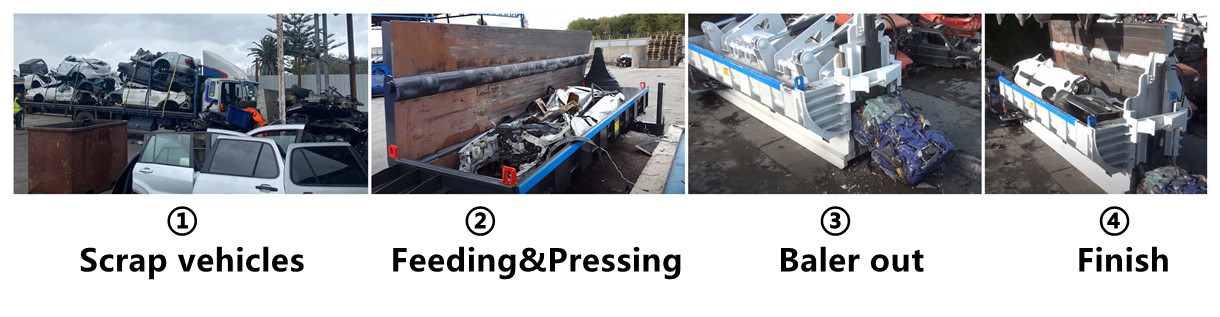
Furthermore, feeding the machine is highly adaptable. Scrap yards can utilize a hydraulic cylinder push system or a heavy-duty excavator grab to lift and drop scrap cars directly into the feeding box, ensuring continuous, high-speed operation.

Proven Global Reliability and ROI

Investing in a heavy-duty car baling machine is a direct investment in your facility's operational throughput. Once the vehicle is positioned, the hydraulic press is activated, exerting substantial force to crush the bulkiness into a compact bale or flat sheet. This dramatically minimizes on-site storage space requirements and prepares the scrap metal for immediate sale to smelting facilities.


The reliability of Teyun’s equipment is proven on a global scale. In recent years, our car balers have been successfully installed and trusted by recycling operations across Australia, New Zealand, Armenia, and beyond. As a leading car baler manufacturer, we understand that our clients require robust machinery that withstands harsh, continuous outdoor operation while requiring minimal downtime for maintenance.

Upgrade Your Scrap Yard Infrastructure

As the ELV market continues to expand through 2026 and beyond, upgrading your processing infrastructure is not just an option; it is a necessity for maintaining a competitive edge. Equip your scrap yard with machinery capable of turning logistical headaches into profitable, high-density commodities. Contact our engineering team today to find the perfect car baler for your capacity needs.

Unlocking Metal Recycling Profitability in the Middle East and South America The Power of Briquetting

The global scrap metal recycling landscape is shifting rapidly. While traditional markets remain steady, two regions are currently experiencing a massive surge in industrial metal waste: the Middle East and South America. Driven by aggressive infrastructure mega-projects (such as Saudi Arabia's Vision 2030) in the MENA region, and the revitalization of heavy manufacturing and mining in Latin America, local recycling facilities are facing unprecedented volumes of metal scrap.

However, a significant portion of this waste comes in the form of loose metal chips, turnings, and swarf generated by CNC machining and structural steel fabrication. Processing this specific type of scrap presents unique challenges—and highly lucrative opportunities for those equipped with the right machinery.

The Regional Challenges of Loose Scrap Metal

For scrap yard operators and smelters in South America, logistics dictate profitability. Transporting loose, low-density aluminum or steel turnings across vast distances or mountainous terrains means you are essentially "paying to ship air." Furthermore, loose scrap oxidizes quickly in humid climates, losing metallurgical value before it even reaches the furnace.

In the Middle East, the challenge is heavily focused on smelting efficiency and environmental regulations. When loose metal chips are thrown directly into a high-temperature smelting furnace, up to 30% of the material can be lost to burn-off and oxidation. Additionally, the residual cutting fluids coated on the chips can cause hazardous smoke and flare-ups, violating increasingly strict local environmental standards.


The Solution: High-Density Compaction

To overcome these regional hurdles, forward-thinking recycling facilities are moving beyond basic baling and shearing. The ultimate upgrade for handling metal turnings and swarf is investing in a professional metal briquetting machine.

By applying immense hydraulic pressure, this equipment compresses loose metal waste into solid, high-density cylindrical blocks (briquettes) without the need for any adhesives or binders.

Here is why this technology is becoming a game-changer for the Middle Eastern and South American markets:

  • Maximized Smelting Yield: Solid briquettes sink immediately into the molten bath in a furnace, significantly reducing oxidation and burn-off. This can increase actual metal recovery by 20% to 30% compared to melting loose chips.

  • Cutting Fluid Recovery: During the high-pressure compaction process, a premium metal chip briquette press effectively squeezes out and collects expensive cutting fluids and industrial oils. This not only allows the oils to be recycled but also ensures the metal is clean, preventing toxic smoke during smelting.

  • Optimized Logistics: Briquettes have a density comparable to solid metal. This allows South American recyclers to maximize the weight payload of every truck and shipping container, drastically slashing freight costs per ton.


Engineered for Extreme Environments

Whether operating in the intense desert heat of the UAE or a robust industrial zone in Brazil, recycling machinery must be built to last. Partnering with a trusted manufacturer guarantees that your equipment features heavy-duty structural engineering, premium cooling systems, and reliable electrical components capable of 24/7 operation.

Integrating a fully automated hydraulic briquetting press into your processing line is no longer just an operational upgrade; it is a strategic necessity to stay competitive in today's booming emerging markets.

Upgrade your metal recycling facility today and turn loose waste into high-value commodities. Contact Teyun Machinery to explore our complete range of high-performance compaction solutions.

4 Common Types of Steel Sections and Their Applications

Steel sections form the backbone of modern construction and heavy engineering projects. Their ability to provide strength, flexibility, and design efficiency makes them a vital component for buildings, bridges, industrial facilities, and transport infrastructure. Each type of steel section has unique structural advantages suited to specific applications.  


In this article, Cheongfuli (Xiamen) Co., Ltd. explores four of the most commonly used steel sections and how they contribute to achieving optimal structural performance in various industries.  


1. Angle Sections (L-Shapes)  


Angle sections, available as equal or unequal L-shapes, offer excellent resistance to shear and tension at corners and joint points. Their right-angled design makes them ideal for structural reinforcement, bracing systems, and connection members.  


Common Uses:  

- Structural bracing and framing  

- Equipment and vehicle frames  

- Corner strengthening and edge protection  

- Decorative trims, brackets, and reinforcements  


2. Beams and Columns (I-Beams & H-Beams)  


I-Beams and H-Beams are among the most widely used structural shapes due to their outstanding ability to handle heavy loads. Their wide flanges provide resistance against bending and shear, helping support long spans and high-stress structures.  


Common Uses:  

- Building frameworks and support columns  

- Bridges and large-span infrastructure  

- Industrial platforms and heavy machinery bases  


3. Channel Sections (C or U Shapes)  

Channel sections combine efficiency and strength within a compact design. Their top and bottom flanges connected by a vertical web deliver rigidity while keeping weight low, making them a cost-effective choice for medium-duty structural tasks.  


Common Uses:  

- Framing for walls, floors, and ceilings  

- Supporting rails and mezzanine floors  

- Vehicle chassis and light construction projects  


 4. Hollow Structural Sections (HSS)  

Hollow Structural Sections, available in square, rectangular, and circular profiles, offer excellent strength-to-weight performance. Their enclosed shape enhances torsional resistance and visual appeal, making them a favorite for modern architectural designs.  


Common Uses:  

- Load-bearing columns and tubular frames  

- Industrial machinery supports  

- Architectural and exposed structural designs  

- Fencing, railings, and modular construction systems  


Why Choose Cheongfuli (Xiamen) Co., Ltd. Steel Sections  


At Cheongfuli (Xiamen) Co., Ltd., we pride ourselves on delivering precision-engineered steel products designed to exceed international quality standards. Our sections, and alloy steels are trusted by clients across key industries including:  


- Construction and Infrastructure  

- Oil and Gas  

- Mining and Heavy Engineering  

- Energy and Power Generation  

- Automotive and Defence  


Backed by rigorous quality control, global logistics capabilities, and expert technical support, Cheongfuli (Xiamen) Co., Ltd. ensures every customer receives the ideal steel solution for their unique project needs.  


For more information or to request a quotation, contact us today 

E-mail: cfloffice@chinacnd.com

WhatsApp: +86 173 1931 2767

☎Tel: +86 0592 259 2583


Cheongfuli (Xiamen) Co., Ltd. – Your Trusted Partner in High-Performance Steel Solutions.  

Galvanized Steel A Complete Guide to Properties, Grades and Applications

Galvanized steel (GI steel) is one of the most widely used steel materials in modern construction, manufacturing, and infrastructure projects. Known for its excellent corrosion resistance, durability, and cost-effectiveness, galvanized steel is commonly supplied in coils and sheets and plays a vital role in industries that require long service life and reliable performance.

This guide provides a comprehensive overview of galvanized steel, including its definition, substrate types, coating grades, applications, and key advantages.

Galvanized steel (GI steel)


What Is Galvanized Steel?


Galvanized steel is carbon steel coated with a layer of zinc to protect it from corrosion and rust. The zinc coating is typically applied through hot-dip galvanizing or electro-galvanizing.

The zinc layer acts as a sacrificial anode, meaning it corrodes before the underlying steel. Even if the coating is scratched, zinc continues to protect the exposed steel, significantly extending the material’s service life. The thickness of the zinc coating directly determines the corrosion resistance and application performance of galvanized steel.


Galvanized Steel Substrate Types

Different substrates are selected based on strength, formability, and processing requirements:

  • Mild Steel
  • Carbon content ≤ 0.25%, suitable for general-purpose applications.High Strength Low Alloy Steel (HSLA)
  • Contains trace alloying elements such as Nb, V, or Ti to enhance strength.Ultra-Low Carbon Steel (IF Steel)
  • Carbon content ≤ 0.005%, ideal for deep drawing and complex forming.


Common Galvanized Steel Grades

  • DX51D – General purpose
  • DX52D – Stamping quality
  • DX53D – Deep drawing
  • DX54D – Ultra-deep drawing
  • S220GD / S350GD – Structural grades (minimum yield strength 220 MPa / 350 MPa)

Zinc Coating Grades and Characteristics


Zinc Coating Classification

  • Standard Zinc Coating: Z60, Z80, Z120
  • Heavy Zinc Coating: Z180, Z275 (for highly corrosive environments)


Coating Features

  • Coating Thickness: Typically 40–150 μm
  • Zinc Weight: Approximately 20–350 g/m²
  • Coating Structure: Pure zinc (Z) or zinc-iron alloy (ZF)


Applications of Galvanized Steel

Thanks to its excellent salt spray resistance, strength, and formability, galvanized steel is widely used across multiple industries.


Construction

Used for structural framing, roofing sheets, wall cladding, and reinforcing components. Its corrosion resistance makes it ideal for buildings exposed to harsh weather conditions.


Automotive

Applied in body panels, chassis, and undercarriage parts to improve durability and rust resistance, even in high-humidity or salt-rich environments.


Agriculture

Commonly used for fencing, feed troughs, storage containers, and agricultural structures due to its long-lasting outdoor performance.


Infrastructure

Used in utility poles, cable trays, transmission towers, and other public facilities where strength and long-term reliability are essential.


Education & Office

Galvanized steel substrates can be coated and processed into whiteboards, blackboards, and teaching equipment for schools and offices.


Household Appliances

Refrigerators, washing machines, air conditioners, and other appliances rely on galvanized steel to extend service life and enhance performance.


Transportation

High-strength or heavy zinc-coated galvanized steel is widely used in highway guardrails, traffic sign poles, street lighting systems, and public transport facilities.


Marine

In coastal and marine environments, heavy zinc coatings such as Z275 provide enhanced protection for docks, hull components, and offshore structures exposed to saltwater.

Advantages of Galvanized Steel

Excellent Corrosion Resistance

The zinc coating forms a protective barrier against moisture, oxygen, and corrosive agents. Thicker zinc layers offer longer corrosion protection.


Long Service Life

Depending on the zinc coating (Z30–Z275), galvanized steel can last 20–50 years with minimal maintenance.


Cost-Effective Solution

Hot-dip galvanized steel offers a strong balance between performance and cost, reducing long-term maintenance and replacement expenses.


Low Maintenance

Once installed, galvanized steel requires little to no maintenance, making it ideal for large-scale or hard-to-access projects.


Environmentally Friendly

Zinc is a natural, recyclable material. Galvanized steel can be recycled repeatedly without losing performance, supporting sustainable construction.


Attractive Appearance

Available in zero spangle, regular spangle, small spangle, or big spangle finishes to meet aesthetic and functional requirements.


Excellent Processability

Galvanized steel can be stamped, slit, welded, formed, painted, or further coated to meet diverse application needs.


Galvanized Steel Buying Guide

When selecting galvanized steel, consider the following key factors:

1.Service Environment

Corrosion conditions determine the required zinc coating thickness.

2.Processing Requirements

Stamping, welding, or forming needs determine substrate type and steel grade.

3.Budget Considerations

In general:

Electro-galvanized > Hot-dip galvanized > Color-coated steel

Choosing the right combination ensures optimal performance, cost efficiency, and product lifespan.


Why Choose Cheongfuli (Xiamen) Co., Ltd.?


Quality & Durability

Our galvanized steel products are manufactured with strict quality control and high process consistency, ensuring excellent corrosion resistance, coating adhesion, and long-term durability. The zinc coating provides effective protection against rust and environmental exposure, making our GI steel suitable for outdoor, structural, and industrial applications. Whether used for construction, infrastructure, or fabrication purposes, our galvanized steel delivers stable and reliable performance under diverse service conditions.


Professional Support

At Cheongfuli (Xiamen) Co., Ltd., we go beyond supplying galvanized steel products. Our professional team provides comprehensive technical support, including guidance on steel grades, zinc coating weights, surface finishes, and processing suitability. We also offer recommendations for forming, cutting, welding, and application-specific requirements, helping ensure optimal performance, cost efficiency, and long-term reliability for your projects.


Contact Us

Email: cfloffice@chinacnd.com

Website: www.cflsteel.com

Tel : 0592-2592583

WhatsApp : +8617319312767