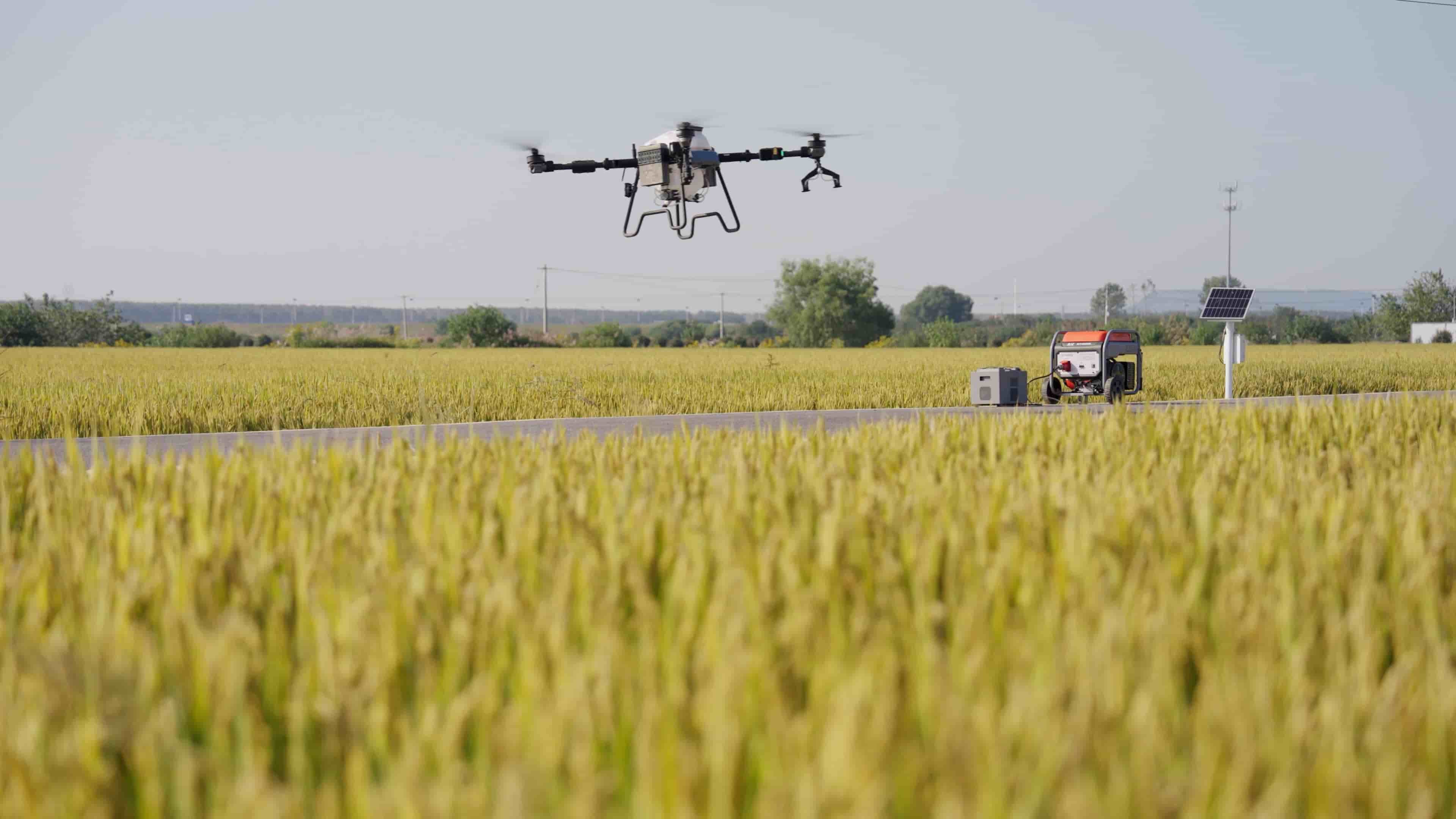
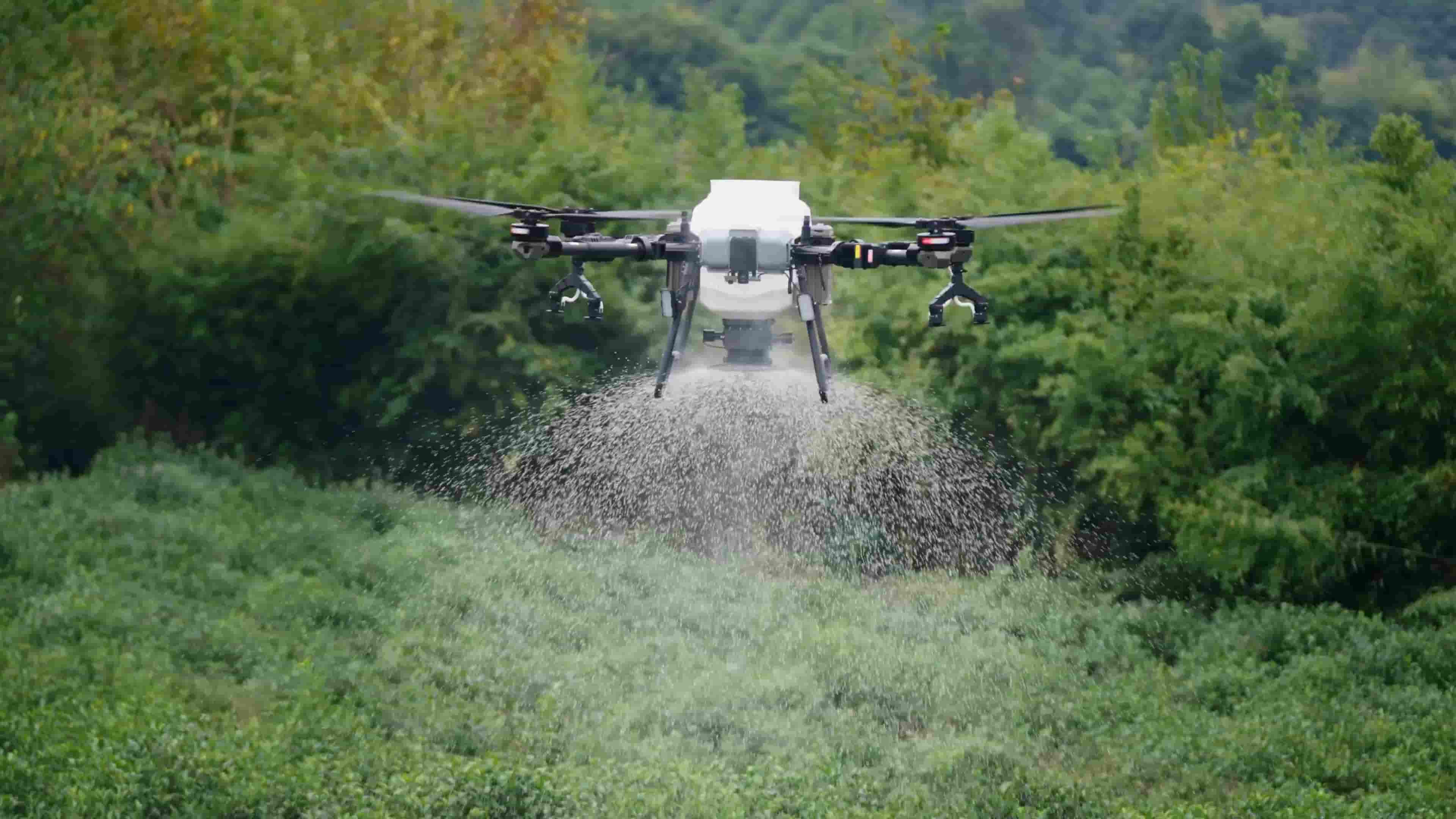
How Accurate Are Agricultural Drones in Crop Spraying and Monitoring?


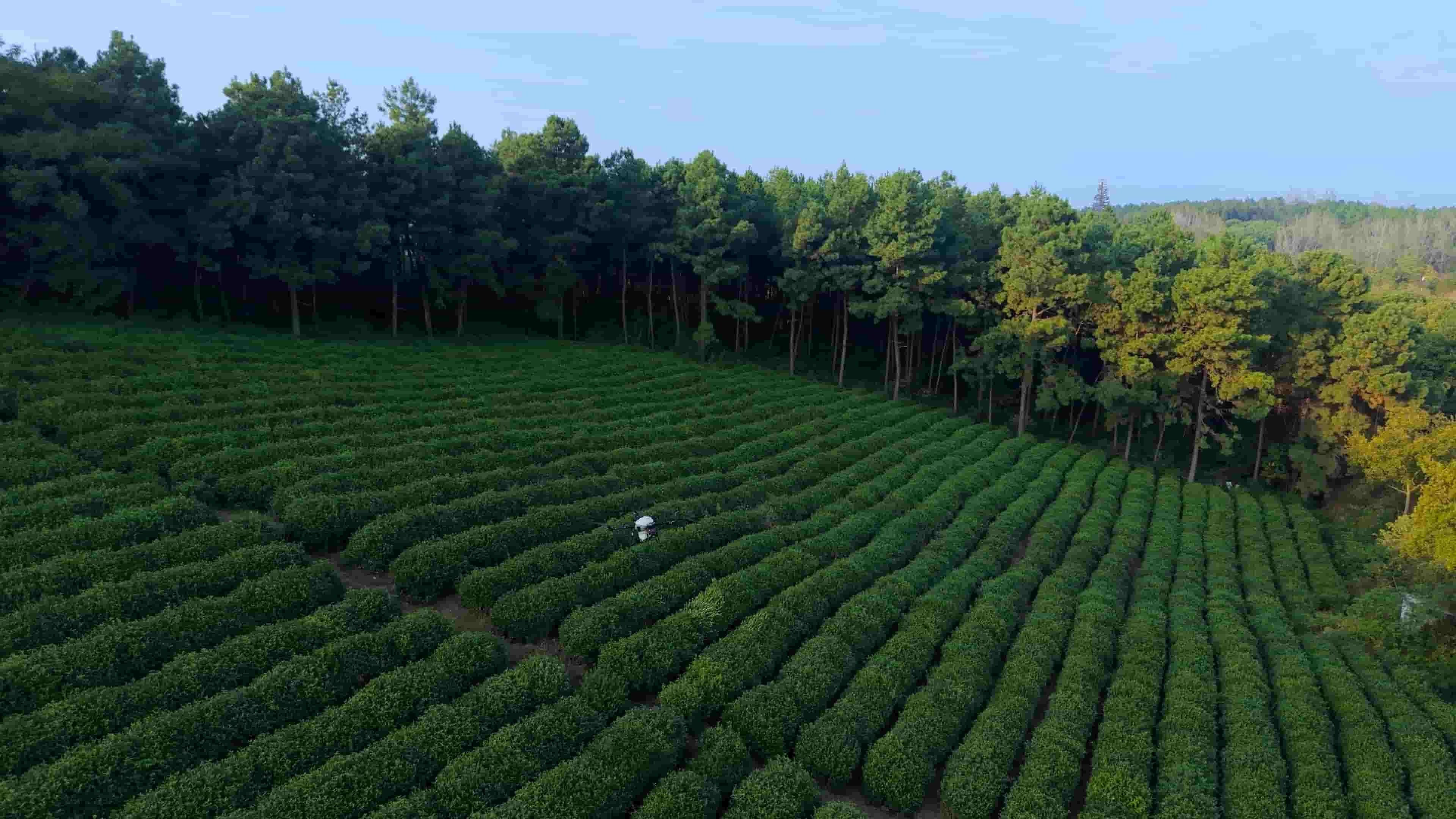
Accuracy is one of the first questions growers, distributors, and agronomists ask when considering agricultural drones. Whether it's spraying crop protection products or monitoring field conditions, precision directly affects efficiency, cost, and crop outcomes.


So how accurate are agricultural drones in real-world operations? The answer depends on several factors, including technology, setup, operating conditions, and how the system is used in the field.


In agriculture, accuracy is not a single metric. It usually refers to different aspects depending on the task:

  • Spraying accuracy: how evenly liquid is applied and how closely the spray follows the intended target area
  • Positioning accuracy: how precisely the drone follows planned flight paths
  • Monitoring accuracy: how reliably data reflects actual crop conditions

Understanding these distinctions is essential when evaluating drone performance.


Accuracy in Crop Spraying

Flight Control and Positioning

Modern agricultural drones rely on GNSS and RTK positioning to maintain stable flight paths. With proper setup, drones can follow predefined routes with high consistency, even over uneven terrain.

In practice, positioning accuracy is only as good as:

  • RTK configuration and signal quality
  • Flight planning parameters
  • Environmental factors such as wind

When these elements are well managed, drones can achieve repeatable and controlled spraying patterns across fields.


Spray Distribution and Flow Control

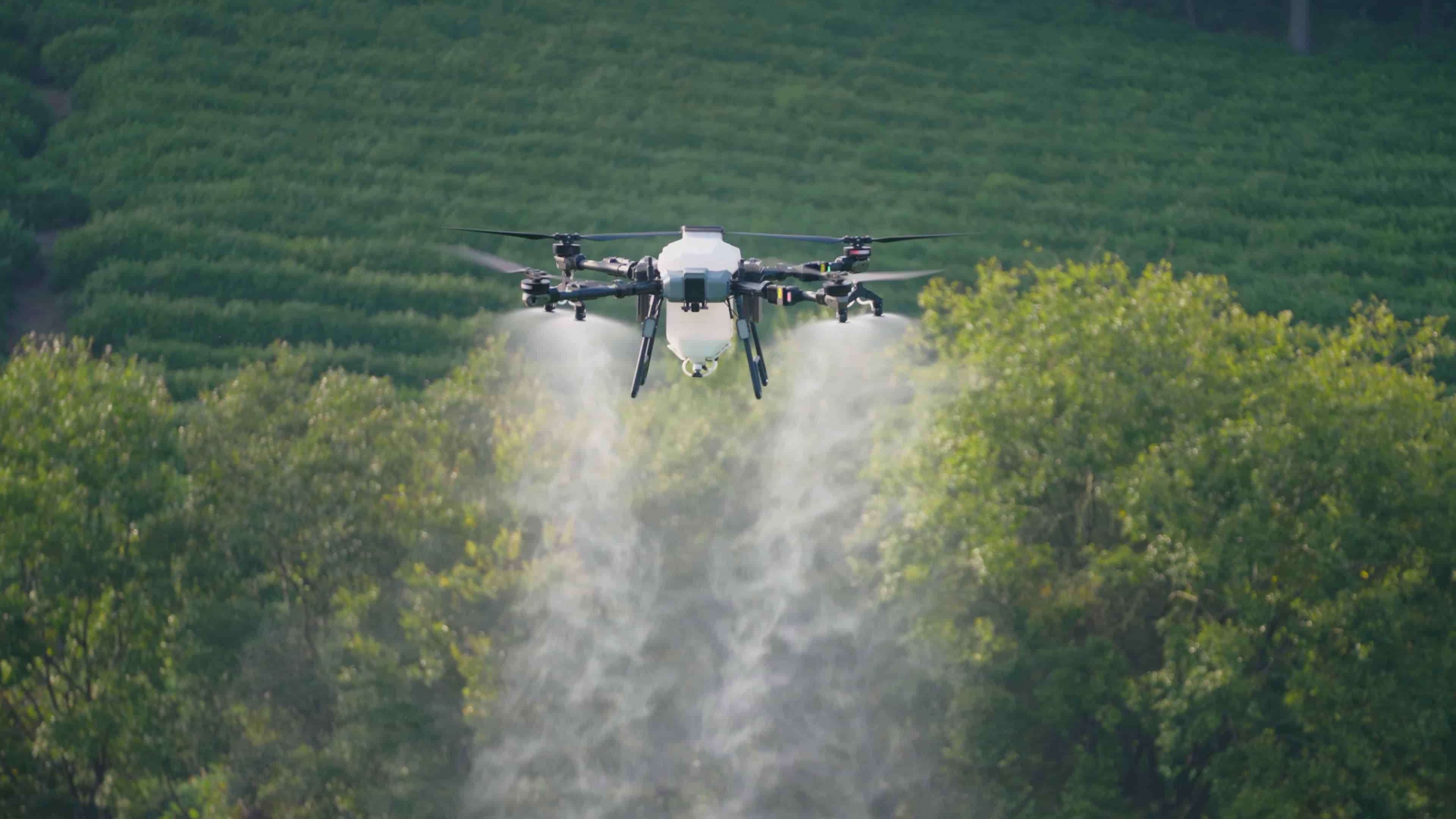
Spraying accuracy is influenced by the entire spraying system, not just the aircraft itself. Key factors include:

  • Pump response and flow rate stability
  • Nozzle selection and placement
  • Spray height and flight speed

Agricultural drones like those used in the TopXGun product line are designed with adjustable flow control and modular spraying systems, allowing operators to fine-tune output based on crop type and application requirements. Proper calibration plays a critical role in achieving consistent coverage.


Environmental Conditions Matter

Even with advanced hardware, spraying accuracy can be affected by:

  • Wind speed and direction
  • Temperature and humidity
  • Crop canopy structure

This is why best practice in drone spraying focuses not only on equipment capability, but also on operational judgment. Experienced operators know when conditions are suitable and when adjustments are needed.


Accuracy in Crop Monitoring

Imaging and Data Collection

For monitoring tasks such as crop health assessment or field scouting, accuracy is closely tied to sensor quality and flight planning.

Drones can capture:

  • High-resolution visual imagery
  • Multispectral data for vegetation analysis
  • Terrain and crop growth patterns

When flown at appropriate altitudes with consistent overlap, drones provide a detailed and reliable view of field conditions that is difficult to achieve from the ground alone.


Data Interpretation Is as Important as Data Capture

It's important to note that monitoring accuracy does not end with image collection. Interpreting drone data correctly requires:

  • Proper processing software
  • Clear understanding of crop growth stages
  • Ground-level validation when necessary

In many cases, drones are most effective when used as decision-support tools, helping growers identify areas that need closer inspection or targeted intervention.


Across both spraying and monitoring, several common factors determine real-world accuracy:

  • System setup

Correct configuration of RTK, spraying parameters, and sensors

  • Operator training

Well-trained operators consistently achieve better results

  • Field conditions

Terrain, crop type, and environmental variables

  • Maintenance and calibration

Regular checks ensure stable performance over time

Technology provides the foundation, but accuracy is ultimately achieved through proper use.


From the perspective of manufacturers like TopXGun, accuracy is not about a single specification or feature. It is about how the entire system performs in real agricultural conditions. This includes aircraft design, spraying systems, control software, and the operational guidelines provided to users.

When agricultural drones are correctly set up and operated, they can deliver precise spraying and reliable monitoring that supports more efficient and targeted farming practices.

For growers and partners evaluating drone solutions, the key question is not only how accurate the drone can be, but how accurately it can be used in real operations. When those elements come together, drones become a practical and valuable tool in modern agriculture.

How Do Agricultural Drones Help Increase Crop Yield?


Increasing crop yield has always been a priority for farmers, but modern agriculture faces growing challenges: labor shortages, rising input costs, uneven fields, and unpredictable weather. Agricultural drones have emerged as a practical tool to address these issues, helping farmers make better decisions and manage fields more efficiently.


Rather than replacing traditional farming practices, drones complement them by adding precision, consistency, and data-driven insight. Here's how agricultural drones contribute directly to higher crop yields.


1. More Accurate and Efficient Crop Spraying

One of the most direct ways drones increase yield is through precision spraying. Unlike traditional ground equipment, agricultural drones apply pesticides, herbicides, and fertilizers evenly across crops while maintaining a stable flight height. This ensures uniform coverage across the field, reduced overlap and missed areas, and lower chemical waste.

By delivering the right amount of input to the right place, crops receive better protection against pests and diseases, resulting in healthier growth and improved yields.


2. Reduced Crop Stress and Soil Damage

Heavy machinery can compact soil and damage crops, especially in wet or uneven fields. Drones operate above the crops, eliminating ground contact entirely. This helps farmers to avoid soil compaction, protect young or delicate plants, and access fields after rain or irrigation. Healthier soil structure leads to stronger root development, which directly supports better nutrient absorption and higher yields over time.


3. Early Detection of Crop Problems

With aerial monitoring and mapping capabilities, drones help farmers identify issues before they spread. Using drone-based imagery, farmers can detect pest or disease outbreaks early, identify nutrient deficiencies and spot irrigation problems or uneven growth. Early intervention allows targeted treatment instead of full-field application, reducing losses and preserving crop potential.


4. Improved Field Management Through Data

Agricultural drones provide more than visuals; they generate actionable data. Pre-application mapping and field analysis enable farmers to understand field variability, adjust spraying plans based on crop condition and optimize planting and fertilization strategies. By managing fields based on real conditions rather than assumptions, farmers can consistently improve productivity season after season.


5. Faster Operations During Critical Growth Periods

Timing is crucial in agriculture. Delays in spraying or treatment can significantly reduce yield. Drones offer rapid deployment, high daily operation efficiency, and minimal setup time. This allows farmers to act quickly during key growth stages or pest outbreaks, protecting yield when it matters most.


Agricultural drones are not just about technology—they are about better outcomes in the field. By improving accuracy, reducing crop stress, enabling early intervention, and supporting smarter decisions, drones help farmers achieve more stable and higher yields with fewer resources.

At TopXGun, we design agricultural drones based on real farming needs, combining reliable flight performance, precise spraying systems, and practical field usability. Our goal is to support growers and service providers in achieving efficient, sustainable, and productive agriculture.

Interested in learning how agricultural drones can fit into your operation? Explore our solutions or contact the TopXGun team to learn more.


What Is a Delivery Drone and How Does Drone Delivery Work?


Drones have quickly moved from a futuristic concept to a practical tool in logistics, and delivery drones are increasingly being used to transport packages, supplies, or goods from one location to another. While the idea of fully autonomous drone delivery captures a lot of attention, in reality, most delivery drones today are still manually operated or rely on semi-autonomous control, especially in complex environments.


These drones vary in size and capability. Some are small quadcopters for light payloads, while others are larger fixed-wing or hybrid models designed to carry heavier items, such as timber in mountainous areas or construction materials like cement at high altitudes. Unlike urban package delivery with predictable flight paths, these operations often face uneven terrain, obstacles like trees and power lines, and flight routes that cannot be fully pre-programmed. Skilled operators play a critical role in navigating these challenges safely and efficiently.


The delivery process combines drone hardware, intelligent software, and careful planning. Operators load the cargo onto the drone, then guide it along a flight path while sensors and GPS help detect obstacles and maintain stability. Some advanced drones also include radar or LiDAR systems for terrain adaptation and obstacle avoidance, but human supervision remains essential in most applications. After reaching the destination, the cargo may be lowered via a tether, landed carefully, or released in a designated zone before the drone returns for the next operation.


Even with manual control, drones offer significant advantages in logistics. They can reach remote or difficult-to-access locations, reduce delivery time in areas where conventional transport is slow, and support operations that would be risky or inefficient for human crews alone. From agriculture to construction, these semi-autonomous drones are proving their value across diverse industries.


As technology evolves, the balance between manual operation and autonomous flight will continue to shift. Modern drones are becoming safer, smarter, and more adaptable, but current practical applications demonstrate that human skill and judgment remain a key part of drone delivery, particularly in complex or high-risk environments.


What Regulations Apply to Agricultural Drone Use in Different Countries?

As agricultural drones become more widely adopted for spraying, seeding, mapping, and field monitoring, regulations are playing an increasingly important role in how and where these systems can be used. While the technology is global, the rules are not. Each country approaches agricultural drone regulation differently, based on airspace management, safety concerns, and local agricultural practices.

This article provides a practical overview of how agricultural drone regulations differ across major regions, and what operators, distributors, and manufacturers should generally be aware of.


Why Agricultural Drone Regulations Matter

Agricultural drones are not treated the same as consumer drones in most countries. They typically involve:

  • Heavier takeoff weights
  • Low-altitude operations over crops
  • Liquid payloads such as pesticides or fertilizers
  • Commercial or professional use

Because of this, regulators often apply additional requirements related to pilot qualifications, aircraft certification, operational approval, and chemical application rules. Understanding these requirements is essential before entering a new market or starting operations.


In the United States, agricultural drone use is primarily regulated by the Federal Aviation Administration (FAA), with additional oversight from state and environmental agencies.

Key points include:

  • Most agricultural drone pilots must hold a Part 107 Remote Pilot Certificate
  • Heavier agricultural drones may require waivers or exemptions, especially for weight and night operations
  • Chemical spraying is regulated separately under EPA and state pesticide laws
  • Visual line-of-sight and altitude limits generally apply unless specific approval is granted


The U.S. regulatory environment is structured and well-defined, but compliance often involves multiple authorities, not just aviation regulators.


In the European Union, drones are regulated under the overarching framework of EASA (European Union Aviation Safety Agency). While EASA defines general categories and risk-based concepts, agricultural drone operations are largely governed at the national level.

In practice:

  • Agricultural drones usually fall under the Specific Category, but approval pathways differ by country
  • Crop spraying and chemical application are regulated separately, often by national agricultural or environmental authorities
  • Some EU countries allow agricultural drone spraying under defined conditions, while others impose strict limitations or prohibit it entirely
  • Operator certification, aircraft approval, and operational permissions may require country-specific authorization


As a result, there is no single, unified regulatory path for agricultural drones across the EU. Operators and manufacturers typically need to assess regulations on a country-by-country basis, often with local partners or authorities.


Australia regulates drones through CASA (Civil Aviation Safety Authority).

For agricultural drone operations:

  • Commercial use generally requires remote pilot licensing or operational accreditation
  • Heavier drones or spraying operations may require additional approvals
  • Strict rules apply to operating near people, property, and infrastructure

Australia's framework is clear and transparent, but compared with some regions, approvals for advanced agricultural operations can be more conservative.


Countries such as Thailand, Vietnam, Indonesia, and Malaysia are seeing rapid growth in agricultural drone use, but regulations are still evolving.

Common characteristics include:

  • Aviation authority registration requirements
  • Import and frequency approval for drone hardware
  • Local permits for spraying chemicals
  • In some cases, region-specific pilot training programs

Because regulations change frequently, local partners and distributors play a critical role in ensuring compliance.


Key Regulatory Themes Across Countries

Despite regional differences, most agricultural drone regulations focus on a few common areas:

1. Pilot Qualification

Training, certification, or licensing requirements for professional operators

2. Aircraft Compliance

Registration, model approval, or technical documentation

3. Operational Limits

Altitude, distance, line-of-sight, and operating environment rules

4. Chemical Application Control

Separate laws governing pesticide and fertilizer spraying

5. Data and Safety Accountability

Record keeping, flight logs, and incident reporting

Understanding these shared themes makes it easier to evaluate new markets, even when detailed rules differ.


From the perspective of manufacturers such as TopXGun, which work with agricultural drone partners across multiple regions, regulatory requirements vary significantly from one country to another. Practical deployment often depends not only on aviation rules, but also on local agricultural and environmental policies. For operators, distributors, and manufacturers, the key is not just knowing the technology, but understanding how local regulations shape real-world use. Staying informed, working with local authorities, and adapting operational practices are essential steps toward long-term success in global agricultural drone markets.

How Does Bursting Strength Testing Improve Carton Quality?

Whether for textiles, electronic components, food, or pharmaceutical products, reliable protection from cardboard boxes is indispensable. Bursting strength testing, as the primary method for evaluating a box's overall performance, serves as the “key benchmark” for quality control. It not only precisely measures a box's resistance to damage but also helps identify quality risks at the source, optimize production processes, and enable enterprises to achieve comprehensive improvements in box quality.


I. What Is Carton Bursting Strength Testing?


Carton bursting strength, also known as bursting resistance, refers to the maximum uniform pressure per unit area that cardboard can withstand. It is typically measured in kilopascals (kPa) or pounds per square inch (psi). Simply put, it represents the ultimate capacity of a carton to resist rupture when subjected to external forces such as compression, impact, or tearing— — precisely the forces most commonly encountered during warehouse stacking, logistics handling, loading/unloading, and transportation.

The burst strength test principle involves a specialized testing instrument's elastic membrane. Under hydraulic pressure, the membrane uniformly expands toward one side of the carton sample, continuously applying pressure until the sample ruptures. The maximum pressure value at the moment of rupture is simultaneously recorded, enabling precise determination of the carton's burst resistance rating. Bursting strength testing focuses on the carton's “overall damage resistance,” comprehensively reflecting core indicators such as fiber strength, interlayer bonding strength, and thickness uniformity. It stands as one of the most intuitive and fundamental tests for evaluating carton quality.


II. How Does Bursting Strength Testing Enhance Carton Quality?


Bursting strength testing is not merely a “post-production inspection” tool but a “quality control lever” integrated throughout the entire carton production process. From raw paper procurement and production process optimization to finished product inspection, bursting strength testing at each stage enables precise problem identification and resolution, driving continuous improvement in carton quality.

(1) Base Paper Procurement Stage

The fiber length, fiber toughness, and grammage uniformity of base paper directly impact the box's burst resistance:

- Paper made from virgin wood pulp exhibits superior burst resistance compared to recycled pulp.

- Paper made from coniferous wood pulp demonstrates better burst resistance than broadleaf pulp.

- Longer fiber lengths and stronger inter-fiber bonding result in higher burst strength of the base paper. Concurrently, the moisture content and interlayer adhesion of base paper significantly impact burst strength. Excessive moisture content (exceeding 18%) can reduce burst resistance by approximately 10%, while poor interlayer adhesion leads to delamination and diminished burst strength. Establishing a burst resistance parameter table through testing provides data support for subsequent carton process design and paper configuration.

(II) Production Process Stages

Each stage in carton manufacturing—corrugation, laminating, creasing, die-cutting—affects the final bursting strength.

(III) Finished Product Inspection

The final quality control checkpoint before cartons leave the factory relies on bursting strength testing as its core tool.

1. For qualified batches, issue test reports to ensure compliance with standards and customer requirements, thereby enhancing customer trust;

2. For non-compliant batches, promptly investigate root causes (whether related to base paper, manufacturing processes, or storage conditions), then rework or destroy them to prevent substandard products from entering the market;

3. Simultaneously, statistical analysis of finished product test data identifies production strengths and weaknesses, forming a quality control ledger. This provides data-driven support for subsequent quality optimization, driving continuous improvement in carton quality.


III. Selecting the Right Bursting Strength Tester


The precision of bursting strength testing directly determines the effectiveness of quality control. If testing equipment lacks accuracy or involves cumbersome operations, it not only leads to data inaccuracies but also impedes quality control efficiency, potentially misleading a company's process optimization decisions.

UTSTESTER introduces a carton bursting strength tester featuring high-precision sensors with outstanding linearity and exceptional stability. Pneumatic clamps enable effortless sample loading/unloading, boosting testing efficiency.

A001N Automatic Bursting Strength Tester

Application

Designed for bursting strength testing of various paper types, also suitable for non-paper materials like silk and cotton fabrics.


Features

1. Touchscreen control with Chinese/English menus and intuitive human-machine dialogue for effortless operation.

2. Built-in thermal printer for quick on-site test result printing.

3. Report statistics with real-time test curve display for visual analysis.

4. High-precision sensor with excellent linearity and strong stability.

5. Pneumatic clamping enables convenient specimen loading/unloading to improve testing efficiency.


Standards

GB/T 1539, ISO 2759, GB/T 6545


IV. Bursting Strength Testing: Driving Quality Upgrades and Industry Advancement for Corrugated Boxes


With the rapid growth of the logistics sector and escalating customer demands for packaging quality, competition in corrugated box manufacturing has intensified. Bursting strength testing has become an indispensable quality control measure for box manufacturers—not only helping businesses mitigate quality risks and manage costs, but also enabling refined production processes to enhance core competitiveness.

For enterprises in textiles, electronics, food, pharmaceuticals, and other sectors requiring substantial carton packaging, prioritizing burst strength and selecting cartons that pass rigorous testing effectively safeguards product integrity and reduces logistics losses. For carton manufacturers, emphasizing burst strength testing, optimizing production processes, and enhancing product quality earns customer trust and expands market opportunities. For testing equipment manufacturers, deepening R&D and upgrades of burst strength testing instruments to provide precise, efficient solutions will powerfully support quality upgrades in the carton industry, driving standardized, high-quality development across the entire packaging sector.
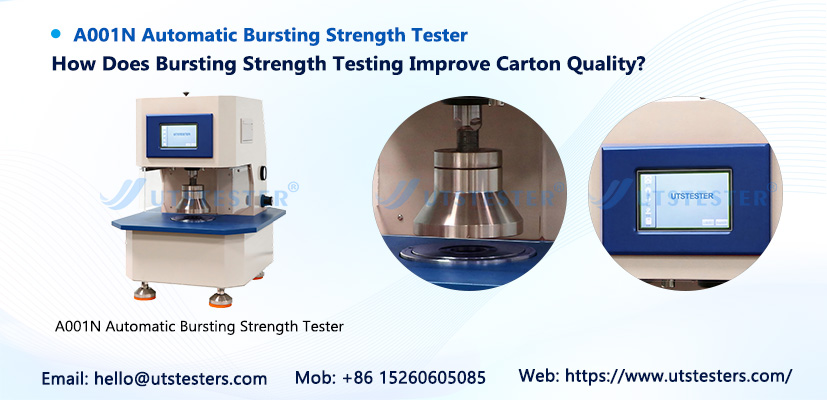
carton bursting strength tester


Email: hello@utstesters.com

Direct: + 86 152 6060 5085

Tel: +86-596-7686689

Web: www.utstesters.com


Luggage Testing How to Simulate Years of Travel Wear in the Lab?

After every trip, luggage inevitably bears the marks of wear—worn wheels, scratched shells, loose handles, and pilled fabric. These seemingly minor damages accumulate over time, leading to premature “retirement” of the luggage. While luggage appears to undergo only “packing and transportation” during travel, it actually endures multidimensional, high-frequency complex wear: friction on airport conveyor belts, impact during baggage handling, dragging abrasion on varied surfaces, material aging from temperature and humidity fluctuations, and even fatigue damage from repeated zipper cycles and telescoping handle movements. The core of laboratory simulation testing lies in condensing this “years of accumulated wear” into quantifiable, repeatable standard procedures. By precisely replicating real-world usage scenarios, it identifies product weaknesses early, providing scientific grounds for optimizing designs and enhancing quality.

I. Why Simulate Travel Wear in a Lab?

Many may wonder: Isn't testing luggage directly in real-world travel scenarios more realistic? In fact, field testing faces three major challenges: First, excessive duration—simulating 3-5 years of wear may require hundreds of check-in cycles and drag tests, taking months or even years and severely delaying product launch. Second, variables are uncontrollable. Significant differences in road surfaces, temperature/humidity, and handling force across trips make test results unrepeatable, hindering the establishment of consistent quality standards. Third, wear is difficult to quantify. Visual inspection can only determine “damage presence” but cannot precisely measure “wear severity,” making it hard to compare the merits of different materials and designs.

Laboratory simulation testing precisely addresses these challenges: By employing standardized equipment and fixed parameters, it accelerates years of natural wear and tear, completing equivalent testing within days or even hours. Simultaneously, it precisely quantifies wear data—such as abrasion depth, mass loss, and fatigue cycles—providing measurable metrics for product durability.

II. Core Testing Items

Luggage wear primarily occurs in four core components: fabric/shell, wheels, retractable handle, and zippers, while also being significantly influenced by environmental factors. Through targeted testing protocols, the laboratory simulates various wear scenarios one by one. Each test corresponds to real-world travel wear and tear, with clear standards and quantifiable metrics.

(1) Fabric/Shell Abrasion Testing: Simulating Long-Term Wear from Checked Baggage Handling and Friction

The fabric (soft-sided cases) or shell (hard-sided cases) is the most visibly susceptible to wear—friction on airport conveyor belts, collisions with other luggage, and scraping during ground dragging all accelerate deterioration. The laboratory primarily employs two core devices to simulate different wear types:

1. Martindale Abrasion Tester: Primarily for soft-shell fabrics (e.g., polyester, canvas), simulating long-term friction durability. During testing, per EN 12127 standards, samples undergo 5,000 friction cycles at 12 kPa pressure. Passing requires no yarn breakage or holes, ≤10% mass loss, and a pilling grade ≥3 in the friction area (per ISO 12945-2). Practical experience shows that standard polyester fabrics often exhibit noticeable pilling after 3,000 cycles. Manufacturers are advised to adopt high-density weaving techniques (warp/weft density ≥ 65 threads/cm²) or apply PU coatings to improve pass rates.

2. Rotary Abrasion Tester: Primarily for rigid case bodies (e.g., ABS, PC, aluminum-magnesium alloys). Following EN 16283 standards, it uses specified abrasive paper as the friction medium to apply 500 cycles of friction at a defined load of 9.8N to the sample surface. Post-test, three critical metrics must be met: no visible perforations on the surface; color difference ΔE ≤ 3.5 in the friction area; wear depth not exceeding 20% of the material thickness.

Additionally, for fabric scratch resistance, the Taber abrasion tester is employed. Following ASTM D4060 (Taber abrasion test) standards, an aluminum wheel or sandpaper wheel is used to rub the sample surface under specified load and revolutions, quantifying the material's wear resistance. For hard cases, additional drop-weight impact and static pressure tests simulate heavy-object collisions and stacking compression during shipping. Per QB/T 2155-2018 standards, hard cases must withstand 80kg static pressure testing, while plastic case surfaces must pass a 1-meter drop-ball impact test, ensuring no cracking or severe deformation occurs.

(2) Wheel Wear and Fatigue Testing: Simulating Long-Term Dragging Wear

Wheels serve as the “feet” of luggage and are among its most vulnerable components. Dragging across diverse surfaces—asphalt, concrete, gravel roads—causes continuous abrasion of wheel surfaces while testing axle strength and flexibility. Laboratories employ equipment like wheel wear testers and drum testers to precisely simulate prolonged dragging scenarios:

During testing, the luggage is loaded (simulating a fully packed state, typically 20-30kg) secured to the wheel wear tester. Different surface simulation modules (flat, raised bumps, gravel, etc.) are set up, and the suitcase is dragged at 3 km/h. Following GB/T 21295-2014 standards, it must complete an 8-kilometer walking test. After testing, the extent of wheel wear, axle looseness, and wheel detachment are observed, while also assessing the wheel's rolling flexibility and noise changes.

For fatigue testing, luggage wheels undergo prolonged continuous rotation on a wheel wear tester per QB/T 2917-2007 standards. This simulates fatigue degradation from years of dragging, ensuring wheels resist cracking or jamming after high-frequency use. Additionally, connection strength between wheel bases and luggage bodies is tested to prevent detachment from loose joints.

(3) Handle Fatigue Testing: Simulating Wear from Frequent Extension/Retraction

The handle serves as the suitcase's “arm,” undergoing dozens of extension/retraction cycles per trip. Prolonged use can lead to loosening, jamming, or breakage. Using a reciprocating handle tester (handle fatigue tester) and adhering to the QB/T 1586.5-2010 standard, the laboratory simulates long-term wear from repeated extension/retraction:

During testing, the handle is secured to the equipment and set to a frequency of 30 extensions/retractions per minute, simulating daily use. Typically, 3,000 cycles (equivalent to 3-5 years of usage) are completed. Throughout testing, real-time monitoring assesses the smoothness of extension/retraction and the locking mechanism's integrity. Post-test requirements include: no loosening, no sticking, no deformation of the handle; the locking mechanism must function normally; lateral displacement of the handle must be ≤15mm under both empty and loaded conditions.

Simultaneously, strength testing is conducted on the connection between the handle and the suitcase body, simulating the forces exerted when lifting the luggage. This ensures no cracking or loosening occurs at the connection points, preventing handle detachment that could render the suitcase unusable.

(4) Zipper Fatigue Testing: Simulating Wear from Repeated Opening/Closing

As the “gateway” of luggage, zippers endure constant use during packing and unpacking. Over time, issues like zipper jamming, tooth detachment, and fabric tape damage may arise. Laboratories employ zipper reciprocating testers to simulate long-term wear:

During testing, the zipper is secured to the equipment and set to a frequency of 10-15 cycles per minute, mimicking typical usage. Typically, 5,000 cycles must be completed. After testing, the zipper must operate smoothly without jamming, missing teeth, or fabric tape damage. The slider must remain secure and undistorted, ensuring long-term reliable performance. Additionally, a tensile testing machine evaluates the zipper's straight-pull strength to guarantee it won't break under stress.

(5) Environmental Aging Test: Simulating Wear and Tear from Diverse Travel Conditions

During travel, luggage endures varying temperature and humidity environments—dry northern climates, humid southern regions, intense heat exposure, and bitter cold. These conditions accelerate material degradation, causing fabric fading, case brittleness, and hardware corrosion. Laboratories use environmental reliability testing equipment to simulate these extremes and evaluate luggage's aging resistance:

1. Constant Temperature and Humidity Chamber: Following relevant standards, luggage is placed in various temperature and humidity conditions (e.g., -20°C low temperature, 60°C high temperature, 90% high humidity) for a specified duration. Changes in the case body, fabric, and hardware are then observed to ensure no cracking, fading, rusting, or adhesive failure occurs. Note: A common challenge for both core abrasion tests lies in temperature and humidity control. Standards require maintaining test conditions at (23±2)°C and (50±5)% RH. When humidity exceeds 60%, natural leather materials experience approximately a 15% reduction in abrasion resistance. Manufacturers are advised to conduct a 72-hour environmental acclimatization process before submission.

2. UV Aging Chamber/Xenon Lamp Aging Chamber: Simulates ultraviolet radiation from sunlight to evaluate the UV aging resistance of luggage fabrics (especially dyed or printed fabrics) and plastic components. This ensures no fading, discoloration, chalking, or brittleness occurs after prolonged exposure.

3. Low-Temperature Cold Resistance Chamber: Tests the brittleness and cracking of luggage materials (especially plastics and rubber components) in cold environments, ensuring suitcases remain undamaged by material brittleness during use in frigid regions.

III. Testing Standards: Enhancing Authority and Comparability in Wear Simulation

Laboratory simulation of travel wear is not conducted arbitrarily but strictly adheres to relevant domestic and international standards. This ensures the authority and comparability of test results, providing manufacturers and markets with a unified basis for quality assessment. Current core standards for luggage testing primarily include:

(1) GB/T 21295-2014 “Luggage - Trolley Suitcases,” QB/T 2155-2018 “Travel Luggage,” and QB/T 2920-2007 “Luggage - Walking Test Methods,” which specify testing requirements and pass/fail criteria for core components like handles, wheels, casings, and zippers.

(2) EN 16283 “Test Methods for Abrasion Resistance of Luggage and Bags,” EN 12127 “Test Standard for Abrasion Resistance of Luggage Fabrics,” ASTM D4060 (Taber Abrasion Test), ISO 5470 (Rubber/Plastic Abrasion Resistance), ISO 8586:2018 “Luggage - Walking Test Method,” among others, primarily target luggage products exported to regions such as the European Union and the United States, imposing more stringent requirements.


Email: hello@utstesters.com

Direct: + 86 152 6060 5085

Tel: +86-596-7686689

Web: www.utstesters.com
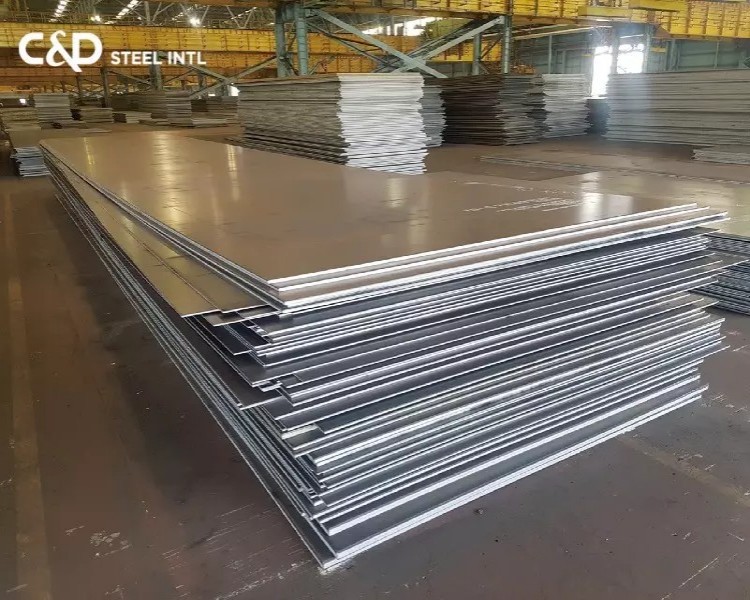

Safety Shoe Compression Testing

In industrial settings such as construction, manufacturing, and logistics, risks like falling objects and mechanical crushing constantly threaten foot safety. The compression resistance of safety shoes directly determines their protective effectiveness—non-compliant products may cause severe injuries like toe fractures due to toe cap deformation or rupture. Standardized compression testing verifies the structural integrity of the toe cap under static pressure and dynamic impact, ensuring compliance with international Personal Protective Equipment (PPE) requirements.


1. Testing Standards


ISO 20345:2021: Global baseline standard requiring static compression load ≥15kN, toe cap deformation ≤15mm, and no rupture after 60 seconds of sustained pressure;

ASTM F2413-18: Mandatory North American standard, emphasizing enhanced dynamic impact testing (200J energy absorption) with permanent deformation rate ≤3%;

EN ISO 20345:2022: EU market access standard, adding environmental adaptability testing from -20°C to 50°C.


2. Test Items


Static Compression: Simulates sustained crushing to measure maximum load capacity and residual deformation;

Dynamic Impact: 20kg impact hammer free-fall test to verify toe cap energy absorption performance;

Environmental Endurance: Temperature/humidity cycling and chemical immersion followed by compression performance retention testing.


3. Testing Principles and Instrument Functionality


Safety shoe compression testing requires a specialized “Safety Shoe Compression and Puncture Resistance Tester”:

Sample Fixation: Secure the safety shoe with the toe cap facing upward on the test platform to simulate real-world loading scenarios;

Constant-Rate Compression: Apply pressure to the toe cap via hydraulic or electric systems at a specified rate (e.g., 10mm/min);

Data Acquisition: The instrument automatically records maximum compression force and deformation. Testing stops when pressure reaches the standard threshold or the toe cap deforms severely;

Pass/Fail Determination: Products meeting the standard's specified compression strength and residual space requirements are deemed compliant.


4. Core Significance of Safety Shoe Testing


Ensuring user safety: Prevents workplace injuries like toe fractures or contusions caused by falling objects or crushing forces;

Ensuring corporate compliance: Verifies product conformity with national/international standards, mitigating market regulatory risks;

Enhancing product credibility: Third-party test reports or factory inspection certificates serve as crucial endorsements of corporate product quality.

Safety Shoe Compression and Puncture Resistance Tester


Email: hello@utstesters.com

Direct: + 86 152 6060 5085

Tel: +86-596-7686689

Web: www.utstesters.com


Spectrophotometers vs. Colorimeters Which One Should You Choose for Color Matching?

In the textile industry, color matching is a core process that impacts product aesthetics, quality, and market competitiveness—from fabric dyeing and yarn coloring to accessory coordination, each step requires precise control over color consistency to avoid issues like “excessive color difference values” or “batch color variation.” Spectrophotometers and colorimeters are the two most commonly used testing instruments in color matching work.


Yet many textile enterprises face a dilemma when selecting equipment: for color measurement and matching, should they choose a spectrophotometer or a colorimeter? While seemingly similar in function, they differ fundamentally in application scenarios, measurement precision, and operational complexity.


I. What Are the Core Differences Between the Two Instruments?

Both spectrophotometers and colorimeters fundamentally serve to “quantify color,” yet their measurement principles and technical precision differ significantly. Simply put: Colorimeters are “basic color measurement tools” suited for simple color matching scenarios; spectrophotometers are “high-precision professional instruments” designed for complex color matching demands with extremely high color accuracy requirements. This distinction stems from their differing methods of obtaining monochromatic light.


1. Colorimeter

A colorimeter operates similarly to how the human eye perceives color. It filters composite light through color filters to obtain near-monochromatic light with a broad wavelength range (typically 30-50 nm). By quantifying the trichromatic values of red, green, and blue, it determines the color's position in the color space, enabling color matching comparison and inspection.


Structurally, colorimeters consist of basic modules like light sources, filters, cuvettes, and photodetectors. Their simple design and user-friendly operation allow quick mastery by beginners. Their core advantages are high cost-effectiveness and low maintenance costs, making them suitable for basic color comparison needs—such as determining whether two fabric samples are roughly the same color—and ideal for small-to-medium batches requiring low-precision color matching.


However, colorimeters have limitations: due to the limited purity of monochromatic light, measurement accuracy is constrained, allowing only semi-quantitative analysis and unable to capture subtle color differences. Furthermore, they only cover the visible light spectrum (380-780 nm), making them unsuitable for color matching complex materials or special dyes.


2. Spectrophotometer

Spectrophotometers can be considered advanced versions of colorimeters. They disperse incident light using prisms or gratings to achieve higher wavelength precision (up to ±0.5 nm) and and a narrower spectral range (approximately 5 nm). By scanning the full spectrum from 360-780 nm, it generates a complete color reflectance curve, enabling precise calculation of color values and achieving high-precision quantitative color analysis.


Compared to colorimeters, spectrophotometers feature more complex structures with precision spectroscopic systems requiring periodic optical path calibration. However, their measurement performance offers significant advantages: sensitivity reaches 0.001 absorbance units—an order of magnitude higher than colorimeters; Resolution capable of distinguishing spectral variations with a wavelength difference of 0.1 nm, with relative error controlled within 0.5%, enabling the detection of subtle color differences imperceptible to the naked eye.


More importantly, the working wavelength range of spectrophotometers spans ultraviolet (190-380 nm), visible, and near-infrared (780-3000 nm) regions. This capability not only addresses color matching for conventional fabrics but also accommodates diverse textured materials like knits, woven fabrics, and printed textiles. It further meets color matching demands for specialized dyes, including fluorescent and functional dyes.


II. Selecting the Right Instrument for Your Needs: More Efficient and Precise Color Matching

Ultimately, choosing between a spectrophotometer and a colorimeter comes down to matching your specific color matching requirements and budget:

If your requirements are straightforward and your budget is limited, with daily tasks primarily involving basic color matching verification, a colorimeter offers the best value for money. If your needs are complex and demand high precision—such as working with premium fabrics, dye development, or colorfastness testing—a spectrophotometer is an indispensable professional tool. For versatile applications across multiple scenarios, combining both instruments can achieve a balance between cost and efficiency.


Color matching defines the visual appeal of textile products, while the right testing equipment provides the confidence for precise color matching. As a company specializing in textile testing instruments, we consistently prioritize the industry's practical needs. We offer highly compatible, high-precision spectrophotometers, colorimeters, and other testing equipment, alongside professional selection guidance and after-sales maintenance services to help you overcome various challenges in the color matching process.


Email: hello@utstesters.com

Direct: + 86 152 6060 5085

Tel: +86-596-7686689

Web: www.utstesters.com


What are the flammability test methods for flame retardant materials?

What is combustion test?

The combustion test is a test that evaluates the composition or combustibility of a specimen by burning. Many substances have a special flame colour when burning, and their combustibles have a specific odour, so the composition of the specimen can be determined by the state of the burning specimen, the flame colour, the odour and other signs. Certain flame-resistant rubber products, such as flame-resistant conveyor belts, are also subjected to combustion tests to determine their flame-resistant properties.


What are the methods of combustion test?

Commonly used combustion test methods include: contact flame flammability test method, heating ignition test method and leakage test method.


What are the common types of combustion tests?

Combustion test is a lot of companies need to test the test, the flame retardant properties of the material is directly related to the safety of consumers, different countries and regions on the flame retardant properties of all types of products have clear regulations and inspection standards, then common combustion test test items are those?


Combustion safety testing

Polymer materials are widely used in ships, automobiles, rail transport, building materials and other fields because of their superior performance. As people pay more attention to the safety and comfort performance, it is more and more necessary to carry out combustion safety testing on polymer materials.


Flame Retardant Test

Flame retardant test, that is, the test method to test the ability of the tested material to delay the continuation, spread, diffusion of flame. Flammability is the ability of a material or product to carry out flaming combustion under specified experimental conditions; non-flammability is the ability of a material not to carry out flaming combustion under specified experimental conditions; flame retardancy is the property of a material to slow down, terminate or prevent flaming combustion.


Fire Resistance Test

Fire Resistance Test means the resistance of a test specimen to being baked and burned by fire, which is used to determine the resistance of a material to high temperatures. Fire Resistance Limit means the change in temperature of a test specimen according to a standard time-temperature curve, i.e., from the time it is subjected to the action of fire to the time when it loses its supporting capacity or integrity or loses its fire barrier.


Oxygen Index

The minimum oxygen concentration, expressed as a volume fraction, which just maintains the combustion of a material in a mixture of nitrogen and oxygen at (23 s.2)°C under specified test conditions.


Vertical combustion test

Vertical combustion test means that the specimen is supported vertically on a support, the lower end of the specimen is burned in the flame for a fixed period of time, and then the flame is removed, and then the combustion parameters, such as the time of flaming and flameless combustion of the specimen, are determined to determine the combustion performance level of the specimen.


Email: hello@utstesters.com

Direct: + 86 152 6060 5085

Tel: +86-596-7686689

Web: www.utstesters.com


What Makes Geotextile Testing Essential in Construction and Civil Projects?

Geotextiles, as a material widely used in civil engineering, play a crucial role in the safety and stability of engineering projects due to their quality and performance. Therefore, testing geotextiles is of utmost importance. This article will discuss the importance of geotextile testing, introducing its purpose, methods, and impact on engineering projects.


1. The purpose of geotextile testing

The primary purpose of geotextile testing is to ensure that the quality and performance of geotextiles meet design requirements, thereby guaranteeing the safety and stability of the project. Specifically, geotextile testing can assess various properties such as strength, elongation, durability, permeability, and corrosion resistance, ensuring that the geotextiles perform as expected in the project. Through testing, any issues with the geotextiles can be identified promptly, providing engineers with robust technical support and preventing project accidents caused by material defects.


2. Methods for Testing Geotextiles

There are various methods for testing geotextiles, including tensile tests, tear tests, puncture tests, permeability tests, and durability tests. These testing methods can comprehensively evaluate the performance indicators of geotextiles, ensuring their application in engineering projects achieves the desired results. For example, tensile tests can determine the strength and elongation of geotextiles, tear tests can assess their tear resistance, puncture tests can evaluate their puncture resistance, permeability tests can assess their permeability, and durability tests can determine their durability and service life.


3. The Impact of Geotextile Testing on Engineering Projects

Geotextile testing has a profound impact on engineering projects. First, testing ensures that the quality and performance of geotextiles meet design requirements, thereby enhancing the safety and stability of the project. Second, testing can promptly identify issues within geotextiles, providing engineers with robust technical support to prevent engineering accidents caused by material defects. Additionally, geotextile testing offers engineers a basis for material selection, helping them choose the most suitable type of geotextile for the project, thereby optimizing engineering design and improving project efficiency.


4. Application of Geotextile Testing in Actual Engineering Projects

In actual engineering projects, geotextile testing is widely applied in various civil engineering fields, such as roads, bridges, embankments, reservoirs, and so on. Taking road engineering as an example, geotextiles are typically used as reinforcing materials for road surfaces to enhance their load-bearing capacity and service life. In such cases, testing geotextiles is particularly important. By testing key properties such as strength, elongation, and durability, it is possible to ensure that geotextiles meet performance expectations in road engineering applications, thereby improving road safety and stability.


Geotextile testing plays a crucial role in engineering projects, ensuring that the quality and performance of geotextiles meet design specifications, thereby enhancing the safety and stability of the project. As the field of civil engineering continues to evolve and advance, the requirements for geotextile testing will also become increasingly stringent. In the future, geotextile testing will place greater emphasis on environmental protection and sustainability, driving the development of green civil engineering. Meanwhile, with the emergence of new materials and technologies, geotextile testing will also face new challenges and opportunities. Therefore, we need to continuously innovate and advance, providing better technical support and services for geotextile testing, and making greater contributions to the development of the civil engineering field.


Email: hello@utstesters.com

Direct: + 86 152 6060 5085

Tel: +86-596-7686689

Web: www.utstesters.com