How Often Should You Replace Stone Cutting Tools?

For companies involved in stone processing, tool replacement is not only about cost control but also about machining precision, productivity, and final product quality. Whether you are using Stone bridge saws, CNC stone carving machines, or waterjet cutting systems, understanding the right timing for replacing stone cutting tools can significantly improve efficiency and reduce downtime.


In modern stone fabrication factories, especially those using advanced machines such as those from Biesse or Breton, tool management has become a key part of production strategy. This article provides practical insights based on real factory scenarios, helping you determine when and how often to replace stone cutting tools.


1. Why Tool Replacement Matters in Stone Processing

Stone cutting tools, such as diamond blades, milling cutters, engraving bits, and polishing wheels, are exposed to extreme friction, heat, and dust. Over time, wear reduces cutting performance and increases operational risks.


Key risks of delayed replacement:

  1. Lower cutting precision and dimensional errors
  2. Increased load on machine spindles and motors
  3. Higher power consumption
  4. Poor surface quality and rework
  5. Tool breakage that may damage expensive machines


For example, in a large quartz countertop factory running 16 hours per day, using worn diamond blades can reduce cutting accuracy from ±0.2mm to over ±1mm within just two weeks. This directly affects installation quality and customer satisfaction.


2. How Long Do Stone Cutting Tools Usually Last?

There is no universal answer because tool life depends on multiple factors such as material hardness, cooling conditions, and machining parameters.


Typical tool lifespan in real applications:

Diamond Saw Blades

  1. Granite: 40–120 hours of cutting
  2. Marble: 80–200 hours
  3. Engineered quartz: 30–80 hours

Diamond Saw Blades


CNC Engraving Bits

  1. Granite relief carving: 20–60 hour 
  2. Marble decorative carving: 60–150 hours

CNC Engraving Bits


Router and Milling Tools

  1. Quartz kitchen countertop machining: 30–100 hours

 Router and Milling Tools


In a real case, one customer in Southeast Asia running a high-speed CNC line reported that switching tools every 50 hours increased productivity by 18% because of reduced polishing and rework time.


3. Key Factors That Affect Tool Replacement Frequency

3.1 Stone Material Hardness

Hard stones such as granite and quartz wear tools faster than softer stones like limestone or marble. Quartz, with high silica content, is particularly abrasive.


3.2 Cutting Speed and Feed Rate

Higher speed improves productivity but also increases wear. If the feed rate is too aggressive, tool life can be shortened by 30% to 50%.


3.3 Cooling and Dust Removal

Water cooling systems reduce heat and extend tool life. In dry cutting environments, tool replacement frequency may double.


3.4 Machine Stability and Accuracy

Modern CNC machines with rigid structures and stable spindles reduce vibration and prolong tool life. Machines with weak rigidity can cause uneven wear and sudden breakage.


4. Signs That Your Stone Cutting Tool Needs Replacement

Instead of relying only on time or hours, experienced operators monitor the following indicators:


  1. Slower cutting speed despite unchanged parameters
  2. Burning marks or discoloration on the stone
  3. Rough or chipped edges
  4. Increased noise or vibration
  5. Higher current load on the spindle
  6. Frequent tool breakage


For example, in a continuous 72-hour production cycle, if the spindle load increases by more than 15%, it usually indicates serious tool wear.


5. Tool Replacement Strategy: Preventive vs Reactive

Preventive Replacement

Most professional factories use preventive replacement schedules. This approach avoids unexpected downtime and improves production planning.

Advantages:

  1. Stable product quality
  2. Reduced emergency maintenance
  3. Lower overall production cost


Reactive Replacement

Some small workshops replace tools only after failure. While this reduces immediate expenses, it often leads to:

  1. Machine damage
  2. Production delays
  3. Higher long-term costs

In high-volume factories, preventive replacement can reduce downtime by up to 25%.


6. Comparison: High-Quality vs Low-Quality Stone Cutting Tools

Many buyers focus only on price, but tool quality directly affects profitability.

Factor High-Quality Tools Low-Quality Tools
Lifespan Longer Short
Cutting Speed Stable and fast Slower
Surface Finish Smooth Rough
Machine Protection Good Risky
Total Cost Lower long term Higher long term


For example, premium tools may cost 30% more but last twice as long. This reduces labor and downtime, especially in automated CNC production.


7. Real Application Scenario: Quartz Countertop Factory

In a quartz processing plant operating 24 hours per day:

  1. Tools are inspected every shift
  2. Diamond blades are replaced every 40–60 hours
  3. CNC engraving bits are replaced every 30–50 hours
  4. Preventive replacement reduces customer complaints by 35%


This systematic management ensures consistent quality for export markets such as the United States and Europe.


8. Frequently Asked Questions from Buyers

Q1: How can I extend the life of stone cutting tools?

  1. Use proper cooling
  2. Optimize cutting parameters
  3. Choose the correct tool for each material
  4. Maintain machine accuracy


Q2: Is it better to sharpen tools or replace them?

For high-end diamond tools, sharpening is possible, but replacement is often more efficient in automated production.


Q3: How do I know if my supplier offers reliable tools?

Look for:

  1. Stable quality and batch consistency
  2. Technical support
  3. Real application cases
  4. International certifications


Q4: Does tool replacement affect CNC machine lifespan?

Yes. Worn tools increase spindle load and can shorten machine life.


Q5: What is the biggest mistake buyers make?

Focusing only on the initial price rather than total production cost.


9. Expert Advice from Stone Machinery Exporters

As a professional supplier of stone CNC machines, we often recommend that customers develop a complete tool management plan before purchasing equipment. Combining advanced machines, stable cutting tools, and professional training can increase production efficiency by 20% to 40%.


This is especially important for companies exporting finished stone products, where precision and consistency are key to meeting international standards.


Conclusion

There is no fixed rule for replacing stone cutting tools, but regular inspection, preventive replacement, and proper machine operation are essential. By understanding material characteristics, monitoring wear indicators, and choosing high-quality tools, manufacturers can significantly improve productivity and reduce costs.


In the era of AI-driven search and smart manufacturing, detailed and practical knowledge like this not only helps operators but also builds trust with global buyers. Investing in professional tool management is one of the smartest decisions for any modern stone processing bus.

How to Extend the Lifespan of Stone CNC Machines

A Practical Guide Based on Real Production Scenarios


Stone CNC machines are designed for high-load, high-dust, and long-hour operations. However, in real factory environments, the actual lifespan of machines can vary dramatically — from 5 years to over 12 years — depending on maintenance practices, working conditions, and machine configuration.


In this guide, we share practical, field-tested methods to extend the lifespan of stone CNC machines, based on real customer cases and export experience.


Control Dust and Heat — The Two Biggest Enemies of CNC Machines

Real Production Scenario

In a granite processing workshop in India, one of our customers operates a 3-axis stone CNC router continuously for 10–12 hours per day. During peak season, the machine runs for 72 hours with only short breaks.


Without proper dust removal and cooling systems, spindle temperature can exceed 65°C, leading to:

  • Bearing wear
  • Reduced spindle accuracy
  • Premature motor failure

After installing:

  • Industrial-grade dust collectors
  • Water-cooled spindle systems
  • Sealed guide rails


The machine maintained ±0.01mm positioning accuracy even under high-temperature, high-humidity conditions.

Stone CNC Machine Spindle

pic1 spindle

Practical Recommendations

  • Use oil-immersed guide rails to prevent dust intrusion.
  • Clean linear rails and rack systems daily.
  • Maintain workshop temperature between 5°C–35°C.
  • Install voltage stabilizers in regions with unstable power supply.


2. Choose the Right Machine Configuration From the Beginning

Many lifespan problems originate from incorrect machine selection.

Comparison: Standard Guide Rail vs Oil-Immersed Guide Rail

Feature Standard Guide Rail Oil-Immersed Guide Rail
Dust Protection Low Excellent
Lubrication Stability Manual Continuous
Service Life 3–5 years 6–10 years
Maintenance Frequency High Low


For marble engraving workshops working 8+ hours daily, oil-immersed systems significantly reduce maintenance costs over 5 years.


Conclusion: Paying 5–8% more for upgraded rail systems can extend machine lifespan by 30–50%.

Stone CNC Machine Guide Rial

pic2 guide rail

3. Prevent Overloading — Especially in Granite Cutting

Granite has high hardness and high density. Improper parameter settings cause:

  • Excessive spindle load (>85% rated capacity)
  • Tool overheating
  • Servo motor stress

Example:

When cutting 20mm thick granite:

  • Incorrect feed speed: 8000mm/min → causes vibration and tool breakage.
  • Optimized feed speed: 4500–5500mm/min → stable torque output, smoother finish.


Monitoring spindle current and servo load percentage is critical.


4. Regular Maintenance Schedule (Recommended for Stone Factories)

Frequency Maintenance Item
Daily Clean dust, check lubrication
Weekly Inspect rack & pinion alignment
Monthly Check servo calibration
Every 6 Months Replace worn cutting tools
Annually Check spindle bearings & electrical cabinet ventilation


Machines that follow this schedule typically maintain over 90% mechanical precision after 5 years.


5. Electrical System Stability Is Often Ignored

In export markets such as Egypt or Southeast Asia, voltage fluctuations are common.

Common issues:

  • Servo driver failure
  • PLC malfunction
  • Emergency shutdown errors

Solutions:

  • Install voltage stabilizer (±5% range)
  • Use high-quality servo brands
  • Ensure proper grounding (<4Ω recommended)

CNC Machine Control System

pic3 control system

6. FAQ Section

Q1: Why does my CNC spindle make abnormal noise after one year?

Possible reasons:

  • Bearing wear due to dust contamination
  • Insufficient cooling water flow
  • Long-term overload operation

Solution:

Check spindle temperature (normal range: 30–50°C during operation).


Q2: How long should a stone CNC machine last?

With proper maintenance:

  • Entry-level machine: 5–7 years
  • Industrial heavy-duty machine: 8–12 years
  • High-end 5-axis machining center: 10+ years


Q3: What parts wear out fastest?

  • Cutting tools (3–6 months depending on material)
  • Spindle bearings (2–4 years)
  • Dust-proof seals
  • Lubrication pumps


Q4: Is it better to upgrade old machines or buy new ones?

If:

  • Mechanical frame is stable
  • Servo system is functional
  • Precision deviation <0.05mm
  • Upgrading control system may extend life 2–3 more years.


If:

  • Frame deformation occurs
  • Precision loss >0.1mm
  • Frequent motor overheating
  • Replacement is more economical long term.


7. Supplier Selection Also Affects Machine Lifespan


Comparison: Reliable Manufacturer vs Low-Cost Supplier

Criteria Reliable Manufacturer Low-Cost Supplier
Frame Welding Stress-relieved No heat treatment
Electrical Cabinet Dust-proof sealed Basic installation
After-sales Remote support & parts Limited response
Spare Parts Availability 5–10 years Uncertain


Machines built with stress-relieved frames can prevent deformation after long-term heavy granite cutting.


8. Final Insight: Lifespan = Configuration + Usage + Maintenance

A stone CNC machine is not a disposable device. It is a long-term production asset.

Factories that:

  • Monitor spindle temperature
  • Maintain clean working environment
  • Choose correct cutting parameters
  • Work with experienced manufacturers


Can extend machine lifespan by 40% or more compared to average industry cases.


About the Author

As an export-oriented CNC machinery supplier with experience serving customers in Southeast Asia, the Middle East, and South America, we have observed over 300+ stone processing workshops. The data and recommendations in this article are based on real operational feedback and long-term after-sales tracking.


If you are considering purchasing or upgrading a stone CNC machine, understanding lifecycle cost is more important than focusing only on initial price.

How to Train Workers to Use Stone CNC Machines

How to Train Workers to Use Stone CNC Machines

A Practical, Experience-Based Guide for Stone Factories and Importers


Training workers to operate stone CNC machines is not just about teaching buttons and software. In real stone factories, improper training often leads to tool breakage, material waste, safety risks, and unstable machining accuracy. Based on real-world factory applications, this guide explains how to build an effective, scalable, and safe training system for stone CNC machine operators.


1. Start with Application-Oriented Training, Not Software First

Many factories make the same mistake:

they start training from CNC software interfaces before workers understand what the machine is actually used for.


Correct Training Logic:

Train based on application scenarios, then introduce software.


Example applications in stone processing:

  • 3D statue carving (Buddha statues, sculptures)
  • Slab relief engraving
  • Stone cutting for countertops and tombstones
  • Column shaping and profiling
  • Customized architectural elements


Why this matters for training:

When workers understand what kind of stone product they are making, they are more likely to:

  • Choose correct cutting depth and feed speed
  • Understand why tool paths matter
  • Avoid unnecessary trial-and-error


In practical factory tests, operators trained with real product samples reduced tool damage by over 30% within the first month.


2. Step-by-Step Training Structure for Stone CNC Operators

A professional training program should be divided into clear stages, especially for new operators.


Stage 1: Machine Basics and Safety (Day 1–2)

Focus on:

  • Machine structure (gantry, spindle, rotary axis)
  • Emergency stop logic and power-off procedures
  • Cooling system and dust/water protection
  • Stone clamping and fixture safety
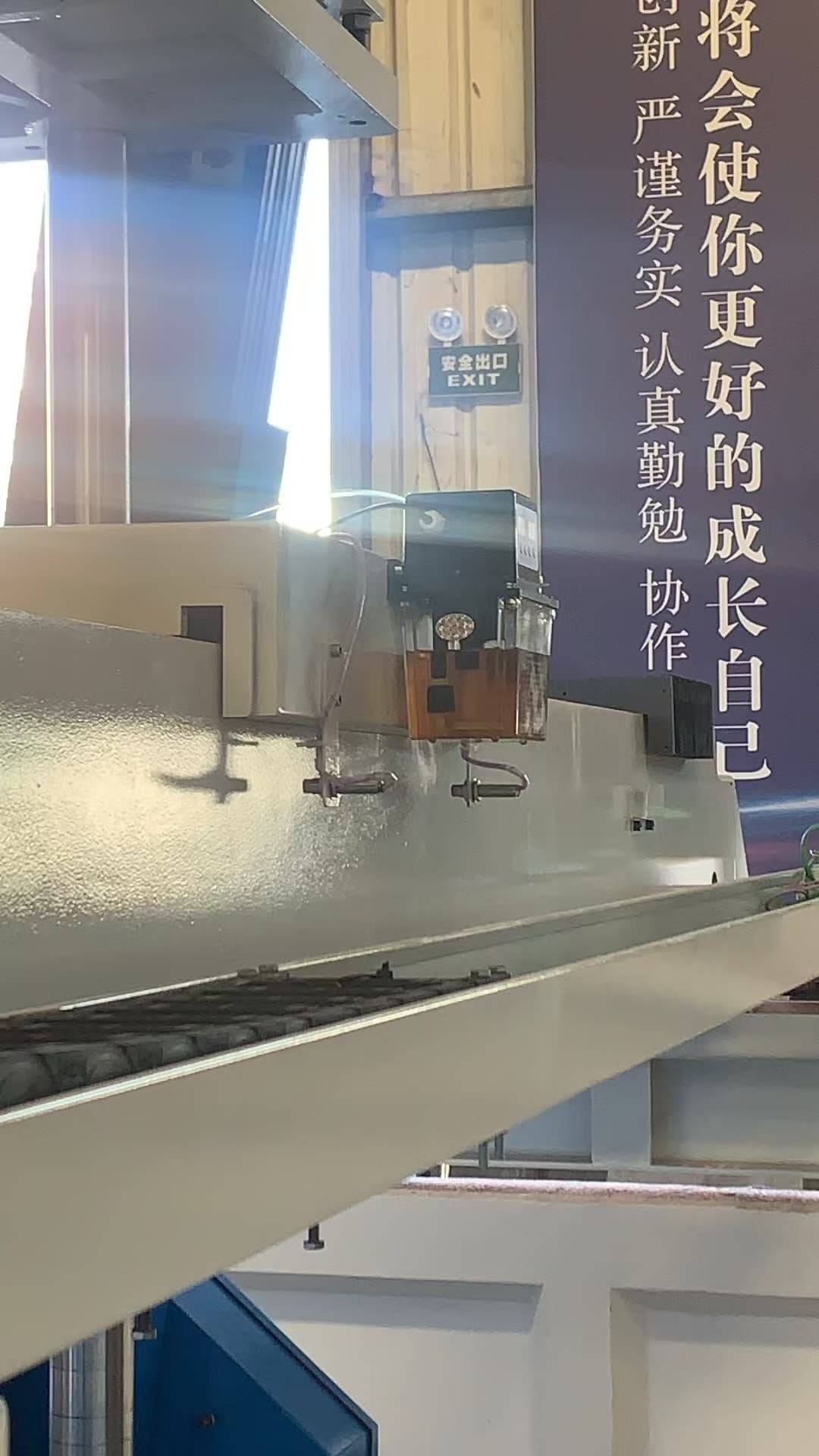
lubricating oil servo motor


Real factory scenario:

In wet stone cutting environments, improper cable protection can cause electrical failures within 3–6 months if workers are not trained correctly.


Stage 2: Manual Operation and Dry Run (Day 3–5)

Before full automation:

  • Teach manual axis movement
  • Practice tool changing
  • Run programs without cutting (dry run)


Best practice:

Require operators to complete at least 10 dry runs before real stone processing.

This reduces collision accidents by up to 70%, according to factory feedback.


Stage 3: Software + CAM Training with Real Files (Week 2)

Instead of demo files, use:

  • Actual customer drawings
  • STL models for 3D statues
  • DXF files for stone cutting computer screen

Teach workers:

  • Tool path logic
  • Roughing vs finishing strategies
  • Feed speed adjustment for granite vs marble


Example comparison:

  • Granite carving feed speed: 30–40% lower than marble
  • Incorrect speed settings increase tool wear by 2–3×


3. Comparing Skilled vs Untrained CNC Operators

Aspect Untrained Operator Well-Trained Operator
Tool Life 1–2 weeks 1–2 months
Surface Finish Uneven, chipping Smooth, consistent
Material Waste High Low
Machine Downtime Frequent Minimal
Safety Incidents Higher risk Significantly reduced


From a buyer’s perspective, training quality directly affects ROI, not just machine price.


4. Use Real Performance Data to Build Trust 

Instead of saying “our machines are stable”, use measurable indicators in training:

  • Continuous operation test: Machines maintain ±0.02 mm accuracy after 72 hours of continuous stone carving
  • Repeat positioning accuracy: ±0.01 mm during multi-axis sculpting
  • Tool breakage reduction after training: Average reduction of 25–40%


These metrics help workers understand why correct operation matters.


5. Common Questions Buyers Ask About CNC Training 

Q1: How long does it take to train a stone CNC operator?

  • Basic operation: 7–10 days
  • Independent production: 3–4 weeks
  • Complex 5-axis sculpting: 2–3 months


Q2: Can workers without CNC experience learn stone CNC machines?

Yes. Many factories successfully train workers with no prior CNC background, as long as training is:

  • Application-based
  • Step-by-step
  • Supervised during the first production cycle


Q3: Why do some operators damage tools frequently?

Main reasons include:

  • Incorrect feed speed for stone hardness
  • Improper tool length calibration
  • Skipping dry runs
  • Lack of understanding of roughing vs finishing


Q4: Is on-site training better than online training?

Comparison:

  • Online training: good for software basics
  • On-site training: essential for stone material handling, safety, and real machining logic

Best solution: Combine both.


Q5: Does better training really reduce machine maintenance costs?

Yes. Factories with structured training systems report:

  • 20–35% lower maintenance costs
  • Fewer spindle failures
  • Longer guide rail lifespan


6. Final Thoughts: Training Is Part of the Machine Value

A stone CNC machine is only as good as the person operating it.

For importers and factory owners, training should be considered part of the investment, not an optional service.

Well-trained operators:

  • Protect the machine
  • Improve product quality
  • Shorten delivery time
  • Increase factory credibility with international buyers


From a long-term perspective, training is one of the highest-ROI decisions in stone CNC processing.

Why Visit Stone Machinery Exhibitions

In the global stone processing industry, technology changes quickly. New cutting tools, automation systems, and intelligent CNC equipment are introduced every year. For buyers, fabricators, and distributors, visiting stone machinery exhibitions is one of the most efficient ways to understand market trends and evaluate suppliers.


Unlike browsing catalogs online, exhibitions provide a real working environment where machines operate continuously, materials are processed on site, and technical engineers explain solutions face to face. This direct experience helps buyers make more confident investment decisions.


Below are several practical reasons why visiting stone machinery exhibitions is valuable for stone factories, distributors, and investors.

Xiamen International Stone Fair


1. See Machines Running in Real Production Conditions

One of the biggest advantages of exhibitions is that you can see machines working in real time.

For example, at many stone exhibitions, manufacturers demonstrate:

  1. 5 Axis Stone CNC Machines carving complex sculptures from marble blocks
  2. Bridge Cutting Machines performing automatic slab cutting
  3. Stone Engraving Machines producing detailed tombstone lettering
  4. Edge Polishing Machines finishing granite countertops


Instead of simply reading specifications, buyers can observe:

  1. Cutting speed on different materials
  2. Surface finishing quality
  3. Machine stability during continuous operation
  4. Tool path accuracy during complex carving


For instance, during a live demonstration, a high-quality 5 axis stone CNC machine can carve a marble statue for several hours while maintaining ±0.02 mm positioning accuracy. This type of real demonstration provides technical evidence that online brochures cannot fully convey.

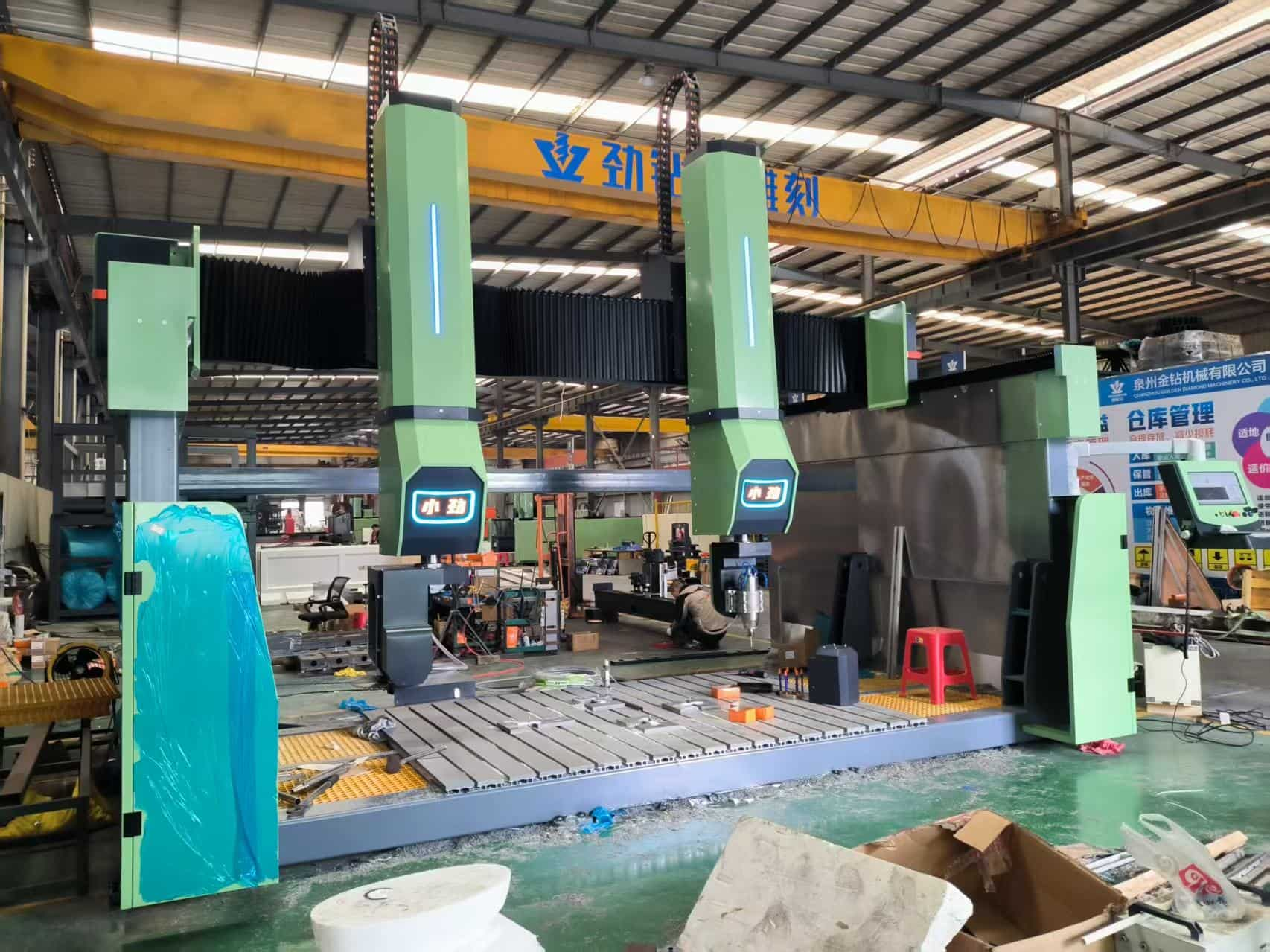
Dual Five-axis Machining Center

Pic1.  Dual five-axis machining center (one saw and one carving)


2. Compare Different Stone Machines Side by Side


Most buyers compare multiple suppliers before purchasing equipment. Exhibitions make this process much easier because several manufacturers display machines in the same venue.


Example Comparison: 3 Axis vs 5 Axis Stone CNC Machines

Feature 3 Axis CNC 5 Axis CNC
Movement X Y Z X Y Z + A B
Application Flat engraving, simple relief Complex 3D sculptures
Programming complexity Lower Higher
Suitable industry Tombstones, simple decorations Large sculptures, artistic carving


If your factory mainly produces granite memorial stones, a 3 axis engraving machine may be sufficient. However, if you plan to produce large 3D stone sculptures, a 5 axis CNC machine provides much greater flexibility.


By visiting exhibitions, buyers can directly compare:

  1. Machine structure and rigidity
  2. Control systems and software interface
  3. Tool change mechanisms
  4. Price ranges and service support


This side-by-side comparison helps buyers choose the most cost-effective solution instead of relying solely on marketing claims.


3. Discover the Latest Stone Processing Technologies

Exhibitions are often the first place where manufacturers introduce new technologies.

Some innovations that frequently appear at stone machinery exhibitions include:


  1. Automatic Tool Changers for CNC engraving machines
  2. Robot Arm Stone Carving Systems for large sculptures
  3. Intelligent Nesting Software for slab cutting optimization
  4. AI-assisted engraving software for portrait carving on tombstones
  5. Dust control and water recycling systems for environmentally friendly production


For example, modern robotic stone carving machines can work continuously for 24 hours, producing complex sculptures that would normally require weeks of manual work. Such technology significantly improves productivity for sculpture workshops.

By visiting exhibitions, buyers can understand future industry trends and plan equipment upgrades before competitors.

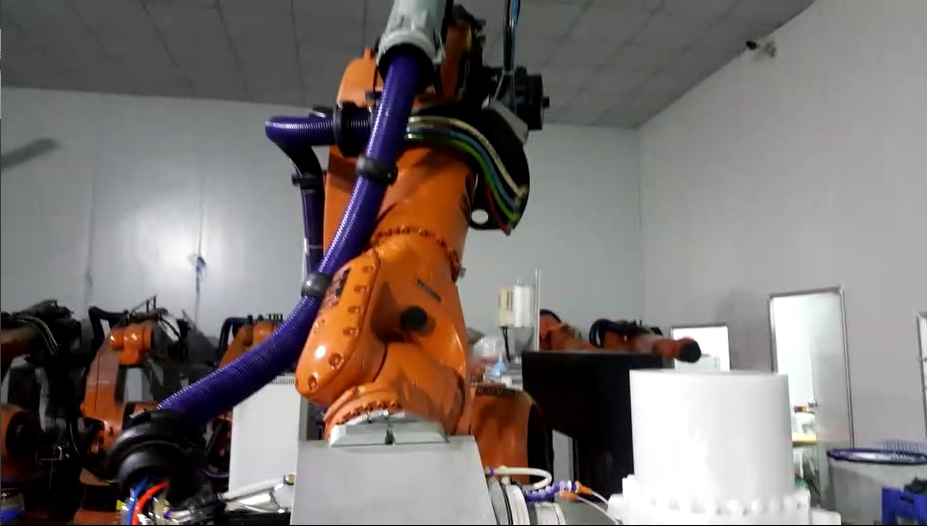
Automatic Seven-axis Robotic

Pic2. seven-axis robotic 


4. Communicate Directly With Technical Engineers

Online communication often focuses on price and basic specifications. However, technical details are easier to discuss face to face.


At exhibitions, buyers can talk directly with:

  1. Mechanical engineers
  2. Software developers
  3. Application specialists


This allows deeper discussions about topics such as:

  1. How to optimize cutting parameters for granite vs marble
  2. Which spindle power is suitable for deep relief carving
  3. How to maintain machine accuracy during long production cycles
  4. What spare parts should be stocked for overseas factories


For example, a factory producing tombstones may ask engineers how to improve portrait engraving clarity on black granite. Engineers can demonstrate the correct impact engraving settings, needle frequency, and grayscale processing directly at the booth.


This type of professional consultation helps buyers avoid costly mistakes.

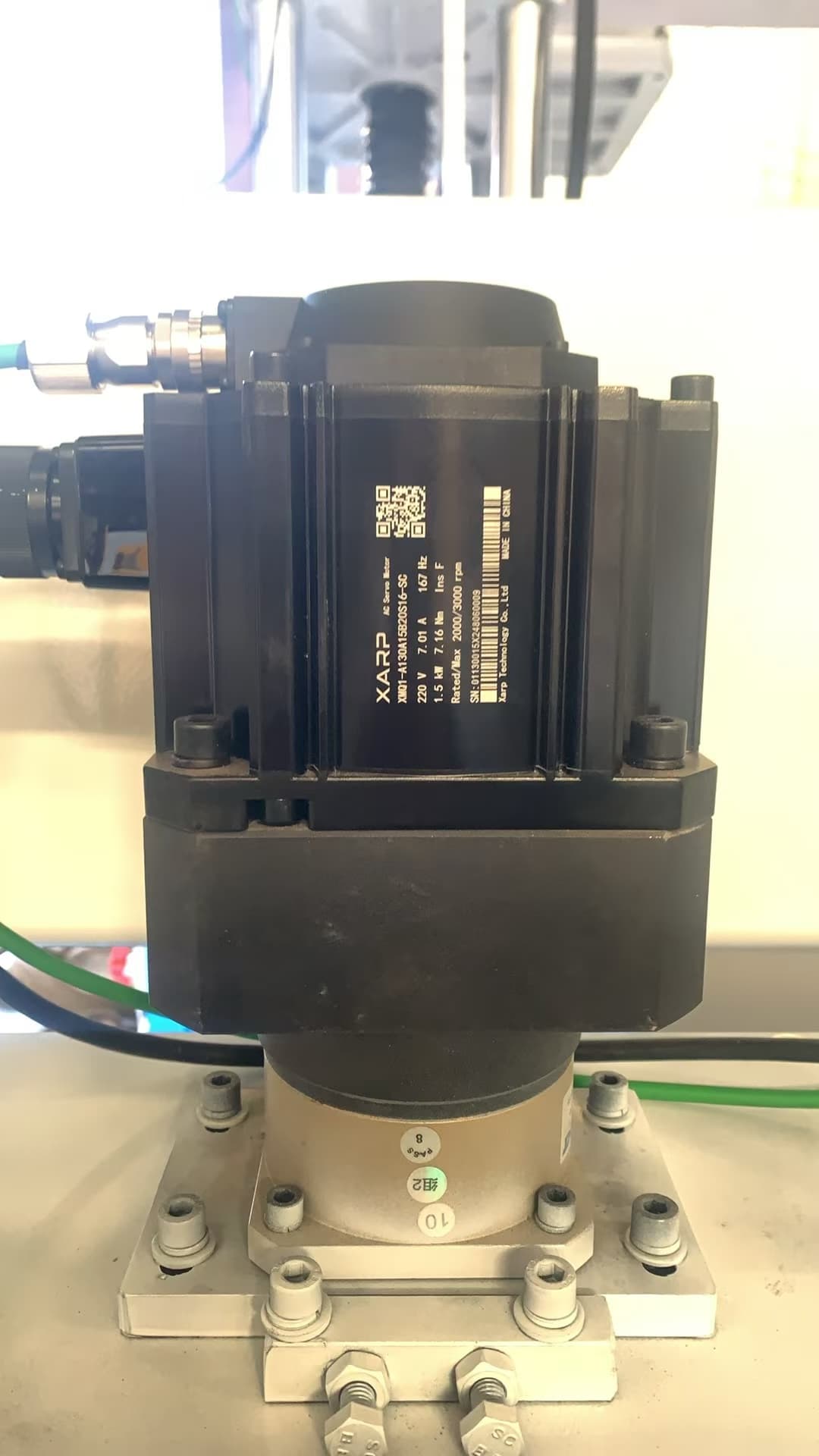
 Machine Spindle

Pic3. Machine Spindle

5. Evaluate Supplier Reliability and Manufacturing Experience

Choosing a stone machinery supplier is not only about machine specifications. Buyers must also evaluate supplier credibility, technical capability, and after-sales service.

Exhibitions allow buyers to observe:

  1. Company history and brand reputation
  2. Number of machines displayed
  3. Professionalism of the engineering team
  4. Customer case studies from different countries


A supplier that can confidently demonstrate machines running continuously at exhibitions usually has strong manufacturing experience and stable equipment performance.

Buyers can also request:

  1. Customer references
  2. Factory visit arrangements
  3. Live video of machines operating in real stone factories

This process increases trust and transparency between buyers and suppliers.


Frequently Asked Questions About Stone Machinery Exhibitions

1. Are stone machinery exhibitions useful for small stone factories?

Yes. Even small factories benefit from exhibitions because they can discover automation solutions that reduce labor costs. For example, a small workshop producing tombstones may replace manual engraving with a CNC stone engraving machine, improving both efficiency and engraving consistency.


2. How can buyers evaluate machine quality during an exhibition?

Buyers should pay attention to several factors:

  1. Machine frame thickness and welding quality
  2. Spindle brand and power rating
  3. Motion system such as linear guides and ball screws
  4. Demonstration results on real stone materials

If possible, request the machine to perform continuous engraving or cutting for 30–60 minutes to observe stability.


3. Should buyers still visit the factory after the exhibition?

Yes. Exhibitions are ideal for initial evaluation, but factory visits provide deeper insights.

During a factory visit, buyers can check:

  1. Production workshops
  2. Quality control processes
  3. Assembly procedures
  4. Real customer machines ready for shipment

This combination of exhibition meeting + factory visit greatly reduces purchasing risk.


4. Which stone machinery exhibitions are worth visiting?

Some well-known exhibitions in the global stone industry include:

  1. China Xiamen International Stone Fair
  2. Marmomac Italy
  3. Middle East Stone Exhibition

These events usually showcase the latest stone processing technologies and machinery innovations.


Conclusion

Stone machinery exhibitions are more than simple trade shows. They are important platforms for technology exchange, supplier evaluation, and market trend analysis.

By visiting exhibitions, buyers can:

  1. Observe machines running in real production conditions
  2. Compare different technologies and suppliers
  3. Discover new automation solutions
  4. Communicate directly with engineers
  5. Build reliable long-term partnerships


For companies involved in stone processing, sculpture production, or monument manufacturing, regularly attending exhibitions is one of the most effective ways to stay competitive in the global market.

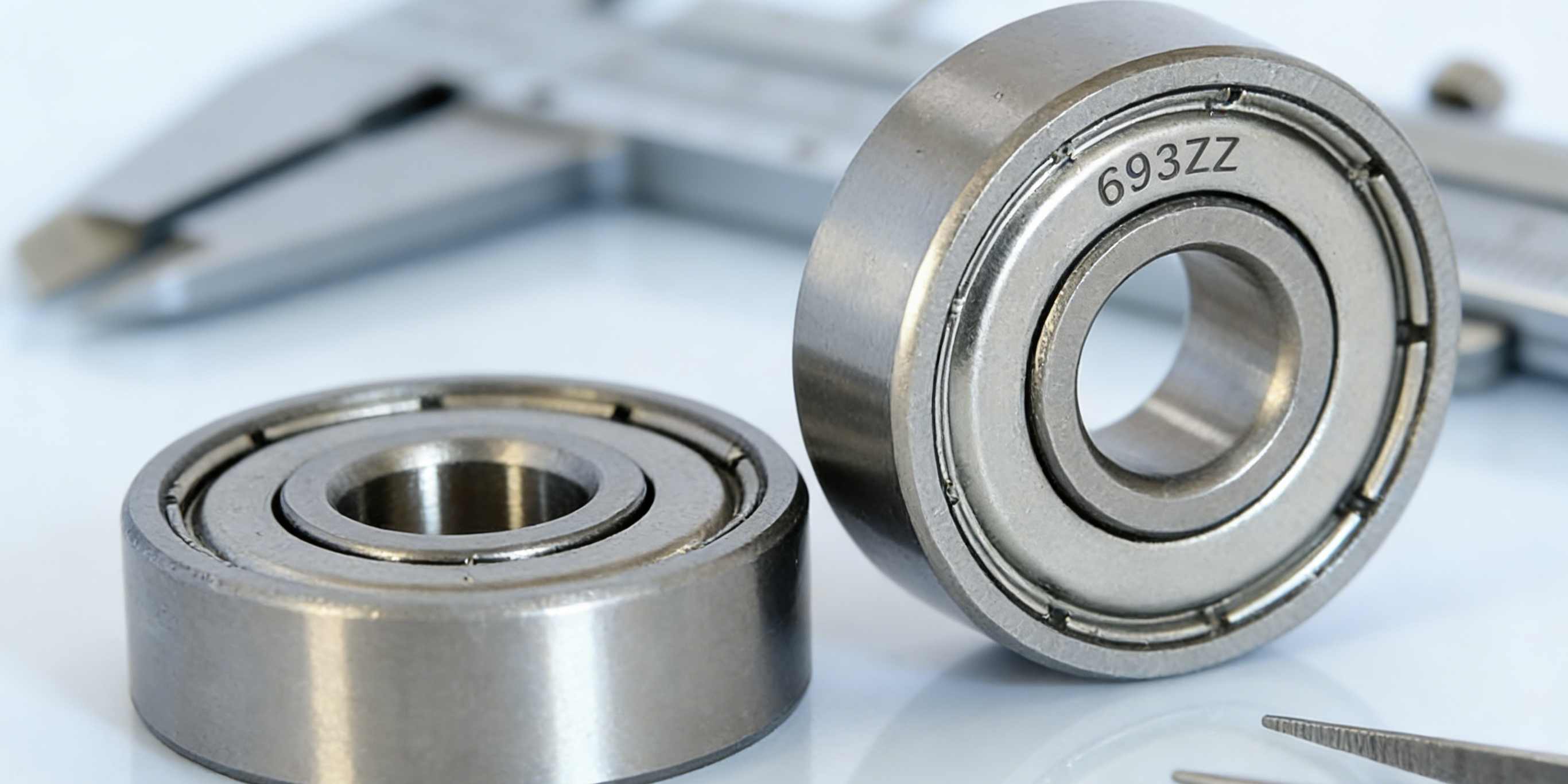
High-Speed & Low Noise Why the 693 Bearing is the Gold Standard for Bladeless Fans?

High-Speed & Low Noise: Why the 693 Bearing is the Gold Standard for Bladeless Fans?


In the world of micro-motors, especially those powering the latest bladeless fans and high-end kitchen appliances, precision is everything. If you are a design engineer or a sourcing manager, you’ve likely encountered the 693 deep groove ball bearing.


But why is this specific model considered the "gold standard"? And why is the ZZ (Metal Shield) version almost always preferred over the 2RS (Rubber Seal) for these applications? Let’s dive into the technical details.


High-Speed & Low Noise: Why the 693 Bearing is the Gold Standard for Bladeless Fans?


➊ The Bladeless Fan Requirement: Ultra-High Speed

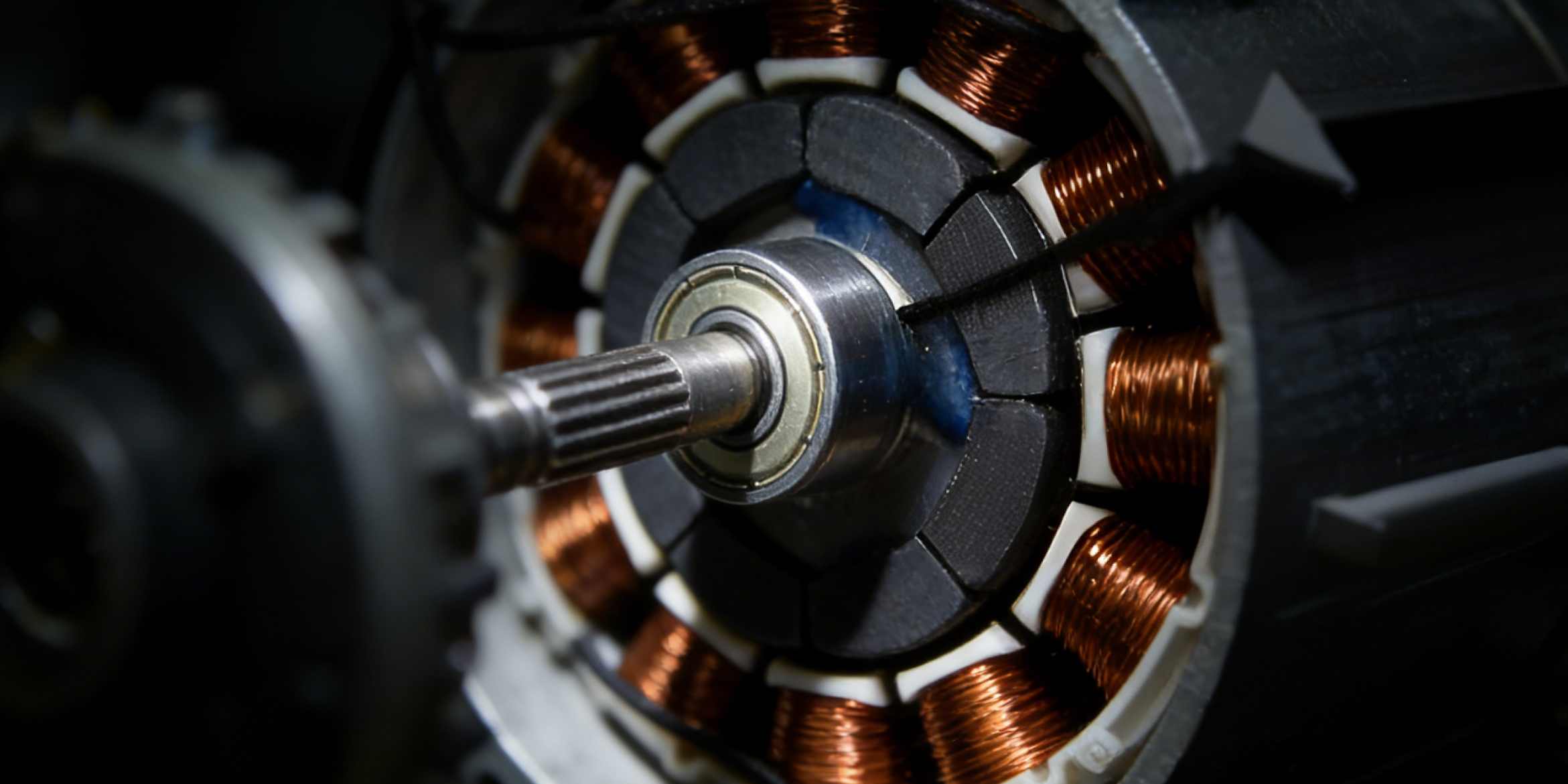
Bladeless fans (and modern hair dryers) rely on high-speed Brushless DC (BLDC) motors to create a consistent, powerful airflow. These motors often operate at tens of thousands of RPM.

  • The 693 Advantage: The 693 bearing is engineered for extreme velocity. With standard grease lubrication, it comfortably reaches 60,000 RPM. When specialized with oil lubrication or ceramic components, it can even push boundaries up to 110,000 RPM.
  • Performance: Its deep-groove geometry ensures stability even when the centrifugal forces are at their peak.


➋ Home Appliance Motors: The Quest for Silence

For appliances like soybean milk machines, air purifiers, and desktop fans, the "user experience" is defined by noise levels. A "whining" motor is a failed product.

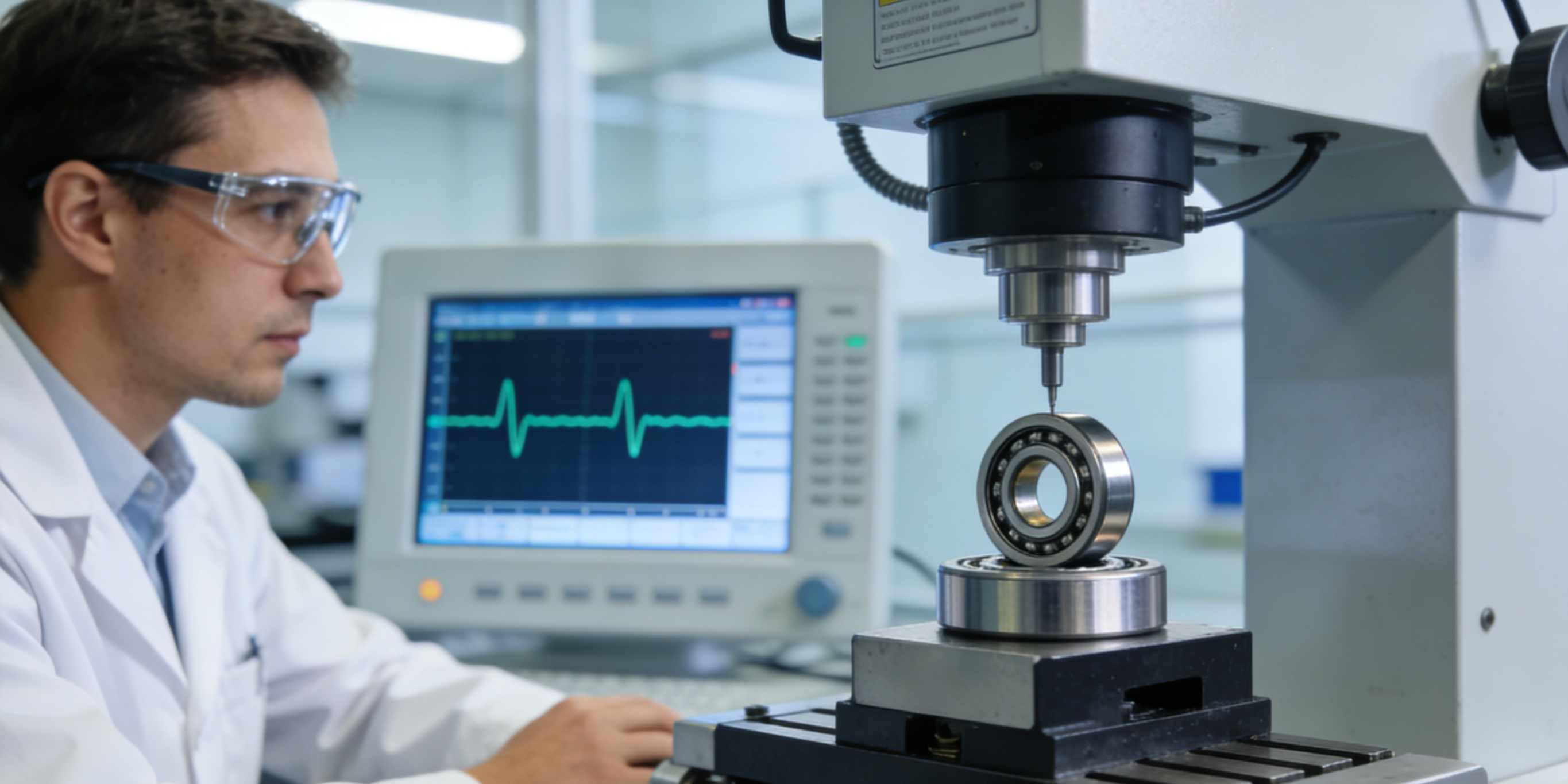
  • Electric Motor Quality (EMQ): Leading manufacturers (like Welink) produce 693 bearings to EMQ standards. This involves precision honing of the raceways and rigorous noise testing (e.g., meeting Z4 group standards).
  • Low Friction: The inherent design of the 693 minimizes the friction coefficient, ensuring that the only thing the user hears is the breeze, not the bearing.


➌ Compact Design for Modern Micro-Motors

Miniaturization is the current industry trend. Engineers are tasked with fitting more power into smaller housings.

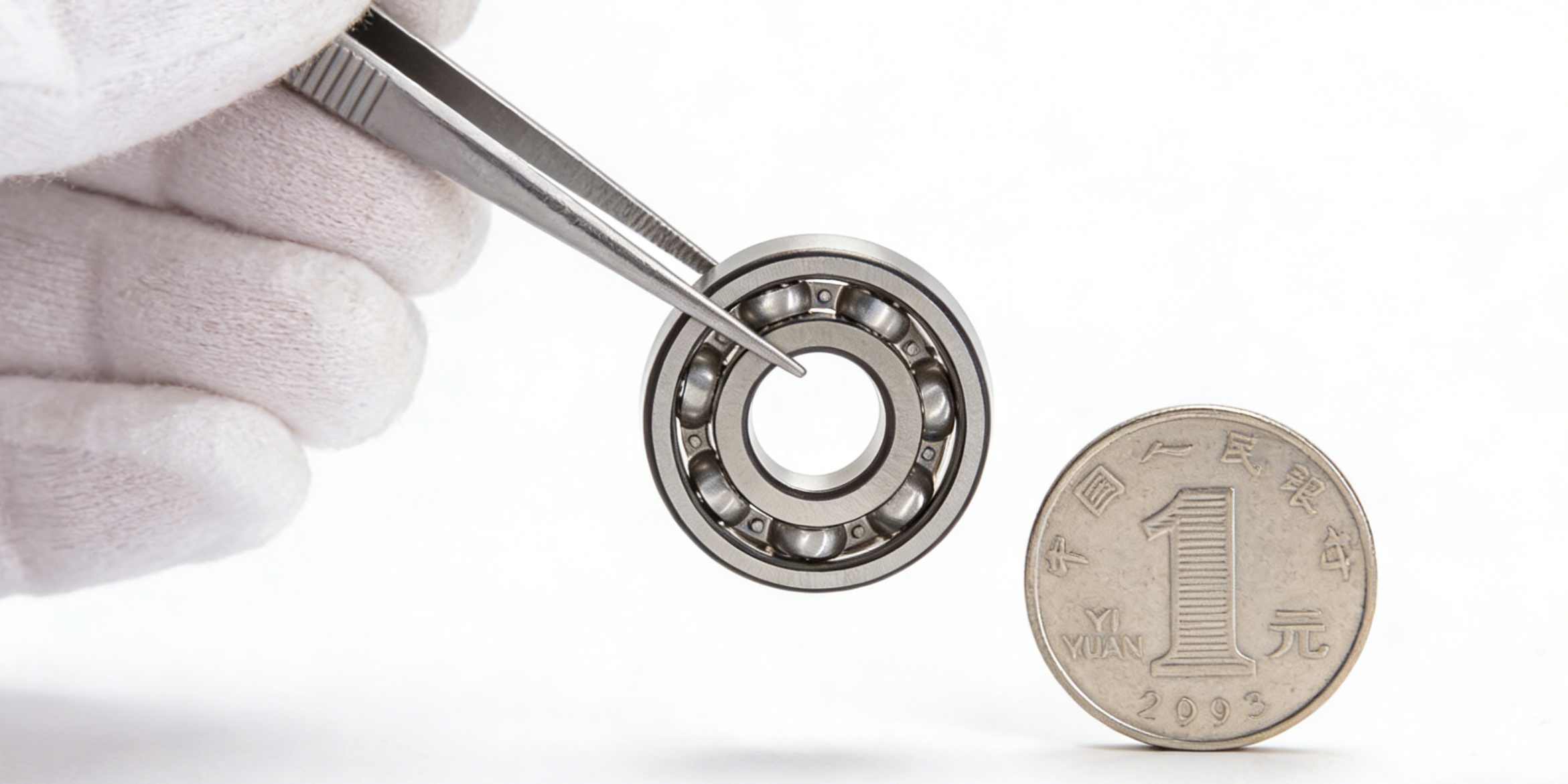
  • Micro-Sizing: The 693 boasts a tiny footprint: 3mm (ID) x 8mm (OD) x 4mm (W).
  • Lightweight: Weighing less than 1 gram, it allows for high-performance motor designs without adding unnecessary mass or inertia.


High-Speed & Low Noise: Why the 693 Bearing is the Gold Standard for Bladeless Fans?


The Great Debate: 693ZZ vs. 693-2RS

While both are "sealed" bearings, their internal physics are quite different. In the context of high-speed motors, the ZZ (Metal Shield) is the clear winner. Here is why:

Feature 693ZZ (Metal Shield) 693-2RS (Rubber Contact Seal)
Seal Type Non-contact (Gap seal) Contact (Friction seal)
Friction Extremely Low Higher due to lip contact
Max Speed Optimized for 60,000+ RPM Lower (Limited by seal heat)
Heat Resistance Excellent Limited (Rubber may degrade)
Best Used For High-speed fans, BLDC motors Humid/Dusty environments


Why ZZ is Preferred for Motors:

The ZZ metal shield provides a "non-contact" seal. There is a microscopic gap between the shield and the inner ring. This means zero added friction, allowing the motor to reach high speeds without overheating.


When to Choose 2RS:

The 2RS rubber seal is a "contact" seal. It offers superior protection against water vapor and fine dust. You should only choose 2RS if your motor is used in harsh environments, such as outdoor equipment or high-humidity kitchen appliances where grease leakage prevention is more critical than raw speed.


High-Speed & Low Noise: Why the 693 Bearing is the Gold Standard for Bladeless Fans?


Final Selection Advice

Choosing the right 693 bearing isn't just about the dimensions; it’s about the Grade and Lubrication. For premium home appliances, always specify EMQ Grade with high-quality synthetic grease to ensure a long, maintenance-free lifespan.

Need expert advice on bearing selection for your next project? At Welink, we specialize in high-precision micro-bearings tailored for the motor industry.

[Contact our technical team today] or leave a message below to receive a customized quote and technical datasheet.

How to Choose 6201 Bearing for Water Pump Applications?

How to Choose 6201 Bearing for Water Pump Applications?


If you’re in the market for a 6201 bearing for water pump applications, you probably already know that not all bearings are created equal. Whether you're sourcing for replacement parts or integrating into a new design, picking the right one can make or break performance, literally.


At Welink Bearing, we’ve been supplying deep groove ball bearings for over a decade. With three manufacturing bases across China and a team of 100+ skilled professionals, we’ve learned a thing or two about what makes a bearing reliable, especially in demanding environments like water pumps.


Here’s what to look for when choosing a 6201 bearing:


➊ Precision Tolerances Matter:

Water pumps often run continuously, so consistency is key. Our 6201 bearings are manufactured with standard tolerances of P6/Z3V3/C0, and we also offer P0, P5, and P4 upon request. This means you get the right fit for your specific pump design, whether it's a compact household pump or a more heavy-duty industrial model.


➋ Material & Heat Treatment:

Durability starts with the material. At Welink, we apply strict heat treatment processes to ensure our bearings can handle the mechanical stresses and temperature changes typical in water pump operations. Our heat treatment workshop is designed to enhance fatigue life and wear resistance.


➌ Sealing & Lubrication:

Water exposure means you need bearings that can stay sealed and lubricated over the long haul. We use fully automatic greasing and capping machines, and our assembly lines are dust-free to keep contaminants out. That’s especially important when your bearing is working in a wet environment.


How to Choose 6201 Bearing for Water Pump Applications?


➍ Noise and Vibration Control:

A smooth-running pump is a quiet pump. Our bearings go through fully-automatic noise testers and real-time dimensional inspections to ensure low vibration and quiet operation, something your customers will definitely appreciate.


➎ Quality You Can Trust:

We don’t just rely on looks. Every batch is tested with roundness testers, hardness testers, and metallurgical microscopes. Plus, we hold ISO 9001:2015, ROHS, and REACH certifications, so you can rest easy knowing our products meet international standards.


➏ Customization & OEM Support:

Need something specific? We offer OEM & ODM services and can tailor dimensions, tolerances, or packaging to fit your project requirements. Just tell us what you need, we’ll make it happen.


How to Choose 6201 Bearing for Water Pump Applications?


At the end, choosing the right 6201 bearing comes down to quality, precision, and trust. And with over 200 production lines and 20000m²+ of manufacturing space, Welink Bearing has the capacity and expertise to support your water pump applications, reliably, consistently, and affordably.

How to Reduce Bearing Noise in Electric Motor Assembly?

How to reduce bearing noise in electric motor assembly?


Hey there, folks in the world of electric motors, if you've ever dealt with that annoying hum or whine coming from your assembly line, you know how it can throw a wrench in things. Bearing noise isn't just a nuisance; it can signal bigger issues down the road, like premature wear or inefficiency.  Let me tell you, reducing that racket isn't rocket science, but it does take some smart tweaks. Let's dive into practical ways to quiet things down, based on what actually works in real-world setups.


How to reduce bearing noise in electric motor assembly?


First off, start with the basics: proper installation and alignment. A misaligned shaft or housing can cause bearings to vibrate like crazy, amplifying noise. Make sure your motor's base is solid and everything lines up perfectly with the driven equipment. I've seen guys skip this step and regret it when the whole system starts buzzing. Use precision tools to check tolerances, things like dimensional and geometric fits for the shaft, housing, and covers. SKF recommends keeping misalignment to a minimum to drop those decibels.


How to reduce bearing noise in electric motor assembly?


Next, lubrication is your best friend. Dry or poorly lubed bearings grind and groan. Go for high-quality grease or oil suited to your motor's speed and load. Over time, I've learned that regular maintenance checks, not just slapping on more lube willy-nilly, prevent friction buildup. If you're dealing with ball bearings, consider upgrading to high-precision or even ceramic ones; they cut down on that mechanical chatter from wear and tear.


How to reduce bearing noise in electric motor assembly?


Balance is another biggie. An unbalanced rotor sends vibrations straight to the bearings, turning them into mini speakers. Thorough rotor balancing during assembly can slash noise significantly. And don't forget about damping materials, wrapping the motor in foam, rubber, or insulation can absorb those vibes before they escape. Adding a simple disc of damping material between the drive and housing made a world of difference.


How to reduce bearing noise in electric motor assembly?


On the electrical side, variable speed drives (VSDs) can induce bearing currents that lead to arcing and noise. Installing shaft grounding rings, like those AEGIS ones, diverts that stray voltage away from the bearings. It's a game-changer for modern assemblies. Also, keep motor leads short and add capacitors across terminals to filter out electrical hum.


Windage noise from cooling fans? Opt for smoother blade designs or enclosures that reduce airflow turbulence. And always test in a quiet environment to isolate issues early.


How to reduce bearing noise in electric motor assembly?


Wrapping up, reducing bearing noise boils down to attention to detail: align, lube, balance, and protect against electrical gremlins. It might take a bit of trial and error, but the payoff is a smoother, quieter motor that lasts longer. If you're assembling these bad boys, give these tips a shot, your ears (and your clients) will thank you. Got a noisy motor story? Share with us!

Can Single Color Sorter Handle Multiple Materials?

Can Single Color Sorter Handle Multiple Materials?

Yes, a single color sorter can handle multiple materials, but its effectiveness depends on several factors, including the type of materials, their color differences, and the sorter's technology. Here’s how it works:


1. How a Color Sorter Handles Multiple Materials

Color sorter machines use optical sensors (CCD cameras, or near-infrared  camera) to detect differences in:  

- Color (RGB, grayscale)  

- Reflectance (how light bounces off the material)  

- Shape/Size(if combined with AI vision)  


If the materials have distinct color differences, the sorter can separate them by programming different rejection criteria.  

Examples:  

✔ Plastic Recycling: Sorting PET (clear/blue) or HDPE (white/black/red/blue/yellow).  

✔ Food Processing: Separating green vs. black coffee beans, or defective grains.  

✔ Mining/Ore Sorting: Differentiating colored minerals (e.g., quartz vs. feldspar).  


 2. Limitations & Challenges

- Similar Colors: If two materials look alike (e.g., white PVC and white PET), a basic color sorter may struggle.  

- Surface Texture: Glossy vs. matte finishes can affect accuracy.  

- Speed vs. Accuracy: More materials = slower sorting or higher error rates.  


 3. Solutions for Sorting Multiple Materials  

- Multi-Spectral Sorting: Uses NIR + RGB cameras to detect chemical composition (e.g., different plastics).  

  • AI + Machine Vision: Trains the sorter to recognize subtle differences beyond color. 


 4.Cases of Multi-Function Sorting Effect Demonstration 

multifunction color sorter


626-2RZ vs. 626-ZZ How to Choose the Right Shield for Your Bearing Application

626-2RZ vs. 626-ZZ How to Choose the Right Shield for Your Bearing Application


Selecting the appropriate bearing shield is crucial for ensuring longevity and reliability in your application. A common point of confusion arises between the 626-2RZ and 626-ZZ types. In this post, we break down their differences and provide a real-world example from our technical support team to guide your decision.


Recently, a customer approached us for support on a new transmission project. While the 626 series bearing was confirmed based on shaft size and pump speed, the choice between metal shields (ZZ) and rubber seals (2RZ) remained unclear due to specific operational conditions.


To resolve this, we provided a clear comparison of the two shielding options:


626-ZZ (Metal Shield on Both Sides)

Features: Metal shields effectively block larger contaminants like dust but are not a complete seal. They are lubricated once at the factory.

Best For: Clean, dry environments with moderate speeds and light loads.

Typical Applications: Electric motors, fans, and printing equipment where contaminant ingress is minimal.


⓶ 626-2RZ (Rubber Contact Seal on Both Sides)

Features: Rubber seals provide superior protection against dust, moisture, and oils. This comes with slightly higher friction, which can limit maximum operating speed.

Best For: Harsher environments where moisture, oil mist, or fine dust is present.


Given the transmission application's environment, which involved light dust and potential moisture and an operating speed of around 3,500 RPM, our team recommended the 626-2RZ. Its enhanced sealing capability would ensure lower maintenance and higher reliability under these conditions.


The customer accepted our advice and implemented the 626-2RZ bearings, which have since performed excellently in the field. For us, providing the right technical solution is as rewarding as securing the order itself.


When deciding between bearing shields, always consider the operating environment, speed, and load alongside the shaft size. A thorough analysis of these factors is key to selecting the optimal bearing for performance and durability.


Need help specifying the right bearing for your application? Contact our technical team sales@welinkbearing.com today for expert support.

Are You Choosing the Right Deep Groove Ball Bearing for Your Application?

Are You Choosing the Right Deep Groove Ball Bearing for Your Application?


Selecting a Deep Groove Ball Bearing seems straightforward, doesn't it? They're the most common bearing type, found in everything from a desk fan to a factory conveyor. Yet, this very ubiquity is where many engineers and buyers trip up. Opting for a generic or incorrectly specified bearing is a shortcut to premature failure, unplanned downtime, and costly repairs. If you're sourcing bearings for motors, pumps, or machinery, you've likely asked: "Which model do I need, and what specifications actually matter?" The answer isn't always in the catalogue.


The core challenge is that 'deep groove ball bearing' is a category, not a one-size-fits-all solution. The performance and lifespan of your application hinge on the subtle details of a specific bearing's design and build. Let's move beyond the basic part number and explore the critical, often-overlooked factors that determine whether a bearing will merely fit, or truly excel.


The Workhorse Bearing: Where Deep Groove Ball Bearings Shine

First, let's clarify why this bearing type is so prevalent. The deep groove ball bearing is the undisputed workhorse of industry. Its simple, versatile design, with deep, continuous raceways on both rings, allows it to handle significant radial loads and moderate axial (thrust) loads in both directions. This makes it incredibly adaptable.


You'll find them as the default choice in:

➊ Electric Motors (Induction, Servo, Gearmotors): Supporting the rotor shaft, where smooth, high-speed rotation is key, making high-quality Deep Groove Ball Bearings for Electric Motors essential for longevity.

➋ Pumps and Compressors: Withstanding constant radial loads from impellers whilst managing some axial thrust.

➌ Conveyor Systems: Supporting rollers under continuous, heavy radial loading in dusty environments.

➍ Agricultural and Automotive Equipment: Where robustness and reliability under variable loads are non-negotiable.


The pitfall begins when this versatility is mistaken for uniformity. Not all 6204 bearings, for example, are created equal.


Are You Choosing the Right Deep Groove Ball Bearing for Your Application?


The Hidden Pitfalls: Three Common Selection Mistakes

Mistaking a standard bearing for the right bearing leads to predictable failures. Here are the most frequent missteps we see.


1. Prioritizing Price Over Precision Grade

The Problem: You need a bearing for a new, efficient motor design. To save cost, you select a standard commercial-grade bearing (P0 or ABEC-1). Once installed, the motor doesn't meet its efficiency targets and emits a persistent, low hum. Vibration levels are higher than calculated.

Why It Happens: Lower precision grades have wider tolerances on raceway geometry, ball size, and surface finish. This increases internal friction (reducing efficiency) and generates more vibration and noise. In precision applications, it's like using budget tyres on a performance car, they fit, but they undermine the entire system.

The Solution: Specify a higher precision grade. For applications like motors, spindles, or medical devices, sourcing high precision deep groove ball bearings (specifically P5 or P6 grade) is essential. Manufacturers achieve this through precision grinding and 100% vibration screening (e.g., to V2 or Z3 groups). The result is smoother operation, lower torque, higher efficiency, and significantly reduced noise.


Are You Choosing the Right Deep Groove Ball Bearing for Your Application?


2. Ignoring the Crucial 'C' Code: Internal Clearance

The Problem: A pump bearing fails repeatedly every few months, running hot and seizing. The replacement bearing is the correct model (e.g., 6205) but the failure pattern persists.

Why It Happens: This is a classic case of incorrect internal clearance. All bearings have a built-in internal clearance (play between balls and raceways). A standard clearance (C0) bearing installed in a system that heats up significantly during operation, like a pump or motor, will see that clearance vanish as the shaft expands. This creates a damaging preload, generating excess heat, accelerating lubricant breakdown, and leading to rapid failure.

The Solution: Understand thermal dynamics. For most rotating equipment, a C3 clearance (greater than standard) is recommended. This accommodates the thermal expansion of the shaft and housing, ensuring the bearing operates with the optimal internal play at its working temperature. Always consult the application's thermal profile when specifying clearance.


Are You Choosing the Right Deep Groove Ball Bearing for Your Application?


3. Choosing the Wrong Protection: Seals & Lubrication

The Problem: Bearings on a warehouse conveyor are failing prematurely due to grit ingress, despite being "sealed." Conversely, a high-speed spindle bearing is overheating because its seals create too much friction.

Why It Happens: The sealing and lubrication are the bearing's life support system. A metal shield (ZZ) offers minimal friction but is useless against fine dust or moisture. A standard contact rubber seal (2RS) protects well but increases rotational torque. Similarly, a general-purpose grease will oxidize annd fail in high-temperature or high-speed environments.

The Solution: Match the protection to the environment.

 For clean, high-speed applications: Opt for non-contact seals or just metal shields.

 For industrial environments (dust, moisture): Specify contact rubber seals (2RS or RS) to protect the integrity of the grease and keep contaminants out.

⚫ For lubrication: Don't accept a generic grease. Specify a high-quality, application-specific grease, be it a high-temperature stable grease for motors, a food-safe grease for packaging, or a corrosion-resistant grease for wash down environments.


Are You Choosing the Right Deep Groove Ball Bearing for Your Application?


Beyond the Catalogue: The Value of Technical Partnership

Choosing correctly requires more than just picking a number from a table. It demands an understanding of the application's nuances. This is where partnering with a specialist manufacturer pays dividends.


A quality manufacturer doesn't just sell bearings; they provide solutions. For instance, at Welink, our focus on core industrial series like the 6200 Series Deep Groove Ball Bearings and 6300 series means we build them with application-critical consistency. Our production is geared for repeatability: automated grinding and assembly ensure every 6206 or 6308 bearing meets its promised specifications. More importantly, we offer the essential customization, whether it's supplying a standard 6204 with C3 clearance and P6 precision, or advising on the optimal seal and grease for a harsh agricultural environment.


This technical dialogue can prevent costly errors. A five-minute conversation about your operating conditions can mean the difference between a bearing that lasts a year and one that lasts a decade.


Making the Informed Choice

The right deep groove ball bearing is a silent guardian of productivity. By looking beyond the basic model number and critically evaluating Precision Grade, Internal Clearance (C-code), and Sealing/Lubrication, you equip your application with a component built to last.


Before your next purchase, ask yourself: am I buying just a bearing, or am I specifying a performance-critical component? If it's the latter, the details we've outlined are not optional, they're fundamental.


For a detailed discussion on your specific application or to request technical data sheets for our deep groove ball bearing range, please contact our engineering support team at sales@welinkbearing.com.