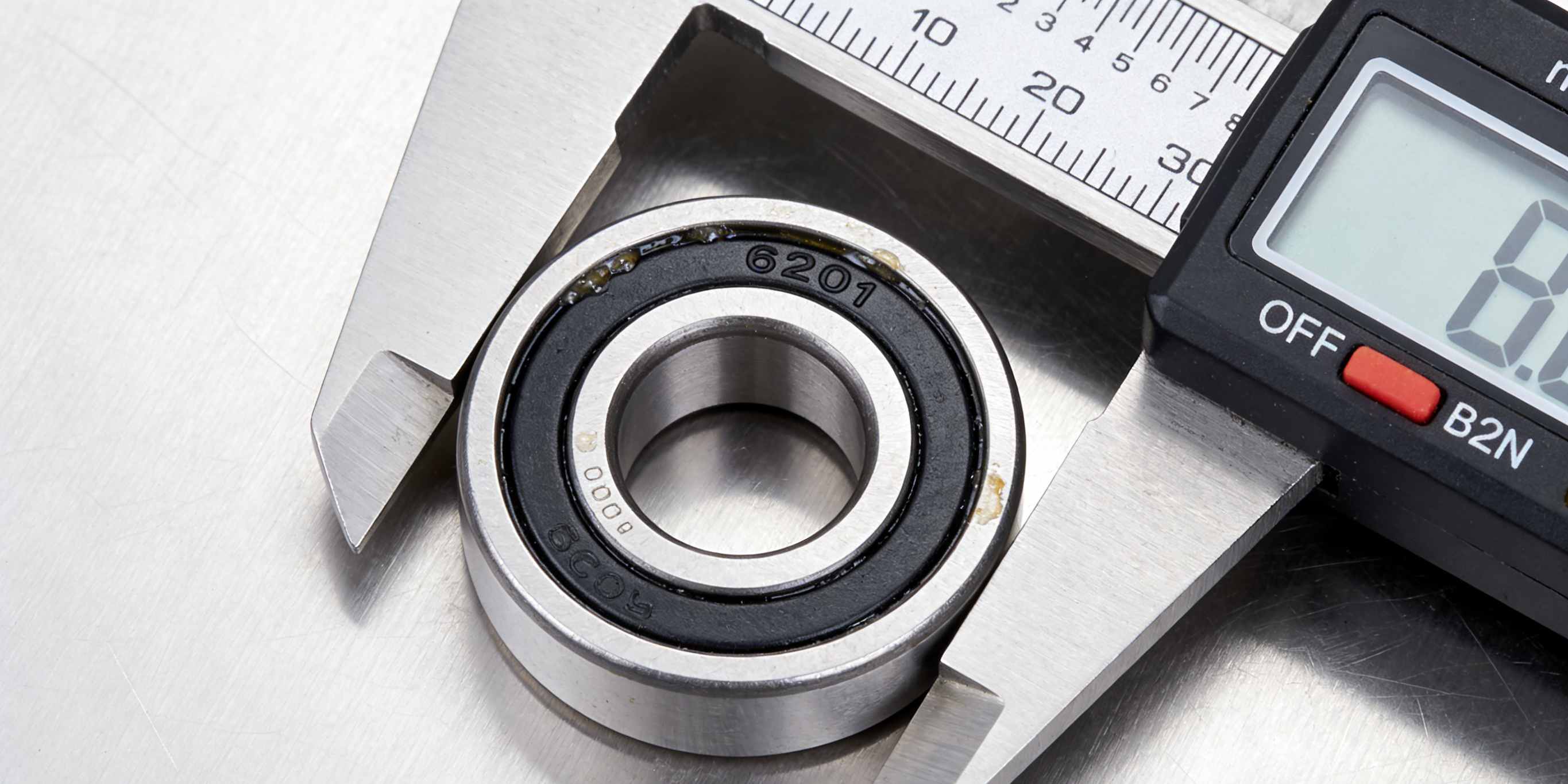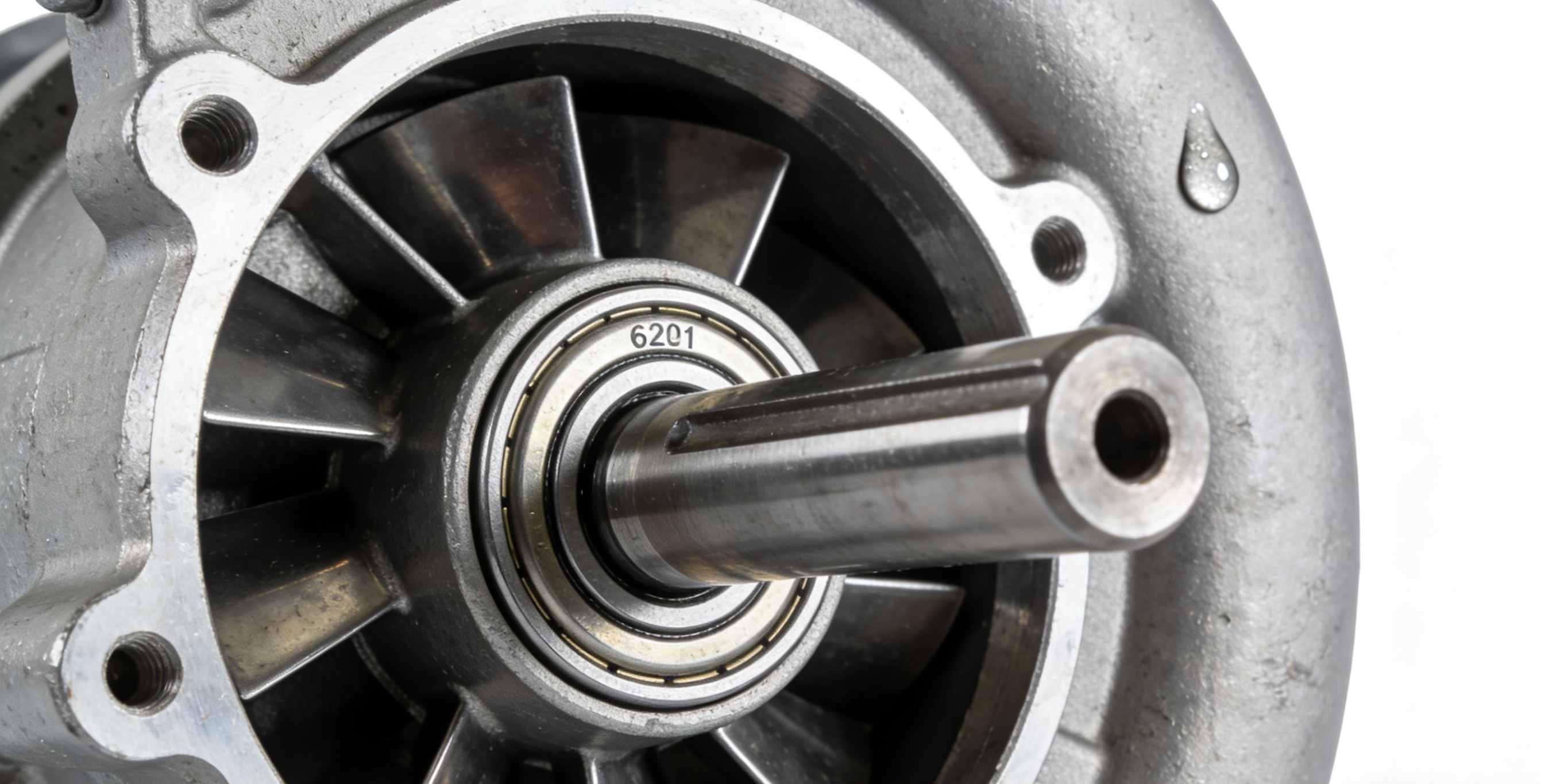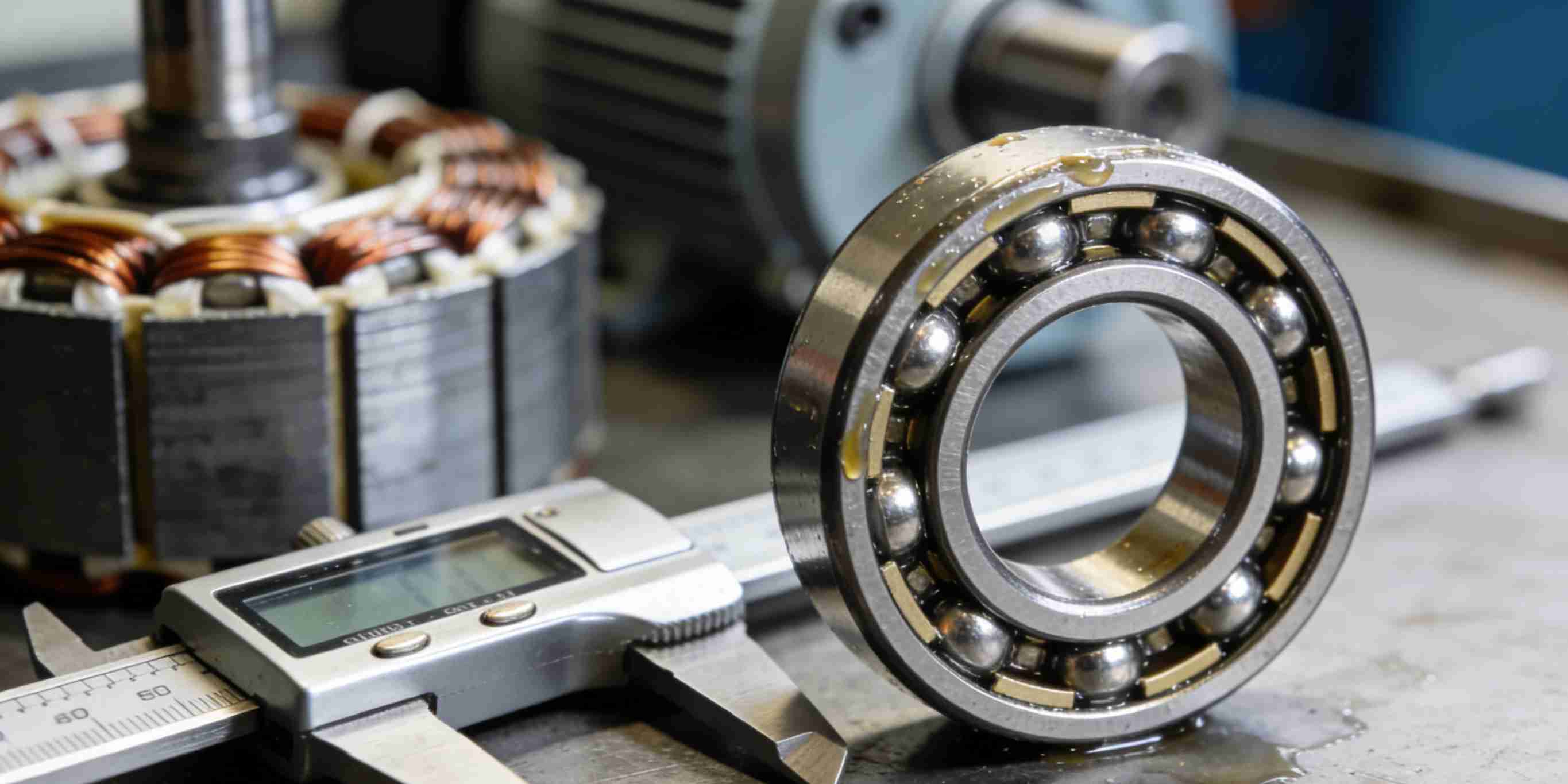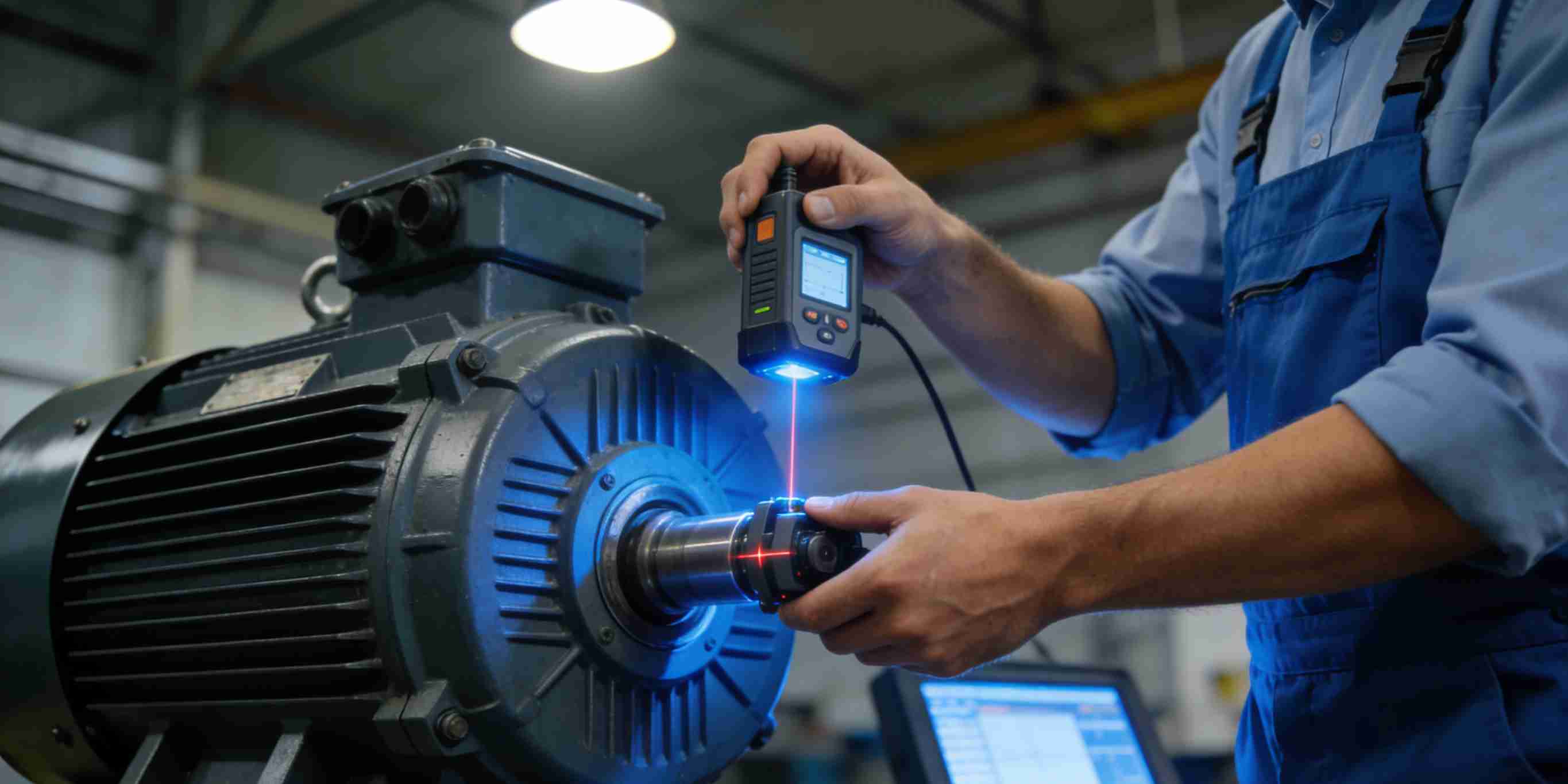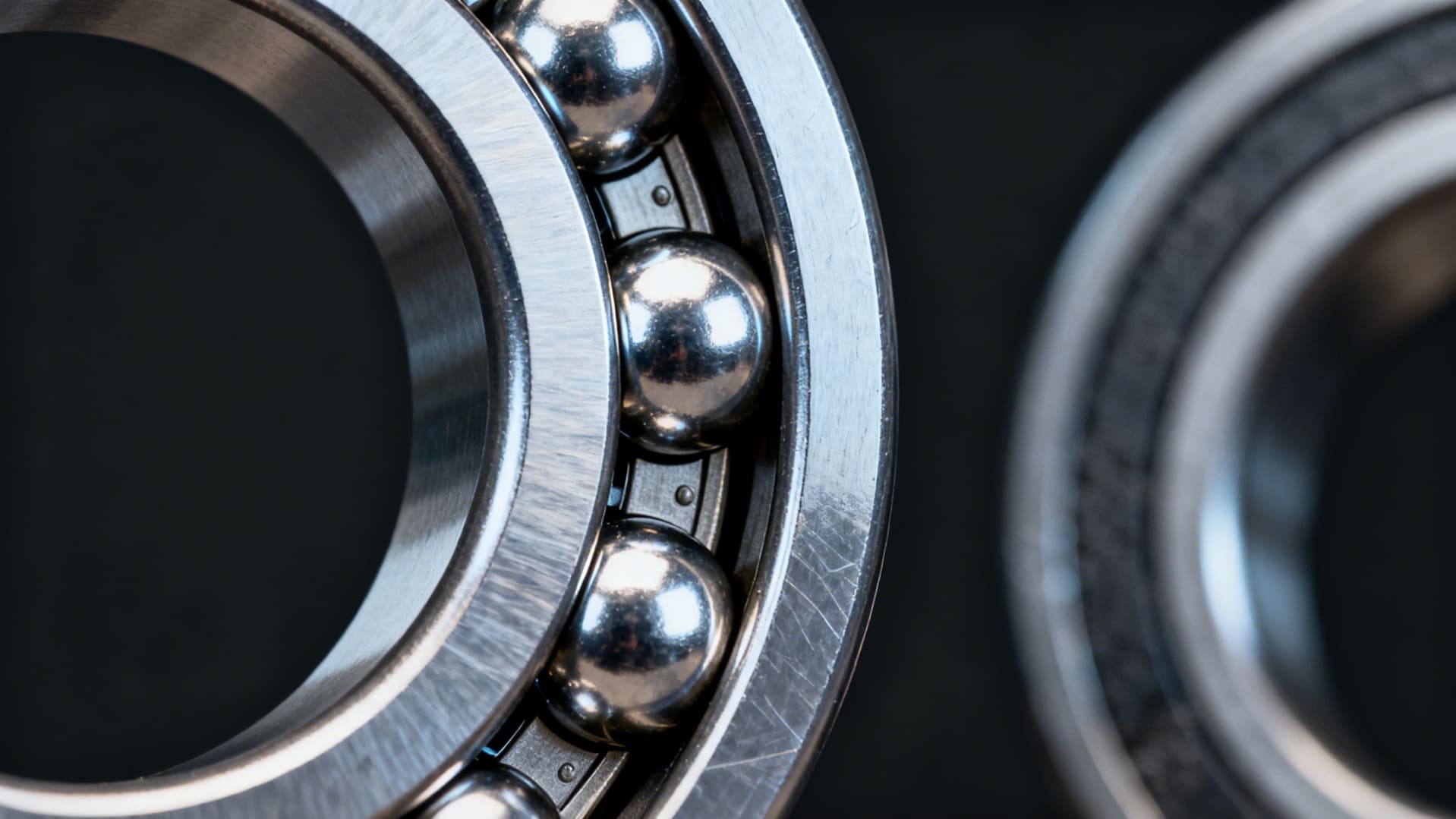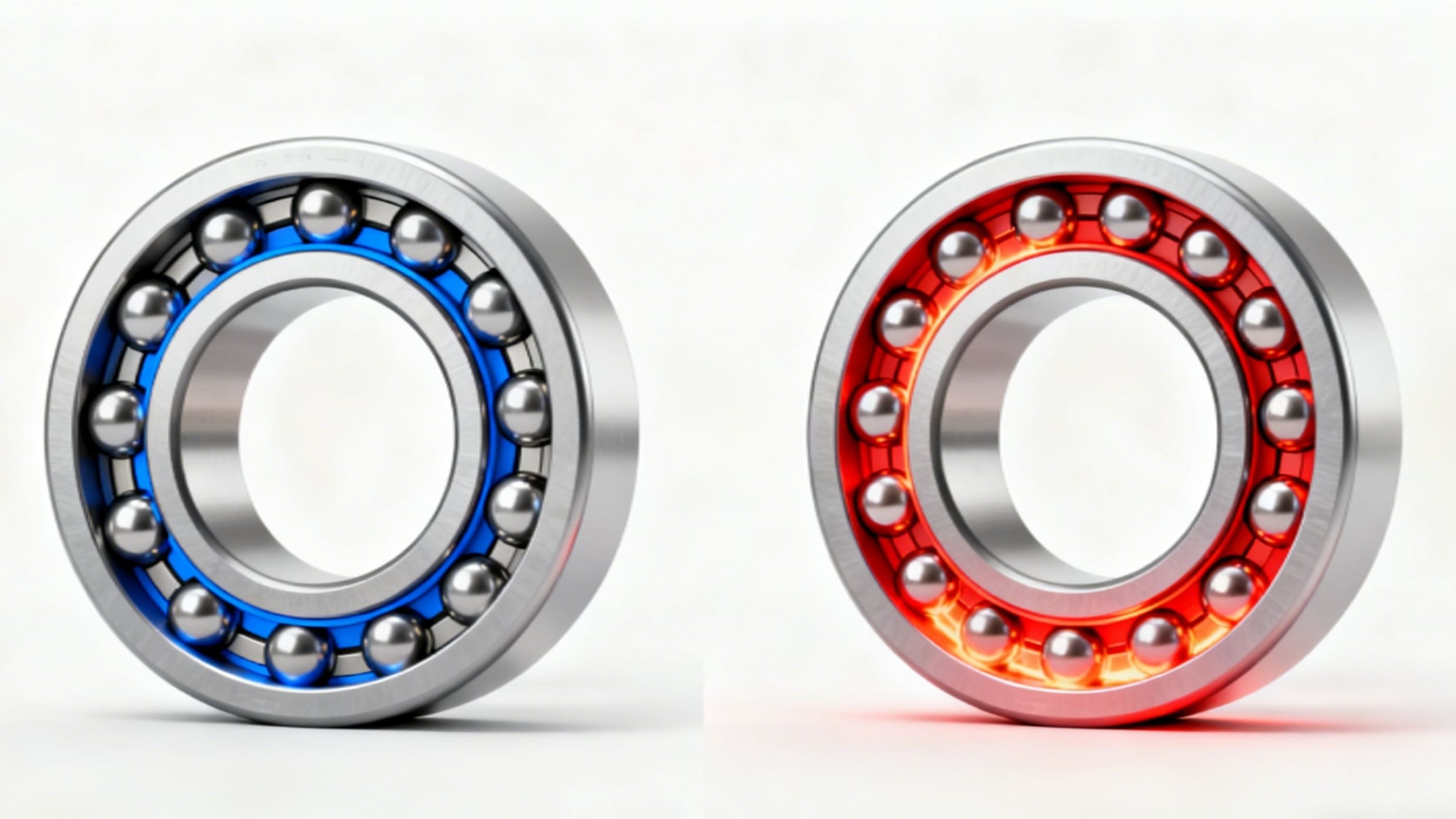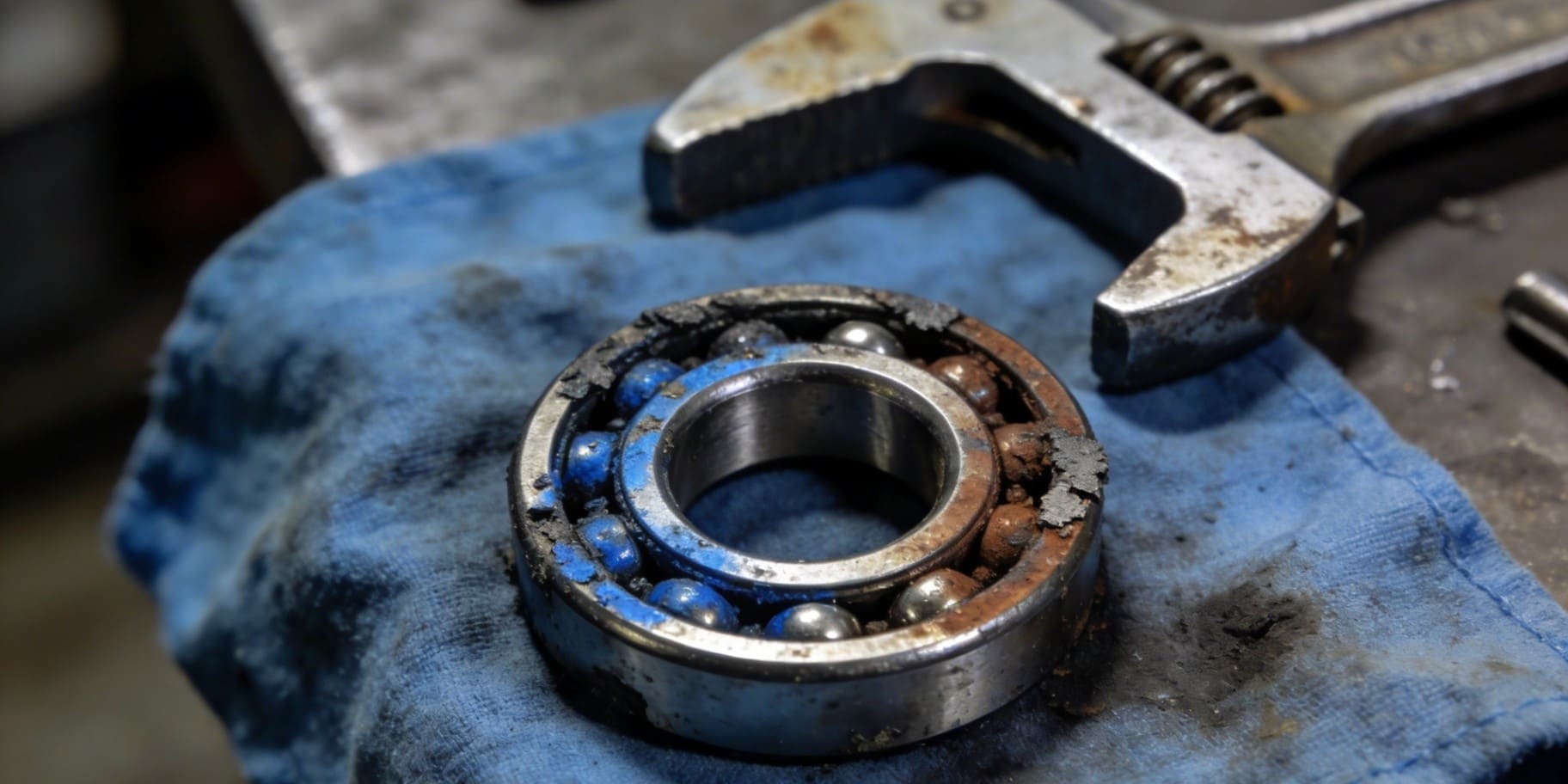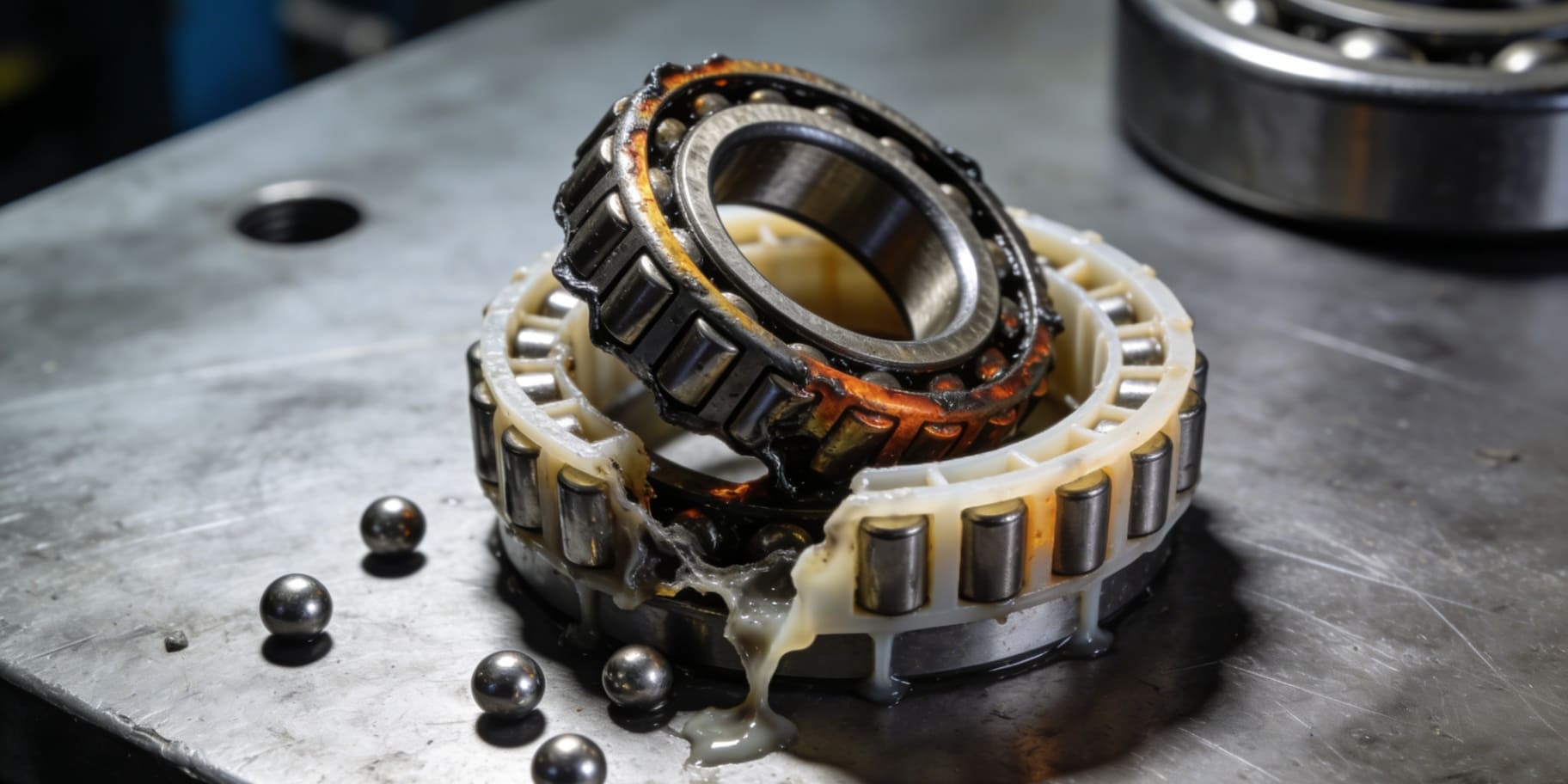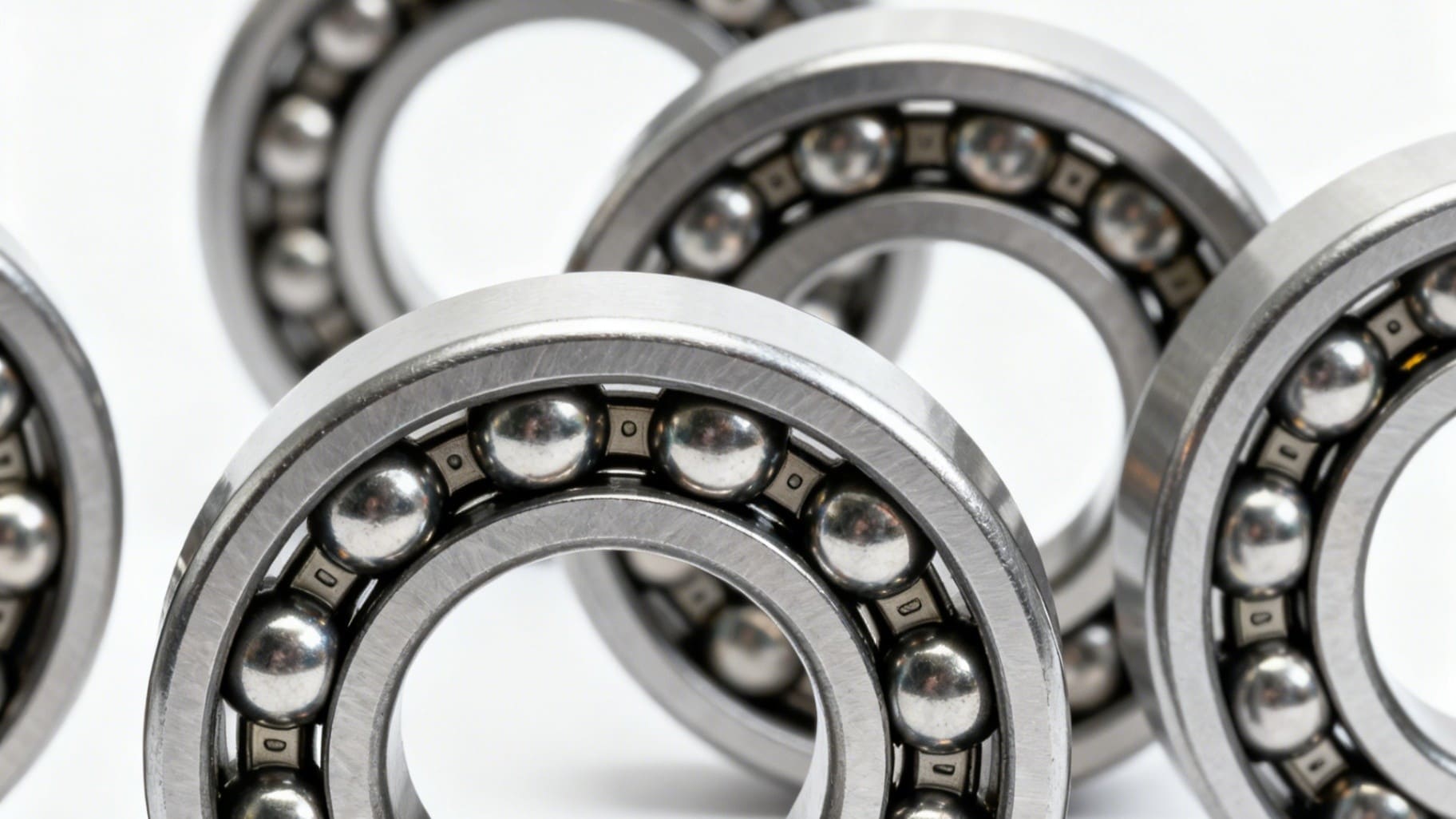
Do Ball Bearings Need Lubrication? The Complete Guide from a Bearing Manufacturer

Do Ball Bearings Need Lubrication? 

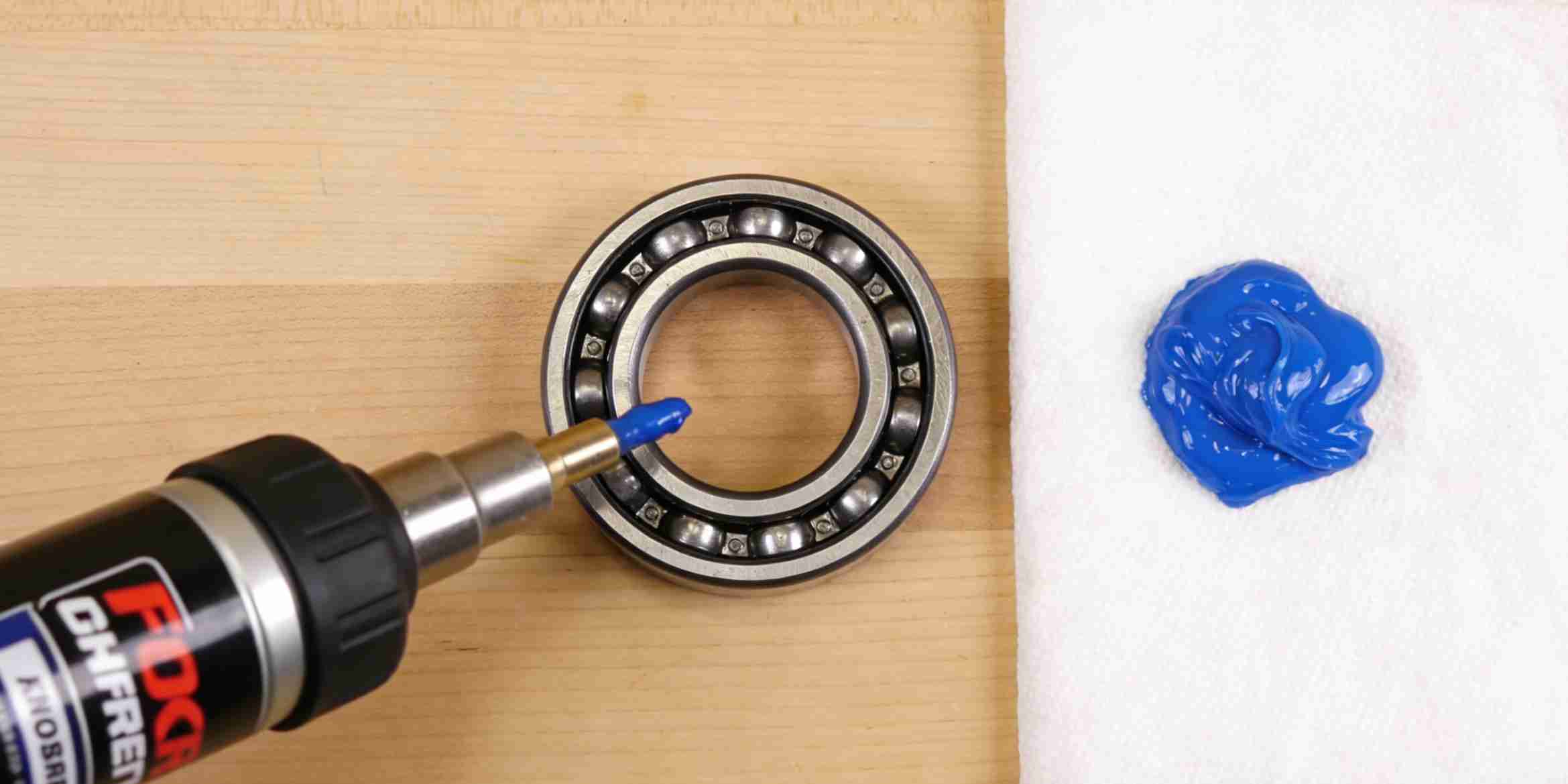
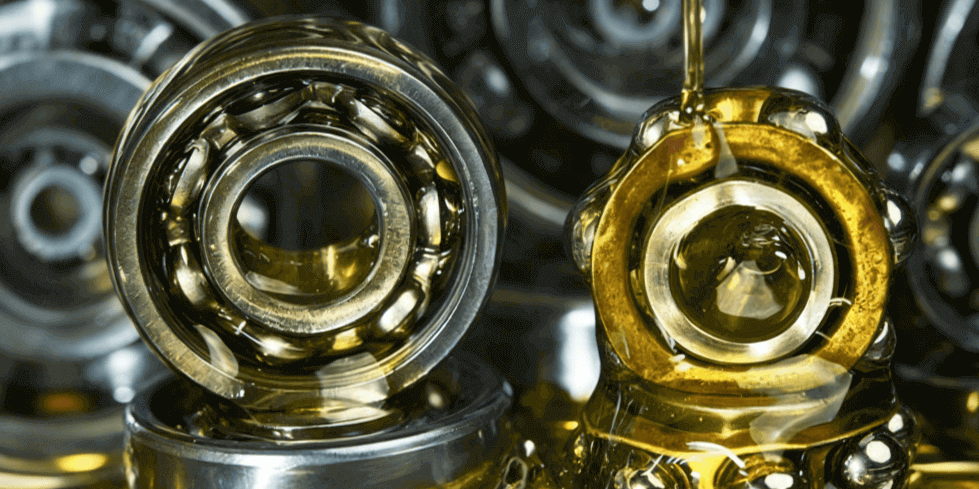
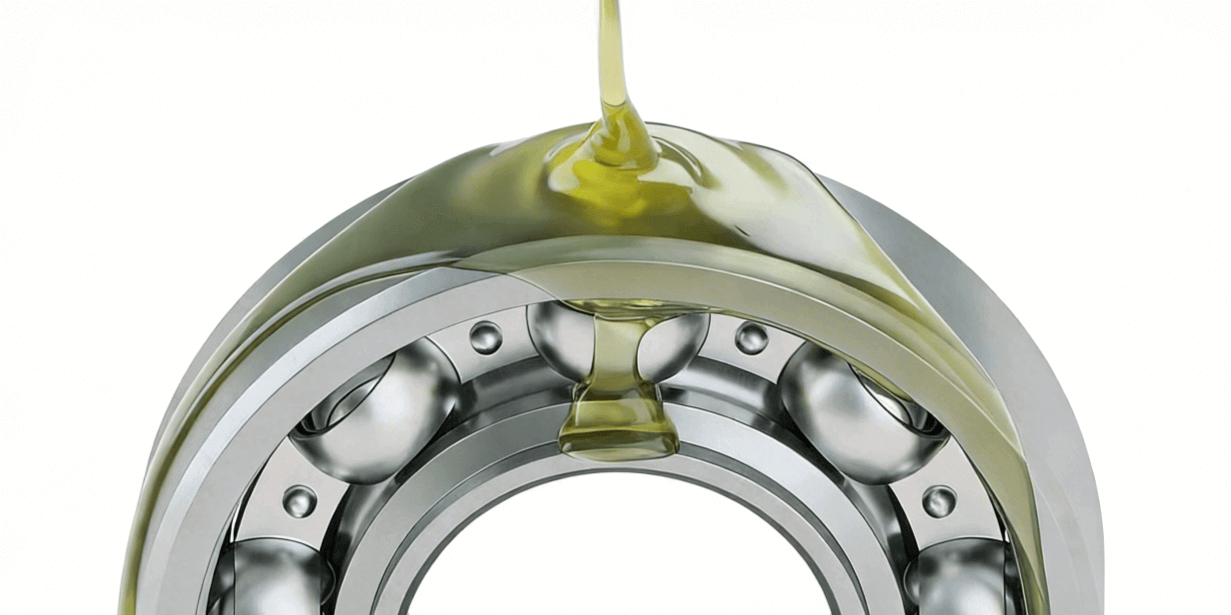
Yes, the vast majority of ball bearings require lubrication to function correctly and achieve their designed service life. At Welink Bearing, a question we frequently encounter is whether all ball bearings need grease. The answer lies in the application. While lubrication is generally essential, the method (grease, oil, or dry film) and quantity vary significantly based on the bearing's operating conditions.


Do Ball Bearings Need Lubrication?


① Why is Lubrication Critical for Ball Bearings? (The 4 Key Functions)

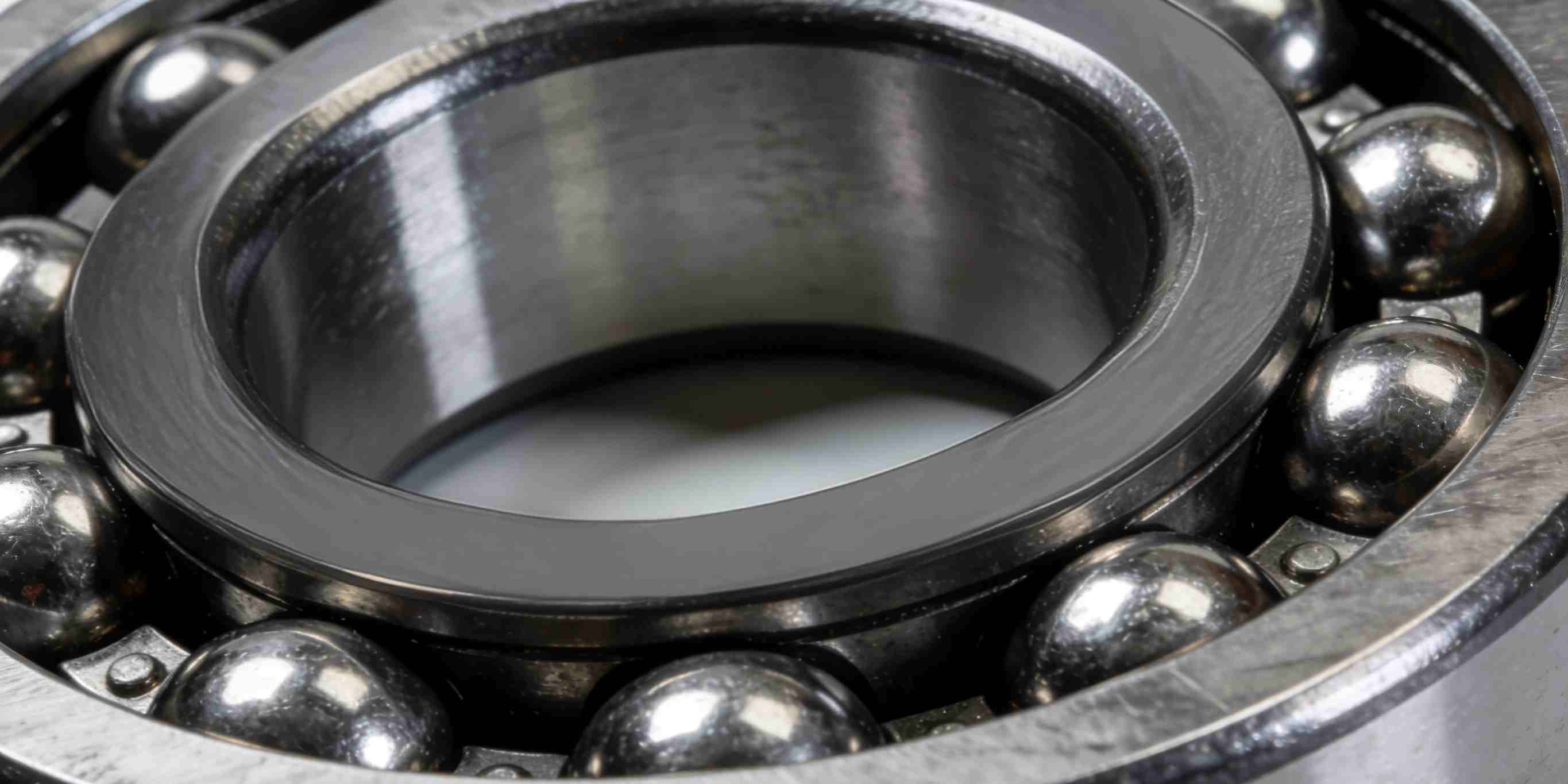
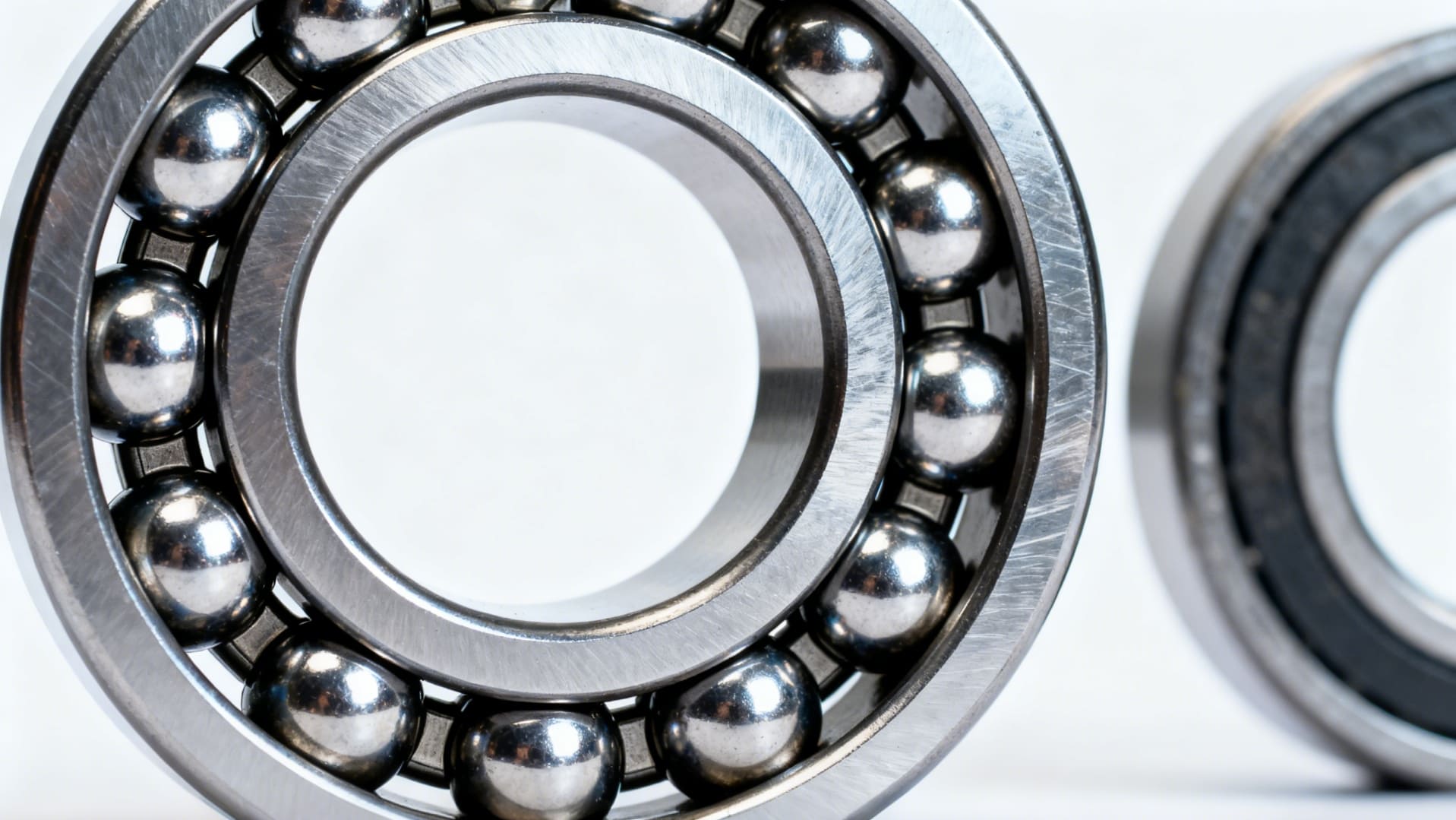
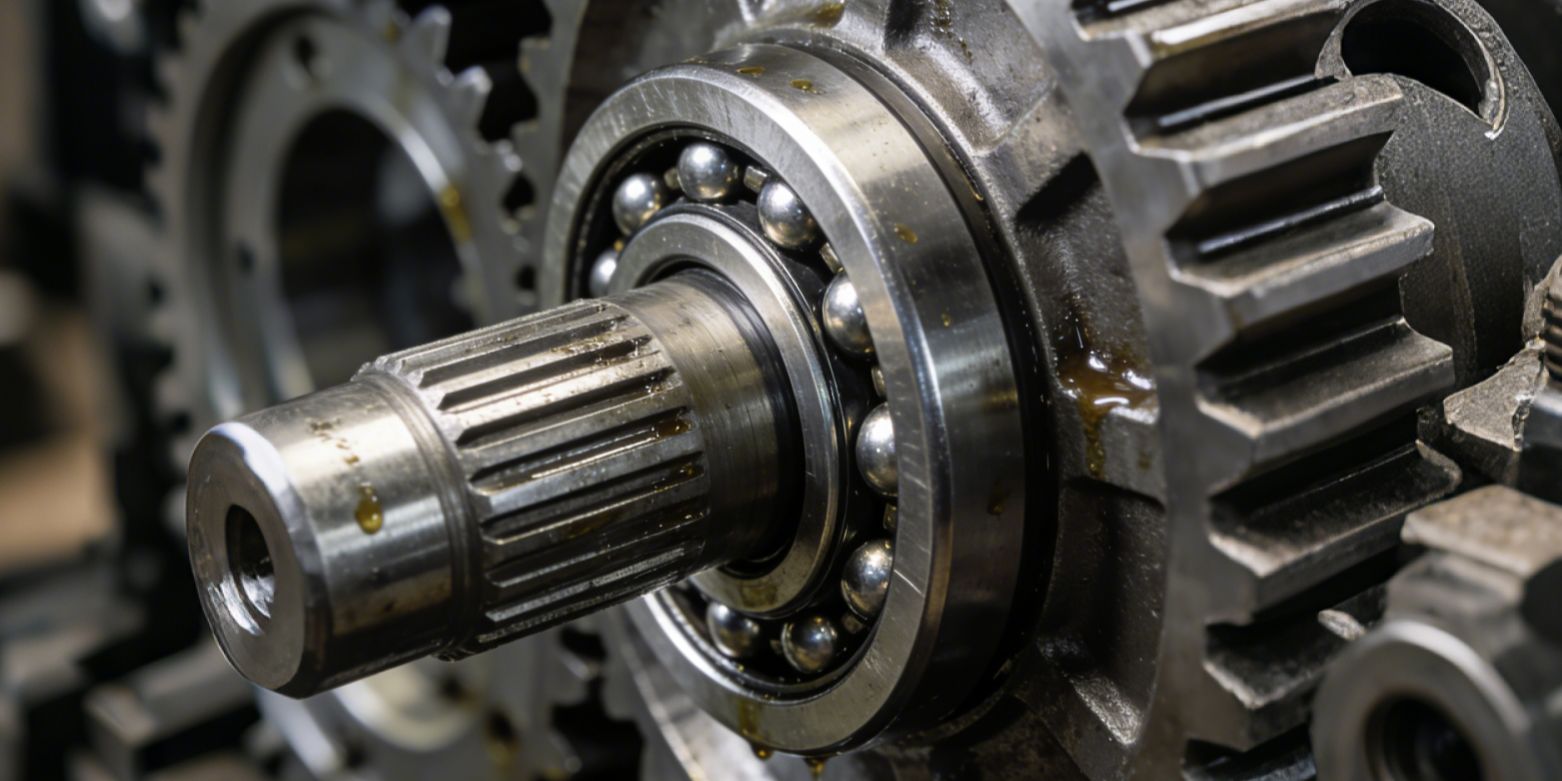
Lubrication serves four core functions in ball bearings, including the deep groove and angular contact ball bearings we specialize in:

  • Reducing Friction and Wear: It forms a protective film between the balls and raceways, minimizing direct metal-to-metal contact.
  • Preventing Overheating and Corrosion: It dissipates heat generated during operation and creates a barrier against moisture and contaminants that cause rust.
  • Minimizing Noise and Vibration: It allows for smoother rolling element movement, ensuring quieter operation.
  • Extending Service Life: By accomplishing all of the above, proper lubrication ensures the bearing reaches or exceeds its rated lifespan.

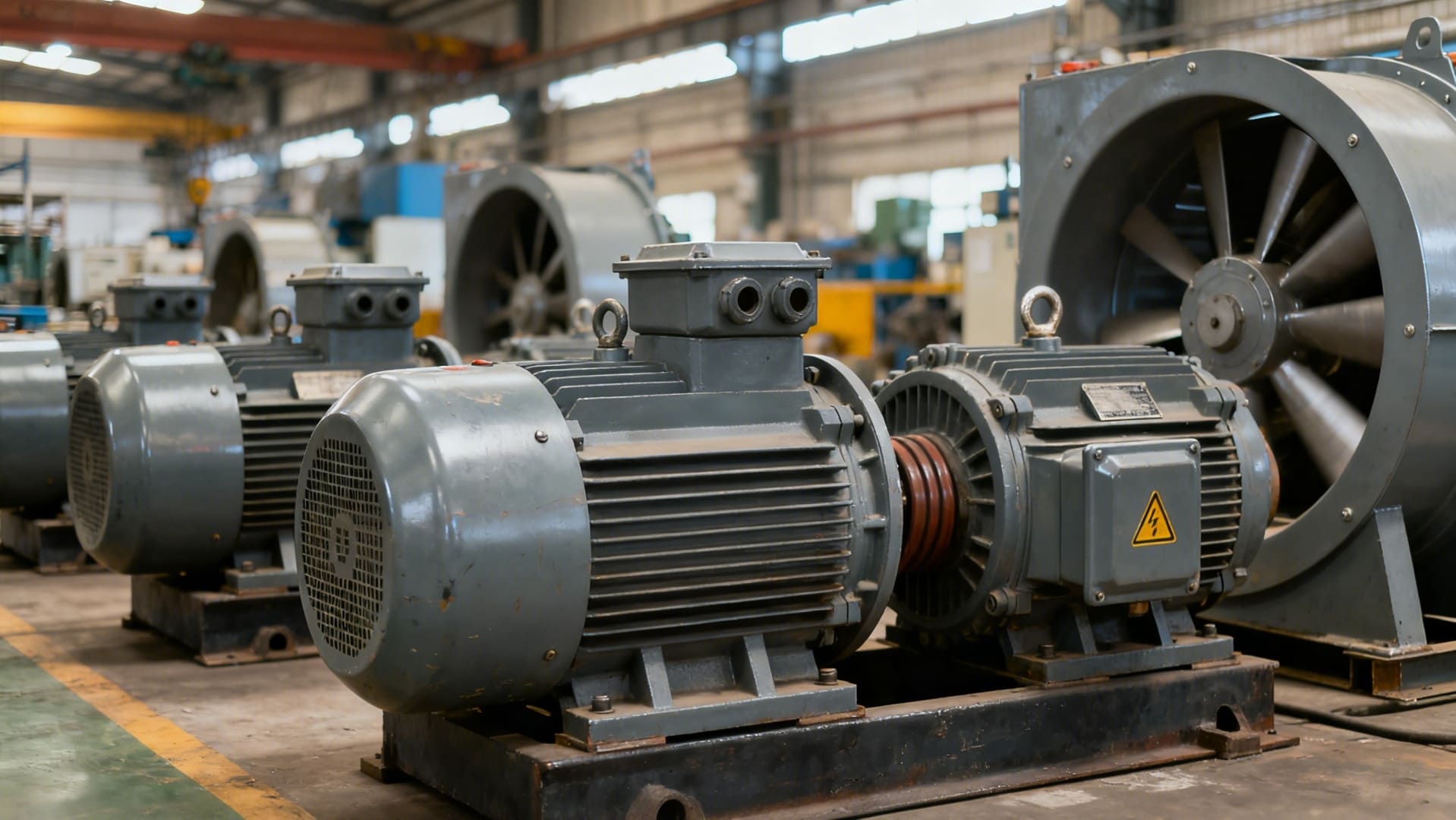
For deep groove ball bearings, critical components in applications like electric motors and pumps, operation without lubrication would drastically shorten their service life.


Do Ball Bearings Need Lubrication?


② Common Ball Bearing Lubrication Methods Compared

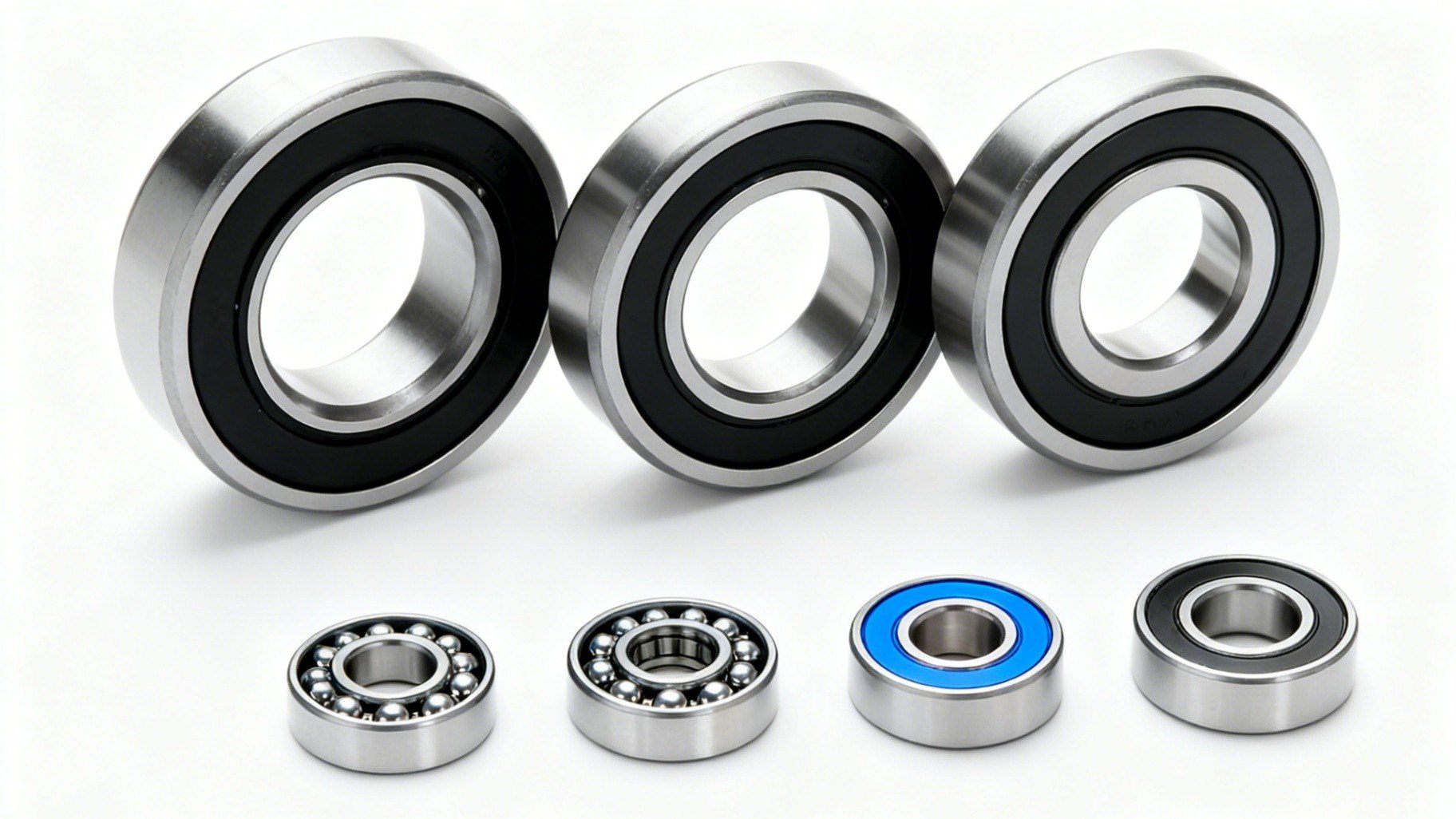
  • Grease Lubrication (The Most Common Method - Typically Factory Pre-Lubricated)

Suitable for approximately 90% of deep groove ball bearing applications, such as electric motors, water pumps, fans, and household appliances.

    • Advantages: Simple maintenance, good sealing performance, and low cost.
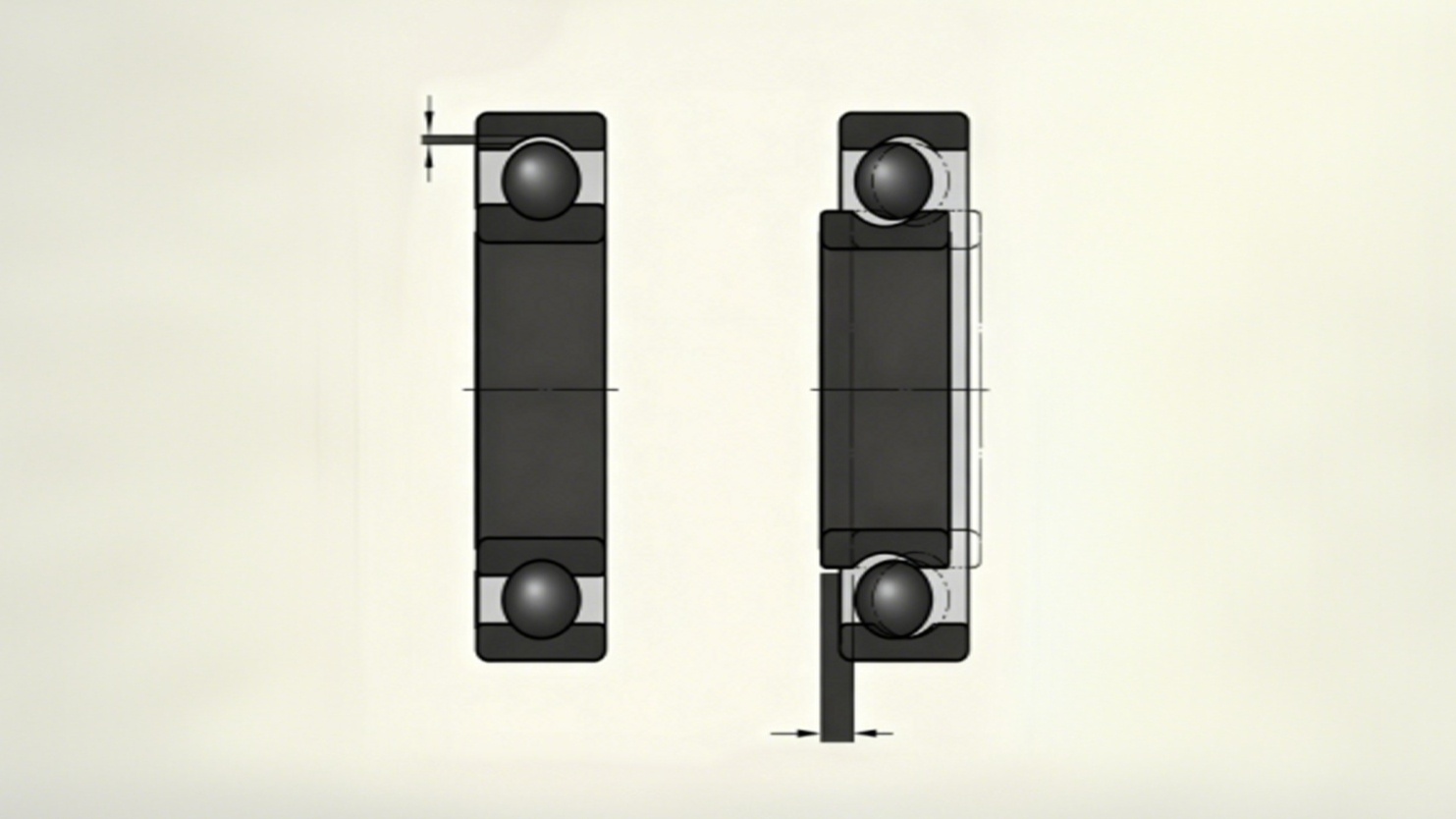
    • Key Note: More grease is not always better. Typically, the filling amount should be 30% - 50% of the free internal space of the bearing.
  • Oil Lubrication

Used for high-speed, high-temperature, or special conditions, common in machine tool spindles and precision equipment.

    • Advantages: Excellent heat dissipation, ideal for very high rotational speeds.
    • Disadvantages: Higher maintenance costs, often requiring an oil supply and recirculation system.
  • Solid / Dry Film Lubrication

Employed in special environments like vacuum, extreme temperatures, or the food & medical industry where oil and grease are prohibited. Common materials include graphite, molybdenum disulfide, or PTFE.


Common Ball Bearing Lubrication Methods Compared


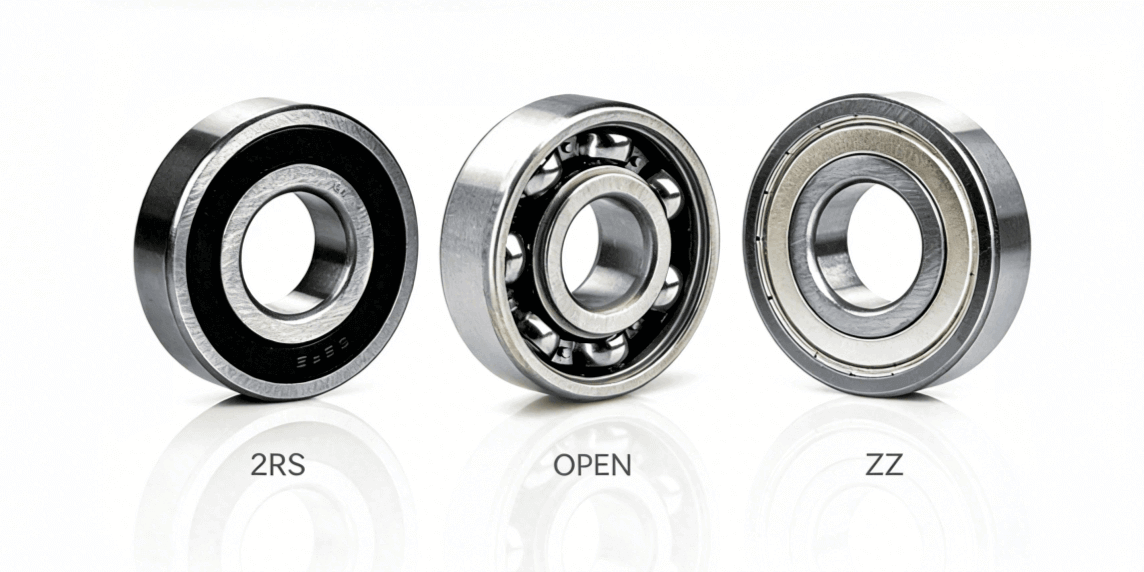
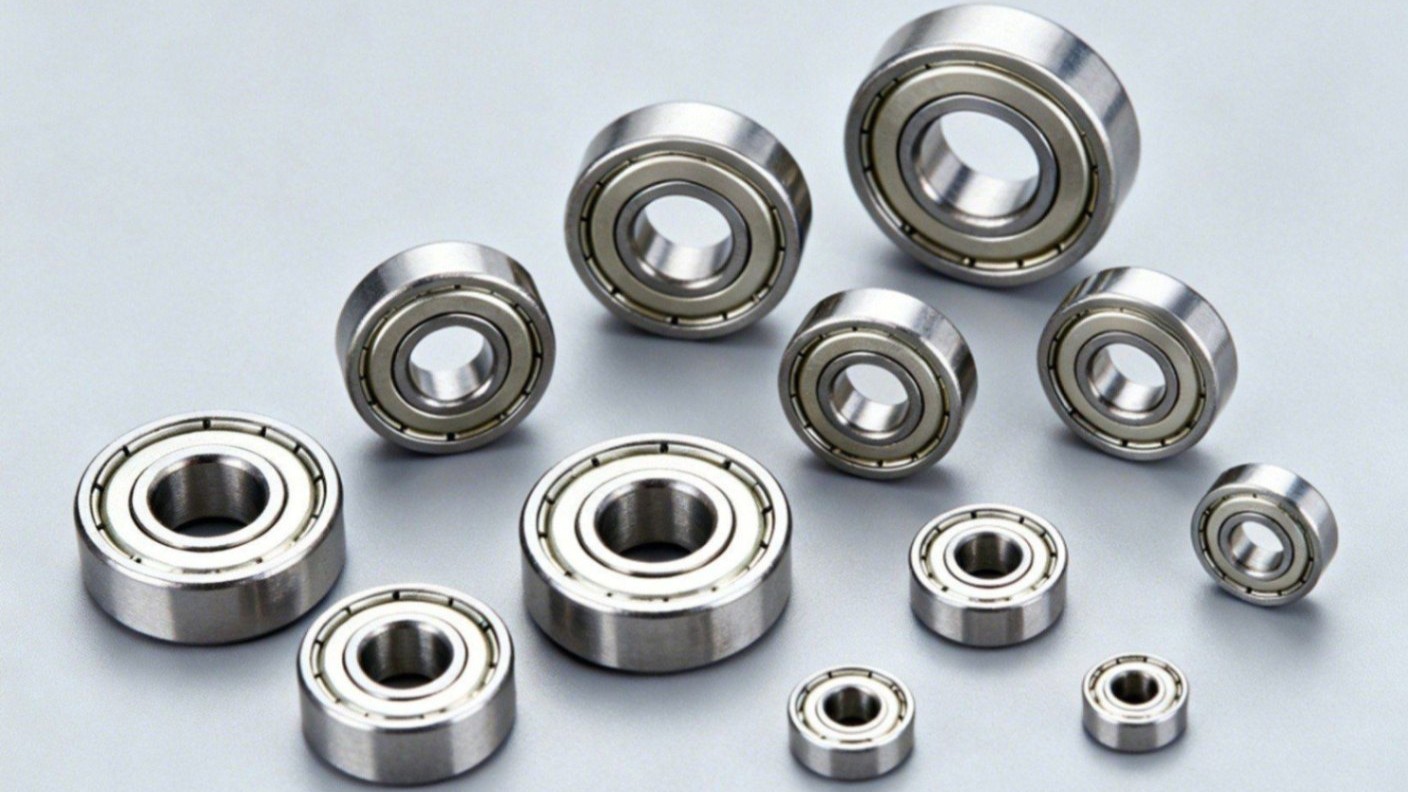
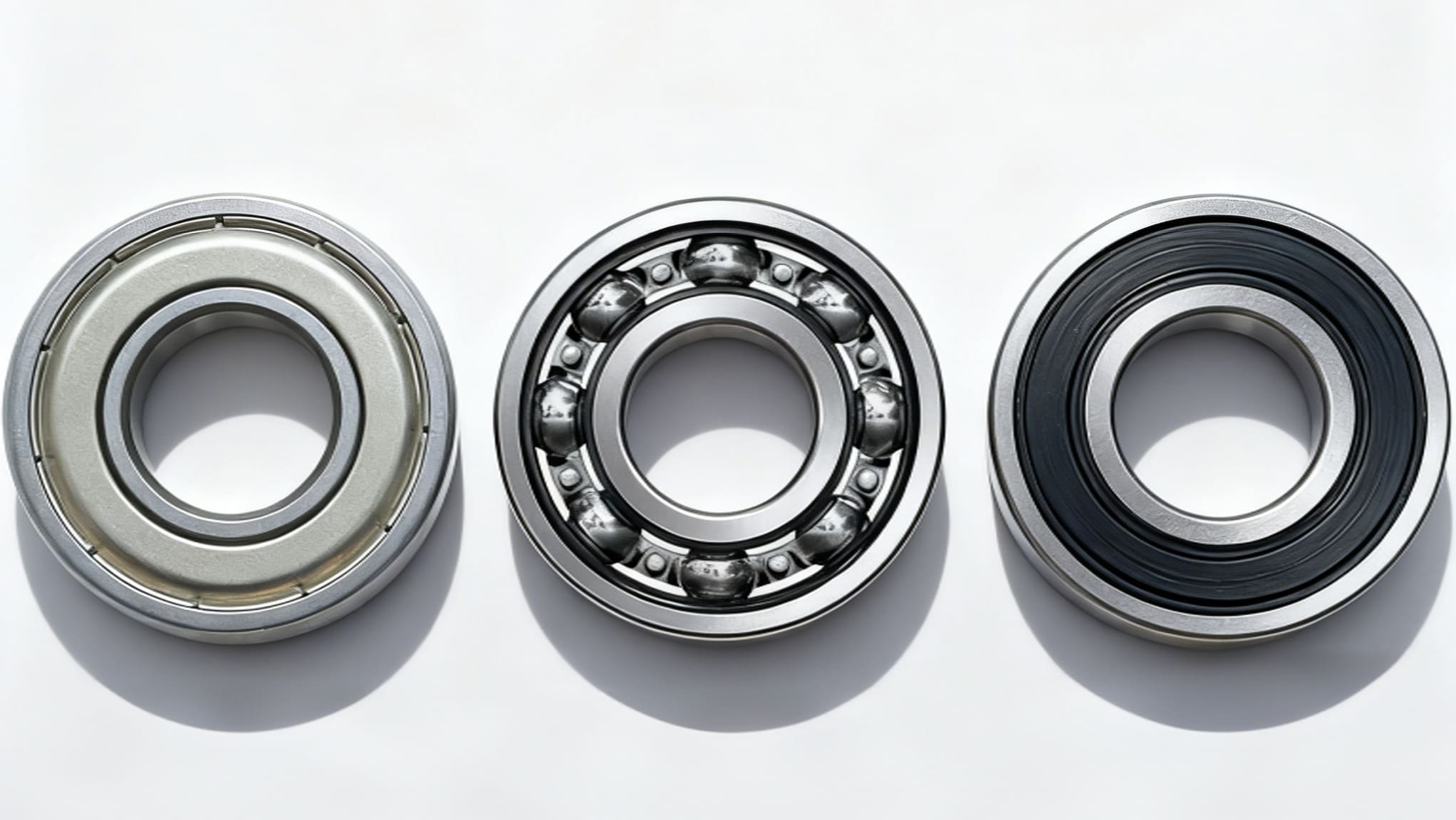
③ Lubrication Needs: Open, Shielded (ZZ), or Sealed (RS/2RS) Bearings?

The bearing's enclosure directly impacts its lubrication requirements and maintenance:

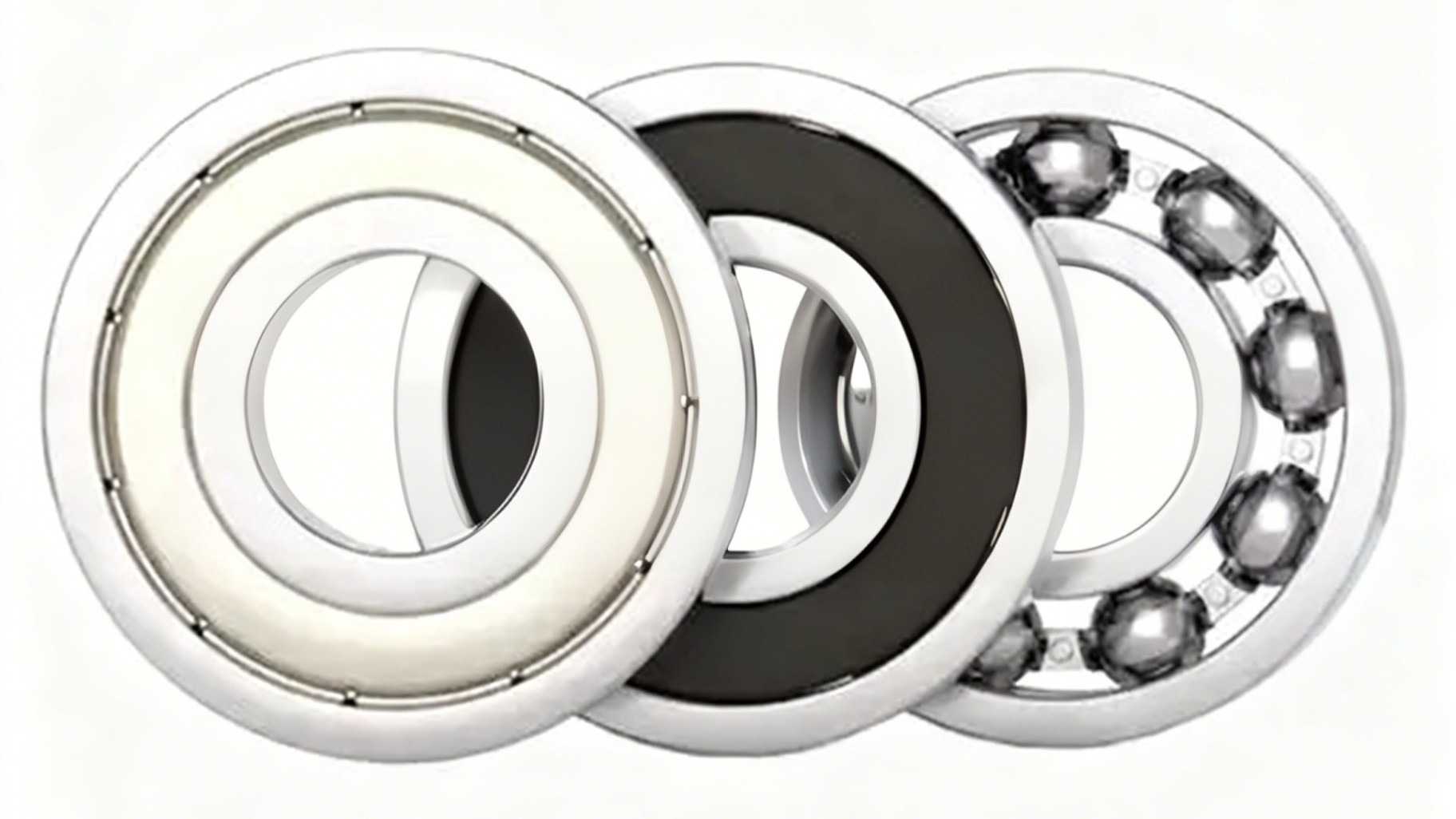
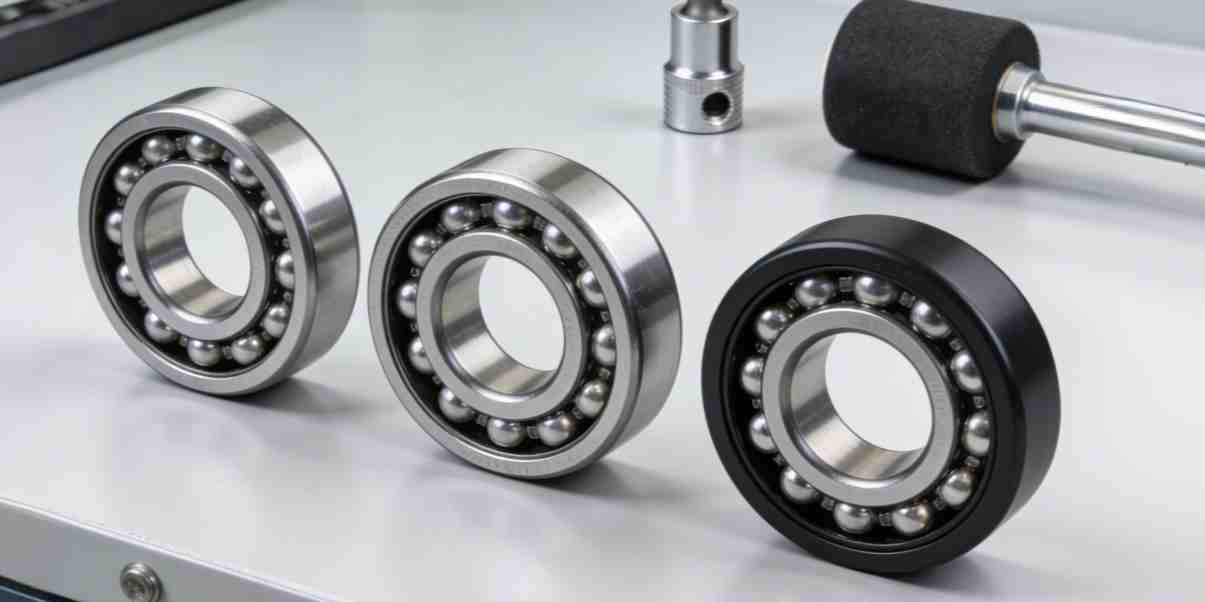
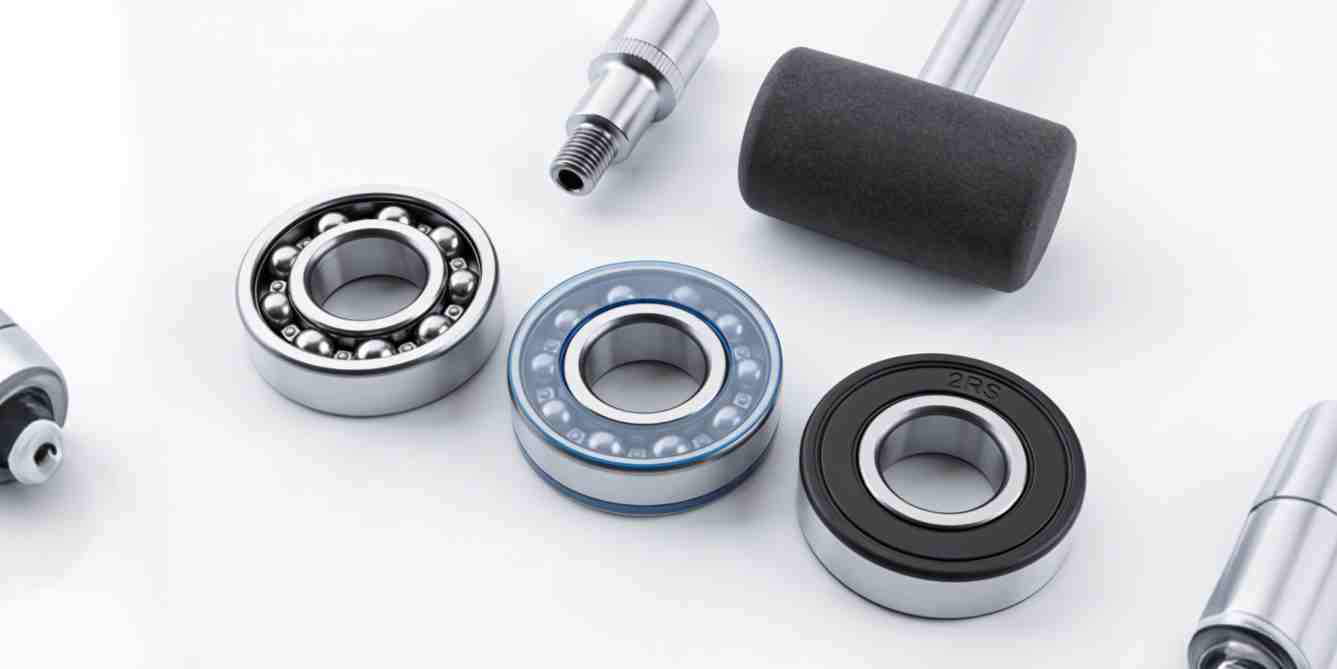
Structure Type Lubrication Requirement
Open Bearings Require lubrication. Must be lubricated regularly based on the operating conditions.
ZZ Type (Metal Shields)

Factory pre-lubricated. Shields offer some protection but are not fully sealed; re-lubrication may be possible or necessary in harsh environments.

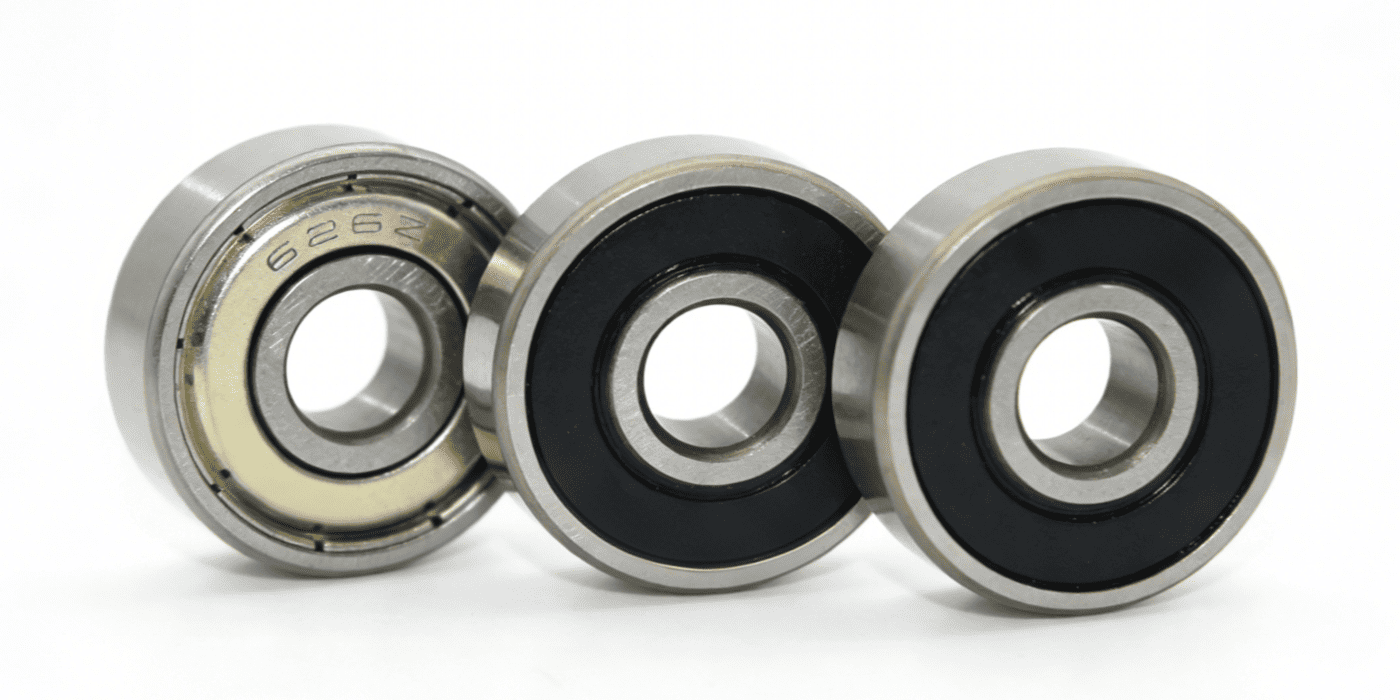
RS / 2RS Type (Rubber Seals) Factory pre-lubricated (often "lubricated-for-life"). Seals effectively retain grease and exclude contaminants.


Important Note: The "2RS" designation (double rubber contact seals) does not mean the bearing is unlubricated. It indicates the bearing is pre-greased at the factory and is designed not to require re-lubrication during its normal service life under standard conditions.


Lubrication Needs: Open, Shielded (ZZ), or Sealed (RS/2RS) Bearings?


Conclusion & Practical Advice from Welink Bearing

Selecting the correct lubrication is as vital as choosing the right bearing type. As an integrated manufacturer and trader, we not only pre-lubricate bearings to standard specifications but also consult with customers on the optimal solution, considering their specific application, environmental factors (like humidity and temperature), and maintenance capabilities.


Whether you need a standard pre-greased deep groove ball bearing or a custom lubrication solution for a challenging application involving angular contact bearings, understanding these fundamentals is the first step toward optimal performance and longevity.


Looking for the right lubricated ball bearing for your application?

Browse our range of Deep Groove Ball Bearings and Angular Contact Ball Bearings, or contact our engineering team for expert advice.

Does a Ball Bearing Refer Specifically to a Deep Groove Ball Bearing?

Does a Ball Bearing Refer Specifically to a Deep Groove Ball Bearing?


Our new employees often have this question when they first enter the bearing industry. Is the "ball bearing" we commonly refer to in conversation the same as a "deep groove ball bearing"? Why are these two terms sometimes used interchangeably? And why do they have different HS codes?


To address this question, as an instructor, my response is: Not entirely, but the deep groove ball bearing is the most typical and representative type of ball bearing.


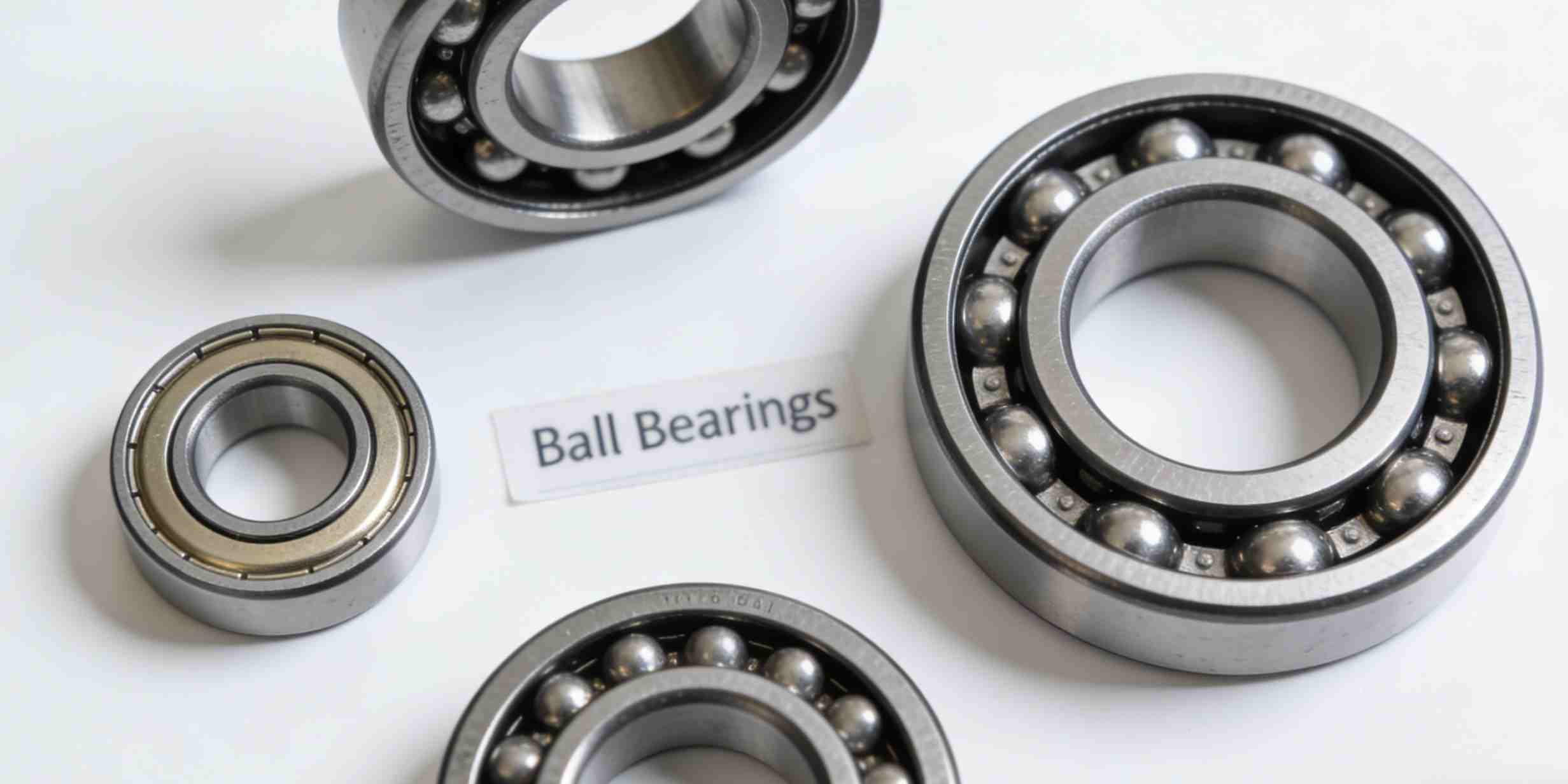
Think of it this way: The deep groove ball bearing is a "species" within the larger "family" of ball bearings. The ball bearing family includes various types such as deep groove ball bearings, self-aligning ball bearings, angular contact ball bearings, and thrust ball bearings. So, the deep groove ball bearing is just one member of this family.


Does a Ball Bearing Refer Specifically to a Deep Groove Ball Bearing?


In practical applications, deep groove ball bearings are the most widely used, produced in the largest quantities, and are the type people encounter most often. In many general-purpose machines (like motors BLDC, fans, water pumps, and gearboxes), if there's no special requirement, the default "ball bearing" used is typically a deep groove ball bearing. Over time, this leads many people to equate the broader category "ball bearing" with the specific type "deep groove ball bearing."


Although they all fall under the ball bearing (all have steel balls as the rolling elements), they have distinct differences in design structure and performance characteristics:


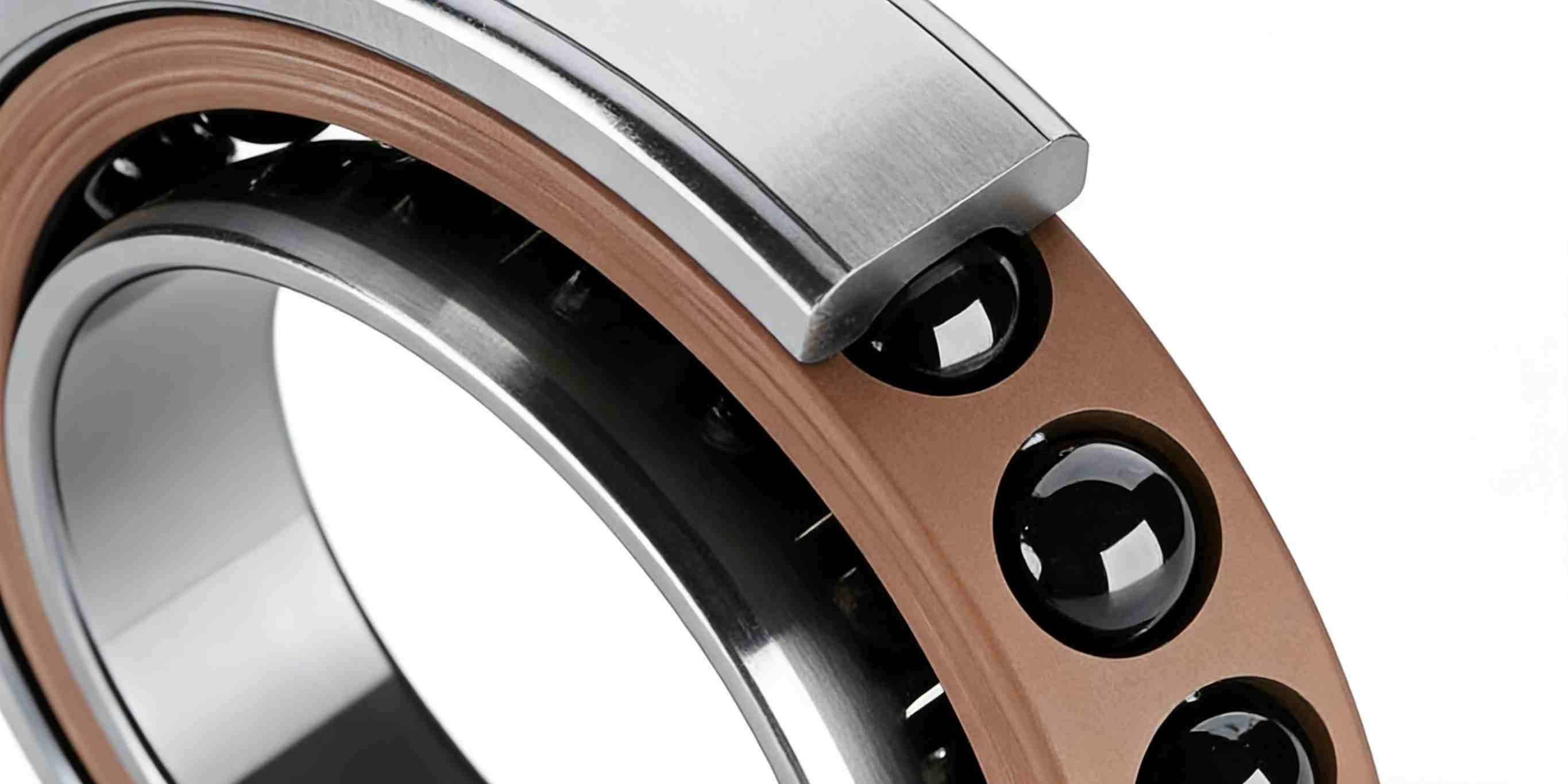
➀ Deep Groove Ball Bearings:

  • Feature deep, continuous grooves. The line of contact between the steel ball and the raceway is parallel to the radial plane (i.e., contact angle is 0°).
  • They are primarily designed to handle radial loads.

➁ Angular Contact Ball Bearings:

  • Have one raceway shoulder higher than the other.
  • The line of contact between the ball and raceway is at an angle to the radial plane (the contact angle), making them particularly effective at handling axial loads.

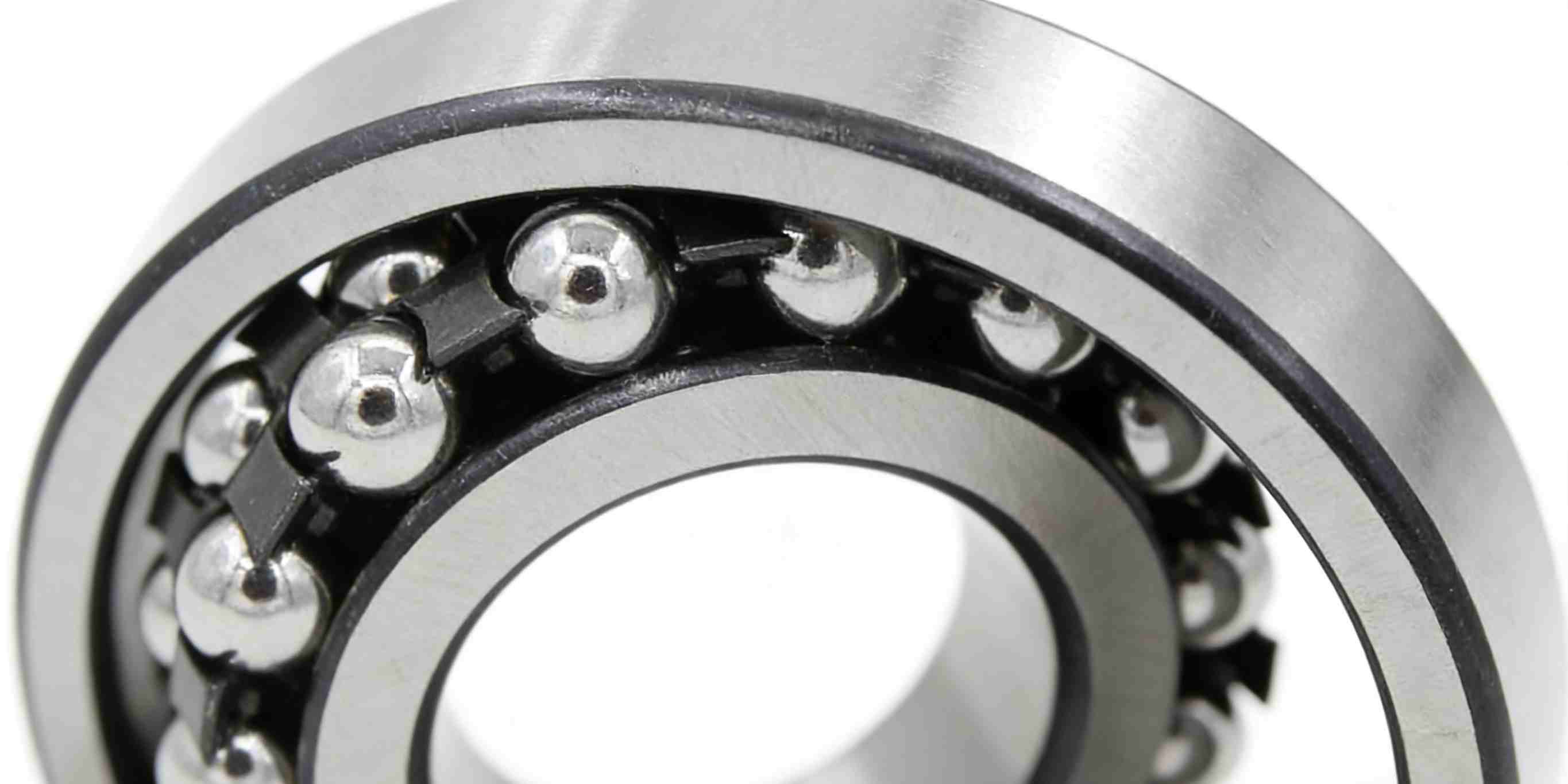
➂ Self-Aligning Ball Bearings:

  • The inner surface of the outer ring is spherical, allowing the bearing to automatically compensate for angular misalignment or shaft deflection.

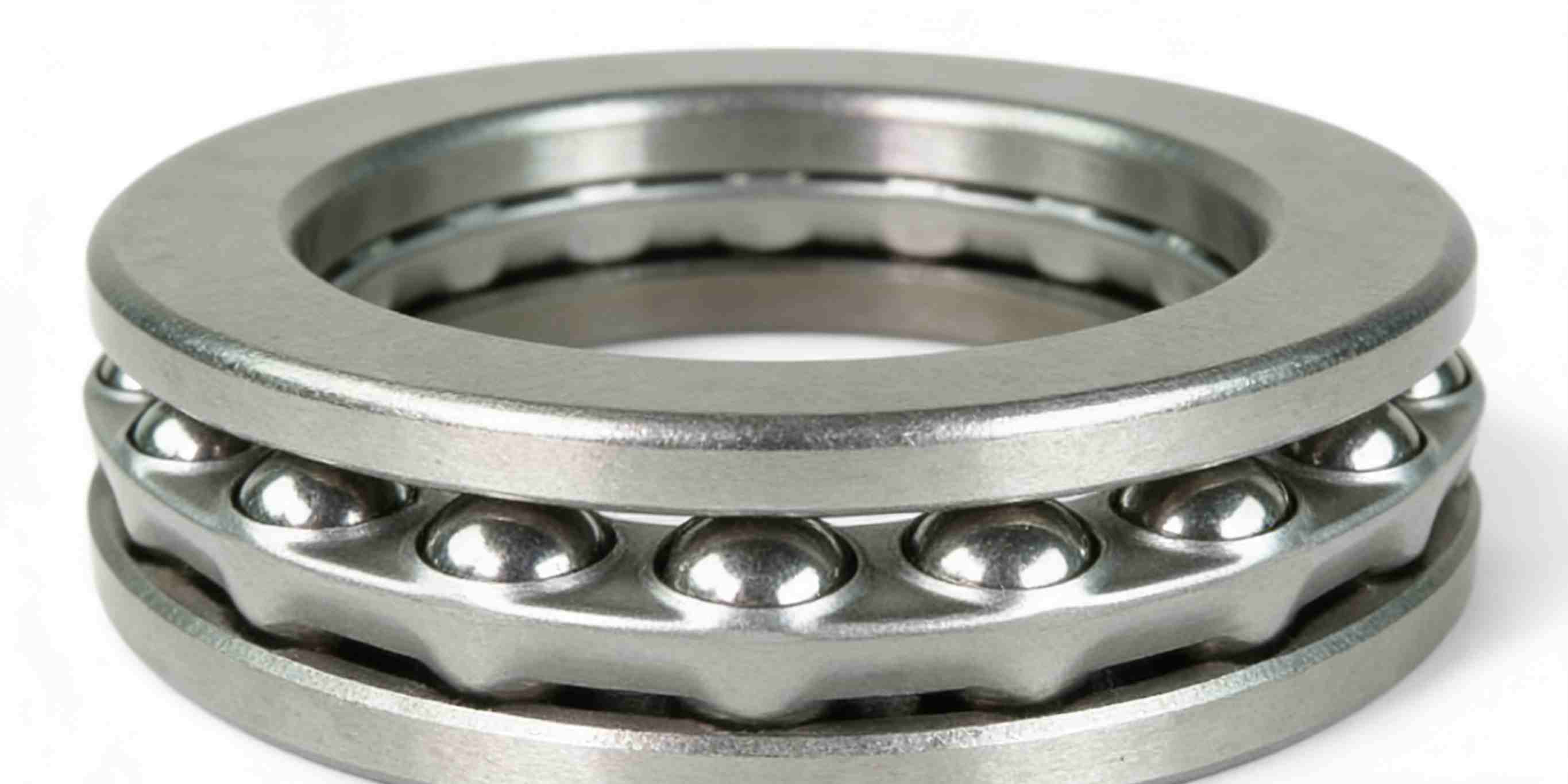
➃ Thrust Ball Bearings:

  • Specifically designed to handle axial loads.
  • The rings are flat and they cannot accommodate any radial load.


You can understand the deep groove ball bearing as the "standard version" of a ball bearing. When someone says, "Give me a ball bearing," without specifying any particular requirements, they usually mean a deep groove ball bearing. However, from a technical standpoint, they are two different concepts.


Let’s do more details about the four main types of ball bearings.


Does a Ball Bearing Refer Specifically to a Deep Groove Ball Bearing?


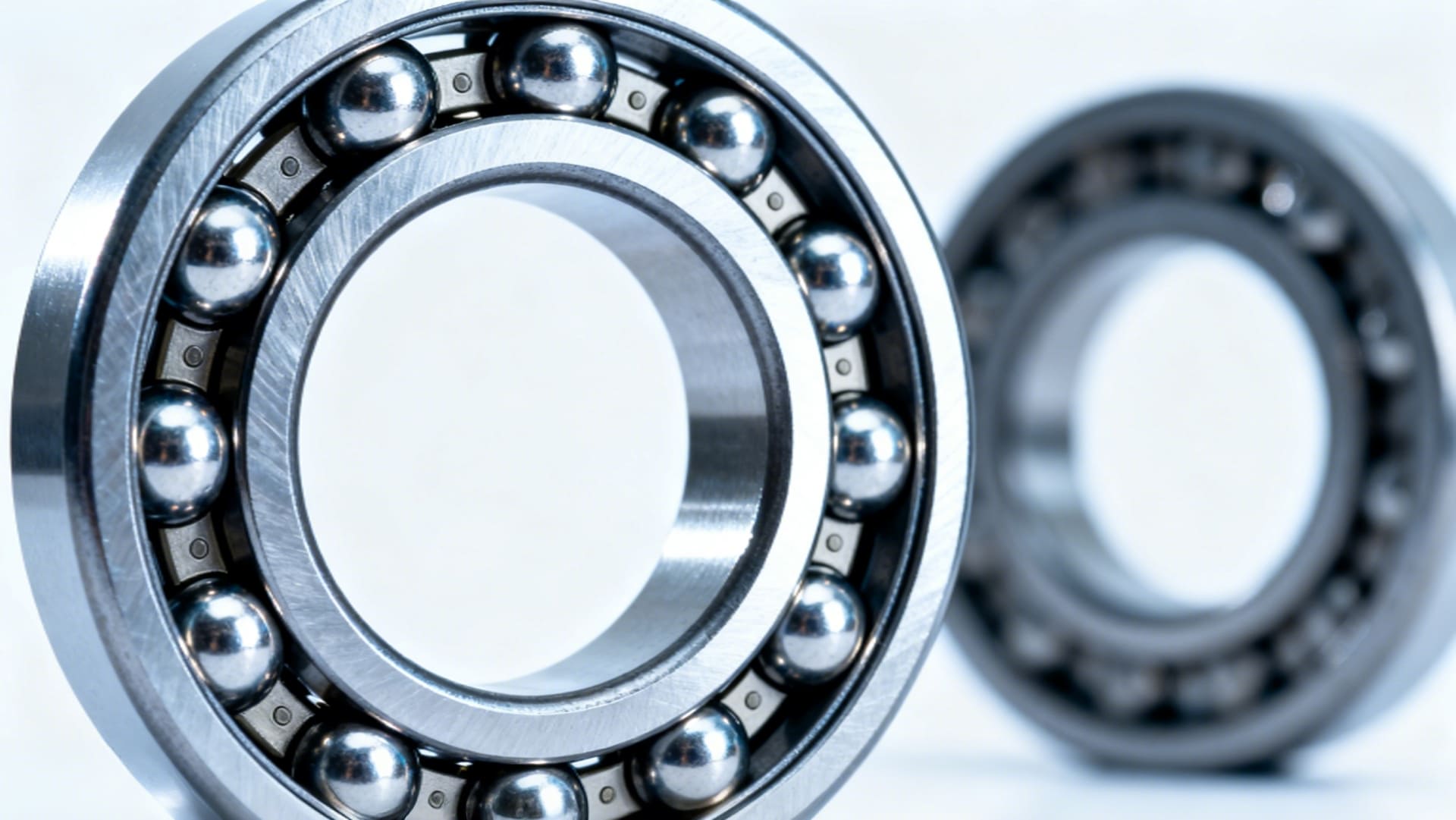
❶ Deep Groove Ball Bearings

Main Features: 

  • Simple structure, most widely used, low friction, high limiting speed, excellent cost-performance ratio.

Load Direction:

  • Primarily accommodates radial loads, but can also accommodate certain bidirectional axial loads.

Typical Applications:

  • Electric motors, water pumps, transmissions, gearboxes, automobiles, household appliances, and other general machinery.


Does a Ball Bearing Refer Specifically to a Deep Groove Ball Bearing?


❷ Angular Contact Ball Bearings

   Main Features:Can accommodate both radial and axial loads simultaneously. The larger the contact angle, the higher the axial load capacity. Often used in pairs.

   Load Direction: Can accommodate combined radial and single-direction axial loads (for single row). When mounted as a pair, they can accommodate bidirectional axial loads.

  Typical Applications: Machine tool spindles, high-speed motors, booster pumps, etc.


Does a Ball Bearing Refer Specifically to a Deep Groove Ball Bearing?


❸ Self-Aligning Ball Bearings

 Main Features:The outer ring raceway is spherical, providing a **self-aligning** function. This compensates for misalignment caused by shaft deflection or mounting errors.

   Load Direction: Primarily accommodates radial loads, but can also accommodate minor bidirectional axial loads.

  Typical Applications: Long shafts, transmission shafts, bearing housings, and other applications where alignment is difficult.


Does a Ball Bearing Refer Specifically to a Deep Groove Ball Bearing?


❹ Thrust Ball Bearings

  Main Features: Designed specifically to accommodate axial loads. They cannot accommodate any radial load. Available in single-direction and double-direction types.

  Load Direction: Accommodates axial loads only.

  Typical Applications: Crane hooks, jacks, vertical pumps, and other low-speed, heavy-load applications.


Does a Ball Bearing Refer Specifically to a Deep Groove Ball Bearing?


Differences in Customs Codes


This distinction is also reflected in their customs codes (HS Code: 8482 for ball bearings). The more specific the bearing type, the more digits are added to the code for precise classification:


• Ball Bearings (General Category): 848210

• Deep Groove Ball Bearings: 84821020

• Self-Aligning Ball Bearings: 84821010

• Angular Contact Ball Bearings: 84821030

• Thrust Ball Bearings: 84821040


Does a Ball Bearing Refer Specifically to a Deep Groove Ball Bearing?


About Welink bearing

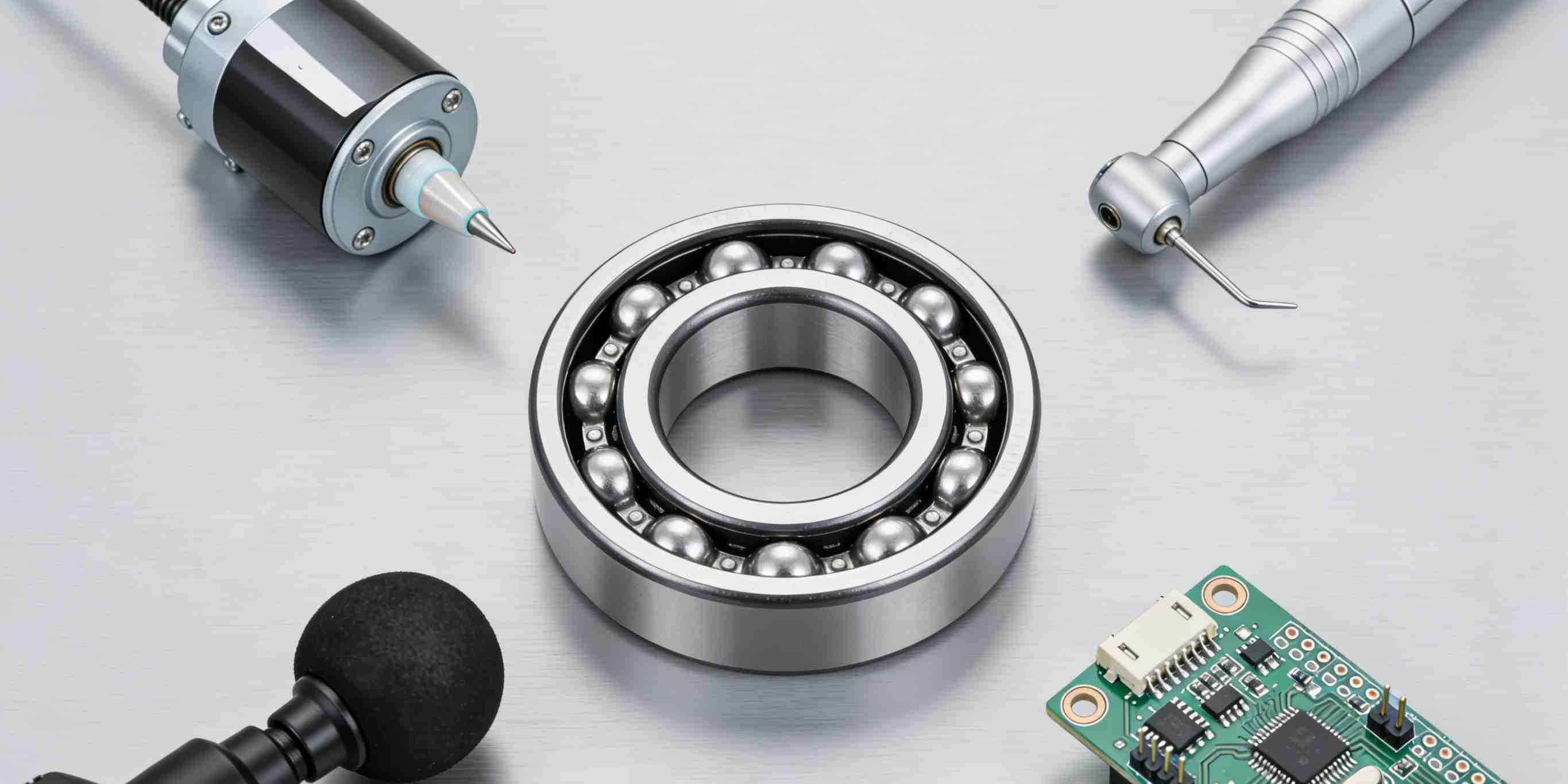
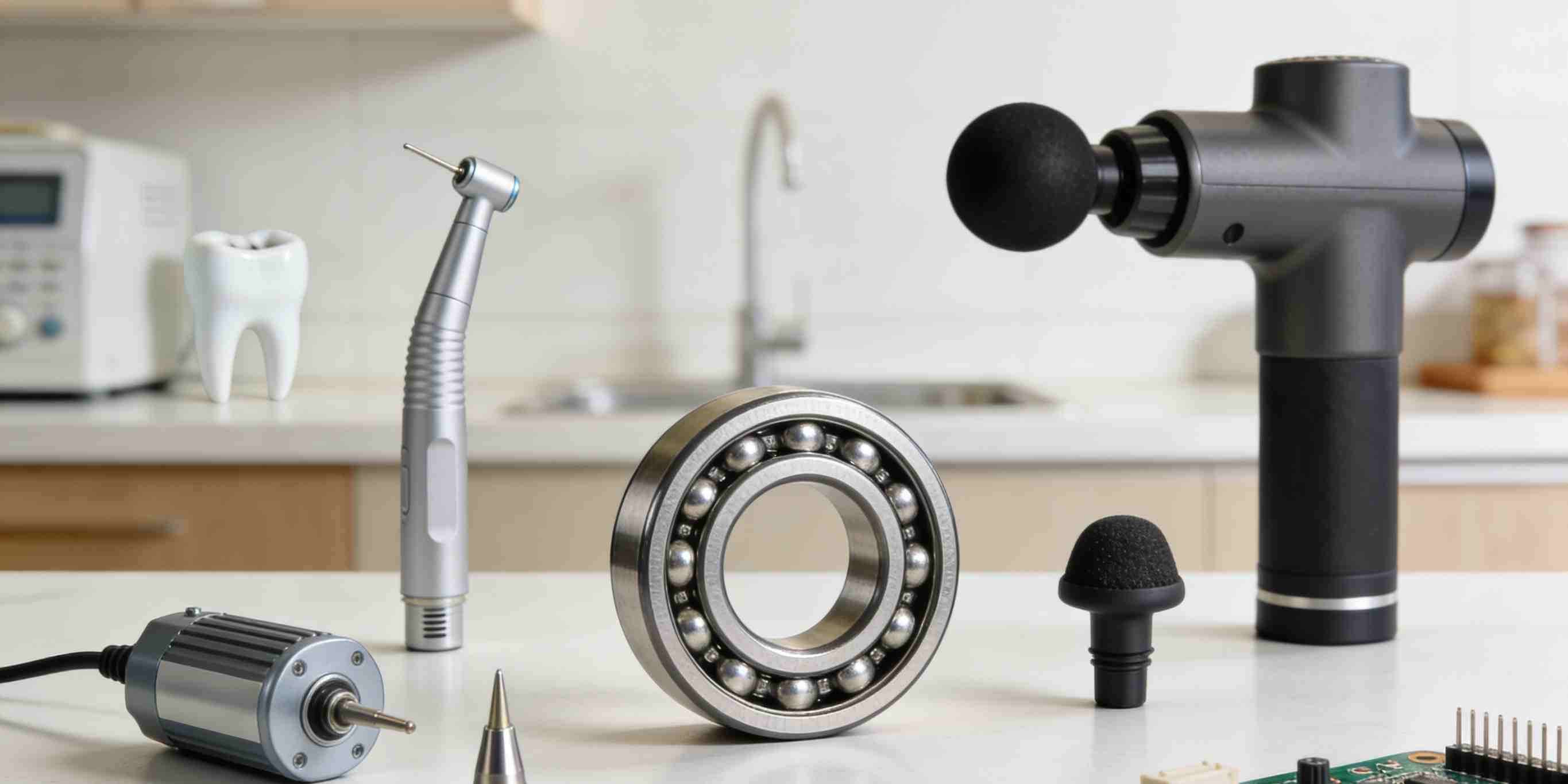
Regarding our company, Welink bearing, we currently specialize in the production of Deep Groove Ball Bearings and Angular Contact Ball Bearings. Since our establishment in 2010, we have accumulated experience across 50 different industries. Our primary areas of expertise and application include:


-   Motors and Pumps (as the main application)

-   Wellness Massager Industry

-   Precision Medical Instruments (such as dental equipment)

-   Household Appliance Industry, and more.


We hope to bring you more value and support in our future cooperation.

How to Choose Bearings for Industrial Motors? Avoid These 4 Costly Mistakes

How to Choose Bearings for Industrial Motors? Avoid These 4 Costly Mistakes


Selecting the right Deep Groove Ball Bearing For An Industrial Motor isn't just a technical detail, it's a critical business decision. A poor choice can silently drain efficiency, increase maintenance costs, and lead to unplanned downtime. If you're specifying bearings for motors in pumps, fans, conveyors, or compressors, you've likely faced the challenge of balancing performance, reliability, and cost. The core of the issue is that motors are not all the same, and neither are their bearings. A bearing perfect for a small appliance motor will fail prematurely under industrial loads, while an over-specified bearing needlessly inflates your project budget. So, how do you navigate the selection process to ensure long-term, trouble-free operation? This guide breaks down the four most common and costly mistakes in industrial motor bearing selection and how to avoid them.


How to Choose Bearings for Industrial Motors? Avoid These 4 Costly Mistakes


Mistake 1: Choosing the Wrong Series or Size for the Load

One of the most fundamental errors is selecting a bearing based on a familiar part number or available stock, without verifying its load capacity against your application. Industrial motors for pumps or fans experience continuous radial loads. Using a bearing from a lighter series (e.g., a 6000 series) where a medium series (like 6200 or 6300) is required leads to rapid fatigue, brinelling, and early bearing collapse. The result is motor vibration, noise, and ultimately, seizure. Match the bearing series to the operational load. For most general industrial motors, the 6200 series deep groove ball bearing (e.g., 6204, 6206, 6207) offers an excellent balance of radial load capacity and speed capability, making it an industry staple. For applications with heavier loads or higher shaft diameters within a similar housing, stepping up to the 6300 series (e.g., 6308) provides significantly increased load capacity without redesigning the entire assembly. The rule is simple: verify the dynamic and static load ratings against your motor's calculated forces, don't guess.


How to Choose Bearings for Industrial Motors? Avoid These 4 Costly Mistakes


Mistake 2: Ignoring Precision and Vibration Grades

All bearings are not created equal in terms of manufacturing precision. Using a standard commercial-grade (P0/ABEC-1) bearing in a motor expecting smooth, efficient operation is a false economy. Lower precision bearings have greater tolerances in raceway geometry and ball consistency. This leads to higher internal vibration, increased friction (reducing efficiency), and elevated electrical noise. In variable frequency drive (VFD) motors, this can exacerbate issues with stray currents and bearing currents, causing fluting and premature failure. Specify higher precision grades for critical performance. For industrial motors where efficiency and smooth operation are priorities, P6 grade bearings are a wise investment. Manufacturers like Welink achieve this through precision grinding and 100% vibration screening (e.g., to Z3/V3 group standards). This ensures tighter tolerances, lower torque, and minimised vibration, which directly translates to higher motor efficiency, reduced noise, and longer life for both the bearing and the motor.


How to Choose Bearings for Industrial Motors? Avoid These 4 Costly Mistakes


Mistake 3: Overlooking Internal Clearance (C-Code)

This is a frequently misunderstood parameter with major consequences. Internal clearance is the total play between the balls and the raceways before installation. A motor bearing operates at elevated temperatures. If a standard clearance (C0) bearing is used, the thermal expansion of the shaft and housing can eliminate this clearance, creating a damaging preload. This causes excessive heat generation, drastically increased friction, and rapid lubricant breakdown, leading to a thermal runaway failure. Select the clearance based on operating conditions. For most electric motors, a C3 clearance is typically recommended. This larger-than-standard operational clearance accommodates the thermal expansion of the system, ensuring the bearing runs with the correct internal play once at operating temperature. For high-precision or special applications, engineers can work with bearing providers to specify even tighter or more bespoke clearance values to optimise performance.


How to Choose Bearings for Industrial Motors? Avoid These 4 Costly Mistakes


Mistake 4: Selecting the Wrong Sealing and Lubrication

The bearing's internal environment dictates its lifespan. The default choice is not always the right one.

The Problem:

  • Seals: An open bearing or one with just a metal shield (ZZ) offers low friction but allows contaminants like dust and moisture to ingress in harsh environments, causing abrasive wear. Conversely, a standard contact seal (2RS) provides good protection but increases starting and running torque, slightly reducing efficiency.
  • Lubrication: Using a general-purpose grease that cannot withstand the motor’s operating temperature range will see it either dry out or degrade into a sludge, leaving the bearing unprotected.

The Solution: Tailor the protection to the environment.

  • For clean, indoor settings, metal shields (ZZ) or low-friction non-contact seals offer a good balance.
  • For most industrial environments (factories, washdown areas, outdoors), rubber contact seals (2RS) are essential for keeping contaminants out and grease in, despite a minimal torque penalty.
  • For lubrication, specify a motor-quality, high-temperature grease with anti-wear additives. The right grease will maintain its consistency, resist centrifugal throw-off at high speeds, and protect against corrosion.


How to Choose Bearings for Industrial Motors? Avoid These 4 Costly Mistakes


How Welink Supports Reliable Motor Design

Avoiding these mistakes requires more than just a catalogue; it requires a partner with manufacturing depth. At Welink, our focus on core industrial series like 6200 and 6300 ensures each bearing is built for the task. Our production is geared for consistency: automated grinding lines and dust-free assembly ensure that every 6204 or 6308 bearing meets strict dimensional tolerances. Every batch undergoes 100% vibration testing, providing the data-backed assurance needed for reliable motor builds. Furthermore, we offer the essential customisation, from P5 precision and C3 clearance to specialised sealing, that allows you to fine-tune a standard bearing to your specific motor's thermal and environmental profile.


How to Choose Bearings for Industrial Motors? Avoid These 4 Costly Mistakes


The Bottom Line

The right bearing is an invisible driver of productivity; the wrong one is a liability waiting to fail. By focusing on correct series selection, specifying appropriate precision and clearance, and matching seals and grease to the operating environment, you can eliminate the most common causes of bearing-related motor failure. If you're reviewing a motor design or troubleshooting premature failures, a closer look at the bearing specification is often the most effective step. For a technical consultation or to discuss your specific motor bearing requirements with our engineering team, please contact us at sales@welinkbearing.com.
What Are the Advantages of Deep Groove Ball Bearings? A Quick Practical Guide

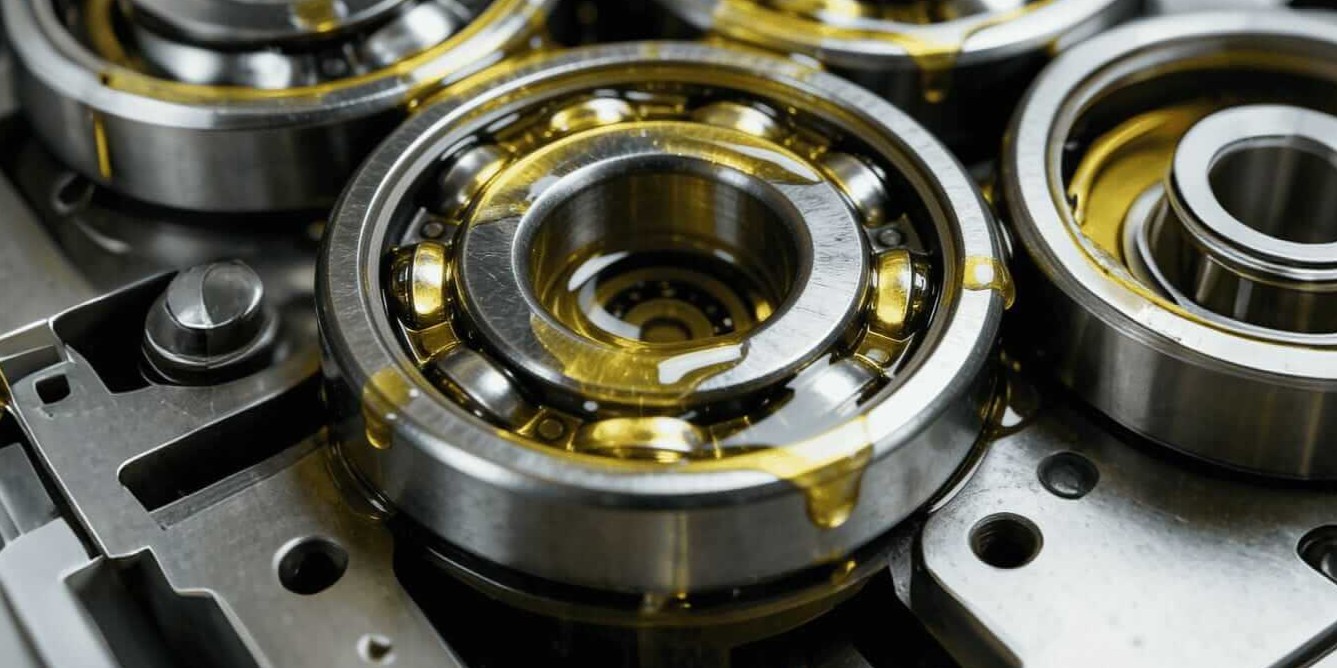
Deep groove ball bearings are the most widely used type of ball bearings around the world. You’ll find them inside electric motors, fans, pumps, gearboxes, power tools, washing machines, and countless other rotating machines. But what makes them so popular? Here are the key advantages that keep deep groove ball bearings as the top choice for engineers, buyers, and maintenance teams.


What Are the Advantages of Deep Groove Ball Bearings? A Quick Practical Guide


❶ Versatile Load Performance

They handle high radial loads (loads perpendicular to the shaft) extremely well, and can also support moderate axial loads in both directions. This dual-load capacity comes from their deep, continuous raceway grooves, which is where they get the name “deep groove.” For light to moderate axial forces, you don’t need extra thrust bearings.


❷ Great High-Speed Capability

With low friction, a simple structure, and stable ball guidance, deep groove ball bearings can run at very high rotational speeds while generating little heat. Many standard models operate smoothly above 10,000–20,000 rpm, making them perfect for high-speed applications like electric motors, spindles, and fans.


What Are the Advantages of Deep Groove Ball Bearings? A Quick Practical Guide


❸ Low Friction & Quiet Operation

The point contact between the balls and raceways, paired with quality steel and precise manufacturing, keeps friction low. This results in less energy waste, lower running temperatures, quieter operation, and longer grease life, especially useful in household appliances and office equipment.


❹ Simple Installation & Low Maintenance

They have a compact, non-separable design. In most cases, you can press them onto shafts or into housings without special tools. Whether you need open, ZZ metal shields, or 2RS rubber seals, there’s a version for nearly every environment, from clean indoor spaces to dusty or damp outdoor conditions.


What Are the Advantages of Deep Groove Ball Bearings? A Quick Practical Guide


❺ Cost-Effective & Easy to Source

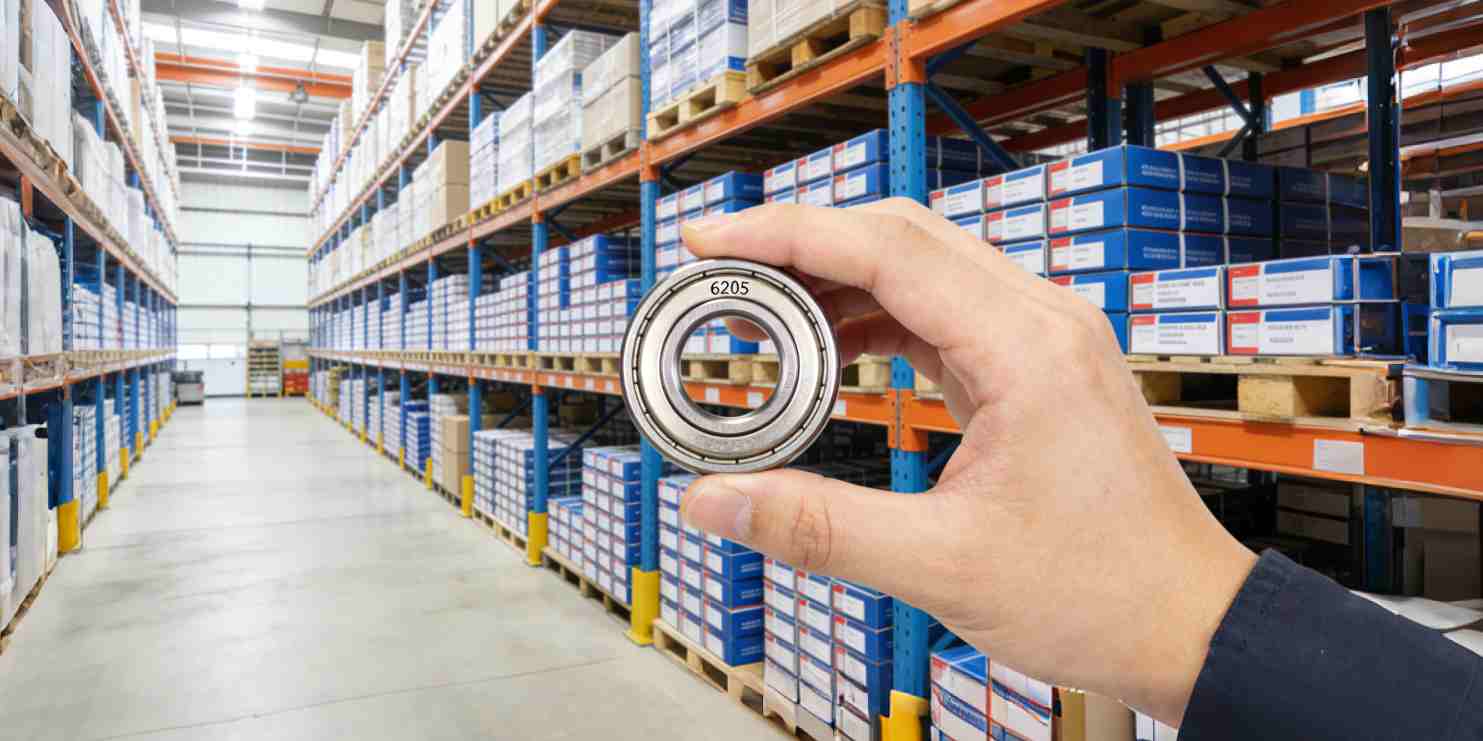
Produced in massive volumes globally, deep groove ball bearings deliver an excellent price-to-performance ratio. Standard models such as 6205, 6305, and 6312 are interchangeable across most major brands, so replacements are fast, widely available, and affordable.


❻ Forgiving of Minor Misalignment

The deep groove design allows a small degree of angular misalignment (typically up to 2–3°) without causing edge stress or early failure. This helps compensate for slight shaft deflection or housing inaccuracies that often happen in real-world machinery.


What Are the Advantages of Deep Groove Ball Bearings? A Quick Practical Guide


In short, deep groove ball bearings deliver better all-around performance, reliability, high speed, low noise, easy installation, and low cost, than most other bearing types for general-purpose use. That’s why they remain dominant in so many industries.


If you’re selecting bearings for a motor, pump, conveyor, or other equipment and need help with size, seal type, or clearance (C0 vs C3), feel free to contact us.

What Are The Reasons for Bearing Failure In Water Pump Applications?

What Are The Reasons for Bearing Failure In Water Pump Applications?


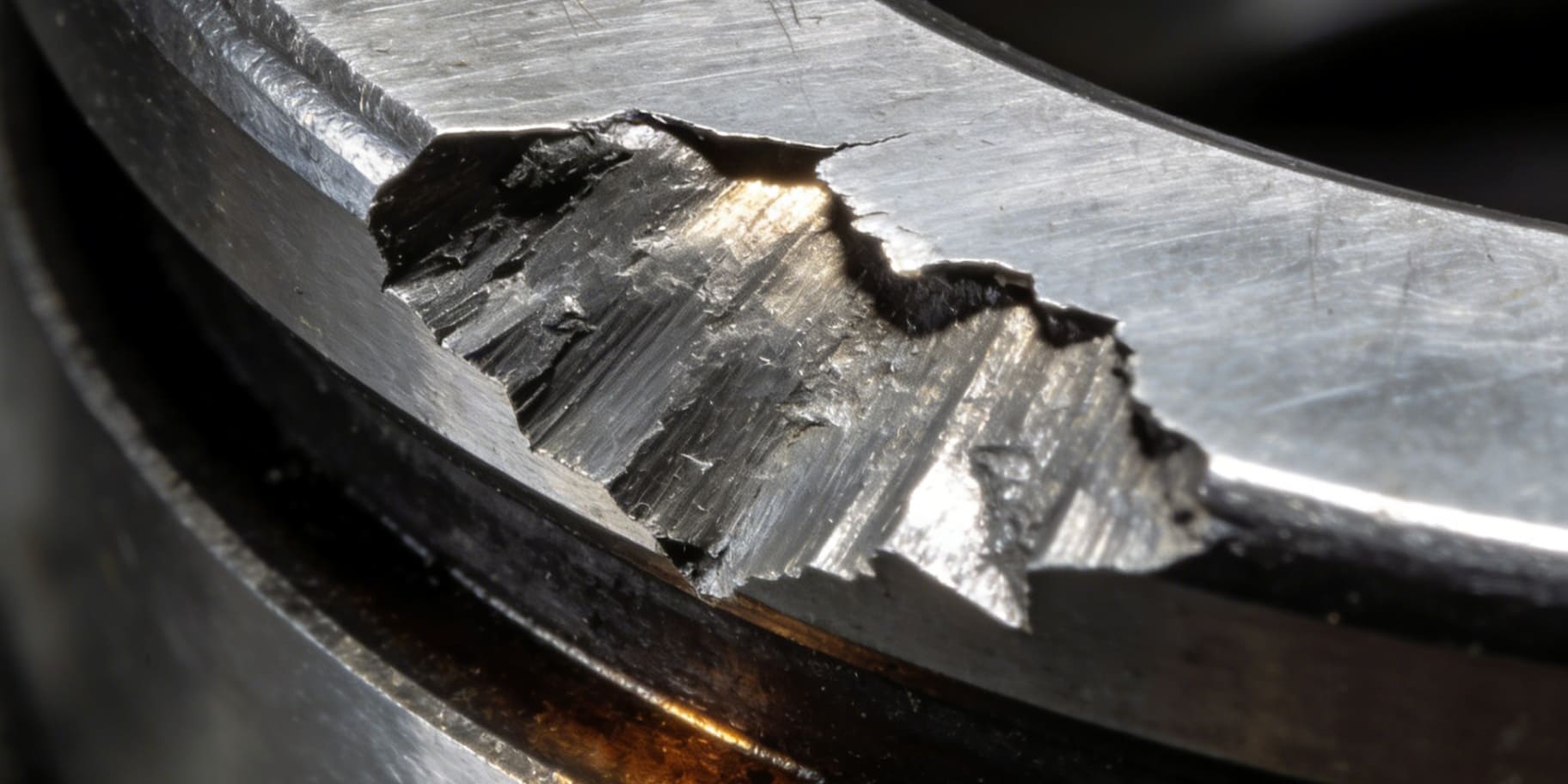
Water pumps are the unsung heroes in everything from cars to industrial systems, but man, when their bearings go south, it's a headache. I've fixed my share of these over the years, and bearing failure is hands-down the most common culprit. It's not just about the pump stopping; it can lead to leaks, overheating, or total system breakdowns. Let's break down the main reasons why bearings fail in water pump setups, so you can spot trouble early and keep things running smooth. I'll keep it real and straightforward, drawing from what I've seen in the field.


What Are The Reasons for Bearing Failure In Water Pump Applications?


Top of the list: lubrication issues. Bearings need that slick stuff to glide, not grind. Lack of lubrication, maybe from forgetting maintenance or using cheap grease, causes metal-on-metal contact, heating up and pitting the surfaces. On the flip side, over-lubricating drowns the bearings, trapping heat and contaminants. In water pumps, where things get hot and wet, I've noticed that sticking to the manufacturer's lube schedule and type prevents about 70% of failures right there.


What Are The Reasons for Bearing Failure In Water Pump Applications?


Contamination is a killer too. Dirt, sand, or ironically water sneaks in and wrecks havoc. Water pumps deal with fluids constantly, so if seals fail, coolant or process water infiltrates the bearings. This washes away grease, leading to corrosion and rust.  Pulled apart pumps where the races looked like they'd been etched by acid; that's hydrogen embrittlement from moisture reacting with the metal. Even tiny particles from the pumped media can abrade the balls or rollers, causing fluting or spalling. Pro tip: Use robust seals and check for leaks regularly, especially that weep hole on automotive pumps.


What Are The Reasons for Bearing Failure In Water Pump Applications?


Misalignment and improper fitting come next. If the shaft isn't aligned right during installation, or if there's too much play in the assembly, bearings take uneven loads. This fatigues the material over time, leading to cracks and failure. In high-vibe environments like engines, this gets amplified. I've learned the hard way that using the wrong tools for fitting, like hammering instead of pressing, bruises the bearings from the start.


What Are The Reasons for Bearing Failure In Water Pump Applications?


Overloading and excessive vibration are sneaky ones. Pumps handling high pressures or speeds push bearings beyond their limits, causing fatigue. Cavitation, those vapor bubbles imploding, sends shock waves that pit bearings. Corrosion from aggressive chemicals or poor water quality eats away at surfaces too, weakening everything.


What Are The Reasons for Bearing Failure In Water Pump Applications?


Finally, thermal issues: Overheating from friction or poor cooling expands parts unevenly, stressing bearings. And don't overlook foreign bodies, bits of impeller or debris jamming things up.


What Are The Reasons for Bearing Failure In Water Pump Applications?


To avoid these pitfalls, inspect regularly, use quality parts, and train your team on proper handling. In my experience, catching early signs like unusual noise or vibration saves big bucks. Bearings might seem small, but they're the heart of your pump's reliability. Stay vigilant, and your water pump will thank you with years of trouble-free service.

What is the difference between 61908 and 6908?

In bearing procurement, confusion between 61908 and 6908 is extremely common. A customer sends a replacement request for 6908. The supplier quotes 61908. The maintenance team checks both numbers and wonders: are these different bearings? Will they fit?


We deal with this question almost weekly at Welink. So here's a straight answer based on years of supplying these bearings to industries ranging from medical equipment to industrial automation.


What is the difference between 61908 and 6908?


61908 and 6908 Are the Same Bearing


The 61908 bearing and the 6908 bearing are identical in every physical aspect. Same dimensions. Same load ratings. Same applications.


The only difference? Naming convention.

61908 follows the current ISO dimension series. This is the standard used by all major manufacturers today, SKF, NSK, FAG, and Welink.

6908 is the old designation. You'll still find it on legacy equipment drawings, older inventory systems, and in some Asian markets. Some old catalogs also list it as 1000908.


Think of it like updating a part number in an engineering system. The component itself doesn't change. Just the label.


Technical Specifications (Identical for Both)


Because they're the same bearing, the specs don't change. Here are the standard dimensions for a 61908/6908 deep groove ball bearing.

Specification Value
Bore Diameter (d) 40 mm
Outside Diameter (D) 62 mm
Width (B) 12 mm
Dynamic Load Rating (Cr) 13.7 – 15.2 kN (manufacturer-dependent)
Static Load Rating (C0r) 9.9 – 10.0 kN
Limiting Speed (Grease) ~10,000 – 11,000 rpm
Weight ~0.112 – 0.115 kg


Note: Load ratings vary slightly between manufacturers based on material choices and internal design optimizations. But the mounting dimensions, 40mm bore, 62mm OD, 12mm width, are fixed by ISO standards.


Real-World Context: Why Two Numbers Still Exist


If they're the same, why do both numbers keep appearing?


In our experience working with customers across different industries:

Older machinery (especially from the 1980s-90s) often has "6908" printed on original part lists.

Newer designs and global suppliers standardized to "61908" around the 2000s.

Some regions still use the old system internally, even when sourcing new bearings.


We regularly help customers translate between the two. A recent example: a client maintaining 20-year-old textile equipment sent us a drawing marked "6908-2RS." We supplied our 61908-2RS. Exact fit. No issues.


The Suffixes Matter More Than the Base Number


The real technical distinction isn't between 61908 and 6908. It's in the suffix.

Suffix Meaning Typical Application
2RS Two rubber contact seals Electric motors, washing machines, power tools, anywhere contamination protection is needed
ZZ Two metal shields Electric motors, washing machines, power tools, anywhere contamination protection is needed
C3 Larger internal clearance Automotive alternators, gearboxes, fans, good debris protection, lower friction than seals
Open No shields or seals High-speed spindles, large motors, applications with significant temperature rise


So a 61908-2RS and a 6908-2RS are identical. A 61908-2RS and a 61908-ZZ are physically the same size but different in sealing.


How to Order Correctly


If you're sourcing bearings and want to avoid confusion:

Always specify the 40×62×12 dimensions in your inquiry. This overrides any naming ambiguity.

Use the full designation including suffix. For example, "61908-2RS" or "6908-2RS" tells the supplier exactly what you need.

If you're designing new equipment, use 61908 as the base number. It's the current global standard and will make future replacements simpler.


Common Questions Customers Ask


① Is a 6908 bearing the same as a 61908?

Yes. They share identical dimensions: 40mm bore, 62mm OD, 12mm width.

② Can I replace a 6908 with a 61908?

Absolutely. They are interchangeable. Just match the suffix (2RS, ZZ, etc.) to your application.

③ Why do some suppliers list both numbers?

To help customers who search using either the old or new designation. It's a service to avoid lost sales due to naming differences.

④ Is the 61908 considered a thin-section bearing?

Yes. The 61900 series is part of ISO dimension series 19, which features a relatively thin cross-section for the bore size. For comparison, a 6808 (40×52×7) is even thinner, while a 6308 (40×90×23) is much heavier.

⑤ What tolerance classes are available?

Standard deep groove ball bearings like the 61908 are typically available in P0 (normal) and P6 (higher precision) . For most industrial applications, P0 is sufficient. High-speed spindles may require P5 or higher, which we can supply on request.


Technical Specifications Summary


For engineers who need the numbers:

Parameter 61908 / 6908
Bore (d) 40 mm
Outside Diameter (D) 62 mm
Width (B) 12 mm
Chamfer (r min) 0.6 mm
Dynamic Load (Cr) ~14,000 N (typical)
Static Load (C0r) ~10,000 N
Fatigue Load Limit ~420 N
Reference Speed (grease) 11,000 rpm
Mass 0.112 kg

(Data based on Welink standard product. Other brands may vary slightly.)


Need Technical Support?


Selecting the right bearing isn't just about numbers. It's about fit, seal type, internal clearance, and application conditions.


If you're unsure whether a 61908-2RS suits your motor repair, or need C3 clearance for a high-temperature environment, our engineering team can help. We supply bearings for medical devices, automotive components, industrial gearboxes, and more, with full OEM customization available.


For specifications or to discuss your application, contact our engineering team directly.

What is the Most Popular Ball Bearing?

What is the Most Popular Ball Bearing?


If you work in the mechanical industry or even just do some DIY projects occasionally, you have surely used this. It is an unremarkable but crucial player in the field of motion control. It can be found in your skateboard wheels, the drum of a washing machine, and the gearbox of the electric vehicle that everyone is talking about.


So, what is the most popular type of ball bearing on the market? Without a doubt, the answer is single row deep groove ball bearing.


What is the Most Popular Ball Bearing?


This specific style accounts for 44% of the global ball bearing market. This is not just because they are cheap, in fact they do have cost advantages. This is because for mechanical designers, they are the ultimate white spot for achieving freedom. 
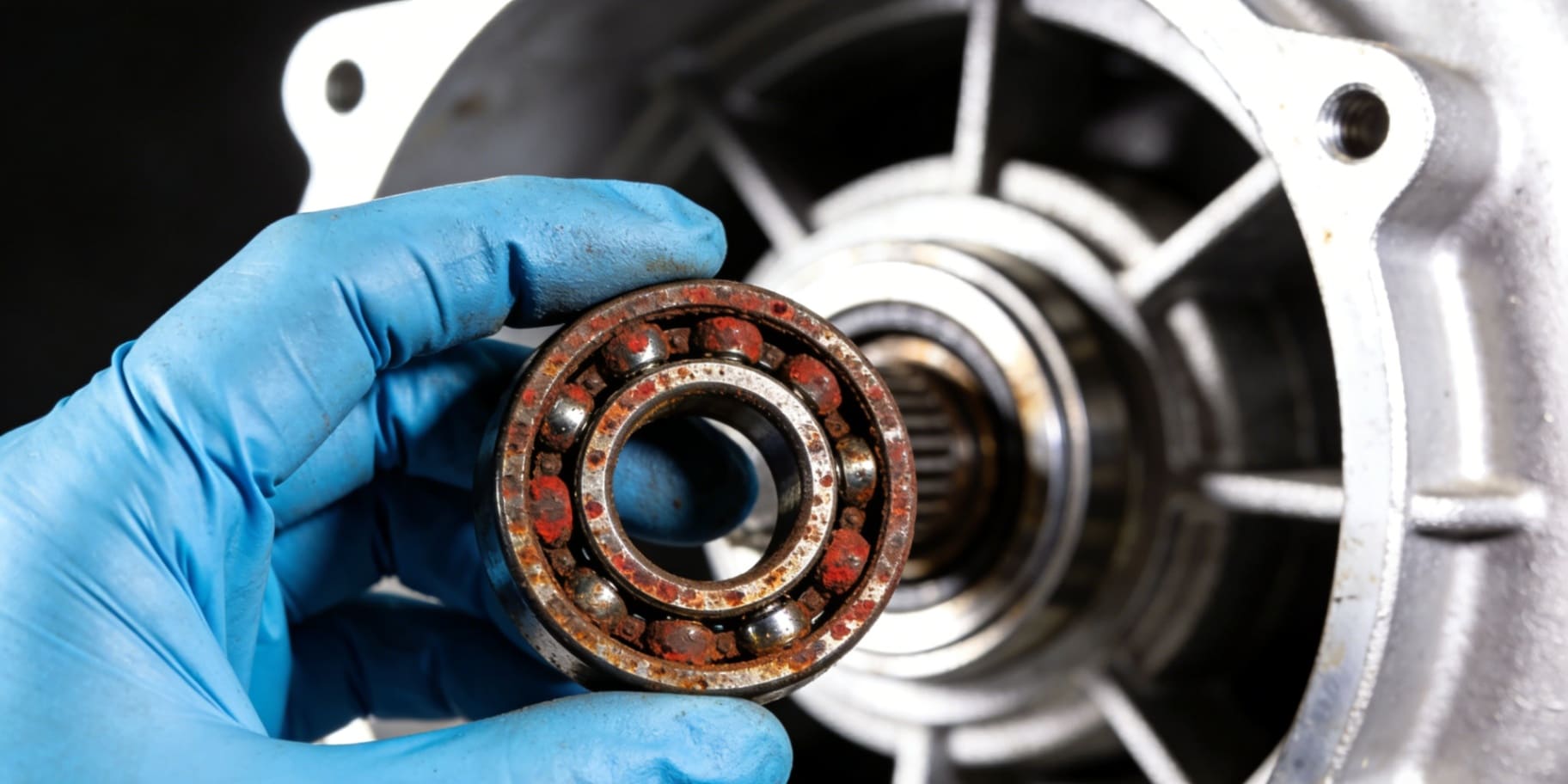
 

Imagine such a component, it can withstand radial loads (for example, when a heavy object presses against the shaft), and at the same time can also withstand axial loads (the thrust in the front and back directions). This is a brief overview of the deep groove ball bearing.


When we examine the data from production sites and the latest industry reports, series such as 60/62/63, including thin section designs 67/68/69, are the real workhorses. These products are widely used in electric motors, automobiles, household appliances, wellness equipment, and handheld tools.


What is the Most Popular Ball Bearing?


At Welink Bearing, we specialize in these very series. With three modern factories covering over 20000㎡and more than 200 automated production lines, we produce deep groove ball bearings in the range of ID 2–50mm and OD 5–100mm. Whether you need the compact 68/69 thin section series for space-constrained applications, the versatile 60 series for small motors, or the heavy-duty 62/63 series for industrial gearboxes, we have them all.
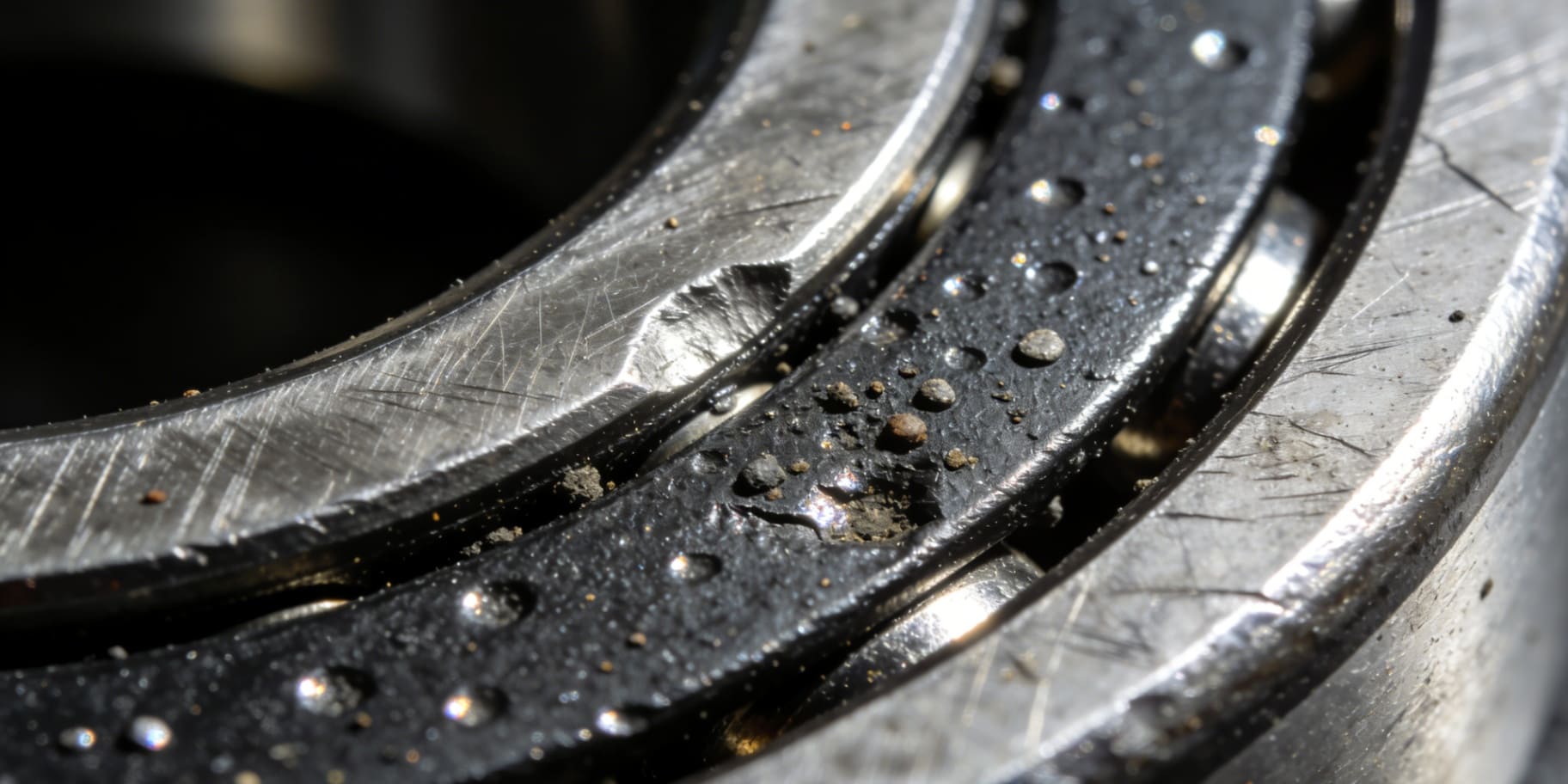
 

During our many years of export experience, we have found that the popularity of engineering products depends on their predictability. Deep groove bearings are a product with predictability. They are flexible and do not panic. No matter if the load comes from the left or the right, they can adapt to the changes. In terms of speed, due to the point contact of the balls, the friction is smaller. These bearings can operate at high speeds without overheating. They run quietly, and in applications such as medical equipment or food processing, noise is the enemy. Deep groove bearings are meticulously designed to run smoothly and quietly.


Just because something is standard does not mean it is dull and uninteresting. Deep groove ball bearings are constantly evolving. Let's take a look at the current measures of large manufacturers like NSK. They recently launched a new type of deep groove ball bearing specifically designed for the drive unit of electric vehicles, which is 51% lighter than the previous models. 


The automotive industry urgently needs to reduce weight to increase battery range. This conveys a key message to us: deep groove ball bearings not only survive but are also adapting to future developments.


What is the Most Popular Ball Bearing?


Welink Bearing keeps pace with these trends. Our OEM/ODM service allows us to customize bearings to meet specific requirements, including precision grades P0, P6, P5, and P4 upon request. With certifications like ISO 9001:2015, ROHS, and REACH, we ensure that every bearing we ship meets international standards.


If you are purchasing electric motors, general industrial machinery, or automotive components, then you are likely already using deep groove ball bearings. The question is not whether you need them, but which model you should choose.


What is the Most Popular Ball Bearing?


At Welink Bearing, we are passionate and dedicated to these small metal rings. Whether you need the standard chrome steel version (AISI 52100) for the gearbox or the stainless steel version (AISI 440C) for food-grade applications to prevent the occurrence of corrosion, we will help you understand the relevant specification requirements. And with our three strategic factory locations (Ningbo, Ningde, and Anhui) and export head office in Xiamen, we ensure fast delivery and reliable supply. Contact us today, we love talking about bearings as much as we love making them.

What is salt spray testing? How does it measure corrosion resistance?

In the textile industry, whether it's outdoor tents, marine workwear, automotive interior fabrics, or industrial filter cloths, many textiles must endure prolonged exposure to corrosive environments like salty humid atmospheres and marine moisture. Prolonged exposure to salt spray can cause textiles to fade, lose strength, experience coating peeling, and even compromise functionality and lifespan. Salt spray testing serves as the core assessment method for evaluating the corrosion resistance of such textiles and ensuring product quality.


I. What is Salt Spray Testing?


Salt spray testing is fundamentally an accelerated, artificial method for simulating corrosive environments. Using a salt spray tester (salt spray chamber), a controlled salt mist environment is created. Textile samples are placed within this chamber to mimic the erosion process caused by natural salt sprays (such as marine atmospheres or industrial salt-laden dust), thereby rapidly evaluating the corrosion resistance of textiles, their accessories, and coatings.

Compared to natural corrosion testing that can take 1 to several years, salt spray testing accelerates the process by increasing salt solution concentration (typically several to dozens of times higher than natural environments), and precisely controlling parameters like temperature and humidity. This reduces testing cycles to hours or days, efficiently verifying product corrosion resistance while providing reliable data support for textile R&D, quality control, and market access. It addresses the pain points of natural corrosion testing—time-consuming, inefficient, and environmentally uncontrollable.

Tailored to textile industry applications, salt spray testing primarily simulates two core scenarios: First, marine environments, targeting textiles used in coastal regions (e.g., fishing vessels, nets, coastal outdoor apparel) by replicating erosion from high-salinity, high-humidity moisture. Second, industrial environments, simulating the degradation of textiles exposed to corrosive media like salt-laden dust and acidic/alkaline vapors in industrial fabrics (e.g., filter cloths, conveyor belts). This covers various textile materials and products including cotton, polyester, nylon, and coated fabrics.


II. How Does Salt Spray Corrode Textiles?


To grasp the significance of salt spray testing, one must first understand its corrosion mechanism—salt spray does not directly “corrode” fibers but instead degrades textile structure, coatings, and functionality through multiple interactions. This process manifests across three levels, particularly evident in textiles containing metallic accessories or coatings:

1. Indirect corrosion at the fiber level: The primary corrosive agent in salt spray is chloride ions. Their low hydration energy allows easy adsorption onto textile surfaces, penetrating into fiber interiors or interstitial spaces. For natural fibers (e.g., cotton), chloride ions disrupt hydrogen bond structures, causing fiber brittleness and fracture. For synthetic fibers (e.g., polyester, nylon), prolonged salt spray immersion accelerates fiber hydrolysis, reducing tensile and tear strength, and may even cause fiber aging and yellowing.

2. Direct corrosion of accessories and coatings: Commonly used metal accessories (e.g., zippers, buttons, hooks) and coatings (e.g., PU, PVC) on textiles are primary targets for salt spray corrosion. Chloride ions penetrate coatings, disrupting the protective oxide layer on metal surfaces. This creates a micro-battery system involving “low-potential metal—electrolyte solution—high-potential impurities,” leading to rusting of metal accessories, coating blistering, and peeling. Consequently, the overall appearance and durability of textiles are compromised. Simultaneously, acidic salt spray accelerates the separation of coatings from fiber substrates, causing loss of protective functionality.

3. Functional Degradation: Salt residues in the mist clog textile fiber pores, diminishing core functions like breathability and water resistance. For outdoor protective textiles and medical textiles, corrosion may also compromise antimicrobial and safety properties, rendering them unsuitable for intended use.


III. Four Key Steps in Salt Spray Testing


Salt spray testing in the textile industry must adhere to strict standards and procedures to ensure accurate and repeatable results, tailored to the diverse usage scenarios of different textiles. The core process comprises four steps, relying entirely on specialized salt spray testing equipment for precise parameter control:

1. Sample Preparation: Cut standard-sized samples from the textile to be tested (ensuring coverage of critical areas such as fibers, accessories, and coatings). Pre-clean the sample surface to remove oil, dust, and other impurities that could affect corrosion effectiveness. For coated fabrics or textiles with metallic accessories, ensure critical areas are uniformly exposed to salt spray without obstruction or overlap during sample placement. Document sample identification and initial conditions (e.g., appearance, weight, strength).

2. Test Environment Setup: Configure core parameters on the salt spray tester based on the textile's application scenario and relevant standards, as these are critical factors influencing results. Common parameters include: salt solution concentration (typically 5% sodium chloride solution simulating natural salt spray; adjustable for specialized scenarios), pH value (neutral salt spray: 6.5–7.2; acidic salt spray: 3.1–3.3; alkaline salt spray: 8.5–9.5), test temperature (neutral salt spray: 35°C ± 2°C, copper-accelerated acetic acid salt spray: 50°C ± 2°C), salt spray deposition rate (1.5 ml/h ± 0.5 ml/h), and test duration (ranging from 24 hours to hundreds of hours, with outdoor textile tests typically longer). Maintain relative humidity ≥95% inside the chamber to ensure continuous electrolyte film formation on sample surfaces.

3. Sample Placement and Test Operation: Secure prepared samples on the test chamber's sample rack at a 30° angle to the vertical (ensuring uniform salt spray coverage). Close the chamber and activate the instrument to commence testing. During testing, the instrument must maintain continuous, stable spraying with constant parameters, avoiding fluctuations in temperature or salt spray concentration. Assign dedicated personnel to monitor the equipment, conducting regular checks to ensure compliance with standards and prevent invalid data.

4. Post-Test Handling and Observation: After testing concludes, remove the samples and gently rinse residual salt from the surface with clean water (avoid vigorous wiping that could damage the samples). Place them in a drying oven until constant weight is achieved. Compare the samples' pre- and post-test conditions, record corrosion-related data to provide a basis for subsequent corrosion resistance evaluation, and compile the test data into a comprehensive inspection report.


IV. How Does Salt Spray Testing Measure Corrosion Resistance?


Salt spray testing evaluates a textile's corrosion resistance by comparing sample changes before and after testing. Combining qualitative observation with quantitative analysis, it provides a comprehensive assessment across multiple dimensions. Evaluation priorities vary slightly for different textiles and can be categorized into five dimensions:

(1) Qualitative Assessment: Visual Inspection of Corrosion Appearance

This is the most fundamental and direct assessment method, primarily observing corrosion phenomena on the sample surface. Industry standards are used to determine corrosion resistance grades, focusing on three key aspects:

1. Fibers and Fabrics: Check for yellowing, brittleness, breakage, fading, pilling, or fuzzing. No significant changes indicate excellent corrosion resistance.

2. Metal accessories: Check for rust spots, rust stains, or oxidation discoloration. Absence of any corrosion marks is optimal; minor rust spots require standard-based qualification assessment.

3. Coating-to-accessory bonding: Inspect for coating blistering, peeling, or cracking. Verify secure attachment of accessories to fabric (e.g., zipper jamming, button detachment). Complete coating integrity and firm connections indicate corrosion resistance compliance.

(2) Quantitative Assessment: Precise Corrosion Severity Measurement

Qualitative observation cannot accurately distinguish subtle differences. For mid-to-high-end textiles (e.g., premium outdoor apparel, aerospace textiles, military textiles), quantitative testing using specialized instruments is required. This assessment centers on six key metrics, which also serve as the core evaluation criteria for textile salt spray testing:

1. Weight Change Rate: Weigh samples before and after testing using precision electronic balances to calculate percentage weight gain/loss. Weight gain typically indicates corrosion product adhesion, while loss suggests fiber or coating corrosion. A lower change rate indicates superior corrosion resistance.

2. Strength Retention Rate: Measured by testing tensile strength and tear strength before and after exposure using a tensile testing machine. The retention rate indicates the proportion of strength preserved—higher retention signifies minimal fiber corrosion and superior corrosion resistance.

3. Color Difference Change: Measure the ΔE value (color difference) of the textile before and after testing using a color difference meter to evaluate fading and discoloration levels. A lower ΔE value indicates better color stability. Decorative textiles and apparel fabrics typically require ΔE ≤ 2.0, meaning no noticeable color difference to the naked eye.

4. Coating Adhesion: For coated textiles, determine the bond strength between coating and substrate using the cross-hatch adhesion test or tensile adhesion test to evaluate adhesion grades. This prevents coating peeling, with Grade 1 adhesion (no peeling) being optimal.

5. Corrosion Area Ratio: Using a 10-level rating system, assess the grade based on the percentage of surface defects (corrosion, blistering, fading) on the sample. Higher grades indicate better corrosion resistance—Grade 10 has no defects, while Grade 1 has over 25% corrosion area.

6. Microstructure and Functionality: Observe corrosion morphology (e.g., cracks, blistering) on textile surfaces using optical or scanning electron microscopes to analyze fiber structural changes. Simultaneously evaluate functional indicators like waterproofing, breathability, and antimicrobial properties to ensure post-corrosion performance meets usage requirements—a core assessment focus for outdoor and medical textiles.


V. Four Major Types of Salt Spray Tests


1. Neutral Salt Spray Test (NSS): The most commonly used type, simulating ordinary marine atmospheres and humid, saline environments. The salt solution has a pH of 6.5-7.2 and a temperature of 35°C ± 2°C. A 24-hour test is equivalent to approximately one year of corrosion in natural environments. Suitable for general outdoor textiles, home textiles, cotton-polyester blended fabrics, etc., it is the most widely applied basic test type in the textile industry.

2. Acetic Acid Salt Spray Test (AASS): An acidic environment test with a salt solution pH of 3.1–3.3 and a temperature of 35°C ± 2°C. A 24-hour test is equivalent to approximately 3 years of natural corrosion. Suitable for textiles containing copper-nickel-chromium accessories or aluminum anodized films (e.g., high-end garment zippers, bathroom textiles). Its corrosion efficiency is 2–3 times that of neutral salt spray.

3. Copper-Accelerated Acetic Acid Salt Spray Test (CASS): High-intensity corrosion test. Copper chloride is added to the acidic salt spray, with temperature increased to 50°C ± 2°C. A 24-hour test corresponds to approximately 8 years of natural environmental corrosion. Suitable for high-end textiles and precision accessories (e.g., aerospace textiles, premium hardware accessories). Corrosion efficiency is 5-8 times that of neutral salt spray, enabling rapid differentiation of product quality grades.

4. Alternating Salt Spray Test: Simulates complex natural environments (salt spray, drying, humid heat cycles). 35°C salt spray exposure alternates with ambient temperature drying and humid heat phases, closely mimicking long-term outdoor use. Suitable for photovoltaic textiles, marine textiles, outdoor tents, etc.


VI. Significance of Salt Spray Testing


For textile enterprises, salt spray testing transcends mere “compliance verification.” It serves as a critical component for enhancing product competitiveness and mitigating quality risks, with its core value manifested in three key areas:

1. Identifying vulnerabilities in textiles exposed to corrosive environments (e.g., rust-prone accessories, coating peeling) through testing enables timely optimization of material selection and production processes. This prevents post-market quality issues, reducing after-sales complaints and rework costs;

2. During new product development, salt spray testing enables comparative analysis of corrosion resistance across different materials and processes. This facilitates optimization of product formulations and structures, creating more durable textiles suited for complex scenarios (e.g., high-end outdoor apparel, long-lasting industrial filter fabrics) and fostering differentiated competitive advantages.

3. Whether for domestic sales or export, many textiles (e.g., outdoor gear, automotive interior fabrics, military textiles) require salt spray test compliance reports. Passing these tests ensures regulatory compliance while precise test data provides robust support for product promotion, enhancing customer trust.

Email: hello@utstesters.com

Direct: + 86 152 6060 5085

Tel: +86-596-7686689

Web: www.utstesters.com

In-Depth Analysis Key Requirements for Stability Chambers and Selection Guide

In-Depth Analysis: Key Requirements for Stability Chambers and Selection Guide

In industries such as pharmaceuticals, biotechnology, cosmetics, and food, stability chambers are critical equipment for ensuring product quality and safety. It help scientists evaluate product stability and shelf life during long-term storage. However, selecting and maintaining a suitable stability chamber is not a simple task.

What is a Stability Chamber?

A stability chamber is specialized equipment capable of precisely controlling environmental parameters such as temperature, humidity, and light exposure. It is used to conduct stability studies as outlined in ICH (International Council for Harmonisation of Technical Requirements for Pharmaceuticals for Human Use) guidelines. 

Core Technical Requirements

1. Temperature Control Precision

  • Range: Must cover ICH-standard conditions such as 2-8°C (refrigerated), 25°C/60%RH (long-term), 30°C/65%RH (intermediate), and 40°C/75%RH (accelerated).

  • Accuracy: Should achieve ±0.5°C or better.

  • Uniformity: Temperature variation within the chamber should not exceed ±1.0°C.

  • Recovery Time: Fast temperature recovery after door opening to minimize impact on tests.

2. Humidity Control Precision

  • Range: Typically requires broad control capability, e.g., 10-95% RH.

  • Accuracy: Industry standard is ±1-3% RH.

  • Uniformity: Variation across points should not exceed ±3% RH.

  • Condensation Prevention: Design must avoid condensation on sample surfaces.

3. Light Exposure Control System

For products requiring photostability testing, the chamber should provide:

  • ICH Q1B Guideline-specified light conditions: UV (320-400 nm) and visible light (400-800 nm).

  • Precise control of light intensity and spectral distribution.

  • Uniform light distribution to ensure consistent conditions for all samples.

4. Monitoring and Validation System

  • Continuous Monitoring: Real-time recording of key parameters like temperature and humidity.

  • Alarm Function: Automatic alerts (audible, visual, SMS, or email) for out-of-spec conditions.

  • Data Integrity: Compliance with 21 CFR Part 11 requirements (audit trails, electronic signatures, secure access controls).

  • Regular Validation: Capability for IQ (Installation Qualification), OQ (Operational Qualification), and PQ (Performance Qualification).

5. Design and Construction

  • Materials: Corrosion-resistant stainless steel interior, easy to clean, contamination-free.

  • Sealing: Effective door seal design to minimize environmental interference.

  • Sample Capacity: Flexible, adjustable shelving systems to maximize space utilization.

  • Energy Efficiency: High-efficiency, energy-saving design to reduce long-term operational costs.

Compliance with Regulatory Requirements

Stability chambers must meet a range of international standards and regulations:

  1. ICH Guidelines: Q1A(R2), Q1B, Q1D, Q1E, etc.

  2. GMP/GLP Standards: Good Manufacturing Practice and Good Laboratory Practice.

  3. FDA 21 CFR Part 11: Electronic records and electronic signatures requirements.

  4. EU GMP Annex 11: Computerized system requirements.

  5. ISO 9001:2015: Quality management systems.

Conclusion

Selecting the right stability chamber is a decision that requires comprehensive consideration of technical performance, regulatory compliance, and long-term cost-effectiveness.Staying informed about these changes and regularly assessing whether your equipment meets the latest standards is a key responsibility for every laboratory manager. Labonce will accompany every clients for better goals.

Labonce TH Series Constant Temperature and Humidity Chamber Precise Control for Reliability Verification

In fields such as precision manufacturing, materials research, electronics, and life sciences, conducting stable and repeatable temperature and humidity environmental tests on products is crucial. Labonce TH Series Constant Temperature and Humidity Chamber—a core device designed specifically for high-standard environmental simulation testing.

Core Performance: The Perfect Balance of Precision and Range

The key advantage of the Labonce TH Series lies in its perfect integration of outstanding performance parameters and excellent stability:

  • Broad Temperature Control Range: 0°C to +100°C

    • Covers a wide range of applications from room temperature to high temperature, simulating various thermal environments that products may encounter during storage, transportation, and use.

  • Accurate Humidity Control Range: 20%RH to 95%RH

    • Achieves precise control across a wide humidity spectrum, easily addressing testing challenges from dry to highly humid environments, such as accelerated aging and damp heat cycling.

Why is the TH Series the Optimal Choice for Your Laboratory?

1. Precise Control, Trustworthy Data
Utilizing an advanced Balanced Temperature & Humidity Control (BTHC) system and PID intelligent algorithms, it ensures uniform and stable temperature and humidity inside the chamber. Temperature fluctuation can be as low as ±0.5°C, and humidity fluctuation ±2%RH, providing laboratory-level precision and ensuring the reliability and repeatability of every test.

2. Robust and Durable, Stable Operation
The interior is constructed from high-quality stainless steel, offering sturdiness and corrosion resistance. Core components are sourced from internationally renowned brands, combined with Labonce’s mature system integration and process technology. 

3. User-Friendly Design, Smart and Convenient

  • Intuitive Touch Interface: A large color touchscreen with clear operation logic and parameter settings.

  • Powerful Programming Functionality: Supports multi-segment programming, allowing flexible simulation of complex temperature and humidity change curves for automated cyclic testing.

  • Remote Monitoring and Management: Optional network interface supports remote data viewing and downloading, facilitating centralized laboratory management.

4. Comprehensive Safety, Peace of Mind
Equipped with multiple safety protections: independent over-temperature protection, fan overheating protection, water shortage protection, leakage protection, and more, ensuring全方位 safety for both the testing process and the equipment itself.

Typical Application Scenarios

  • Electronic Product Reliability Testing: Performance and lifespan evaluation of PCBs, components, and end devices under high/low temperature and humidity conditions.

  • Materials Research: Weather resistance and moisture absorption testing for polymers, composite materials, coatings, textiles, etc.

  • Pharmaceutical and Packaging Stability Testing: Simulating storage conditions of drugs in different climatic zones to evaluate stability and packaging integrity.

  • Automotive Component Testing: Functional and durability validation of in-vehicle electronics, interior parts, etc., under specific temperature and humidity environments.

  • Scientific Research and Quality Control: Providing standardized environmental test conditions for universities, research institutions, and enterprise quality control laboratories.


About Labonce: We specialize in the field of environmental test equipment, committed to providing global customers with testing solutions ranging from standard to customized, through innovative technology, reliable quality, and comprehensive service. The TH Series embodies our deep understanding of precision, stability, and user needs.

For detailed technical specifications, configuration options of the Labonce TH Series, or to obtain customized solutions, please feel free to contact our technical team.