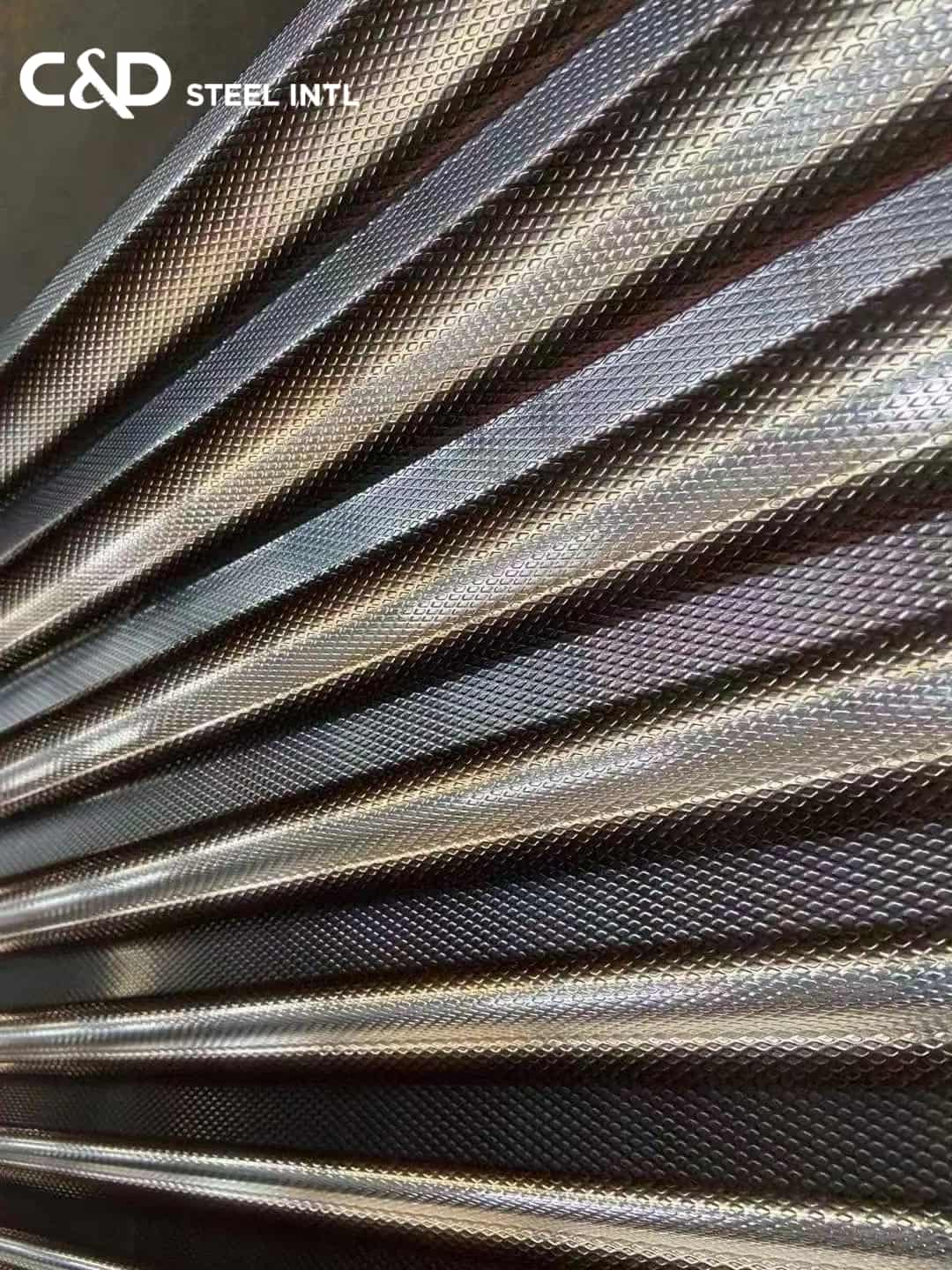
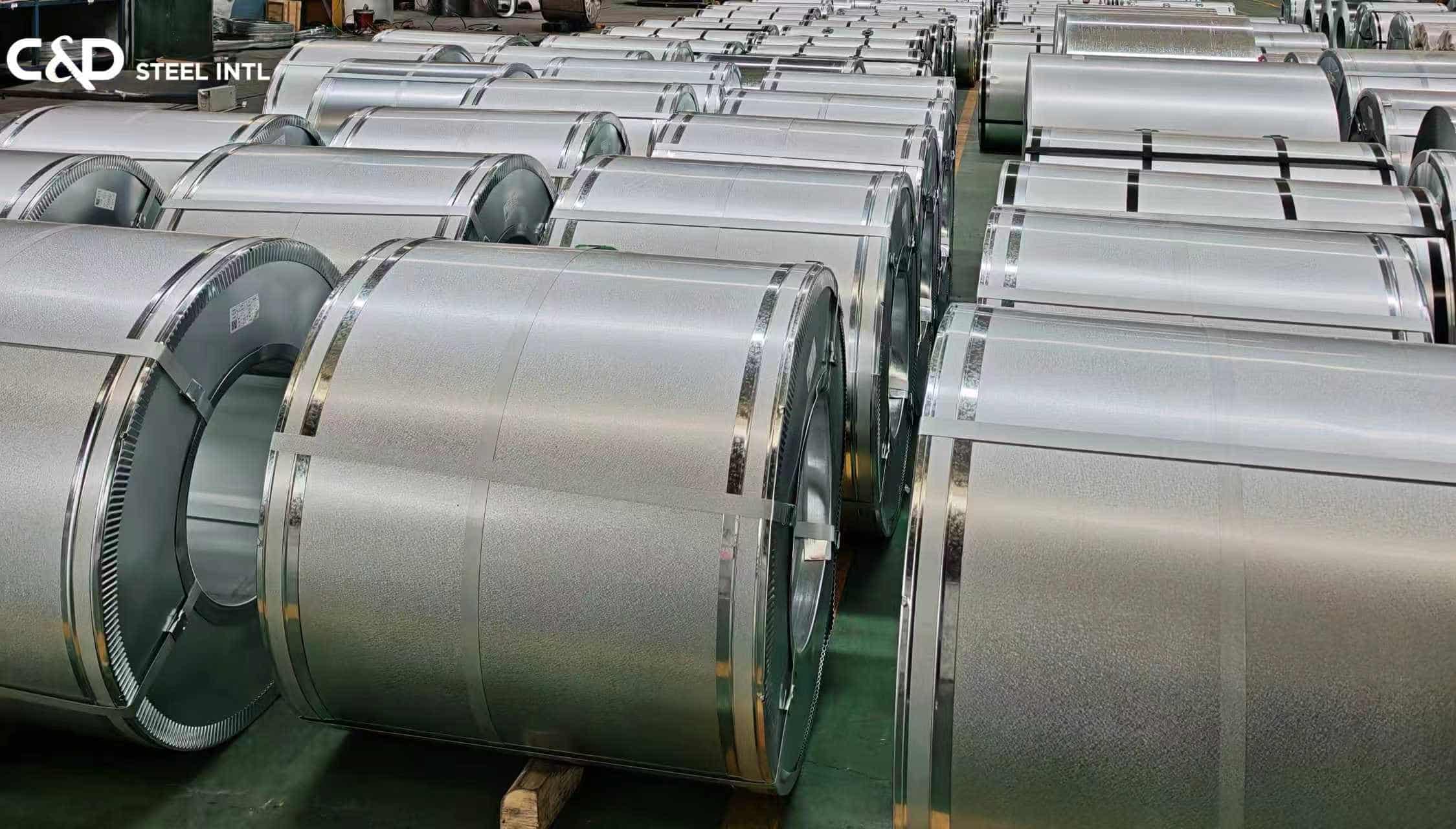
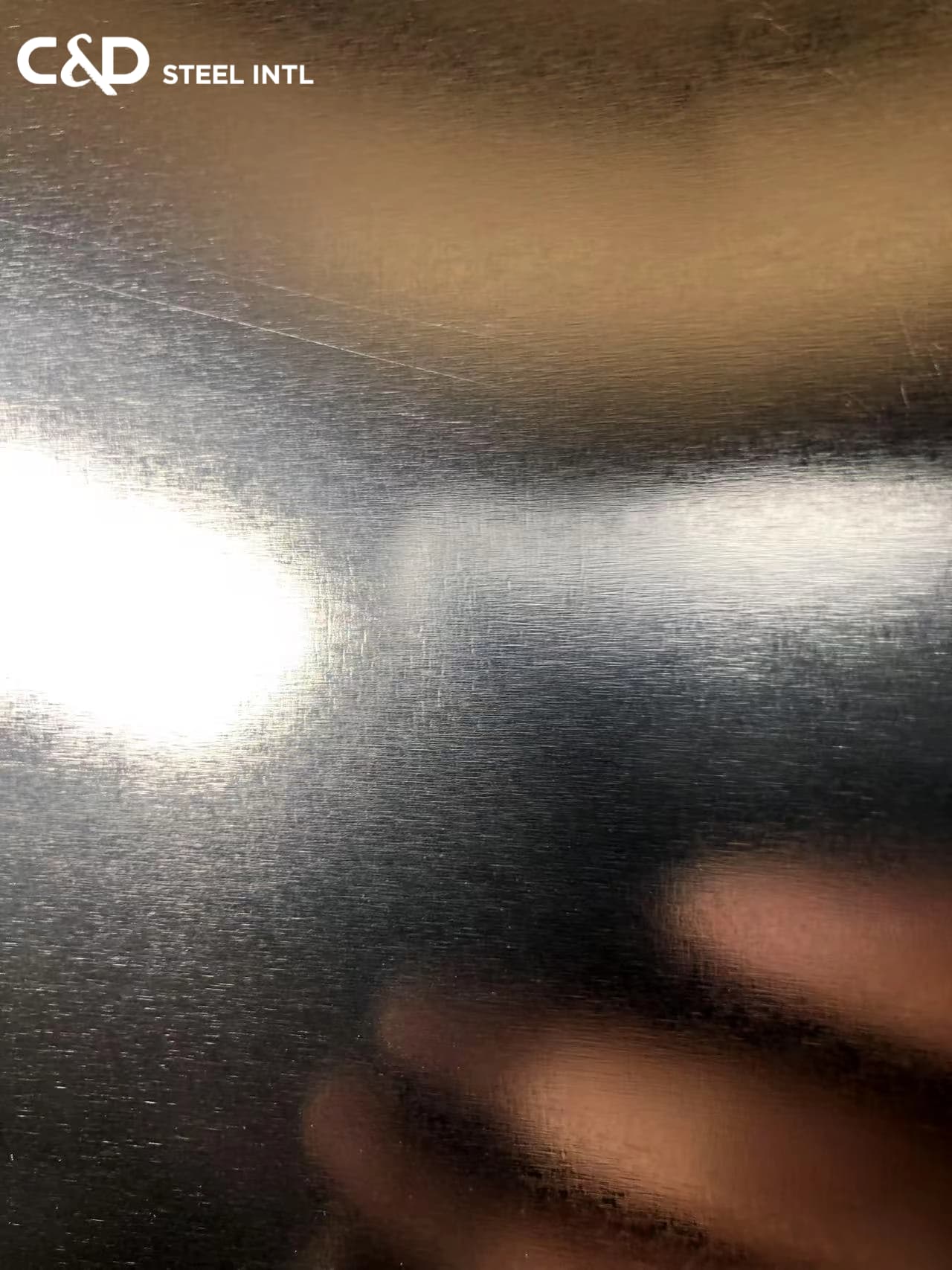
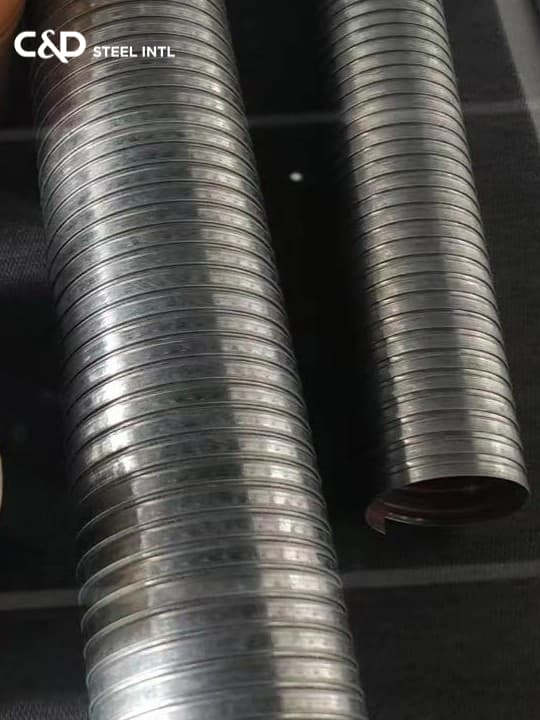
Galvanized Steel Applications Uses in Construction, Energy, Automotive & More


A practical overview of galvanized steel applications across key industries. From construction and infrastructure to energy systems, automotive, appliances, agriculture, and logistics, see how galvanized steel performs in real projects.


Galvanized steel is often discussed in terms of coating weight, thickness, or standards. But in real projects, its value is defined by where and how it is used. Across industries, one galvanized steel coil can be transformed into structures, components, and systems that operate reliably for years — often in harsh outdoor or industrial environments.


Below is a practical overview of how galvanized steel supports seven key application sectors, based on real-world usage.

Galvanized steel


1. Building & Infrastructure

Galvanized steel plays a foundational role in modern construction, balancing durability and cost efficiency.

Typical applications include:

  • Roofing & wall panels → reliable weather protection with controlled lifecycle cost
  • Structural frames & purlins → load-bearing strength combined with corrosion resistance
  • Fences & railings → long-term outdoor safety with minimal maintenance

Galvanized steel isn’t just a product — it’s the backbone of modern infrastructure.


2. Manufacturing & Industrial Equipment

In industrial environments, consistency and surface protection are critical.

Common uses include:

  • Equipment enclosures → protection against corrosion and mechanical impact
  • Industrial cabinets → stable performance in harsh operating conditions
  • Formed structural parts → uniform coating suitable for bending and secondary processing
  • Galvanized steel isn’t just material — it enables reliable industrial systems.

Galvanized steel


3. Power & Energy

Energy systems demand materials that can withstand long-term outdoor exposure.

Key applications include:

  • Transmission structures → durability under continuous environmental stress
  • Solar mounting systems → corrosion resistance in open, high-exposure locations
  • Cable trays & bridges → protection for critical power and communication lines

Galvanized steel isn’t just steel — it supports energy systems built to last.


4. Automotive & Transportation

From passenger vehicles to commercial transport, galvanized steel contributes to safety and longevity.

Typical applications include:

  • Automotive structural parts → strength combined with corrosion protection
  • Chassis components → durability under demanding road and climate conditions
  • Commercial vehicle panels → lightweight performance with long service life

Galvanized steel isn’t just a component — it helps keep transportation moving.


5. Appliances & Consumer Goods

Many consumer products rely on galvanized steel where performance and appearance must coexist.

Common uses include:

  • Refrigerator & washing machine panels → clean surface quality and structural stability
  • Air-conditioner housings → corrosion resistance in everyday environments
  • Internal structural parts → consistency and efficiency for mass production

Galvanized steel isn’t just hidden inside — it ensures products perform over time.


6. Agriculture & Livestock

Agricultural applications demand durability with low maintenance requirements.

Typical applications include:

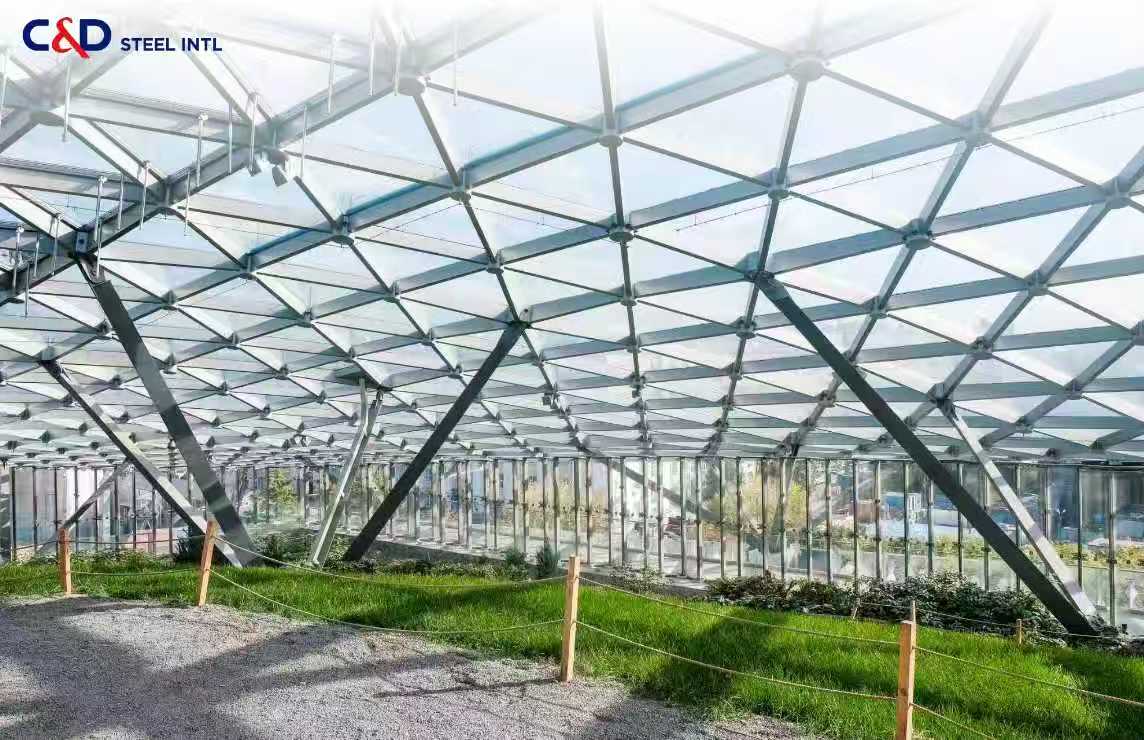
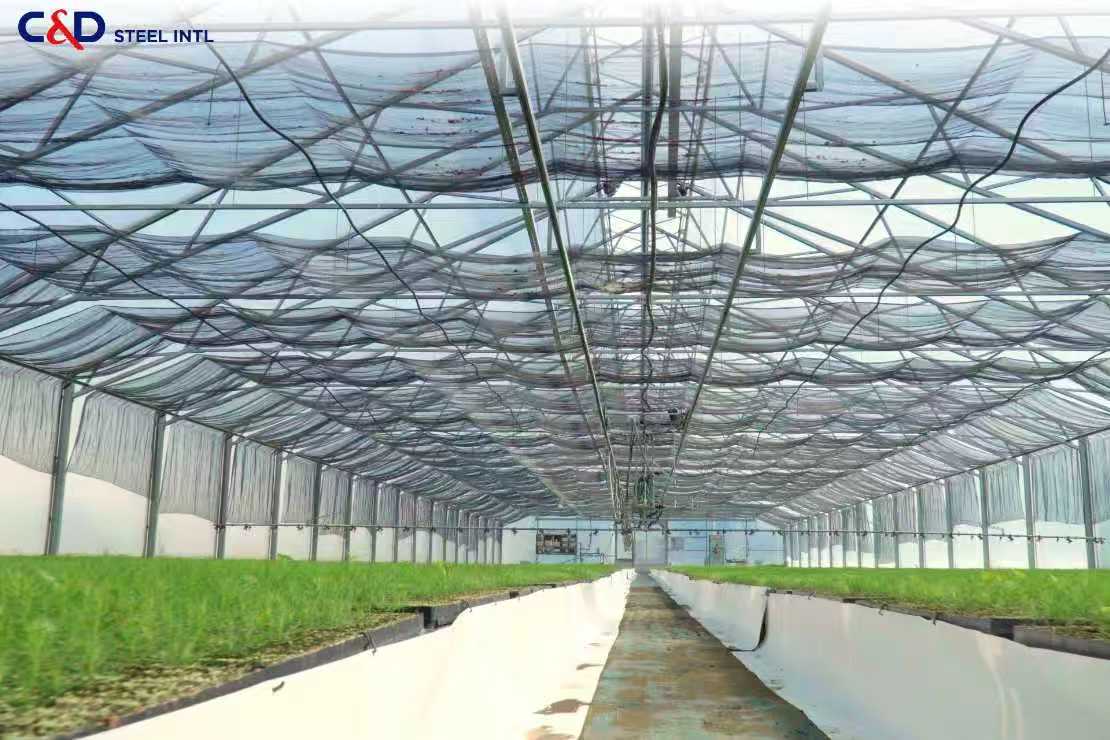
  • Greenhouse frames → structural strength with minimal upkeep
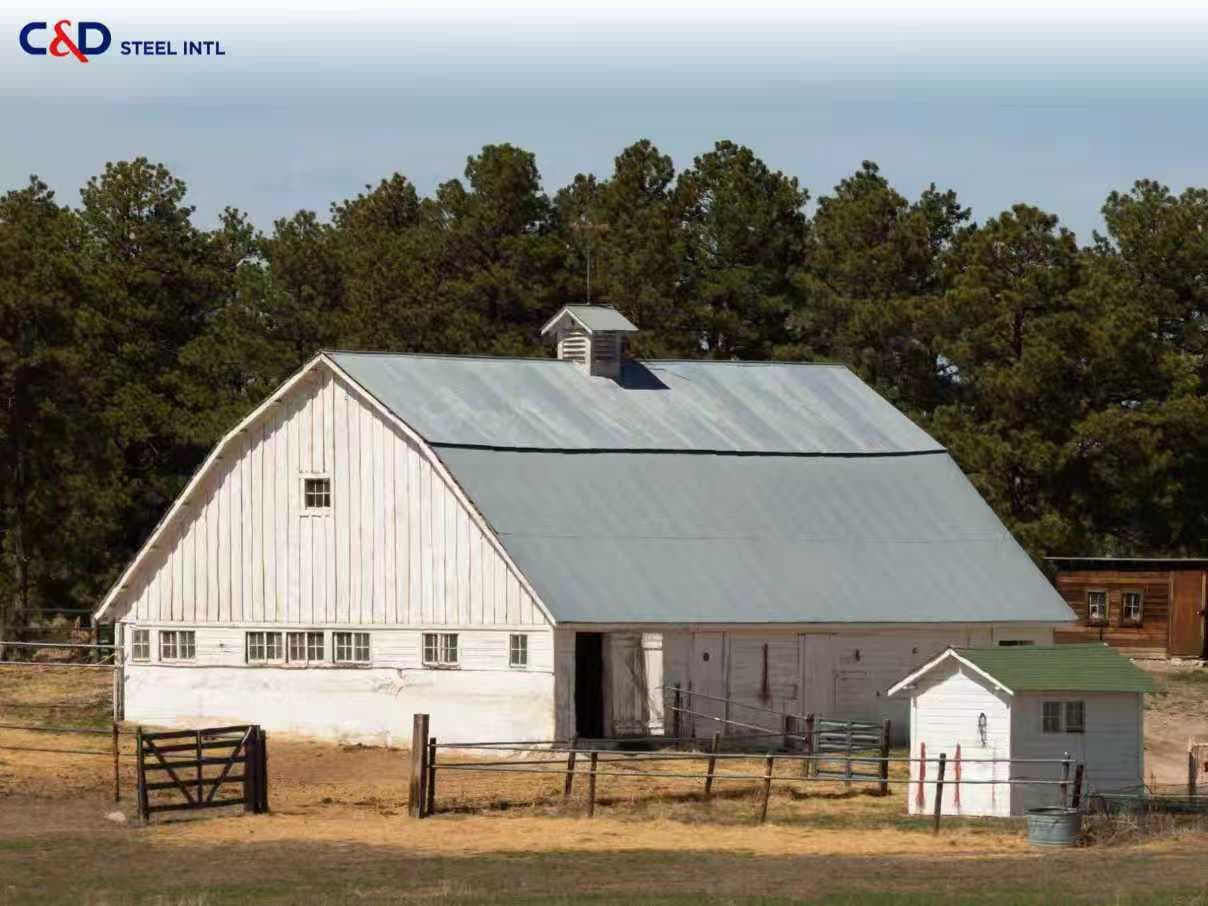
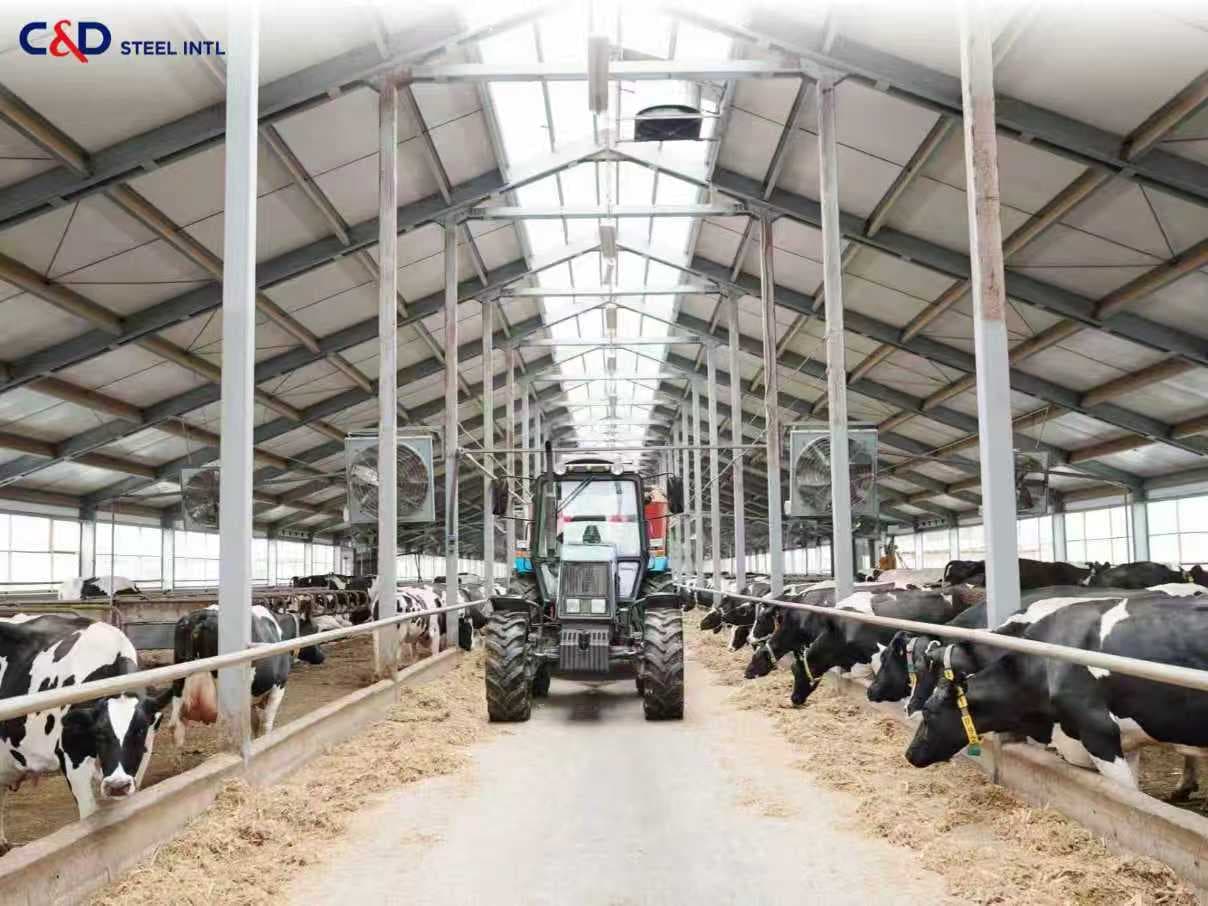
  • Farm & livestock structures → corrosion resistance in humid or chemical-prone environments
  • Fences & railings → cost-effective durability for long-term use

Galvanized steel isn’t just practical — it supports efficient agricultural systems.


7. Logistics & Warehousing

Efficient logistics relies on materials that can handle repeated loading cycles and exposure.

Key applications include:

  • Storage racks → load-bearing capacity with long-term durability
  • Container components → corrosion resistance through repeated transport cycles
  • Pallets & box structures → low-maintenance performance over extended service life

Galvanized steel isn’t just for storage — it keeps goods moving reliably.


Final Thoughts

Across construction, industry, energy, transportation, and logistics, galvanized steel proves its value not through theory, but through real-world performance.


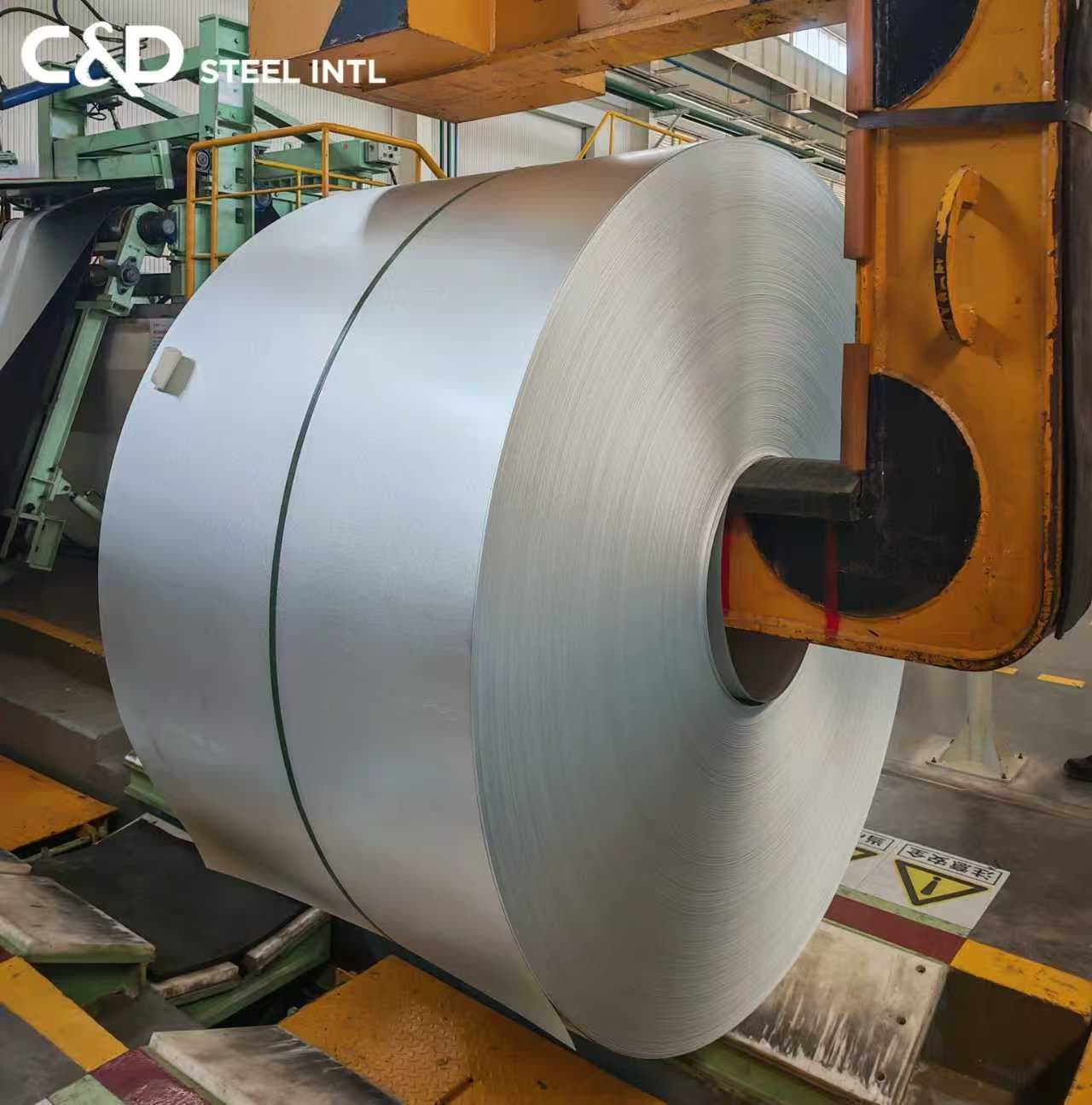
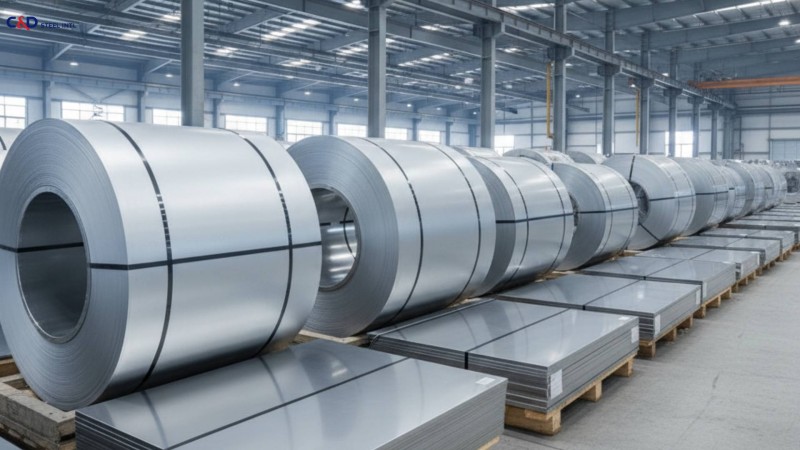
One galvanized steel coil may look simple — but its applications shape the systems, structures, and products that keep modern economies running.


Understanding application is the first step toward choosing the right specification. Looking to understand which galvanized steel specification fits your application? Our team works with global projects across construction, energy, and industrial sectors. Contact us to discuss technical requirements and sourcing options.


📧E-mail: cfloffice@chinacnd.com

📱WhatsApp: +86 173 1931 2767

 ☎Tel: +86 0592 259 2583

📍Address: 21F C&D International Building, No.1699 Huandao East Road, Xiamen, 361008, China

💻Website: www.cflsteel.com

Galvanized Steel in Metal Roofing & Wall Systems Practical Applications, Advantages, and Limitations

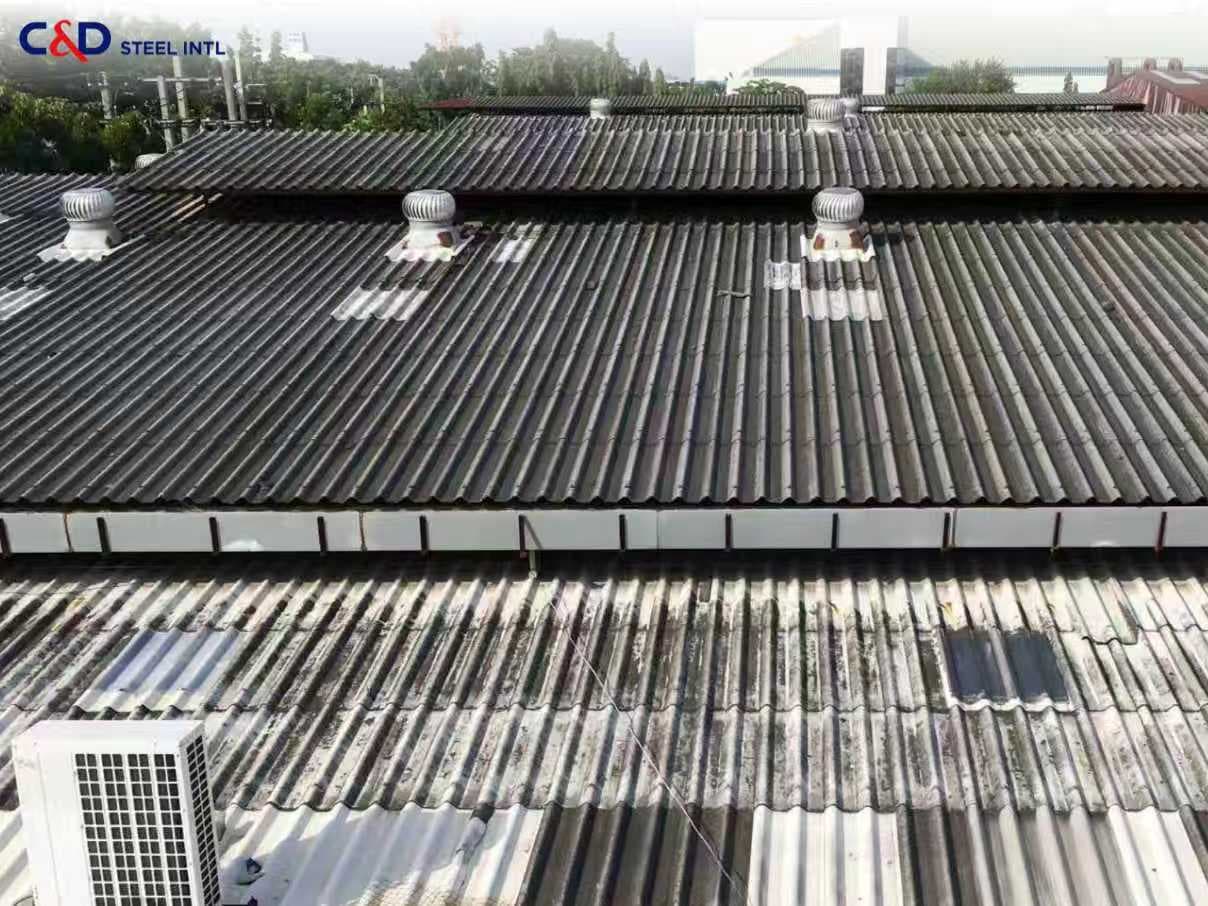
In metal roofing and wall systems, material choice directly impacts service life, maintenance cost, and project risk. While several coated steel substrates are available on the market, galvanized steel continues to be used in specific applications where its properties match the operating environment.

This article focuses on where galvanized steel performs well, where it does not, and how to judge whether it is suitable for a given project—without revisiting basic definitions.


Typical Applications of Galvanized Steel Roofing


Although newer alloy-coated substrates are widely adopted today, galvanized steel is still used in the following scenarios:

  • Agricultural buildings (barns, livestock shelters, storage sheds)
  • Industrial facilities with controlled environments
  • Selected residential and commercial roofing projects
  • Architectural designs requiring a specific metallic appearance


Galvanized roofing panels are commonly produced in 22–29 gauge, and can be supplied with painted systems such as SMP or PVDF, depending on durability requirements.


From a structural perspective, galvanized steel panels follow the same design logic as other coated steels—load capacity is determined by steel thickness and yield strength, not by the coating itself.


Key Advantages in Real-World Use


1. Better Performance in Animal Confinement Facilities

In livestock buildings, ammonia gas generated from manure can aggressively attack aluminum-containing coatings. In these environments, galvanized steel often performs more reliably, provided that ventilation and moisture control are properly managed.


2. High Formability for Complex Profiles

Galvanized steel is easier to bend and form than many alternative substrates, making it suitable for:

  • Tight-radius bends
  • Flashings and trims
  • Stamped metal shingles
  • Roll-formed profiles with complex geometry

This formability advantage is particularly relevant for manufacturers producing customized roofing systems.


3. Distinct Visual Appearance

Certain projects intentionally specify galvanized-based products for their industrial or vintage metallic aesthetic, especially in architectural or renovation projects where appearance matters as much as function.


4. Flexible Cost Positioning

Depending on market conditions, galvanized steel may be competitively priced for short- to mid-term projects where extended service life warranties are not required.


Limitations and Risk Factors

1. Limited Warranty Coverage

Most galvanized roofing systems do not include long-term substrate warranties, especially for corrosion resistance. This can increase lifecycle risk for projects with long design lives.


2. Red Rust Propagation

Once the zinc coating is locally damaged—particularly at cut edges—the exposed steel can develop red rust, which continues to spread rather than stabilizing over time.


3. Shorter Expected Service Life

In typical non-aggressive environments, galvanized roofing systems often deliver 15–20 years of service life, significantly shorter than alloy-coated alternatives.


4. Not Suitable for Coastal or Marine Environments

Salt exposure accelerates zinc consumption. As a result, galvanized steel is not recommended for coastal, offshore, or high-salinity regions, where corrosion rates increase sharply.


5. Oil Canning (Cosmetic Issue)

Like all light-gauge metal panels, galvanized steel may show oil canning—visible waviness in flat areas. While this does not affect structural performance, it can be a concern for architectural projects.


When Does Galvanized Steel Make Sense?

Galvanized steel may be a reasonable choice when:

  • The project is located away from coastal or high-humidity zones
  • The application involves animal housing or agricultural use
  • Complex forming or tight bending is required
  • Project economics prioritize initial cost over extended lifespan

For projects emphasizing long-term durability, corrosion warranties, and minimal maintenance, other coated steel or aluminum substrates are typically more appropriate.


Conclusion

Galvanized steel remains a functional, application-specific solution rather than a universal one. Its performance and value depend heavily on environmental exposure, design expectations, and lifecycle planning. Selecting the right roofing substrate is not about choosing the most familiar material—it is about aligning material behavior with real operating conditions and project priorities.


For projects that require a clearer understanding of galvanized steel specifications, application limits, or sourcing feasibility, our team supports global clients across construction, energy, and industrial sectors. We work closely with project owners, contractors, and manufacturers to translate technical requirements into practical material solutions.


 📧 E-mail: cfloffice@chinacnd.com

 📱 WhatsApp: +86 173 1931 2767

 ☎ Tel: +86 0592 259 2583

📍 Address: 21F C&D International Building, No.1699 Huandao East Road, Xiamen, 361008, China

How to Polish Stainless Steel

 Stainless Steel


Stainless steel polishing is often seen as a purely cosmetic process. In reality, polishing is closely linked to material selection, surface finish control, corrosion resistance, and long-term performance.


For industrial buyers, project owners, and procurement teams, understanding how stainless steel is polished — and more importantly, why certain grades and finishes perform better than others — can significantly reduce downstream issues and maintenance costs.


This guide explains stainless steel polishing from a material and supply-chain perspective, rather than a household cleaning viewpoint.


1. What Does “Polishing” Mean in Industrial Stainless Steel?

In industrial applications, polishing refers to a controlled surface finishing process that improves:

  • Surface smoothness
  • Visual consistency
  • Corrosion resistance
  • Cleanability and hygiene performance


Unlike simple cleaning, polishing alters the surface roughness (Ra value) of stainless steel, which directly affects how the material behaves in service environments such as:

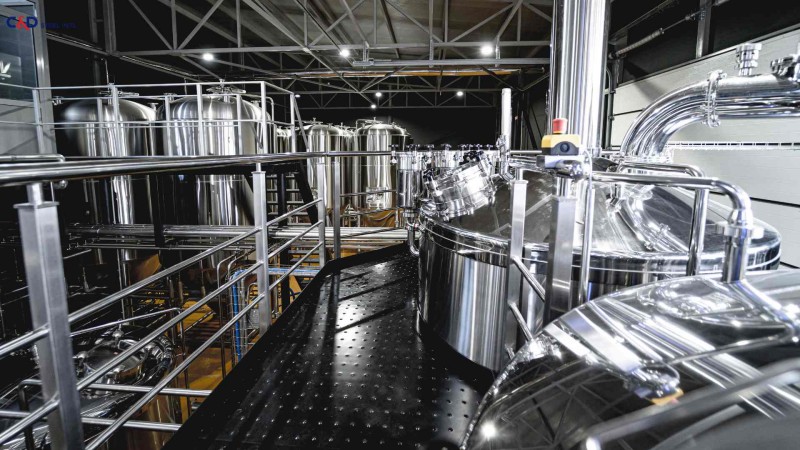
  • Food and beverage processing
  • Architecture and façades
  • Medical and pharmaceutical equipment
  • Marine and coastal infrastructure


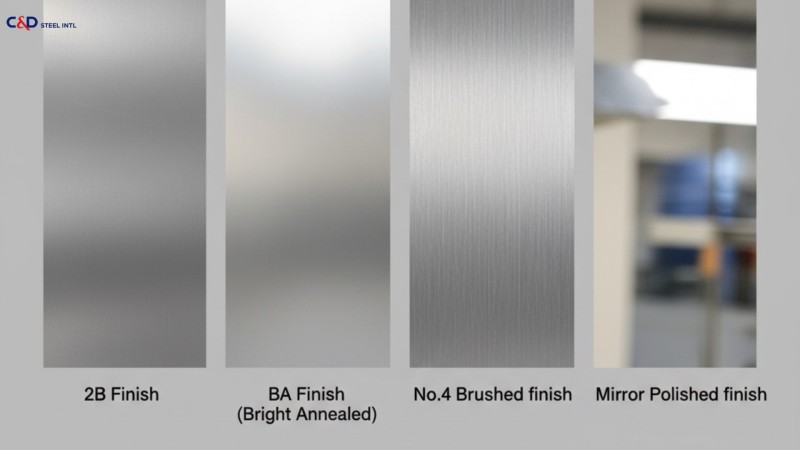
2. Common Stainless Steel Surface Finishes Explained

Before polishing even begins, the original mill finish plays a decisive role.

2B Finish

  • Cold-rolled, heat-treated, lightly skin-passed
  • Smooth but matte appearance
  • Widely used as a base material for further polishing

BA (Bright Annealed)

  • Highly reflective, mirror-like surface from the mill
  • Minimal additional polishing required
  • Preferred for decorative and hygienic applications

No.4 Finish

  • Brushed finish with uniform grain lines
  • Common in appliances, elevators, and architectural panels

Mirror Finish (8K)

  • Achieved through multi-step mechanical polishing
  • Extremely smooth surface, high reflectivity
  • Requires strict material and processing control


Key Insight for Buyers:

A better starting finish often reduces polishing time, cost, and defect risk.


3. Material Grade Matters More Than Polishing Technique

Polishing quality is not determined by technique alone. The chemical composition of stainless steel is equally critical.

304 Stainless Steel

  • Good general corrosion resistance
  • Suitable for indoor and mildly corrosive environments
  • Widely used due to cost-effectiveness

316 Stainless Steel

  • Contains molybdenum for enhanced corrosion resistance
  • Superior performance in coastal, marine, and chemical environments
  • More stable appearance after polishing over time


Lower-grade stainless steels may polish well initially, but often show:

  • Rapid discoloration
  • Surface staining
  • Pitting corrosion after short service periods

This is why experienced buyers focus on grade consistency and raw material traceability, not just surface appearance at delivery.


4. How Stainless Steel Is Polished in Industrial Practice

Industrial polishing typically follows a multi-step process:

1. Grinding – Removes surface defects and levels the material

2. Intermediate polishing – Refines surface roughness

3. Fine polishing – Achieves the target finish and reflectivity

4. Cleaning and passivation – Removes residues and enhances corrosion resistance

Each step must be matched with:

  • Appropriate abrasive selection
  • Controlled pressure and speed
  • Clean processing environments

Poor polishing control can introduce micro-scratches that later become corrosion initiation points.


5. Polishing and Corrosion Resistance: The Hidden Connection

A smoother stainless steel surface offers fewer locations for:

  • Chlorides
  • Moisture
  • Contaminants


As a result, well-polished stainless steel resists corrosion better, especially in environments with:

  • High humidity
  • Salt exposure
  • Frequent cleaning cycles


However, polishing cannot compensate for incorrect grade selection. In aggressive environments, material choice remains the first line of defense.


6. Maintenance After Polishing: What Buyers Should Know

Even high-quality polished stainless steel requires proper maintenance:

  • Use non-abrasive cleaning agents
  • Avoid chlorine-based chemicals unless specified
  • Clean along the grain direction for brushed finishes
  • Rinse thoroughly to prevent chemical residue buildup


From a procurement standpoint, specifying maintenance guidelines upfront helps extend service life and protects visual quality.


7. What Industrial Buyers Should Specify When Sourcing Polished Stainless Steel

To avoid quality disputes and inconsistent results, buyers should clearly define:

  • Stainless steel grade (e.g., 304 / 316)
  • Base finish (2B, BA, etc.)
  • Final surface finish standard
  • Thickness tolerance and flatness
  • Application environment

Clear specifications reduce rework, claims, and project delays.

 steel coil


8. The Role of the Cheongfuli in Polishing Quality

Reliable stainless steel polishing starts before fabrication, at the material sourcing stage.

Cheongfuli (Xiamen) Co., Ltd. supports buyers by providing:

  • Consistent raw material quality
  • Stable chemical composition across batches
  • Documented surface finish standards
  • Application-based material recommendations

This upstream control is often the difference between a visually acceptable product and one that performs reliably for decades.


Polishing stainless steel is not merely about achieving shine. It is a material-driven, specification-sensitive process that directly affects performance, durability, and lifecycle cost.

For industrial buyers, the smartest approach is to combine:

  • Correct grade selection
  • Appropriate base finish
  • Controlled polishing processes
  • Reliable material sourcing


When these factors align, polished stainless steel delivers both aesthetic value and long-term reliability.


Seamless vs. Welded Pipes A Complete Guide for the Oil & Gas Industry

Steel pipes are fundamental to the oil and gas industry. They are used in every phase of operation—including drilling, extraction, processing, and long-distance transportation. Selecting the correct type of pipe is essential for ensuring safe, efficient, and reliable performance in demanding environments.


Among all steel pipe categories, seamless pipes and welded pipes (ERW & LSAW) are the most commonly used. Each type offers its own advantages, limitations, and best-fit applications.


seamless pipes


1. Pipe Types in the Oil & Gas Industry

The industry primarily uses three types of steel pipes:

(1) Seamless Pipe

Manufactured from a solid round billet that is heated and pierced to form a hollow tube—no weld seam.

Key characteristics:

  • Highest pressure rating
  • Excellent performance at high temperature
  • Widely used in drilling, exploration, high-pressure lines, and refinery applications


(2) ERW (Electric Resistance Welded) Pipe

Formed by cold-shaping steel coils into a tube, then welding the longitudinal seam using electric resistance heat.

Key characteristics:

  • Cost-effective
  • Suitable for low to medium pressure
  • Common for water, oil, and gas transportation


(3) LSAW (Longitudinal Submerged Arc Welded) Pipe

Manufactured from steel plates formed into a cylindrical shape and welded longitudinally. Available with straight or spiral seams.

Key characteristics:

  • Ideal for large diameters (16–60 inches)
  • Used for long-distance transmission pipelines, including underwater
  • Stronger and thicker walls than ERW


ERW  Pipe


2.  Pros and Cons

Seamless Pipe

Pros

  • No weld seam → no weak points
  • Highest pressure and temperature resistance
  • Superior mechanical strength
  • Smooth interior for better flow
  • Best for critical oil & gas operations


Cons

  • Higher cost
  • Limited size range
  • More difficult to produce in long lengths
  • Heavier than ERW


ERW Pipe

Pros

  • Lower cost
  • Longer lengths available
  • Light weight with good dimensional accuracy
  • Smooth inner and outer surfaces


Cons

  • Weld seam is a potential weak point
  • Lower pressure rating than seamless
  • Requires strict weld inspection
  • Not suitable for high-pressure or high-temperature service


LSAW Pipe

Pros

  • Ideal for large diameters
  • Handles higher loads than ERW
  • Good dimensional accuracy
  • Suitable for long-distance pipelines


Cons

  • More expensive than ERW
  • Thick and heavy
  • Requires rigorous weld inspection
  • Some size/length limitations

LSAW Pipe


3. Summary: Which Pipe Should You Choose?

  • Seamless Pipe: Best for high-pressure, high-temperature, or critical applications in drilling, wellheads, refineries, chemical plants, and power stations.
  • ERW Pipe: Best for low–medium pressure utility applications, urban pipelines, structural use, and general fluid transportation.
  •  LSAW Pipe: Best for large-diameter long-distance pipelines, especially in midstream oil & gas transmission.


Ultimately, the right choice depends on pressure rating, temperature, material grade, corrosion environment, project budget, and technical standards.


Stainless Steel pipe


4.  Why Choose Cheongfuli (Xiamen) Co., Ltd.?

Quality & Durability

Our steel pipes are manufactured with high consistency and precision, ensuring excellent resistance to corrosion, deformation, and long-term wear. Whether for high-pressure systems, structural applications, or oil & gas transmission, our pipes deliver stable, reliable performance across a wide range of environments and operating conditions.


Professional Support

At Cheongfuli (Xiamen) Co., Ltd., we provide not only high-quality steel pipes but also comprehensive technical support. Our team offers expert guidance on product selection, material specifications, pressure ratings, and application requirements. We also assist with design considerations and installation recommendations to ensure your project achieves optimal efficiency and safety.


Contact Us

Email: cfloffice@chinacnd.com

Website: www.cflsteel.com

Tel : 0592-2592583

WhatsApp : +8617319312767
Stainless Steel in Modern Architecture and Interior Design Executive Summary


Stainless steel is evolving beyond traditional industrial applications to play a growing role in modern architecture and interior design. With its strength, corrosion resistance, design flexibility, and full recyclability, stainless steel supports both aesthetic and sustainability goals across residential, commercial, and mixed-use projects. This article explores key applications and material options supporting contemporary construction.


Stainless steel has long been recognized for its strength, durability, and corrosion resistance in industrial and infrastructure applications. Today, its role is expanding rapidly into modern architecture and interior design, where performance, aesthetics, and sustainability are increasingly interconnected.


As global construction standards evolve, stainless steel is becoming a preferred material across residential, commercial, and mixed-use projects.


Material Performance Meets Design Flexibility

As an iron-based alloy, stainless steel offers excellent mechanical strength, corrosion resistance, and thermal stability. Through surface treatments such as brushed, polished, and coated finishes, stainless steel can adapt to a wide range of architectural styles—from minimal and industrial to refined contemporary interiors.


Its balanced reflectivity and clean appearance allow it to function both as a structural element and a visible design feature.


Application Areas in Contemporary Architecture


Entrances and Architectural Features

Stainless steel is widely used for entrance frames, doors, facade accents, and structural trims. Its dimensional stability and resistance to environmental exposure make it suitable for both interior and exterior applications.


Interior Structures and Custom Fabrication

Partitions, shelving systems, stair components, and furniture frames benefit from stainless steel’s high strength-to-weight ratio, enabling slim, elegant profiles while maintaining structural reliability.


Kitchens and Living Spaces

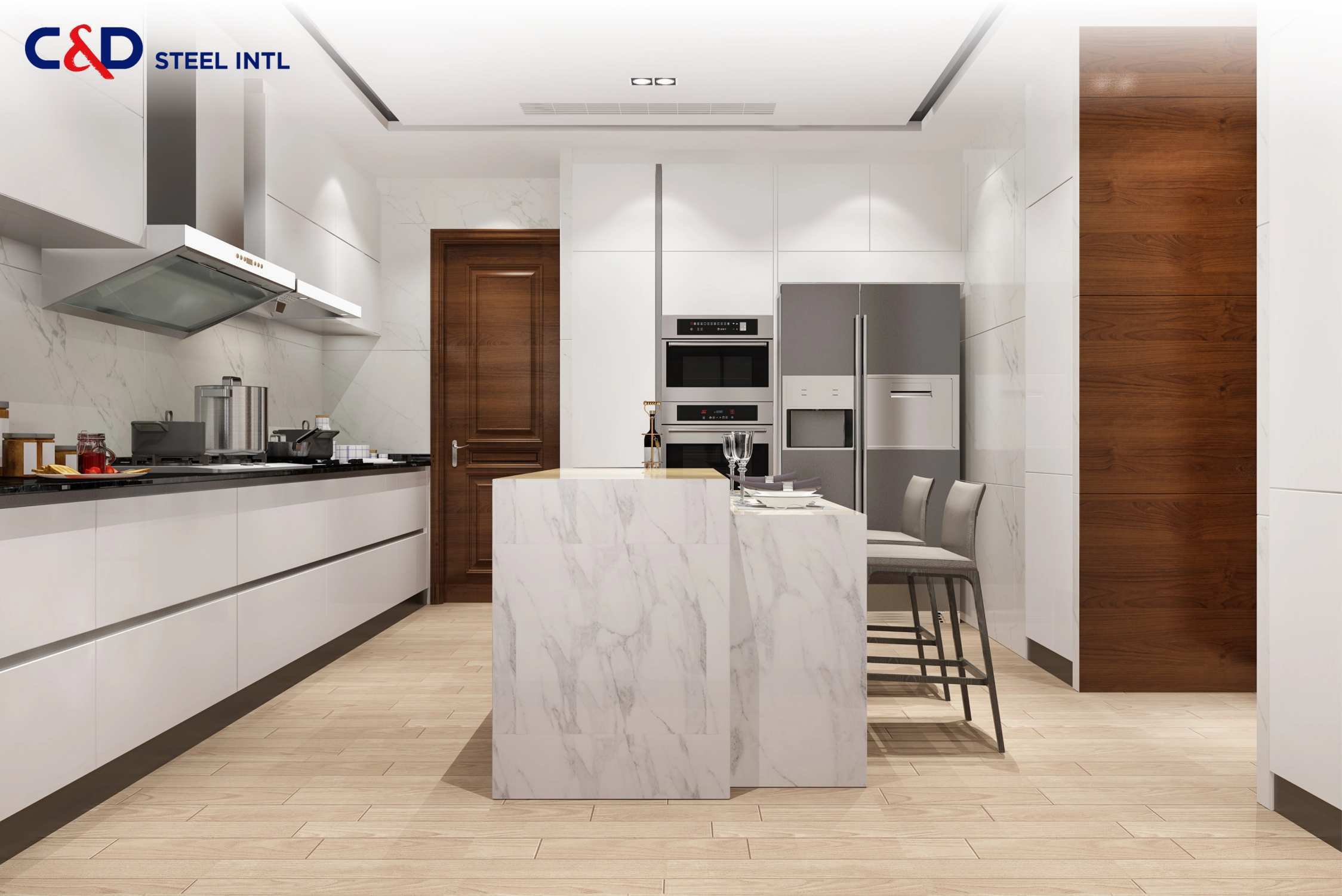
Stainless steel countertops, backsplashes, islands, and fireplace surrounds are increasingly specified in residential and hospitality projects, offering hygiene, heat resistance, and ease of maintenance.


Bathrooms and Wellness Areas

Custom stainless steel bathtubs and fixtures are selected for their corrosion resistance, thermal performance, and cleanability, especially in high-humidity environments.


Outdoor and Semi-Outdoor Applications

For exterior screens, landscape elements, and outdoor architectural details, stainless steel provides long-term weather resistance, even in coastal or tropical climates.


Our Stainless Steel Product Range

To support diverse architectural and construction needs, we supply a comprehensive range of stainless steel products, including:

Common Grades

  • 304 / 304L – General-purpose grade with excellent corrosion resistance and formability, widely used in architectural and interior applications
  • 316 / 316L – Enhanced corrosion resistance, suitable for coastal, high-humidity, and chemically exposed environments
  • 430 – Cost-effective ferritic grade for decorative and non-critical structural uses


Product Forms

  • Stainless steel coils and sheets
  • Plates for structural and fabricated components
  • Custom-cut sizes to meet project-specific requirements


Surface Finishes

  • 2B / BA
  • Brushed (No.4)
  • Polished
  • Patterned or coated finishes upon request


All products are supplied in compliance with international standards and are suitable for downstream fabrication, welding, and finishing processes.


Supporting Sustainable and Responsible Construction

Stainless steel aligns naturally with sustainability and ESG objectives:

  • Long service life reduces material replacement
  • Low maintenance minimizes lifecycle costs
  • 100% recyclability supports circular economy principles

Our supply chain continues to focus on quality consistency, material traceability, and responsible sourcing to support long-term project performance.


Partnering With Global Projects

We CHEONGFULI works closely with architects, fabricators, contractors, and developers worldwide to deliver stainless steel solutions that balance performance, aesthetics, and cost efficiency. From material selection to logistics coordination, our team supports projects across multiple regions and application scenarios.


Looking Ahead

As architectural design continues to evolve toward low-carbon, durable, and visually refined materials, stainless steel will remain a key component of the modern built environment.


We remain committed to providing reliable stainless steel solutions that meet the technical and design demands of global construction and design projects.


Related Steel Products

https://www.cflsteel.comhttps://www.cflsteel.com/product/cold-rolled-stainless-steel-coils


Tinplate vs. Tin-Coated Steel Key Differences and Best Uses

Selecting the right corrosion-resistant steel often comes down to choosing between tinplate and tin-coated steel sheets including thin tin coated sheet tin-coated cold rolled steel sheet and carbon steel tin coated sheet While both offer excellent rust protection they differ significantly in composition manufacturing processes and ideal applications.


What Is Tinplate

Tinplate consists of a thin steel sheet coated with an extremely fine layer of tin typically measuring between 01 to 20 microns This material is generally produced from low-carbon steel and undergoes a precise electrolytic tinning process to achieve uniform coating distribution.

The material features an exceptionally thin tin layer that provides outstanding corrosion resistance while remaining completely non-toxic and food-safe Its excellent formability and weldability make it particularly suitable for precision applications.

Common applications include food and beverage packaging such as canned goods and aerosol containers as well as battery casings and decorative packaging solutions where a lightweight yet protective material is required.


What Is Tin-Coated Steel

Tin-coated steel sheets including tin-coated cold rolled steel sheet and carbon steel tin coated sheet represent steel products with substantially thicker tin coatings compared to traditional tinplate These sheets are manufactured through either hot-dipping or electroplating processes applied to cold-rolled steel substrates.

These materials feature a more substantial tin coating that enhances durability while maintaining the inherent strength of the cold-rolled steel base The thicker coating improves solderability and provides superior resistance to oxidation and environmental degradation.


Typical applications include automotive components such as fuel tanks and radiator parts electronic shielding solutions and industrial containers that demand both structural integrity and corrosion protection.


Key Differences: Tinplate vs. Tin-Coated Steel

Feature Tinplate Tin-Coated Steel (Cold Rolled)
Base Material Low-carbon steel Cold-rolled steel (stronger)
Coating Thickness Very thin (0.1–2.0 µm) Thicker (2.0–12.0 µm)
Manufacturing Process Electrolytic tinning Electroplating or hot-dip coating
Strength Moderate Higher (due to cold-rolled base)

What Is Heavy Steel Plate?


What Is Heavy Steel Plate?


Heat resistant steel plate


Heavy steel plate refers to any steel plate that is 6mm thick or more. These plates come in a wide variety of grades and are widely used across construction, mining, energy, and automotive industries. Heavy steel plates are most commonly applied in structural and building projects, where strength and stability are essential.


Common Grades of Heavy Steel Plate


Cheongfuli offers a full range of heavy plate grades, including:

  • Structural steel: SS400, S235JR, S355JR, Q235

  • Wear-resistant steel: NM400, NM450, NM500

  • Weathering steel: A588 GrA/B, A709HPS50W/70W

  • Pressure vessel steel: A516 Gr70, A537 Cl1/Cl2

  • Shipbuilding steel: ABS-A, AH32, AH36, DH36, EH36, E40

  • Offshore steel: API 2W, API 2H


Each grade is alloyed to enhance strength, hardness, and durability, making these plates ideal for heavy-duty structural and industrial use.


Material Testing of Heavy Plate


As plate thickness increases, the risk of internal laminations—tiny defects formed during the rolling process—also rises. These flaws can reduce a plate’s structural integrity if left undetected.


To ensure quality, buyers often request Ultrasonic Testing (UT). This advanced inspection uses high-frequency sound waves to detect hidden layers, folds, or trapped gases, guaranteeing that your heavy steel plate is structurally sound and safe for demanding applications.


Sourcing Heavy Steel Plate with Cheongfuli


When sourcing heavy plate, it’s important to choose a reliable supplier with:

  • A wide inventory of diverse steel grades, including rare specifications

  • Strong global logistics and technical support


With over 9 domestic and 26 overseas offices and a professional sourcing team, Cheongfuli (Xiamen) Co., Ltd. ensures timely delivery and consistent quality for every heavy plate order.


Contact Us

Whether for construction, shipbuilding, or pressure vessel projects, Cheongfuli can provide the right heavy steel plate to match your specifications.


Email: cfloffice@chinacnd.com
Website: www.cflsteel.com

Tel : 0592-2592583
WhatsApp : +8617319312767
What Is Zinc-Aluminum-Magnesium (Zn-Al-Mg) Coated Steel?

Introduction: Why Zn-Al-Mg Coated Steel Is Gaining Global Attention

In construction, roofing, and industrial manufacturing, corrosion resistance has become a decisive factor in material selection. Traditional solutions such as galvanized steel and Al-Zn coatings are increasingly challenged in coastal, industrial, and agricultural environments.


As a result, Zinc-Aluminum-Magnesium (Zn-Al-Mg) coated steel has emerged as a next-generation solution.


This article explains what Zn-Al-Mg coated steel is, how it works, why it outperforms conventional coatings, and where it delivers the greatest value.


What Is Zinc-Aluminum-Magnesium (Zn-Al-Mg) Coated Steel?

Zn-Al-Mg coated steel is a hot-dip coated steel product featuring an advanced zinc-based alloy coating containing aluminum and magnesium. This coating system was first industrialized in Japan and later standardized globally under:

  • ASTM A1046 / A1046M (Type 1)
  • EN 10346 (ZM series)
  • JIS G 3323

Note: “ZAM®” is a registered trademark of Nippon Steel.

Zn-Al-Mg is used here as a generic technical description of zinc-aluminum-magnesium coating systems.

Typical Coating Composition

  • Zinc (Zn): approx. 90–96%
  • Aluminum (Al): approx. 1–8%
  • Magnesium (Mg): approx. 1–4%

By combining:

  • Zinc’s sacrificial protection
  • Aluminum’s barrier effect
  • Magnesium’s corrosion-inhibiting and self-healing behavior

Zn-Al-Mg coated steel delivers significantly enhanced durability compared to conventional galvanized products.


Zn-Al-Mg Coated Steel Specifications

  • Thickness: 0.20 – 3.30 mm
  • Width: Up to 1,980 mm
  • Coating mass: ZM120 / ZM180 / ZM275 / ZM310
  • Standards: ASTM A1046 Type 1 / EN 10346 / JIS G 3323
  • Steel grades: CS, FS, DS, DDS, HSLA
  • Supply form: Coil, sheet, cut-to-length, slit strip


Why Zn-Al-Mg Coated Steel Offers Superior Corrosion Resistance

1. Multi-Layer Protective Mechanism

When exposed to moisture and oxygen, Zn-Al-Mg coatings form a dense and stable corrosion product layer enriched with aluminum and magnesium compounds. This layer significantly slows corrosion progression.

Independent laboratory tests show that Zn-Al-Mg coated steel:

  • Resists red rust 10–20 times longer than standard galvanized steel
  • Performs exceptionally well in salt spray and cyclic corrosion tests
  • Maintains coating integrity under aggressive conditions

2. Excellent Cut-Edge and Self-Protection Performance

One of the most important advantages of Zn-Al-Mg coated steel is its cut-edge protection.

Thanks to the presence of magnesium:

  • Protective corrosion products migrate toward exposed steel edges
  • Cut edges and drilled holes are actively protected
  • Additional edge painting is often unnecessary

Compared to conventional galvanized coatings, Zn-Al-Mg steel shows dramatically reduced edge corrosion, even after prolonged exposure.


Formability and Fabrication

Zn-Al-Mg coated steel offers workability similar to galvanized steel:

  • Good bending and roll-forming behavior
  • Suitable for complex profiles and standing seam roofing
  • Compatible with standard forming equipment

Welding and cutting should follow standard zinc-coated steel practices, with proper ventilation and parameter control.


Environmental and Sustainability Benefits

Zn-Al-Mg coated steel supports sustainability objectives by:

  • Reducing zinc consumption for equivalent corrosion resistance
  • Lowering lifetime material replacement frequency
  • Being 100% recyclable
  • Minimizing environmental zinc runoff

Longer service life directly translates into a lower total carbon footprint over the product lifecycle.


Typical Applications of Zn-Al-Mg Coated Steel

Roofing and Cladding (Especially Coastal Areas)

  • Residential and commercial roofing systems
  • Standing seam and trapezoidal profiles
  • Excellent performance in marine environments

Industrial and Agricultural Facilities

  • Warehouses and logistics centers
  • Livestock buildings and fertilizer storage
  • High resistance to ammonia and chemical exposure

Infrastructure and Energy

  • Solar mounting structures
  • Cable trays and electrical enclosures
  • Highway and transportation components

Manufacturing and Automotive

  • Structural components
  • Underbody parts requiring enhanced corrosion resistance

Zn-Al-Mg vs Galvanized vs Al-Zn Coated Steel


Property Zn-Al-Mg Al-Zn Galvanized
Coating system Zn-Al-Mg Al-Zn-Si Zn
Corrosion resistance Excellent Good Moderate
Cut-edge protection Excellent Limited Poor
Coastal performance Excellent Limited Poor
Service life Long Medium Short

Initial cost

Medium-High Medium Low


Although Zn-Al-Mg coated steel may carry a higher initial cost, its longer service life and reduced maintenance often result in a lower total cost of ownership.


Why Choose Cheongfuli (Xiamen) Co., Ltd.?

Advanced Corrosion Protection & Long-Term Durability

Our Zinc-Aluminum-Magnesium (Zn-Al-Mg) coated steel products are manufactured under strict quality control systems with high process consistency. The advanced zinc-based alloy coating, enriched with aluminum and magnesium, provides significantly enhanced corrosion resistance, excellent coating adhesion, and superior cut-edge protection.

Compared with conventional galvanized steel, Zn-Al-Mg coated steel offers longer service life, improved resistance in coastal, industrial, and high-humidity environments, and reduced maintenance requirements. These advantages make our products ideal for outdoor construction, roofing and cladding systems, infrastructure projects, agricultural facilities, and industrial applications, delivering stable and reliable performance under demanding service conditions.


Professional Technical Support & Application Expertise

At Cheongfuli (Xiamen) Co., Ltd., we offer more than just the supply of Zn-Al-Mg coated steel. Our experienced technical team provides comprehensive support, including guidance on:

  • Steel grades and mechanical properties
  • Zn-Al-Mg coating weights and standards
  • Surface finishes and processing options
  • Forming, cutting, and welding recommendations
  • Application-specific performance and cost optimization

By working closely with our customers, we help ensure optimal material selection, efficient processing, and long-term reliability, enabling superior project performance and overall value.

5 Common Mistakes Beginners Make When Using Agricultural Drones And How to Avoid Them

Agricultural drones are transforming modern farming by improving efficiency, precision, and productivity. However, for new users, improper operation and maintenance can quickly reduce performance, shorten service life, or even create safety risks.

Based on real-world field experience, here are five common mistakes beginners often make when using agricultural drones, along with practical recommendations to help you avoid them and get the most value from your investment.


1. Skipping Post-Operation Cleaning

One of the most frequent mistakes is not cleaning the drone after spraying operations. Fertilizers, pesticides, and other agrochemicals are often corrosive. If residue is left inside the spraying system, pump, pipes, or nozzles, it can lead to blockages, uneven spraying, and long-term corrosion.

Best practice:

  • Rinse the spraying system thoroughly with clean water after each operation
  • Flush nozzles, filters, and hoses
  • Wipe down exposed surfaces to prevent chemical buildup

Regular cleaning not only protects key components but also ensures consistent spraying performance.


2. Ignoring Pre-Flight Inspections

Many beginners are eager to take off and overlook basic pre-flight checks, assuming the drone is always ready to fly. This can be risky. Loose propellers, worn hoses, low battery voltage, or sensor issues can all affect flight stability and safety.

Best practice:

Before every flight, check:

  • Propellers and motor mounts
  • Battery status and connections
  • Spray system integrity (no leaks or blockages)
  • Sensors and positioning systems

A short inspection can prevent costly failures and downtime.


3. Flying Without Proper Calibration

Calibration is essential for accurate and stable drone operation, yet it is often skipped by new users.

Improper calibration can lead to:

  • Inaccurate altitude control
  • Unstable hovering
  • Uneven spray distribution

Best practice:

  • Calibrate the compass and sensors when operating in a new location
  • Recalibrate after firmware updates or long-distance transport
  • Follow manufacturer guidelines strictly

Correct calibration improves precision and ensures reliable operation in the field.


4. Overloading the Drone

Trying to maximize efficiency by overloading the tank is another common beginner mistake.

Exceeding the recommended payload can:

  • Reduce flight stability
  • Increase motor and battery wear
  • Shorten flight time
  • Raise safety risks during takeoff and landing

Best practice:

  • Always operate within the specified payload limits
  • Adjust load based on altitude, temperature, and wind conditions

Respecting design limits helps maintain performance and extends the drone's lifespan.


5. Neglecting Software and Data Management

Agricultural drones are not just flying machines; they are data-driven tools. Many beginners focus only on hardware and ignore software updates, flight logs, and mission data.

This can limit efficiency and lead to missed optimization opportunities.

Best practice:

  • Keep firmware and apps up to date
  • Review flight logs and spraying data regularly
  • Use mapping and planning tools to improve coverage and accuracy

Smart data use leads to better decisions and more efficient operations.


Agricultural drones are powerful tools, but their performance depends heavily on correct operation and maintenance. By avoiding these common beginner mistakes, operators can improve safety, extend equipment life, and achieve more consistent results in daily farming tasks.


At TopXGun, we bring years of expertise in UAV design, R&D, and manufacturing, providing agricultural drone solutions developed by an experienced and professional team. For more insights, product information, and application tips, visit www.topxgunag.com

Are Agricultural Drones Suitable for Small and Medium-Sized Farms?


Agricultural drones are often associated with large-scale farming operations, but in recent years, more small and medium-sized farms have started to adopt this technology. The question many growers ask is simple: Are agricultural drones really practical for farms with limited acreage and budgets?

The short answer is yes—when used correctly, agricultural drones can be a cost-effective and flexible tool for small and medium-sized farms.


Lower Entry Barriers Than Traditional Equipment

Compared with large ground sprayers or manned aircraft, agricultural drones require less upfront investment, minimal infrastructure changes and no need for wide access roads or flat terrain. For farms that operate on uneven land, hillsides, orchards, or fragmented plots, drones offer an advantage that traditional machinery often cannot match.


Flexible Operation for Different Crop Types

Small and medium-sized farms frequently grow multiple crops rather than a single large-scale variety. Agricultural drones can easily adapt to this diversity.

They are commonly used for field crops such as wheat, rice, and corn, orchards and vineyards, vegetables and specialty crops. Adjustable spray parameters and flight planning allow operators to tailor each operation to specific crop needs, improving effectiveness without overuse of inputs.


Reduced Labor Pressure

Labor availability remains a challenge for farms of all sizes. Drones help reduce reliance on manual spraying and time-consuming fieldwork.

With a single operator, drones can cover fields quickly, perform precise spraying in short time windows, reduce physical workload and exposure to chemicals. This makes them especially suitable for family-run farms or operations with limited staff.


Improved Efficiency With Targeted Application

For smaller farms, input costs often account for a significant portion of total expenses. Agricultural drones support targeted application, helping farmers apply chemicals only where needed.

This leads to lower pesticide and fertilizer consumption, more uniform crop growth and reduced risk of over-application. Over time, these efficiency gains can offset the initial investment in drone equipment.


Easier Learning Curve Than Expected

Modern agricultural drones are designed with usability in mind. Features such as automated flight planning, stable altitude control, and obstacle awareness make operation more accessible—even for first-time users.

With basic training, many small and medium-sized farm operators can learn drone operation quickly, perform routine maintenance themselves and integrate drones into regular farm workflows


Agricultural drones are not only suitable for large enterprises. For small and medium-sized farms, they offer flexibility, efficiency, and better control over daily operations.

As farming becomes more data-driven and time-sensitive, drones help smaller farms stay competitive while managing costs and labor more effectively.

TopXGun develops agricultural drones with real-world farming conditions in mind. Our solutions are designed to support farms of all sizes, helping growers improve efficiency and productivity without unnecessary complexity.