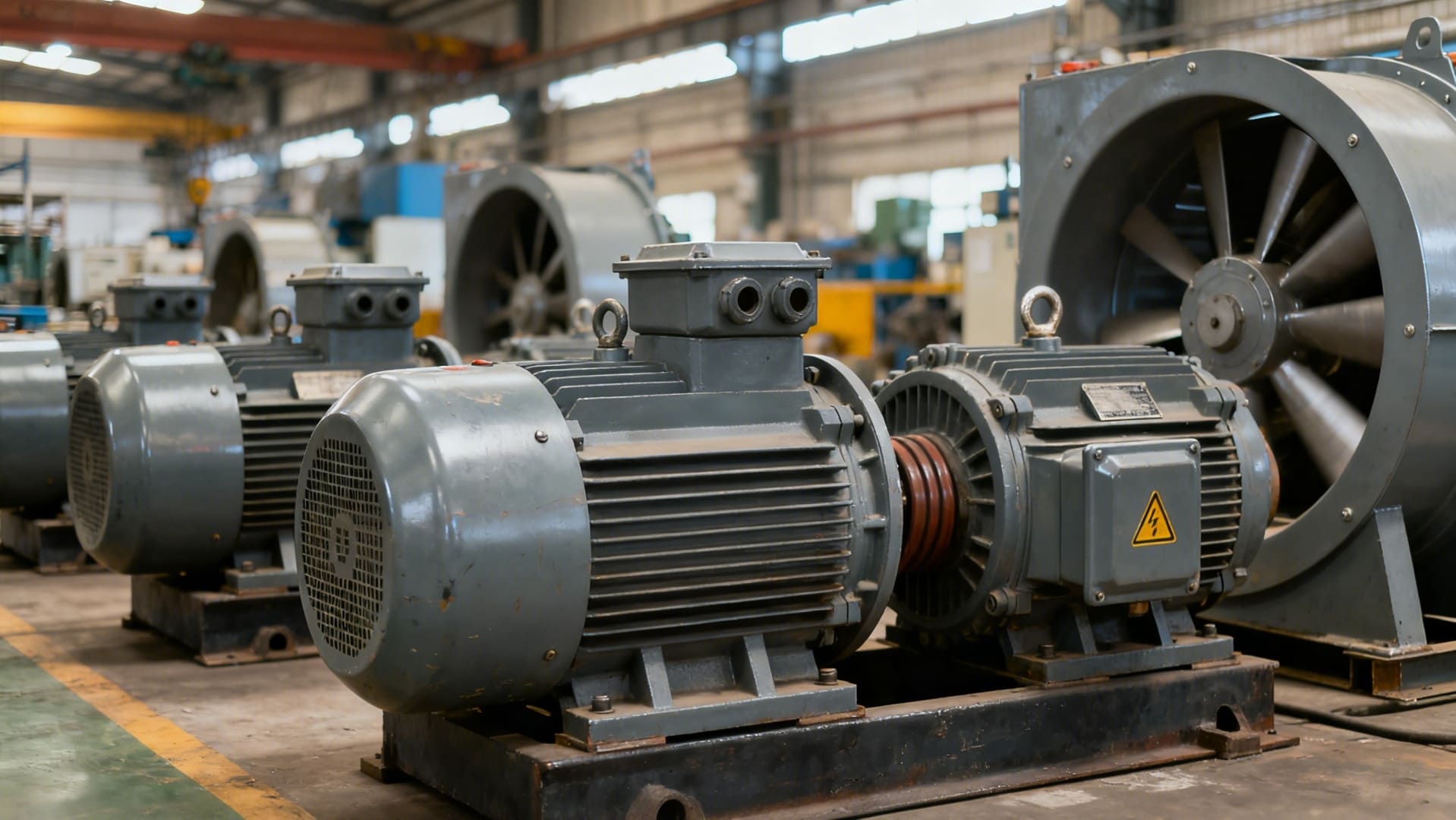
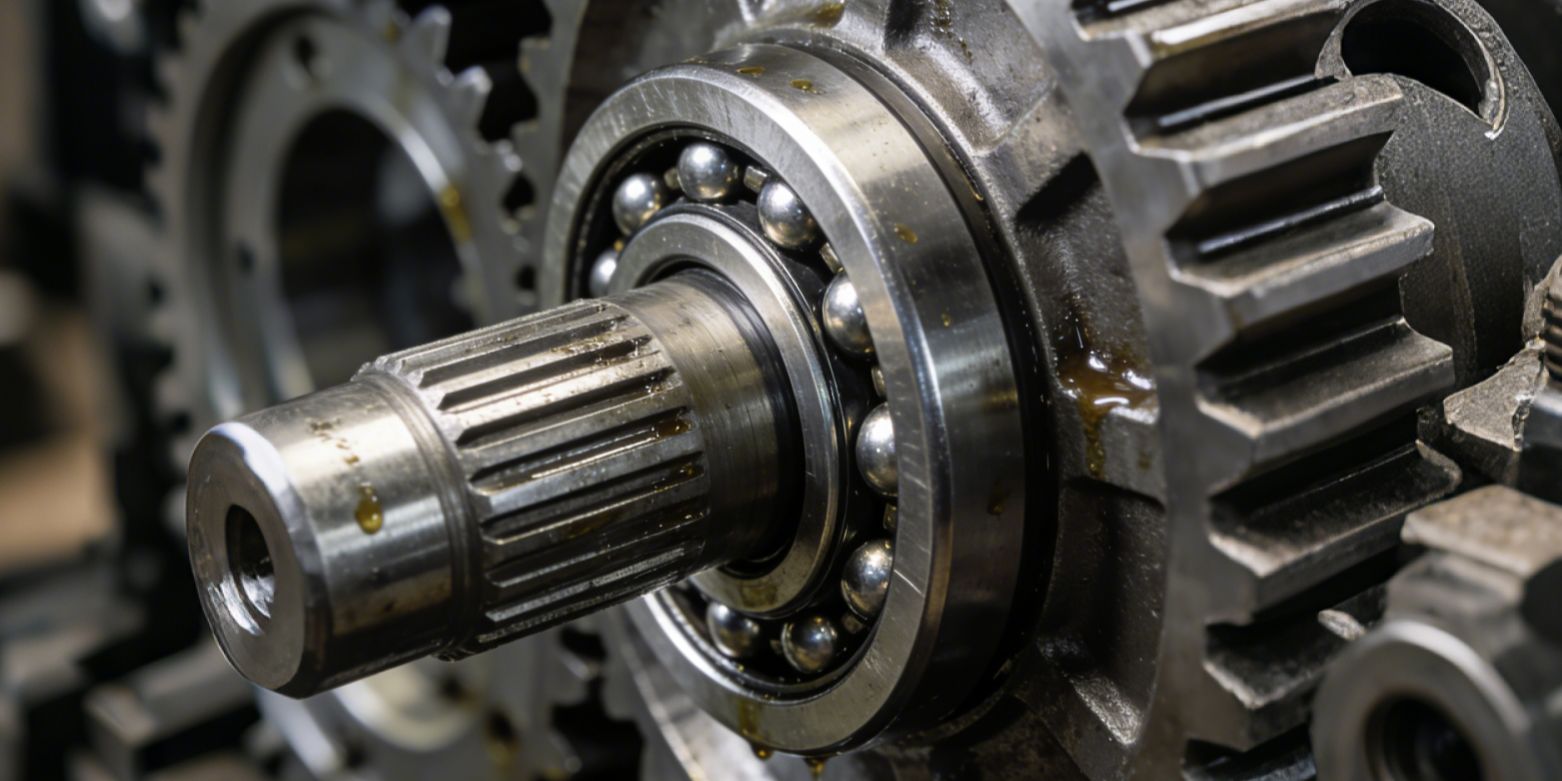
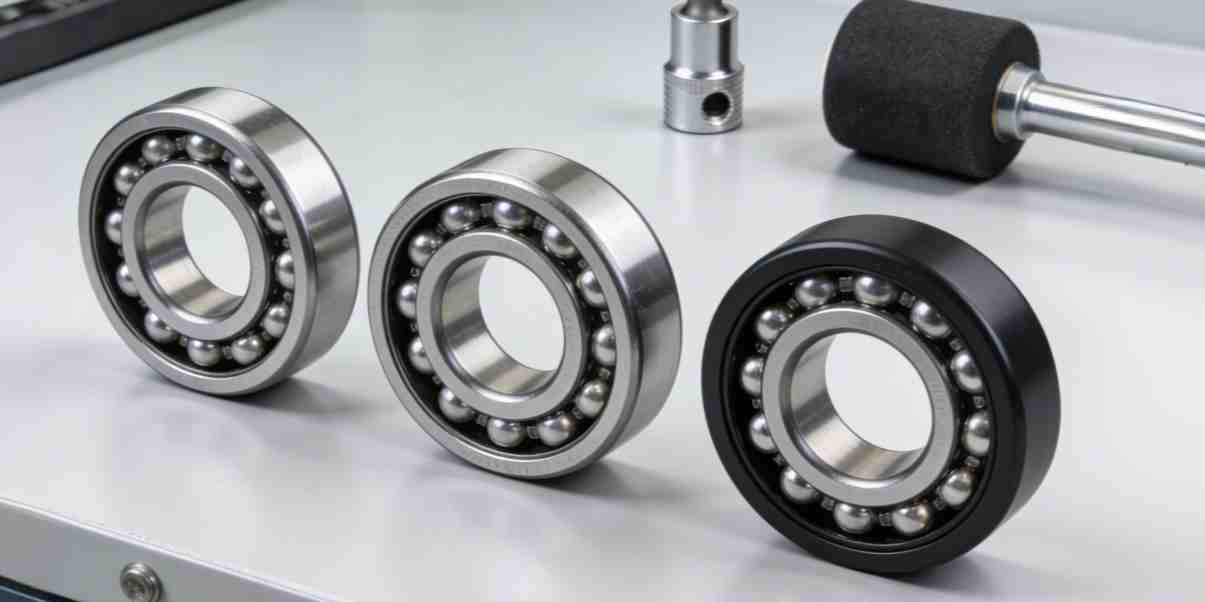
Comprehensive Guide to Chemical Centrifugal Pumps From Features to Installation
Comprehensive Guide to Chemical Centrifugal Pumps: From Features to Installation
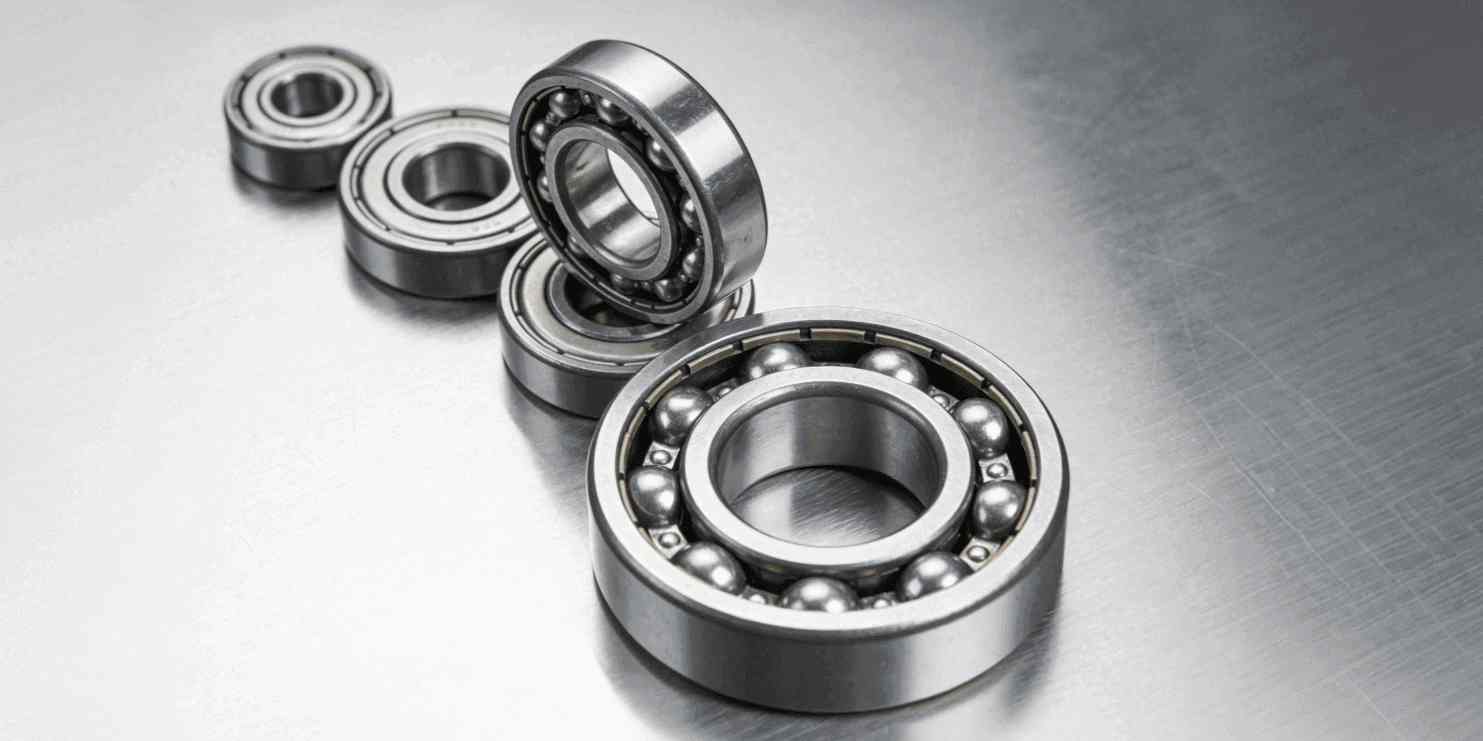
 

1.Overview of Chemical Centrifugal Pumps

Chemical centrifugal pumps, as reliable assistants in the chemical industry, have gained widespread popularity due to their outstanding performance characteristics, such as wear resistance, uniform water output, stable operation, low noise, easy adjustment, and high efficiency. Their working principle involves the generation of centrifugal force when the impeller rotates while the pump is filled with water. This force pushes the water in the impeller channels outward into the pump casing. Subsequently, the pressure at the center of the impeller gradually decreases until it falls below the pressure in the inlet pipe. Under this pressure differential, water from the suction pool continuously flows into the impeller, enabling the pump to sustain water suction and supply. With the growing demand for chemical centrifugal pumps across various industries, it is essential to delve into their technical details. Next, Anhui Shengshi Datang will explore 20 technical questions and answers about chemical centrifugal pumps with you, unveiling the technical mysteries behind them.


2.Performance Characteristics of Chemical Centrifugal Pumps

Chemical centrifugal pumps are highly favored for their wear resistance, uniform water output, and other features. They possess multiple characteristics, including adaptability to chemical process requirements, corrosion resistance, tolerance to high and low temperatures, resistance to wear and erosion, reliable operation, minimal or no leakage, and the ability to transport liquids in critical states.


3.Technical Details of Chemical Centrifugal Pumps

a. Definition and Classification

Chemical centrifugal pumps are devices that generate centrifugal force through impeller rotation and can be classified into vane pumps, positive displacement pumps, etc. Based on their working principles and structures, chemical pumps are categorized into vane pumps, positive displacement pumps, and other forms. Vane pumps utilize the centrifugal force generated by impeller rotation to enhance the mechanical energy of liquids, while positive displacement pumps transport liquids by altering the working chamber volume. Additionally, there are special types like electromagnetic pumps, which use electromagnetic effects to transport conductive liquids, as well as jet pumps and airlift pumps that utilize fluid energy to convey liquids.


b. Advantages and Performance Parameters

Centrifugal pumps offer high flow rates, simple maintenance, and core metrics such as output power and efficiency. Centrifugal pumps exhibit several notable advantages in application. First, their single-unit output provides a large and continuous flow without pulsation, ensuring smooth operation. Second, their compact size, lightweight design, and small footprint reduce costs for investors. Third, the simple structure, minimal vulnerable parts, and long maintenance intervals minimize operational and repair efforts. Furthermore, centrifugal pumps feature excellent adjustability and reliable operation. Notably, they require no internal lubrication, ensuring the purity of the transported fluid without contamination from lubricants.


 c. Types of Losses and Efficiency

Main hydraulic losses include vortex, resistance, and impact losses, with efficiency being the ratio of effective power to shaft power. Hydraulic losses in centrifugal pumps, also known as flow losses, refer to the difference between theoretical head and actual head. These losses occur due to friction and impact during liquid flow within the pump, converting part of the energy into heat or other forms of energy loss.

Hydraulic losses in centrifugal pumps primarily consist of three components: vortex loss, resistance loss, and impact loss. These combined effects create the difference between theoretical and actual head. The efficiency of a centrifugal pump, also called mechanical efficiency, is the ratio of effective power to shaft power, reflecting the extent of energy loss during operation.


d. Speed and Power

Speed affects flow rate and head, with power measured in watts or kilowatts. The speed of a centrifugal pump refers to the number of rotations the pump rotor completes per unit time, measured in revolutions per minute (r/min). The power of a centrifugal pump, or the energy transmitted to the pump shaft by the prime mover per unit time, is also known as shaft power, typically measured in watts (W) or kilowatts (KW).


e. Head and Flow Rate

When speed changes, flow rate and head vary according to square or cubic relationships. Adjusting the speed of a centrifugal pump alters its head, flow rate, and shaft power. For unchanged media, the ratio of flow rate to speed exceeds the speed itself, while the ratio of head to speed equals the square of the speed ratio. Meanwhile, the ratio of shaft power to speed equals the cube of the speed ratio.


f. Number of Blades and Materials

The number of blades typically ranges from 6 to 8, with materials requiring corrosion resistance and high strength. The number of blades in a centrifugal pump impeller is a critical parameter directly affecting pump performance. Generally, the blade count is set based on specific applications and needs, ensuring efficient and stable operation. Common manufacturing materials include gray cast iron, acid-resistant silicon iron, alkali-resistant aluminum cast iron, chromium stainless steel, etc.


g. Pump Casing and Structure

The pump casing collects liquid and increases pressure, with common structures including horizontal split-type designs. The pump casing plays a vital role in centrifugal pumps. It not only collects liquid but also gradually reduces liquid velocity through specific channel designs. This process effectively converts part of the kinetic energy into static pressure, enhancing liquid pressure while minimizing energy loss due to oversized channels. Common pump casing structures include horizontal split-type, vertical split-type, inclined split-type, and barrel-type designs.


With the continuous updates in process technology for chemical enterprises, stricter demands are placed on the stable operation of chemical centrifugal pumps. These pumps play a crucial role in the chemical industry, where their performance stability directly impacts the smoothness of the entire production process. Therefore, a deep understanding and rational selection of pump casing support forms are essential for ensuring the stable operation of chemical centrifugal pumps.

Discussion on the Maintenance of Submersible Pumps

Welcome everyone to join Anhui Shengshi Datang in learning about submersible pumps.

 Common Faults of Submersible Pumps

1. Electric Leakage

Electric leakage is one of the most common and dangerous faults in submersible pumps, as it poses a serious threat to human safety. When the switch is turned on, the leakage protection device in the transformer distribution room may automatically trip. Without such protection, the motor could burn out. Water entering the pump body lowers the insulation resistance of the submersible pump. Long-term use can cause wear on the sealing surfaces, allowing water to seep in and create leakage.

Once leakage occurs, the motor should be removed and dried in an oven or with a 100–200 Ω lamp. Afterward, replace the mechanical seal, reassemble the pump, and then it can be safely operated again.

2. Oil Leakage

Oil leakage in a submersible pump is mainly caused by severe wear or poor sealing of the oil seal box. When oil leakage occurs, oil stains can often be seen near the water inlet. Remove the screws at the inlet and carefully inspect the oil chamber for water intrusion. If water is found inside, it indicates poor sealing and the oil seal box should be replaced immediately to prevent water from entering the oil chamber and damaging the motor.

If oil stains appear around the cable connection, the leakage is likely from inside the motor, possibly due to a cracked joint or substandard lead wire. After identifying the cause, replace the defective parts and check the motor’s insulation. If the insulation is compromised, replace the oil inside the motor with fresh oil.

3. Impeller Does Not Rotate After Power-On

If the pump emits an AC humming sound when powered on but the impeller does not rotate, cut off the power and try to manually rotate the impeller. If it does not move, it is jammed and the pump must be disassembled for inspection. If the impeller moves freely but still does not rotate when powered, the likely cause is worn bearings. The magnetic field generated by the stator may attract the rotor, preventing it from turning. When reassembling the pump, ensure the impeller rotates freely to eliminate this issue.

4. Low Water Output

After removing the rotor, check whether it rotates smoothly. When dismantling the pump, inspect for looseness between the lower part of the pump and the bearing. If the rotor has dropped, it means the rotor’s rotational force is reduced, resulting in decreased power output. Place an appropriate washer between the bearing and the rotor, reassemble the pump, and perform a test run to gradually identify and resolve the fault.

   Submersible Pump Maintenance

1. Correct Assembly and Disassembly Methods

Before disassembly, mark the joint between the end cover and the base to ensure proper alignment during reassembly and avoid shaft misalignment. After removing the impeller, use the heat expansion and cold contraction method — heating and lightly tapping to detach it. During disassembly, carefully inspect the winding for damage and analyze the cause. When removing damaged windings, protect the iron core and plastic insulating rings to prevent damage to insulation or electromagnetic components. Always use proper tools and techniques to avoid harming other parts. 

2. Analysis of Winding Burnout Causes

During motor disassembly, avoid moving the assembly excessively to prevent grounding or short circuits when installing new windings. When rewinding, always use wires from reliable manufacturers to ensure quality. For low-insulation areas, use insulation materials of sufficient thickness and ensure padding is properly installed. Do not use sharp tools to scrape the wires during winding, as this may damage insulation.

3. Proper Waterproof Insulation of Cable Joints

At the joint, remove the sheath and insulation layer, and clean any oxidation from the copper wire surface. Wrap the connection securely with polyester adhesive tape to form a mechanical protective layer and ensure waterproof insulation. 

4. Preparations Before Powering On

Before energizing the motor, fill it with clean water to help cool the windings and provide lubrication. Operating the motor without water can cause severe damage. In winter, be sure to drain the water from the motor to prevent freezing and cracking.

5. Correct Application of Insulating Varnish to Motor Coils

After forming the stator, immerse it completely in insulating varnish for about 30 minutes before removing it. Then brush varnish evenly on the surface. Since varnish has high viscosity and poor penetration, brushing alone may not provide a uniform coating or meet required insulation quality standards.

   Proper Maintenance Practices

Proper maintenance is crucial for extending the service life and efficiency of submersible pumps. If the pump will not be used for an extended period, it should be removed from the well and all components should be inspected to prevent rusting. For pumps with long service history, disassemble and clean all internal parts, including removing screws and flushing sediment from the impeller. Severely worn components should be replaced promptly.

If rust is found, clean the affected areas, apply oil, and reassemble. Always check the sealing parts. Store electric pumps in a dry, well-ventilated place to prevent moisture damage. Add lubricating oil periodically, using low-viscosity, water-insoluble oil.


Avoid long-term overload operation or pumping water containing large amounts of sediment. When the pump runs dry, limit the duration to prevent motor overheating and burnout. During operation, the operator should continuously monitor the working voltage and water flow. If either exceeds the specified range, the motor should be stopped immediately to prevent damage.


Embarking on a journey of thousands of miles with a strong wind, bearing the weight of a thousand pounds and striving ahead once more


Visiting Liang Zhiquan, the Product Director of QSTECH CO., LTD. (QSTECH).


In the past few years, LED all-in-one machines have achieved significant success across various industries and sectors. Especially in areas like advertising, commerce, conferences, education, theaters, stadiums, exhibitions, and entertainment, LED all-in-one machines have become the mainstream display devices. However, there's one company that not only leads in the domestic LED display field but also holds the record for the highest market share in the LED integrated display industry in China*. This company is QSTECH CO., LTD. (referred to as "QSTECH" below). The editorial team of "LED display" had the privilege of interviewing Liang Zhiquan, the Product Director of QSTECH, to delve into the secrets behind QSTECH's success in the LED integrated display field.


Craftsmanship Creates Quality, Setting the Benchmark for Excellence


In recent years, QSTECH's LED all-in-one machines have consistently stood out due to their outstanding product quality and continuous innovation, earning the favor of consumers in the market. Liang Zhiquan explained, "QSTECH offers LED all-in-one machines with 16:9 aspect ratios in models ranging from 120 to 220 inches, with resolutions such as 2K and 4K; as well as ultra-wide 32:9 screens in models like 199, 249, and 299 inches with 4K resolution." The core strengths of QSTECH's LED all-in-one machines lie in their convenience through an intelligent system that introduces new application methods, energy efficiency and environmental friendliness through advanced power and system design, and exceptional display quality achieved through meticulous calibration using QSTECH's systems.


QSTECH places a strong emphasis on technological innovation and research and development, boasting a team of highly skilled engineers who continuously explore and study new technologies. They consistently launch high-quality LED integrated display products that meet the market's demands. "For four consecutive years, we have ranked first in both shipments and sales in the LED integrated display industry*," Liang Zhiquan proudly stated. In various industries and scenarios, such as large and medium-sized conference venues, exhibition halls, and small briefing rooms, QSTECH's LED all-in-one machines have been widely utilized. Liang Zhiquan expressed his pride, stating that QSTECH's products are highly integrated and user-friendly, evident in cases like the transformation of a crucial meeting room for a certain enterprise, where QSTECH's LED integrated display meets all application needs with a single power cable.


Seizing Opportunities, Planning Development, and Drawing a New Chapter


The era of the pandemic has accustomed people to remote work, including remote meetings and training among teams. In the post-pandemic era, communication, training, and other activities within and between companies are expected to experience explosive growth. With the diversification of businesses, the demand for large-sized, user-friendly LED all-in-one machines has surged for various local and remote meetings, trainings, and more. Liang Zhiquan believes that LED all-in-one machines will gradually replace traditional displays in spaces below 10 square meters or within spaces of 60 to 300 square meters, as the cost of LED all-in-one machines decreases, driving an accelerated rate of replacement.


QSTECH is poised to respond to this trend by focusing on customer needs, deeply understanding the current market, researching the demands of various stakeholders, and considering factors such as touch experience and visual quality to create products that align with user preferences. Liang Zhiquan noted, "QSTECH's integrated design combines receiver cards, power supplies, and interface boards on a single card with wireless connections. This design shift from 'soft connections' to 'hard connections' eliminates issues caused by aging cables or loose connections, enhancing product stability and reliability." According to related data, QSTECH has held the top market share in the Chinese LED integrated display industry from 2019 to 2022, and updated data shows that its market share exceeded 40% in Q1 of 2023*. Additionally, QSTECH boasts a highly skilled team that possesses deep understanding and mastery of their products, thus establishing a strong brand image and reputation in the market. This marks the beginning of a new chapter of high-quality development for QSTECH's LED all-in-one machines.


Forging Ahead on a New Journey, Riding the Momentum toward the Future


The underlying logic of LED all-in-one machines has evolved from complex engineering to user-friendly integration and high levels of integration. In the future, LED all-in-one machines are expected to appear in even more industries and application scenarios. Wherever a large-sized display is needed, LED all-in-one machines will have a presence. The convenience, energy efficiency, and exceptional display quality of LED all-in-one machines have transformed them from mere LED screens into versatile carriers of various applications. QSTECH is prepared to unleash its potential in the new journey of the future.


It's important to note that while LED all-in-one machines have proliferated like mushrooms after rain, not all products on the market are of high quality. Some products labeled as LED all-in-one machines have provided users with subpar experiences, causing good products to not spread as quickly as expected. Liang Zhiquan suggests that the industry should promptly improve the standards for LED all-in-one machines, ensuring that users have access to safe, user-friendly, and visually appealing LED integrated display products. In the future, QSTECH will further enhance technological innovation and research and development to provide users with higher quality, more advanced LED display products and services.


Lastly, Liang Zhiquan pointed out that Micro LED all-in-one machines are currently conceptual products. True full-process Micro LED all-in-one machines still face many technical challenges and cost pressures. However, looking at the development trend from a technological perspective and based on scenarios, there is significant market potential for Micro LED all-in-one machines in the future. Liang Zhiquan is confident that QSTECH will embrace the opportunities and challenges of the LED integrated display market and will surely make remarkable progress in the development of Micro LED all-in-one machines.


Start your extraordinary projects today!


Explain the working principle of magnetic pumps and the causes of demagnetization.

Magnetic pumps are commonly used pumps, and demagnetization is a relatively frequent cause of damage. Once demagnetization occurs, many people may find themselves at a loss, which could lead to significant losses in work and production. To prevent such situations, Anhui Shengshi Datang will briefly explain today why magnetic pumps experience demagnetization.


1. Magnetic Pump Structure and Principle

1.1 Overall Structure

The main components of a magnetic pump's overall structure include the pump, the motor, and the magnetic coupler. Among these, the magnetic coupler is the key component, encompassing parts such as the containment shell (isolating can) and the inner and outer magnetic rotors. It significantly impacts the stability and reliability of the magnetic pump.


1.2 Working Principle

A magnetic pump, also known as a magnetically driven pump, operates primarily on the principle of modern magnetism, utilizing the attraction of magnets to ferrous materials or the magnetic force effects within magnetic cores. It integrates three technologies: manufacturing, materials, and transmission. When the motor is connected to the outer magnetic rotor and the coupling, the inner magnetic rotor is connected to the impeller, forming a sealed containment shell between the inner and outer rotors. This containment shell is firmly fixed to the pump cover, completely separating the inner and outer magnetic rotors, allowing the conveyed medium to be transmitted into the pump in a sealed manner without leakage. When the magnetic pump starts, the electric motor drives the outer magnetic rotor to rotate. This creates attraction and repulsion between the inner and outer magnetic rotors, driving the inner rotor to rotate along with the outer rotor, which in turn rotates the pump shaft, accomplishing the task of conveying the medium. Magnetic pumps not only completely solve the leakage problems associated with traditional pumps but also reduce the probability of accidents caused by the leakage of toxic, hazardous, flammable, or explosive media.


1.3 Characteristics of Magnetic Pumps

(1) The installation and disassembly processes are very simple. Components can be replaced anywhere at any time, and significant costs and manpower are not required for repair and maintenance. This effectively reduces the workload for relevant personnel and substantially lowers application costs.

(2) They adhere to strict standards in terms of materials and design, while requirements for technical processes in other aspects are relatively low.

(3) They provide overload protection during the conveyance of media.

(4) Since the drive shaft does not need to penetrate the pump casing, and the inner magnetic rotor is driven solely by the magnetic field, a completely sealed flow path is truly achieved.

(5) For containment shells made of non-metallic materials, the actual thickness is generally below about 8 mm. For metallic containment shells, the actual thickness is below about 5 mm. However, due to the thick inner wall, they will not be punctured or worn through during the operation of the magnetic pump.


2. Main Causes of Demagnetization in Magnetic Pumps

2.1 Operational Process Issues

Magnetic pumps represent relatively new technology and equipment, requiring high technical proficiency during application. After demagnetization occurs, operational and process aspects should first be investigated to rule out problems in these areas. The investigation content includes six parts:

(1) Check the magnetic pump's inlet and outlet pipelines to ensure there are no issues with the process flow.

(2) Check the filter device to ensure it is free of any debris.

(3) Perform priming and venting of the magnetic pump to ensure no excess air remains inside.

(4) Check the liquid level in the auxiliary feed tank to ensure it is within the normal range.

(5) Check the operator's actions to ensure no errors occurred during operation.

(6) Check the maintenance personnel's operations to ensure they complied with relevant standards during maintenance.


2.2 Design and Structural Issues

After thoroughly investigating the above six aspects, a comprehensive analysis of the magnetic pump's structure is necessary. The sliding bearings play a cooling role when the magnetic pump conveys the medium. Therefore, it is essential to ensure sufficient medium flow rate to effectively cool and lubricate the gap between the containment shell and the sliding bearings, and the friction between the thrust ring and the shaft. If there is only one return hole for the sliding bearings and the pump shaft is not interconnected with the return hole, the cooling and lubrication effect can be reduced. This prevents complete heat removal and hinders maintaining a good state of liquid friction. Ultimately, this can lead to seizure of the sliding bearings (bearing lock-up). During this process, the outer magnetic rotor continues to generate heat. If the inner magnetic rotor's temperature remains within the limit, the transmission efficiency decreases but can potentially be improved. However, if the temperature exceeds the limit, it cannot be remedied. Even if it cools down after shutdown, the reduced transmission efficiency cannot recover to its original state, eventually causing the magnetic properties of the inner rotor to gradually diminish, leading to demagnetization of the magnetic pump.


2.3 Medium Properties Issues

If the medium conveyed by the magnetic pump is volatile, it can vaporize when the internal temperature rises. However, both the inner magnetic rotor and the containment shell generate high temperatures during operation. The area between them also generates heat due to being in a vortex state, causing the internal temperature of the magnetic pump to rise sharply. If there are issues with the magnetic pump's structural design, affecting the cooling effect, then when the medium is delivered into the pump, it may vaporize due to the high temperature. This causes the medium to gradually turn into gas, severely affecting the pump's operation. Additionally, if the static pressure of the conveyed medium within the magnetic pump is too low, the vaporization temperature decreases, inducing cavitation. This can halt the medium conveyance, ultimately causing the magnetic pump bearings to burn out or seize due to dry friction. Although the pressure at the impeller varies during operation, centrifugal force effects can cause very low static pressure at the pump inlet. When the static pressure falls below the vapor pressure of the medium, cavitation occurs. When the magnetic pump contacts the cavitating medium, if the cavitation scale is small, it might not significantly affect the pump's operation or performance noticeably. However, if the medium's cavitation expands to a certain scale, a large number of vapor bubbles form inside the pump, potentially blocking the entire flow path. This stops the flow of medium inside the pump, leading to dry friction conditions due to the ceased flow. If the pump's structural design results in an inadequate cooling effect, the containment shell temperature can become excessively high and cause damage, subsequently increasing the temperature of both the medium and the inner magnetic rotor.

Key Technical Points for Maintenance of Horizontal Multistage Centrifugal Pumps in Petrochemical Plants

The horizontal multistage centrifugal pump is a type of fluid machinery primarily used for liquid transportation. It features high delivery efficiency and can be applied to the transfer of crude oil and chemical products, intermediate process liquids, cooling and circulation systems, as well as waste treatment and discharge. A petrochemical plant typically operates thousands of horizontal multistage centrifugal pumps. Prolonged operation inevitably leads to wear and technical failures, which can reduce operating efficiency and increase both production costs and the risk of shutdowns for maintenance. Currently, the petroleum industry generally adopts the DG-2499Y horizontal multistage centrifugal pump. Anhui Shengshi Datang will conduct an in-depth analysis of its technical parameters, explore possible causes of technical failure, and propose targeted maintenance recommendations to provide a systematic repair plan, ensuring equipment stability and continuous plant operation.

   Technical Parameters

The horizontal multistage centrifugal pump consists of multiple pump stages connected in series, with each stage including an impeller and a corresponding diffuser. In each stage, the liquid gains kinetic energy through the impeller, which is then partially converted into pressure energy in the diffuser—thus progressively increasing the total output pressure of the pump.

This pump features a compact structure, ease of maintenance, and high efficiency in handling large flow rates, meeting high head requirements. Its rated flow ranges from 6 to 1000 m³/h, with a rated head between 40 and 2000 m. Operating speeds include 3500 r/min, 2900 r/min, 1750 r/min, and 1450 r/min, with a working frequency of 50 Hz or 60 Hz.

Taking the DG-2499Y horizontal multistage centrifugal pump as an example, its key technical features include:

 a. Two bearings installed on the front and rear shafts.

 b. The pump and motor are connected by an elastic pin coupling, with the motor rotating clockwise during operation.

 c. The suction inlet is set horizontally, while the discharge outlet is vertical.

 d. Bearings are lubricated with grease, and the shaft seal can be either a packing seal or a mechanical seal.

   Failure Cause Analysis

A. Dry Running Without Lubrication

Dry running occurs when the pump operates without sufficient lubrication due to failure or absence of lubricant. For the DG-2499Y pump, the bearings and shaft sleeves rely on lubrication to minimize friction and wear. Without lubrication, these parts can quickly wear out due to high friction and heat. The packing seal’s effectiveness may also decrease, leading to shaft seal failure and leakage. Excessive bearing wear can cause instability, resulting in impeller imbalance, increased vibration and noise, and reduced efficiency and lifespan. In extreme cases, complete bearing failure may occur, causing severe mechanical damage and shutdown.

B. Chemical Corrosion

In petrochemical applications, the DG-2499Y pump often handles chemically aggressive media such as crude oil, intermediate refinery products, and other chemical process fluids. These media may contain corrosive compounds such as sulfides, acids, and alkalis, which can attack metal components like impellers, shafts, and sleeves. Prolonged exposure leads to structural weakening, cracking, or pitting corrosion. Factors such as temperature, concentration, and flow velocity significantly affect corrosion rate. For instance, high temperatures accelerate corrosion, while high velocities can cause erosion–corrosion, where chemical attack and mechanical wear act simultaneously. Chemical reactions may also deteriorate packing and seal materials, reducing sealing performance and causing leakage or pump failure.

C. Overheating During Operation

During long-term operation, friction, poor heat dissipation, or high process fluid temperature may lead to overheating. Bearing overheating is common, often caused by insufficient or poor-quality lubricant. Under high-speed rotation, frictional heat between shaft sleeves can degrade material properties. Impellers and sealing rings may lose mechanical strength at elevated temperatures, reducing pump efficiency or causing structural damage. Insufficient flow in the recirculation or discharge lines can also lead to overheating, resulting in component fatigue, accelerated wear, and reduced service life.

D. Solid Particle Contamination

In petrochemical operations, pumps may be damaged by solid impurities in the conveyed medium—such as unreacted catalyst particles, sediments, corrosion products, or small debris. When these enter the pump, especially through the suction section and impeller, they increase wear on these components and reduce efficiency. Continuous particle erosion can severely wear sealing rings, shafts, and sleeves, leading to seal failure and performance degradation.

E. Cavitation

Cavitation occurs when the pressure at the suction side drops to or below the liquid’s vapor pressure, forming vapor bubbles that collapse in high-pressure regions. The resulting shock waves damage impellers and internal components. This phenomenon is common in petrochemical applications where volatile solvents or gases are present, especially under high-temperature or low-pressure conditions.

   Key Maintenance Techniques

A. Zero-Flow Issue After Startup

 a. When a DG-2499Y pump exhibits zero flow after startup, technicians should perform precise diagnostics:

 b. Use pressure testing instruments to verify system sealing, ensuring no gas or liquid leakage, especially at the shaft seal and packing areas. 

 c. Monitor flow and pressure readings to identify internal blockages or piping faults. 

 d. Check motor-pump alignment to ensure efficient power transmission through the coupling.

 e. Use infrared thermography to detect heat concentration indicating friction hotspots.

 f. Replace or repair faulty components (e.g., impellers, bearings) and realign using laser tools.

 g. Ensure all maintenance steps meet petrochemical safety and technical standards for stable operation.

B. Flow Rate Troubleshooting

 a. Flow issues often result from chemical corrosion, solid contamination, or cavitation. Maintenance should include:

 b. Evaluating the pump’s Q–H (flow–head) curve to determine deviations.

 c. Cleaning or replacing worn or fouled impellers.

 d. Inspecting and replacing worn sealing rings and bearings.

 e. Measuring actual vs. theoretical flow using flowmeters and adjusting inlet valves as needed.

 f. Checking for cavitation and optimizing NPSH (Net Positive Suction Head) conditions to prevent vapor ingestion.

 g. Detecting blockages or leaks in the pipeline with ultrasonic flow and pressure sensors and repairing as required.

C. Overload in the Drive System

 a. To resolve motor or drive overload:

 b. Conduct full performance tests using instruments like clamp ammeters and power analyzers to ensure operation within rated limits.

 c. Inspect impellers, bearings, and seals for wear or damage that may increase load.

 d. Remove internal blockages and ensure smooth fluid flow.

 e. Precisely align the pump and motor to reduce mechanical transmission losses.

D. Bearing Overheating

 a. Maintenance steps include:

 b. Using vibration analyzers to detect abnormal bearing vibration—an early sign of overheating.

 c. Regularly monitoring bearing temperature via infrared thermography; disassemble and replace damaged bearings when necessary.

 d. Inspecting and cleaning the lubrication and cooling systems to ensure proper lubricant flow and quality.

 e. Verifying correct bearing installation and alignment to minimize frictional heat.

E. Vibration Troubleshooting

 a. Pump vibration may result from impeller blockage or imbalance, misalignment, or loose components. Maintenance personnel should:

 b. Use vibration and laser alignment tools to diagnose misalignment.

 c. Adjust bearing preload to prevent overheating and vibration.

 d. Inspect impellers for damage or imbalance and perform dynamic balancing if necessary.

 e. Tighten all fasteners, including shaft sleeve nuts and bolts, to ensure structural stability and safe operation.

Long-Distance Transfer from Storage Tanks to Workshops Key Points for Magnetic Pump Selection

In industries such as chemicals, pharmaceuticals, and new materials, the tank farm area serves as a critical transfer point connecting raw material supply with workshop processes. Especially for long-distance liquid transfer from storage tanks to workshops, ensuring safety, sealing performance, and stable conveying becomes the core of equipment selection. Magnetic pumps, with their leak-free and explosion-proof structure, have become the preferred solution for transferring raw materials and finished products in tank farm systems.

1. Transfer Scenario: Challenges from the “Tank Area” to the Workshop

A “tank area” refers to the zone for raw material unloading, product loading, and intermediate material storage. In actual operations, liquids are transferred from tank trucks into storage tanks, typically within a distance of around 20 meters. Next, the material must be conveyed stably through pipelines to workshops located more than 50 meters away.

This type of transfer scenario has three typical characteristics:

A. Long distance and high head requirements: Pipeline lengths often exceed 50 meters; head must account for pipeline resistance and elevation differences.

B. Media are usually volatile or toxic: Such as alcohols, ketones, and organic solvents—requiring excellent system sealing.

C. High explosion-proof requirements and limited maintenance access: Usually located in hazardous areas, demanding reliable, low-maintenance equipment.

2. Why Magnetic Pumps Are Suitable for Tank Area Transfer

Shengshi Datang magnetic pumps use magnetic coupling drive and require no mechanical seals, eliminating leakage risks structurally. For toxic, flammable, or volatile media, magnetic pumps offer true zero-leakage performance.

Through optimized flow channels and efficient magnetic drive systems, Shengshi Datang magnetic pumps ensure stable output even during long-distance transfer, making them especially suitable for high-frequency transfers from tank farms to workshops.

3. Key Points for Pump Selection

A. Head Matching: For pipelines exceeding 50 meters, account for frictional and local resistance, as well as tank liquid level and workshop elevation. It is recommended to design the pump head at 1.2× the actual requirement as a safety margin.

B. Material Selection: Wetted parts should be selected according to the medium’s corrosiveness—stainless steel, fluoroplastic lining, or other corrosion-resistant materials.

C. Flow Rate Determination: Select based on unloading or process requirements, generally using the maximum required flow to avoid insufficient feeding or frequent start–stop cycles.

D. Motor Configuration: Use explosion-proof motors, with a grade not lower than EX d IIB T4, matching the operating conditions to ensure long-term safe operation.

E. Cooling Structure: For easily vaporized liquids, choose magnetic pumps with auxiliary cooling circuits to prevent demagnetization of the inner magnet or local cavitation in the pump chamber.

4. Reference Case

At a fine chemical plant in East China, ethanol is transferred from the tank area to a workshop around 55 meters away. Initially, mechanical-seal centrifugal pumps were used, but frequent leakage and long maintenance cycles caused issues. They were later replaced with fluoroplastic-lined magnetic pumps equipped with explosion-proof motors and auxiliary cooling loops. After three years of operation, no leakage occurred, and maintenance costs dropped by more than 40%.

Long-distance transfer from tank areas to workshops demands high levels of stability and sealing from pumps. Magnetic pumps, with their sealless design and strong corrosion resistance, demonstrate significant advantages in such systems. During selection, factors such as transfer distance, medium characteristics, and site explosion-proof requirements should be thoroughly evaluated. Choosing products from manufacturers with extensive industry experience ensures long-term stable operation. Shengshi Datang Pump Industry’s magnetic pumps have been widely used in such applications and are a reliable choice.

Maintenance and Overhaul of Vertical Axial Flow Pump

Anhui Shengshi Datang Pump Industry will analyze the working principles and components of vertical axial flow pumps and provide a detailed description of the optimal maintenance and inspection methods for different components, offering reference for the daily maintenance and inspection of vertical axial flow pumps.

  Basic Working Principle of Vertical Axial Flow Pumps

The fundamental principle of the vertical axial flow pump primarily utilizes the lift force from aerodynamics. Lift force on an airfoil is generated due to the pressure difference between the upper and lower surfaces. When fluid flows over the airfoil, both streamlines and streamtubes change, consequently causing corresponding changes in the pressure around the airfoil. As long as a pressure difference exists between the upper and lower surfaces, lift is generated. The blades and impeller casing of the vertical axial flow pump are made of cast steel with good corrosion resistance and strong wear resistance. During the design of vertical axial flow pumps, considering the convenience of maintenance and repair, the casing is designed to split along the centerline.

The core component of the vertical axial flow pump is the runner, which performs work on the liquid to convert electrical energy into the gravitational potential energy of the fluid (i.e., the Yellow River water), enabling the fluid to reach the required design height. The guide vane body, which supports the rubber bearings, primarily converts the fluid's potential energy into hydraulic energy within the system. It supports the intermediate seat, a relatively important part of the equipment, and plays a significant role in ensuring the normal and orderly operation of the vertical axial flow pump. The elbow's main function is to guide the flow, and the thrust bearing assembly primarily undertakes a certain amount of the axial force.

  Inspection and Maintenance of Vertical Axial Flow Pumps

1. Packing Inspection and Maintenance

When inspecting and maintaining the packing in a vertical axial flow pump, the focus is primarily on checking the material of the packing. The steps can be roughly summarized as follows: ① Dismantle the packing; ② Perform a pull test by hand; ③ Check if the packing shows breakage; replace any packing that is found broken or cracked promptly. In daily maintenance, note that packing can generally only be reused once; timely replacement helps prevent leakage issues.

2. Upper and Lower Journal Bearing Inspection and Maintenance

Through long-term inspection and maintenance of vertical axial flow pumps, it has been found that journal bearings are extremely prone to damage. For instance, during the operation of the pump, frequent maintenance often reveals large areas of wear on the journal bearings. The designed service life of journal bearings is about 3 years. During their normal operation, they need to be inspected and maintained regularly. The general steps for performing journal bearing inspection are as follows: ① Pull out the shaft from the bearing; ② Wipe with a lint-free cloth soaked in red dye (or inspection oil) and observe for any scratches, embedded abrasive particles, or signs of burning/scoring; ③ If severe scratches or burning marks are present, the journal bearing needs replacement. Although the design life of journal bearings is around 3 years, in practice, after about one year of use, problems frequently occur, necessitating adjustment of the concentricity and performing horizontal alignment correction on the pump shaft. Because the bearing installation typically has a fit clearance with the shaft of (0.2~0.6)mm. If this distance is too small (<0.2 mm), it can cause the shaft to seize, affecting the normal starting of the motor. If the distance is too large (>0.6 mm), it can lead to shaft imbalance, resulting in severe vibration. During the daily maintenance of journal bearings, attention should be paid to the regular addition of lubricating oil, which can reduce bearing wear and prevent corrosion.

3. Thrust Bearing Pad Inspection and Maintenance

When inspecting and maintaining the thrust bearing pads, the first step is a general visual inspection to check if the surface smoothness meets standards. Visually inspect the pad surface for wear scratches or burning marks. At the same time, it is necessary to check whether each pad is bearing load evenly. This load check is done by visually observing the "peach-blossom" pattern wear on the pad surface. If the "peach-blossom" wear pattern appears relatively uniform, it indicates that the load on the pads is relatively balanced. Otherwise, if the pattern appears messy, it indicates an unbalanced load. If the load is unbalanced, the position of the rotating shaft needs adjustment to bring it to a relatively horizontal position. The general steps for repairing worn thrust pads are as follows: ① Remove the pads in sequence and mark them; ② Clean the pads and keep them dry; ③ Use a surface plate to scrape/scrape the pad surface; ④ Visually inspect the smoothness of the contact area on the pad surface; ⑤ If obvious high spots exist, use a triangular scraper to treat the surface until the "peach-blossom" contact pattern reaches a uniformly flat state, completing the repair work. After the above work, it is necessary to remove debris from the thrust bearing housing and surrounding areas, so clean the housing with gasoline. After cleaning, reassemble according to the marked sequence.

4. Bearing Sleeve/Bushing Inspection and Maintenance

When inspecting and maintaining the bearing sleeve/bushing, first visually inspect the sleeve surface for scratches. For sleeves with scratches, first use sandpaper for polishing. If the extent of scratching is beyond repairable limits, the bearing sleeve needs prompt replacement. The general replacement steps are: ① Clean the bearing, and after cleaning, apply lubricating oil; ② Dismantle and inspect the bearing; ③ Clean the new bearing sleeve and visually inspect to ensure the inner surface is smooth; if not smooth, perform sandpaper polishing; ④ Heat the inner wall using a 1kW tungsten lamp (or similar heat source); ⑤ Once the bearing sleeve reaches the specified temperature standard, quickly install it onto the shaft, and wait for the sleeve to cool down to room temperature.

5. Blade and Impeller Inspection and Maintenance

When inspecting blades, visual inspection is generally used to observe if there are any holes, missing corners, or cavitation pits/spots on the blades. If defects are found, new blades need to be replaced promptly. When replacing blades, pay attention to align the blade's index line with the impeller's angle line. After installing the blades, perform a static balance test on the impeller assembly. Only after the static balance test meets the requirements can the entire assembly be installed onto the shaft.

Prevention Measures for Centrifugal Pump Cavitation


In the previous section, we discussed the causes of centrifugal pump cavitation. Below, Anhui Shengshi Datang will introduce measures to prevent centrifugal pump cavitation.

1. Improvements in Design and Materials

From the perspectives of design and materials, the following measures can be taken to prevent or mitigate the hazards of centrifugal pump cavitation:

A. Gap Optimization Design: Appropriately increase the clearance between moving parts, especially between the impeller and the pump casing, and between the seal ring and the shaft, to reduce the risk of seizing due to thermal expansion. Research shows that increasing the standard clearance by 15%-20% can significantly reduce the probability of seizing during cavitation, with minimal impact on pump efficiency.

B. Material Selection and Treatment:

  a. Perform tempering heat treatment on the pump shaft to improve its hardness and wear resistance, reducing deformation and wear during cavitation.

  b. Select materials with low thermal expansion coefficients, such as stainless steel or special alloys, to minimize clearance changes caused by thermal expansion.

  c. Apply wear-resistant coatings like hard alloy or use ceramic materials for key friction parts such as seal rings to enhance wear resistance.

C. Sealing System Improvements:

  a. Use mechanical seals that do not rely on the pumped medium for lubrication, such as gas-lubricated mechanical seals or double mechanical seals.

 b. Configure external lubrication systems to provide lubrication for the seal faces even when the pump is cavitating.

 c. For packing seals, use self-lubricating packing, such as composite packing containing PTFE.


D. Bearing System Optimization:

 a. Use enclosed self-lubricating bearings to reduce dependence on external cooling.

 b. Add independent cooling systems for bearings to ensure normal bearing temperature is maintained even during pump cavitation.

 c. Select bearings and lubricants with higher temperature tolerance.

E. Pump Cavity Design Improvements:

 a. For special applications, design a water storage space so that the pump can maintain a minimum liquid volume even during short-term water shortage.

 b. Self-priming pumps are typically designed with a larger pump cavity volume and specialized gas-liquid separation devices, allowing them to better handle short-term cavitation.

Practice shows that reasonable design and material selection can reduce the risk of damage during centrifugal pump cavitation by over 50%, while also extending the overall service life of the equipment.

2. Application of Monitoring and Control Systems

Modern monitoring and control technologies provide effective means to prevent centrifugal pump cavitation:

A. Cavitation Detection Systems:

 a. Flow Monitoring: Install a flow meter at the pump outlet to automatically alarm or shut down the pump when the flow rate falls below a set value.

 b. Current Monitoring: Motor load decreases during cavitation, leading to a significant drop in current; cavitation can be detected by monitoring current changes.

 c. Pressure Monitoring: A sudden drop or increased fluctuation in outlet pressure is a key indicator of cavitation.

 d. Temperature Monitoring: Abnormal temperature rises in mechanical seals, bearings, or the pump body can indirectly reflect the cavitation state.

B. Liquid Level Control Systems:

 a. Install level sensors in water tanks, sumps, and other intake facilities to automatically stop the pump when the level falls below a safe value.

 b. For special occasions, set up dual-level protection: low-level alarm and very low-level forced pump shutdown.

 c. Use non-contact level gauges (e.g., ultrasonic, radar) to avoid potential jamming issues associated with traditional float switches.

C. Integrated Intelligent Control Systems:

 a. Integrate multiple parameters (flow, pressure, temperature, level) into a PLC or DCS system to more accurately identify cavitation status through logical judgment.

 b. Set up two levels of protection: cavitation warning and cavitation alarm. The system can attempt to automatically adjust operating conditions during a warning and force a shutdown during an alarm.

 c. Use expert systems or artificial intelligence technology to predict potential cavitation risks in advance through historical data analysis.

D. Remote Monitoring and Management:

 a. Utilize IoT technology to achieve remote monitoring of pump stations, enabling timely detection of abnormalities.

 b. Establish fault prediction models to provide early warnings of potential cavitation risks through big data analysis.

 c. Set up automatic recording and reporting systems to log changes in operating parameters, providing a basis for fault analysis.

Data shows that centrifugal pumps equipped with modern monitoring and control systems experience over 85% fewer cavitation incidents compared to traditional equipment, with significantly reduced maintenance costs. The value of these systems is particularly evident in unattended pump stations.


3. Operating Procedures and Maintenance Management

Scientific operating procedures and maintenance management are crucial links in preventing centrifugal pump cavitation:

A. Pre-Startup Checks and Preparation:

 a. Confirm that valves on the suction line are fully open and filters are not clogged.

 b. Check the sealing of the pump casing and pipelines to ensure there are no air leakage points.

 c. Ensure the pump is fully primed and air is completely vented before the first startup or after a prolonged shutdown.

 d. Manually rotate the pump shaft several turns to ensure it rotates flexibly without abnormal resistance.

B. Correct Startup and Shutdown Procedures:

 a. Open the suction valve first, then the discharge valve, avoiding starting against a closed discharge valve.

 b. For large pumps, start with the discharge valve slightly open, then fully open it once operation stabilizes.

 c. When stopping the pump, close the discharge valve first, then the motor, and finally the suction valve to prevent backflow and water hammer.

 d. Drain liquid from the pump casing promptly after shutdown in cold winter regions to prevent freezing.

C. Monitoring and Management During Operation:

 a. Establish an operating log system to regularly record parameters such as flow, pressure, temperature, and current.

 b. Implement an inspection round system to promptly detect abnormal noise, vibration, or leaks.

 c. Avoid prolonged operation at low flow rates; install a minimum flow bypass line if necessary.

 d. For multi-pump parallel systems, ensure reasonable load distribution among pumps to avoid single pump overload or cavitation.

D. Regular Maintenance and Inspection:

 a. Regularly clean suction line filters to prevent clogging.

 b. Check the condition of mechanical seals or packing seals, and replace aged or damaged parts promptly.

 c. Regularly check bearing temperature and lubrication status, adding or replacing lubricant as required.

 d. Periodically measure seal ring clearances to ensure they are within allowable limits.

 e. Check that balance pipes and balance holes are clear (applicable to multi-stage pumps).

E. Personnel Training and Management:

 a. Provide professional training for operators and maintenance personnel to improve their ability to identify and handle faults.

 b. Formulate clear responsibility systems and emergency plans to ensure a rapid response in case of abnormalities.

 c. Establish experience sharing mechanisms to promptly summarize and disseminate fault handling experiences.

Practice proves that sound operating procedures and maintenance management can reduce unplanned downtime of centrifugal pumps by over 70%, significantly improving equipment reliability and service life.


4. Response Measures for Emergency Situations

Despite various preventive measures, centrifugal pump cavitation may still occur under special circumstances. In such cases, emergency response measures are needed to minimize losses:

A. Rapid Identification and Shutdown:

 a. If signs of cavitation such as abnormal noise, increased vibration, or a sudden drop in discharge pressure are detected, the pump should be shut down immediately for inspection.

 b. For critical equipment, emergency stop buttons can be installed to halt the pump immediately upon detecting abnormalities.

 c. Do not repeatedly start the pump before confirming and eliminating the cause of cavitation, to avoid exacerbating damage.

B. Emergency Cooling Measures:

 a. If the pump body is found to be overheated but serious damage has not yet occurred, external cooling measures can be taken, such as wrapping the pump body with wet cloths or applying slight water spray cooling (taking care to avoid electrical components).

 b. Do not immediately cool overheated bearings with cold water, to prevent damage from thermal stress.

C. Restoring Normal Liquid Supply:

 a. Check and clear blockages in the inlet pipeline.

 b. For insufficient liquid level, promptly replenish the water source or lower the pump's installation height.

 c. Check and repair air leakage points in the pipeline system.

D. Special Monitoring After Restart:

 a. When restarting the pump after a cavitation event, pay special attention to whether the seal is leaking, if the bearing temperature is normal, and if vibration is within allowable limits.

 b. Only resume normal operation after confirming all parameters are normal.

 c. It is recommended to increase the frequency of inspection rounds temporarily to ensure stable equipment operation.

E. Damage Assessment and Repair:

 a. Pumps that have experienced severe cavitation should undergo a comprehensive inspection to assess the extent of damage.

 b. Replace damaged components if necessary, such as mechanical seals, seal rings, and bearings.

 c. Inspect the impeller and pump casing for damage caused by cavitation.

Through timely and effective emergency handling, losses caused by cavitation can be minimized. Statistics show that reasonable emergency measures can reduce equipment recovery time by over 50% in emergency situations, while also reducing the risk of secondary damage.

Preventive Measures for Mechanical Seal Failure and Damage in Centrifugal Pumps


Centrifugal pumps are critical equipment in the oilfield gathering and transportation process. The mechanical seal is a vital component of the centrifugal pump, used to prevent medium leakage. Failure of the mechanical seal directly affects the stable operation of the equipment, leading to downtime for repairs, which impacts the gathering and transportation schedule and the economic benefits of the enterprise. Regarding the issue of mechanical seal failure and damage in centrifugal pumps, Anhui Shengshi Datang analyzes it based on the operating principles of centrifugal pumps and derives the following preventive measures.

1. Implement Proper Seal Assembly

Before assembling the mechanical seal, thorough preparations are essential. This includes inspecting the integrity and cleanliness of all assembly parts. Sealing components should be stored in a dust-free, dry environment to avoid contamination by dust and impurities. Simultaneously, necessary tools and materials should be prepared according to the technical specifications of the equipment manufacturer to ensure a smooth assembly process.

The installation of the mechanical seal must strictly follow the installation manual and standards provided by the manufacturer. Before assembly, carefully read the relevant technical documentation to understand the seal's structure and working principle, and clarify the installation sequence and methods for each component. Any operation not performed according to the specified procedures may lead to seal failure.

During the assembly of the mechanical seal, ensuring the alignment and concentricity of the stationary and rotating rings is crucial. Incorrect alignment can cause uneven contact on the sealing faces, leading to leakage. Special alignment tools can be used to ensure the seal components are on the same axis. Simultaneously, during assembly, check the pump shaft's diameter and concentricity to avoid wear caused by misalignment.

When assembling the mechanical seal, it is essential to apply uniform installation pressure. Use specialized tools to apply torque gradually according to the manufacturer's recommended values, ensuring fasteners are evenly stressed. Excessive or insufficient pressure can lead to poor contact of the sealing faces, increasing wear risk and causing leakage.

After completing the assembly, dynamic testing should be performed to verify the effectiveness of the mechanical seal. Through trial operation, observe for any leakage phenomena. During the testing process, operational parameters should be recorded to promptly identify and address potential issues.

2. Focus on Maintenance Management

Regular inspection of the mechanical seal is the foundation for ensuring its normal operation. A detailed inspection plan should be established to conduct comprehensive checks on the mechanical seal periodically. Observe the flatness and smoothness of the sealing faces, and check for cracks, scratches, or other damage. Ensure the spring has good elasticity without deformation or fracture. Inspect the wear condition of the seal seat, pump shaft, and other related components to ensure their proper functioning.

Cooling water is key to the normal operation of the mechanical seal, and its quality directly affects the seal's performance. Regularly test the chemical composition of the cooling water to ensure it is free from corrosive substances and solid impurities. Simultaneously, maintain the flow rate and temperature of the cooling water within appropriate ranges to effectively reduce the operating temperature of the sealing faces and prevent seal failure due to overheating.

During the operation of the mechanical seal, proper lubrication is crucial for maintaining normal contact between the sealing faces. Regularly check and replace the lubricant according to the manufacturer's recommendations. The selection of lubricant should comply with the characteristics of the seal materials. Avoid using lubricants incompatible with the seal materials to prevent adverse effects on seal performance.

Even under normal operating conditions, mechanical seals will eventually lose their sealing performance due to long-term wear. Therefore, a reasonable replacement cycle should be established to regularly replace severely worn seals, ensuring the normal operation of the equipment. When replacing seals, strictly follow the installation specifications to ensure the performance of the new seal meets requirements.

3. Enhance Maintenance Efforts

Establishing a scientific and reasonable maintenance plan is the foundation for enhancing maintenance efforts. Based on the usage conditions, working environment, and historical failure records of the centrifugal pump, define the maintenance cycle, content, and personnel. Regular preventive maintenance can effectively prevent minor faults from escalating into major problems, ensuring the normal operation of the mechanical seal.

After each maintenance, detailed maintenance records should be kept, including the maintenance date, content, issues found, actions taken, and parts replaced. These records not only provide a basis for subsequent maintenance but also help analyze the causes of failures and improve maintenance quality.

Real-time monitoring of the operating parameters of the centrifugal pump allows for the timely detection of abnormalities. Using an online monitoring system can promptly issue alarms when seal abnormalities occur, preventing further escalation of faults. Through data analysis, factors affecting the performance of the mechanical seal can be identified, enabling the formulation of corresponding improvement measures.

4. Strengthen Personnel Management

Defining the responsibilities of each position is the foundation of strengthening personnel management. Clear job description documents should be developed based on the operational and maintenance needs of the centrifugal pump. Each employee's work content, scope of responsibility, and assessment criteria should be clearly defined to ensure that all tasks during equipment maintenance and fault handling are assigned to specific individuals, forming a clear chain of responsibility.

Conduct regular training sessions focused on centrifugal pumps and mechanical seals to enhance employees' professional skills and fault-handling capabilities. Training content should cover the structure, working principles, common failures and their handling methods, maintenance, and inspection procedures of mechanical seals. By disseminating professional knowledge, employees' awareness of the importance of mechanical seals is enhanced, improving the standardization and safety of their operations.

Establish a scientific assessment mechanism to regularly evaluate employees' work performance. Assessment content should include technical proficiency, work attitude, fault-handling ability, and teamwork spirit. Through assessment, employees can be motivated to actively participate in the maintenance and management of mechanical seals, thereby improving overall work efficiency and quality.

Welcome to purchase magnetic pumps and centrifugal pumps.


Protection Measures Against Demagnetization of Magnetic Drive Pumps


Regarding the demagnetization issue of magnetic drive pumps discussed in the last session, in this session, Anhui Shengshi Datang will provide some protective measures.

Improvement Measures for Magnetic Drive Pump Demagnetization

1. Improvement Approach

When improving the demagnetization situation of magnetic drive pumps, the primary focus is on enhancing the cooling aspect of lubrication to prevent the vaporization of the friction fluid, which leads to dry friction. However, it is also necessary to consider that the conveyed medium may contain vaporizable and volatile substances. According to the law of energy conservation, the velocity of the conveyed medium can be comprehensively reduced, and the static pressure can be increased to enhance the vaporization degree of the medium, thereby effectively preventing vaporization due to excessive temperature. Based on this improvement approach, comprehensive enhancements can be made to the impeller and bearing areas of the magnetic drive pump.

2. Improvement Measures

(1) The bearing of the magnetic drive pump needs to be changed from semi-hollow to fully hollow, and the return hole should be completely drilled through to become a through hole, effectively increasing the actual flow rate of the medium for cooling and lubrication.

(2) During installation, it is essential to ensure that the rotation directions of the spiral grooves match each other. The function of the spiral grooves is to provide flushing and lubrication for the medium. Therefore, the rotation direction of the spiral grooves must be clearly indicated to ensure smoother flow of the medium. During high-speed rotation, some heat will be carried away, thereby enhancing the cooling and lubrication effects on the bearings and thrust rings and promoting the formation of a liquid protective film during friction.

(3) The impeller section needs to be trimmed, but it must be ensured that the impeller efficiency remains unchanged. Trimming the impeller not only reduces the fluid flow velocity but also comprehensively enhances the vaporization degree of the medium through static pressure, improving the vaporization effect. At the same time, the operating range of the magnetic drive pump needs to be expanded to reduce the vibration impact of the process during operation.

(4) A protection device needs to be installed in the magnetic drive pump. During operation, if any component is overloaded or the inner magnetic rotor gets stuck in the "bearing seizure" condition, the protection device can cause it to automatically disengage, providing comprehensive protection for the magnetic drive pump.

Operational Considerations for Magnetic Drive Pumps

To fundamentally resolve the demagnetization issue of magnetic drive pumps, in addition to comprehensive improvements, the following points must be noted during operation:

1. Before starting the magnetic drive pump, priming must be performed to ensure no air or gas remains inside the pump.

2. The bearings of the magnetic drive pump rely on the conveyed medium for cooling and lubrication. Therefore, it is essential to ensure that the magnetic drive pump does not run dry or that all medium is cleared, as this could cause bearing failure due to dry friction or a sudden significant temperature rise inside the pump, leading to demagnetization of the inner magnetic rotor.

3. If the conveyed medium contains particulate matter, a filter screen must be installed at the pump inlet to prevent excessive debris from entering the magnetic drive pump.

4. Components such as the rotor and crankshaft have strong magnetic properties. During installation and removal, the magnetic field scope must be fully considered. Otherwise, it may affect nearby electronic equipment. Therefore, installation and removal must be performed at a distance from electronic devices.

5. During operation of the magnetic drive pump, no objects should come into contact with the outer magnetic rotor to avoid damage and other issues.

6. The outlet valve must not be closed during the operation of the magnetic drive pump, as this could damage components such as the bearings and magnetic steel. If the pump continues to operate normally after the outlet valve is closed, this time must be controlled within 2 minutes to prevent demagnetization.

7. The inlet pipeline valve should not be used to control the flow rate of the medium, as this may cause cavitation.

8. After the magnetic drive pump has been in continuous operation for a certain period, it should be appropriately stopped. After confirming that the wear on the bearings and thrust rings is not severe, disassemble them to inspect the internal components. If minor issues are found in any components, replace them immediately.

In addition to the above considerations, here are some supplementary points:

A. Root Cause: In-Depth Understanding of Demagnetization Mechanism

The magnetic coupler of a magnetic drive pump consists of an inner magnetic rotor and an outer magnetic rotor. When the inner magnetic rotor overheats due to insufficient cooling and lubrication, or when abnormal conditions (such as dry friction or cavitation) cause a sharp temperature rise, once the Curie temperature of permanent magnet materials like NdFeB (typically between 110°C - 150°C) is reached, their magnetism will sharply decline or even permanently disappear. Therefore, the ultimate goal of all measures is to ensure that the inner magnetic rotor always remains below a safe temperature.

B. Preventive Measures During Design and Selection (Source Control)

The following aspects are crucial when purchasing or improving magnetic drive pumps:

1. Selecting Appropriate Magnetic Material and Protection Grade:

a. Neodymium Iron Boron (NdFeB): High magnetic energy product, but relatively low Curie temperature and prone to corrosion. Must ensure complete encapsulation (e.g., stainless steel sleeve) and good cooling.

b. Samarium Cobalt (SmCo): Slightly lower magnetic energy product, but higher Curie temperature (can exceed 300°C), better thermal stability, and more corrosion-resistant. For high-temperature conditions or applications requiring high reliability, SmCo magnets should be prioritized.

c. Inquire with Suppliers: Clarify the magnet material, grade, and Curie temperature.

2. Providing Accurate Operating Parameters:

During selection, it is essential to provide the manufacturer with accurate medium characteristics (including composition, viscosity, solid particle content, and size), operating temperature, inlet pressure, flow range, etc. This helps the manufacturer select the most suitable pump type, materials, and cooling flow path design for your needs.

3. Consider Installing a Temperature Monitoring System:

a. Isolation Sleeve Temperature Monitoring: Install temperature sensors (e.g., PT100) on the outer wall of the isolation sleeve. Since the inner magnetic rotor temperature is difficult to measure directly, the isolation sleeve temperature is the most direct reflection. Setting high-temperature alarms and shutdown interlocks is the most effective automated means to prevent demagnetization.

b. Bearing Monitoring: Advanced magnetic drive pumps can be equipped with bearing wear monitors to provide early warnings before severe wear leads to temperature rise.


C. Key Supplementary Considerations in Operation and Maintenance

In addition to the mentioned priming, preventing dry running, and avoiding cavitation, the following should also be noted:

1. Minimum Continuous Stable Flow and Cooling Circuit:

a. Magnetic drive pumps have a minimum continuous stable flow. Operating below this flow rate means the heat carried away by the internal medium circulation is insufficient, leading to temperature buildup.

b. It is essential to ensure that the pump's cooling return line (if equipped) is unobstructed. This line not only provides bearing lubrication but is also a lifeline for cooling the inner magnetic rotor. This line must never be closed or blocked.

2. Avoid "Low Flow" Operation:

Prolonged operation near the low flow point results in low efficiency, with most of the work converted into heat, similarly causing medium temperature rise and increasing demagnetization risk. Ensure the pump operates within its efficient range.

3. System Pressure and Net Positive Suction Head (NPSH):

a. Ensure Sufficient Inlet Pressure: The mentioned increase in static pressure to enhance vaporization essentially means increasing the Available NPSH (NPSHa) to be significantly greater than the pump's Required NPSH (NPSHr). This is fundamental to preventing cavitation, as the vibration and localized high temperatures generated by cavitation pose a dual threat to magnetic drive pumps.

b. Monitor Inlet Filters: For media containing impurities, the inlet filter must be cleaned regularly. Clogging can cause inlet pressure drop, inducing cavitation.

4. Contingency Plans for Abnormal Conditions:

a. Power Interruption: If a factory experiences a sudden power outage followed by a quick restoration, be cautious as the medium in the system may have partially vaporized or the pump may have accumulated air. In such cases, follow the initial startup steps for inspection and priming; do not start directly.

b. Hot Medium Transfer: When conveying easily vaporizable media, consider insulating the inlet pipeline and even cooling the pump body (e.g., adding a cooling water jacket) to ensure the medium remains in liquid state upon entering the pump.

D. Deepening Maintenance and Inspection

1. Regular Disassembly Inspection:

In addition to checking bearing and thrust ring wear, focus on inspecting the isolation sleeve and inner magnetic rotor surfaces. Any scratches or wear points may indicate poor cooling or misalignment.

Check the magnetic strength of the inner magnetic rotor (using a Gauss meter), establish historical data records, and track its magnetic decay trend.

2. Management of Standby Pumps:

The inner magnetic rotor of a magnetic drive pump stored as a long-term standby might experience slight demagnetization due to surrounding stray magnetic fields or vibrations. Regularly rotate the pump and alternate its use.